

Formula Feeding Guide for New Parents
Disclosure: Some of the links in this post are affiliate links. This means if you click on the link and purchase an item, I will receive an affiliate commission at no extra cost to you.
Formula feeding can feel surprisingly complicated when you are doing it for the first time.
There are bottles to choose, formula to prepare, feeding cues to learn, and plenty of questions about how much your baby should eat and how often.
The good news is that formula feeding becomes much easier once you understand the basics. You do not need an elaborate feeding station or dozens of specialized products.
A reliable supply of appropriately prepared infant formula, clean bottles, a comfortable feeding position, and an understanding of your baby’s cues can give you a solid foundation.

Some babies are formula fed from birth, while others transition to formula after breastfeeding, combine breast milk and formula, or use formula temporarily. There is no single feeding journey that works for every family.
What matters is that your baby receives adequate nutrition and that you have a feeding routine you can manage safely and confidently.
If you are preparing for your baby’s arrival, it can also help to think about feeding alongside the rest of your newborn preparation.
Your hospital bag checklist for mom, baby, and partner can help you organize what you may need around delivery, while essential newborn outfits can make clothing changes easier during those early, messy days.
This guide explains the practical side of formula feeding, from choosing the right formula and preparing bottles to recognizing hunger cues, handling nighttime feeds, and knowing when to ask for professional help.
Understanding Formula Feeding Before Your Baby Arrives

Before your baby arrives, you may feel pressure to buy every bottle, warmer, sterilizer, and feeding accessory available.
You probably do not need all of them. Start with the essentials.
You will need infant formula appropriate for your baby’s age and medical needs, bottles, nipples with an appropriate flow, a way to clean feeding equipment, and a safe place to prepare bottles.
If you are building a baby budget, feeding supplies should be included alongside clothing, diapers, healthcare, transportation, and other recurring costs.
The ultimate baby budget for first-time parents can help you think about these expenses as part of your broader preparation.
It is also useful to have realistic expectations. Your baby may prefer one bottle shape over another, or you may discover that a particular nipple flow works better than expected.
Avoid buying huge quantities of one bottle system before you know whether your baby will actually use it comfortably.
The same principle applies to formula. If your healthcare provider has recommended a particular type because of your baby’s individual needs, follow that recommendation rather than switching between products based solely on advertising or social media recommendations.
Choosing the Right Formula for Your Baby

There are many infant formula products available, which can make choosing one feel overwhelming.
For most healthy full-term infants, standard infant formula is generally the starting point.
However, some babies may need specialized formulas because of medical conditions, allergies, feeding difficulties, premature birth, or other circumstances.
This is where how to choose the right formula for your baby becomes particularly important.
Instead of choosing based purely on price, packaging, or online opinions, discuss your baby’s individual needs with a pediatrician or other qualified healthcare professional.
If your baby appears uncomfortable after feeds, has persistent vomiting, blood in the stool, poor weight gain, significant diarrhea, or another concerning symptom, do not automatically assume that changing formulas will solve the problem.
Some symptoms require medical evaluation. Formula changes should be made thoughtfully, especially when your baby is very young.
Understanding Different Types of Infant Formula

Infant formula may come in different forms and formulations.
Powdered formula is commonly purchased because it is convenient and often less expensive. Liquid concentrate requires dilution according to the manufacturer’s instructions.
Ready-to-feed formula can be used directly without mixing, although it still needs to be handled and stored correctly.
There may also be specialized formulas designed for particular nutritional or medical situations.
The important thing is to use a formula that is appropriate for your baby’s age and circumstances and to follow the preparation instructions exactly.
Never assume that adding extra powder will provide more nutrition. Likewise, diluting formula with extra water can be dangerous because it changes the nutritional concentration and can interfere with your baby’s electrolyte balance.
Formula preparation is one area where following the manufacturer’s instructions matters more than improvising.
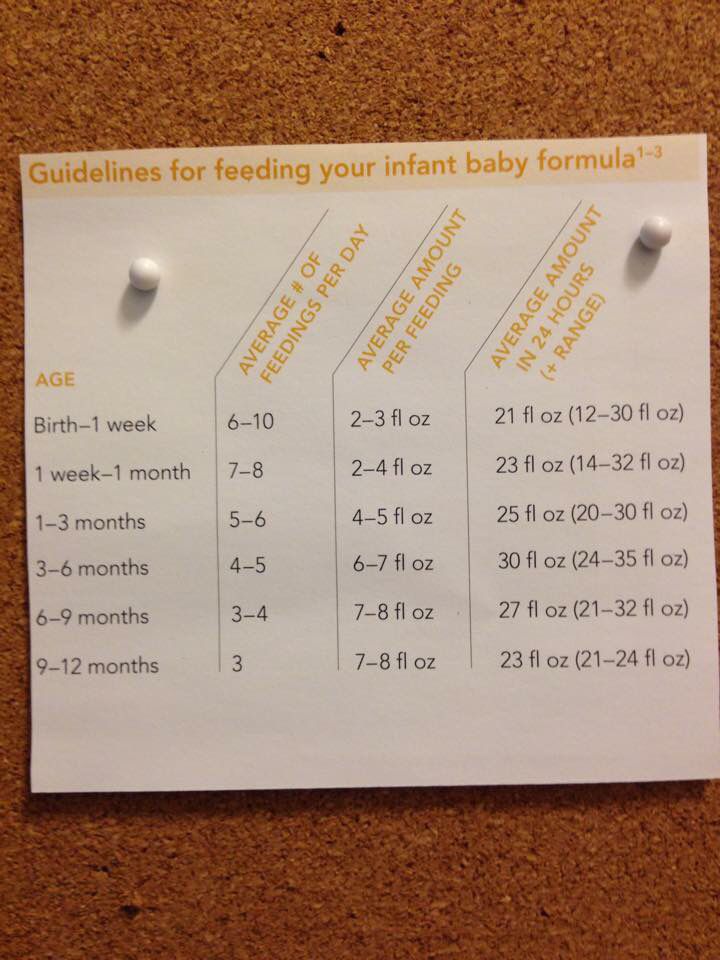
How Much Formula Does a Newborn Need?

One of the most common questions new parents ask is how much formula their baby should drink.
There is no single amount that every newborn needs at every feed.
Newborns have small stomachs and may feed frequently. As babies grow, they generally consume more at individual feeds while the overall pattern gradually changes.
Rather than focusing only on a rigid number, pay attention to your baby’s hunger and fullness cues and follow the guidance of your pediatrician.
Your baby’s healthcare provider can consider age, weight, growth pattern, health, and other factors when discussing feeding amounts.
Avoid forcing a baby to finish a bottle simply because there is formula remaining.
Babies can communicate when they have had enough, and learning to respond to those signals is an important part of responsive feeding.
Learning Your Baby’s Hunger Cues

Newborns cannot tell you with words that they are hungry, but they communicate in other ways.
Early hunger cues may include stirring, opening the mouth, turning the head, rooting, sucking on hands, or becoming more alert.
Crying can be a later hunger signal.
Learning these cues can make feeding feel less stressful because you are responding to your baby’s communication rather than waiting until your baby becomes extremely upset.
During the first weeks, you may begin noticing patterns. Your baby might become more active around certain times or show particular movements before feeds.
However, newborn routines can change frequently. Growth spurts, developmental changes, illness, and changes in sleep can all affect feeding behavior.
A flexible approach is usually more realistic than expecting a newborn to follow a perfectly predictable schedule.
Creating a Practical Bottle-Feeding Routine
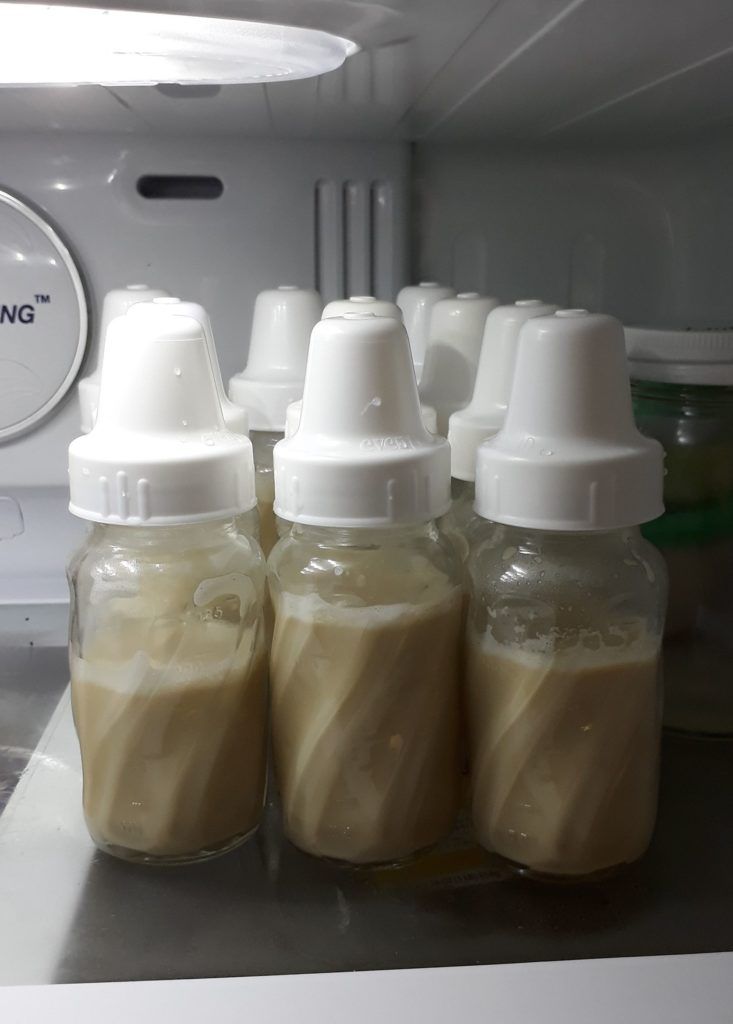
A bottle-feeding routine does not have to be complicated.
Choose a comfortable location where you can sit with good back and arm support. Keep bottles and feeding supplies clean and organized so you are not searching for them while your baby is hungry.
You may also want to keep burp cloths, bibs, and spare clothing nearby.
Organization becomes particularly helpful during the first months because feeding can happen many times throughout the day and night.
A simple setup might include:
- Clean bottles
- Appropriate nipples
- Prepared formula when safely stored
- Burp cloths
- Bibs
- Clean baby clothes
- A comfortable chair
- Water for yourself
- A small waste container nearby
You do not need an expensive feeding station.
The goal is simply to make the routine easier and safer.
Preparing Formula Safely
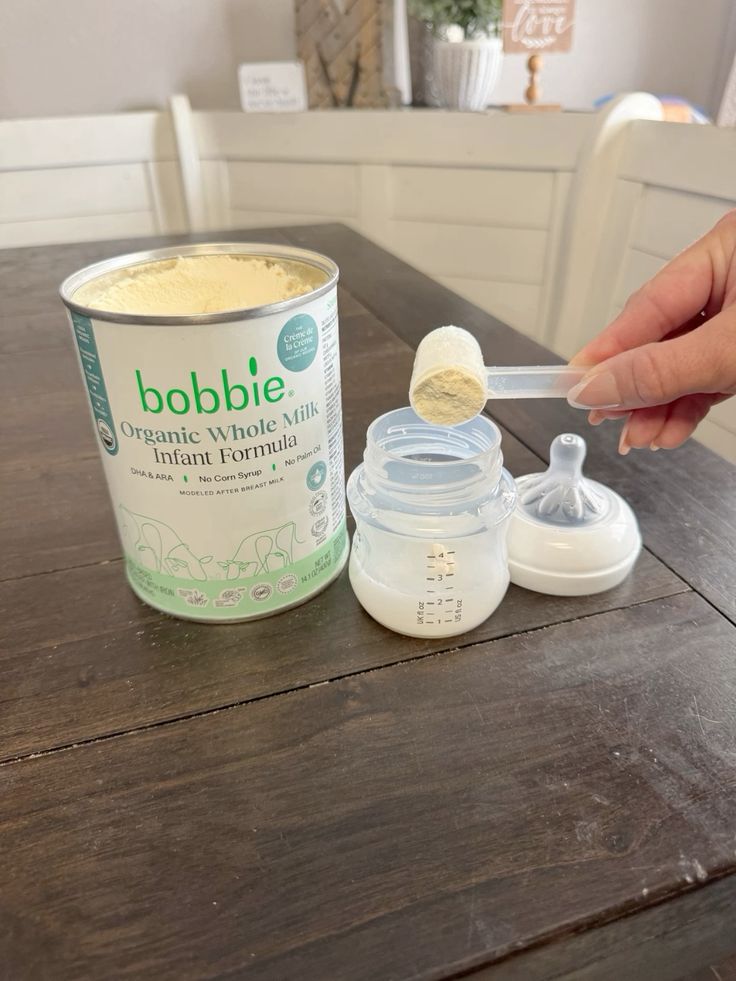
Formula preparation requires careful attention to hygiene and measurement.
Always wash your hands before preparing a bottle and make sure feeding equipment is clean.
Follow the formula manufacturer’s instructions exactly. Use the specified amount of water and formula rather than estimating.
- Do not use extra powder to make a stronger bottle.
- Do not dilute formula with additional water.
- Do not alter the formula concentration unless a healthcare professional specifically instructs you to do so.
Water safety can also matter depending on where you live and the age or health of your baby. If you have questions about what type of water is appropriate for preparing formula, ask your pediatrician or local health authority.
Prepared formula also needs to be handled according to current safety guidance.
If you are unsure how long a prepared bottle can remain at room temperature, in the refrigerator, or after feeding begins, check the instructions provided with your formula and seek professional guidance when necessary.
Cleaning and Caring for Bottles
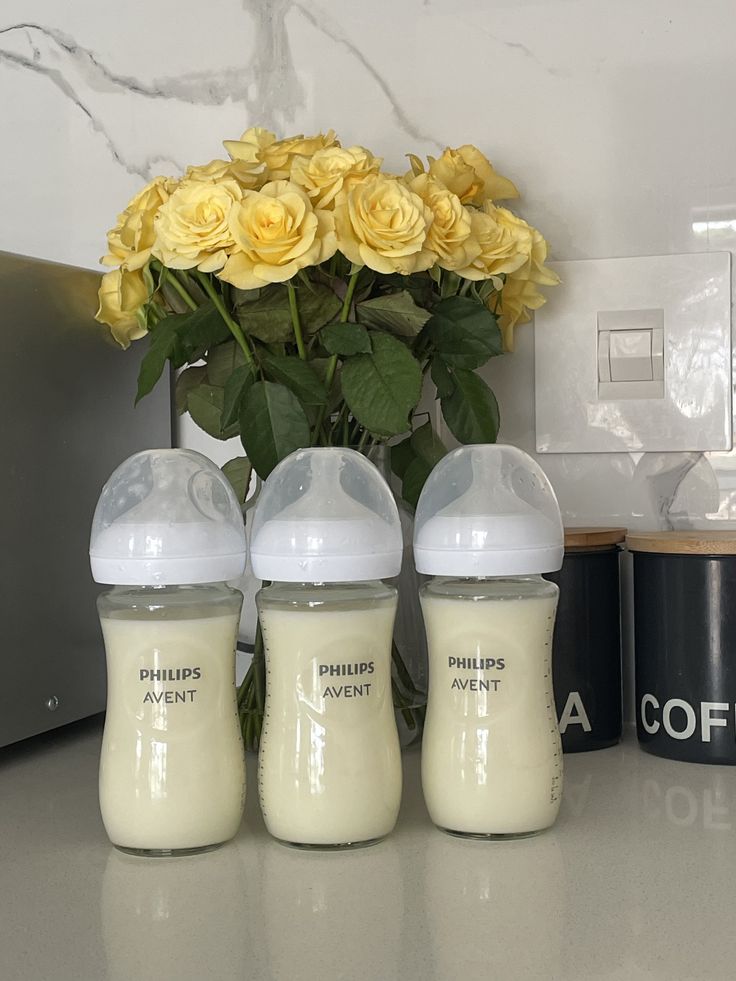
Clean bottles are an essential part of safe formula feeding.
After a feeding, follow appropriate cleaning instructions for bottles, nipples, caps, and other feeding equipment.
Pay particular attention to areas where milk can collect.
Bottle brushes can help reach narrow areas, while careful inspection can reveal cracks, worn nipples, or damaged components that should be replaced.
Different families use different cleaning systems. Some wash bottles by hand, while others use a dishwasher when the equipment is dishwasher-safe.
The important thing is to follow the manufacturer’s instructions for your specific products.
If your baby is very young, premature, or medically vulnerable, ask your healthcare provider whether additional sterilization precautions are recommended.
Keeping feeding equipment organized can also make your daily routine much easier.
This is similar to the principle behind nursery organization ideas that keep baby essentials within reach: frequently used items should be easy to find when you need them.
Choosing Bottles and Nipples
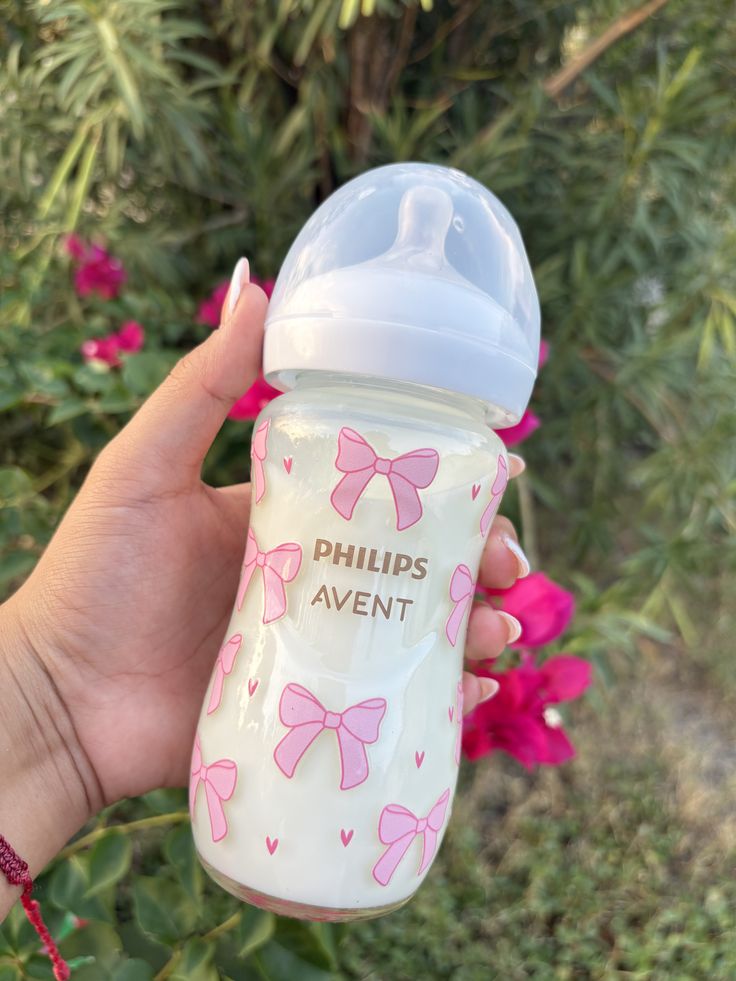
Bottle shopping can quickly become overwhelming.
There are wide-neck bottles, narrow bottles, angled bottles, anti-colic designs, glass bottles, plastic bottles, and countless nipple shapes.
You do not need to buy every type. Start with a small number of bottles and observe how your baby feeds.
Your baby may prefer one nipple shape or bottle design, while another may result in excessive leaking, difficulty latching onto the nipple, or uncomfortable feeding.
Nipple flow is also important. A flow that is too fast may cause coughing, gulping, or difficulty coordinating feeding. A flow that is too slow may frustrate some babies.
Instead of moving automatically to a faster nipple because your baby is getting older, pay attention to your baby’s feeding behavior and follow the manufacturer’s age guidance and your healthcare provider’s recommendations.
Holding Your Baby During Bottle Feeds

Bottle feeding is more than simply delivering milk.
The way you hold your baby can support comfort, connection, and responsive feeding.
Hold your baby close, keeping the head and neck supported. Many parents find a slightly upright position comfortable for bottle feeding.
Watch your baby’s face and body during the feed.
Pause when your baby needs a break rather than automatically continuing because there is formula left.
Eye contact, gentle talking, and physical closeness can make bottle feeding a meaningful bonding opportunity.
If someone else is feeding your baby, encourage them to use the same responsive approach.
Bottle feeding can become part of your baby’s routine while also providing plenty of opportunities for affection and interaction.
Understanding Paced Bottle Feeding

Paced bottle feeding is a technique that can help babies control the flow of milk more comfortably.
Instead of holding the bottle at a steep angle so milk flows rapidly, the caregiver can keep the bottle more horizontal and allow the baby to pause naturally.
The exact technique can vary, so if you want to use paced feeding, ask a pediatrician, lactation professional, or feeding specialist to demonstrate it.
The goal is not to make feeding complicated.
It is simply to avoid overwhelming the baby with a faster flow than they can comfortably manage.
Signs that the flow may be too fast can include coughing, choking, gulping, milk leaking from the mouth, pulling away frequently, or appearing distressed during feeds.
If these behaviors continue, ask a healthcare professional for guidance.
Burping During and After Feeds

Some babies need to burp during or after a bottle, while others may not burp every time.
If your baby seems uncomfortable, pauses frequently, or becomes fussy during feeding, you can take a short break and try burping.
Hold your baby securely and gently pat or rub the back.
There is no requirement for a dramatic burp after every bottle.
If your baby is comfortable and settles naturally, there may not be a need to keep trying.
After feeding, keep your baby in an appropriate position while you monitor them, then place them in their safe sleep space when it is time to sleep.
Managing Spit-Up and Reflux
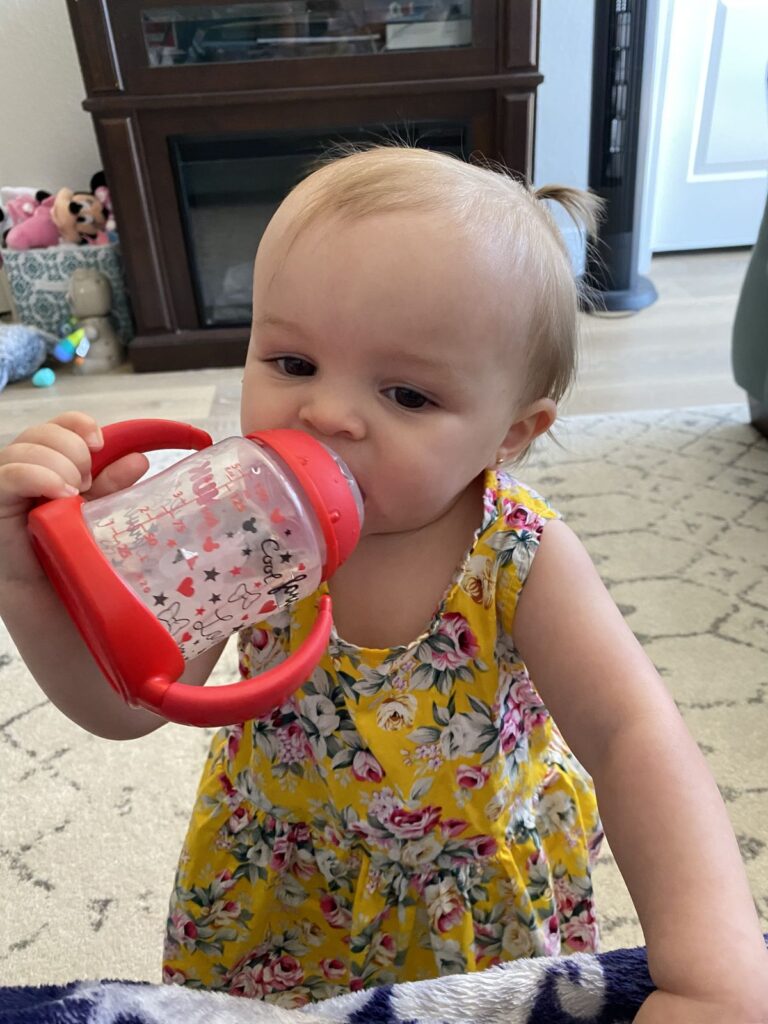
Spit-up is common among young babies because their digestive systems are still developing.
Small amounts of milk coming back up after feeds can happen even when feeding is going well.
Keeping your baby appropriately upright for a short period after feeding may help some babies, although you should always follow safe-sleep guidance once your baby is placed down.
Large amounts of vomiting, forceful vomiting, green or bloody vomit, poor weight gain, dehydration, significant discomfort, or other concerning symptoms should be discussed with a healthcare professional.
Do not automatically add cereal or other substances to formula to treat reflux unless your baby’s healthcare provider specifically recommends it.
Feeding modifications should be based on your baby’s individual medical needs.
Formula Feeding During the Night

Nighttime feeding can be one of the hardest adjustments for new parents.
Newborns need frequent feeds, and waking several times can leave you exhausted.
Prepare as much as safely possible before bedtime.
Make sure bottles and feeding supplies are clean and ready to use according to safe preparation practices. Keep burp cloths, diapers, and clean baby clothes nearby.
Dim lighting can help keep nighttime interactions calm.
It may also help to divide nighttime responsibilities if another caregiver is available. One person can prepare supplies while the other feeds, or caregivers can alternate feeds depending on what works for the household.
Safe sleep remains important after feeding. Once your baby is ready to sleep, place them in their recommended sleep environment.
If you are thinking about sharing a sleep surface with your baby, read safe co-sleeping guidelines for new parents and discuss your individual circumstances with a qualified healthcare professional.
Bottle Feeding When You Are Away From Home

Leaving home with a formula-fed baby requires a little planning.
Your diaper bag may need more feeding supplies than usual, particularly if you will be away for several hours.
Depending on the type of formula you use and your circumstances, you may need bottles, formula, safe water, cleaning supplies, and a way to store prepared formula safely.
Do not assume that a prepared bottle can safely remain at room temperature indefinitely.
When traveling, follow the storage instructions provided by the formula manufacturer and applicable health guidance.
It can also be useful to carry a spare baby outfit because feeding accidents happen.
If you are preparing for longer outings, complete car seat guide for new parents can help you think through safe transportation alongside feeding and diapering needs.
Formula Feeding and Traveling With Your Baby

Travel becomes easier when you plan feeding before leaving home.
For short trips, you may only need enough supplies for the time you will be away plus a little extra for unexpected delays.
For longer trips, think carefully about how you will prepare formula, access safe water, clean bottles, and store prepared feeds.
If you are flying, check the current rules that apply to baby feeding supplies before traveling because requirements can differ depending on the airport, airline, and country.
Road trips require their own strategy.
Never feed your baby while the vehicle is moving. Pull over somewhere safe when your baby needs to eat.
If you use a baby carrier during travel or outings, make sure it is appropriate for your baby’s age and developmental stage.
Best baby carriers for newborns can help you understand different carrier options before choosing one.
Combining Formula With Breastfeeding

Some families use both breast milk and formula.
This may happen because of personal preference, returning to work, milk supply concerns, medical recommendations, or simply because combination feeding works well for the family.
If you are combining feeding methods, it can help to establish a routine that is realistic rather than trying to follow a rigid schedule.
Some families breastfeed during certain parts of the day and use formula at others. Others offer both depending on circumstances.
If you are transitioning from breastfeeding to formula, gradual changes may be more comfortable for some mothers, particularly if you are reducing the number of breastfeeds.
If you are unsure how to combine feeding methods while maintaining your baby’s nutritional needs, speak with your pediatrician or feeding professional.
If you are transitioning completely from breastfeeding, the ultimate breastfeeding guide for first-time moms can also help you understand some of the practical considerations involved in the earlier feeding stage.
Recognizing When Your Baby Is Full

New parents sometimes worry that their baby is not eating enough.
It is equally important to recognize when your baby has had enough.
Signs of fullness can include slowing down, releasing the nipple, turning away, relaxing the hands and body, or simply losing interest in the bottle.
Do not pressure your baby to finish every bottle.
Babies have different appetites, and their needs can vary from one feed to another.
Responsive feeding means paying attention to what your baby communicates rather than treating the bottle as something that must always be completely emptied.
Your pediatrician can help you understand whether your baby’s overall intake and growth are appropriate.
Tracking Feeding Without Becoming Obsessed
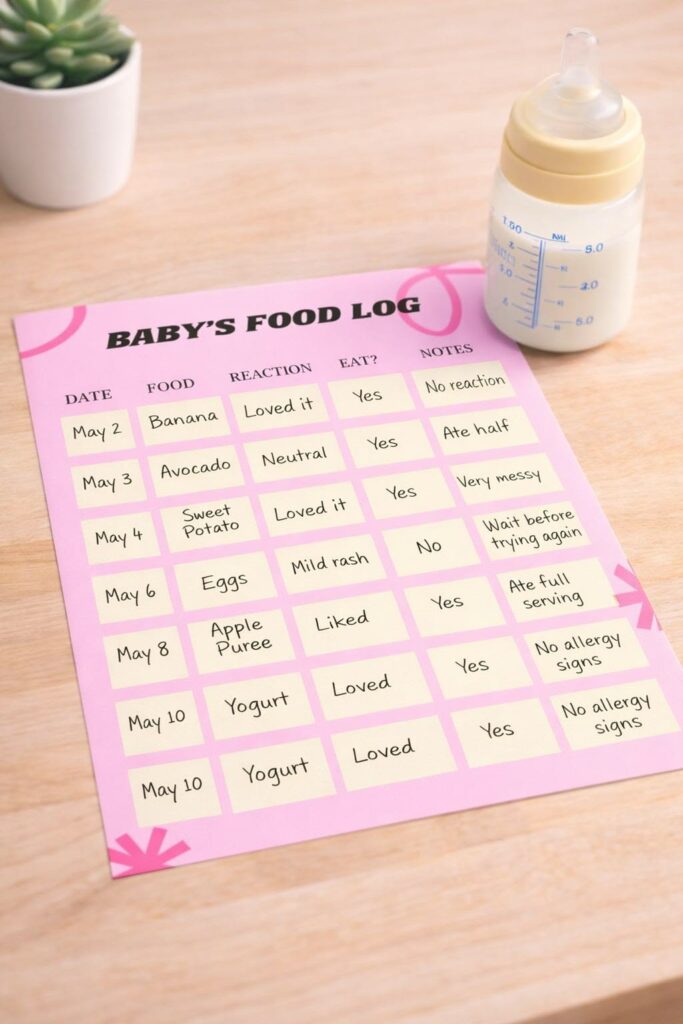
Keeping track of feeds can be useful during the newborn stage, particularly when you are trying to understand your baby’s routine.
You might record:
- Approximate feeding times
- Amount offered
- Amount consumed
- Wet diapers
- Bowel movements
- Medication if prescribed
- Questions for your pediatrician
However, tracking should serve you rather than make you anxious.
You do not necessarily need to record every tiny detail forever.
As your baby’s feeding pattern becomes more established, you may naturally rely more on hunger cues, growth, diaper output, and your pediatrician’s guidance.
If tracking becomes stressful, discuss what information is actually useful with your healthcare provider.
Formula Feeding and Your Baby’s Development
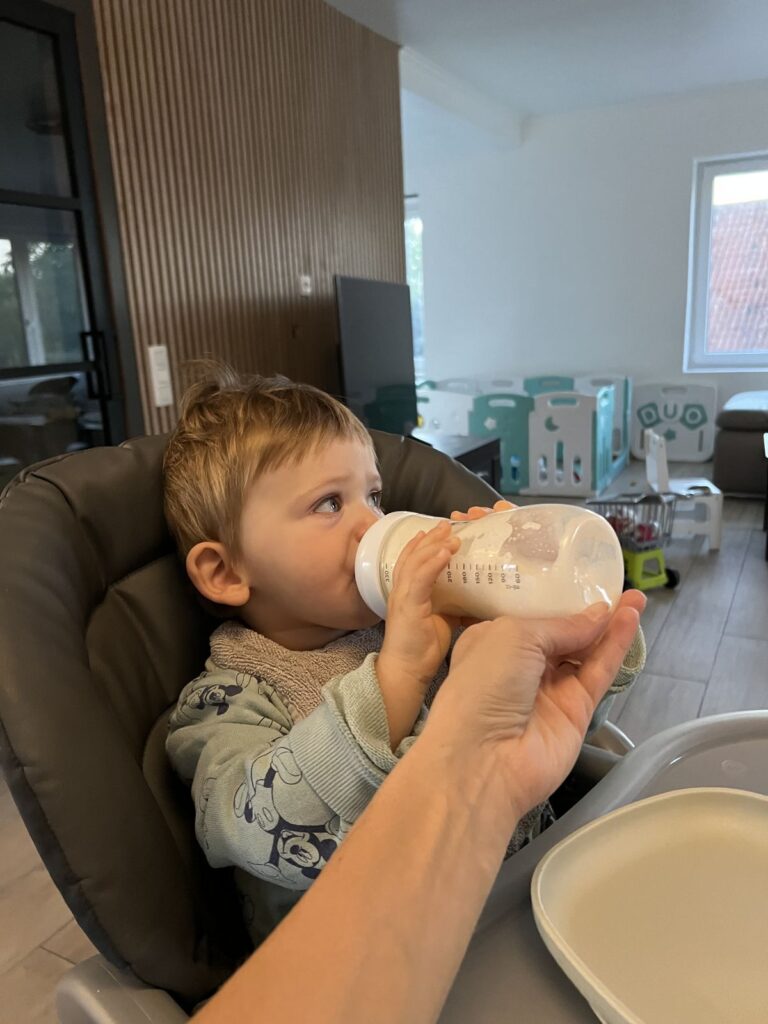
Feeding is closely connected to your baby’s overall development, but formula is only one part of your baby’s care.
As your baby becomes more alert, you will gradually notice changes in movement, communication, attention, and interaction.
During the newborn period, simple activities such as talking, singing, cuddling, and looking at your baby’s face can provide meaningful interaction.
You can also explore how to play with your newborn baby for simple ideas that do not require expensive equipment.
As your baby grows, educational activities for babies from birth to one year can provide additional age-appropriate ideas.
Development does not require constant entertainment. Your voice, facial expressions, touch, and everyday interactions are already valuable.
Creating a Comfortable Feeding Environment

You do not need a picture-perfect feeding corner.
A comfortable chair, supportive pillow, clean bottles, burp cloths, and easy access to water may be enough.
If you are setting up your nursery, place frequently used feeding supplies somewhere accessible.
Keep formula preparation supplies separate from areas where diapers or dirty laundry are stored.
A little organization can make nighttime feeds significantly less frustrating.
You can also keep a small basket containing burp cloths, bibs, spare clothing, and other frequently used items.
The same practical approach can be applied to the rest of your nursery. If space is limited, small nursery ideas that maximize every inch can help you create an organized environment without needing a large room.
Feeding and Bonding With Your Baby

Bottle feeding provides plenty of opportunities for connection.
Hold your baby close, make eye contact, talk softly, and pay attention to their responses.
You can also involve other caregivers.
A partner, grandparent, or trusted caregiver can feed the baby while you rest, shower, eat, or simply take a break.
This can be particularly valuable during the first months when feeding happens frequently.
Bonding does not depend on who provides the milk.
Simple bonding activities for newborns can give everyone in the family opportunities to build a relationship with the baby.
Reading together can also become part of your routine. Benefits of reading to babies daily extend beyond the feeding period and can turn quiet moments into opportunities for connection.
Formula Feeding and Your Own Wellbeing

New parents often spend so much time thinking about whether their baby is eating enough that they forget to eat themselves.
Try to keep easy meals and snacks available.
Drink enough fluids, rest whenever practical, and accept help when it is offered.
If another caregiver can handle a bottle, use that opportunity to sleep or take a break when you need one.
Feeding your baby is important, but your own wellbeing matters too.
The newborn period can be exhausting. If you are experiencing persistent sadness, intense anxiety, or feeling unable to cope, speak with your healthcare provider.
You do not need to wait until things become unbearable before asking for support.
Handling Formula Feeding When Returning to Work

Returning to work can require a new feeding routine.
If your baby is formula fed, discuss the feeding schedule with the caregiver before your return.
Provide clear instructions about:
- How your baby’s bottles should be prepared
- How much formula should generally be offered
- How your baby signals hunger
- How your baby signals fullness
- Safe bottle handling
- Cleaning procedures
- Storage instructions
- What to do if your baby refuses a feed
Planning ahead can make the transition smoother.
Maternity leave planning checklist for working moms can also help you think through the broader transition, including childcare, household routines, and the practical changes that happen when you return to work.
Common Formula Feeding Mistakes to Avoid
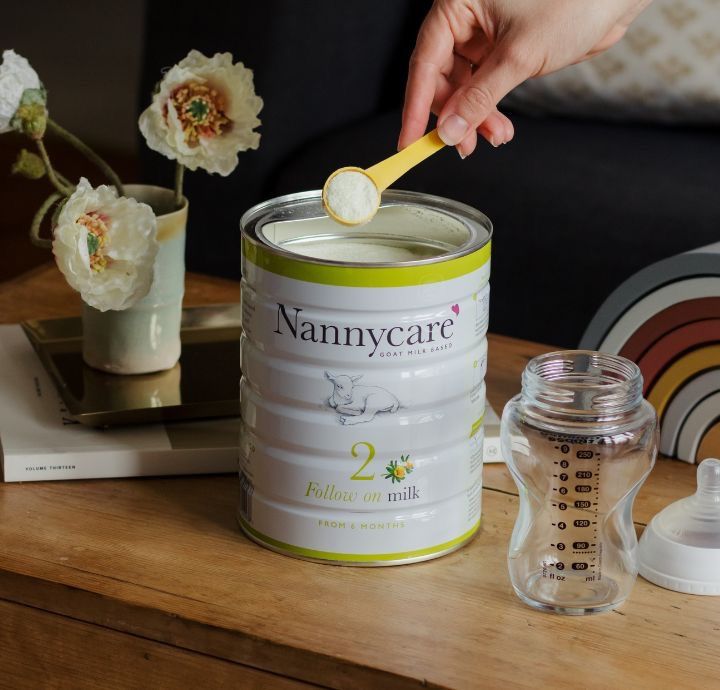
A few common mistakes are worth avoiding.
- Do not guess the formula-to-water ratio.Do not add extra powder.
- Do not dilute formula beyond the manufacturer’s instructions.
- Do not keep leftover formula from a partially consumed bottle for later unless the manufacturer’s instructions specifically allow it.
- Do not prop a bottle in your baby’s mouth.
- Do not leave your baby unattended with a bottle.
- Do not force your baby to finish a bottle.
- Do not assume every feeding problem requires a formula change.
- And do not compare your baby’s feeding pattern too closely with another baby’s.
Your pediatrician can help you determine what is appropriate for your individual baby.
When to Ask Your Pediatrician for Help

There are times when professional advice is important.
Contact your baby’s healthcare provider if you are concerned about poor feeding, repeated vomiting, dehydration, unusual sleepiness, difficulty swallowing, persistent coughing or choking during feeds, poor weight gain, or other symptoms that concern you.
Seek urgent medical attention when your baby appears seriously ill, has significant breathing difficulty, is unusually difficult to wake, or has other emergency symptoms.
You do not have to diagnose the problem yourself.
A healthcare professional can evaluate your baby’s growth, feeding technique, hydration, and overall health.
It is always better to ask a question than spend days worrying that something might be wrong.
Making Formula Feeding Fit Your Everyday Life

The most useful feeding routine is one you can actually maintain.
Some days will be organized. Other days will involve a bottle prepared while you are still wearing yesterday’s clothes.
That is normal.
Your goal is not to create a perfect Instagram-worthy feeding routine.
It is to feed your baby safely, respond to their cues, keep feeding equipment clean, and take care of yourself along the way.
As your baby grows, the routine will change. You may eventually move from frequent newborn feeds to a more predictable pattern. Y
our baby may begin showing stronger preferences, sleeping for longer stretches, or becoming more interested in the world around them.
You will adjust as you go.
A Simple Formula Feeding Checklist for New Parents
When you feel overwhelmed, return to the basics.
Before a feed:
- Wash your hands.
- Make sure the bottle and feeding equipment are clean.
- Prepare the formula exactly according to instructions.
- Check that the bottle is an appropriate temperature.
- Look for your baby’s hunger cues.
- Sit somewhere comfortable.
During the feed:
- Hold your baby securely.
- Keep their head and neck supported.
- Watch their breathing and feeding behavior.
- Allow pauses when they need them.
- Avoid forcing them to finish the bottle.
- Pay attention to signs that the flow may be too fast.
After the feed:
- Burp your baby if needed.
- Dispose of or store remaining formula according to safe handling guidance.
- Clean feeding equipment appropriately.
- Change your baby’s diaper if necessary.
- Return your baby to a safe sleep environment when it is time to sleep.
These simple habits can make formula feeding feel much more manageable.
Building Confidence One Feed at a Time

Formula feeding can feel like a lot to learn at first, but confidence usually comes through repetition.
The first few bottles may feel awkward. You may wonder whether the nipple flow is right, whether your baby is drinking enough, or whether you prepared the formula correctly.
Those questions are normal.
Over time, you will become familiar with your baby’s hunger cues, feeding rhythm, preferred bottle position, and signs of fullness.
You will also learn which parts of your routine actually matter to your family and which products or systems you can happily live without.
Keep the basics at the center: safe preparation, appropriate formula, clean equipment, responsive feeding, regular healthcare, and plenty of closeness.
You do not need to make feeding complicated to make it meaningful.