
How to Prepare for Single Parenthood Before Baby Arrives
Disclosure: Some of the links in this post are affiliate links. This means if you click on the link and purchase an item, I will receive an affiliate commission at no extra cost to you.
Preparing for a new baby is a life-changing experience for any parent, but doing it on your own often brings a unique set of responsibilities.
Along with the excitement of meeting your little one, you may also find yourself thinking about finances, childcare, emotional support, household responsibilities, and how you’ll manage daily life once your baby arrives.
While these questions can feel overwhelming, planning ahead can make the transition into single parenthood much smoother.
Being a single parent doesn’t mean you have to do everything without help.
Preparing before your baby’s birth gives you time to build a reliable support system, organize your finances, create practical routines, and make informed decisions that will benefit both you and your baby.
Every step you take during pregnancy can reduce stress later and help you feel more confident about caring for your newborn.

One of the biggest advantages of planning early is that it allows you to spread responsibilities over several months instead of trying to solve everything after delivery.
You can prepare your home, arrange childcare if needed, save for upcoming expenses, and identify people you can rely on during those first weeks with your baby.
This guide will help you prepare for single parenthood before your baby arrives by covering practical financial planning, emotional preparation, healthcare, support networks, childcare, and everyday organization.
Whether becoming a single parent was expected or unexpected, thoughtful planning can help you begin this new chapter with greater confidence and peace of mind.
Accept Your Situation Without Comparing Yourself to Others

Every pregnancy journey is different, and becoming a single parent doesn’t define your ability to raise a happy, healthy child.
It’s natural to have moments of uncertainty, especially when you see families with different circumstances.
However, comparing your journey with someone else’s often creates unnecessary pressure instead of helping you prepare.
Your energy is better spent focusing on what you can control.
Every decision you make today, from organizing your finances to preparing your home, is an investment in your baby’s future.
Instead of worrying about what your family looks like compared to others, concentrate on creating a stable, loving environment where your child can thrive.
Preparing emotionally also means giving yourself permission to ask for help when you need it. Strength isn’t measured by doing everything alone.
It’s shown by recognizing when support will make life healthier for both you and your baby.
Build a Reliable Support System

Although you’ll be your baby’s primary caregiver, you don’t have to handle every responsibility on your own.
Having dependable people around you can make pregnancy, childbirth, and the newborn stage much easier to manage.
Think about the people you trust most.
These may include close family members, friends, neighbours, members of your faith community, or trusted colleagues.
Even if they can’t help every day, knowing who you can call during an emergency provides valuable peace of mind.
Identify People You Can Rely On

Consider who may be able to help with:
- Driving you to medical appointments.
- Taking you to the hospital when labor begins.
- Looking after your home if you’re admitted unexpectedly.
- Preparing meals after delivery.
- Running errands.
- Watching your baby while you attend appointments.
- Providing emotional support during difficult days.
It’s helpful to have these conversations before your due date rather than waiting until you urgently need assistance.
Join Communities for Expecting Parents

Many communities offer support groups for expecting parents and single parents.
These groups provide opportunities to ask questions, share experiences, and learn from people who have gone through similar situations.
Connecting with other parents can also remind you that you’re not alone.
Practical advice from people with firsthand experience is often just as valuable as professional guidance.
Even if the group meets in person or online, participating regularly can help you build meaningful relationships before your baby arrives.
You may discover local resources, parenting classes, childcare recommendations, or community programs that you weren’t aware of.
These communities also provide a safe space to discuss common concerns such as preparing for labor, caring for a newborn, managing finances, and adjusting to life as a single parent.
Hearing how others have handled similar situations can give you practical ideas and reassurance.
As your due date gets closer, the connections you build may continue beyond pregnancy.
Many parents develop lasting friendships through these groups, creating a support network they can rely on during the newborn stage and throughout their child’s early years.
Create a Financial Plan Before Your Baby Arrives

Financial preparation becomes even more important when you’re planning to raise a child on your own.
Creating a clear budget before your baby is born helps you understand your income, organize your expenses, and prepare for unexpected costs.
Start by listing your regular monthly expenses alongside the new costs you’ll have after your baby arrives.
Seeing everything in one place makes it easier to identify areas where you can reduce spending or increase your savings.
Prioritize Essential Expenses

Focus your budget on necessities such as:
- Housing.
- Utilities.
- Groceries.
- Medical care.
- Transportation.
- Baby essentials.
- Emergency savings.
Luxury purchases and non-essential shopping can usually wait until your financial situation is more established.
If you’re building a baby emergency fund before birth, include monthly contributions in your budget so you’re prepared for unexpected expenses that may arise during pregnancy or after delivery.
Prepare for Changes in Income

If you plan to take maternity leave or reduce your working hours after giving birth, estimate how your income may change.
Knowing this ahead of time allows you to adjust your spending and increase your savings before your baby arrives.
Even small changes, such as paying off debt or reducing unnecessary subscriptions, can make your monthly budget much easier to manage during the first few months of parenthood.
Prepare Your Home Before Your Due Date

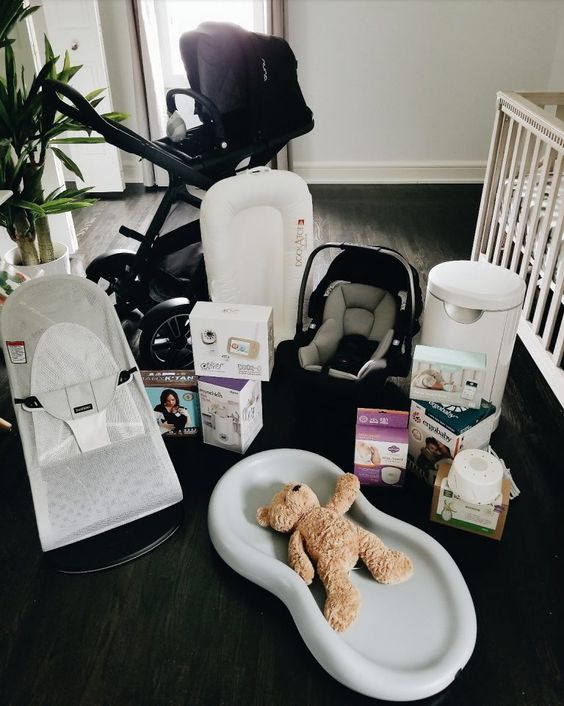
Getting your home ready before your baby arrives can make the first few weeks of single parenthood much less stressful.
Once your newborn is home, you’ll have less time and energy for organizing, assembling furniture, or running frequent errands.
Preparing your living space early allows you to focus more on your recovery and your baby’s needs.
You don’t need a perfectly decorated nursery to welcome your little one.
A clean, safe, and functional environment is far more important than having every trending baby product.
Concentrate on creating spaces that make daily routines easier.
Organize Baby Essentials

Keep frequently used items where you can reach them easily, especially if you’ll be caring for your baby without another adult at home.
Items to organize include:
- Diapers and wipes.
- Baby clothes sorted by size.
- Swaddles and blankets.
- Feeding supplies.
- Toiletries.
- Burp cloths.
- Medicines recommended by your healthcare provider.
Having these essentials ready before delivery reduces the number of shopping trips you’ll need during the newborn stage.
Prepare Meals in Advance

Cooking may not be a priority during the first few weeks after birth.
Preparing and freezing meals before your due date can save time and reduce daily stress.
Consider preparing:
- Soups.
- Stews.
- Rice dishes.
- Pasta sauces.
- Healthy snacks.
- Breakfast options.
You can also stock your pantry with shelf-stable foods that require little preparation.
Plan for Childcare Early

Even if you expect to stay home with your baby for several months, it’s helpful to think ahead about childcare.
Planning early gives you more options and prevents last-minute decisions if your circumstances change.
Research the childcare options available in your area and compare their costs, waiting lists, and availability.
Some childcare providers fill their spaces months before babies are born, making early planning especially important.
If you’re returning to work after maternity leave, creating a maternity leave planning checklist before your due date can help you organize childcare alongside your work responsibilities.
Explore Your Childcare Options

Depending on your situation, you may consider:
- Licensed childcare centres.
- Home-based childcare providers.
- Family members.
- Trusted friends.
- Nannies.
- Flexible work arrangements.
- Shared childcare with another parent.
Choosing childcare is about finding an arrangement that supports both your baby’s wellbeing and your financial situation.
Understand Your Maternity Benefits and Workplace Policies

Knowing what support is available through your employer can make financial planning much easier.
Review your maternity leave policy, employee benefits, health insurance, and any flexible working arrangements before your baby arrives.
If possible, schedule a meeting with your human resources department to discuss:
- Maternity leave duration.
- Paid leave benefits.
- Health insurance coverage.
- Flexible work options.
- Return-to-work procedures.
- Available employee assistance programmes.
Having clear information before your due date allows you to plan with greater confidence and avoid unnecessary surprises.
Organize Important Documents

Create one folder, either physical or digital for documents you’ll need during pregnancy and after your baby’s birth.
Include items such as:
- Medical records.
- Insurance information.
- Identification documents.
- Employment paperwork.
- Emergency contacts.
- Hospital paperwork.
- Financial records.
Keeping everything together saves valuable time when you need important information quickly.
Build Healthy Daily Routines Before Your Baby Arrives

The weeks after childbirth often feel busy and unpredictable.
Establishing simple routines during pregnancy can make it easier to adjust once your baby is born.
While your schedule will naturally change with a newborn, having a few consistent habits already in place creates a sense of stability.
Start by thinking about the routines that support your wellbeing.
Regular sleep, balanced meals, light physical activity approved by your healthcare provider, and time to relax can help you feel more prepared both physically and emotionally.
Small routines are usually easier to maintain than ambitious ones.
Rather than trying to plan every hour of your day, focus on habits that are realistic and flexible.
Practice Time Management
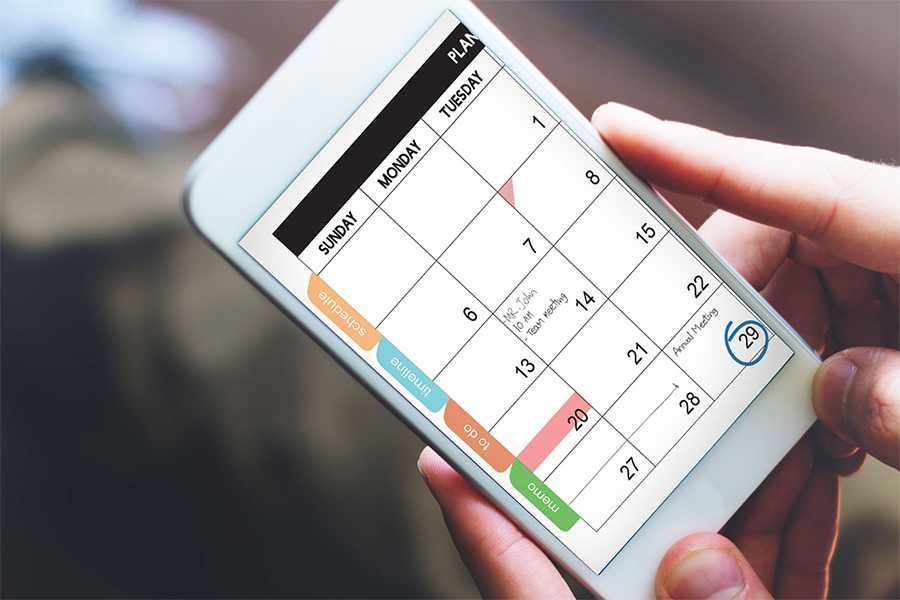
Managing your time becomes more important when you’ll be handling most parenting responsibilities yourself.
Some simple ways to stay organized include:
- Planning meals for the week.
- Scheduling appointments in one calendar.
- Paying bills before their due dates.
- Preparing clothes and essentials the night before.
- Keeping a running shopping list.
- Setting reminders for important tasks.
These small habits reduce the number of decisions you’ll need to make once your baby arrives.
Learn Basic Newborn Care Before Delivery
You don’t have to know everything before becoming a parent, but learning a few newborn care basics can increase your confidence.
Pregnancy is a great time to read reliable resources, attend prenatal classes, or watch demonstrations provided by healthcare professionals.
Understanding common newborn needs before birth can make those first days feel less overwhelming.
Skills Worth Learning

Consider becoming familiar with:
- Safe sleep recommendations.
- Diaper changing.
- Bathing a newborn.
- Feeding basics.
- Burping techniques.
- Swaddling.
- Recognizing common newborn behaviours.
- Basic infant first aid.
If your hospital offers parenting classes before delivery, they can provide practical demonstrations and allow you to ask questions in a supportive environment.
You may also find it helpful to learn what to pack in your hospital bag before your due date so everything is ready when labour begins.
Prepare for Your Emotional Wellbeing After Birth

Looking after your emotional health is just as important as preparing financially or physically.
The transition into parenthood brings significant changes, and it’s normal to experience a wide range of emotions during pregnancy and after delivery.
Being a single parent can sometimes feel isolating, especially during the newborn stage.
Planning ahead for emotional support can make a meaningful difference.
Stay connected with people who encourage you, and don’t hesitate to reach out when you need someone to talk to.
A short conversation with a trusted friend or family member can help you feel supported during challenging moments.
Make Self-Care Part of Your Plan

Self-care doesn’t have to involve long breaks or expensive activities. Even small moments can help you recharge.
Simple ideas include:
- Taking short walks.
- Reading for a few minutes.
- Listening to calming music.
- Practising deep breathing.
- Keeping a journal.
- Resting whenever your baby sleeps.
Looking after yourself isn’t selfish.
Caring for your own wellbeing helps you care for your baby more effectively.
Know When to Ask for Help

Many single parents feel they need to prove they can handle everything independently.
In reality, asking for help is one of the strongest decisions you can make.
Support may come in many forms.
Someone might prepare a meal, watch your baby while you attend an appointment, help with household chores, or simply listen when you’re having a difficult day.
Accepting help doesn’t mean you’re incapable.
It allows you to conserve your energy for the responsibilities only you can fulfill as your baby’s parent.
Before your due date, make a list of people you feel comfortable contacting if you need assistance.
Having those names and phone numbers ready means you won’t have to think about it during stressful moments.
Create a Flexible Plan for Life After Your Baby Arrives

No matter how carefully you prepare, life with a newborn rarely follows a perfect schedule.
Feeding routines, sleep patterns, recovery after birth, and unexpected situations may require you to adjust your plans.
Preparing for flexibility can help you respond with less stress when things don’t go exactly as expected.
Instead of creating a rigid daily schedule, think about your priorities.
Focus on meeting your baby’s needs, taking care of your health, and completing the most important household tasks. Everything else can wait if necessary.
Remember that every baby is different.
What works for one family may not work for yours, and that’s completely normal.
Give yourself permission to learn as you go instead of expecting perfection from the beginning.
Prepare for Your First Few Weeks at Home

Having a simple plan for the newborn stage can make the adjustment much smoother.
Before your baby arrives, consider:
- Stocking household essentials.
- Filling prescriptions ahead of time.
- Washing baby clothes and bedding.
- Setting up feeding and changing stations.
- Preparing comfortable recovery supplies.
- Arranging help during your first week at home.
Completing these tasks before delivery gives you more time to rest and bond with your baby after birth.
Remember That You Don’t Have to Be a Perfect Parent

One of the biggest pressures many single parents place on themselves is believing they have to do everything perfectly.
The truth is that your baby doesn’t need perfection. Your baby needs love, safety, consistency, and a caregiver who continues learning every day.
There will be moments when things don’t go according to plan.
Some days will feel easier than others, and that’s part of the parenting journey.
Showing yourself kindness during those moments is just as important as caring for your baby.
Celebrate your progress, even when it feels small.
Every appointment you attend, every financial goal you reach, every meal you prepare, and every challenge you overcome is helping you build a secure foundation for your growing family.
Single parenthood comes with unique responsibilities, but it also offers opportunities to create a loving home built on resilience, determination, and strong family values.
Trust yourself, stay open to support, and remember that preparation is about giving yourself confidence not eliminating every uncertainty.