

How to Financially Prepare for Maternity Leave
Welcoming a new baby is exciting, but it also brings changes that go far beyond preparing the nursery or packing your hospital bag.
One of the biggest adjustments many families face is the temporary change in income that can happen during maternity leave.
Even if your leave is fully paid, partially paid, or unpaid, planning your finances before your baby arrives can make the transition much less stressful.
Many parents focus on buying baby clothes, decorating the nursery, and choosing baby gear, only to realize later that everyday household expenses continue even while they’re away from work.
Rent or mortgage payments, utility bills, groceries, transportation, insurance, and other monthly commitments don’t pause simply because you’ve welcomed a new family member.
Having a financial plan in place helps you prepare for those ongoing costs while giving you more freedom to focus on your recovery and your baby.
Preparing financially doesn’t mean you need a perfect budget or a large savings account before becoming a parent.
Small, consistent steps taken throughout pregnancy can make a significant difference by the time your maternity leave begins.
Understanding your expected income, reviewing your expenses, and building a realistic savings plan can help reduce financial pressure during those first weeks and months after birth.
Throughout this guide, you’ll learn practical ways to prepare for maternity leave, identify expenses you may not have considered, and build a financial plan that fits your family’s situation.
With thoughtful preparation, you can approach this new chapter with greater confidence, knowing you’ve taken important steps to support both your growing family and your financial well-being.
Find Out Exactly What Your Maternity Leave Covers

One of the first things to do is understand what your maternity leave will actually look like financially.
Many parents assume they’ll continue receiving their normal salary, only to discover later that their income will change during their time away from work.
If you’re employed, speak with your employer or human resources department as early as possible.
Ask how long your maternity leave lasts, whether it’s fully paid, partially paid, or unpaid, and if there are any benefits that continue while you’re away.
Understanding these details gives you a clearer picture of how much money you’ll have available each month.
If you’re self-employed, run a business, or work as a freelancer, planning becomes even more important.
Since your income may slow down or stop completely for a period, estimating your expected earnings and setting realistic savings goals before your due date can provide valuable peace of mind.
Writing these figures down makes budgeting much easier.
Once you know how much income to expect, you can compare it with your monthly expenses and identify any gap that needs to be covered before your baby arrives.
Taking the time to understand your maternity leave benefits early also gives you more opportunities to adjust your spending habits if necessary, rather than making rushed financial decisions after your baby is born.
Review Your Monthly Expenses

Before creating a savings plan, it’s important to understand where your money currently goes.
Many people know their largest monthly bills, but smaller everyday expenses can easily go unnoticed until they’re written down.
Start by listing your regular monthly commitments. These may include:
- Rent or mortgage
- Electricity and water bills
- Internet and phone services
- Transportation costs
- Groceries
- Insurance
- Loan repayments
- Childcare for older children, if applicable
- Subscriptions and memberships
Once you’ve listed your fixed expenses, look at your recent bank statements to identify spending habits that could be reduced during pregnancy.
You might notice frequent food deliveries, impulse shopping, or subscriptions you rarely use.
The goal isn’t to eliminate everything you enjoy. Instead, it’s about understanding which expenses are essential and which can be adjusted temporarily while you’re preparing for maternity leave.
If you’re also planning for your baby’s arrival, creating a baby budget alongside your maternity leave budget can help you see the bigger financial picture and avoid unexpected surprises after delivery.
Build a Maternity Leave Savings Fund

Once you know how much money you’ll need during maternity leave, the next step is to start saving toward that goal.
You don’t have to save the entire amount overnight. Setting aside a small, consistent amount each week or month is often more realistic and much easier to maintain.
Start by deciding how much you’d like to have saved before your baby arrives.
Some families aim to cover one month of living expenses, while others work toward saving enough for their entire maternity leave. Your target will depend on your income, expected leave, and household expenses.
Keeping this money in a separate savings account can make it less tempting to spend.
Watching your savings grow over time can also give you extra confidence as your due date gets closer.
If you receive bonuses, tax refunds, or extra income during your pregnancy, consider putting part of that money into your maternity leave fund. Even small contributions add up over several months.
The important thing isn’t saving a perfect amount.
It’s creating a financial cushion that helps you manage your regular expenses while giving yourself time to recover and adjust to life with your newborn.
Prepare for New Baby Expenses

While you’re planning for maternity leave, remember that some household expenses may increase after your baby arrives.
Even if you’ve already purchased many of the larger items, there will still be ongoing costs to consider.
Some common expenses include:
- Diapers
- Baby wipes
- Feeding supplies
- Clothing as your baby grows
- Healthcare costs
- Toiletries
- Transportation to medical appointments
Not every expense begins immediately, but preparing for them ahead of time can make budgeting much easier.
Instead of buying everything at once, consider spreading purchases across several months of your pregnancy.
This reduces financial pressure and gives you time to compare prices, watch for sales, and avoid unnecessary spending.
Creating a simple list of expected baby expenses can also help you distinguish between essentials and items that can wait until later.
Reduce Unnecessary Spending Before Leave Begins

Preparing financially isn’t only about saving more, it’s also about spending wisely. Looking for areas where you can temporarily reduce expenses may help you build your maternity leave savings faster.
For example, you might decide to:
- Eat home-cooked meals more often.
- Pause subscription services you rarely use.
- Delay large non-essential purchases.
- Shop with a grocery list to reduce impulse buying.
- Compare prices before buying baby products.
These small adjustments don’t have to be permanent. They’re simply practical ways to free up extra money during the months leading up to your baby’s arrival.
Many parents are surprised by how much they can save through small everyday changes rather than making drastic cuts to their lifestyle.
Every amount you save now is one less financial worry you’ll have during maternity leave.
Pay Down High-Interest Debt If You Can

If you have credit card balances or other high-interest loans, pregnancy can be a good time to reduce them as much as your budget allows.
Entering maternity leave with lower monthly repayments can make managing your finances much easier, especially if your income will decrease for a while.
You don’t need to clear every debt before your baby arrives. Instead, focus on making steady progress.
Paying more than the minimum amount whenever possible can reduce the total interest you pay over time.
If you have several debts, consider prioritizing the one with the highest interest rate first while continuing to make the minimum payments on the others.
This approach may help you save money in the long run and reduce financial pressure during your leave.
Remember to balance debt repayment with building your savings.
Having some money set aside for unexpected expenses is just as important as reducing what you owe.
Build an Emergency Fund

Even with careful planning, unexpected expenses can happen.
Your baby may need additional medical appointments, household bills could be higher than expected, or an unexpected repair might come up while you’re away from work.
Having an emergency fund provides a financial cushion for these situations. It means you won’t have to rely immediately on credit cards or loans when something unexpected happens.
If you’re starting from scratch, don’t feel discouraged.
Begin with a small, achievable goal and increase it gradually throughout your pregnancy. Consistency is more important than saving a large amount all at once.
Keeping your emergency savings separate from your everyday spending account also makes it easier to leave the money untouched unless you genuinely need it.
Knowing you have money set aside for emergencies can provide valuable peace of mind during maternity leave.
Plan for Medical and Delivery Costs

Depending on where you live and your healthcare coverage, there may be medical expenses related to pregnancy, labor, delivery, and postnatal care that you’ll need to prepare for.
Speak with your healthcare provider or insurance company ahead of time so you understand what costs are covered and what you may need to pay yourself.
This helps you avoid unexpected bills after your baby is born.
You may also want to budget for:
- Prenatal appointments
- Laboratory tests
- Prescription medications
- Hospital fees
- Transportation to appointments
- Follow-up care after delivery
Planning for these expenses before your due date allows you to spread the cost over several months instead of trying to cover everything at once.
Talk About Money With Your Partner

If you’re raising your baby with a partner, maternity leave planning shouldn’t fall on one person’s shoulders. Setting aside time to discuss your finances together helps ensure you’re both working toward the same goals.
Talk about topics such as:
- How household bills will be paid.
- How much you’ll aim to save before the baby arrives.
- Who will manage different financial responsibilities.
- Any major purchases that should happen before maternity leave.
- How you’ll handle unexpected expenses.
Having these conversations early reduces misunderstandings later and helps both of you feel more prepared for the changes ahead.
Remember, financial planning isn’t just about numbers. It’s also about working together to create stability for your growing family.
Look for Ways to Increase Your Savings Before Leave
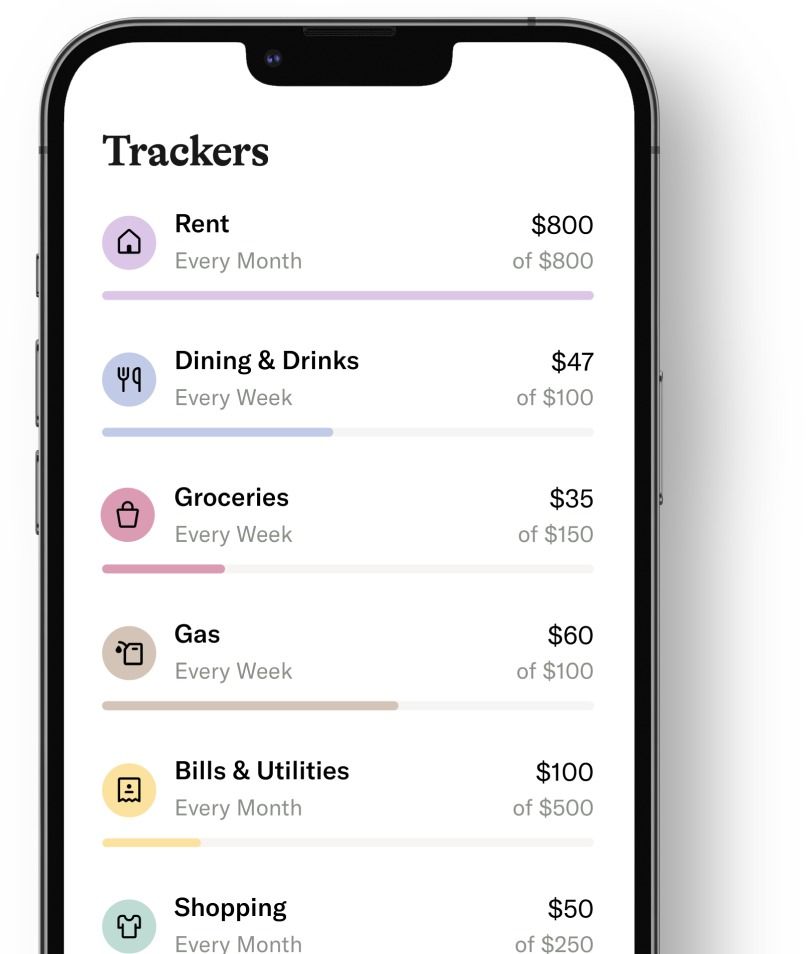
If you still have several months before your maternity leave begins, you may have opportunities to boost your savings without making major lifestyle changes.
For example, you could:
- Save any work bonuses or overtime pay.
- Put birthday gifts or cash gifts into your maternity fund.
- Sell items around your home that you no longer use.
- Take on small freelance projects if your health allows.
- Set up automatic transfers into your savings account each payday.
You don’t need to earn thousands of extra dollars for these efforts to make a difference.
Small amounts saved consistently over several months can provide meaningful support when your regular income changes.
The earlier you begin, the more time your savings have to grow before your baby arrives.
Plan for Returning to Work

Although maternity leave may feel like your immediate focus, it’s also worth thinking ahead to what happens when your leave comes to an end.
Returning to work may bring new expenses, including childcare, transportation, work clothes, or additional household support. Planning for these costs before your baby arrives can make the transition smoother.
You may also want to think about:
- Whether you’ll return full-time or part-time.
- Childcare arrangements and their costs.
- Flexible work options, if available.
- Changes to your household budget after returning to work.
Considering these questions early gives you more time to compare options and make decisions that suit your family’s needs.
Common Financial Mistakes to Avoid

Even with the best intentions, it’s easy to make a few financial mistakes while preparing for maternity leave.
Being aware of them can help you avoid unnecessary stress later.
Some of the most common mistakes include:
- Waiting until the last few weeks of pregnancy to start saving.
- Underestimating everyday household expenses.
- Buying every baby product before deciding what’s truly necessary.
- Forgetting to budget for medical costs and emergencies.
- Relying entirely on credit cards to cover maternity leave expenses.
- Not discussing finances with your partner or family members.
- Ignoring changes in income during maternity leave.
Financial preparation doesn’t require perfection. It simply requires planning ahead and making informed decisions one step at a time.
A Simple Maternity Leave Budget Example
If you’re not sure where to begin, a simple budget can help you organize your finances before your baby arrives.
You might divide your budget into categories such as:
| Category | Monthly Amount |
| Housing | ______ |
| Utilities | ______ |
| Groceries | ______ |
| Transportation | ______ |
| Insurance | ______ |
| Baby Essentials | ______ |
| Medical Expenses | ______ |
| Savings | ______ |
| Emergency Fund | ______ |
| Other Expenses | ______ |
This doesn’t need to be complicated. A basic plan helps you see where your money is going and identify areas where you can save before maternity leave begins.
Review your budget regularly throughout your pregnancy.
As your plans or expenses change, you can adjust it to reflect your family’s current needs.
Preparing Today Can Make Maternity Leave Less Stressful

Financial preparation is one of the most valuable gifts you can give yourself before welcoming your baby.
While it’s impossible to predict every expense, planning ahead allows you to approach maternity leave with greater confidence and less financial pressure.
Remember that you don’t have to achieve every financial goal before your due date.
Every payment you make toward debt, every contribution to your savings, and every thoughtful budgeting decision brings you one step closer to a more secure maternity leave.
As your baby’s arrival gets closer, continue reviewing your budget, tracking your progress, and making adjustments when needed.
Combined with practical planning for your hospital stay and your baby’s first few months, a solid financial plan can help you spend less time worrying about money and more time enjoying the precious moments with your growing family.