
Ultimate Baby Proofing Checklist for New Parents
Bringing your baby home is one of life’s most exciting moments, but it also marks the beginning of a new responsibility creating a home where your little one can safely grow, explore, and learn.
During the newborn stage, your baby may spend most of the day sleeping or cuddling in your arms.
Before you know it, though, they’ll be rolling across the floor, crawling into unexpected places, pulling themselves up, and reaching for anything within sight.
Many accidents happen because parents underestimate just how quickly babies become mobile.
Preparing your home before those milestones arrive gives you time to identify hazards without rushing through the process.

Every room has potential risks, from unsecured furniture and exposed electrical outlets to choking hazards and dangerous household products.
This guide walks you through a practical baby proofing checklist that helps you create a safer environment without making your home feel like a fortress.
As you work through each section, you’ll discover simple changes that make everyday parenting less stressful while giving your little one the freedom to explore more safely.
Essential Safety Checks Before Baby Starts Exploring
Baby proofing works best when you tackle one area at a time instead of trying to childproof your entire home in a single weekend.
The checklist below focuses on practical improvements that reduce common household hazards while making daily routines easier for growing families.
1. Anchor Heavy Furniture to the Wall

One of the biggest hazards in any home is unsecured furniture.
Babies naturally pull themselves up using dressers, bookshelves, television stands, and cabinets, which can easily tip over if they aren’t properly anchored.
Install anti-tip brackets on all tall furniture, including wardrobes and shelving units.
This simple step dramatically reduces the risk of serious injuries.
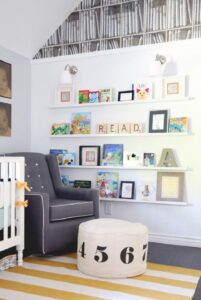
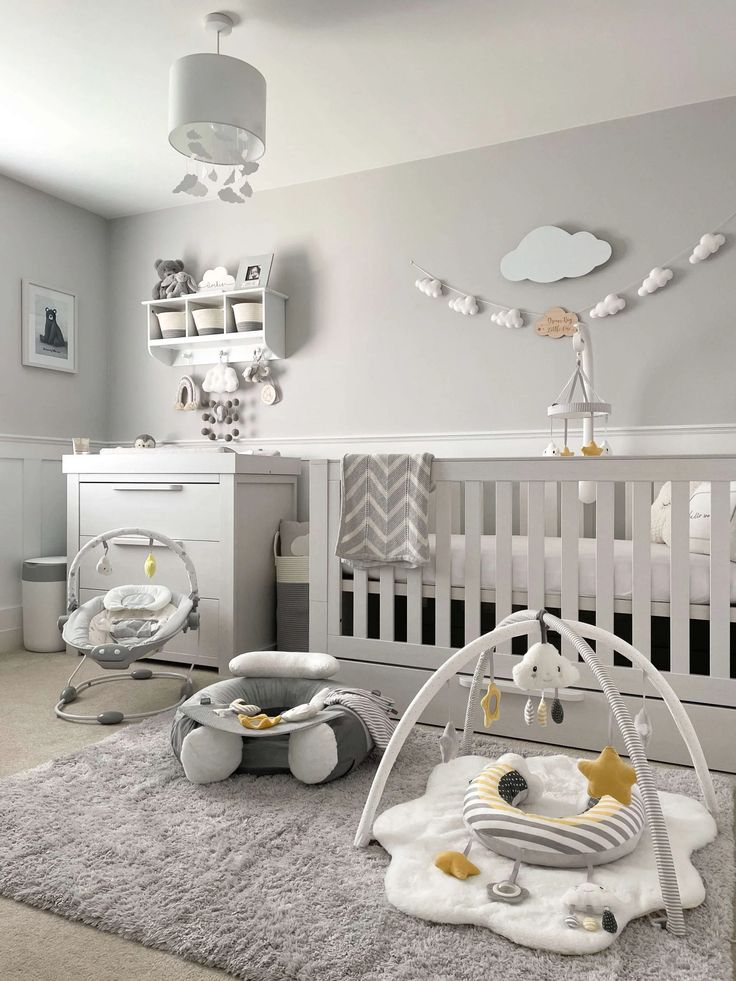
If you’re still furnishing your baby’s room, choosing sturdy nursery furniture with safety in mind makes baby proofing much easier from the beginning.
Furniture that combines durability with smart storage also creates a nursery that’s easier to organize as your child grows.
2. Make Sure the Crib Meets Current Safety Standards
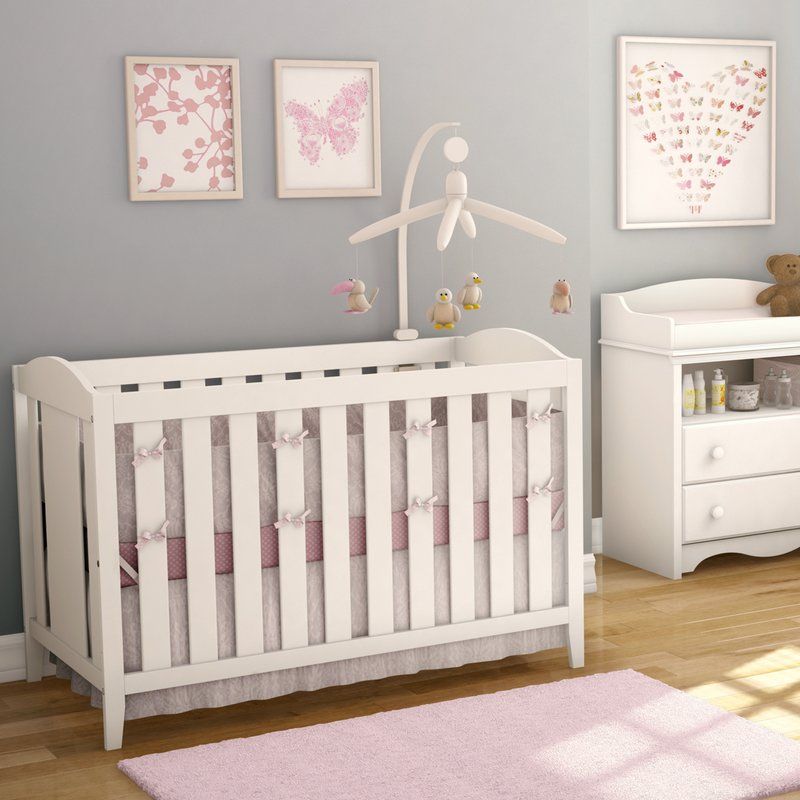
Your baby’s crib should be the safest place in your home.
Choose a crib that meets current safety regulations, has a firm mattress that fits snugly, and contains no loose bedding, pillows, bumpers, or stuffed animals.
Position the crib away from windows, curtain cords, shelves, and hanging decorations.
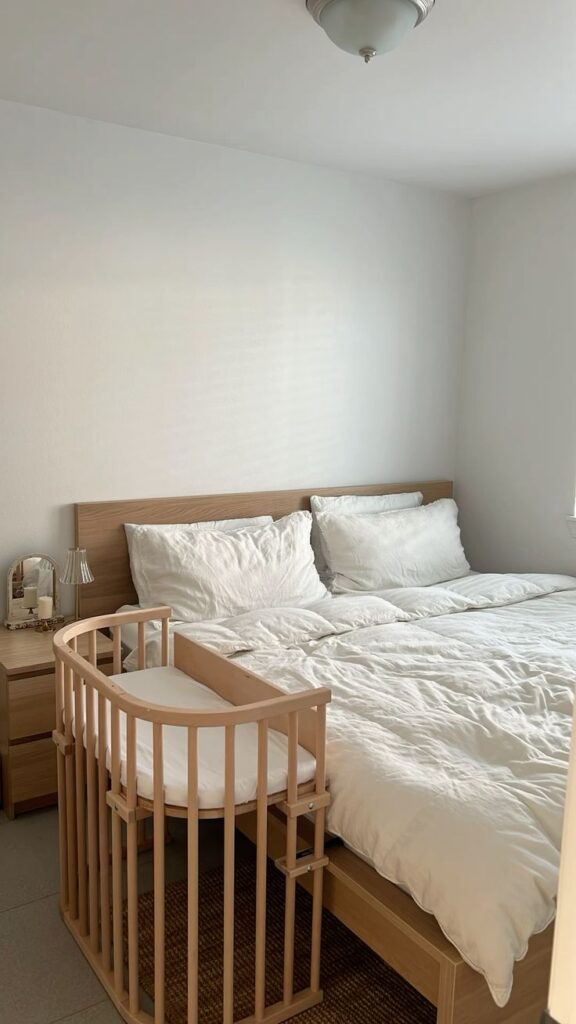
Parents who are still deciding on their baby’s sleeping arrangement should also compare bassinets and cribs before making a final decision.
Understanding the differences helps you choose the safest option for your family’s lifestyle.
3. Install Safety Gates Before You Need Them
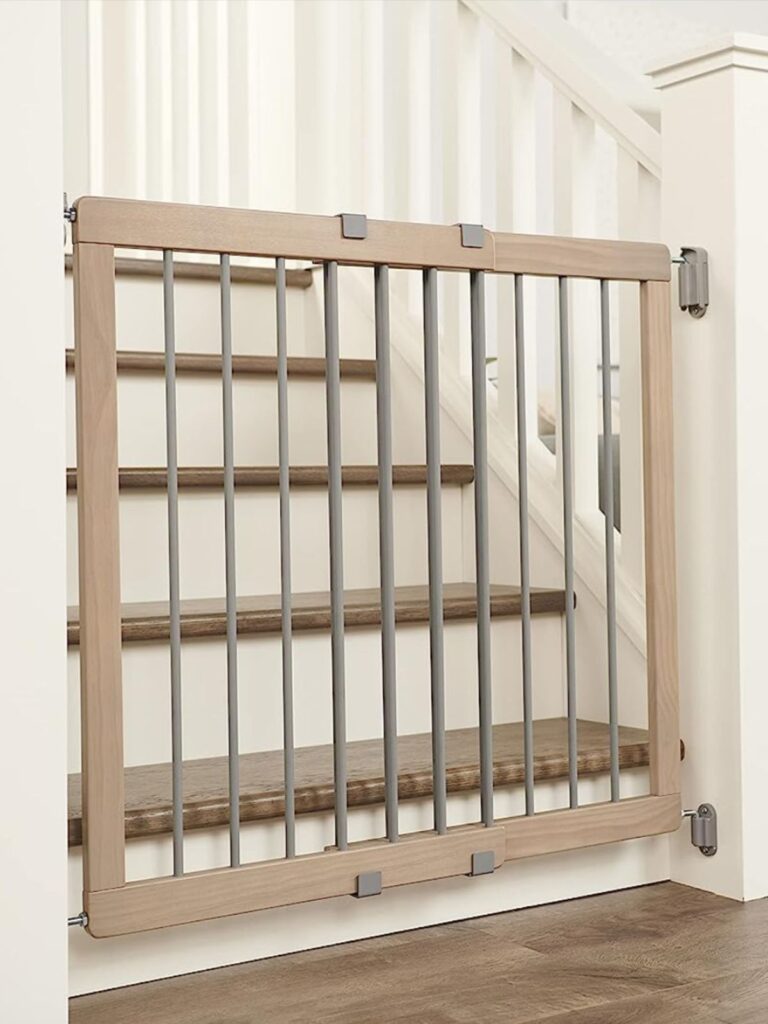
Many parents wait until their baby starts crawling before buying safety gates.
By then, your little one may already be moving faster than expected.
Install hardware-mounted gates at the top of staircases and pressure-mounted gates in doorways where appropriate.
Test each gate regularly to make sure it locks securely and doesn’t loosen over time.
As your child becomes more mobile, continue checking that gates remain in good condition.
If your home has multiple levels, keeping each staircase protected provides extra peace of mind while your baby learns to crawl, stand, and eventually walk.
4. Cover Every Electrical Outlet
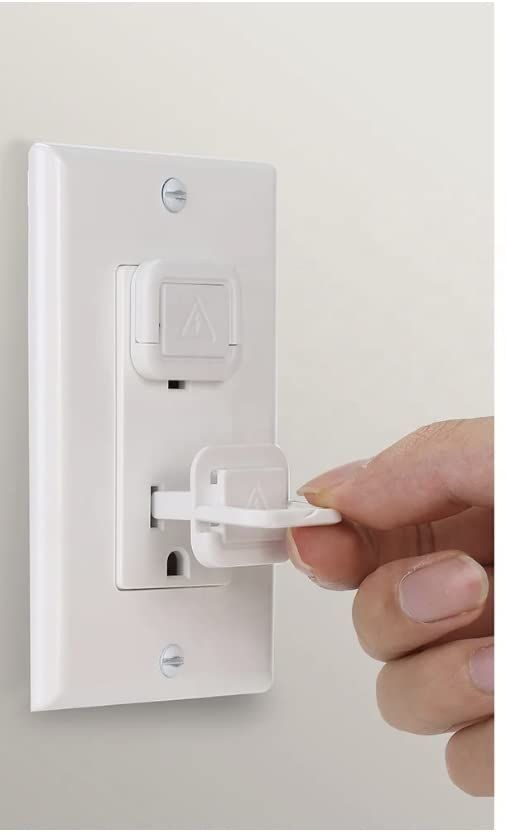
Electrical outlets naturally attract curious little hands.
Place outlet covers or sliding outlet protectors on every unused outlet throughout your home, including guest rooms, hallways, and living areas.
Replace damaged outlets immediately and avoid overloading extension cords or power strips.
While you’re making your home safer, it’s also a good opportunity to evaluate the nursery itself.
A well-planned room with clever nursery storage solutions keeps electrical cords, chargers, and other hazards tucked safely out of your baby’s reach.
5. Lock Cabinets and Drawers
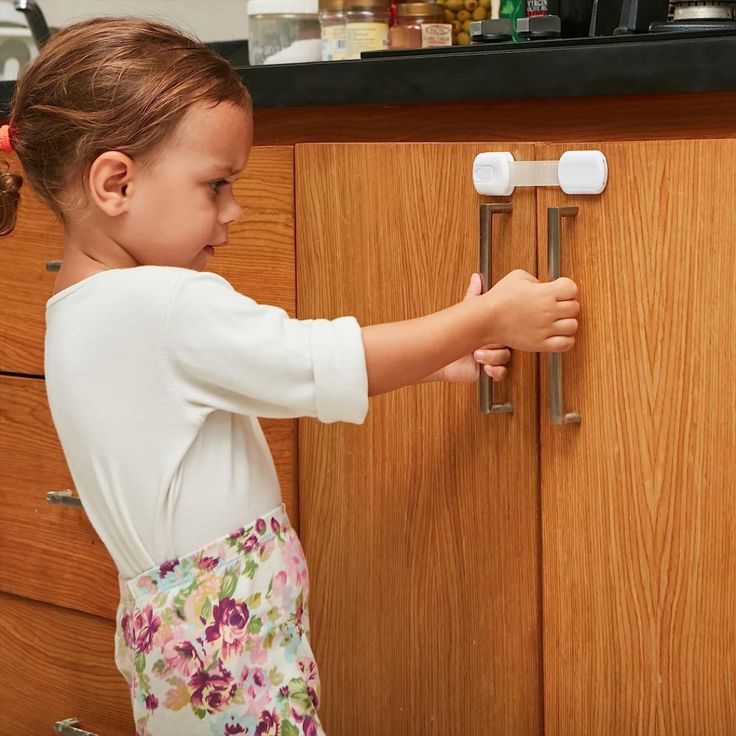
Lower cabinets quickly become a favorite destination for curious babies.
Install childproof locks on cabinets containing cleaning products, medicines, sharp utensils, batteries, plastic bags, and other dangerous household items.
Drawer latches are equally important in kitchens, bathrooms, and home offices where potentially hazardous objects are stored.
Pay special attention to cabinets beneath sinks, as they often contain products that can be harmful if swallowed or spilled.
6. Store Cleaning Products and Medicines Safely

Many common household products look harmless to young children.
Cleaning sprays, detergents, bleach, dishwasher pods, medications, vitamins, and supplements should always be stored in locked cabinets well above your child’s reach.
Keep every product in its original container so labels remain visible in case of an emergency.
Never transfer chemicals into food or drink containers, even temporarily.
Taking these precautions early allows you to focus more on caring for your growing baby instead of constantly worrying about hidden hazards.
7. Secure Television Sets and Large Electronics

Modern flat-screen televisions may look stable, but they can tip surprisingly easily if a child attempts to pull up using the screen or stand.
Mount televisions securely to the wall whenever possible. If wall mounting isn’t an option, use anti-tip straps designed specifically for televisions.
Avoid placing toys, remote controls, or decorative items near the television, as these can encourage climbing.
8. Keep Blind Cords and Electrical Cables Out of Reach

Long cords create serious safety hazards for babies and toddlers.
Tie up blind cords using safety devices, secure charging cables behind furniture, and organize loose electrical wires with cord covers.
Replace damaged cords immediately and avoid leaving chargers plugged in unnecessarily.
Creating an organized space doesn’t just improve safety.
It also makes daily routines feel calmer. Simple organization habits established now will continue to help as your baby grows and your home fills with more toys, books, and everyday essentials.
9. Remove Small Objects That Could Become Choking Hazards
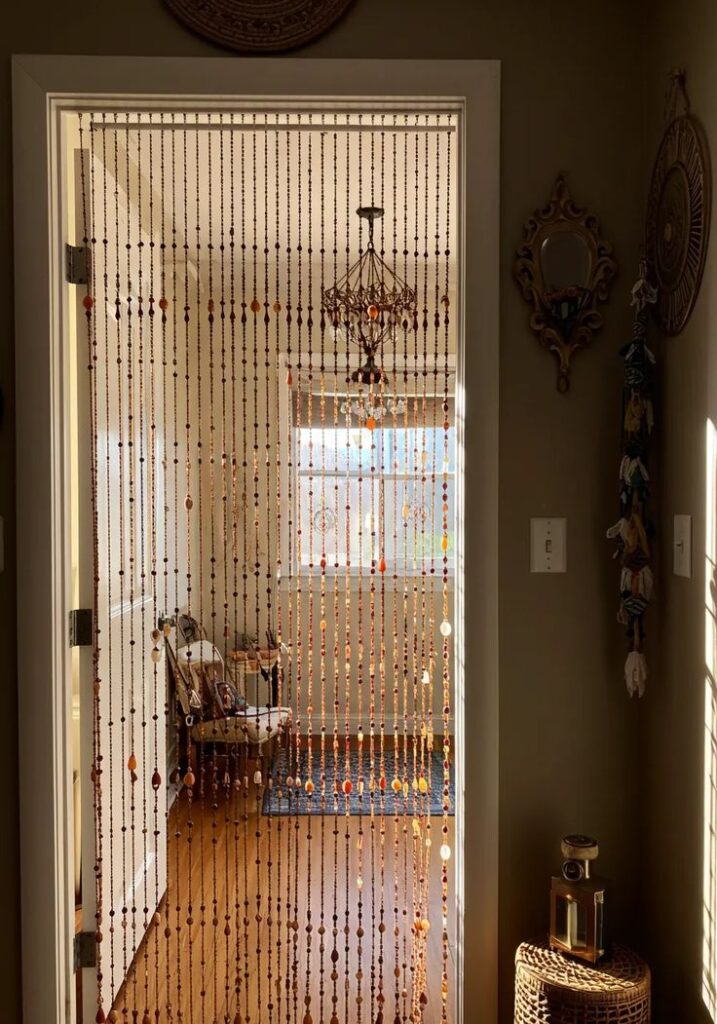
Babies explore almost everything by putting it into their mouths.
Walk through each room from your baby’s perspective. G
et down on your hands and knees and look for coins, buttons, batteries, jewelry, pen caps, small toy parts, hair clips, beads, marbles, and anything else small enough to fit inside a child’s mouth.
Repeat this quick inspection regularly, especially after visitors leave or older siblings finish playing.
10. Create a Safe Nursery Sleeping Area
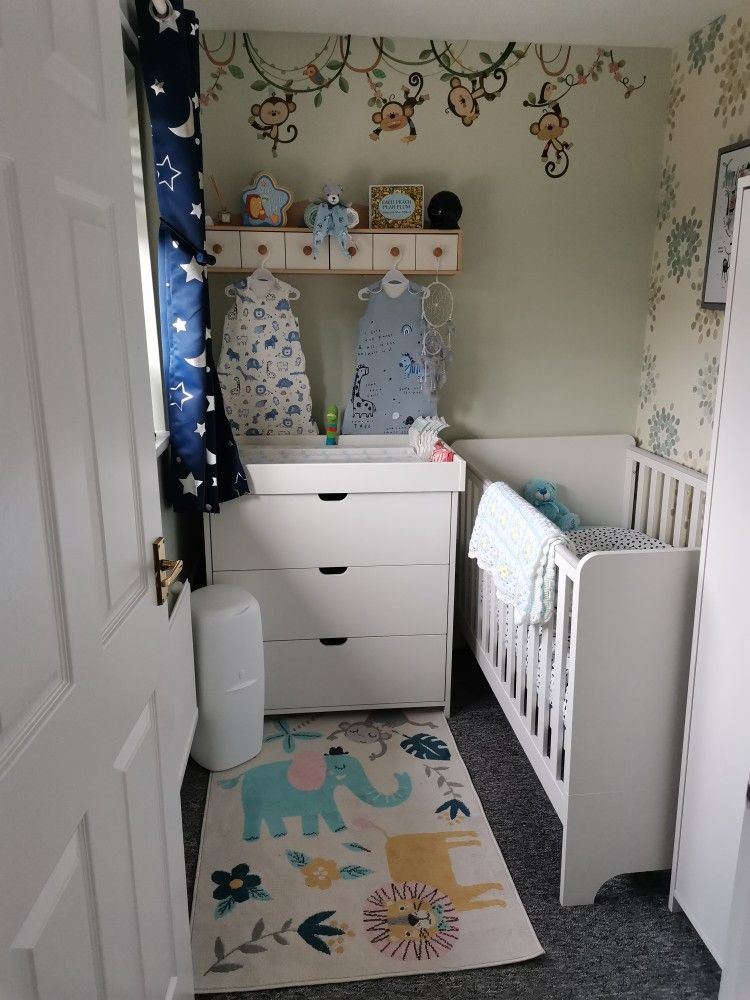
Safe sleep remains one of the most important parts of baby proofing.
Keep the crib clear except for a fitted sheet and a firm mattress.
Avoid pillows, quilts, bumper pads, loose blankets, sleep positioners, and stuffed animals until your child is old enough.
If you’re preparing your baby’s room for the first time, learning more about nursery lighting ideas can also help you create a peaceful sleep environment without relying on overly bright lights during nighttime feeds and diaper changes.
11. Check Every Window for Safety
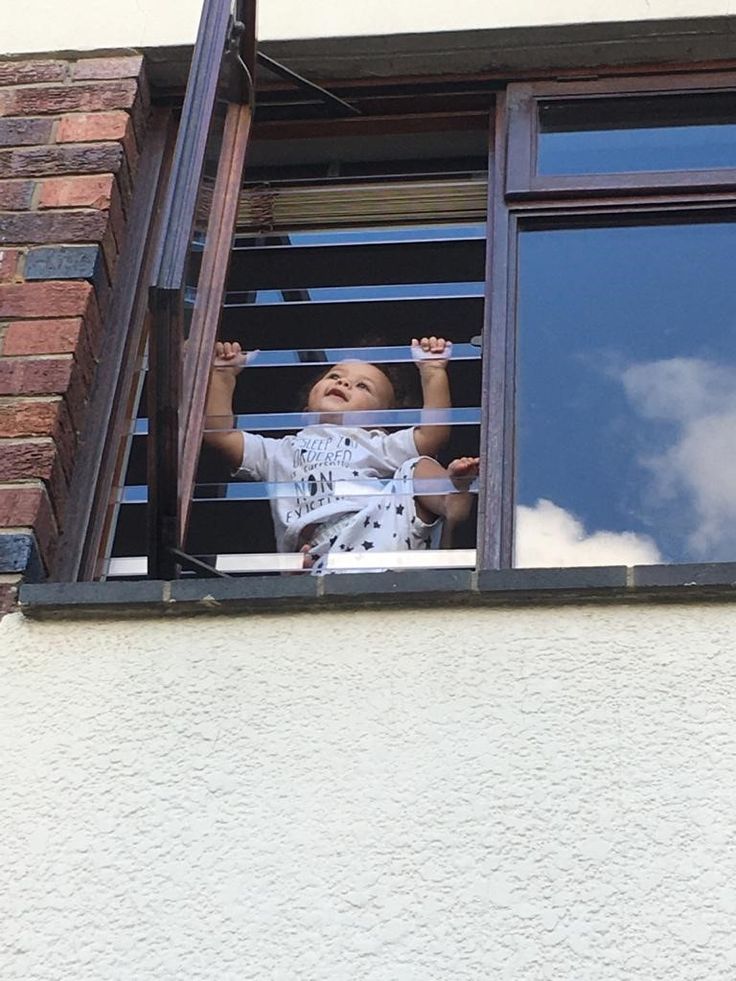
Windows can become dangerous much sooner than many parents expect.
Install window guards where appropriate, particularly on upper floors, while ensuring they can still be opened easily during emergencies.
Keep furniture away from windows to discourage climbing, and never rely on insect screens to prevent falls because they aren’t designed to support a child’s weight.
Choose cordless window coverings whenever possible to eliminate another common household hazard.
12. Keep Everyday Baby Essentials Within Easy Reach

Baby proofing isn’t only about preventing accidents. It also involves making caregiving safer and more efficient.
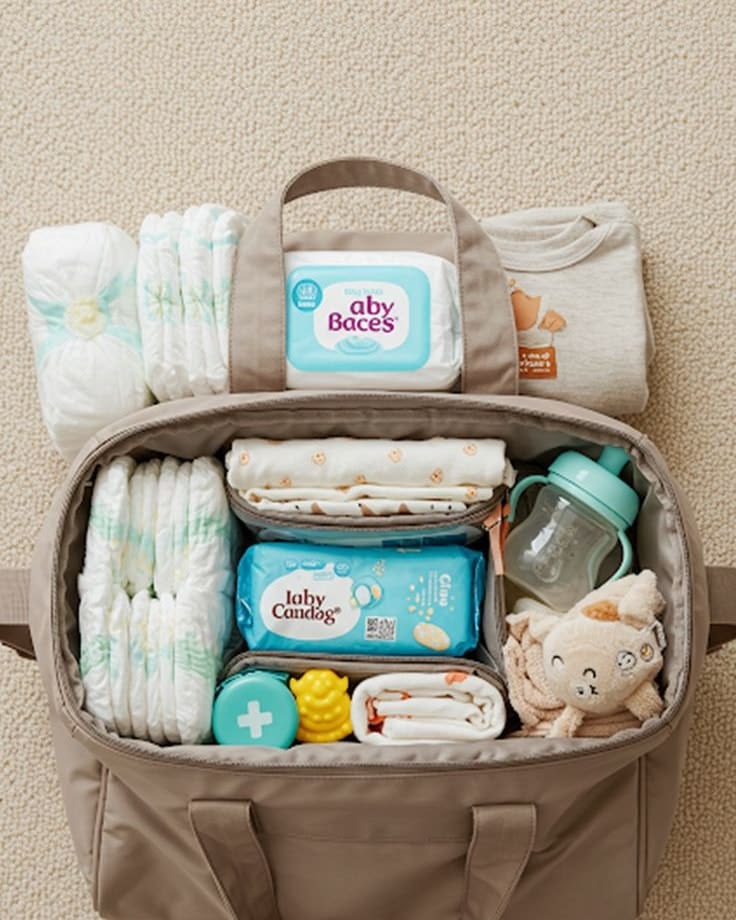
Organize diapers, wipes, creams, extra clothes, burp cloths, and feeding supplies so you don’t need to leave your baby unattended while searching for something you need.
Simple storage baskets, drawer dividers, and labeled containers make daily routines much easier.
Keeping everything organized also reduces unnecessary stress during middle-of-the-night diaper changes or busy mornings with your little one.
13. Protect Sharp Furniture Edges
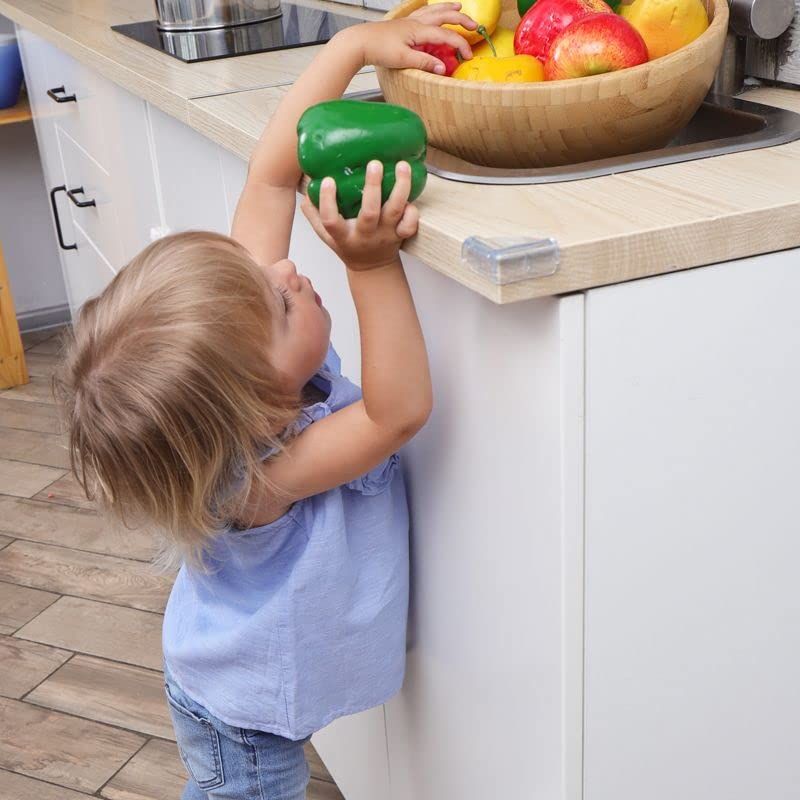
Coffee tables, fireplace hearths, TV stands, console tables, and low cabinets often have sharp corners that can cause painful bumps once your baby begins crawling and pulling up.
Install soft corner guards and edge protectors on furniture within your child’s reach.
Although they won’t prevent every accident, they help cushion unexpected falls while your baby learns to balance.
Walk through every room and identify furniture that sits at your baby’s head height. Small adjustments now can prevent unnecessary injuries later.
14. Keep Floors Free of Clutter
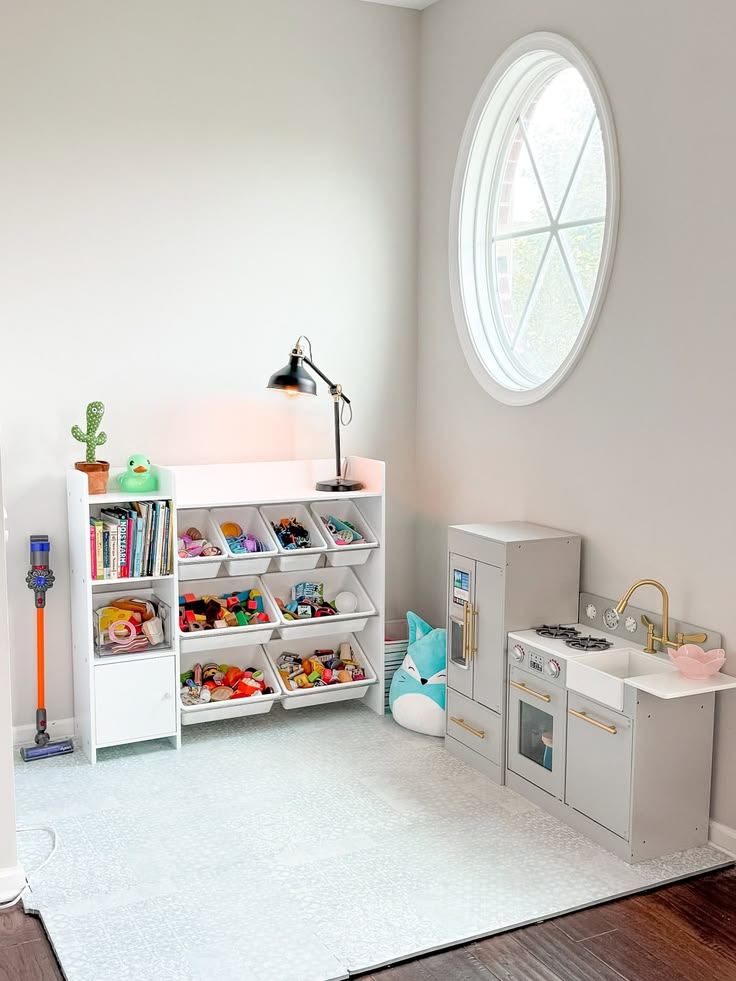
A clutter-free floor creates a much safer environment for babies who are learning to crawl and eventually walk.
Shoes, shopping bags, charging cables, pet toys, and laundry baskets can quickly become obstacles.
Make it a habit to clear walkways throughout the day so your baby has a safe place to explore.
Using simple storage baskets and designated spaces for everyday items also makes cleaning faster while reducing tripping hazards for everyone in the family.
15. Lock Away Alcohol and Other Harmful Substances

Household safety extends beyond cleaning products.
Alcohol, vaping products, cigarettes, matches, lighters, sharp tools, and similar items should always be stored in locked cabinets or placed well out of reach.
Even products that seem harmless to adults can pose serious risks to curious children.
Whenever guests visit, check that handbags and backpacks containing medication or other hazardous items aren’t left where your baby can access them.
16. Secure Rugs and Floor Mats
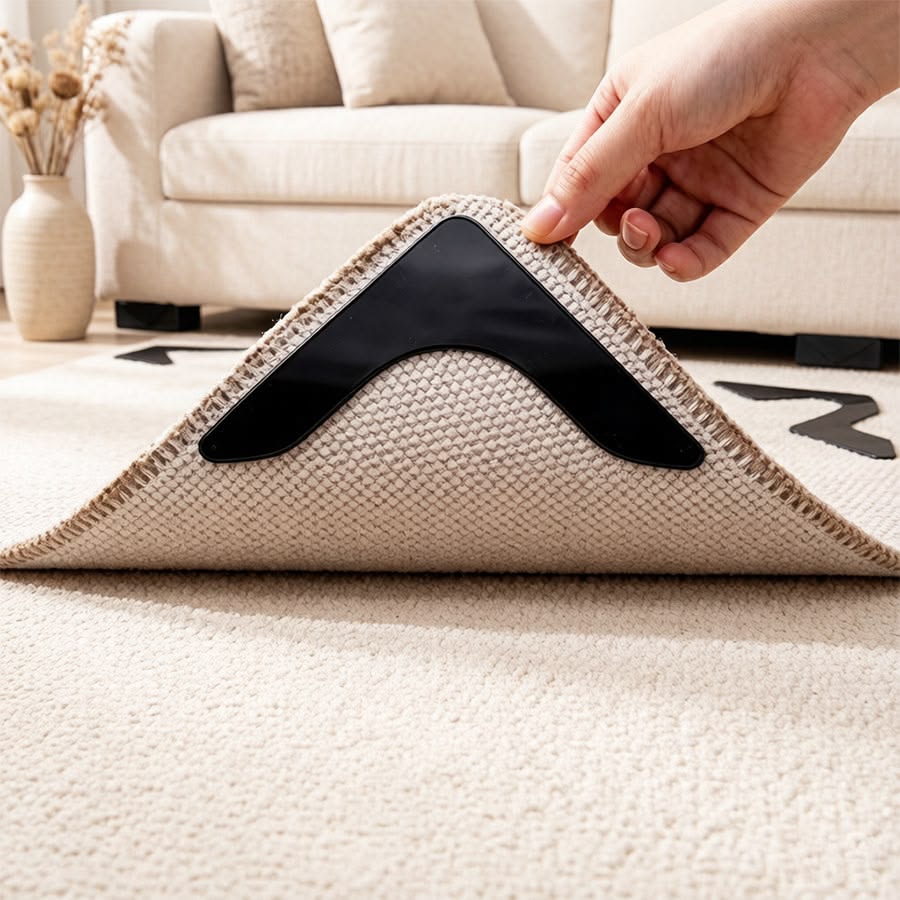
Loose rugs may seem harmless until your baby starts crawling, standing, or taking those exciting first steps.
Use non-slip rug pads underneath area rugs to keep them firmly in place.
Repair curled edges or remove rugs that slide easily across hard flooring.
Creating stable walking surfaces reduces slips for both babies and adults, especially during busy mornings or nighttime wake-ups.
17. Make the Kitchen a Safe Zone
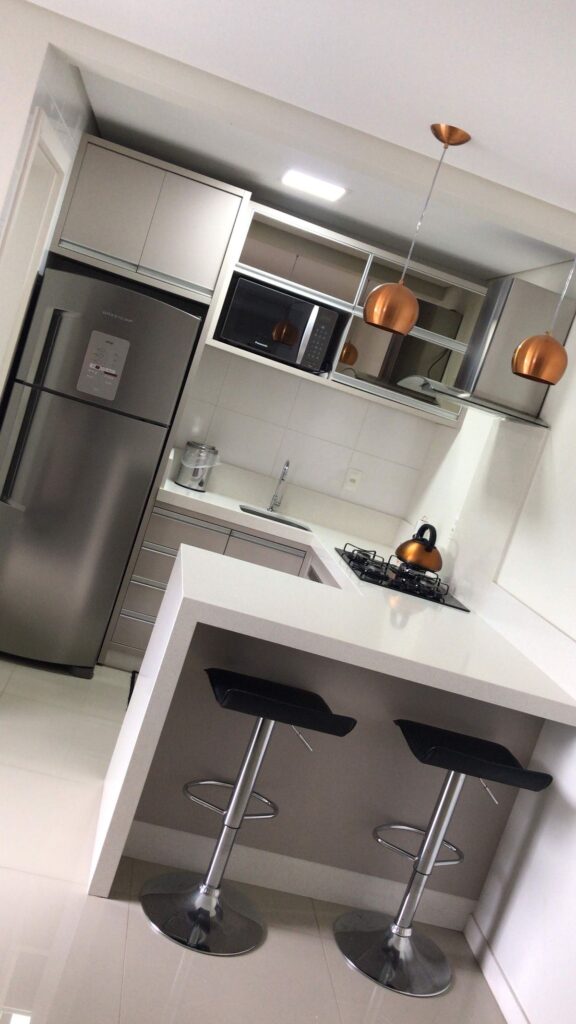
The kitchen contains more hazards than almost any other room in the house.
Pay special attention to:
- Turn pot handles inward while cooking.
- Keep knives and sharp utensils inside locked drawers.
- Store glass containers on higher shelves.
- Avoid hanging tablecloths that little hands can pull.
- Keep hot drinks away from the edges of counters and tables.
- Unplug small appliances when they’re not being used.
These simple habits greatly reduce the risk of burns, cuts, and other preventable accidents.
18. Baby Proof the Bathroom

Bathrooms require careful attention because water, medication, and electrical appliances are all located in one space.
Install toilet locks, keep medicines inside locked cabinets, unplug hair dryers after use, and never leave your child unattended near water, even for a few seconds.
Bath supplies should also remain organized in a secure location so dangerous items don’t end up mixed with everyday baby products.
19. Create a Safe Play Area

Your baby benefits from having one dedicated area where exploration is encouraged.
Choose a section of your living room or nursery that is free from sharp furniture, electrical cords, and unstable decorations.
Use a soft play mat and keep only age-appropriate toys within reach.
As your child develops new skills, introducing simple activities that encourage movement and curiosity becomes much easier when you already have a safe space prepared.
Rotating toys occasionally also keeps playtime interesting without creating unnecessary clutter.
20. Store Plastic Bags and Packaging Materials Safely
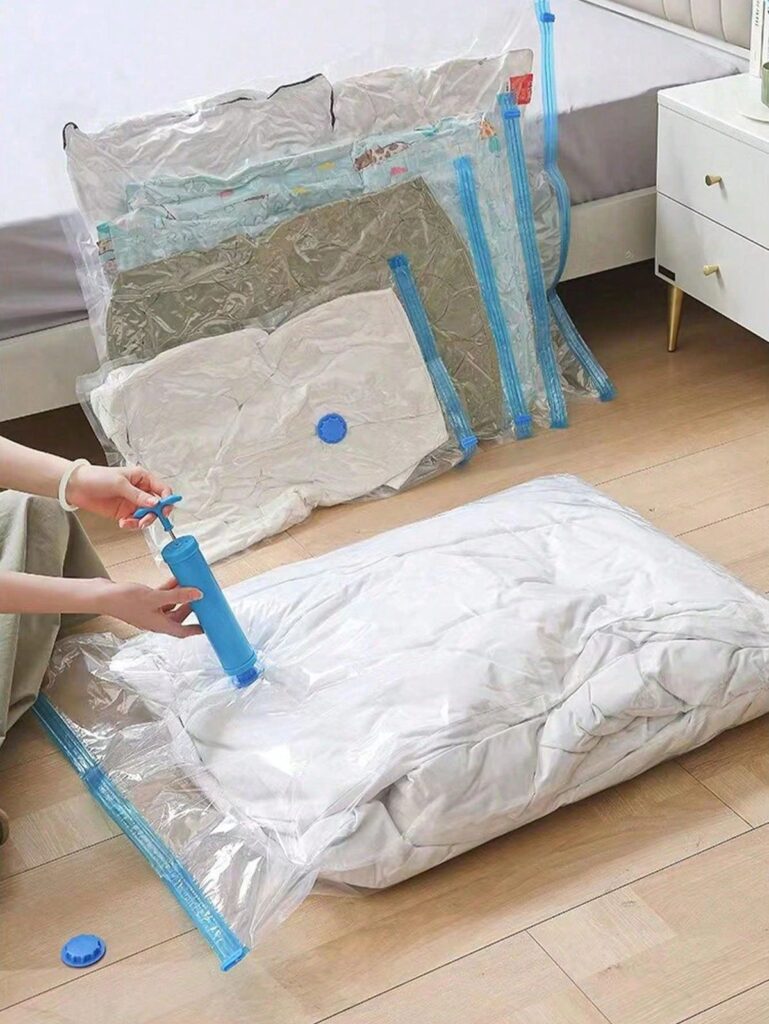
Plastic shopping bags, dry-cleaning covers, packaging materials, and bubble wrap should never be left where babies can reach them.
Store them immediately after use or recycle them promptly.
These everyday household items may not seem dangerous, but they present serious suffocation risks for infants and toddlers.
Making disposal part of your daily routine helps maintain a safer environment throughout your home.
21. Keep Pet Supplies Separate

If you have pets, their food, treats, medications, toys, and feeding bowls need their own designated area.
Many pet foods contain ingredients that aren’t suitable for babies, while water bowls can become unexpected slipping or drowning hazards for young children.
If you’re preparing your family pet for your baby’s arrival, introducing gradual changes to daily routines before birth often helps everyone adjust more comfortably once your little one comes home.
22. Check Smoke and Carbon Monoxide Detectors

Every home should have working smoke alarms and carbon monoxide detectors.
Test each detector monthly, replace batteries when needed, and ensure alarms are installed in recommended locations throughout your home.
It’s also worth creating a family emergency plan so every adult knows what to do if an alarm sounds unexpectedly.
23. Keep Emergency Numbers Easy to Find

Although no parent likes to imagine emergencies, being prepared can make a significant difference.
Keep important numbers where every caregiver can find them quickly, including:
- Emergency medical services
- Poison control
- Your pediatrician
- A trusted family member or neighbor
- Local emergency contacts
Save these numbers in your phone and place a printed copy somewhere visible, such as inside a kitchen cabinet or on the refrigerator.
Being prepared helps you respond calmly if an emergency ever occurs.
24. Keep Batteries and Magnets Completely Out of Reach

Small batteries and magnets are among the most dangerous household items for young children.
Button batteries, in particular, can cause severe internal injuries if swallowed, while strong magnets may damage the intestines when more than one is ingested.
Check remote controls, musical greeting cards, children’s books, key fobs, bathroom scales, thermometers, and toys to ensure battery compartments are securely fastened.
Store spare batteries and magnets inside a locked cabinet, and dispose of used batteries immediately.
Whenever you buy a new toy or electronic device, inspect it before giving it to your child to make sure no loose parts can be removed.
25. Keep Houseplants Out of Your Baby’s Reach

Indoor plants make a home feel warm and inviting, but not every plant is safe around children.
Some common houseplants can cause skin irritation or become poisonous if leaves or berries are chewed.
Place plants on high shelves, hanging planters, or in rooms your baby cannot access.
Also pay attention to decorative stones, fertilizer, and potting soil, as curious babies may try to touch or taste them.
If you’re unsure whether a plant is child-friendly, it’s best to move it out of reach until your child is older.
26. Secure Doors to Restricted Areas
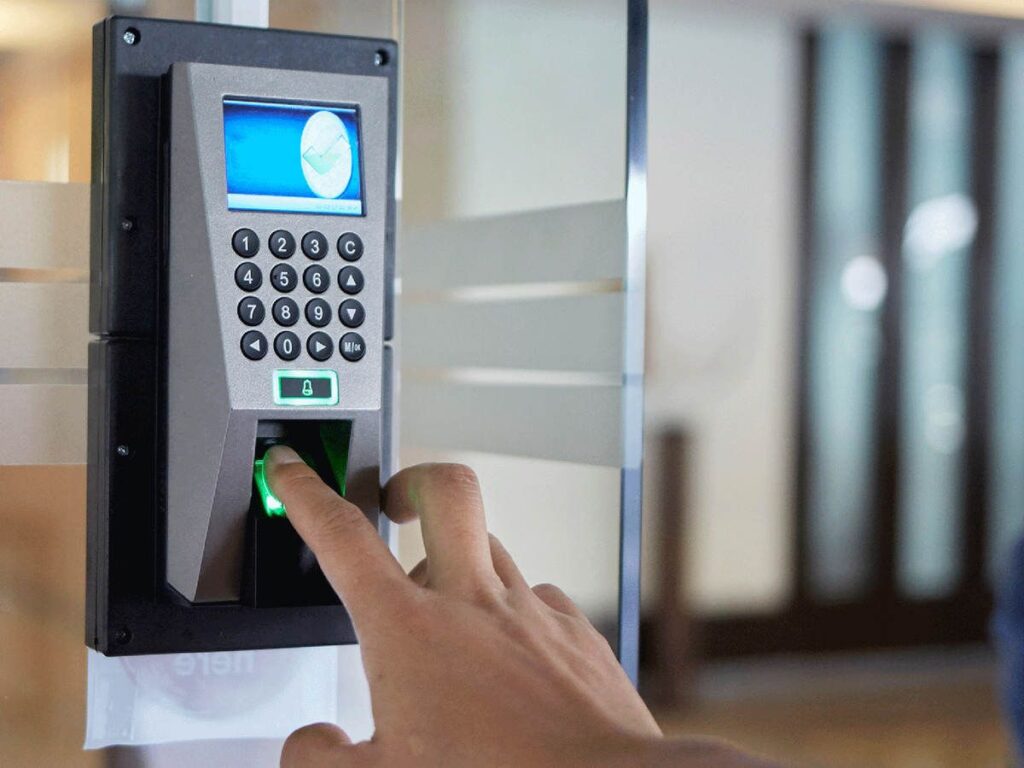
Not every room needs to become part of your baby’s play area.
Laundry rooms, garages, workshops, home offices, and storage rooms often contain tools, chemicals, and equipment that aren’t safe for children.
Install childproof door locks or door knob covers where necessary to prevent unsupervised access.
As your child becomes more adventurous, these barriers help establish safe boundaries while giving you greater peace of mind.
27. Keep Hot Food and Drinks Away from the Edge

Burn injuries can happen in seconds.
Avoid placing hot tea, coffee, soup, or freshly cooked meals near the edge of tables, countertops, or desks where little hands can reach them.
Use placemats instead of hanging tablecloths, since babies often pull on anything within their grasp.
Making this a family habit protects your child not only during infancy but throughout the toddler years as well.
28. Check Toys Regularly for Damage

Even well-made toys need routine inspection.
Look for loose wheels, cracked plastic, broken stitching, peeling paint, or missing parts that could create choking hazards.
Remove damaged toys immediately rather than saving them for later repairs.
Choose toys that match your baby’s developmental stage, and rotate them occasionally instead of leaving everything available at once.
This keeps playtime engaging while reducing unnecessary clutter throughout your home.
29. Keep Baby Equipment in Good Condition

Baby swings, high chairs, strollers, playpens, walkers, and bouncers should be inspected regularly.
Check straps, buckles, wheels, and locking mechanisms before every use.
Tighten loose screws and stop using any equipment that appears damaged or unstable.
Before purchasing second-hand baby gear, confirm that it meets current safety standards and hasn’t been recalled by the manufacturer.
30. Prepare Your Home as Your Baby Grows
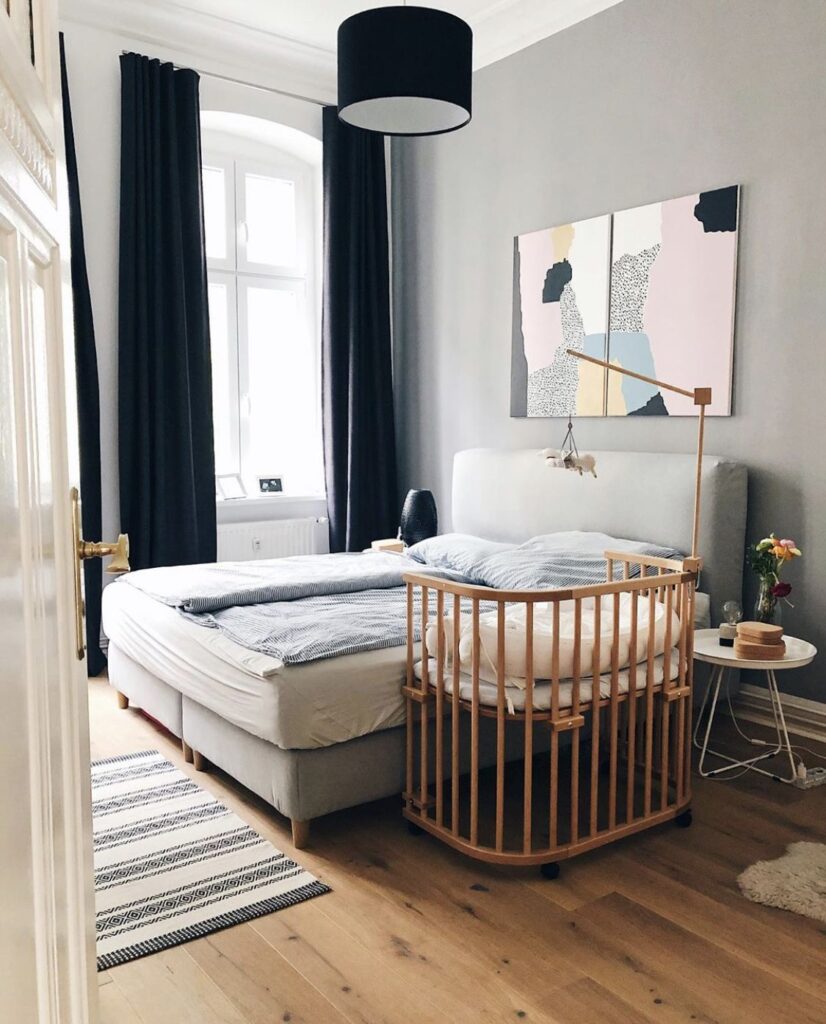
Baby proofing isn’t something you complete once and forget.
Each developmental milestone brings new challenges.
A baby who begins crawling soon learns to stand, climb furniture, open drawers, and reach higher shelves.
Reviewing your home every few weeks allows you to identify new hazards before they become problems.
Creating a safer home is an ongoing process that grows alongside your child. Small updates made consistently are often far more effective than trying to baby proof everything at once.
Create a Home That Grows With Your Family
Baby proofing is one of the best gifts you can give your growing family.
A thoughtfully prepared home allows your child to explore with greater confidence while giving you peace of mind during each new stage of development.
Remember that no home will ever be completely risk-free.
The goal is to reduce preventable hazards, stay one step ahead of your baby’s growing curiosity, and build safe habits that become part of everyday family life.
As your little one reaches new milestones, continue reviewing each room, updating your safety measures, and making small improvements whenever necessary.
Those simple changes today can make a lasting difference throughout your child’s early years.