

How to Introduce Your Dog to a New Baby
Disclosure: Some of the links in this post are affiliate links. This means if you click on the link and purchase an item, I will receive an affiliate commission at no extra cost to you.
Bringing home a new baby is one of the biggest changes your family will ever experience. If you already have a dog, this transition affects them too.
Dogs thrive on routine, familiarity, and attention, so the arrival of a newborn can feel confusing without proper preparation.
New smells, unfamiliar sounds, different schedules, and changes in your daily routine can leave even the friendliest dog feeling uncertain.
The good news is that most dogs can adjust well to life with a baby when they’re introduced thoughtfully and gradually.
Preparing your dog before your due date gives them time to adapt to new expectations, making the transition safer and less stressful for everyone.
It also helps you build confidence, knowing you’ve taken important steps to create a peaceful environment for both your baby and your pet.
Introducing your dog to your newborn isn’t about forcing an instant friendship.
Instead, it’s about helping your dog understand that the baby is a welcomed member of the family while continuing to feel secure and loved.
Patience, consistency, and positive reinforcement will go much further than punishment or sudden changes.
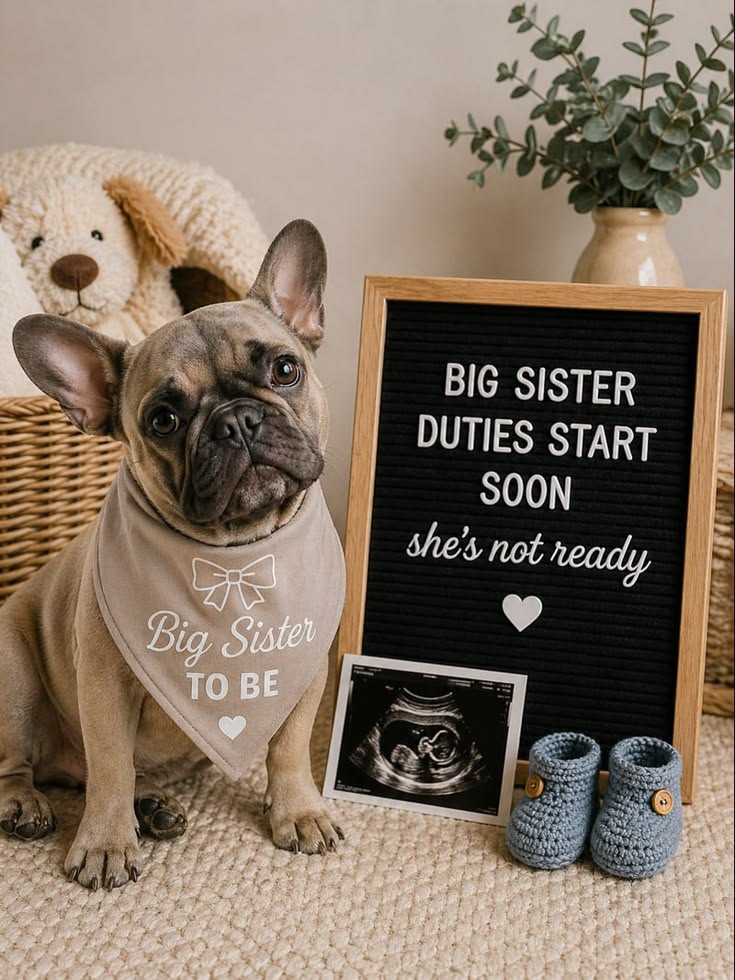
Every dog has a unique personality. Some are naturally calm around children, while others need more time to adjust.
Their age, breed, previous experiences, and training all influence how they respond to a new baby.
Rather than comparing your dog to someone else’s, focus on understanding your pet’s individual needs and behavior.
This guide explains how to introduce your dog to a new baby safely, prepare your home, reduce stress, and build positive interactions that support a happy family life for years to come.
Start Preparing Before Your Baby Arrives
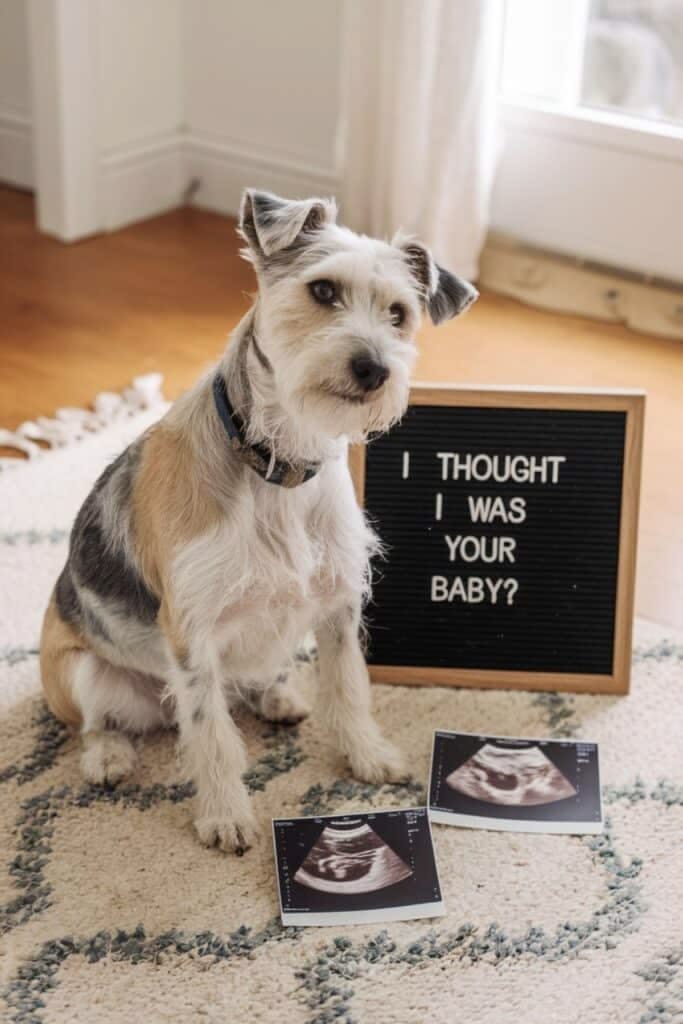
The best introductions begin long before you bring your newborn home.
Waiting until after delivery leaves your dog trying to adjust to several major changes all at once.
Preparing early allows your pet to adapt gradually, making the transition much easier.
Pregnancy gives you several months to introduce new routines, reinforce training, and slowly make changes around your home.
If you’re already creating a birth plan that actually works, remember that preparing your dog should also be part of your family’s overall arrival plan.
Dogs notice changes in your routine long before the baby arrives.
They may observe different furniture appearing, hear nursery equipment making unfamiliar sounds, or notice that you’re spending more time preparing for the baby.
Making these changes gradually helps prevent unnecessary anxiety.
Rather than changing everything in one weekend, spread adjustments over several weeks.
This allows your dog to learn new expectations without associating every change directly with the baby.
Review Your Dog’s Basic Training
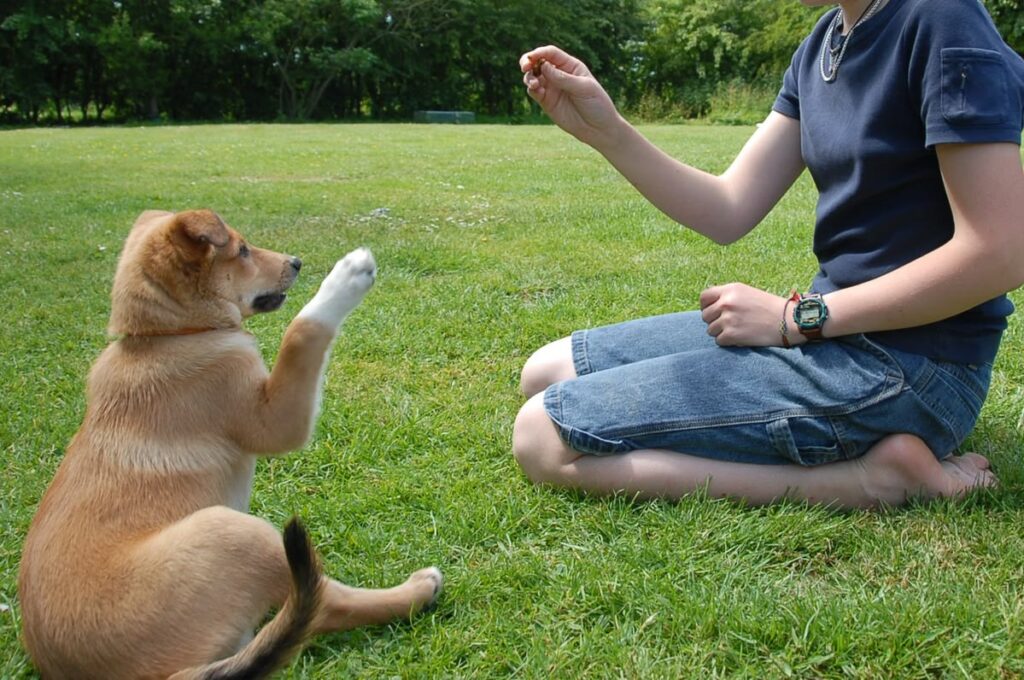
A well-trained dog is much easier to manage around a newborn.
Even if your pet already knows basic commands, now is the perfect time to reinforce them consistently.
Focus on commands that improve safety, including:
- Sit
- Stay
- Leave it
- Down
- Come
- Go to your bed
- Wait
These commands help you redirect your dog whenever necessary without raising your voice or creating unnecessary stress.
If your dog struggles with any of these behaviors, begin practicing several short training sessions each day.
Positive reinforcement using praise and treats usually produces better long-term results than punishment.
If needed, consider working with a professional trainer before your due date rather than waiting until the baby is already home.
One of the best gifts you can give yourself before delivery is preparation.
Just as you may be finishing your hospital bag checklist for mom, baby, and partner, setting aside time for dog training helps ensure you’re ready for life after birth.
Gradually Introduce New Baby Equipment
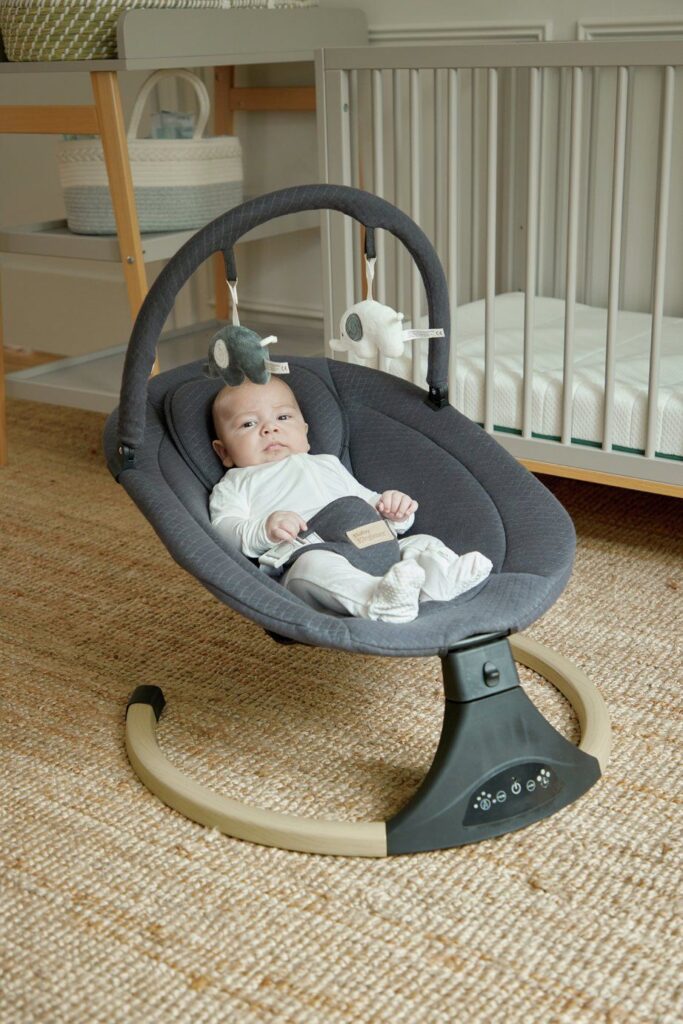
Many baby items can seem strange or even frightening to dogs. Strollers, swings, bassinets, rocking chairs, and baby monitors often make unfamiliar sounds or move unexpectedly.
Rather than hiding these items until the last minute, allow your dog to investigate them while remaining calm.
You can:
- Assemble nursery furniture early.
- Push the stroller around your home.
- Turn on white noise machines.
- Rock the baby swing occasionally.
- Play recordings of baby sounds at a low volume.
Reward calm behavior whenever your dog investigates these new objects appropriately.
If you’re still organizing the nursery, combining this step with nursery organization ideas that keep baby essentials within reach helps both your home and your dog adjust before delivery.
Let Your Dog Become Familiar With Baby Sounds
For many dogs, crying is one of the biggest adjustments after a baby arrives.
Newborn cries are high-pitched, unpredictable, and often occur several times throughout the day and night.
A dog that has never heard these sounds before may bark, pace, whine, or become anxious.
Introducing baby sounds during pregnancy helps reduce the surprise later.
You don’t need to play recordings loudly.
Start with the volume very low while your dog is calm and relaxed.
Over several days or weeks, gradually increase the volume until it resembles a real baby’s cry.
Play different sounds, including:
- Crying.
- Cooing.
- Sneezing.
- Hiccups.
- Baby laughter.
- Gurgling sounds.
Whenever your dog stays calm, reward them with praise, affection, or a small treat.
The goal is to teach your dog that baby sounds are completely normal and don’t require a reaction.
If your dog becomes nervous, lower the volume and try again another day.
Progress should always be gradual.
Adjust Your Dog’s Routine Before Delivery
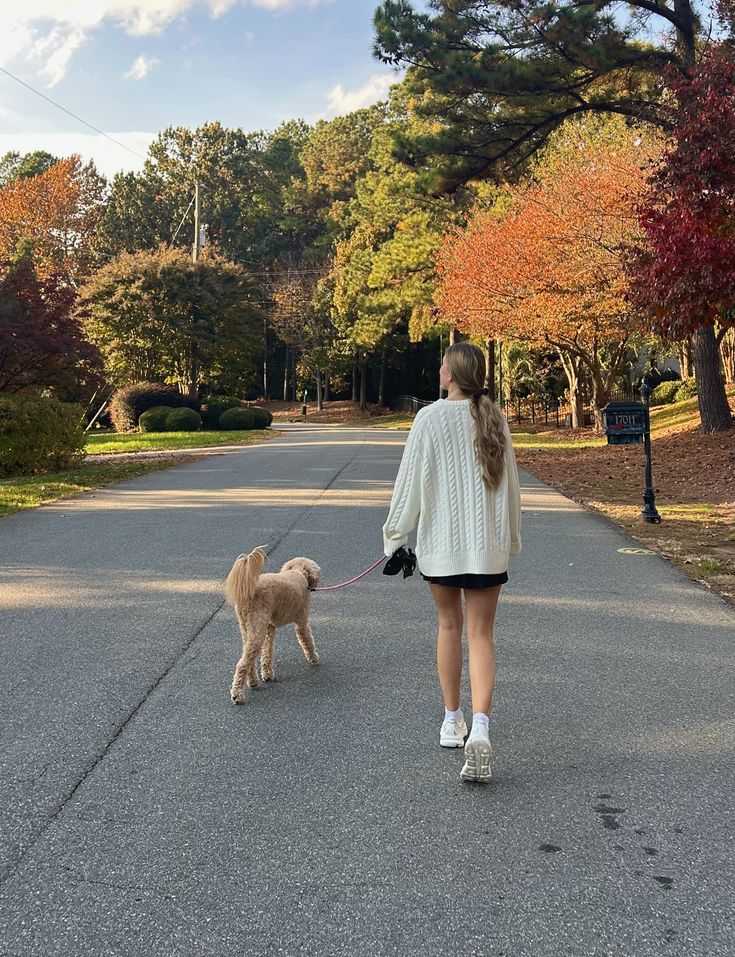
One of the biggest mistakes many families make is changing their dog’s routine immediately after bringing the baby home.
Suddenly reducing walks, changing feeding times, or limiting attention can cause confusion, frustration, and unwanted behaviors.
Instead, begin adjusting your dog’s schedule several weeks before your due date.
Think about what life will realistically look like after your baby arrives.
Ask yourself:
- Will walks happen at different times?
- Will another family member handle feeding?
- Will your dog spend less time sleeping in your bedroom?
- Will some rooms become off-limits?
Introducing these changes gradually allows your dog to adapt before the baby becomes part of the equation.
If your family is also preparing for a growing household, this is a good time to review essential nursery furniture every parent needs so you can organize your home before new routines begin.
Create Safe Spaces for Both Baby and Dog

Your baby and your dog both deserve places where they can feel safe and comfortable.
Your dog should always have a quiet area where they can rest without being disturbed.
Likewise, your baby’s sleeping and changing areas should remain safe and separate.
A designated dog space might include:
- Their bed.
- Favorite toys.
- Water bowl.
- Blanket.
- Crate if they already enjoy using one.
Avoid using the crate as punishment. Instead, help your dog associate it with relaxation and positive experiences.
Likewise, teach children as they grow to respect the dog’s resting area.
Baby gates can also become valuable tools.
They allow your dog to remain close to the family while maintaining safe boundaries when necessary.
If you’re still deciding where everything should go, best nursery furniture layout ideas for small rooms can help you maximize space while leaving room for your pet to move comfortably.
Bring Home Your Baby’s Scent Before the First Meeting

Dogs rely heavily on scent to understand their surroundings.
Before your baby comes home, allow your dog to become familiar with your newborn’s scent.
Ask your partner, family member, or trusted friend to bring home:
- A baby blanket.
- A worn baby hat.
- A swaddle.
- A piece of clothing with the baby’s scent.
Place the item where your dog can investigate naturally.
Allow them to sniff without forcing interaction.
If they remain calm, reward them with praise or treats.
This simple step helps reduce curiosity during the first face-to-face introduction because the scent will already be familiar.
Give Your Dog Exercise Before the First Introduction
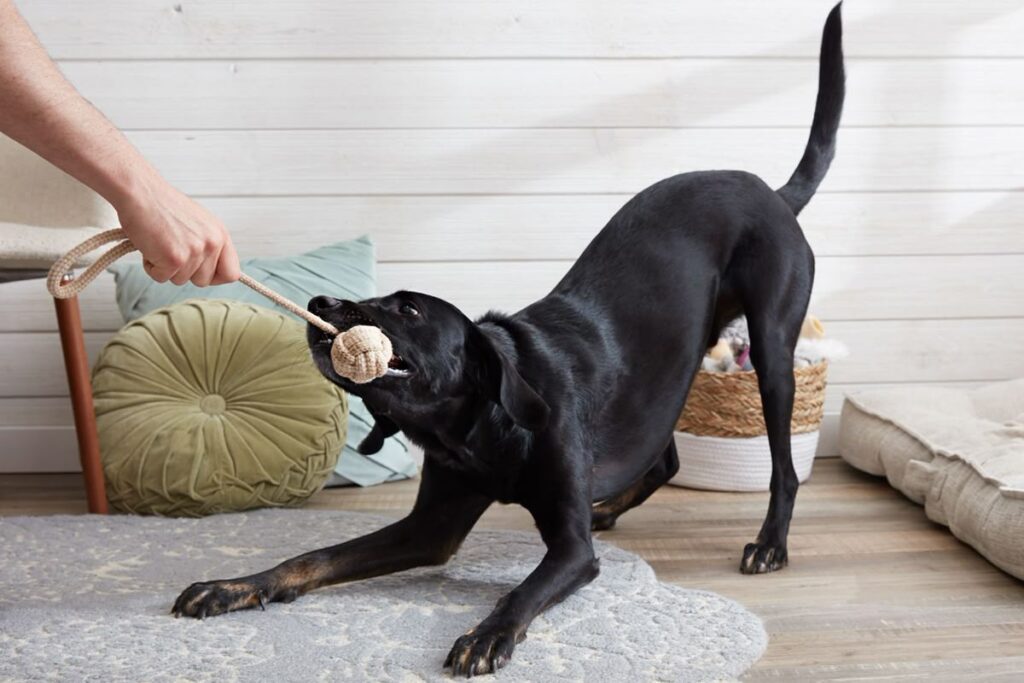
A tired dog is usually much calmer than an energetic one.
Before bringing your baby home or before the first official introduction take your dog for a long walk or engage them in playtime appropriate for their age and health.
Exercise helps release excess energy and makes it easier for your dog to remain calm.
Depending on your dog’s needs, you might:
- Go for a longer walk.
- Play fetch.
- Practice obedience exercises.
- Offer a puzzle toy.
- Play scent games.
Avoid introducing your baby immediately after exciting activities that leave your dog overstimulated.
Aim for calm, relaxed energy instead.
Stay Calm During the First Introduction
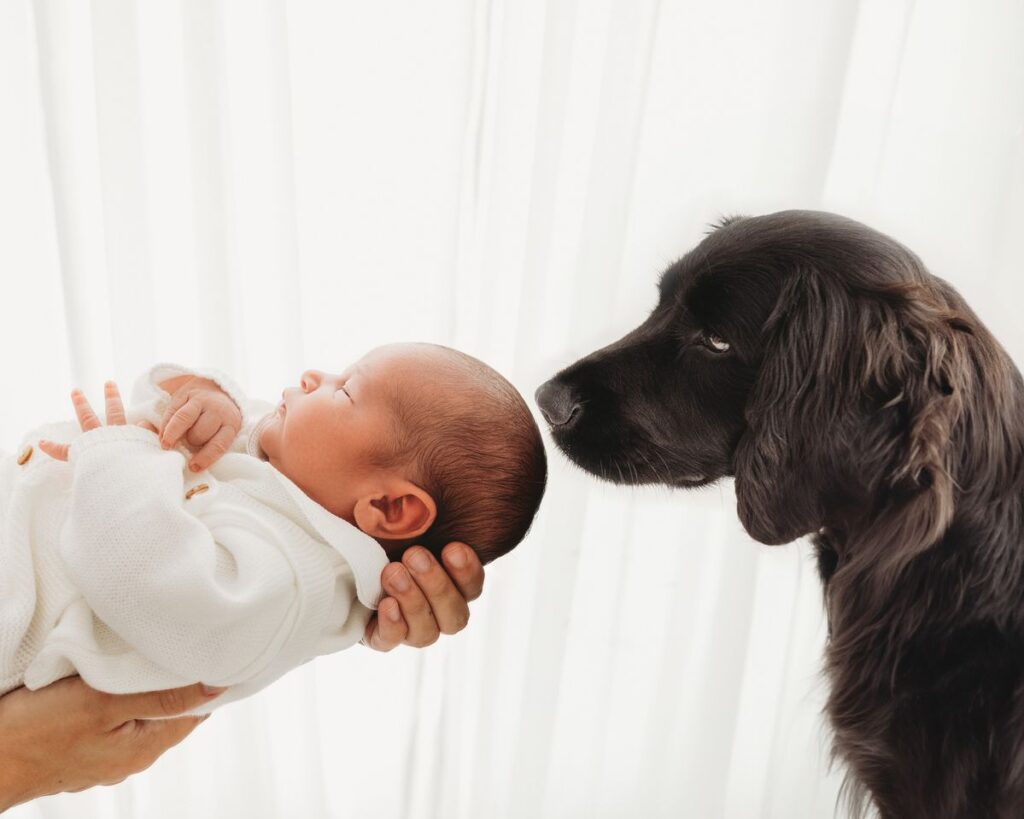
Dogs are highly sensitive to human emotions. If you’re nervous, rushing, or overly tense, your dog is likely to notice.
Choose a quiet environment with minimal distractions.
Allow another trusted adult to manage your dog while you comfortably hold the baby.
Keep the leash loose but secure if necessary.
Avoid forcing your dog to approach.
Instead:
- Let them observe.
- Reward calm behavior.
- Speak in a relaxed voice.
- Allow curiosity without pressure.
If your dog loses interest after a brief sniff, that’s perfectly normal.
The goal isn’t a dramatic greeting. The goal is a calm, positive first experience.
If you’re welcoming your newborn home with family and friends, planning introductions before hosting visitors can make the experience much less overwhelming.
It’s better than combining everything with a large celebration like how to plan a newborn welcome party.
Never Leave Your Dog and Baby Unsupervised
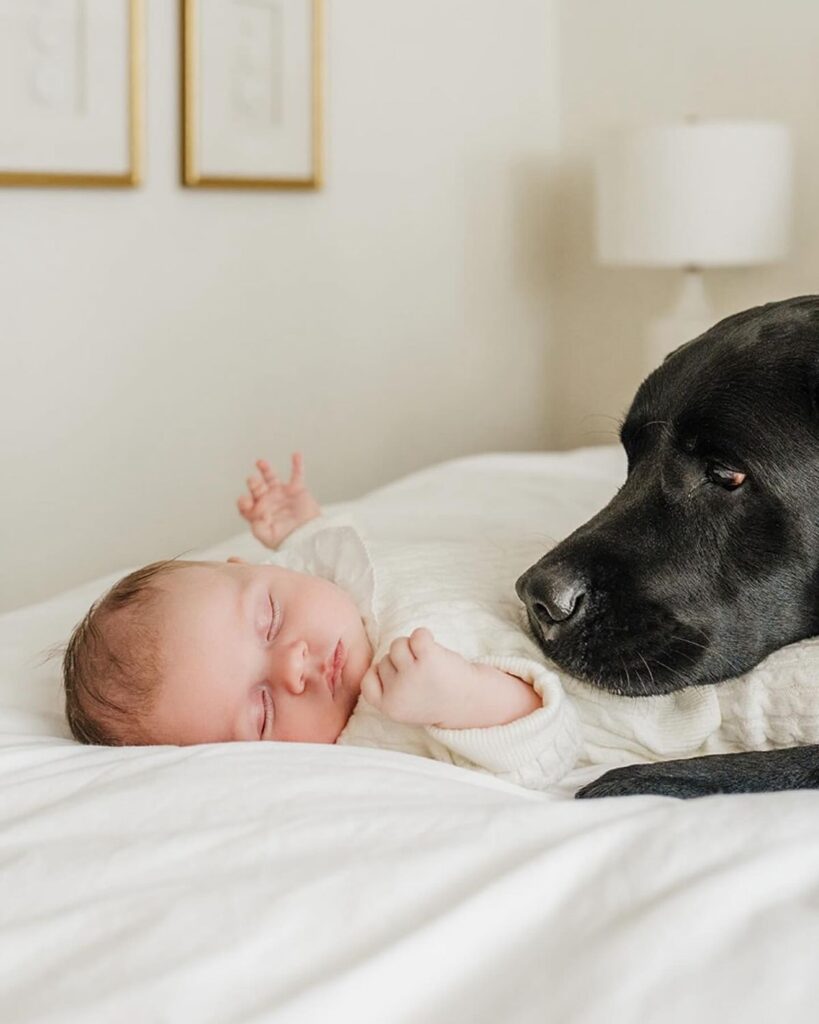
Even the gentlest, most well-trained dog should never be left alone with a newborn or young child.
This isn’t because you expect your dog to become aggressive. It’s because both babies and dogs can behave unpredictably.
A newborn may suddenly cry, wave their arms, or make unexpected movements that startle a dog.
As babies grow into infants and toddlers, they’ll naturally become curious.
They may grab fur, pull ears, or crawl toward your dog without understanding boundaries.
Constant supervision protects everyone involved.
Whenever your dog and baby are together:
- Stay within arm’s reach.
- Watch your dog’s body language.
- Intervene before either becomes uncomfortable.
- Separate them calmly if either appears stressed.
Remember, supervision isn’t a sign that you don’t trust your dog. It’s simply responsible pet ownership.
As your child becomes more mobile, following an ultimate baby proofing checklist for new parents can help create a safer environment for both your baby and your pet.
Learn to Read Your Dog’s Body Language
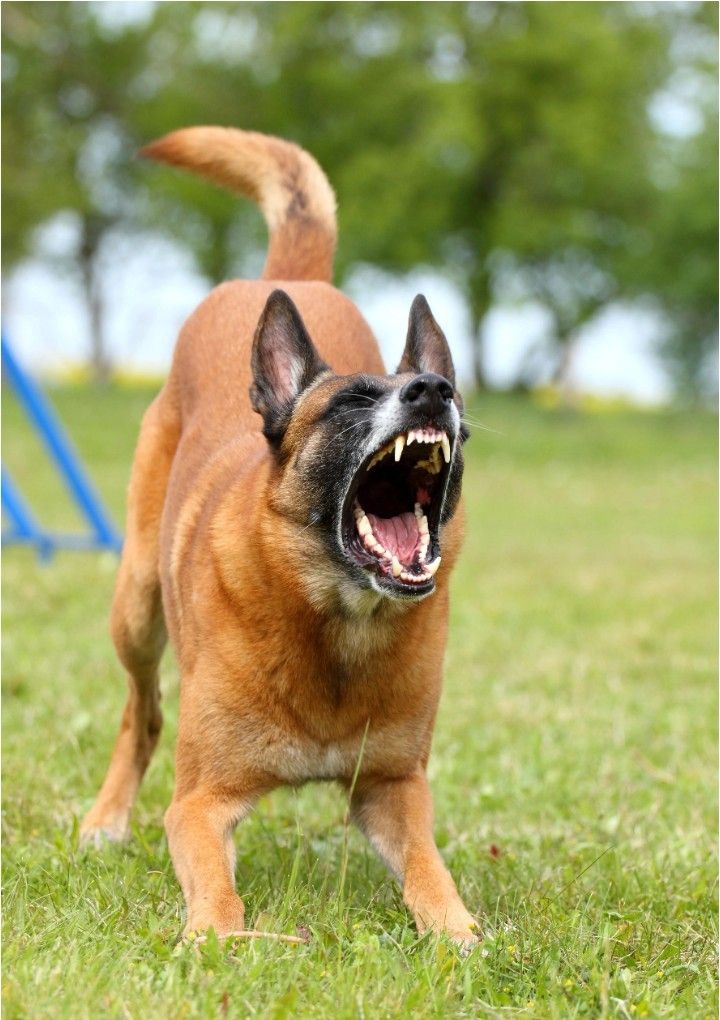
Dogs communicate long before they growl or bark.
Understanding their body language helps you recognize when they feel relaxed, excited, anxious, or uncomfortable.
Signs your dog feels comfortable may include:
- A relaxed body posture.
- Soft eyes.
- A gently wagging tail.
- Calm breathing.
- Willingness to follow simple commands.
Signs your dog may need space include:
- Lip licking.
- Yawning when not tired.
- Turning their head away.
- Pinned-back ears.
- A tucked tail.
- Stiff body posture.
- Growling or showing teeth.
Never punish your dog for growling. Growling is a warning sign that helps prevent bites.
Instead, calmly remove your dog from the situation and identify what caused the discomfort.
Reward Calm Behavior Around Your Baby
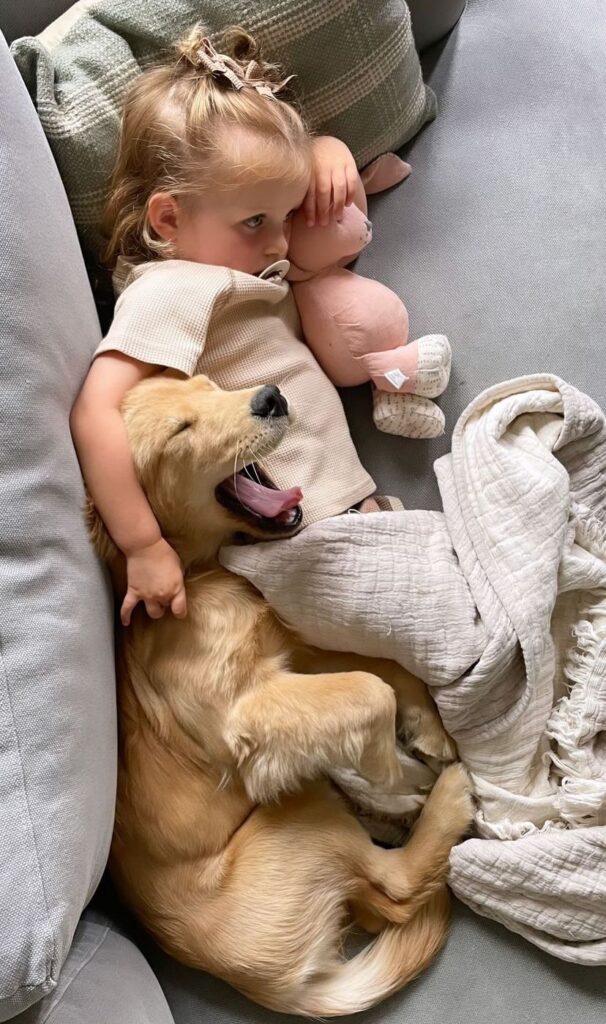
Positive reinforcement is one of the most effective ways to encourage good behavior.
Whenever your dog behaves calmly near your baby, reward them immediately.
You might reward them for:
- Lying quietly nearby.
- Ignoring crying.
- Sitting politely.
- Walking calmly beside the stroller.
- Remaining relaxed during feeding time.
Rewards may include:
- Healthy treats.
- Verbal praise.
- Gentle petting.
- Favorite toys.
- Short play sessions.
Over time, your dog begins associating your baby with positive experiences instead of stress or competition.
Consistency matters much more than occasional rewards.
Keep Your Dog’s Routine as Consistent as Possible
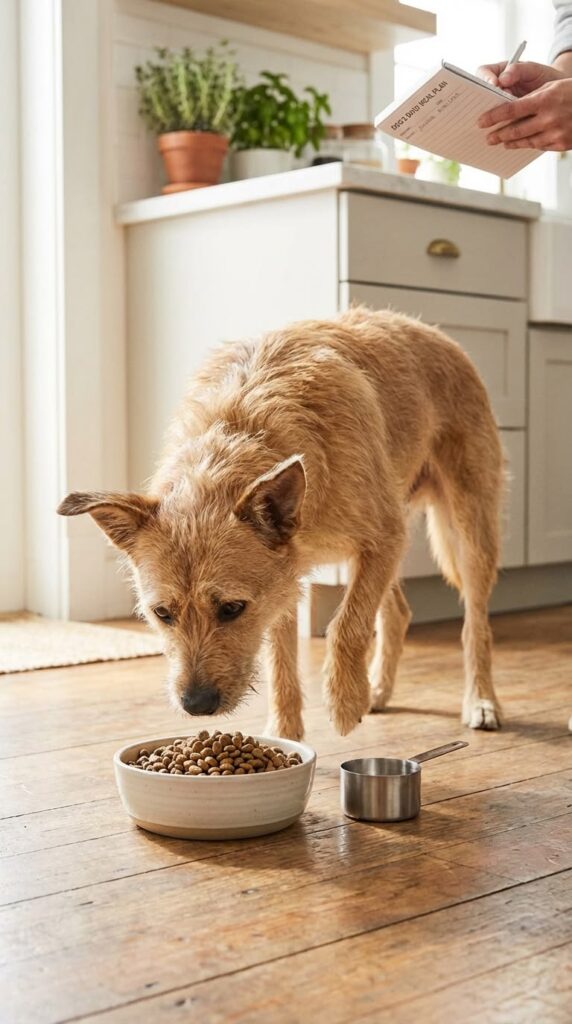
Although your schedule will naturally change after giving birth, maintaining your dog’s basic routine helps reduce anxiety.
Try to keep consistent:
- Feeding times.
- Daily walks.
- Bathroom breaks.
- Playtime.
- Grooming.
- Bedtime routines.
If you’re too tired to manage everything yourself, ask your partner, family members, or trusted friends for help during the first few weeks.
If you’re building a support system as a single parent, arranging help with dog walks or feeding can make the transition easier while ensuring your pet continues receiving the attention they need.
Dogs thrive on predictability. Small efforts to preserve their routine can prevent many unwanted behaviors.
Teach Your Child to Respect the Dog as They Grow
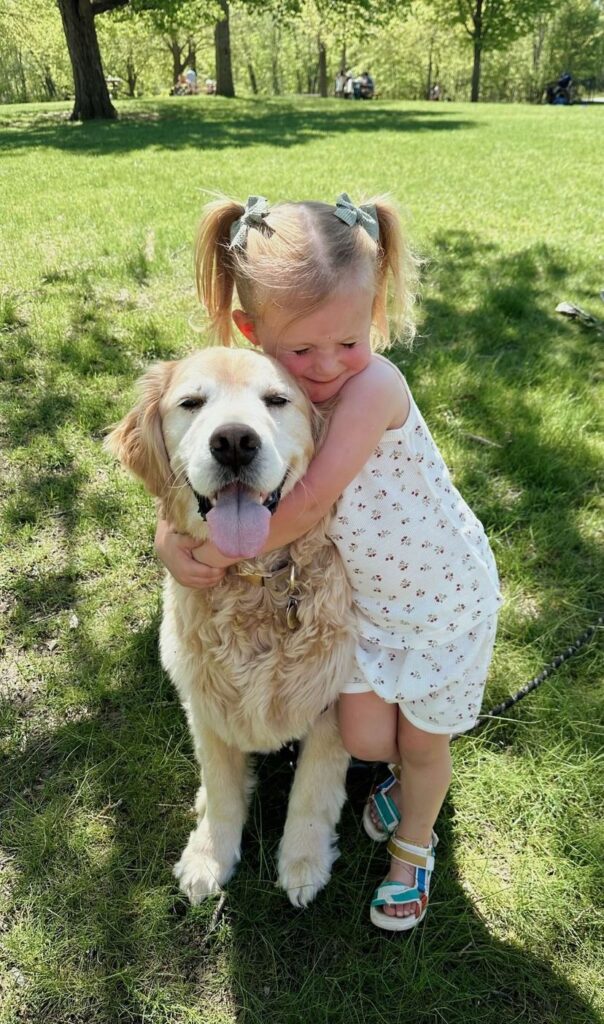
Introducing your dog to your baby doesn’t end during the newborn stage.
As your child grows, you’ll need to teach them how to interact safely and respectfully with your pet.
Young children should learn not to:
- Pull tails or ears.
- Hug dogs tightly.
- Disturb dogs while sleeping.
- Approach dogs while they’re eating.
- Climb on dogs.
- Chase frightened pets.
Instead, encourage gentle interactions like:
- Soft petting.
- Speaking quietly.
- Throwing toys during supervised play.
- Helping refill the dog’s water bowl with assistance.
Teaching respect benefits both your child and your dog while strengthening their relationship over time.
As your baby reaches new milestones, activities from educational activities for babies from birth to one year can also help develop gentle communication and social skills that encourage positive interactions with pets.
Watch for Changes in Your Dog’s Behavior

Some dogs adjust within days, while others need several weeks or even months.
Pay attention to behavioral changes such as:
- Loss of appetite.
- Hiding more often.
- Excessive barking.
- Destructive chewing.
- Restlessness.
- House-training accidents.
- Increased clinginess.
- Withdrawal from family activities.
These changes don’t necessarily mean your dog dislikes the baby.
They often indicate stress or difficulty adapting.
If concerning behaviors continue despite training and gradual introductions, speak with your veterinarian or a certified professional dog trainer who uses positive reinforcement methods.
Early support often prevents small concerns from becoming larger behavioral problems.
Prepare Your Dog for Baby Equipment Before It Becomes Part of Daily Life
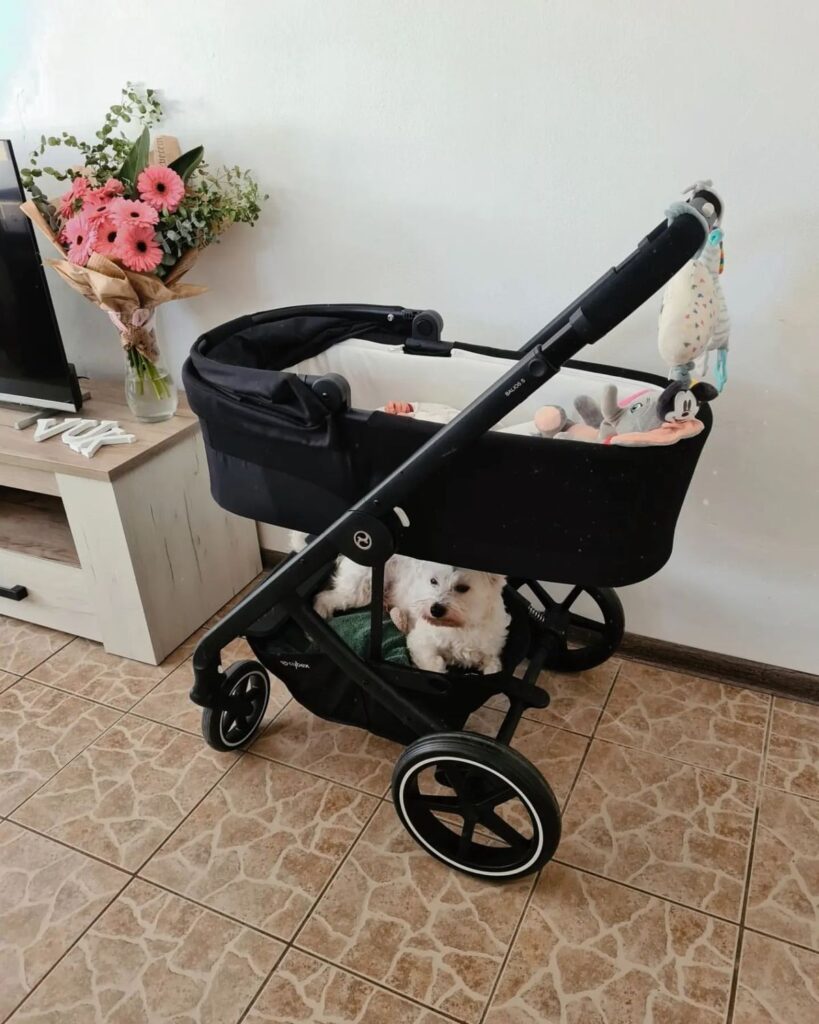
New parents often focus on introducing the baby to the dog, but it’s just as important to introduce the dog to all the new equipment that suddenly appears around the house.
Items like strollers, bassinets, swings, baby carriers, play mats, and changing tables can seem unfamiliar or even intimidating to a dog that has never seen them before.
Instead of waiting until your baby arrives, set everything up several weeks in advance.
Allow your dog to investigate each item at their own pace while rewarding calm behavior.
For example, you can:
- Push the stroller around the house before the baby is born.
- Assemble the bassinet early.
- Turn on the baby swing so your dog becomes familiar with its movement.
- Place the diaper bag where it will normally stay.
- Practice walking with an empty stroller.
Taking these small steps reduces the number of new experiences your dog has to process after your baby comes home.
If you’re still organizing your baby’s room, using nursery organization ideas that keep baby essentials within reach can help you create a space that’s practical for you while keeping pet-related safety in mind.
Create Safe Spaces for Both Your Dog and Your Baby
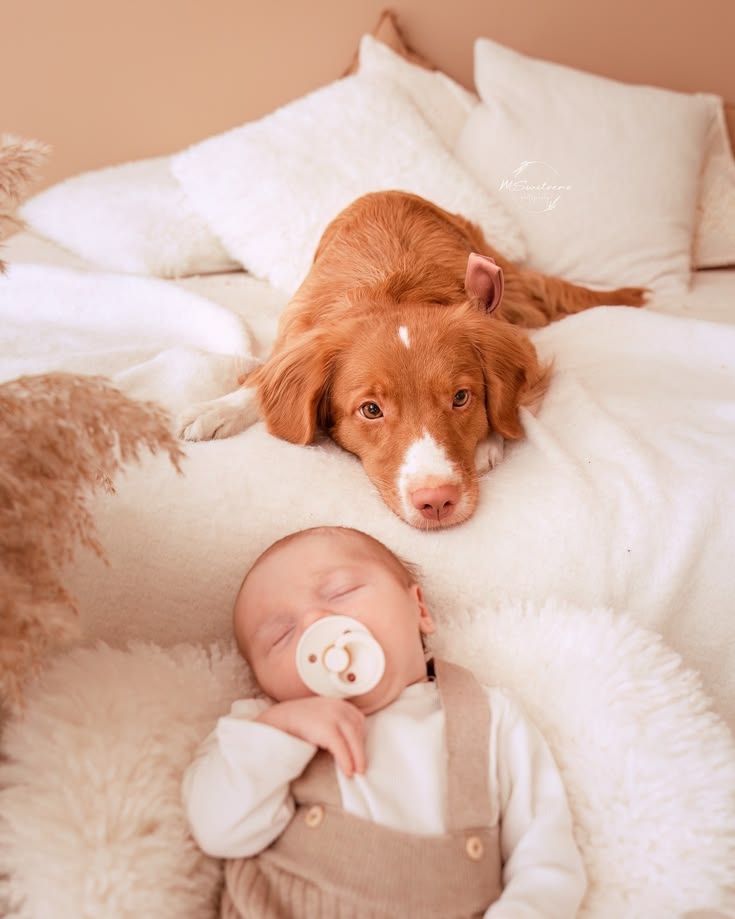
A successful introduction isn’t only about bringing your dog and baby together.
It’s also about making sure each has a comfortable place to retreat when they need a break.
Your dog should have a quiet area where they can rest without interruption. This might be:
- A crate.
- A dog bed in a quiet room.
- A gated section of the house.
- A favorite corner with familiar blankets and toys.
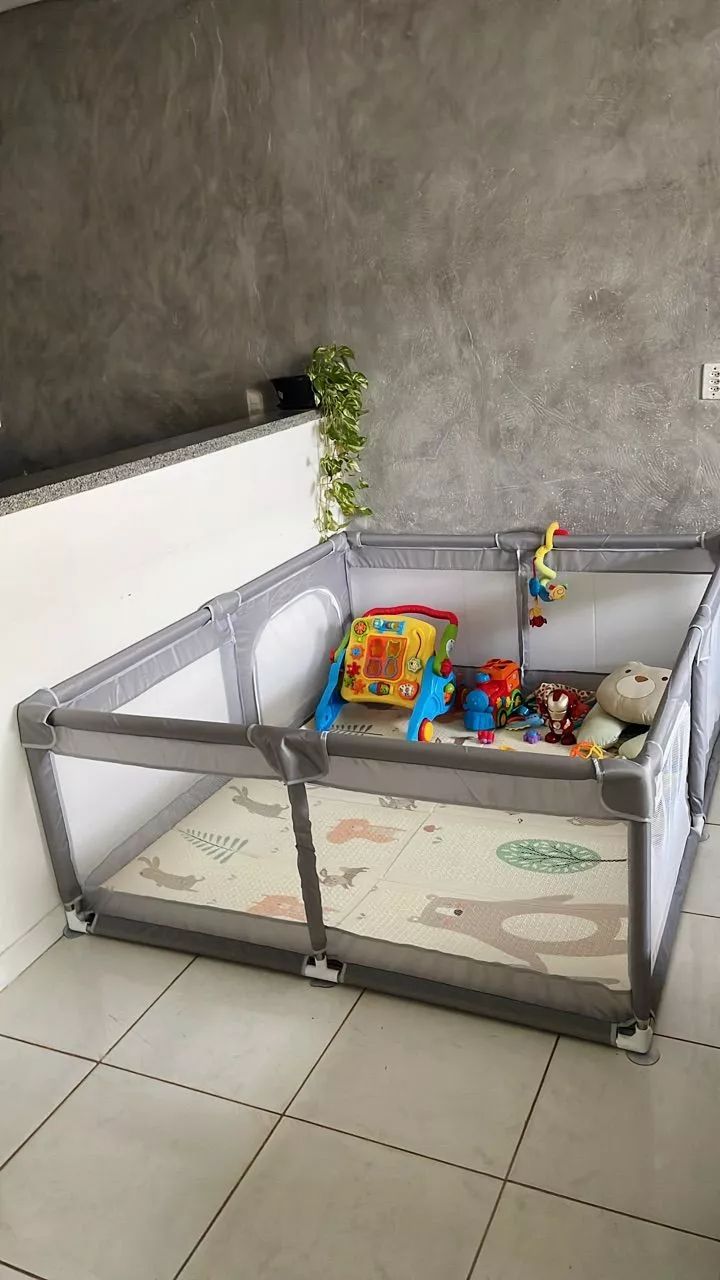
Likewise, your baby should have areas that remain pet-free, especially during sleep and feeding.
Baby gates can be especially helpful because they allow your dog to see and hear the baby without constant direct interaction.
Giving both your baby and your dog personal space reduces stress and helps everyone adjust more comfortably.
Be Patient as the Relationship Develops
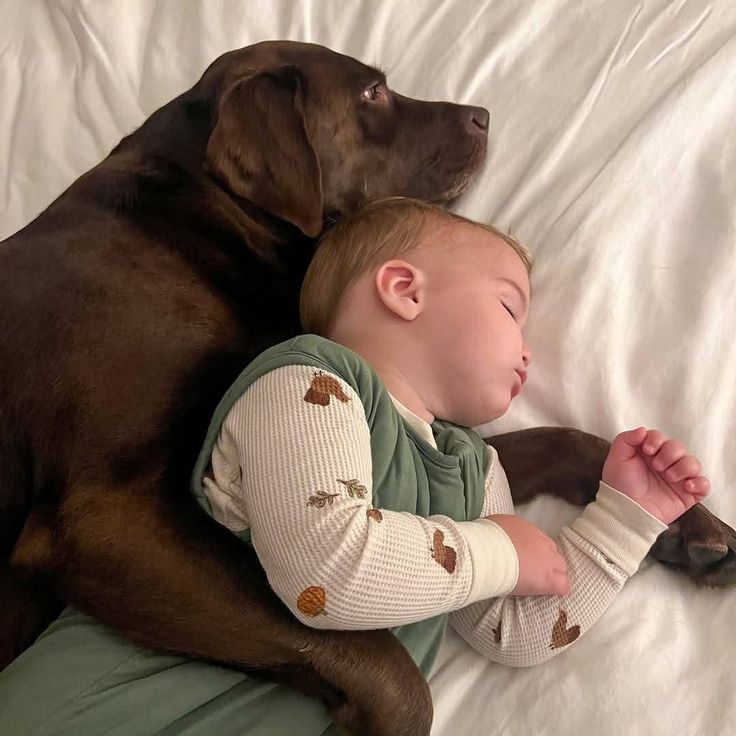
Some dogs immediately seem curious and protective around babies.
Others prefer to observe from a distance before gradually becoming more comfortable.
Neither reaction is wrong.
Avoid forcing interactions because you want your dog and baby to become best friends quickly.
Instead:
- Let your dog approach voluntarily.
- Reward calm curiosity.
- Respect your dog’s need for space.
- Continue supervising every interaction.
- Keep experiences positive.
As your baby grows into infancy and toddlerhood, their relationship with your dog will naturally change.
Your dog may become more playful, while your child will become more interested in interacting with their furry companion.
Strong relationships develop over time through many small, positive experiences rather than one perfect introduction.
If your baby eventually has siblings, many of these same principles can also support a smoother family transition, much like learning how to prepare your older children for a new sibling before welcoming another child.
Common Mistakes to Avoid When Introducing Your Dog to a New Baby
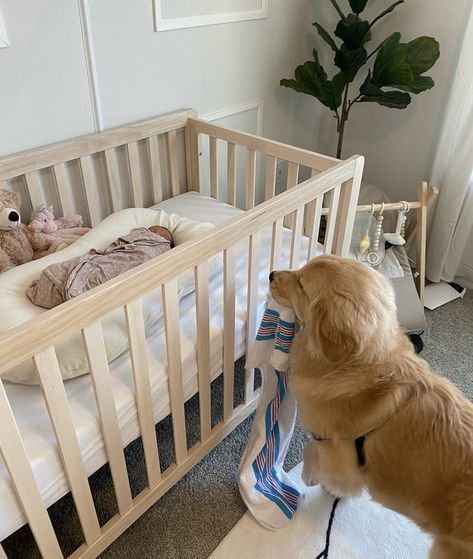
Even loving pet owners sometimes make mistakes during this transition.
Recognizing them early can make the adjustment smoother.
Avoid these common mistakes:
- Waiting until the baby arrives before beginning training.
- Suddenly ignoring your dog after birth.
- Punishing your dog for showing signs of stress.
- Leaving your dog and baby alone together.
- Allowing rough interactions.
- Forcing your dog to stay close to the baby.
- Forgetting to maintain your dog’s routine.
- Ignoring subtle signs of anxiety.
- Expecting immediate bonding.
Instead, focus on consistency, patience, and positive reinforcement.
Every dog adjusts differently, and allowing that adjustment to happen at a comfortable pace often leads to the best long-term outcome.
Checklist: Preparing Your Dog for Your Baby’s Arrival
Use this checklist to stay organized before your due date.
- Schedule a veterinary check-up.
- Update vaccinations if needed.
- Practice basic obedience commands.
- Introduce baby sounds gradually.
- Let your dog explore baby gear.
- Establish pet-free zones.
- □ Reward calm behavior consistently.
- □ Maintain your dog’s daily routine.
- □ Arrange help with dog care after delivery.
- Introduce your baby’s scent before the first meeting.
- Plan a calm first introduction.
- Supervise every interaction.
- Teach your child to respect the dog as they grow.
- Monitor your dog’s behavior during the adjustment period.
- Seek professional help if behavioral concerns continue.
Completing these steps before your baby arrives gives your entire family the best chance of adjusting safely and confidently.
A Positive Introduction Starts Long Before Your Baby Comes Home
Welcoming a new baby is a major milestone for your entire family, including your dog.
While change can feel overwhelming at first, thoughtful preparation helps your pet adjust with confidence rather than confusion.
Introducing your dog to your baby isn’t a single event that happens the day you return from the hospital.
It’s a gradual process that begins during pregnancy through training, routine, positive experiences, and careful planning.
With patience, consistency, and supervision, most dogs learn to adapt beautifully to life with a newborn.
Over time, your child and dog may build a close friendship based on trust, respect, and shared experiences.
Remember that successful introductions aren’t measured by instant affection.
They’re built through many calm, positive interactions that allow both your baby and your dog to feel safe.
By preparing early, watching your dog’s body language, and giving everyone time to adjust, you’re laying the foundation for a happy home where both your child and your four-legged family member can thrive together.
For more ideas to inspire your baby’s coming, explore these related articles below.
25 Unique Ways to Tell Grandparents You’re Expecting




3 Comments