
Baby Proofing Mistakes That Could Put Your Child at Risk
Bringing your baby home changes the way you see every room. The coffee table that never seemed dangerous suddenly has sharp corners.
Electrical outlets become more noticeable. Cabinet doors, loose cords, cleaning products, and even decorative items begin to look very different when you imagine an adventurous little explorer crawling toward them.
Most parents understand the importance of making their homes safer, yet many assume baby proofing begins when their child starts crawling.
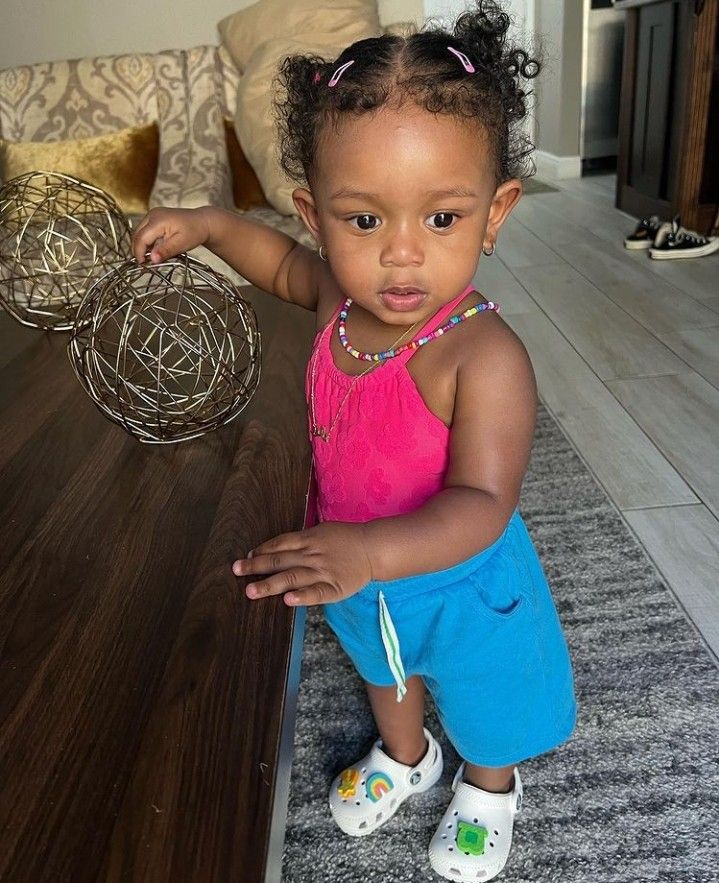
In reality, creating a safe environment should happen long before that first milestone. Babies develop quickly, and new abilities often appear without much warning.
One day they’re happily lying on a play mat, and the next they’re rolling across the room or reaching for objects you never expected them to notice.
The challenge isn’t that parents don’t care about safety. It’s that many risks aren’t obvious until you experience life with a curious baby.
Small oversights, such as leaving medications in an unlocked drawer or placing furniture near a window, can create hazards that are completely preventable with a little planning.
Building a safer home also isn’t about wrapping every surface in foam or filling every cupboard with locks.
A thoughtful approach focuses on removing genuine dangers while creating a space where your child can explore, learn, and grow with confidence.
If you’ve already worked through an ultimate baby proofing checklist, this guide will help you identify the mistakes that families commonly overlook after they’ve finished the basics.
Why Many Baby Proofing Mistakes Go Unnoticed

Some safety hazards stand out immediately, while others quietly become part of everyday life.
Parents walk past them every day without thinking twice because they’re familiar, convenient, or simply haven’t caused problems before.
That’s why baby proofing requires more than buying safety products. It involves looking at your home from your baby’s perspective.
Crawling across the floor, pulling up on furniture, reaching toward shelves, and putting unfamiliar objects into their mouth are all natural parts of development.
A room that feels perfectly safe to an adult may present dozens of opportunities for accidents once a baby becomes mobile.
Another common mistake is assuming every family faces the same risks.
Your home, furniture arrangement, pets, older children, and daily routines all influence the type of safety measures you need.
Instead of copying someone else’s setup, focus on identifying hazards that are unique to your own environment.
The following mistakes are among the most common ones parents make, and avoiding them can make a significant difference as your little one grows.
Waiting Until Your Baby Starts Crawling

One of the biggest misconceptions about baby proofing is believing it can wait.
Many parents postpone installing safety gates, securing furniture, or organizing dangerous items because their newborn spends most of the day sleeping.
It feels unnecessary to childproof a home when your baby can’t even roll over yet.
The problem is that development rarely follows a schedule that gives parents plenty of warning. Babies often master new skills within days.
A child who rolled over for the first time this week may begin pushing themselves across the floor sooner than expected.
Preparing early gives you time to work through your home carefully instead of rushing once your baby suddenly becomes mobile.
It also allows you to test safety products, reorganize storage areas, and identify hazards without trying to complete everything in one weekend.
Early preparation creates a smoother transition as your baby reaches new milestones, making everyday parenting feel less stressful and much more enjoyable.
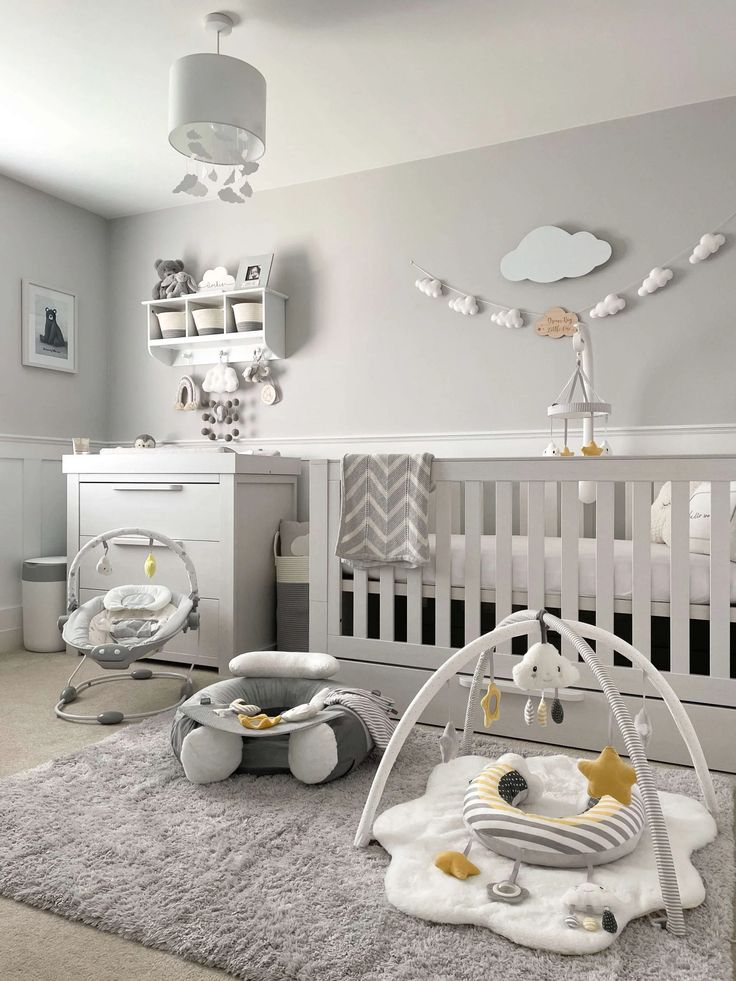
Believing the Nursery Is Automatically the Safest Room

Many parents spend weeks decorating the nursery, choosing calming colors, and arranging beautiful furniture.
They do that because so much effort goes into creating the room, it’s easy to assume it’s automatically the safest place in the house.
Appearance, however, has very little to do with safety.
A beautifully designed nursery can still contain unsecured dressers, bookshelves that aren’t anchored to the wall, long curtain cords, overloaded shelves, or decorations hanging directly above the crib.
Each of these can become a hazard as your baby becomes more active.
When choosing essential nursery furniture, look beyond the style and consider how each piece contributes to a safe environment.
Heavy furniture should always be anchored securely to the wall, and storage should be arranged so frequently used items remain within easy reach without requiring you to stretch while holding your baby.
The sleeping area deserves special attention as well.
Parents sometimes add decorative pillows, blankets, stuffed animals, or crib bumpers because they make the nursery look cozy.
Current safe sleep recommendations advise keeping the crib simple with only a firm mattress and a fitted sheet.
If you’re still deciding on your baby’s sleeping arrangement, understanding the differences between a bassinet and a crib can help you choose the option that best fits your family’s needs while maintaining a safe sleeping environment.
Assuming Safety Products Replace Supervision

Installing cabinet locks, outlet covers, corner guards, and safety gates is an important part of protecting your child, but those products aren’t designed to replace attentive parenting.
Children are naturally curious and surprisingly determined.
Before long, they’ll discover how to pull at safety gates, tug on outlet covers, and test cabinet locks.
Some toddlers even learn by watching adults use these safety devices every day.
Think of baby proofing products as extra layers of protection rather than permanent solutions.
Your presence remains the most effective safety measure.
Watching your child while they explore allows you to notice new habits, identify fresh hazards, and teach safe boundaries as they grow older.
The combination of a carefully prepared home and active supervision provides far greater protection than relying on safety equipment alone.
Forgetting That Baby Proofing Changes With Every Milestone
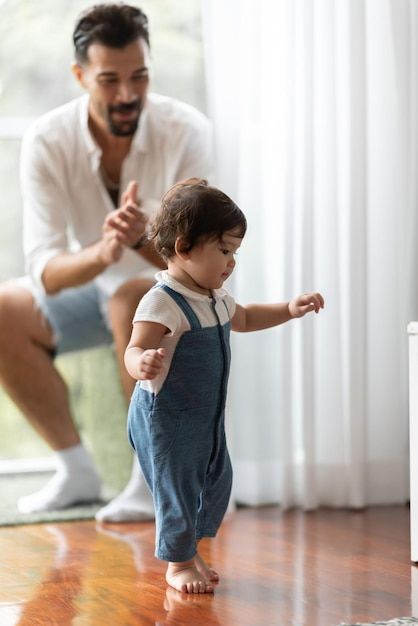
One mistake many parents make is treating baby proofing as a one-time project.
After installing a few safety products, they cross the task off their list and move on to other preparations. Unfortunately, babies don’t stay at the same stage for long.
A child who has just started crawling will soon be pulling themselves onto furniture.
Before you know it, they’re opening drawers, climbing onto chairs, reaching higher shelves, and exploring rooms that once seemed completely out of reach.
Your home should evolve alongside your child.
Take a few minutes every month to walk through each room with fresh eyes. Look for anything your baby can now reach that wasn’t accessible before.
You may need to move decorations higher, reorganize storage, tighten furniture anchors, or relocate fragile items.
This regular review often reveals hazards long before they become accidents, helping you stay one step ahead of your child’s growing curiosity.
Leaving Everyday Items Within Easy Reach
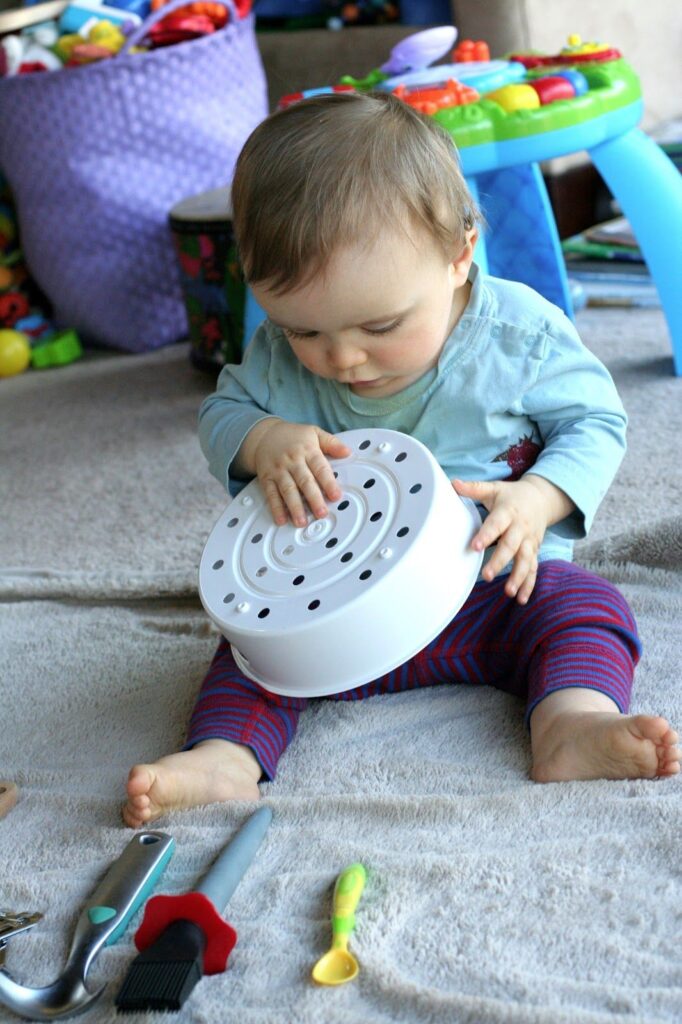
Parents usually remember to lock away cleaning products and medicines, but everyday household items often receive far less attention.
Remote controls, TV remotes with button batteries, keys, coins, pens, chargers, eyeglasses, cosmetics, scissors, nail clippers, candles, and even reusable shopping bags are commonly left on coffee tables, bedside tables, or kitchen counters.
To adults, these objects seem harmless because we use them every day.
To a baby, they’re interesting objects waiting to be touched, shaken, chewed, or thrown.
Creating designated places for these everyday belongings makes your home safer while reducing clutter at the same time.
Small baskets, drawer organizers, and storage trays help keep surfaces clear without making daily routines inconvenient.
Simple nursery organization ideas can also inspire storage habits throughout the rest of your home, making it easier to keep important items away from curious little hands.
Ignoring Furniture Tip-Over Risks
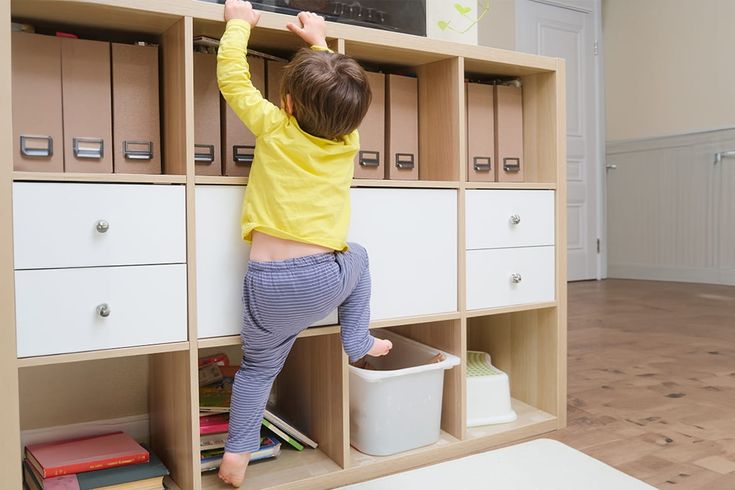
Furniture tip-over accidents are more common than many parents realize.
Babies naturally pull themselves upright using whatever is nearby.
Dressers, bookshelves, wardrobes, television stands, and storage cabinets often become climbing supports during those first attempts to stand.
The danger increases if attractive objects are placed on top of furniture.
A toy, remote control, or framed photograph can encourage a child to climb higher in an attempt to reach it.
Anchoring heavy furniture to the wall is one of the simplest and most effective ways to reduce this risk.
It’s equally important to avoid storing toys or frequently used items on top shelves where children may be tempted to climb.
Place attractive objects at adult height only if they’re completely inaccessible.
Taking these precautions protects not only your nursery but every room where your child will eventually explore.
Overlooking Electrical Safety Beyond Outlet Covers
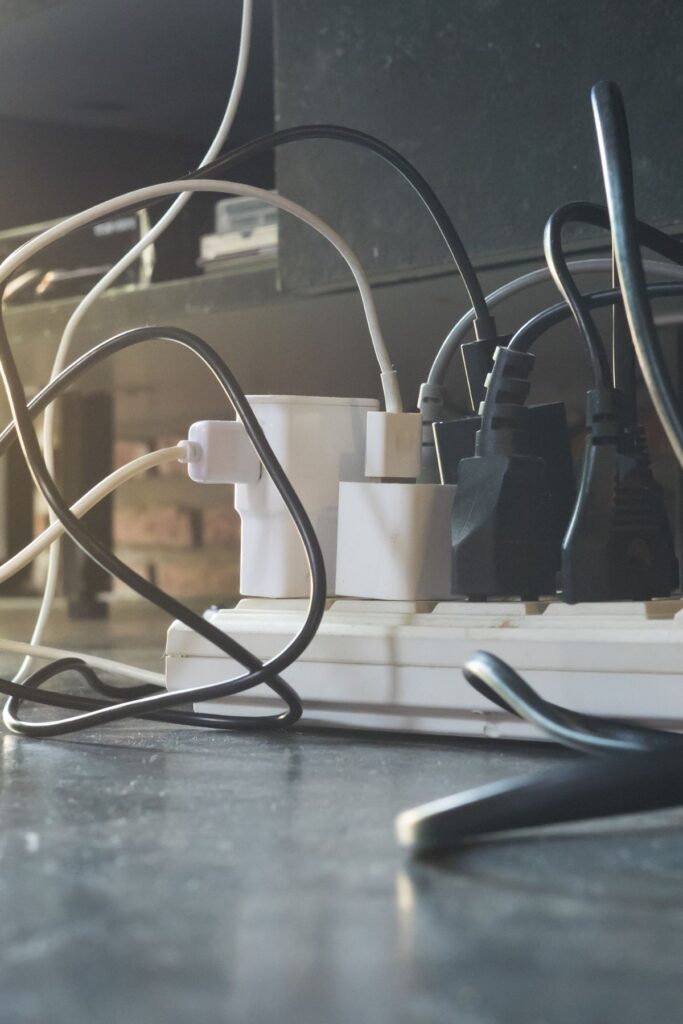
Most parents remember to place covers on unused electrical outlets, but electrical safety goes much further than that.
Loose charging cables, extension cords stretched across the floor, overloaded power strips, and appliances left plugged in can all become hazards once your baby starts crawling.
Curious little hands naturally grab dangling cords, and anything attached to those cords can quickly come crashing down.
Walk through your home and look for cables hanging behind bedside tables, television stands, desks, and kitchen counters. Use cord organizers or protective covers to keep them neatly secured and out of reach.
It’s also worth unplugging appliances that aren’t being used regularly, especially in the kitchen and bathroom.
Hair dryers, kettles, irons, and similar appliances shouldn’t remain plugged in where children may eventually reach them.
Keeping cables organized also makes your home feel tidier. If you’re already looking for clever nursery storage solutions, applying the same organization principles to cords and electronics throughout the house helps create a safer environment without adding visual clutter.
Storing Dangerous Items in “Temporary” Places
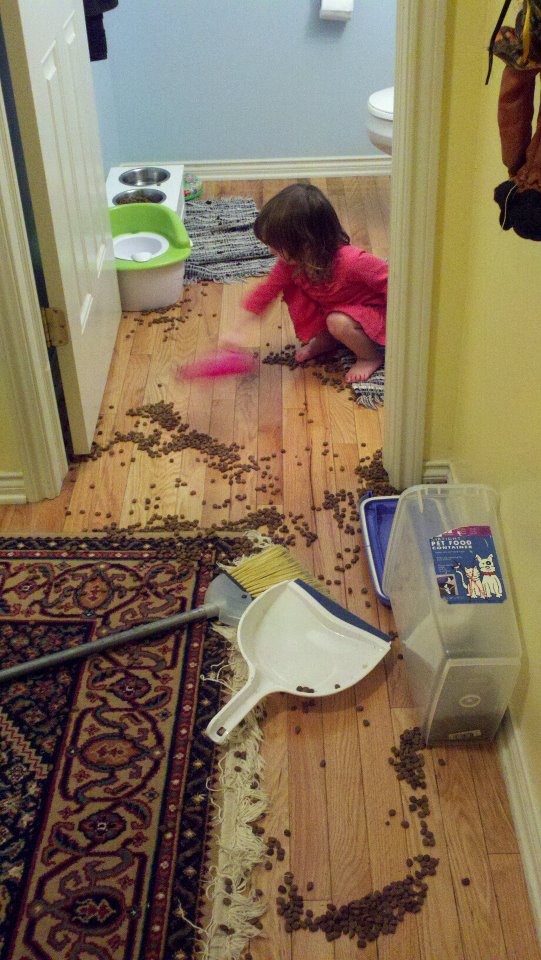
One of the most common safety mistakes happens during busy days.
You finish cleaning and leave the disinfectant spray on the kitchen counter because you’ll “put it away in a minute.”
Medication ends up on the bedside table after a late-night headache. Scissors remain on the dining table after opening a package.
Those temporary places often become permanent enough for an accident to happen.
Babies don’t need much time to reach something dangerous.
A few seconds of distraction can be enough for an adventurous child to grab an object you intended to put away later.
Develop the habit of returning hazardous items to their proper storage immediately after use.
Cleaning products belong in locked cabinets, medications should always be stored securely, and sharp objects need designated storage areas that children can’t access.
Making this part of your daily routine removes unnecessary risks before they have the opportunity to become emergencies.
Forgetting That the Kitchen Is Full of Hidden Hazards
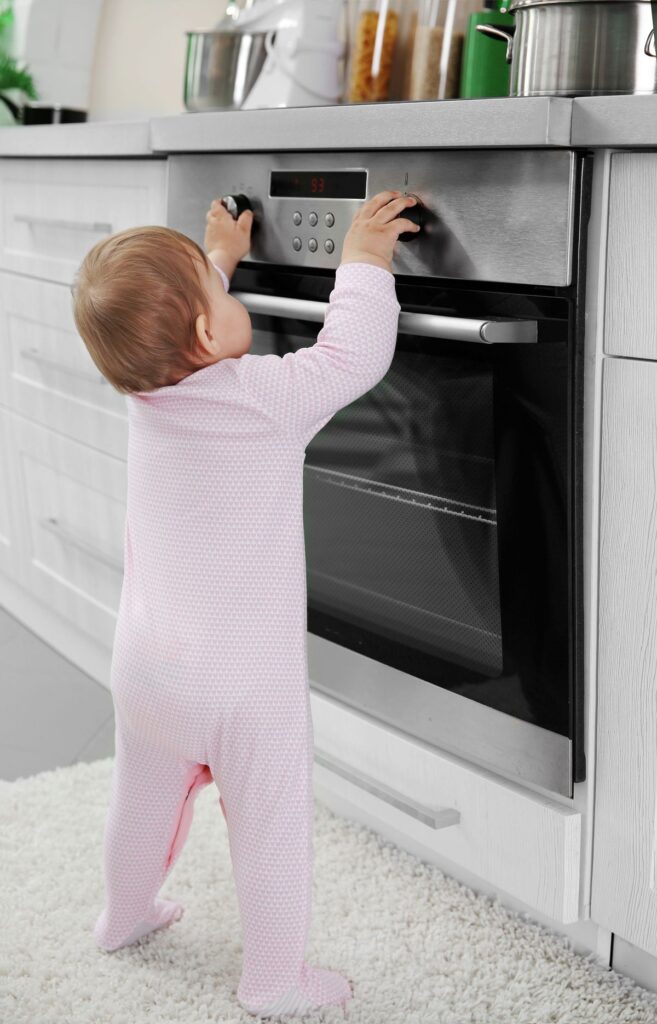
The kitchen is often described as the heart of the home, but it’s also one of the rooms with the highest number of potential dangers.
Parents usually think about knives and hot stoves, yet many everyday kitchen items deserve equal attention.
Dishwasher pods, plastic wrap, aluminum foil boxes with sharp cutting edges, glass containers, small magnets, batteries, pet food, coffee pods, and even reusable grocery bags can all pose risks for curious children.
Simple habits make a significant difference:
- Turn saucepan handles toward the back of the stove.
- Avoid carrying your baby while handling hot food or drinks.
- Keep appliances pushed away from the edge of countertops.
- Store cleaning products separately from food.
- Lock drawers containing sharp utensils.
- Never leave hot beverages where little hands can reach them.
These small adjustments quickly become second nature and dramatically improve kitchen safety.
Assuming Small Objects Aren’t Dangerous
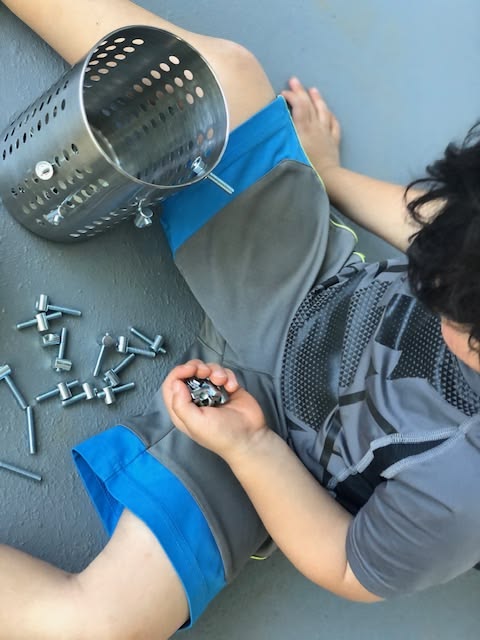
Adults naturally overlook tiny objects because they seem insignificant.
Babies see them very differently.
Coins, buttons, earrings, batteries, beads, pen caps, screws, paper clips, safety pins, and decorative stones are fascinating to young children because they’re easy to pick up and immediately go into the mouth.
The safest way to identify these hazards is by changing your perspective.
Get down on your hands and knees and crawl through each room exactly as your baby would.
Objects hidden beneath sofas, behind furniture, or underneath tables suddenly become much easier to spot.
Repeating this simple inspection every few weeks becomes even more important if older siblings are part of the household, as small toy pieces often find their way onto the floor without anyone noticing.
Forgetting About Bathroom Safety
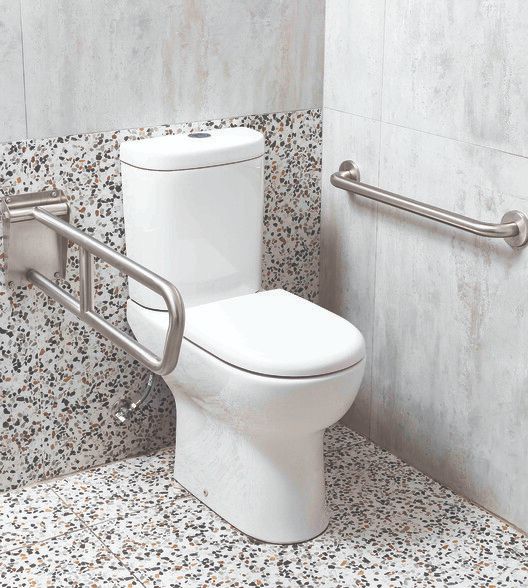
Bathrooms combine water, electricity, medication, and cleaning chemicals in one relatively small space.
Even if your baby spends very little time there now, that will change as bath time becomes part of your routine.
Medicines should always remain inside locked cabinets, while razors, nail scissors, cosmetics, and perfumes should never be left on countertops after use.
Hair dryers and straighteners should be unplugged immediately after use and stored safely away.
Toilet lid locks provide another layer of protection once curious toddlers begin exploring independently.
Water itself deserves special attention. Babies should never be left unattended in the bath, not even for a moment.
Answering the door, grabbing a towel, or checking your phone can wait.
Establishing these habits early makes bath time safer and helps every caregiver follow the same routine.
Relying on Memory Instead of Creating Safety Habits
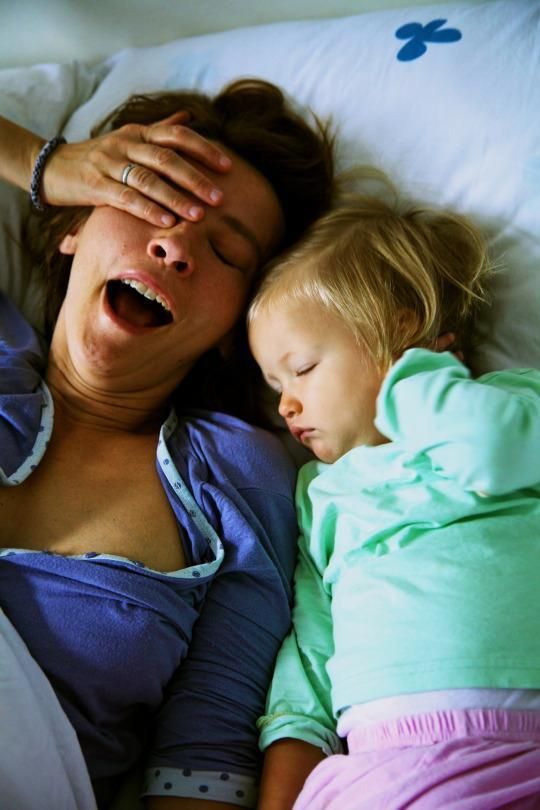
Many parents tell themselves they’ll remember where they left dangerous items or remind themselves to close a cabinet after using it.
Unfortunately, parenting is busy.
Sleep deprivation, feeding schedules, diaper changes, and everyday responsibilities make it easy to forget small details.
Instead of relying on memory, build routines that happen automatically, always:
- return medication to the same locked cabinet.
- unplug small appliances after use.
- check that safety gates are latched before leaving a room.
- clear the floor before bedtime.
These habits remove the need to constantly remember individual tasks because they simply become part of everyday life.
Over time, consistent routines create a safer home far more effectively than occasional reminders ever could.
Underestimating How Quickly Babies Learn to Climb
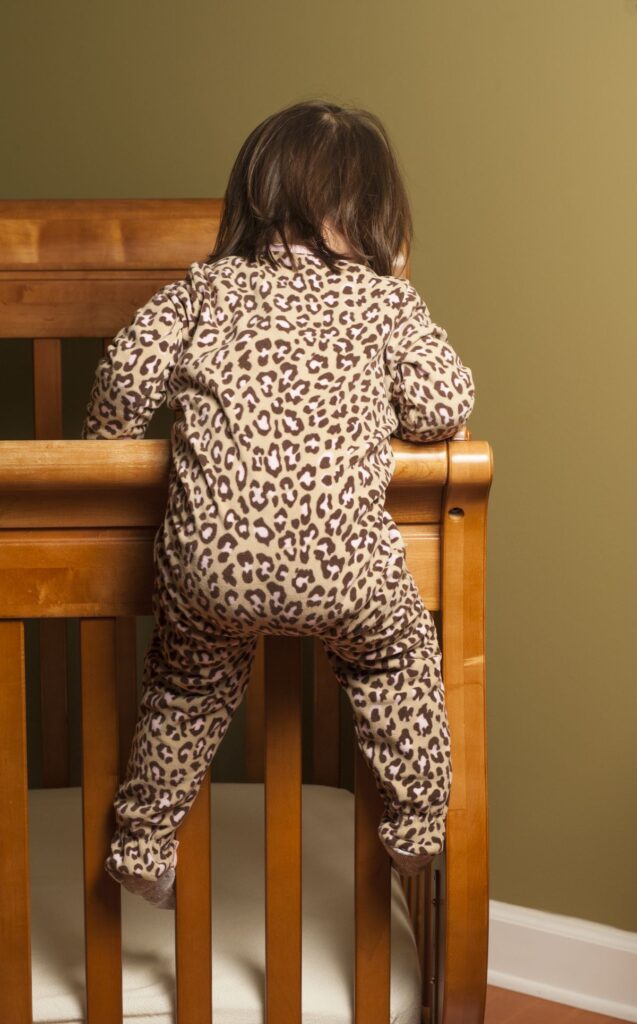
Many parents prepare for crawling but don’t expect climbing to follow so soon.
Once babies become confident pulling themselves to a standing position, they begin looking for new challenges.
Storage baskets become stepping stones. Open drawers become stairs leading to higher shelves.
Children don’t recognize danger the way adults do. They simply see an opportunity to reach something interesting.
That’s why furniture arrangement matters just as much as furniture safety.
Avoid placing chairs beside windows, dressers beneath shelves, or toy boxes next to bookcases.
What appears to be harmless furniture placement can unintentionally create an easy climbing route.
Take another look at every room from your child’s perspective.
Ask yourself whether two pieces of furniture placed together could help your little one reach somewhere they shouldn’t.
Small changes in layout today can prevent dangerous falls tomorrow.
Choosing Decorative Pieces Without Thinking About Safety

Parents naturally want the nursery and the rest of the home to feel warm and inviting.
Framed pictures, candles, table lamps, ceramic ornaments, glass vases, decorative trays, and hanging plants all contribute to a beautiful space.
The problem arises when these items are placed where curious hands can reach them.
A baby doesn’t understand that a decorative object is meant to stay on a shelf. If they can see it, they’ll likely want to touch it.
Try to keep breakable decorations on higher shelves that remain completely inaccessible.
Heavy picture frames should be securely fastened rather than balanced loosely on furniture, and tablecloths with decorative centerpieces are best avoided once your child starts pulling themselves up.
Safety doesn’t mean your home has to lose its personality. It simply means making thoughtful decorating choices that reduce unnecessary risks.
Forgetting That Visitors Can Create New Hazards
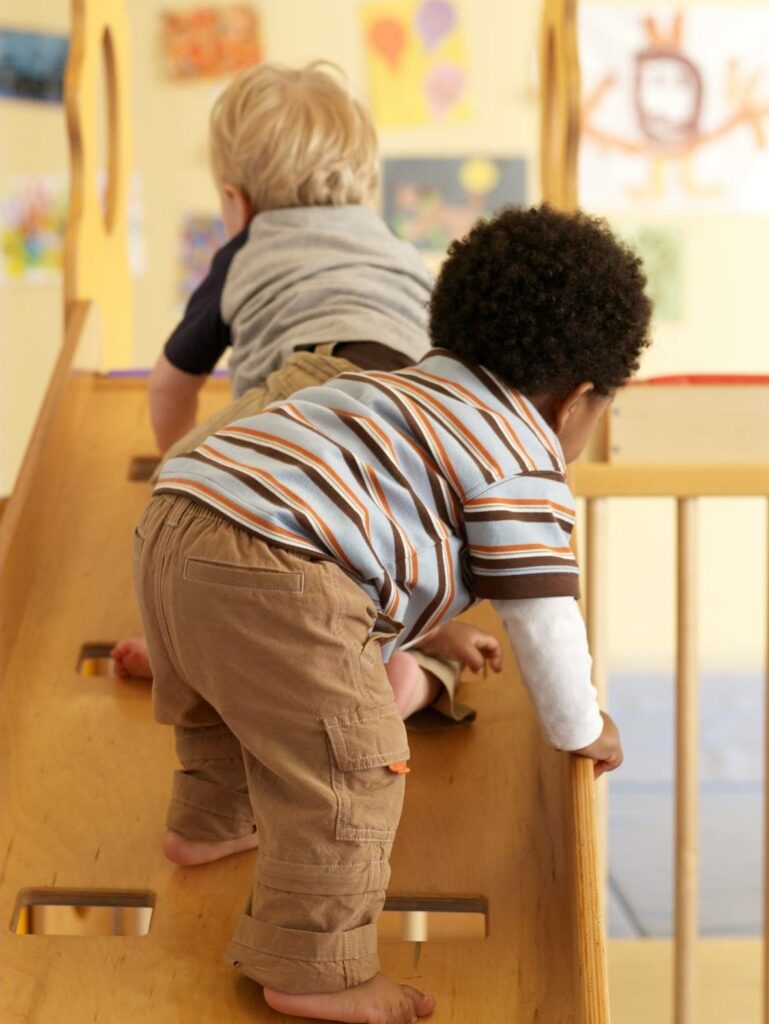
Your home may be thoroughly baby proofed, but visitors often bring new safety concerns without realizing it.
Handbags left on the floor may contain medication, cosmetics, batteries, chewing gum, coins, or sharp objects. Jackets placed over chairs sometimes have loose keys or small accessories tucked inside the pockets.
Older cousins may leave tiny toys on the floor after playing, while grandparents might unknowingly place hot drinks within your child’s reach.
Whenever guests visit, take a quick look around after everyone has settled in.
Move handbags to higher surfaces, check play areas for small objects, and politely remind visitors to keep potentially dangerous items out of reach.
Most people are happy to help once they understand why these small precautions matter.
Ignoring Outdoor Safety Around the Home
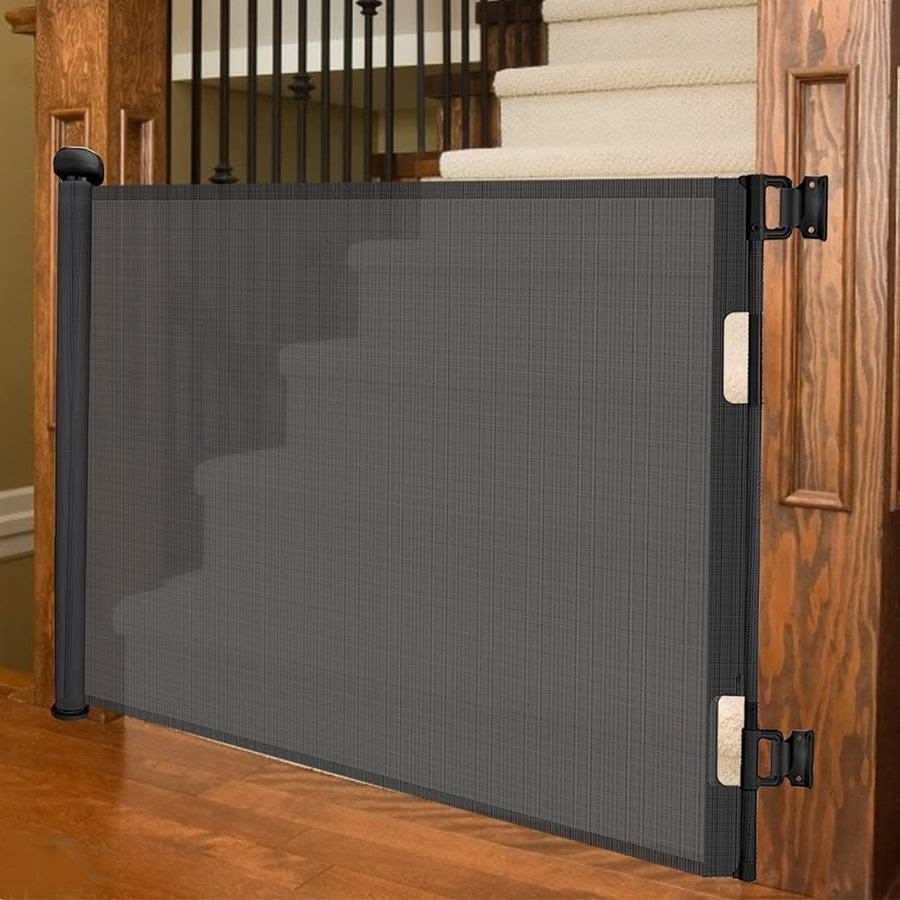
Baby proofing shouldn’t stop at your front door.
Balconies, patios, gardens, garages, and driveways all introduce hazards that children eventually encounter.
Gardening tools, fertilizers, buckets filled with water, outdoor cleaning products, extension cords, barbecue equipment, and decorative stones should all be stored safely when not in use.
Outdoor furniture also deserves attention. Folding chairs and lightweight tables can tip if children try climbing on them.
If your home has a backyard, inspect gates regularly to ensure they close securely, and never leave water standing in buckets, inflatable pools, or containers after use.
Creating safe outdoor spaces gives your child more opportunities to explore while allowing you greater peace of mind.
Forgetting to Teach Safety as Your Child Grows

Baby proofing products are incredibly helpful, but they aren’t meant to do all the work forever.
As children grow, they gradually begin understanding simple instructions and routines.
Teaching gentle boundaries early can complement the physical safety measures you’ve already put in place.
Use clear, consistent language whenever your child approaches something unsafe. Redirect their attention toward age-appropriate activities instead of relying only on “no.”
Children learn through repetition.
Calm, consistent guidance helps them begin recognizing household rules while continuing to explore their environment confidently.
Physical baby proofing and patient teaching work best together.
Every Caregiver Should Follow the Same Safety Rules
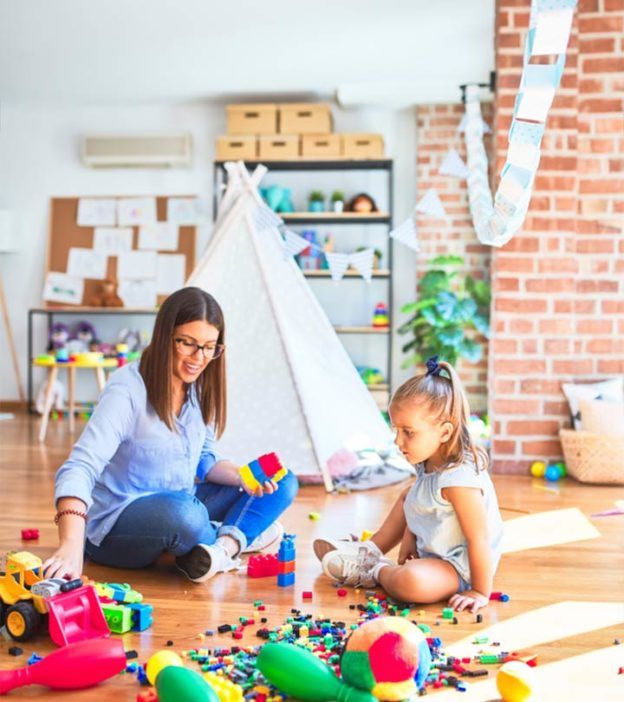
One challenge many families overlook is consistency.
Parents may carefully follow every safety habit, but grandparents, babysitters, relatives, or older siblings may not know the routines you’ve established.
If one caregiver always locks the medicine cabinet while another leaves it open “just for a minute,” your safety efforts become much less effective.
Take time to explain the systems you’ve created.
Show caregivers where emergency supplies are stored, explain which cabinets remain locked, demonstrate how safety gates work, and share any household rules that help protect your child.
Simple conversations like these reduce confusion and ensure everyone caring for your baby follows the same safety practices.
A Safer Home Is Built One Habit at a Time
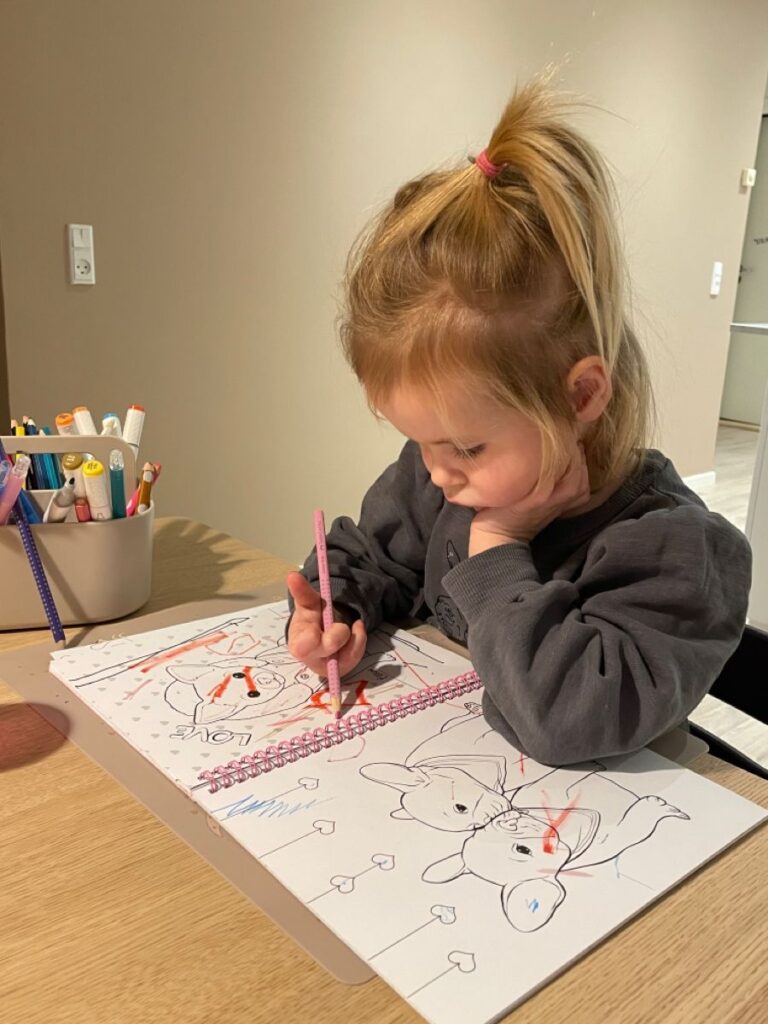
Protecting your child doesn’t require turning your home into a place where nothing can be touched or explored.
The goal is to remove preventable dangers while creating an environment where curiosity can develop safely.
Many accidents happen because of small oversights rather than major mistakes.
A cabinet left unlocked, a charger hanging from a table, furniture that wasn’t anchored, or medication forgotten on a countertop may seem insignificant until a curious baby discovers it.
Baby proofing works best when it becomes an ongoing habit instead of a one-time project.
As your child learns new skills, continue walking through your home with fresh eyes, making small adjustments whenever new risks appear.
No home will ever be completely free of hazards, but thoughtful preparation, consistent routines, and regular safety checks can dramatically reduce preventable accidents.
Those everyday habits create a home where your little one has the freedom to explore, learn, and grow while giving you greater confidence every step of the way.