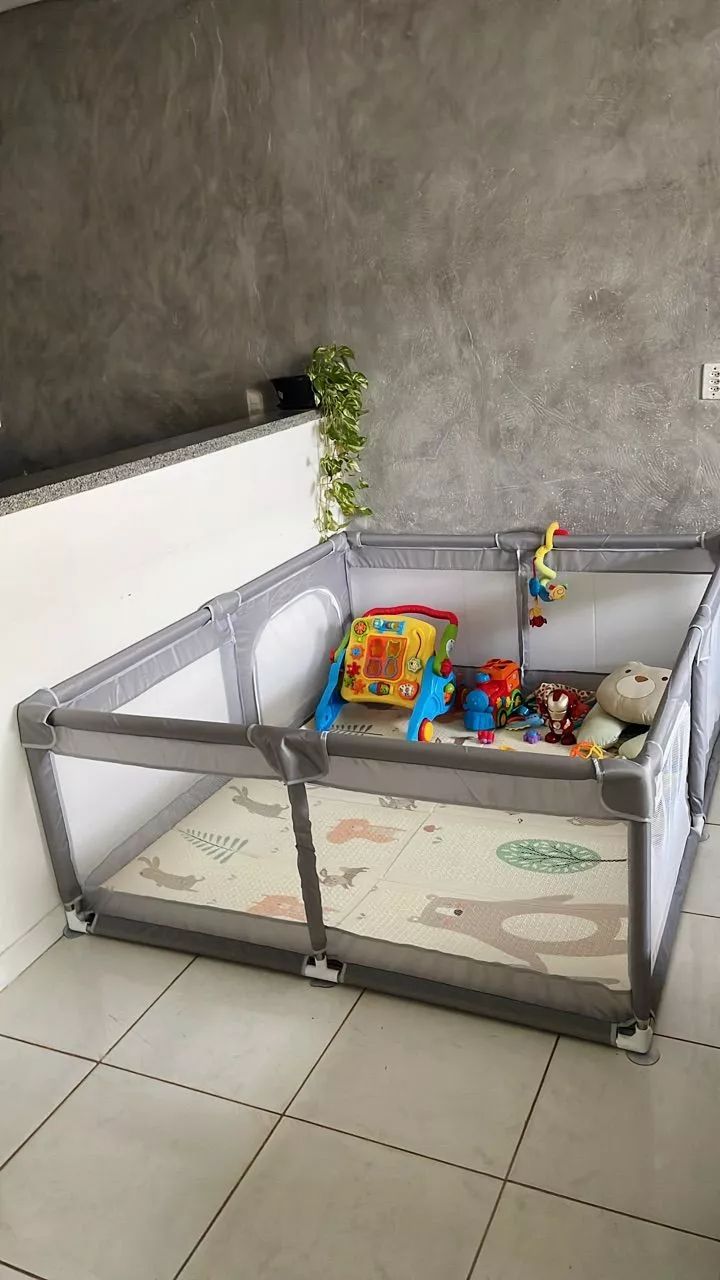

15 Essential Nursery Furniture Every Parent Needs
Disclosure: Some of the links in this post are affiliate links. This means if you click on the link and purchase an item, I will receive an affiliate commission at no extra cost to you.
Welcoming a new baby into your family is exciting, but preparing their nursery can quickly become overwhelming.
Between choosing a theme, deciding on colors, and shopping for baby gear, it’s easy to wonder which furniture pieces are actually necessary and which ones can wait.
The truth is that you don’t need to fill your nursery with every trending product you see online.
A well-planned nursery focuses on furniture that makes daily routines easier while keeping your baby safe and comfortable.
The right pieces can simplify diaper changes, nighttime feedings, naps, and storage, helping you feel more organized during those busy first months.

If you’re still planning your baby’s room, you may also enjoy exploring dreamy nursery theme ideas for baby boys or adorable nursery theme ideas for baby girls before selecting furniture.
Choosing your style first often makes shopping much easier because every furniture piece can complement your overall design.
Families decorating apartments or compact homes often benefit from small nursery ideas that maximize every inch and budget nursery ideas that look expensive, which show how to create a beautiful nursery without sacrificing functionality.
This guide covers the fifteen furniture pieces that truly make a difference.
If you’re furnishing your baby’s first room from scratch or upgrading an existing nursery, these essentials will help you create a comfortable, organized, and practical space that grows alongside your little one.
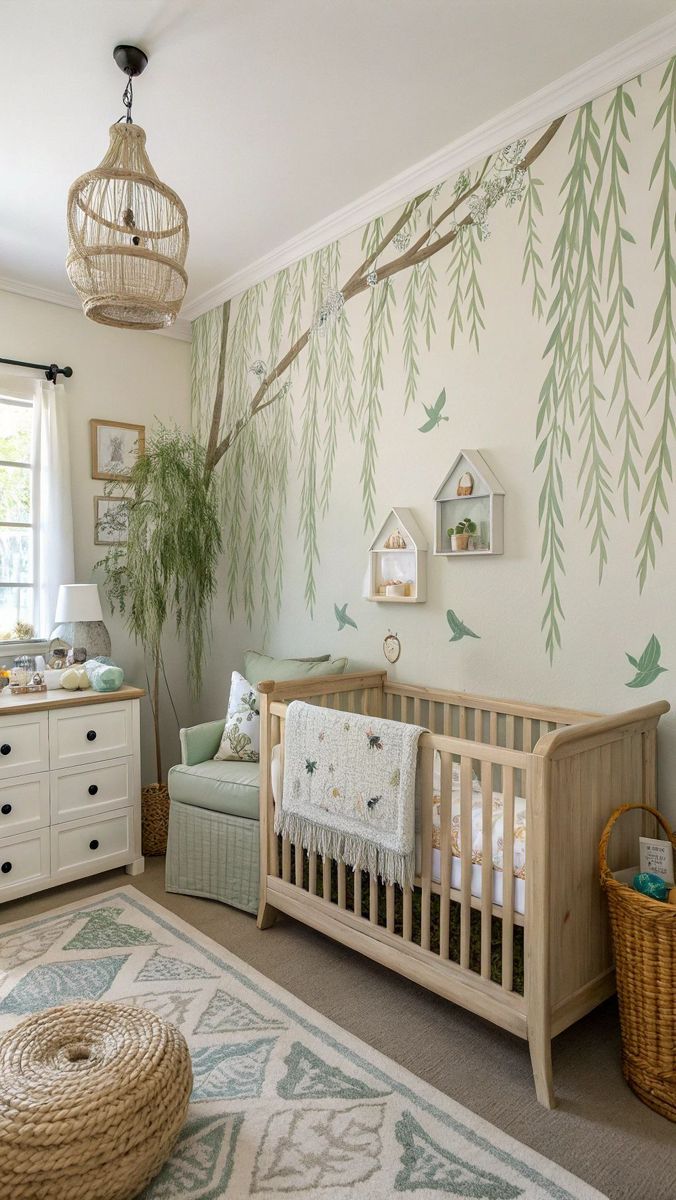
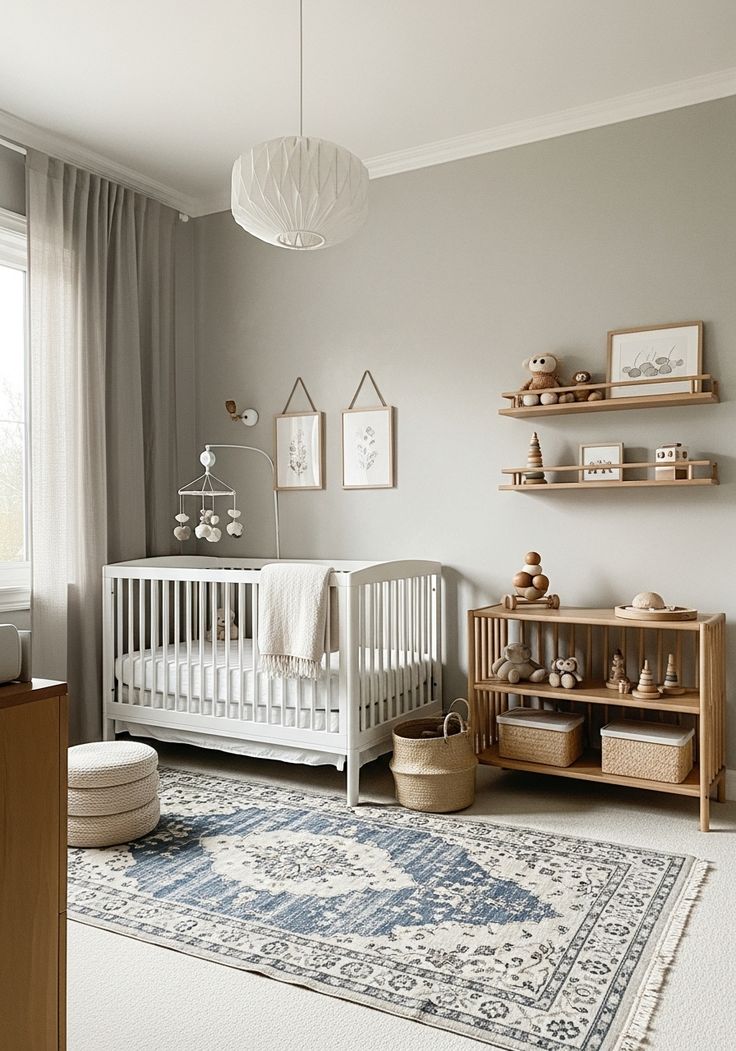
1. A Safe and Comfortable Crib

A crib is the centerpiece of every nursery and one of the first purchases most parents make.
Since newborns spend most of their day sleeping, choosing a high-quality crib should be your top priority.
Look for a crib that meets current safety standards, has adjustable mattress heights, and is built from sturdy materials.
Convertible cribs are especially popular because they transition into toddler beds, extending their usefulness for several years.
Avoid adding pillows, bumpers, quilts, or stuffed animals inside the crib.
A firm mattress fitted with a snug crib sheet provides the safest sleep environment for your baby.
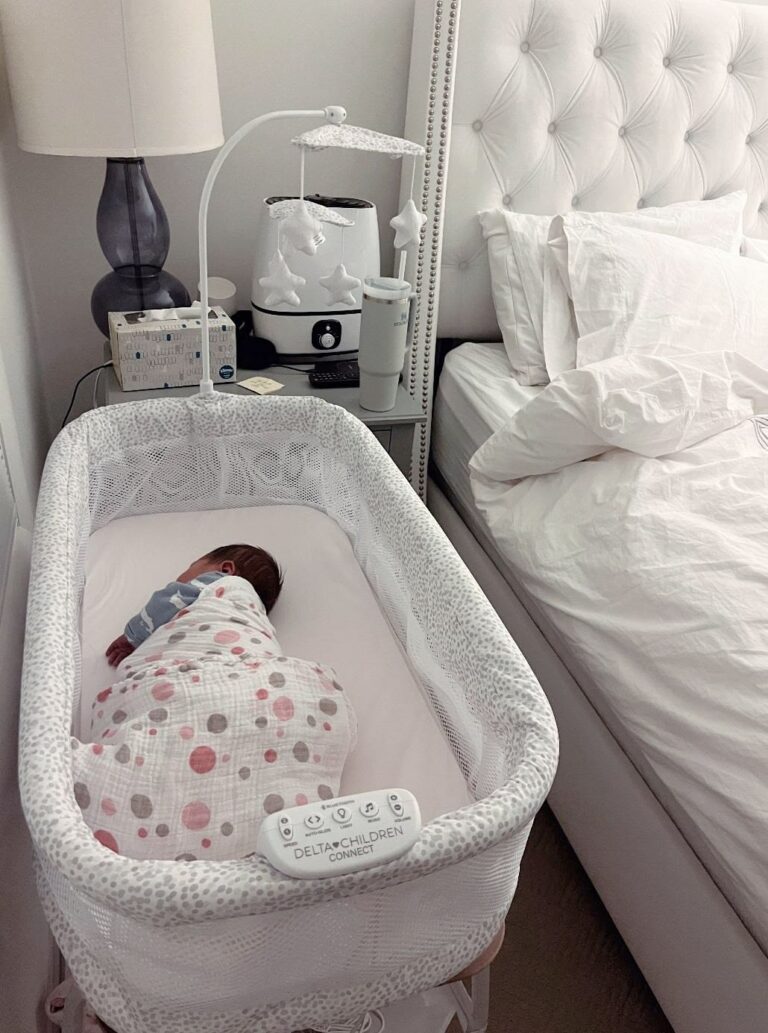
If you’re deciding between different sleeping arrangements, reading Bassinet vs Crib: Which Should You Choose? can help you determine which option best suits your family’s lifestyle.
Parents considering room-sharing may also want to review Safe Co-Sleeping Guidelines for New Parents before making a decision.
2. A Comfortable Nursery Glider or Rocking Chair

Few pieces of nursery furniture become as valuable as a comfortable chair.
You’ll spend countless hours feeding, rocking, cuddling, and reading to your baby.
Choosing an ergonomic glider or rocking chair provides the support you need during late-night wake-ups while creating a relaxing environment for bonding.
Look for features such as padded armrests, lumbar support, smooth gliding motion, and stain-resistant upholstery.
Some chairs even include reclining functions and built-in footrests for additional comfort.
This chair often becomes your favorite place for breastfeeding, bottle feeding, bedtime stories, and soothing a fussy newborn.
Once your baby arrives, you’ll likely spend time here while using different breastfeeding positions every new mom should know or following the ultimate breastfeeding guide for first-time moms.
Formula-feeding parents can also benefit from creating a comfortable feeding station after reading Formula Feeding Guide for New Parents.
3. A Spacious Changing Table

Having a dedicated changing station keeps diaper changes organized and less stressful.
A changing table provides a stable surface while giving you easy access to diapers, wipes, creams, extra clothes, and other essentials.
Many modern changing tables include shelves or drawers underneath, reducing unnecessary trips across the room.
Always secure your baby using the safety strap provided and keep one hand on them during every diaper change.
If you’re furnishing a compact nursery, consider a dresser with a removable changing topper.
It saves space while serving multiple purposes long after diaper days are over.
Pairing your changing area with nursery organization ideas that keep baby essentials within reach makes daily routines much smoother, especially during nighttime diaper changes.
4. A Functional Nursery Dresser

Babies may be tiny, but they own an incredible number of clothes.
From onesies and pajamas to socks, blankets, bibs, and swaddles, you’ll appreciate having a dedicated dresser that keeps everything organized.
Choose a dresser with deep drawers and smooth-gliding tracks.
Organizing each drawer with dividers makes it easier to separate newborn clothes from larger sizes.
As your baby grows, the dresser continues serving your family for years, making it one of the smartest nursery investments.
If you’re wondering how many clothes you’ll actually need, both how many newborn clothes do you really need? and essential newborn outfits every baby needs can help prevent unnecessary shopping while keeping your nursery organized.
5. A Nursery Wardrobe or Closet Organizer

Not every nursery includes a large closet, but every nursery benefits from better storage.
Closet organizers, wardrobes, hanging shelves, storage bins, and labeled baskets maximize every available inch while making it easier to find clothes, blankets, toys, and seasonal items.
Organizing baby clothes by size allows you to quickly rotate outfits as your little one grows.
Families decorating smaller rooms often combine wardrobes with clever nursery storage solutions for tiny spaces, helping them stay organized without making the room feel crowded.
Adding labeled bins also makes preparing for laundry easier while supporting an efficient nursery routine.
6. A Nursery Bookshelf

A nursery bookshelf encourages reading from the very beginning.
Even though your baby won’t be reading independently for years, surrounding them with books helps establish a reading routine that supports language development and strengthens your bond.
Instead of hiding books in drawers or baskets, display them on low, forward-facing shelves where colorful covers are easy to see.
This makes storytime more engaging as your child grows and begins choosing books on their own.
Look for sturdy bookshelves with rounded corners and secure them to the wall to prevent tipping.
If you’re decorating a smaller nursery, floating shelves above the changing table or reading corner can provide extra storage without taking up valuable floor space.
Once your reading nook is complete, fill it with some of the best first books for babies and make reading part of your bedtime routine.
You can also learn more about the benefits of reading to babies daily and how reading supports early brain development, both of which explain why reading aloud from birth makes such a lasting difference.
7. A Storage Ottoman or Nursery Bench

Storage is one thing parents can never have enough of.
A storage ottoman or nursery bench provides extra seating while hiding blankets, extra diapers, toys, swaddles, burp cloths, or seasonal clothing.
It’s one of the most versatile furniture pieces because it serves multiple purposes without making the nursery feel cluttered.
Choose an ottoman with a soft, padded lid to reduce the risk of bumps and bruises.
If you’re placing it near your glider, it can double as a comfortable footrest during feeding sessions.
This simple addition also helps keep frequently used items organized without overcrowding shelves or dressers.
8. A Nursery Side Table

A small side table may seem optional until you’re feeding a hungry newborn at 2 a.m.
Having a place to keep water, your phone, nursing supplies, burp cloths, pacifiers, books, or a baby monitor makes nighttime care much easier.
Instead of constantly getting up, everything you need stays within arm’s reach.
Choose a compact table with one or two drawers for hidden storage.
Rounded edges are a safer option, especially once your baby becomes mobile.
If your nursery is limited on space, consider a slim end table that fits neatly beside your glider without making the room feel cramped.
9. A Toy Storage Cabinet or Storage Cubes

While newborns don’t have many toys, that changes surprisingly fast.
Before long, you’ll have rattles, soft books, sensory toys, stuffed animals, teethers, and activity centers scattered throughout the nursery.
Having a dedicated storage solution from the beginning makes cleanup much easier.
Open storage cubes with labeled baskets allow you to separate toys by category while keeping everything accessible.
Soft fabric bins are ideal because they’re lightweight and safe for young children.
As your baby grows, organized toy storage also encourages independence by making it easier for toddlers to find and put away their own toys.
Parents planning plenty of playtime may also enjoy trying easy sensory activities for babies at home, taste-safe sensory play for babies, and simple bonding activities for newborns.
10. A Comfortable Nursing Cart

A rolling nursing cart has become one of the most practical additions to modern nurseries.
Unlike fixed furniture, a nursing cart can move wherever you need it, next to your glider, beside your bed, or even into the living room.
Stock it with diapers, wipes, bottles, nursing pads, burp cloths, extra onesies, pacifiers, snacks, and water bottles so essentials are always nearby.
Choose a sturdy cart with multiple tiers and locking wheels for added safety. Small baskets or drawer organizers can help keep supplies tidy and easy to find.
Many parents continue using the cart long after the newborn stage by turning it into an arts-and-crafts station, book cart, or toy organizer, making it a worthwhile long-term investment.
A nursing cart is especially useful during the first few weeks as you adjust to feeding schedules and monitor your baby’s growth using a week-by-week newborn development guide.
It’s equally helpful when caring for your little one while following newborn milestones: what to expect in the first month, ensuring your everyday essentials are always close at hand.
11. A Nursery Closet Organizer

Baby clothes are tiny, but they accumulate quickly.
Between newborn outfits, sleep sacks, blankets, bibs, socks, seasonal clothing, and extra diapers, a standard closet can become disorganized within weeks.
A nursery closet organizer helps maximize every inch of available space while keeping essentials easy to find.
Closet systems with double hanging rods, storage baskets, adjustable shelves, and labeled bins make it simple to separate clothing by size and season.
Consider using clear storage bins for items your baby will grow into over the next few months.
Label everything so you don’t spend precious time searching for that one clean swaddle during a late-night diaper change.
If your nursery doesn’t have a closet, a portable wardrobe or garment rack paired with storage baskets can work just as well.
A well-organized closet also makes it easier to manage essential newborn outfits every baby needs, decide how many newborn clothes you really need, and rotate clothing as your little one grows.
12. A Laundry Hamper

Babies somehow create an endless amount of laundry.
From spit-up and diaper blowouts to drool-covered bibs and outfit changes, dirty clothes pile up faster than most new parents expect.
A dedicated nursery hamper helps keep dirty laundry contained instead of scattered across chairs or floors.
Choose a hamper with a removable washable liner for easy cleaning.
Breathable fabric hampers are lightweight, while divided hampers allow you to separate whites, colors, or heavily soiled items.
Position the hamper near the changing station or closet so dirty clothes can be tossed in immediately after changing your baby.
Small organizational habits like this make daily routines smoother and help maintain a cleaner nursery.
13. A Soft Play Mat or Activity Gym

Although newborns spend much of their time sleeping, tummy time becomes an important part of their daily routine almost immediately.
A soft play mat or activity gym provides a safe, clean, and comfortable surface where your baby can strengthen neck, shoulder, and arm muscles while exploring colors, textures, and sounds.
Look for washable mats with non-slip backing and removable hanging toys that grow with your child.
Some activity gyms even include mirrors, crinkle fabrics, and sensory toys that encourage exploration.
As your baby develops, the play mat becomes the perfect place to enjoy best play activities for newborn babies, and introduce Montessori activities for newborns in a calm, age-appropriate environment.
Later, you can transition into activities for 0 to 3-month-old babies that help development before moving on to more advanced play as your child grows.
14. Blackout Curtains or Window Treatments

Sleep is one of the biggest priorities during your baby’s first year, and lighting plays a significant role in establishing healthy sleep habits.
Blackout curtains help darken the nursery during naps while also reducing early morning sunlight that may wake your baby too soon.
They can also help regulate room temperature by blocking heat during summer and reducing drafts in colder months.
Choose cordless window treatments whenever possible to eliminate strangulation hazards. Safety should always come before style.
Pair blackout curtains with soft nursery lighting to create a calm environment that encourages restful sleep during both daytime naps and nighttime routines.
If you’re still designing your baby’s room, blackout curtains pair beautifully with many different nursery themes and can complement both colorful and neutral spaces.
15. A Baby Monitor Station
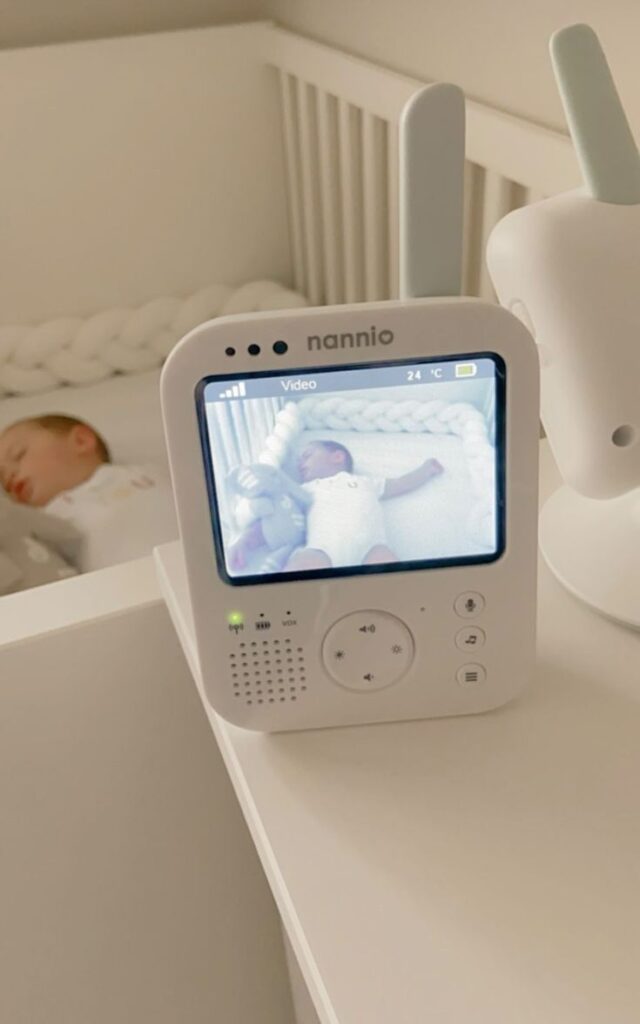
No nursery is truly complete without a reliable baby monitor.
If you choose an audio monitor or a video monitor with Wi-Fi connectivity, having a dedicated location for the monitor gives you the best possible view of your baby’s crib while keeping cords safely out of reach.
Place the camera high enough to capture the entire sleeping area without pointing directly into your baby’s face.
Secure all cords according to the manufacturer’s recommendations to reduce safety risks.
Many modern baby monitors also track room temperature, humidity, movement, and sleep patterns, providing extra reassurance during those first months of parenthood.
A monitor becomes even more valuable as your baby begins rolling over, sitting up, and reaching new developmental milestones.
How to Choose Nursery Furniture

Not every nursery needs expensive designer furniture. Instead, focus on pieces that are safe, functional, and built to grow with your family.
When shopping for nursery furniture, keep these factors in mind:
- Prioritize safety certifications over appearance.
- Choose furniture made from durable, non-toxic materials.
- Measure your nursery before buying large pieces.
- Invest in convertible furniture whenever possible.
- Secure heavy furniture to the wall to prevent tipping.
- Look for rounded edges and soft-close drawers.
- Select furniture that offers built-in storage to maximize space.
- Leave enough open floor space for tummy time and play.
These simple considerations will help you create a nursery that’s both beautiful and practical.
Common Nursery Furniture Mistakes to Avoid

Many first-time parents buy furniture based on appearance alone, only to realize later that it doesn’t meet their everyday needs.
Some common mistakes include:
- Buying oversized furniture for a small nursery.
- Skipping storage solutions.
- Choosing style over comfort for the nursery chair.
- Forgetting to anchor furniture to the wall.
- Purchasing furniture that can’t grow with your child.
- Placing furniture where it blocks walkways.
- Overcrowding the nursery with unnecessary pieces.
Keeping the room simple, organized, and functional often creates a more relaxing environment for both parents and baby.
Build a Nursery That Works for Your Family

The perfect nursery isn’t about filling every corner with furniture.
It’s about creating a space that supports your daily routines, keeps your baby safe, and helps you feel prepared for parenthood.
Start with the essentials, a safe crib, comfortable seating, practical storage, and an efficient changing station.
Then add pieces that fit your family’s lifestyle and available space.
As your baby grows, many of these furniture items will continue serving your family for years.
If you’re still preparing for your little one’s arrival, you may also find these guides helpful:
- Hospital Bag Checklist for Mom, Baby, and Partner
- Complete Car Seat Guide for New Parents
- The Ultimate Baby Budget for First-Time Parents
- Baby Expenses You Can Start Saving for During Pregnancy
- Ultimate Baby Proofing Checklist for New Parents