17 Music Activities for Babies
Disclosure: Some of the links in this post are affiliate links. This means if you click on the link and purchase an item, I will receive an affiliate commission at no extra cost to you.
You do not need to be a talented singer to introduce your baby to music. You also do not need a house full of musical instruments or expensive developmental toys.
Your voice, hands, body, and a few safe household items can provide plenty of opportunities for musical play.
A simple song during nappy changes can make an ordinary routine more engaging. Clapping while singing can encourage your baby to watch your hands.
Gentle dancing can introduce movement and rhythm, while humming during cuddles can create a peaceful moment of connection.
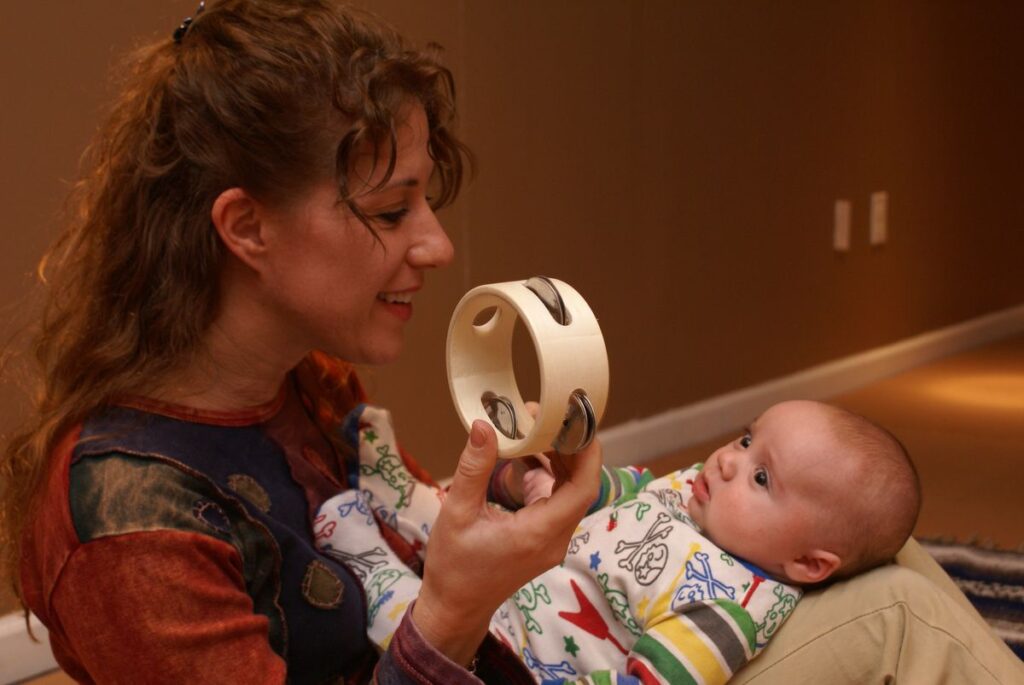
Music can also change as your baby develops. A newborn may quietly listen while looking at your face. A few months later, your baby may kick their legs when they hear a familiar tune. An older baby might clap, bounce, babble, shake a toy, or attempt to copy an action.
That is what makes musical play so enjoyable during the first year. You can start with something extremely simple and gradually make the activity more interactive as your baby becomes more mobile and curious.
How Music Activities Can Become Part of Your Baby’s Day
Music does not need to be a separate event that requires a particular time, location, or complicated preparation. It can become part of the moments you already share with your baby.
You might sing while getting dressed in the morning, hum during a cuddle, clap during floor play, or create a silly song while preparing lunch.
These everyday experiences can give your baby repeated opportunities to hear rhythm, changes in pitch, different sounds, and familiar voices.
The most valuable part of these activities is the interaction between you and your baby.
When your baby makes a sound and you respond, you are creating a simple back-and-forth exchange.
When you pause during a song and wait for your baby to react, you give them an opportunity to participate.
Repetition is also helpful. Babies often enjoy familiar songs because they begin to recognise patterns.
You may eventually notice your baby’s face light up when you start a particular song or their body become more active when they recognise a familiar rhythm.
You can also combine music with other forms of play. Singing while looking at a picture book, making sounds during tummy time, or adding songs to sensory play ideas for babies can give your baby different ways to explore the same experience.
The activities below are suitable for different stages of infancy, but you should always adapt them to your baby’s abilities.
A newborn will participate differently from a nine-month-old, and that is completely normal. Keep the experience relaxed, supervise your baby closely, and allow their reactions to guide you.
1. Sing Your Baby’s Name
One of the easiest music activities is creating a song around your baby’s name.
You do not need lyrics that rhyme or a complicated melody. Simply repeat their name in a gentle, playful tune.
You could sing your baby’s name while getting them dressed, changing their nappy, or preparing them for a nap.
Add simple words about what you are doing, such as singing about putting on socks or getting ready for a walk.
The repetition makes the activity easy for you to remember and gives your baby a familiar sound pattern. Over time, your baby may begin paying closer attention when they hear the melody.
You can also change the rhythm of their name. Sing it slowly one time, then use a slightly quicker rhythm the next.
Keep your voice comfortable and playful rather than making the activity too loud.
Family members can participate too. A parent, grandparent, or sibling can create their own version of the song, giving your baby another enjoyable way to hear their name.
2. Clap Along to a Song
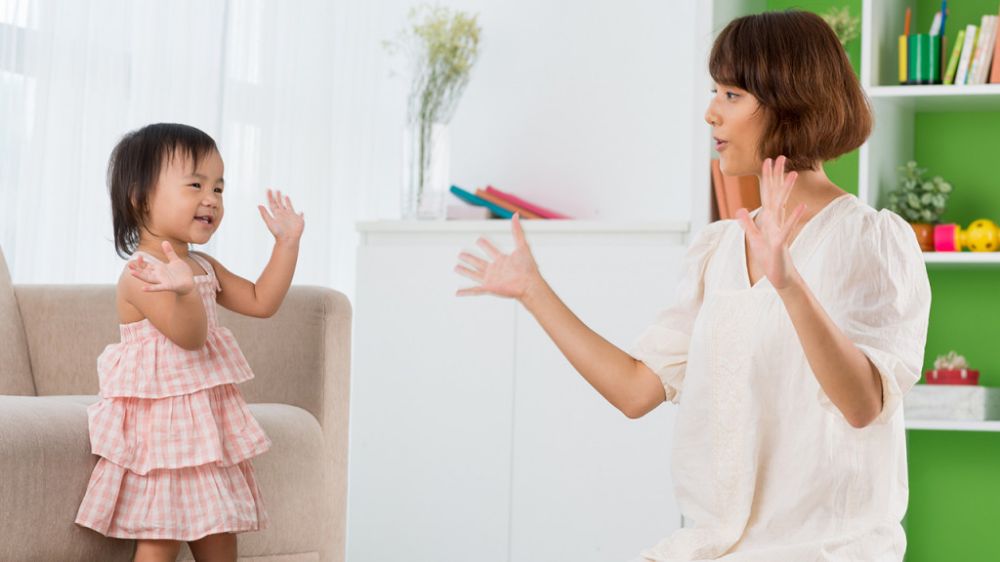
Clapping introduces rhythm while giving your baby something interesting to watch. Sit in front of your baby and clap your hands slowly as you sing a familiar song.
Start with a simple, steady rhythm. Your baby may simply stare at your hands at first.
That is already participation because they are observing the movement and listening to the sound.
Pause occasionally and wait. Your baby might smile, move their arms, kick their legs, or make a sound. As they get older, they may begin trying to bring their own hands together.
You can eventually experiment with different patterns. Try two slow claps followed by a pause, then repeat. Keep the activity playful rather than expecting your baby to copy the pattern perfectly.
This can become especially useful alongside simple activities for developing hand coordination, since your baby gradually learns to control their hands and arms through everyday movement.
3. Dance Gently With Your Baby
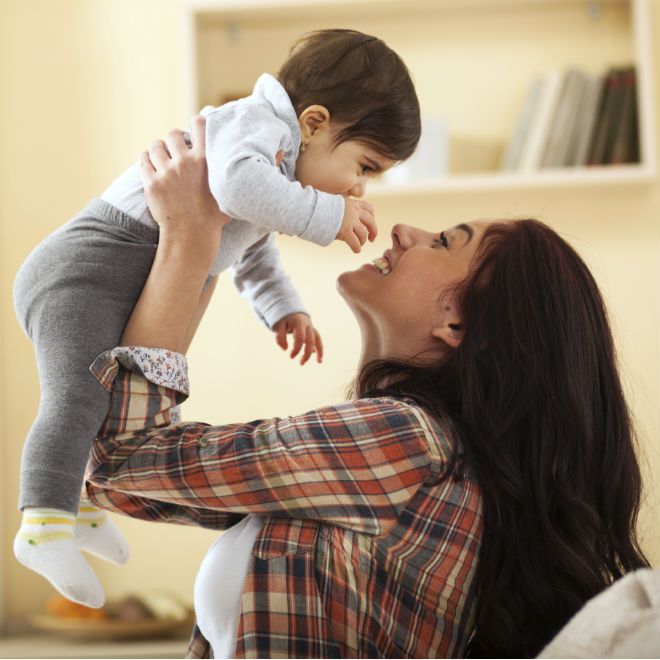
Dancing gives your baby an opportunity to experience music through movement. Choose a gentle song and slowly sway while holding your baby securely.
Your movements do not need to be dramatic. A slow side-to-side motion can be enough. You can also sing along while making eye contact with your baby.
As your baby grows stronger, you can dance beside them while they play safely on the floor. Encourage natural movement without trying to make your baby follow a particular routine.
Pay attention to your baby’s response. If they smile, kick, or become more alert, you can continue. If they turn away, fuss, or appear tired, slow down or stop.
You can make this activity part of bonding activities for newborns by combining gentle movement with cuddling, eye contact, and talking.
4. Shake a Baby-Safe Instrument
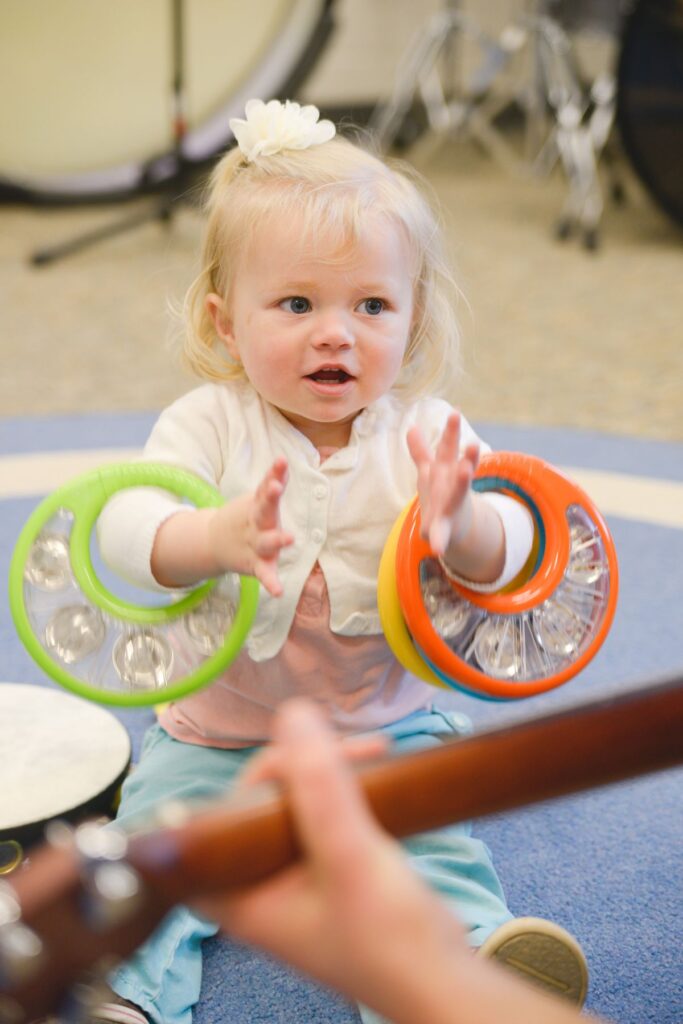
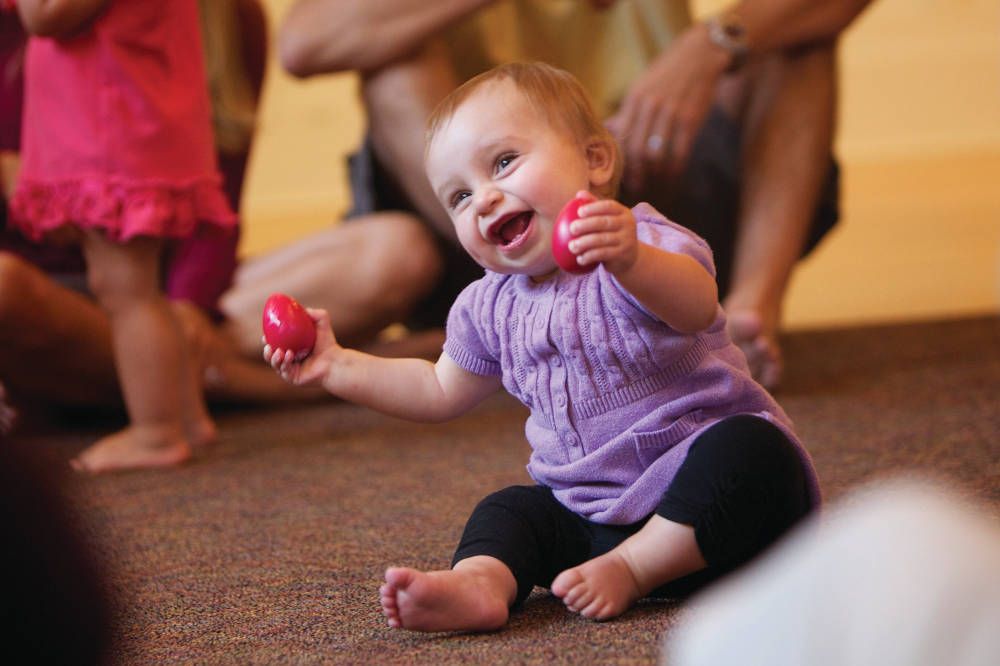
A baby-safe shaker or rattle can introduce your child to the connection between movement and sound.
Hold the object and shake it gently so your baby can see and hear what is happening.
Pause after a few shakes. That moment of silence gives your baby an opportunity to process the sound and notice that it has stopped.
If your baby is old enough to grasp the object safely, allow them to explore it under supervision.
They may shake it accidentally at first, then gradually discover that their movement creates the sound.
Choose an instrument designed for your baby’s age. Avoid objects with small detachable parts or anything that could become a choking hazard.
You can also use different rhythms. Shake slowly, pause, then try a slightly quicker pattern. Your baby can begin discovering that sounds can change depending on how an object moves.
5. Sing During Tummy Time
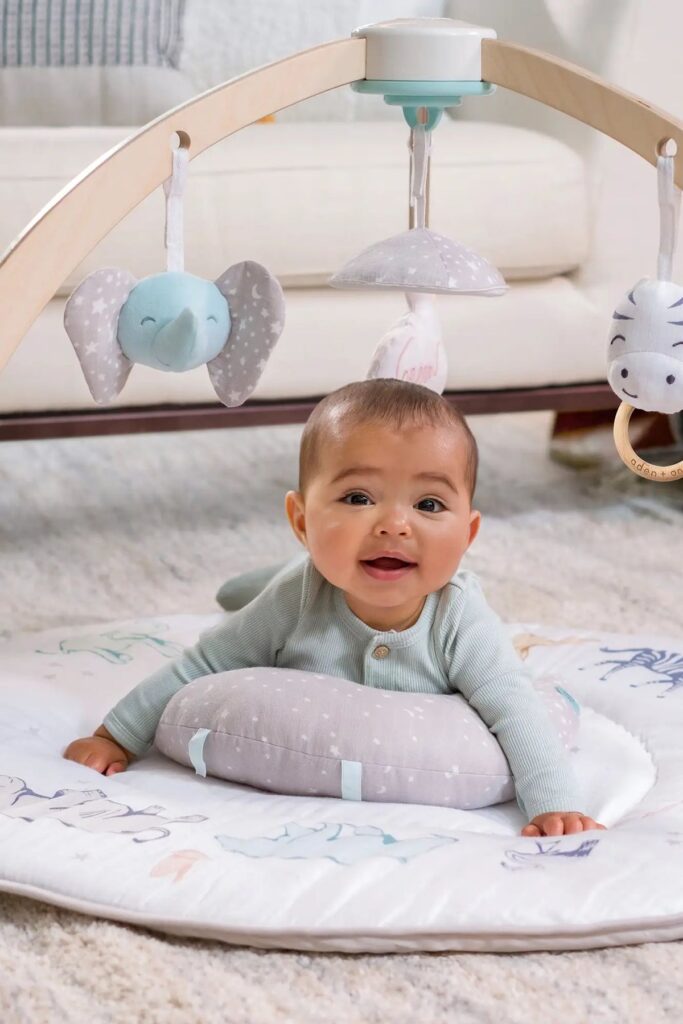
Tummy time can become more enjoyable when you add your voice. Place your baby safely for supervised tummy time, position yourself where they can see you, and start singing.
Your face gives your baby something interesting to look towards. You can smile, make gentle expressions, and move your face slowly from one side to another while continuing the song.
A familiar voice may encourage your baby to lift their head or turn towards you. You should never force this response. The goal is simply to make the experience engaging.
Keep tummy time appropriate for your baby’s developmental stage and always supervise them. If your baby becomes tired or frustrated, give them a break.
You can also combine singing with newborn development activities that are appropriate for your baby’s current stage, creating a balanced routine that includes movement, communication, and play.
6. Make Up a Song About Your Baby’s Toys
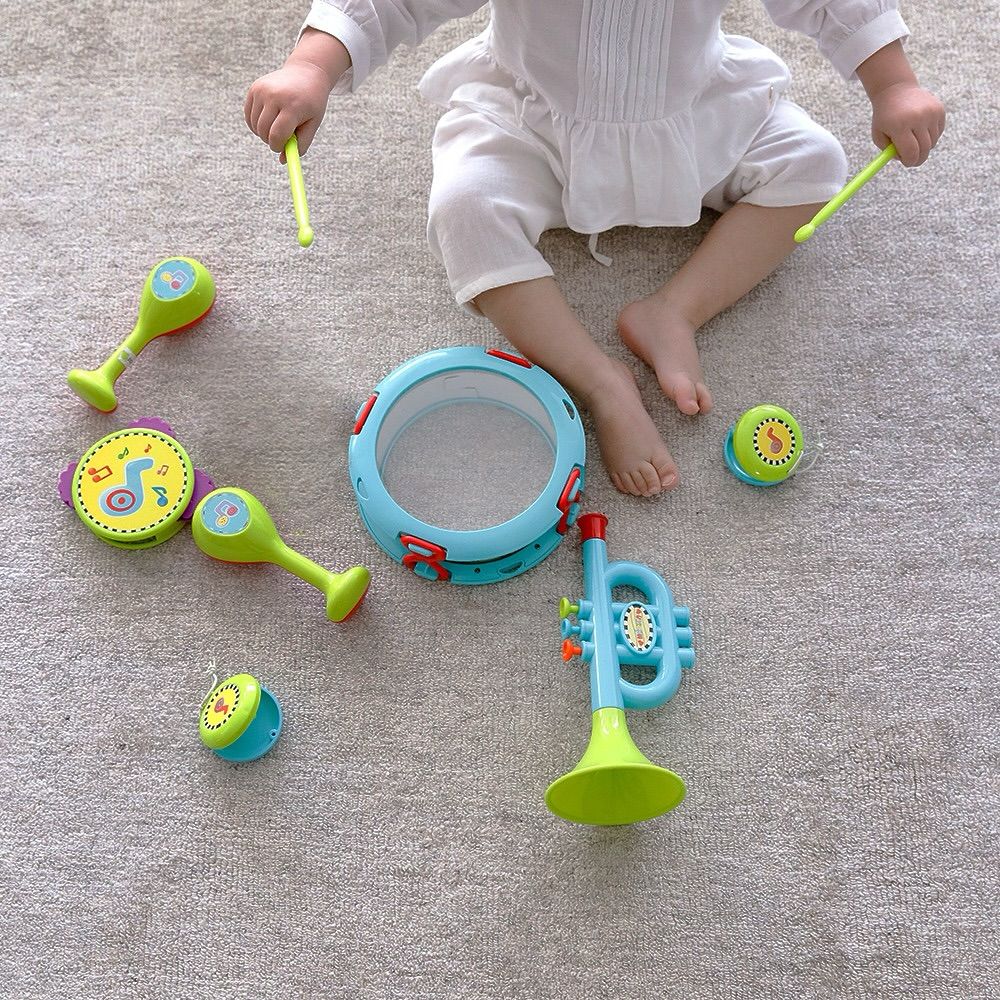
Choose one of your baby’s favourite toys and make up a silly song about it. You could sing about what the toy looks like, where it is going, or what it might do.
A soft toy can become the main character in your song. You might sing about the teddy waking up, taking a walk, or going to bed.
The song can change every time you sing it. That is part of the fun. You do not need to memorise anything, and your baby will not care if the lyrics are different.
As your baby becomes more interested in objects, hold the toy within their safe viewing area while you sing. You can move it slowly to encourage them to watch.
This activity can easily become part of play activities for newborn babies, especially when your baby is beginning to pay more attention to objects around them.
7. Copy Your Baby’s Sounds
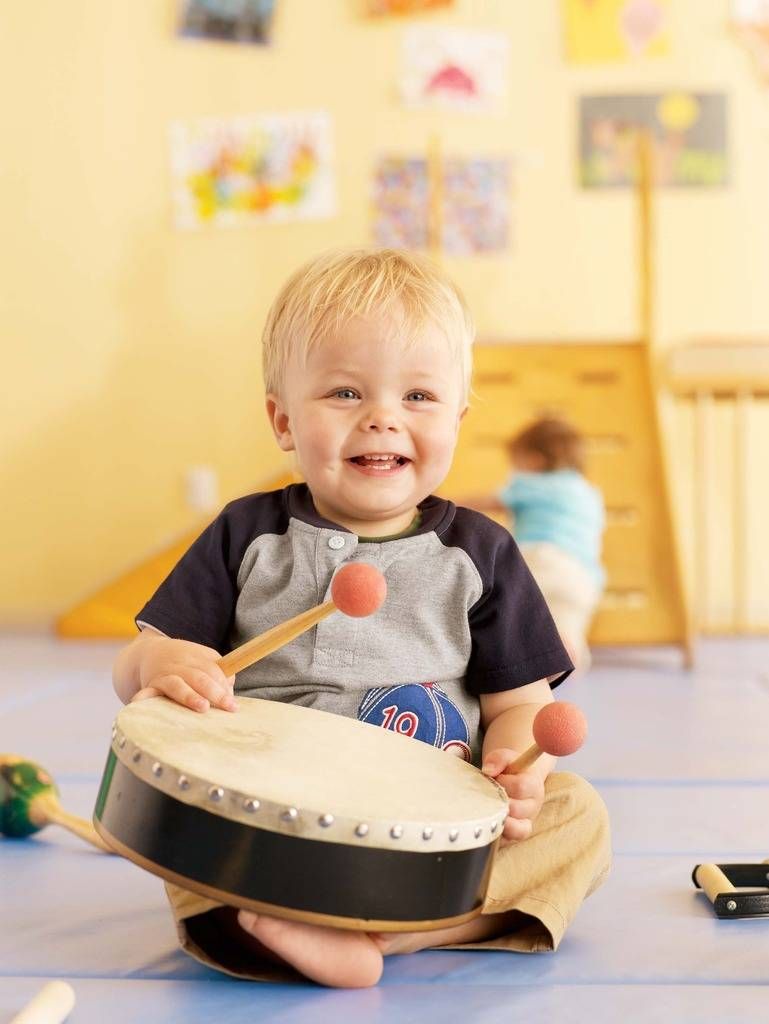
Your baby’s little noises can become the beginning of a musical conversation. Listen for coos, squeals, babbles, or other sounds, then gently copy them.
If your baby makes a long “ah” sound, repeat it using a slightly musical tone. Then pause and give your baby time to respond.
You may find that your baby makes the sound again. If they do, repeat it once more. This creates a simple back-and-forth exchange.
Do not worry about teaching your baby specific sounds. You are simply responding to what they naturally produce.
This type of interaction can support early communication skills, because your baby begins experiencing the connection between making a sound and receiving a response from another person.
8. Create a Musical Story
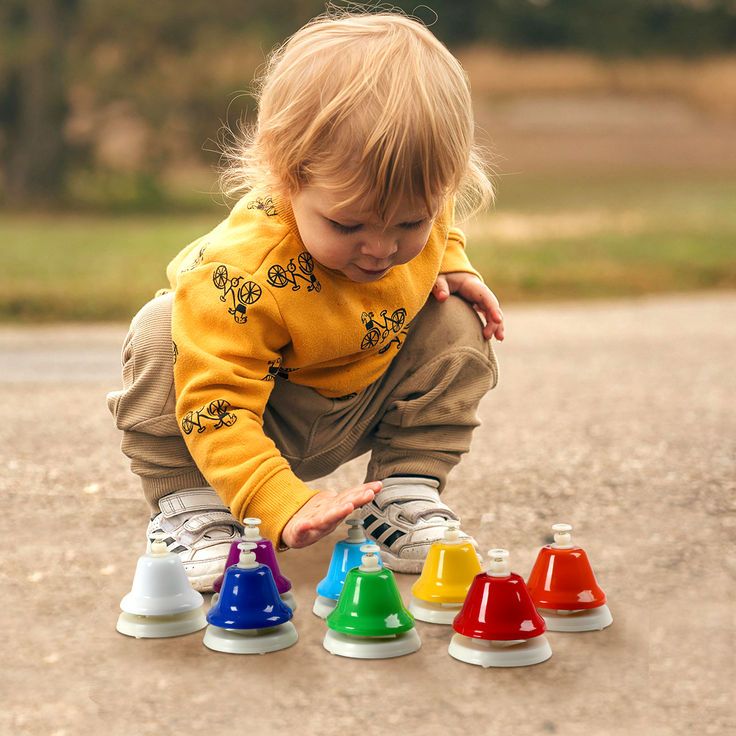
Turn a simple story into a musical experience by singing certain parts rather than reading everything normally.
You might sing the main character’s name whenever they appear. You could also create a special sound for an animal or use a repeated melody whenever something exciting happens.
The story does not have to be long. A few pages can be enough, particularly for a young baby with a short attention span.
Pause occasionally so your baby can look at the pictures. You can also respond to their reactions by repeating a sound they seem interested in.
This activity works particularly well with reading activities for babies, because it brings together language, pictures, rhythm, and social interaction.
9. Tap a Gentle Rhythm
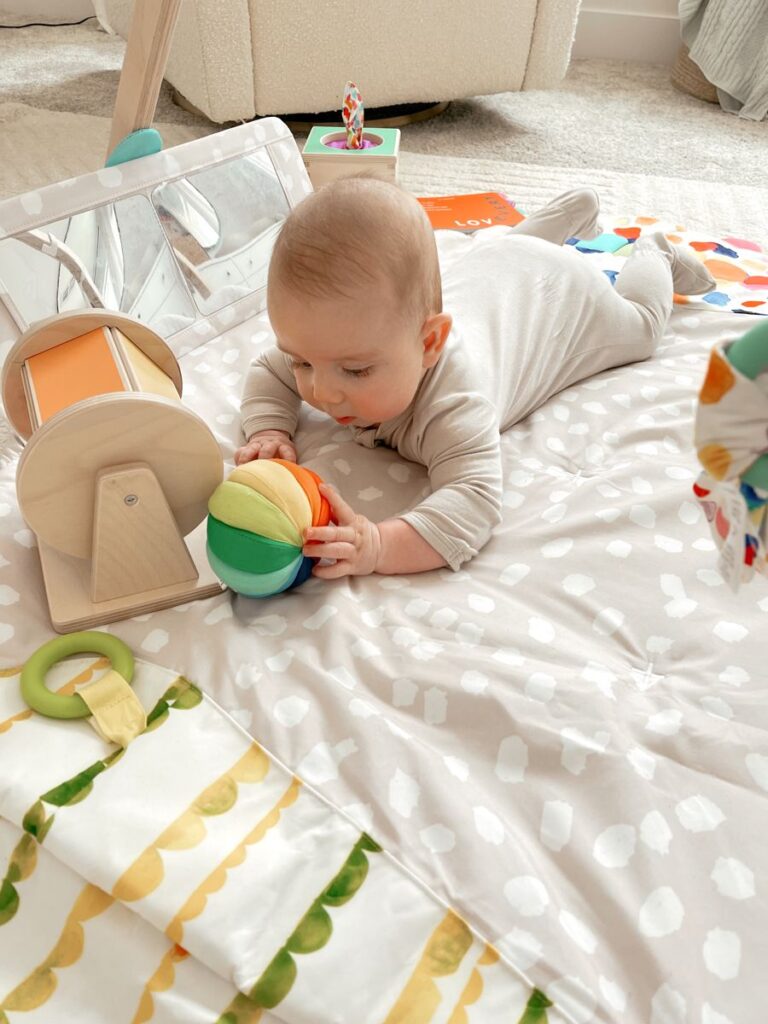
You can create music without an instrument by tapping a gentle rhythm with your hands. Tap your knees, clap softly, or tap another safe surface while singing.
Start with a slow and predictable pattern. Your baby can watch your hands while listening to the repeated sound.
After several repetitions, stop completely. Wait for a moment before starting again.
The contrast between sound and silence can make the activity more interesting. Your baby may begin to anticipate the next sound, especially after hearing the same pattern repeatedly.
As your baby gets older, you can introduce simple baby-safe percussion toys. Allow them to explore the sounds while you continue singing alongside them.
10. Play Peekaboo With a Song
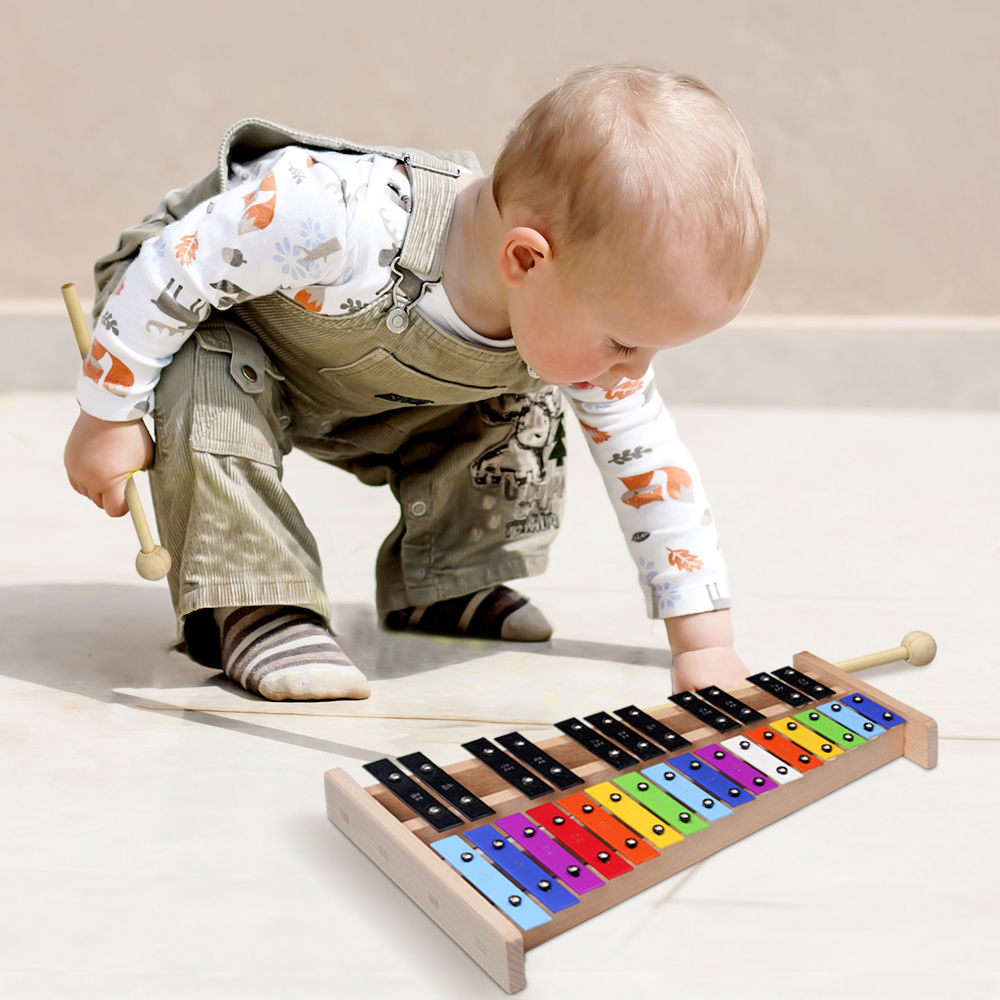
Peekaboo becomes even more engaging when you add a melody. Sing a short line while covering your face with your hands, then reveal your face at the end.
Keep the movementsImage credit slow and predictable. Your baby can watch your face disappear and reappear while also listening to the repeated musical pattern.
After several rounds, pause before revealing your face. Your baby may begin anticipating the moment when you appear again.
Older babies may smile, laugh, reach for your hands, or attempt to cover their own face.
You can include interactive games for babies like this during short periods of play, especially when your baby is alert and interested in social interaction.
11. Sing the Words in a Picture Book
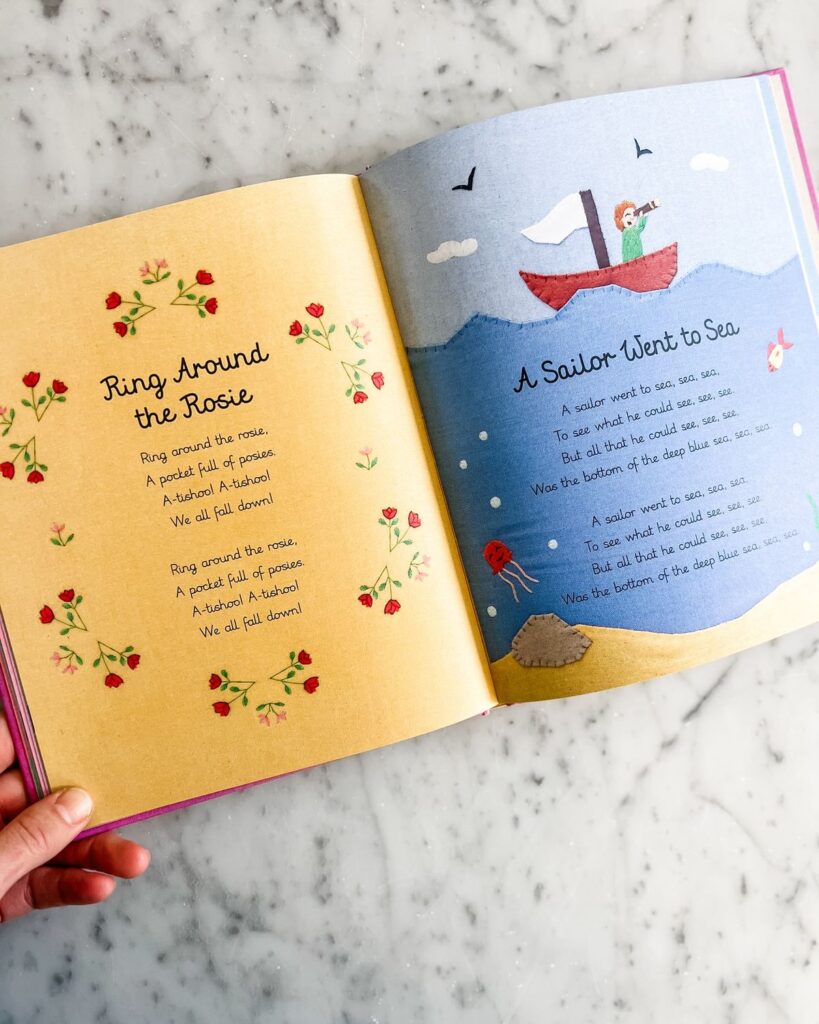
Some picture books contain repeated phrases or rhyming language that can easily become songs.
Instead of reading every line in the same tone, sing a repeated phrase whenever it appears.
Point to the pictures as you sing. Give your baby time to look at the page before turning to the next one.
You can also create a simple melody for animal sounds. If a book features a cow, for example, you can sing the animal’s name and then make the corresponding sound.
As your baby becomes familiar with the book, they may begin recognising certain pages or sounds.
This is a natural way to combine first books for babies with musical interaction without turning reading time into a formal lesson.
12. Create a Bath Time Song
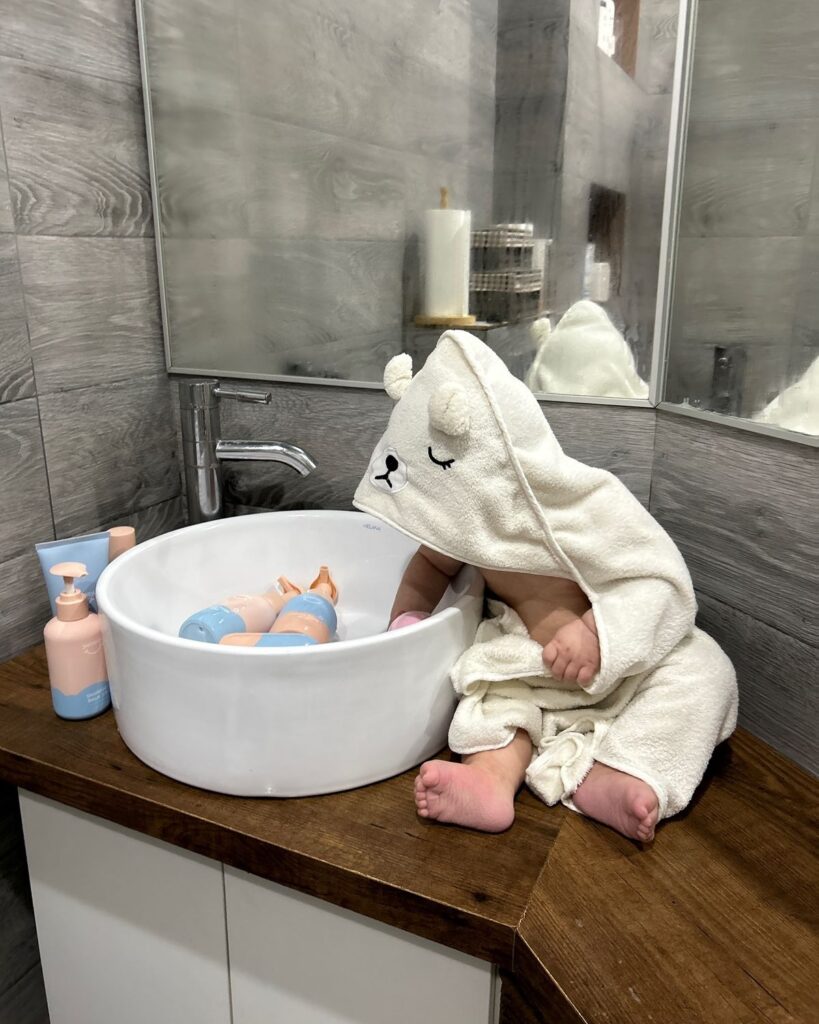
Bath time provides an opportunity to create a song that belongs specifically to that routine.
You can sing about washing hands, splashing water, cleaning toes, or getting ready for a towel.
The lyrics can be completely spontaneous. Your baby does not need a perfect song. They simply get to hear your voice and enjoy the rhythm.
Choose a calm melody if your baby tends to become relaxed during baths. If your baby enjoys playful interaction, you can use a slightly more cheerful tune.
Safety remains the priority during every bath. Never let singing, music, or play distract you from supervising your baby around water.
A repeated bath song can eventually become part of daily routines for newborns, giving your baby another familiar sound associated with an everyday caregiving experience.
13. Explore Loud and Soft Sounds
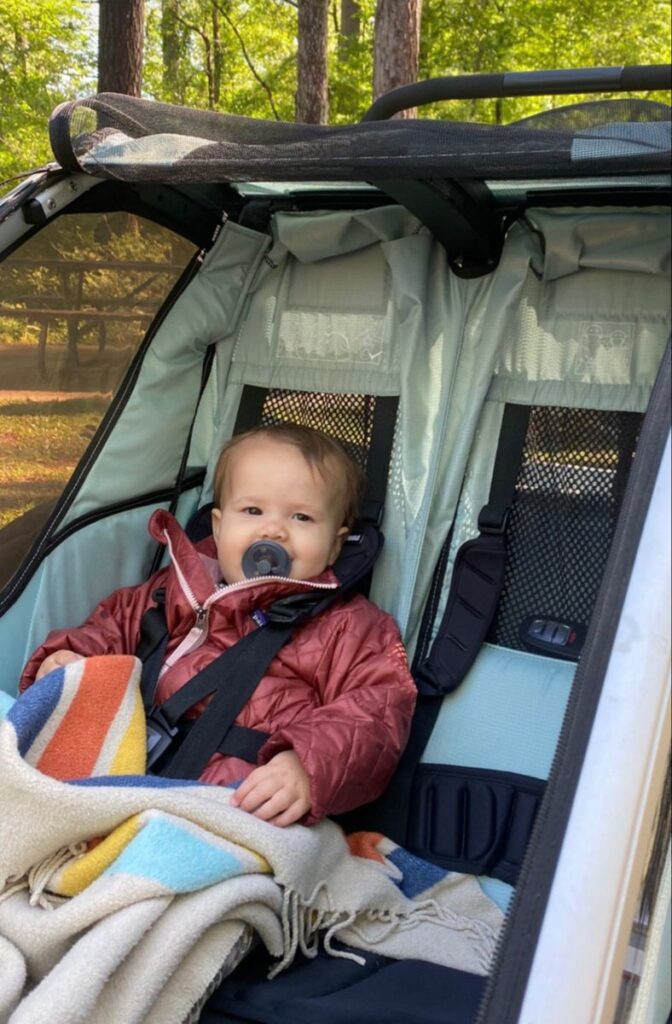
Babies can enjoy hearing changes in volume, provided you keep the sounds comfortable and safe.
Sing one line softly, then use your normal speaking or singing voice for the next.
The difference should be noticeable without becoming loud or startling.
You can also experiment with pitch. Sing one phrase in a lower comfortable voice and another slightly higher. Watch your baby’s face to see how they respond.
These changes introduce variety without requiring an instrument.
Remember that babies’ ears are sensitive. Avoid shouting, loud speakers close to your baby, or sudden high-volume noises. The activity should remain gentle and enjoyable.
14. Sing While Looking in a Mirror
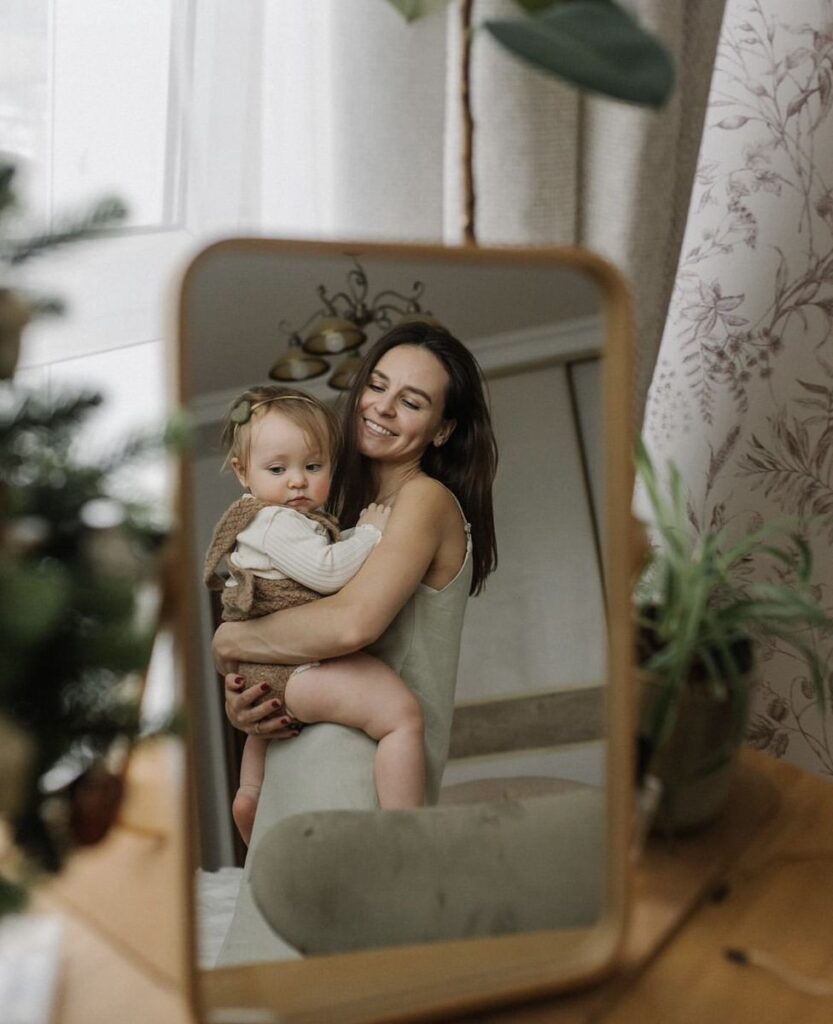
Place your baby near a secure, baby-safe mirror and sing while sitting together. Your baby may look at your face, their reflection, or both.
Sing your baby’s name and point gently towards their reflection. Then point towards yourself while continuing the song.
You can make different facial expressions as you sing. Smile during one part, widen your eyes during another, and return to a calm expression.
The mirror adds a visual element to the activity while your voice provides the musical component.
As your baby becomes older, they may reach towards the mirror or become more interested in their reflection. Allow them to explore at their own pace.
15. Sing During a Nature Walk
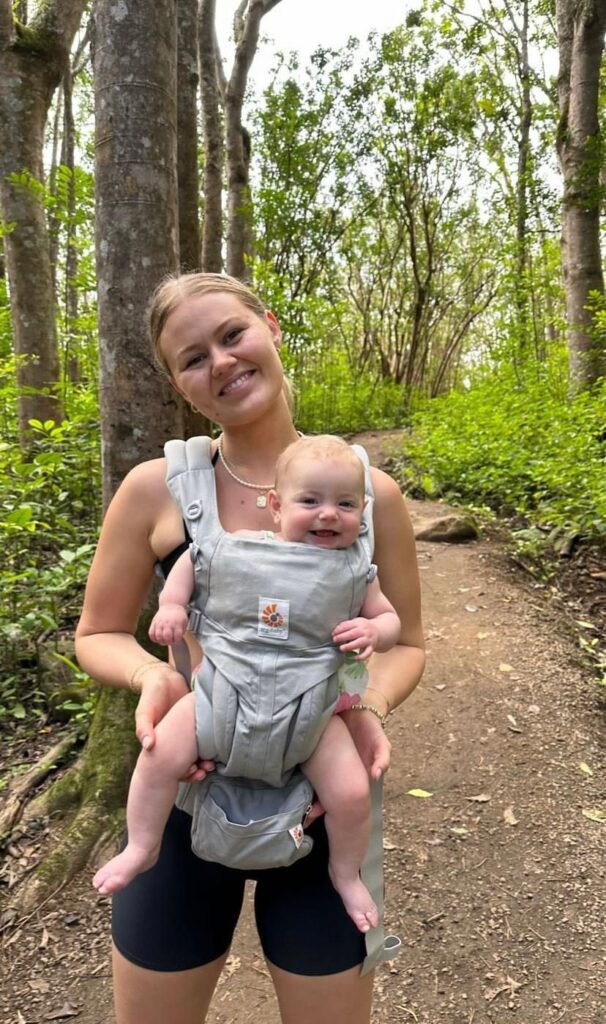
Music does not have to stay indoors. If you are taking your baby for a safe outdoor walk, you can sing softly as you move.
Choose a simple song and occasionally pause so your baby can experience the natural sounds around you.
Birds, leaves, distant voices, and other everyday sounds can create an interesting background.
You can also make up songs about what you see. Sing about a tree, a bird, the colour of a flower, or the movement of the leaves.
This makes nature activities for babies even more interactive because your baby experiences music alongside changing sights and sounds.
Keep your baby’s comfort and safety in mind during outdoor activities. The purpose is not to keep singing continuously but to enjoy shared moments as you explore together.
16. Make a Family Music Circle
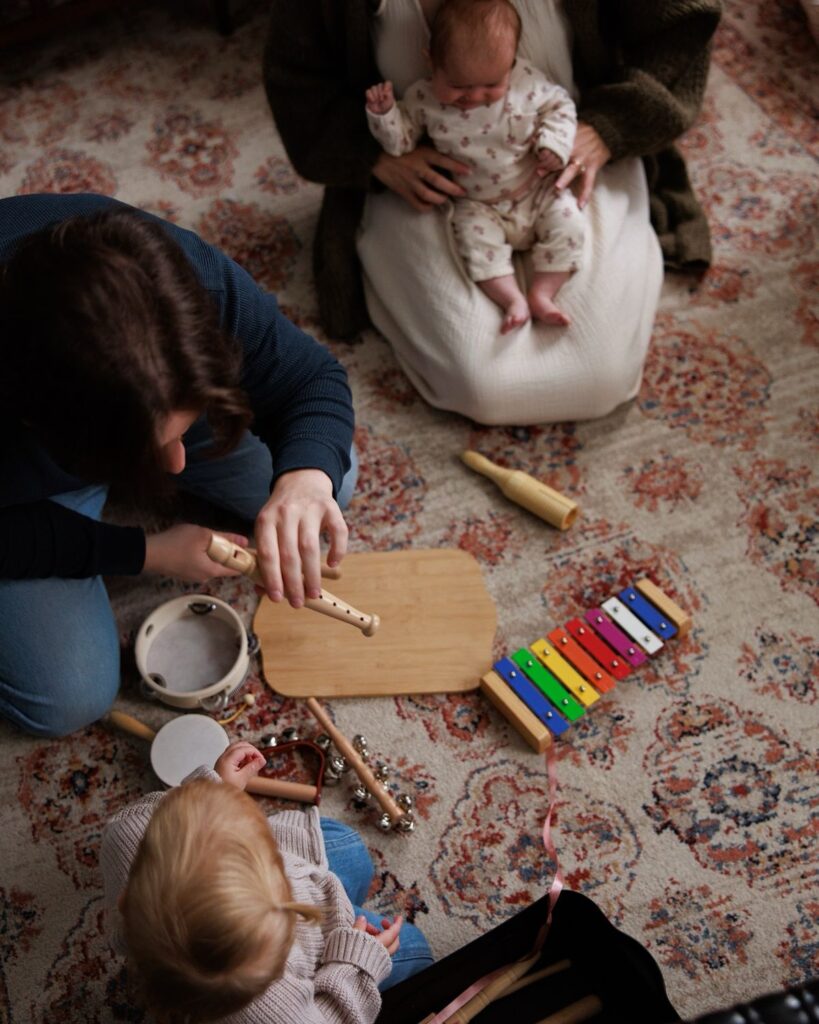
Bring family members together for a short music session. Each person can choose a song, hum a melody, clap, or make a simple rhythm.
Your baby can sit safely with an adult or play on the floor according to their developmental stage while everyone participates.
The activity does not need to become a performance. The goal is to let your baby experience different familiar voices and expressions in a relaxed environment.
You can even create one family song that everyone sings regularly. Add your baby’s name or a simple repeated phrase that becomes unique to your household.
As your baby grows, they may begin joining in through clapping, bouncing, babbling, or other movements.
17. Create a Special Bedtime Lullaby
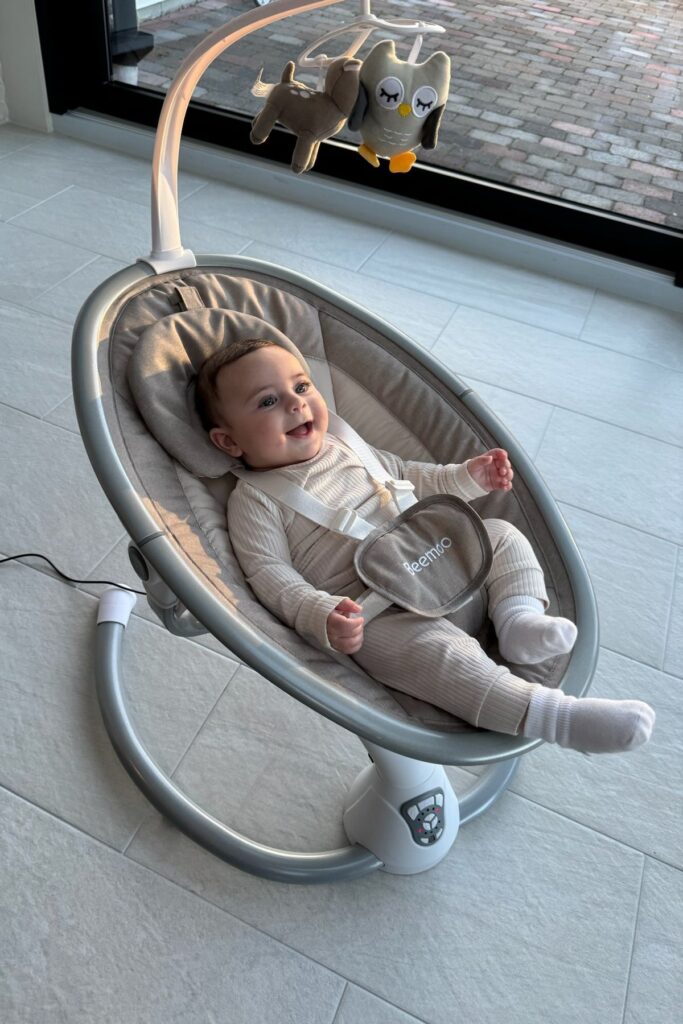
A familiar lullaby can become a comforting part of your evening routine. Choose one gentle song and sing it around the same point in your baby’s bedtime routine.
You can sing while cuddling your baby, during a quiet wind-down period, or while your baby is safely in their sleep space.
Keep your voice soft and the environment calm. The purpose is to create a peaceful transition rather than make the song a guarantee that your baby will fall asleep.
You can also create your own lullaby. Include your baby’s name, a few affectionate words, and a melody that feels natural to you.
Over time, that little song may become one of the most recognizable sounds in your baby’s world.
It can carry memories of quiet evenings, cuddles, and the familiar comfort of being cared for.
Keeping Musical Play Safe and Enjoyable
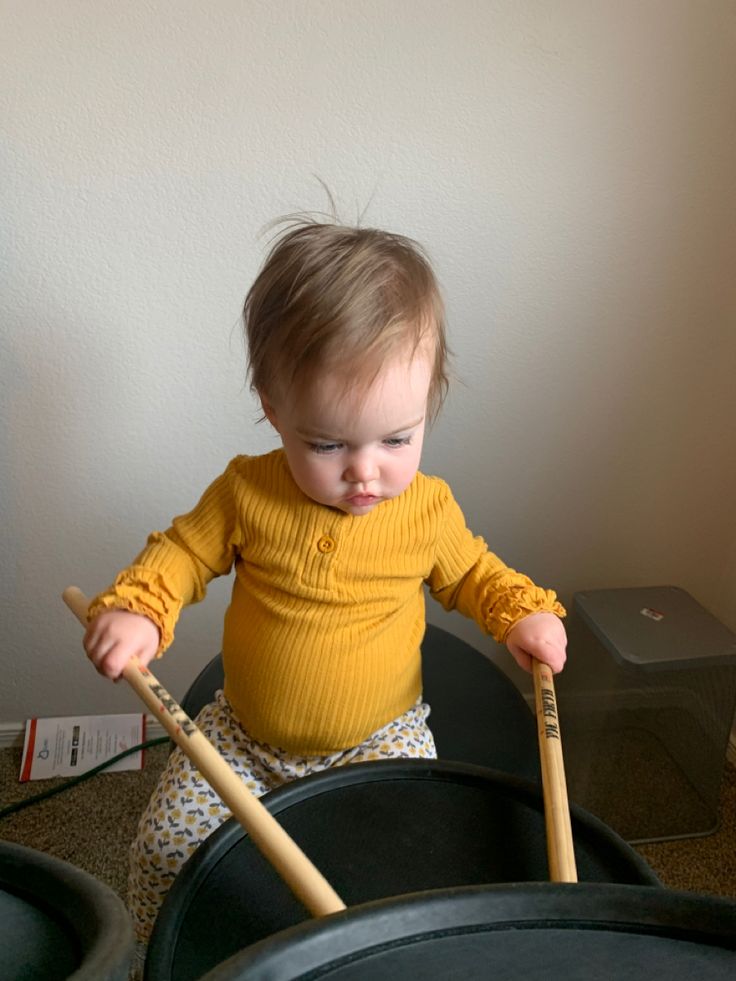
Music activities should always match your baby’s age and abilities. A newborn may need nothing more than your voice, while an older baby may be ready to explore a baby-safe shaker or percussion toy.
Pay attention to volume. Babies do not need loud music to enjoy musical experiences, and you should avoid exposing them to unnecessarily loud sounds.
Supervise your baby whenever you introduce an object. Check rattles, shakers, and other toys regularly for damage, loose pieces, or anything that could become unsafe.
You should also follow your baby’s cues. Looking away, fussing, becoming unusually quiet, or appearing tired can mean that your baby needs a break.
Smiling, watching closely, kicking, babbling, or reaching can show that they are interested.
The best musical activity is one that feels enjoyable for both of you. There is no need to finish a song if your baby has lost interest.
Turning Everyday Moments Into Musical Memories
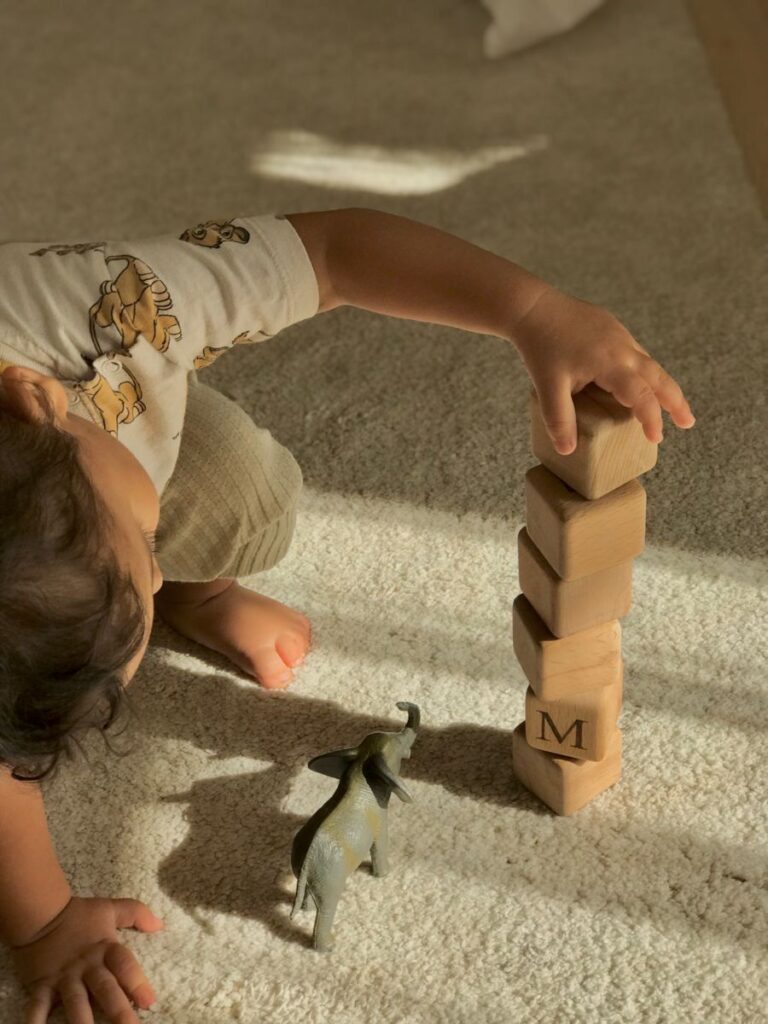
You do not need a complicated music programme to make music part of your baby’s childhood.
Some of the most meaningful musical experiences can happen during ordinary moments that you might otherwise overlook.
A song during a morning cuddle can become a familiar greeting. A silly melody about getting dressed can make a routine more enjoyable.
A repeated lullaby can become associated with peaceful evenings, while a family song can become a tradition that your child recognises as they grow.
Your baby’s participation will change over time. At first, they may simply listen. Later, they may watch your hands, respond with sounds, move their bodies, or attempt to copy you.
Allow those changes to happen naturally.
You can also revisit the same activity many times. Repetition does not mean you are running out of ideas.
Familiar songs and games give your baby opportunities to notice patterns and become increasingly involved.
Most importantly, do not measure the success of music time by how much your baby learns during one session.
The smiles, eye contact, sounds, movements, and shared attention are valuable parts of the experience.
Let Music Grow With Your Baby

Music can remain a simple and joyful part of your baby’s routine throughout the first year.
You can start with your voice and gradually introduce clapping, movement, safe instruments, musical stories, and family activities as your baby’s abilities develop.
There is no perfect song, perfect rhythm, or perfect way to sing to your baby. What matters most is the opportunity to interact, respond, and enjoy time together.
Some days your baby may love every song you sing. Other days they may prefer quiet cuddles or independent exploration.
Following their cues allows music to remain a positive experience rather than another task on your parenting list.
Keep experimenting, repeat the songs your baby enjoys, and do not be afraid to make up your own.
Those little melodies may eventually become familiar family traditions that your child remembers long after the baby stage has passed.


4 Comments