

31 Activities for Standing Babies That Will Keep Them Busy
Disclosure: Some of the links in this post are affiliate links. This means if you click on the link and purchase an item, I will receive an affiliate commission at no extra cost to you.
The stage between crawling and walking can bring a major change to your baby’s daily routine.
A baby who was previously happy exploring the floor may suddenly spend much of the day pulling up on furniture, reaching for objects from a new height, and looking for opportunities to stand.
This stage can be exciting because you begin to see your baby’s growing independence in new ways.
They may proudly pull themselves upright beside the sofa, look around the room with excitement, then sit back down and try again a few moments later.
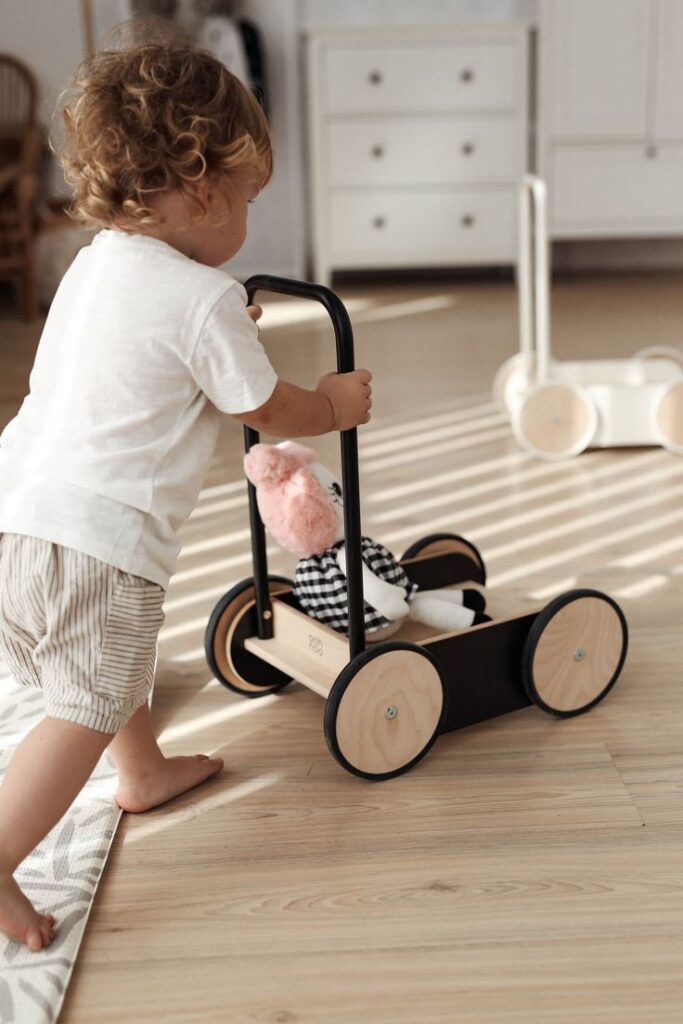
Standing is not simply about remaining upright. Your baby is learning how to support their body, shift their weight, hold onto stable surfaces, reach for objects, bend their knees, and gradually become more confident with movement.
These skills develop over time. Some babies enjoy standing while holding onto furniture for quite a while before they begin cruising.
Others quickly become interested in moving sideways along the sofa or another stable surface. There is no need to rush any part of the process.
The best activities during this stage are often simple. Your baby does not need an expensive collection of toys or a complicated play schedule to stay interested.
A favourite toy placed on a low surface, a familiar song, or an interesting object to reach for can provide plenty of motivation.
The ideas below are designed to give your baby enjoyable opportunities to explore while standing safely. You can repeat the activities they enjoy, make small changes when they become familiar, and always follow your baby’s pace.
Fun Activities for Standing Babies to Explore and Enjoy
Once your baby begins pulling up to stand, their surroundings become much more interesting.
Furniture that previously went unnoticed can suddenly become something to hold onto.
Objects on low tables become tempting to reach for, while familiar toys can encourage your baby to move and explore.
Creating a safe environment should come before introducing standing activities.
Babies at this stage can move quickly between crawling, sitting, pulling up, and standing, often before parents expect them to.
Taking time to prepare your home for a newly mobile baby can make everyday play safer and give your child more freedom to explore.
The activities below do not need to happen in a particular order. Your baby may enjoy some immediately and show little interest in others. Their preferences can also change as they become more confident.
Give them opportunities to explore, stay nearby for supervision, and avoid turning every activity into something they must accomplish.
1. Reach for Favourite Toys
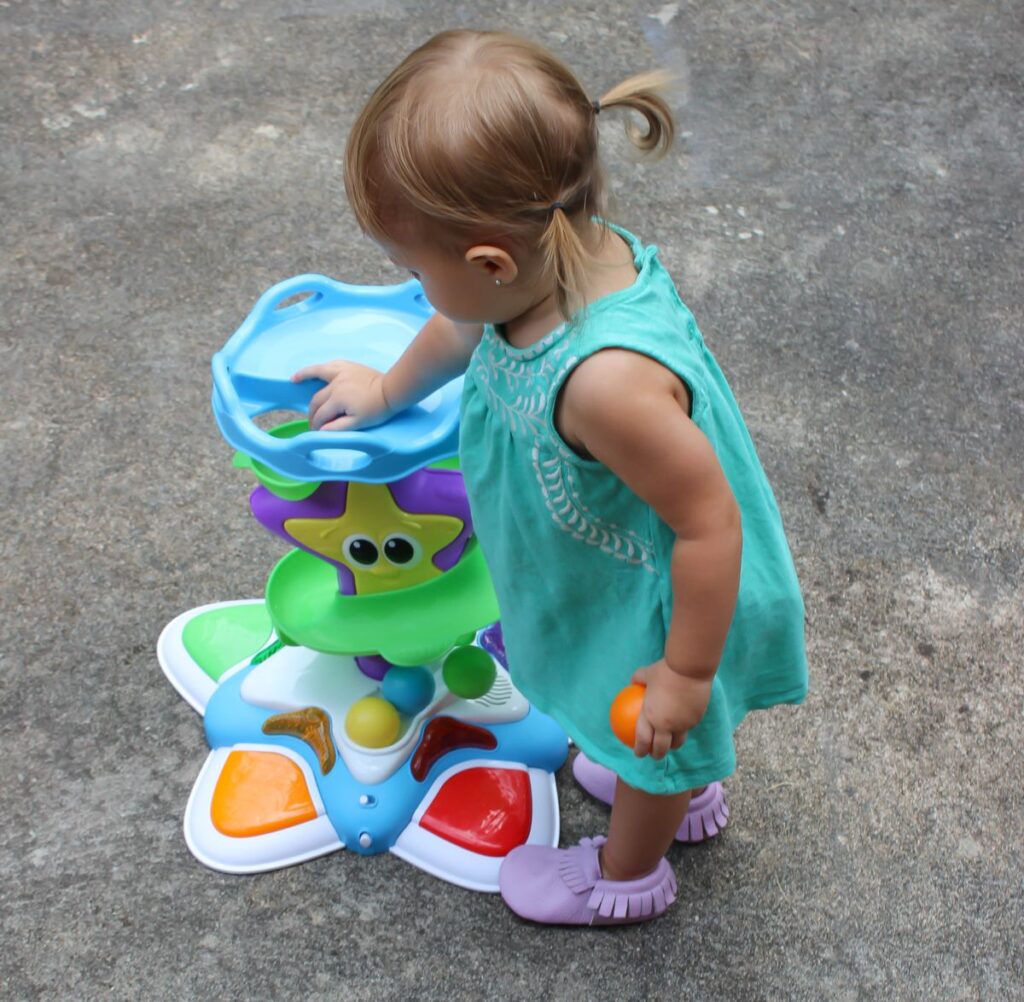
Place one or two favourite toys on a stable, low surface where your baby can safely reach them while standing with support.
Allow your baby to pull up and decide which toy they want to explore first. They may reach for one, move it around, drop it, or sit back down before pulling themselves upright again.
You can occasionally change the toys, although familiar objects can remain interesting when babies experience them from a new position.
Keep everything close enough to prevent your baby from leaning too far away from their support.
2. Explore a Standing Activity Table
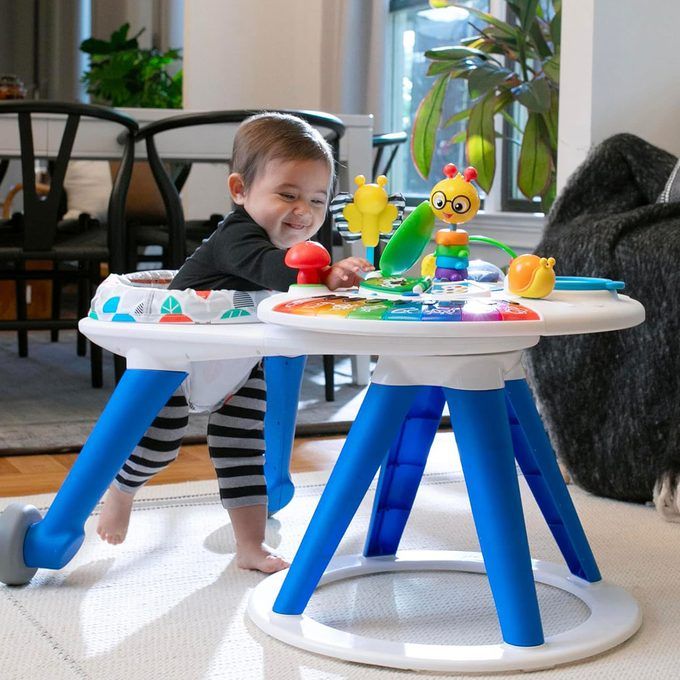
A sturdy activity table designed for babies can provide an interesting place to play while standing.
Choose one with a stable base that will not slide or tip when your baby holds onto it. Your baby can explore buttons, textures, moving parts, or other age-appropriate features.
There is no need to fill the activity with noise or stimulation. A simple setup can hold your baby’s attention just as well.
Stay nearby while your baby plays, especially when they are still becoming comfortable with standing.
3. Play Along the Sofa
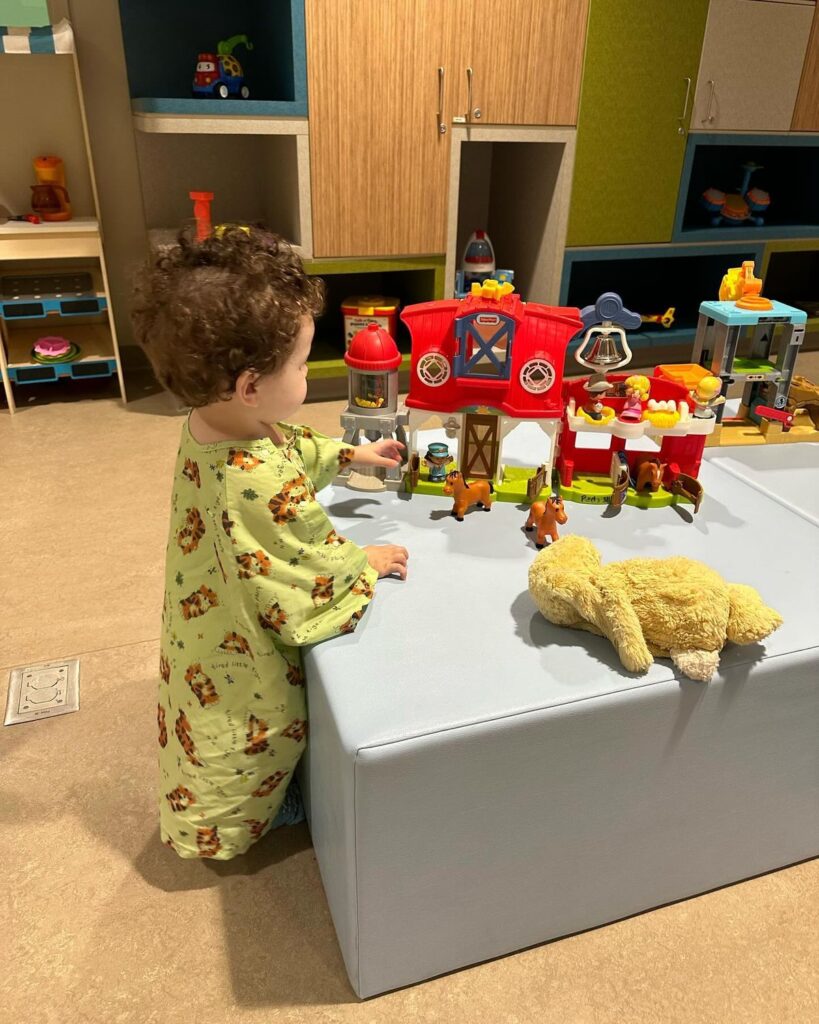
A stable sofa can become a familiar place for supported standing.
Place a safe toy on the seat and allow your baby to pull up while holding onto the edge. They may reach for the toy, move it around, or simply enjoy standing and looking around.
Clear the surrounding floor and avoid leaving objects nearby that could make the area unsafe.
Your baby may also begin experimenting with moving their hands along the sofa as their confidence grows.
4. Try a Gentle Reach-and-Grab Game
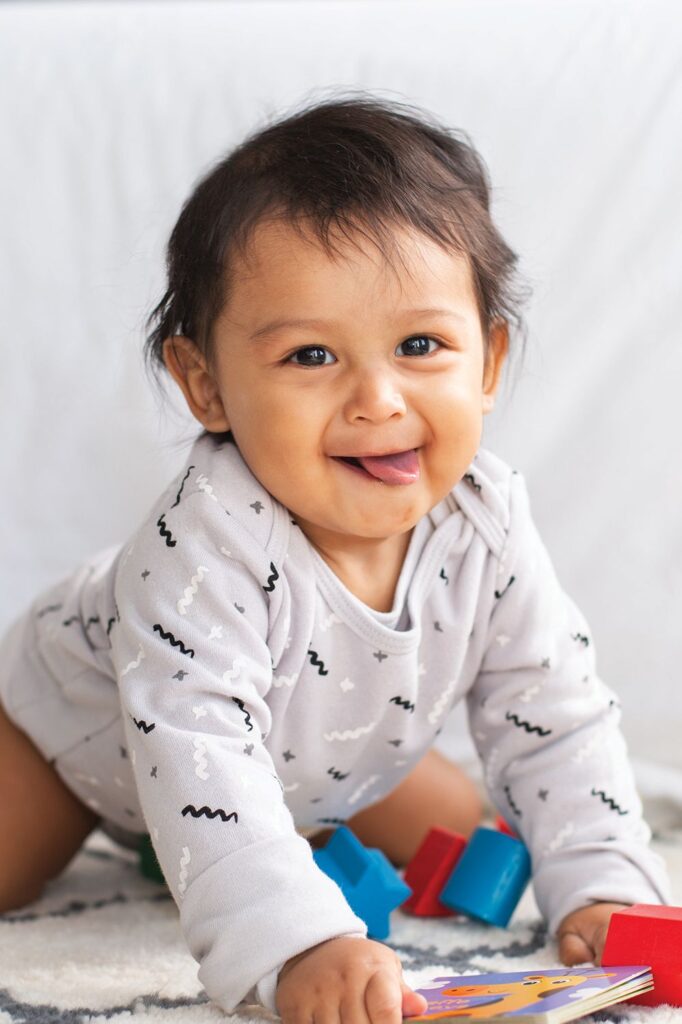
Hold a safe toy slightly to one side while your baby stands securely with support.
Give them time to reach towards it while keeping at least one hand on the stable surface. You can slowly move the toy to the other side and allow your baby to follow it with their eyes.
The activity should remain gentle and comfortable.
Your goal is not to make your baby stretch as far as possible. It simply gives them an interesting reason to reach and shift their attention.
5. Explore a Low Shelf
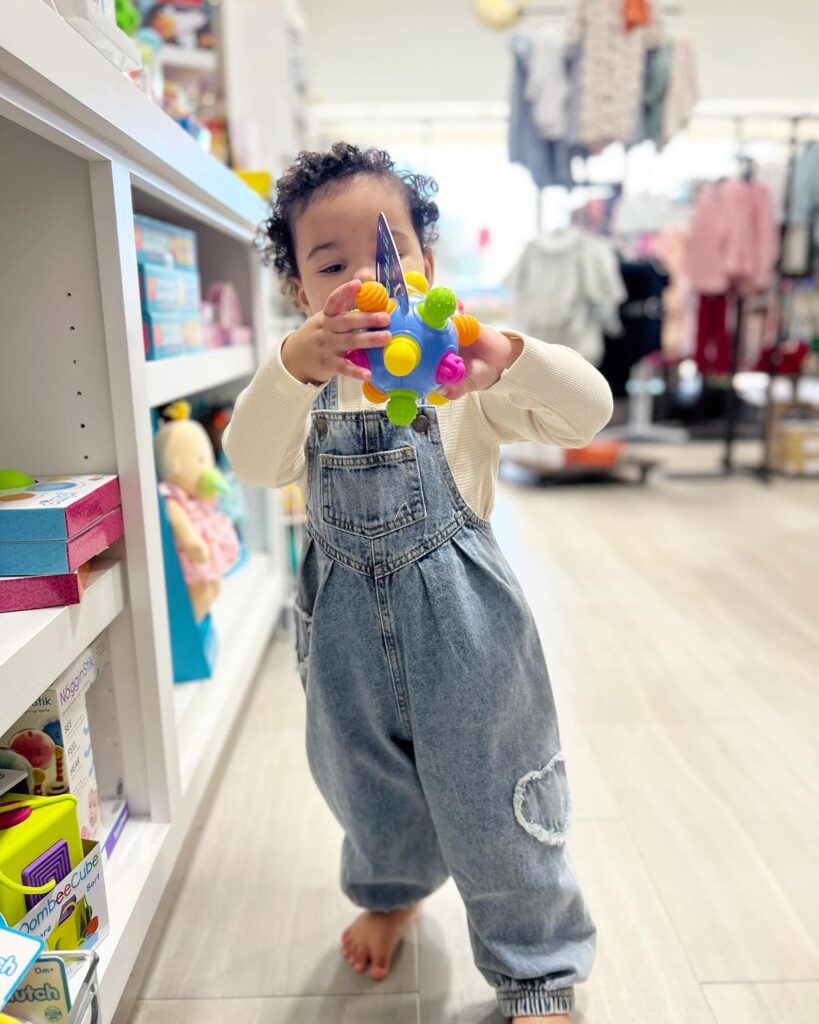
A carefully prepared low shelf can give your baby something interesting to investigate while standing.
Place a few large, safe items where your baby can see and reach them. A board book, soft toy, or sensory object can work well.
This kind of setup can support simple learning experiences throughout your baby’s first year while allowing your child to choose what interests them.
Keep the area uncluttered so your baby can focus on the objects without becoming overwhelmed.
6. Sing and Move Together
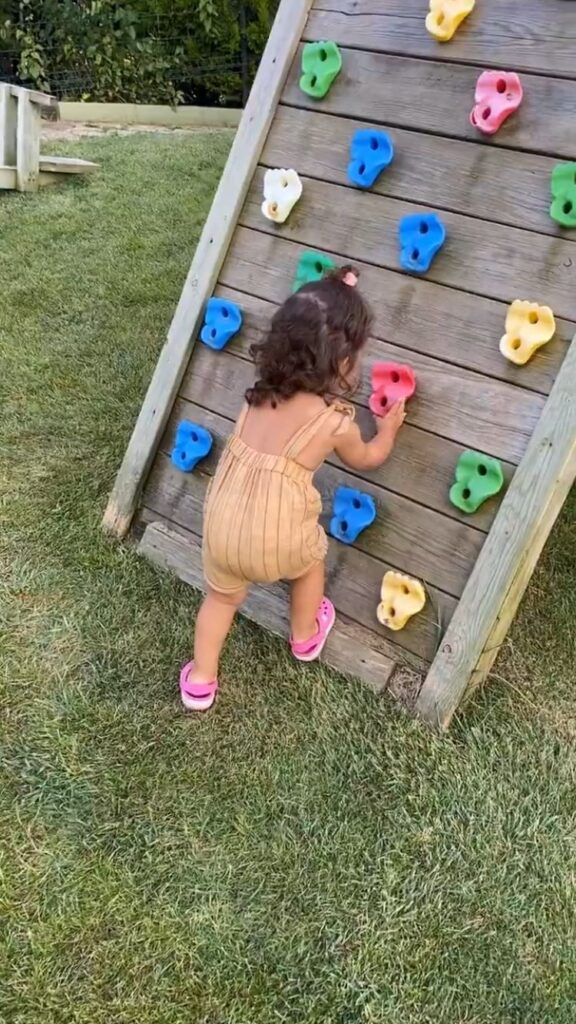
Stand or sit in front of your baby while they hold onto a secure support.
Sing a familiar song and add gentle hand movements, clapping, or waving. Your baby may watch closely, smile, bounce slightly, or attempt to copy you.
Using gentle songs you can sing together during playtime can make ordinary standing play feel more interactive.
Your baby does not need to copy every movement. Watching and listening are also part of the experience.
7. Reach From Side to Side
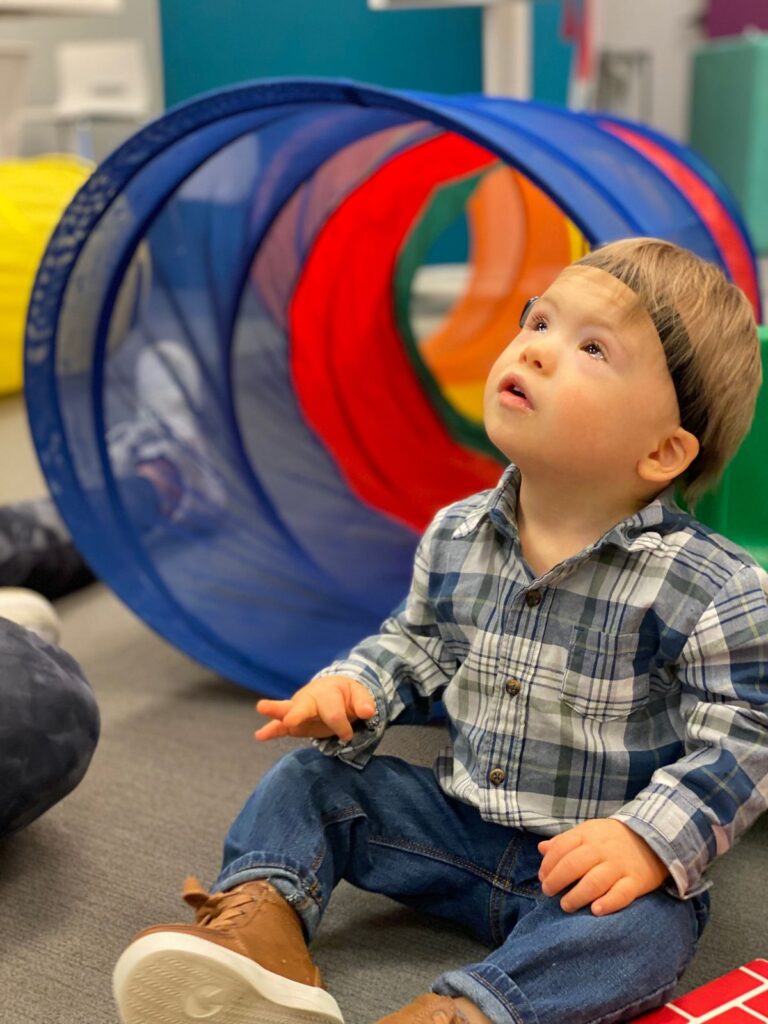
Place two safe toys along a stable surface where your baby is standing.
Position them far enough apart to encourage your baby to turn slightly but not so far that they need to lean dangerously.
Your baby can reach towards one object and then become interested in the other.
This gives them an opportunity to explore movement naturally while maintaining their support.
8. Discover a Baby-Safe Mirror
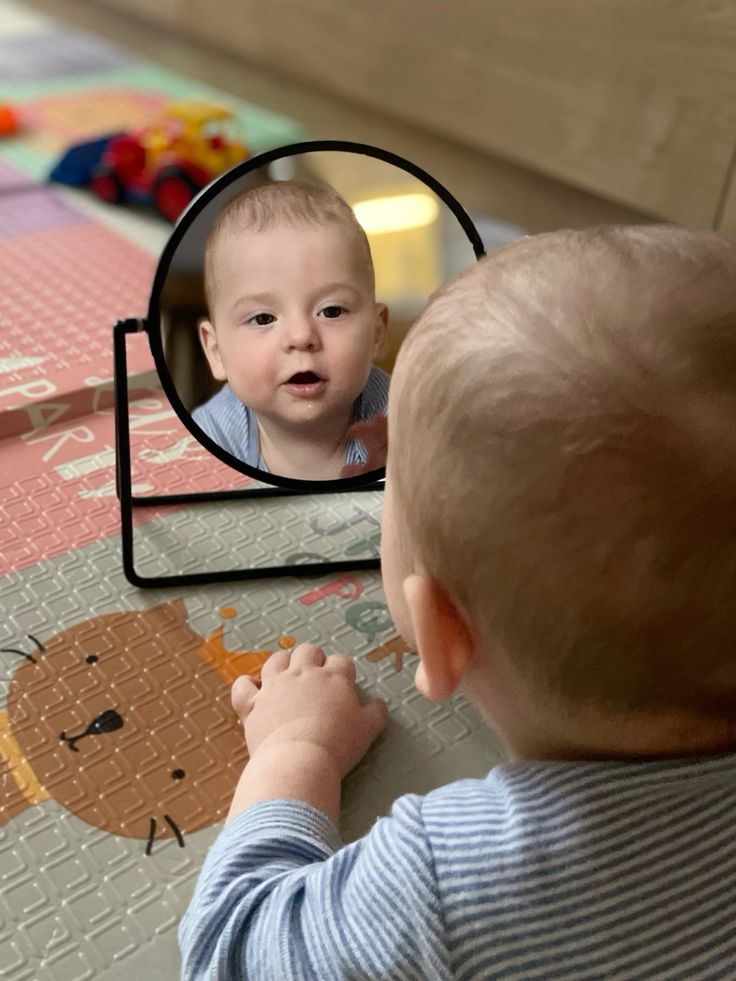
A securely positioned mirror made for babies can become surprisingly interesting during standing play.
Your baby may pull up, notice their reflection, and spend time touching the mirror or watching their movements.
Sit nearby and smile, wave, or make gentle facial expressions.
Your baby may look at their reflection and then turn towards you.
Always make sure the mirror is specifically designed for babies and securely attached.
9. Set Up a Soft Toy Station
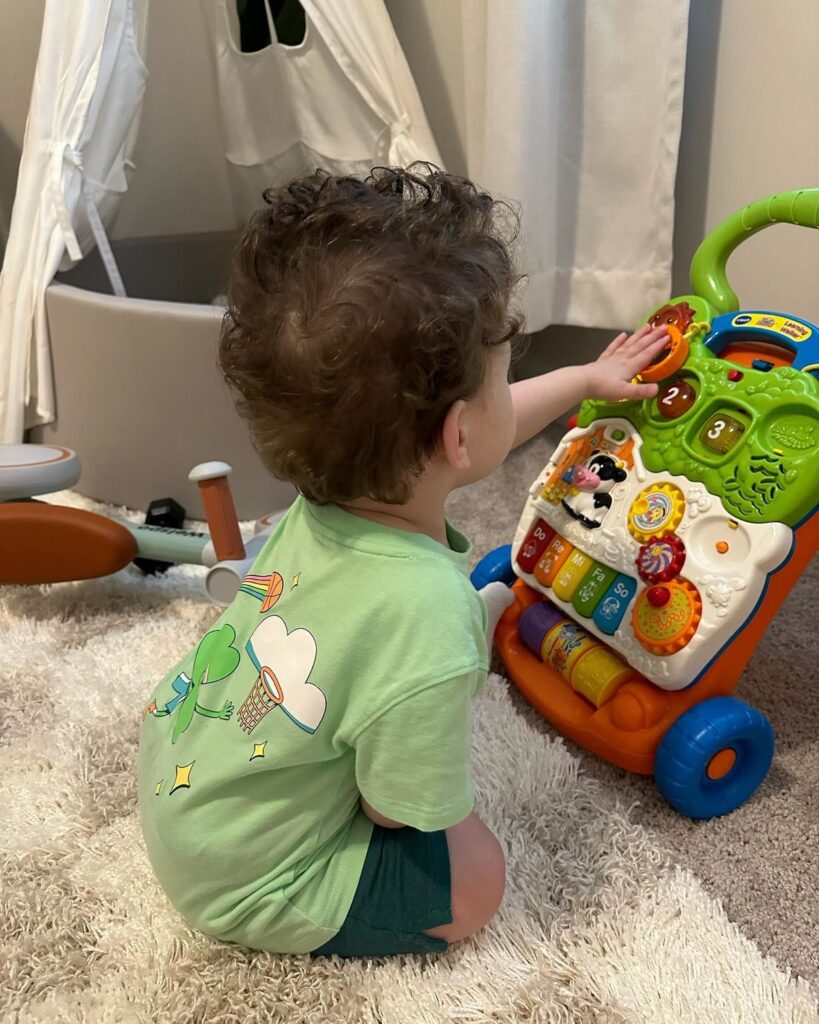
Place two or three safe soft toys along a low, stable surface.
Your baby can pull up and choose which toy they want to touch or hold.
You might place one toy slightly to the side so your baby has an opportunity to shift their position while reaching.
Allow them to take their time and avoid directing every movement.
The freedom to choose can make simple play more interesting.
10. Knock Down Stacking Cups
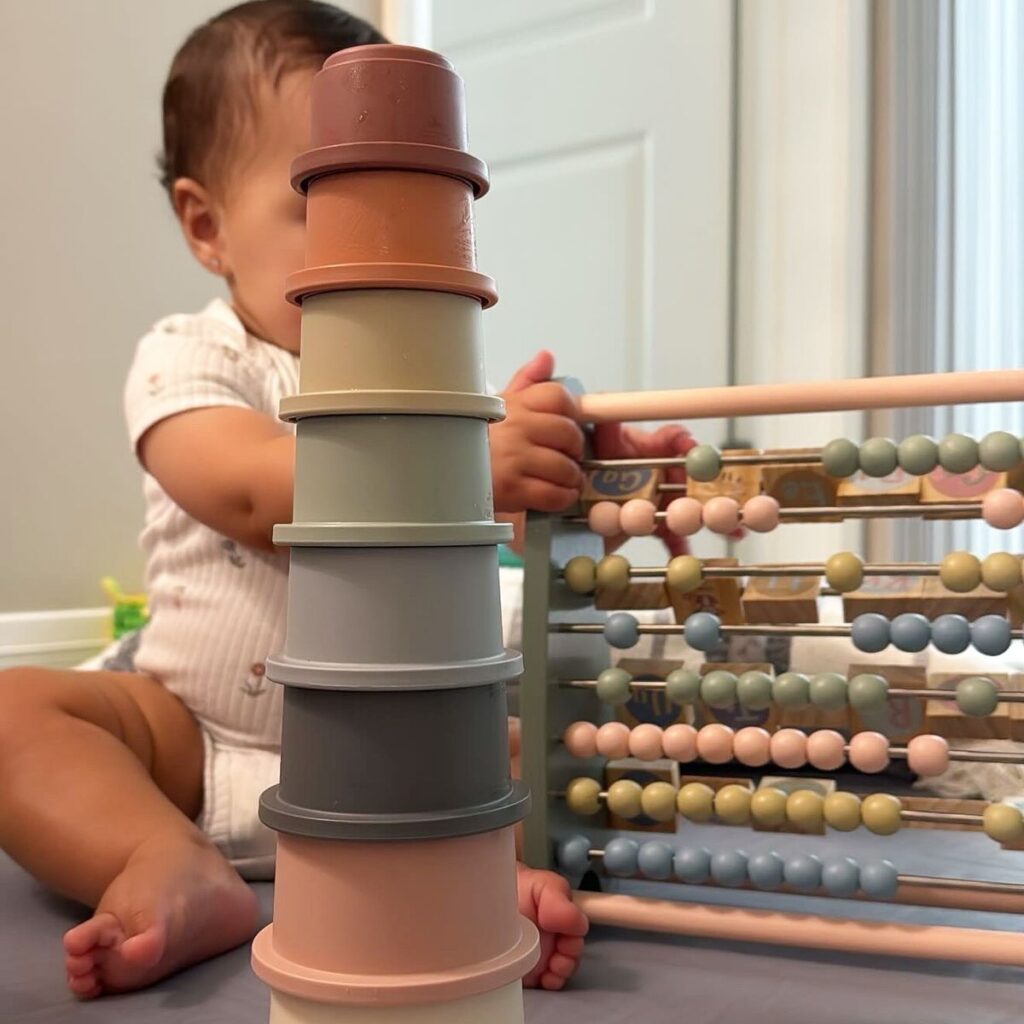
Place a few large stacking cups on a stable surface.
Stack two or three together and allow your baby to knock them down.
Your baby may enjoy watching the cups fall and reaching for them again.
You can rebuild the stack and let the game continue for as long as they remain interested.
The activity combines reaching, hand use, and a simple cause-and-effect experience.
11. Play Peekaboo Around Furniture
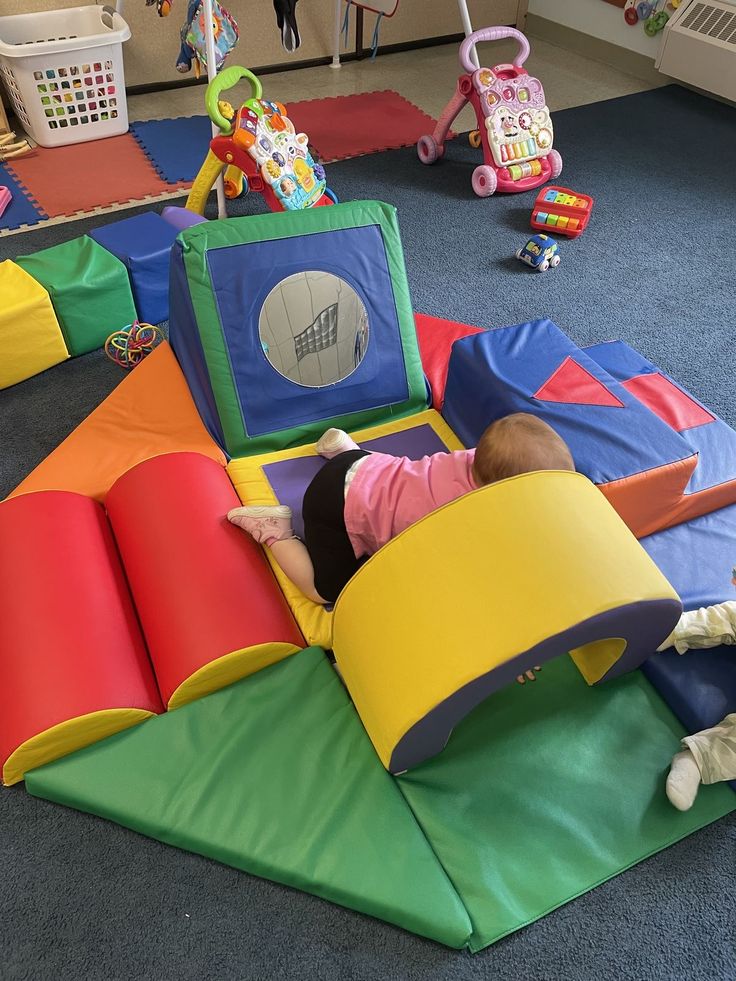
Stand on the opposite side of a stable piece of furniture while your baby holds onto it safely.
Hide your face briefly, then appear again with a smile.
Your baby may wait for you to return or become interested in moving around the furniture to find you.
You can change your position slightly and allow your baby to decide if they want to follow.
The game remains simple while giving your baby something familiar and enjoyable to focus on.
12. Follow Objects Along a Stable Surface
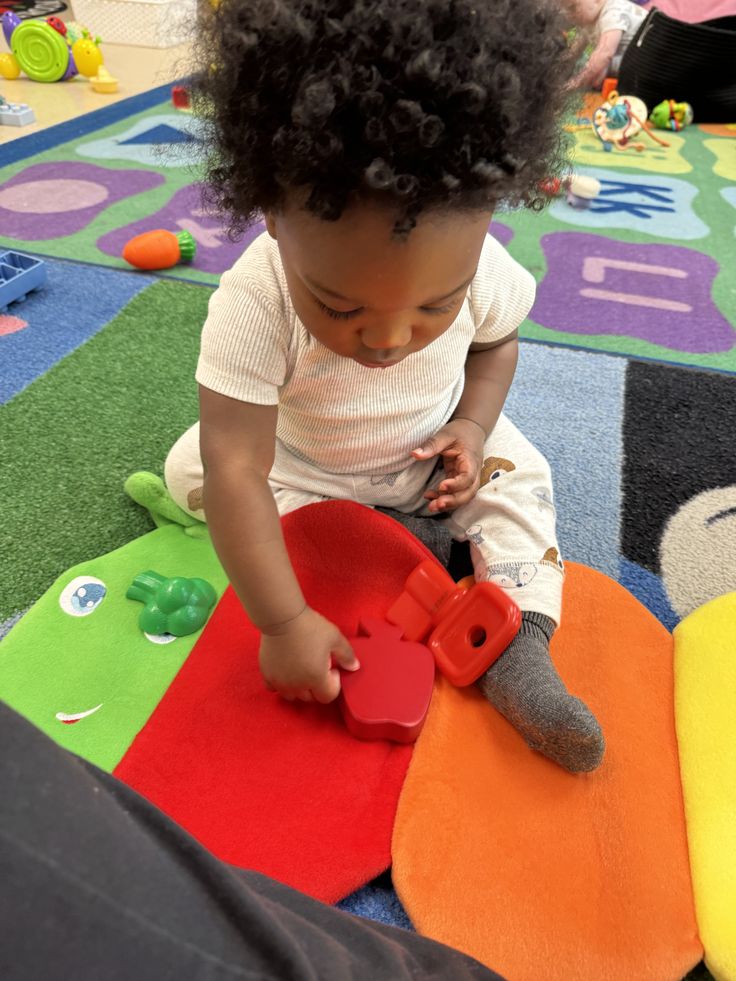
Place a few safe objects along the edge of a secure sofa or other appropriate surface.
Your baby can reach for one object, then notice another nearby.
If they are beginning to move sideways while holding onto furniture, they may naturally become interested in travelling along the surface.
There is no need to pull your baby from one object to another.
Allow movement to develop at their own pace.
13. Make Music With Baby-Safe Instruments
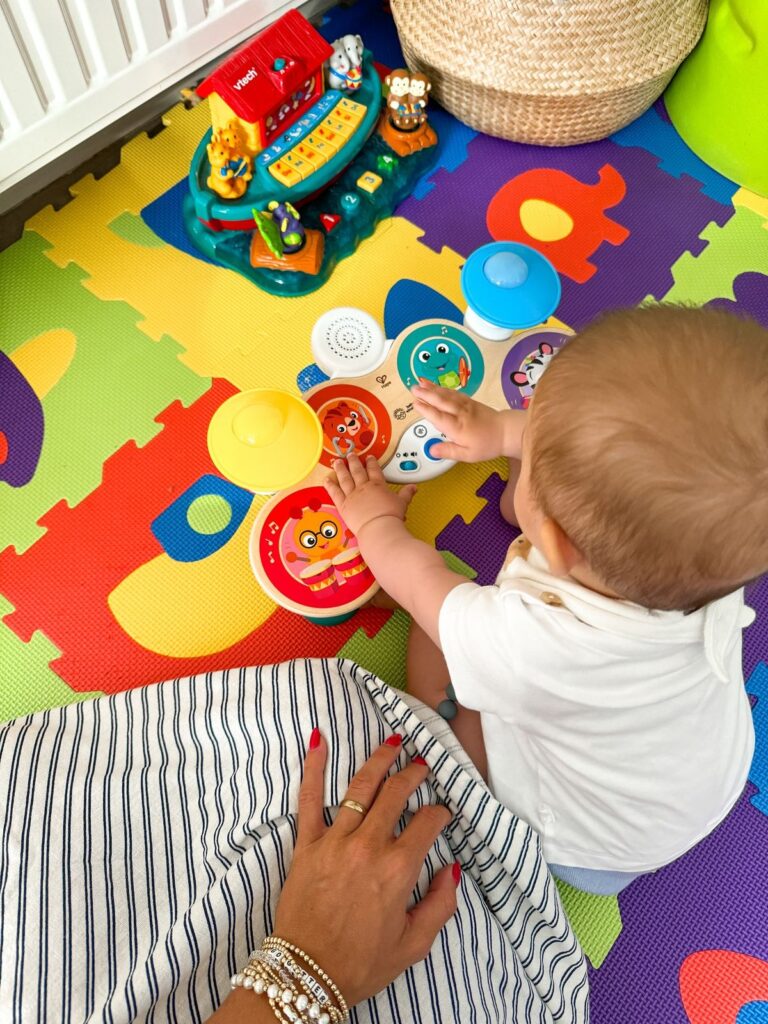
Place one or two baby-safe instruments on a low surface.
Your baby can reach for a soft shaker, small drum, or another suitable object while standing with support.
Allow them to experiment with the sounds they can make.
This can become part of introducing music through playful experiences at home without requiring complicated equipment.
Gentle sounds are usually enough to keep the activity enjoyable.
14. Explore a Board Book While Standing
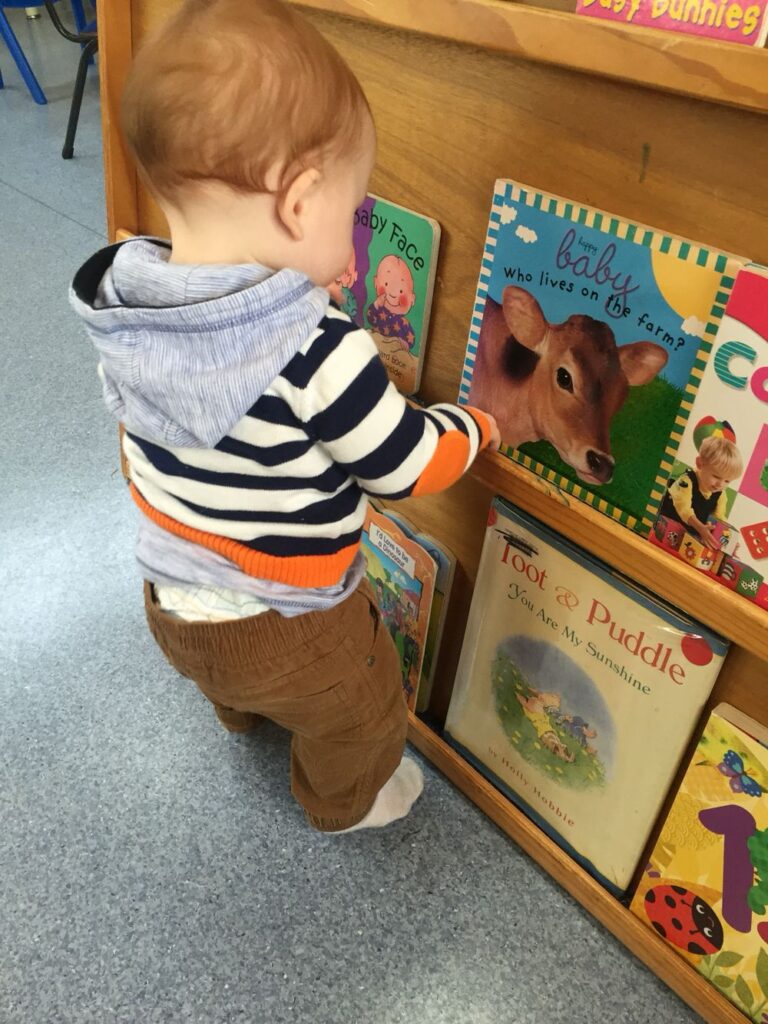
Place a sturdy board book on a low surface where your baby can safely reach it.
Open the book to a page with colourful, simple pictures.
Your baby may touch the pages, point towards pictures, or attempt to turn them.
Choosing durable books designed for curious little hands can make these moments easier because babies at this stage often explore books quite enthusiastically.
You can name objects in the pictures or simply allow your baby to investigate.
15. Look Through Family Photos
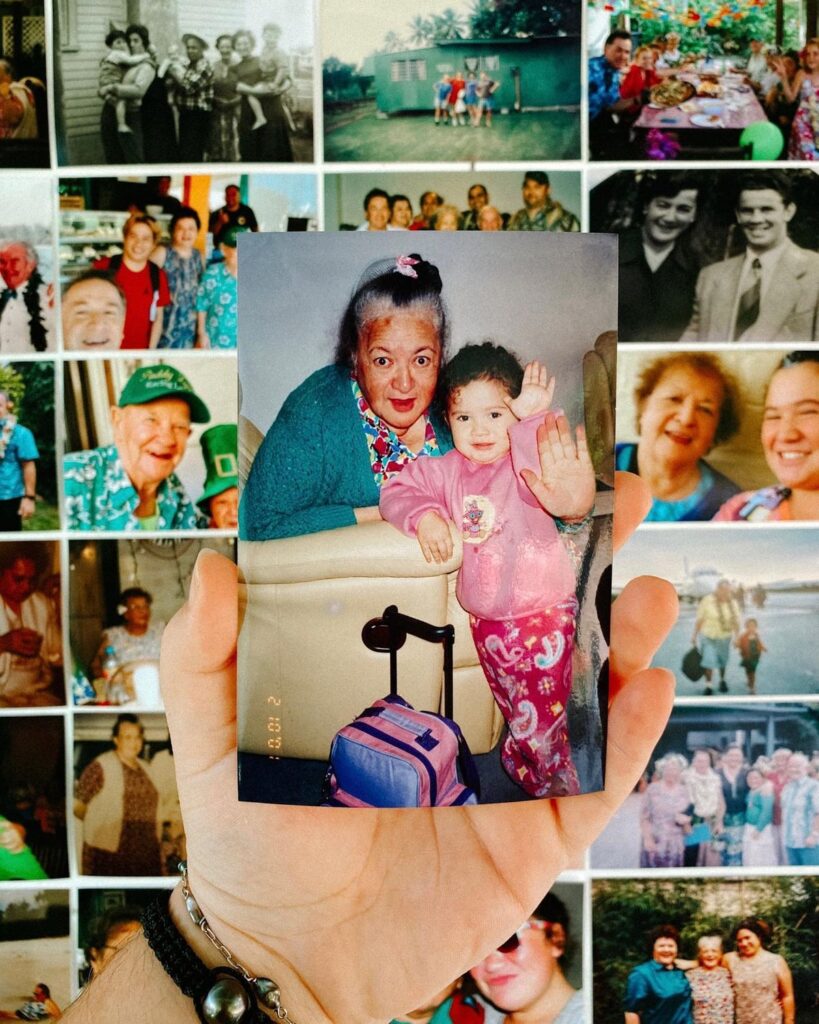
A durable family photo book can provide something meaningful to explore.
Place it on a safe, low surface and allow your baby to pull up and look at familiar faces.
Point to people your baby knows and say their names.
Your baby may become interested in the faces, colours, and familiar expressions.
Make sure the book or photographs are durable and cannot easily tear into small pieces.
16. Watch a Few Bubbles
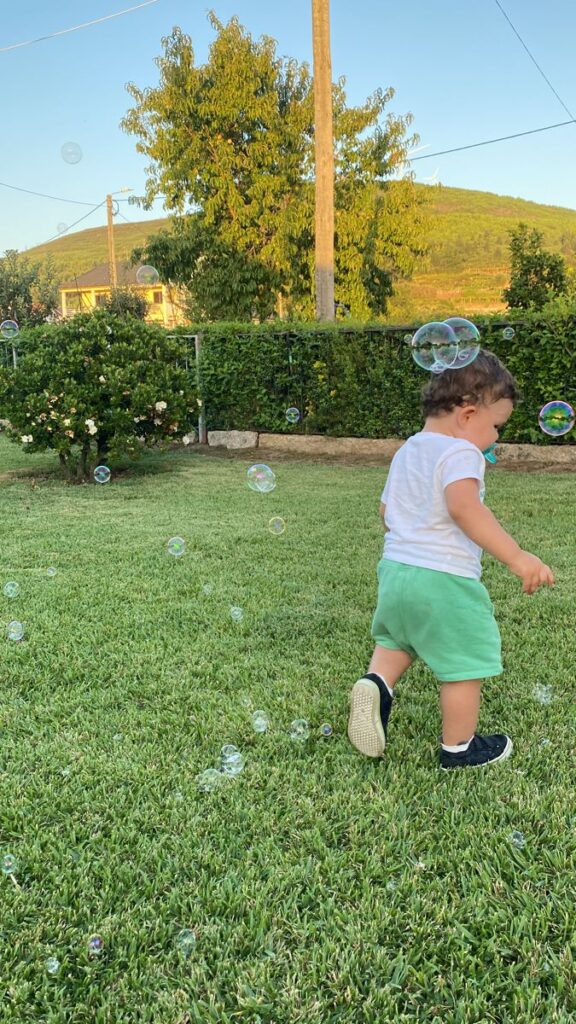
Blow a few bubbles near your baby while they stand securely with support.
Allow them to watch the bubbles float and reach towards them.
Some babies will become fascinated by following the movement with their eyes, while others may immediately try to touch them.
Keep bubbles away from your baby’s face and use the activity in moderation.
A few bubbles can provide plenty of entertainment.
17. Cruise Along Stable Furniture
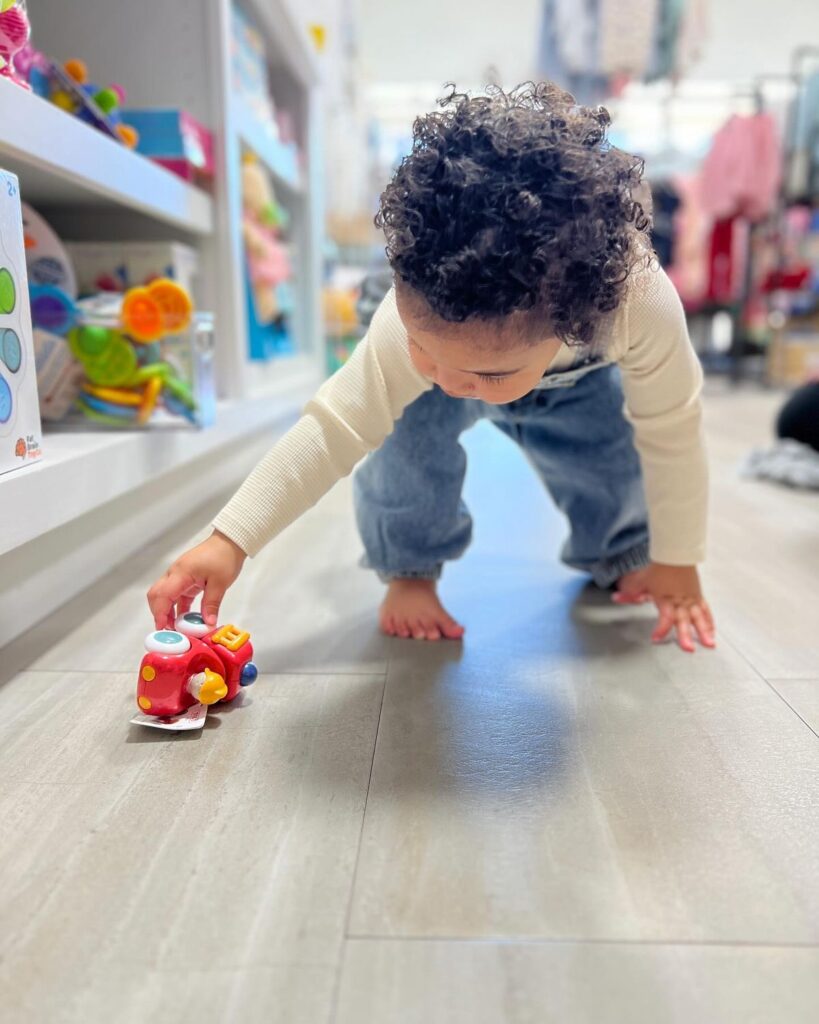
If your baby has already started moving sideways while holding onto furniture, provide a clear and safe area where they can practise.
Place a familiar toy a short distance along the surface and allow your baby to decide if they want to move towards it.
This stage often develops naturally after babies have spent time enjoying safe ways to keep crawling babies active and engaged.
Some babies will cruise quickly, while others may spend more time standing before attempting sideways movement.
Both approaches can be part of normal development.
18. Enjoy Some Time Outdoors
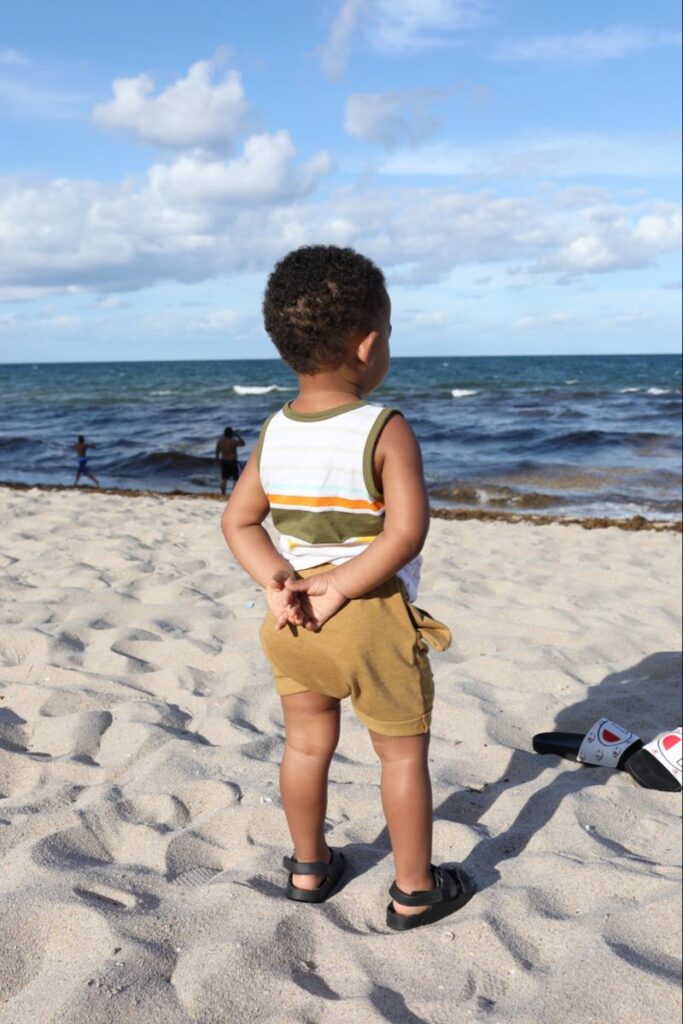
A safe outdoor environment can give your baby new things to notice.
Choose a secure area and remain close while your baby stands with appropriate support.
They may hear birds, notice trees moving, or become interested in sounds they do not usually hear indoors.
This can introduce fresh and enjoyable ways for babies to experience outdoor play during the first year.
Always check the area carefully for hazards before allowing your baby to explore.
19. Try a Small Sensory Setup
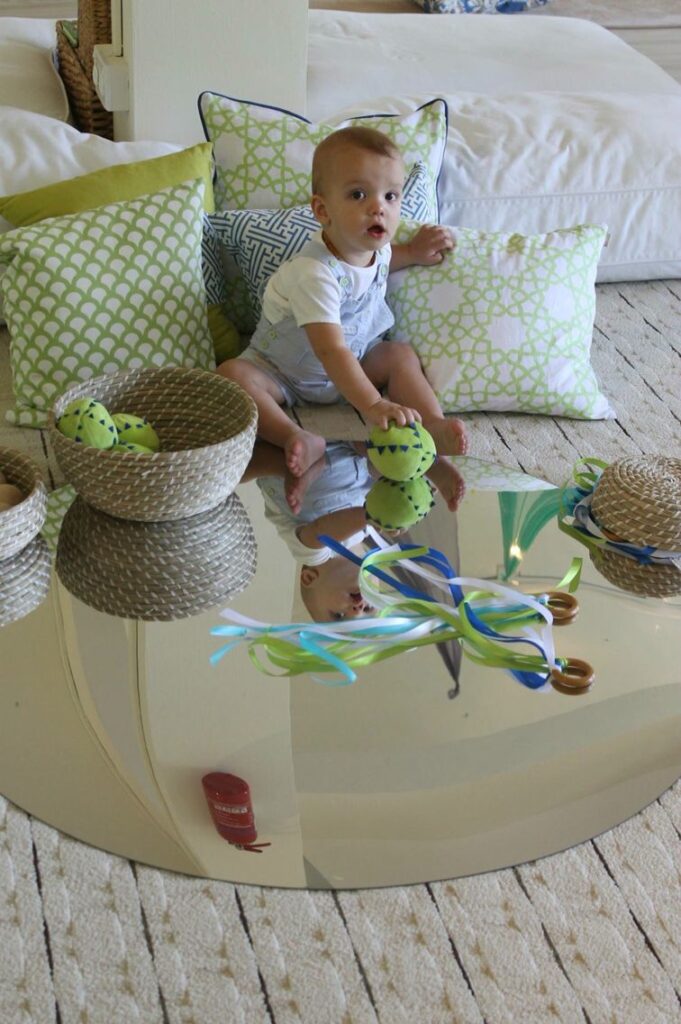
Place two or three baby-safe sensory objects on a stable surface.
You might include a textured ball, soft fabric item, or securely sealed sensory bottle.
Allow your baby to choose what they want to touch.
Offering sensory experiences that suit different stages of your baby’s development can help you choose activities that remain appropriate as your child grows.
Supervision remains important because babies may still explore objects with their mouths.
20. Play a Drop-and-Find Game
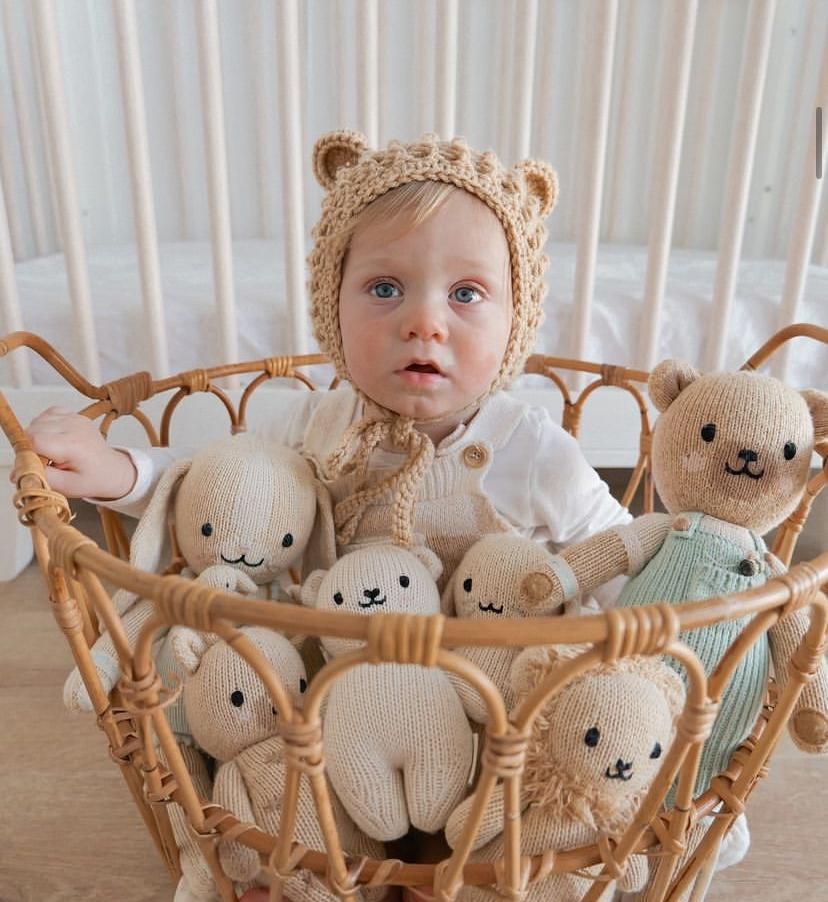
Give your baby a safe toy while they are standing securely with support.
When they drop it, allow them to watch where it goes.
Pick it up and place it back where they can reach it again.
Babies often repeat this activity because they are discovering what happens when objects fall.
You can turn the repetition into a simple game instead of feeling frustrated about picking up the toy repeatedly.
21. Explore a Stable Push Toy
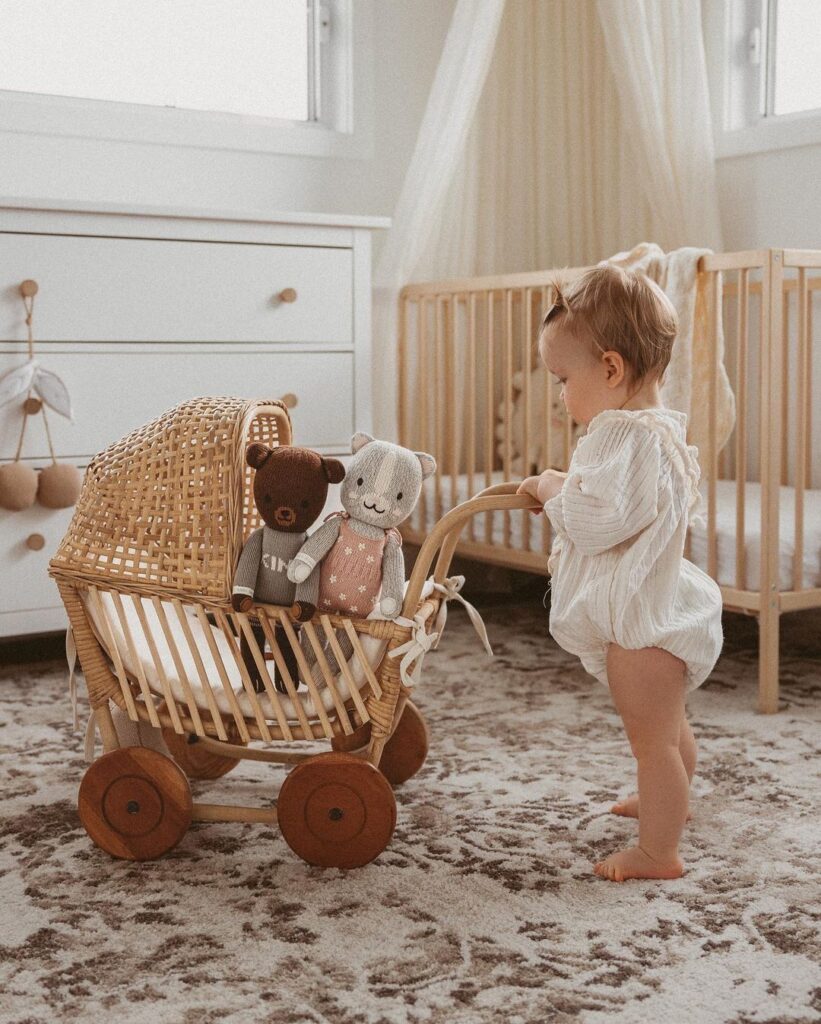
Some babies may enjoy exploring a push toy when they are developmentally ready.
Choose one with a stable design that does not move too quickly.
Your baby may hold onto it, stand beside it, or push it a short distance.
Stay nearby throughout the activity.
Being able to stand does not automatically mean a baby is ready for independent walking, so allow your child’s abilities to guide the experience.
22. Investigate a Treasure Basket
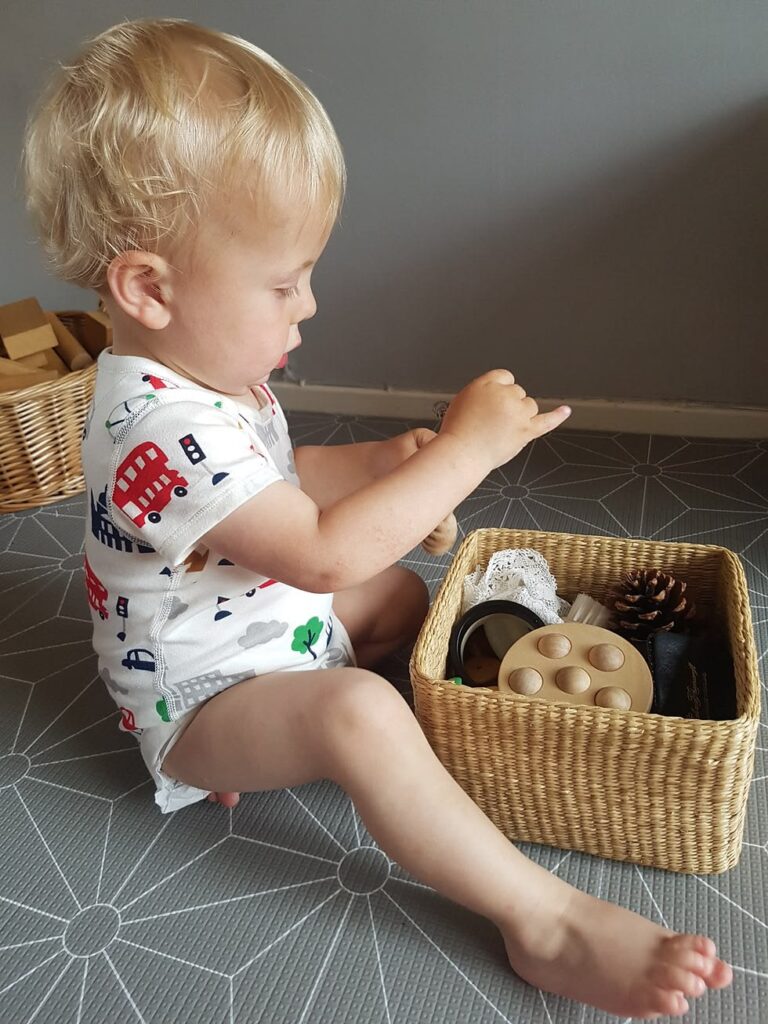
Place several large, safe objects inside a shallow basket on a low surface.
Your baby can pull up and remove items one at a time.
Different textures and shapes can make the activity interesting without needing many toys.
You can include easy sensory ideas using simple materials you already have at home as part of your baby’s play routine.
Keep every object large enough to avoid becoming a choking hazard.
23. Dance With Gentle Support
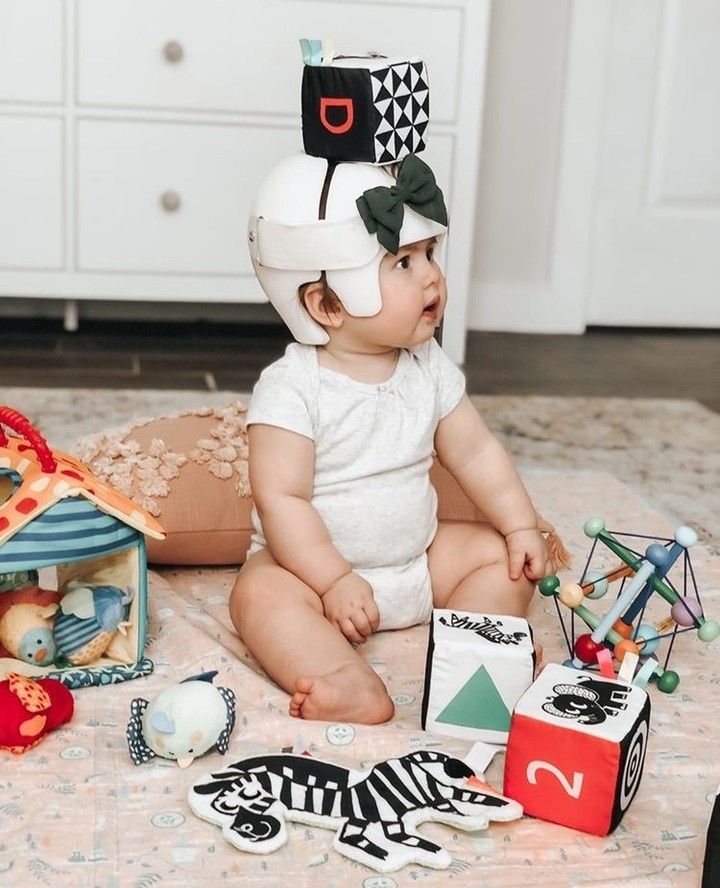
Play gentle music and support your baby according to their ability.
You might hold their hands while they stand or provide support in another comfortable way.
Your baby may bounce, bend their knees, or shift their weight in response to the music.
Keep the movement slow and controlled.
The activity is about enjoying movement together rather than teaching your baby how to dance.
24. Reach for a Favourite Object
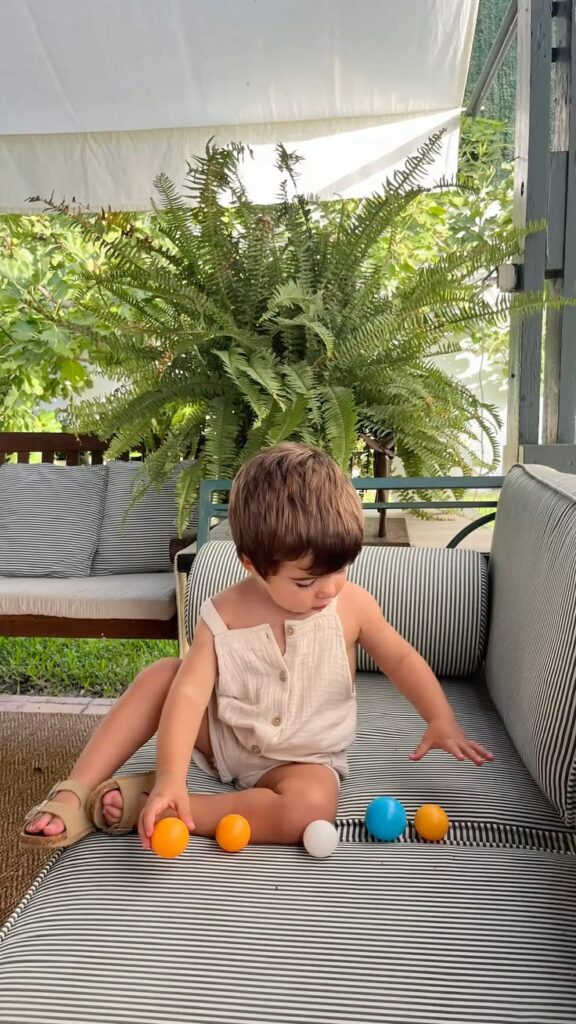
Place a familiar toy slightly to one side on a stable surface.
Give your baby time to work out how they want to reach it.
They may shift their body, move their hands along the support, or decide to sit down before approaching it differently.
This kind of exploration allows babies to experiment with simple problem-solving through movement.
Avoid immediately showing your baby what to do.
25. Explore a Large Activity Cube
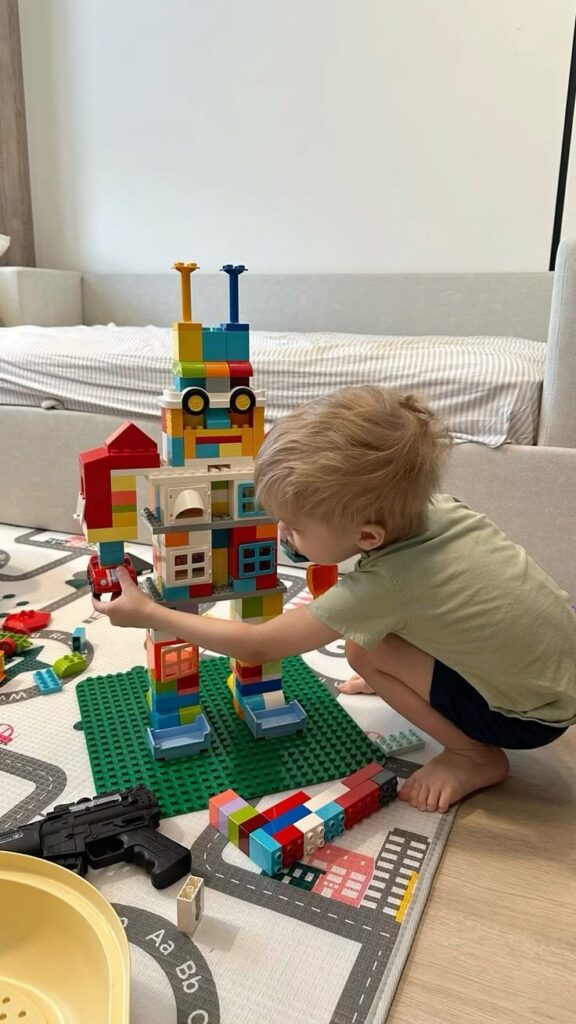
A sturdy activity cube can provide several things to investigate while standing.
Your baby may move beads, turn safe pieces, explore textures, or discover different features.
Choose an activity cube that is stable and suitable for your baby’s age.
Some babies may attempt to climb once they become more confident standing, so supervision remains important.
You can rotate the cube occasionally to make different sides available.
26. Follow a Toy Along the Sofa
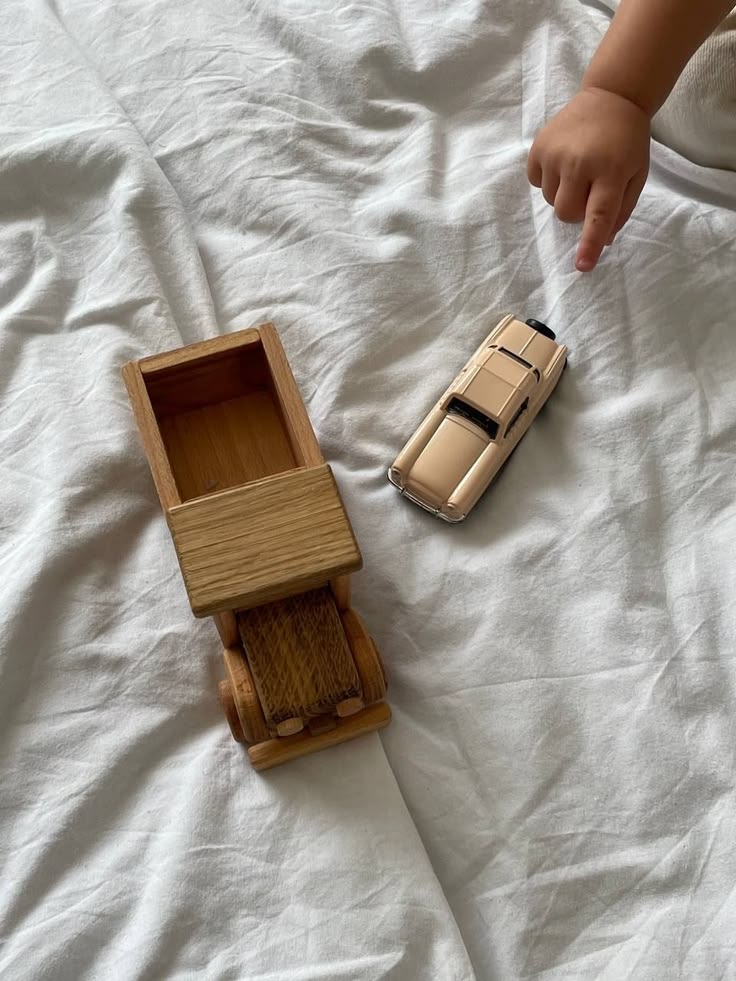
Place a favourite toy on the sofa and slowly move it along the edge.
Your baby may become interested in following it while holding onto the furniture.
Move the toy gradually and stop occasionally.
Give your baby enough time to decide if they want to move towards it.
Do not pull or guide their body along the sofa.
Their movement should happen naturally.
27. Create a Quiet Play Corner
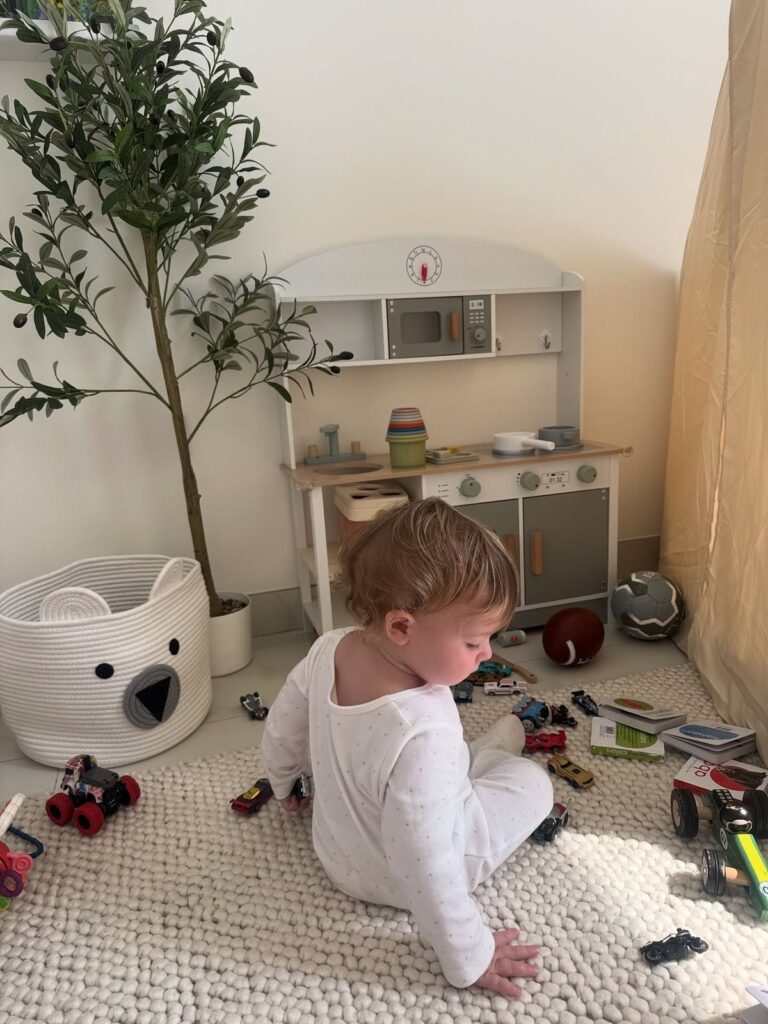
Not every activity needs to involve movement, music, or several toys.
Create a calm area with one or two interesting objects and a comfortable space for your baby to explore.
They may pull up, investigate something briefly, then sit down and continue playing.
A quieter environment can sometimes keep babies engaged longer than a highly stimulating one.
This can be especially helpful after an active play session.
28. Roll a Soft Ball Nearby
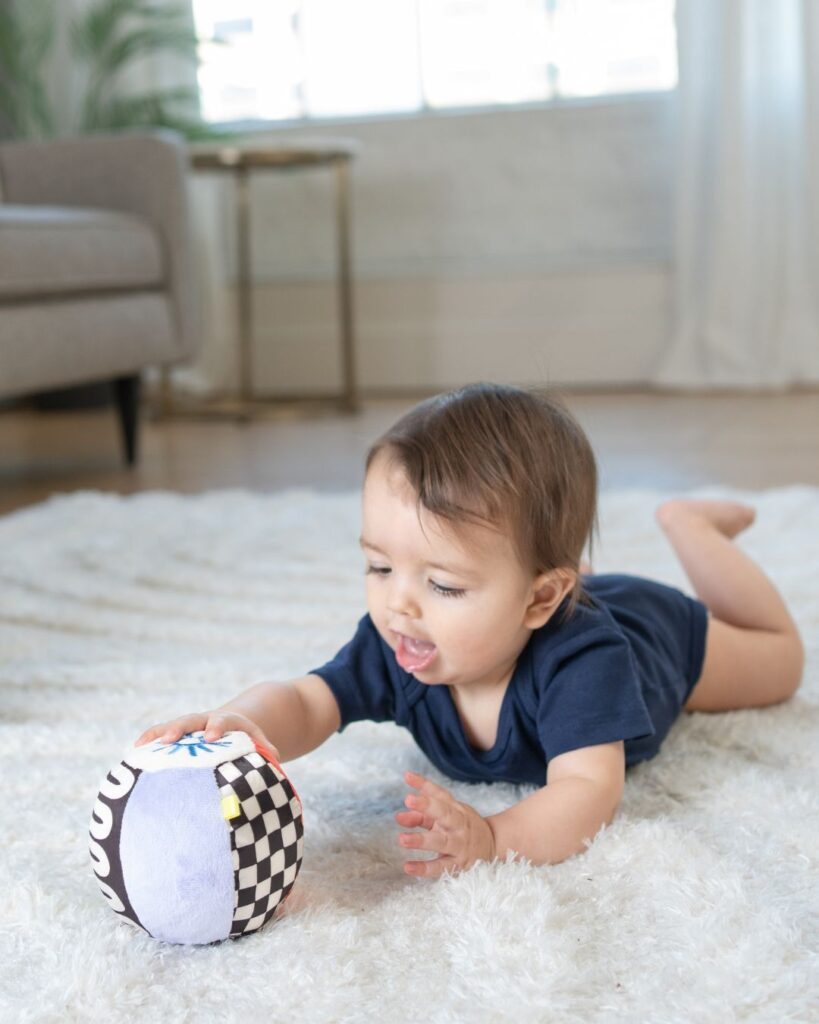
Place a large, soft ball on a low surface where your baby can reach it.
Allow them to push it gently and watch it move.
You can roll it back towards them if appropriate.
The movement can encourage reaching and visual tracking while giving your baby something interesting to explore.
Choose a ball that is large enough to be safe for your baby’s age.
29. Play an Imitation Game
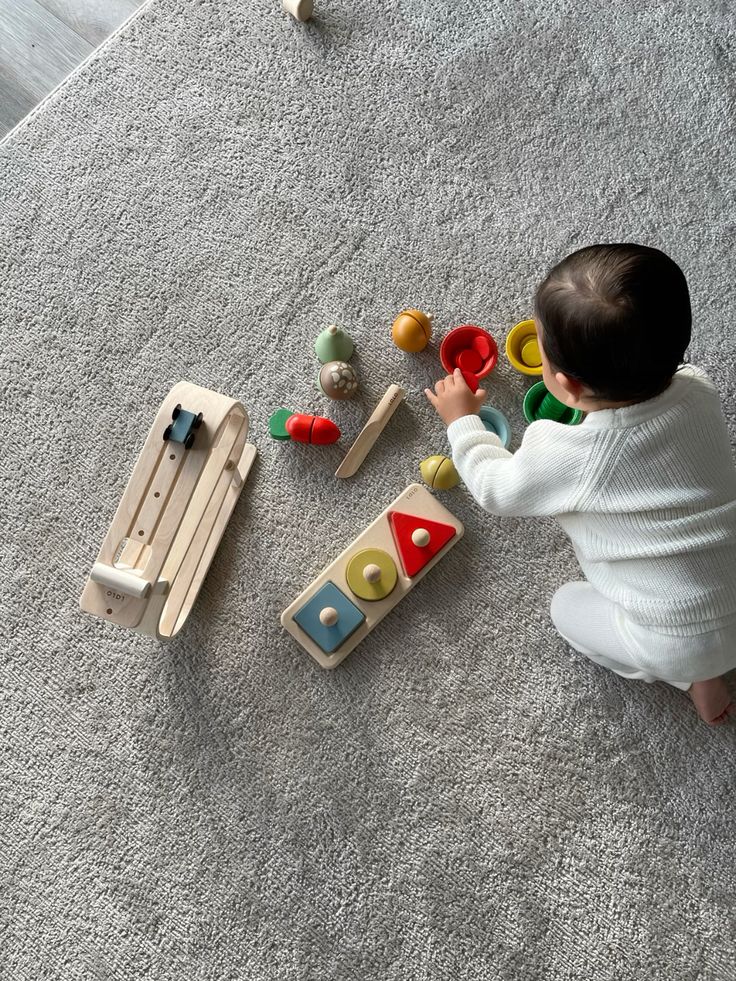
Stand or sit in front of your baby and perform a simple movement.
Clap your hands, wave, tap the surface, or raise your arms.
Pause and give your baby time to respond.
They may watch carefully without copying you immediately.
Imitation develops gradually, so keep the activity relaxed.
Watching you can still be an important part of learning.
30. Combine Standing Play With Reading
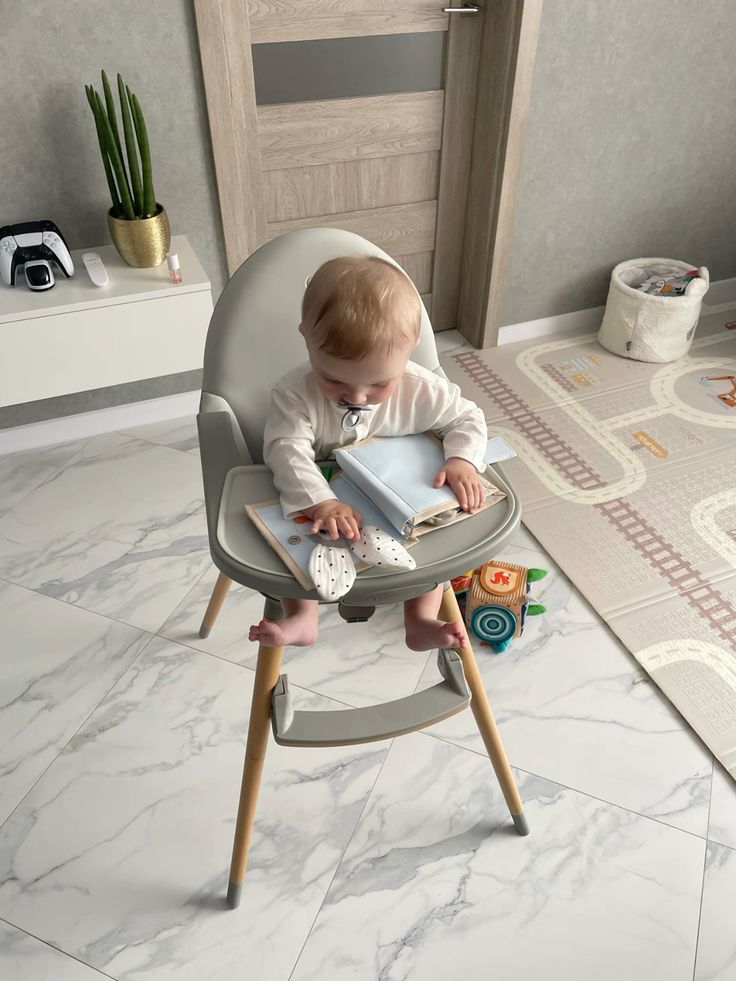
Place a sturdy book on a low, stable surface and allow your baby to explore while standing with support.
Point to pictures and describe what you see together.
Your baby may reach for the pages, touch the pictures, or move on quickly.
This can be a lovely way to include the benefits of making reading part of your baby’s daily routine in ordinary playtime.
There is no need to expect your baby to remain still for a long story.
31. Let Your Baby Lead the Play
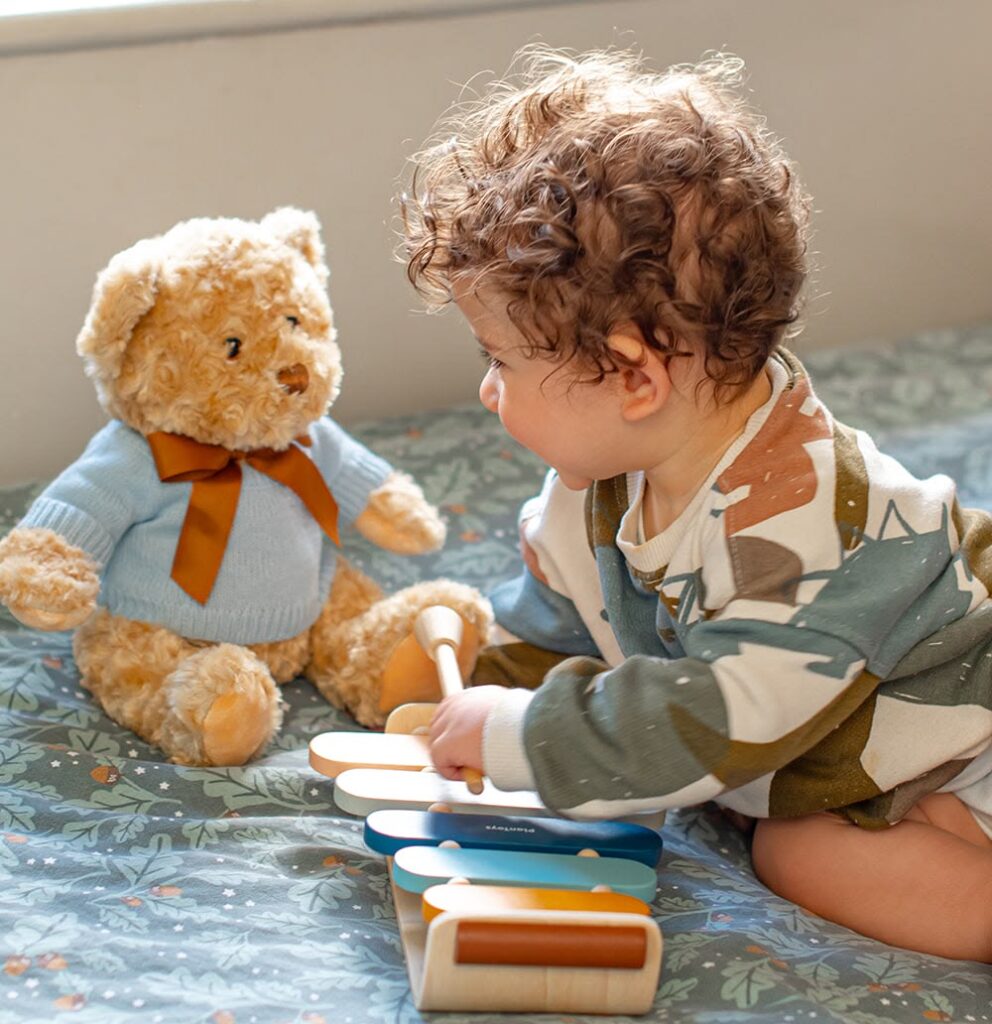
Create a safe area with a few appropriate toys and objects.
Place them in different spots where your baby can explore them safely.
Then allow your baby to decide what happens next.
They may pull up, investigate one toy, sit down, crawl somewhere else, and return again.
Giving babies opportunities for independent exploration can be just as valuable as structured activities.
You do not need to direct every moment.
Enjoying This New Stage of Movement
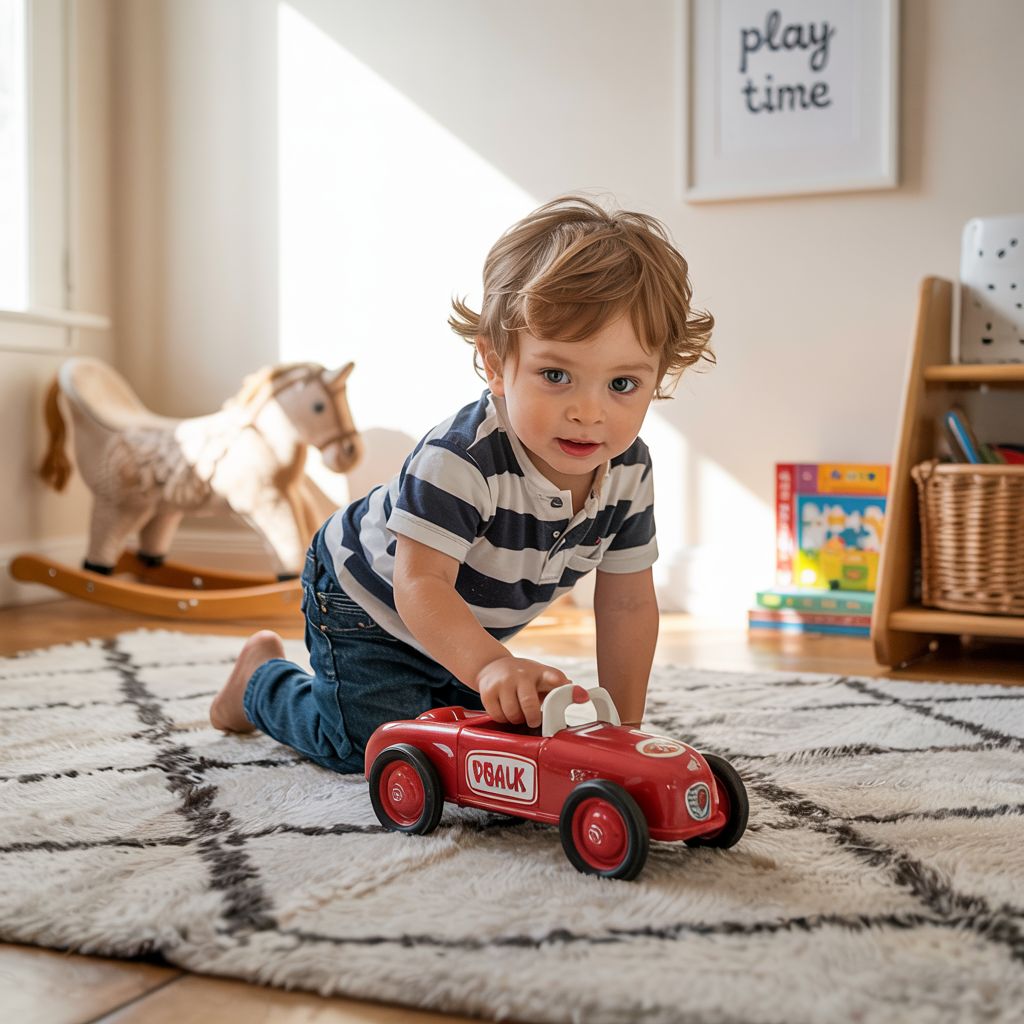
Learning to stand is an exciting part of your baby’s development because it brings a new level of independence and curiosity.
Your baby is discovering new ways to reach, move, explore, and interact with the world around them.
You do not need to fill every day with complicated activities to keep them busy. Often, the simplest opportunities can be the most enjoyable when your baby has a safe environment and enough freedom to explore.
Some days may involve plenty of pulling up and movement, while other days your baby may prefer quieter play. Following their cues can help you choose activities that feel enjoyable rather than forced.
Stay close, keep their environment safe, and allow your baby to develop at their own pace. Every stage brings something new to discover, and standing is only one part of the exciting journey ahead.
Here are a few more related articles you may find helpful
31 Easter Activities for Babies
33 Thanksgiving Activities for Babies
13 Montessori Activities for 6-Month-Old Babies


2 Comments