

Infant Car Seat vs Convertible Car Seat: Which Should You Choose?
Disclosure: Some of the links in this post are affiliate links. This means if you click on the link and purchase an item, I will receive an affiliate commission at no extra cost to you.
Choosing a car seat is one of the first major safety decisions you will make for your baby. It is also one of those purchases that can leave new parents with more questions than answers.
Should you buy an infant car seat first and switch later? Would a convertible car seat save you money? Is one safer than the other? What happens when your baby gets bigger? Can you use either option from birth?
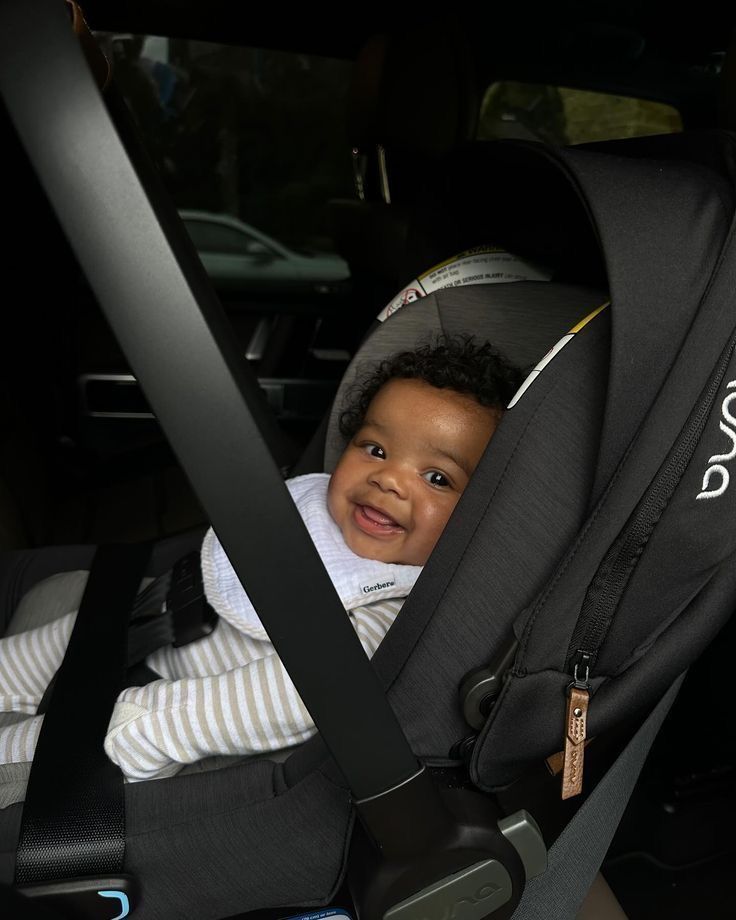
Both infant and convertible car seats can be suitable choices for babies when the specific seat is approved for their size and used correctly. The biggest difference is how each seat is designed to fit into your family’s life.
An infant car seat is designed specifically for babies and is normally used rear facing. Its detachable carrier makes it possible to remove your baby from the vehicle without uninstalling the base.
A convertible car seat is designed to stay in the vehicle. It can normally be used rear facing first and later converted to forward facing when your child reaches the manufacturer’s requirements.
Neither option automatically works better for every family. Your baby’s size, your vehicle, travel habits, budget, and preference for portability all matter.
Understanding those differences before you buy can help you choose a seat that works for your family rather than buying something simply because another parent recommended it.
Infant Car Seat vs Convertible Car Seat: Understanding the Difference

The easiest way to understand these two options is to think about what each seat is designed to do.
An infant car seat is built around the needs of a young baby. It has a removable carrier that attaches to a base installed in the vehicle.
This makes it convenient for parents who regularly carry their baby between the car and home.
A convertible car seat is designed to grow with your child. It normally starts as a rear facing seat and can later be used forward facing. Some models can accommodate a child for several years.
Both seats have height and weight limits that you must follow. The exact limits depend on the manufacturer and model.
The right choice therefore depends on more than price. Think about how often you drive, how often you carry your baby out of the car, how many vehicles your baby will use, and how long you want the seat to last.
If you are still preparing for your baby’s arrival, understanding hospital bag essentials for new parents can also help you remember that the car seat needs to be ready before your baby’s first trip home.
What Is an Infant Car Seat?

An infant car seat is designed specifically for babies and young infants.
It is installed in a rear facing position and usually comes with a detachable carrier and a separate base. The base stays in the vehicle while the carrier can be removed when needed.
This design is particularly convenient during the early months.
For example, your baby may fall asleep during a short drive. With an infant car seat, you can often remove the carrier from the base and take your baby inside without immediately disturbing them.
Many infant car seats can also connect to compatible strollers. This creates a travel system that can make errands and appointments easier.
The main limitation is that an infant car seat has a defined height and weight range. Your baby will eventually outgrow it, meaning you will need another suitable seat.
An infant car seat should also be used primarily for transportation. It should not become your baby’s regular sleeping space once you leave the vehicle.
What Is a Convertible Car Seat?
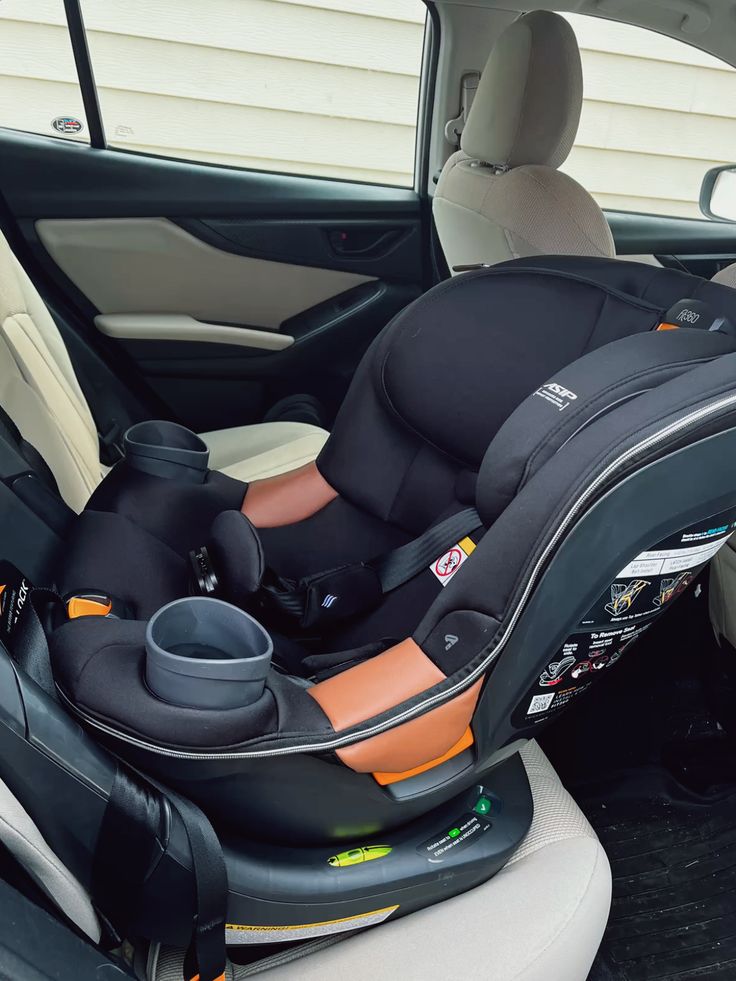
A convertible car seat is designed to accommodate your child through more than one stage.
Most convertible seats can be installed rear facing first. Once your child reaches the manufacturer’s rear facing height or weight limit, the seat can usually be converted to forward facing.
Some models are designed to accommodate children for several years.
This longer lifespan is one of the main reasons parents choose convertible seats.
Instead of buying an infant carrier and then another seat later, you can start with one convertible seat approved for newborn use. The tradeoff is portability.
A convertible car seat remains installed in your vehicle, so you cannot remove it and carry your baby around in the seat.
If your baby falls asleep during a journey, you will need to take them out of the harness when you arrive.
Convertible seats can also be larger than infant seats. That makes vehicle compatibility particularly important.
Before purchasing one, check the manufacturer’s dimensions and installation requirements.
Which One Is Safer for a Newborn?

Both types can be safe for a newborn when the specific seat is approved for newborns and your baby meets its minimum requirements.
The most important factors are proper fit, correct installation, and appropriate use.
The American Academy of Pediatrics recommends that babies and young children remain rear facing for as long as possible, until they reach the highest height or weight allowed by the manufacturer.
That recommendation applies regardless of whether your baby rides in an infant car seat or a convertible car seat.
A newborn should fit snugly into the seat without excessive space around the body. The harness should be positioned according to the manufacturer’s instructions.
Parents should never choose a larger seat simply because they expect their baby to grow into it.
A seat that is appropriate for a newborn today is more important than a seat that offers features you may not use for several years.
The Portability Advantage of an Infant Car Seat
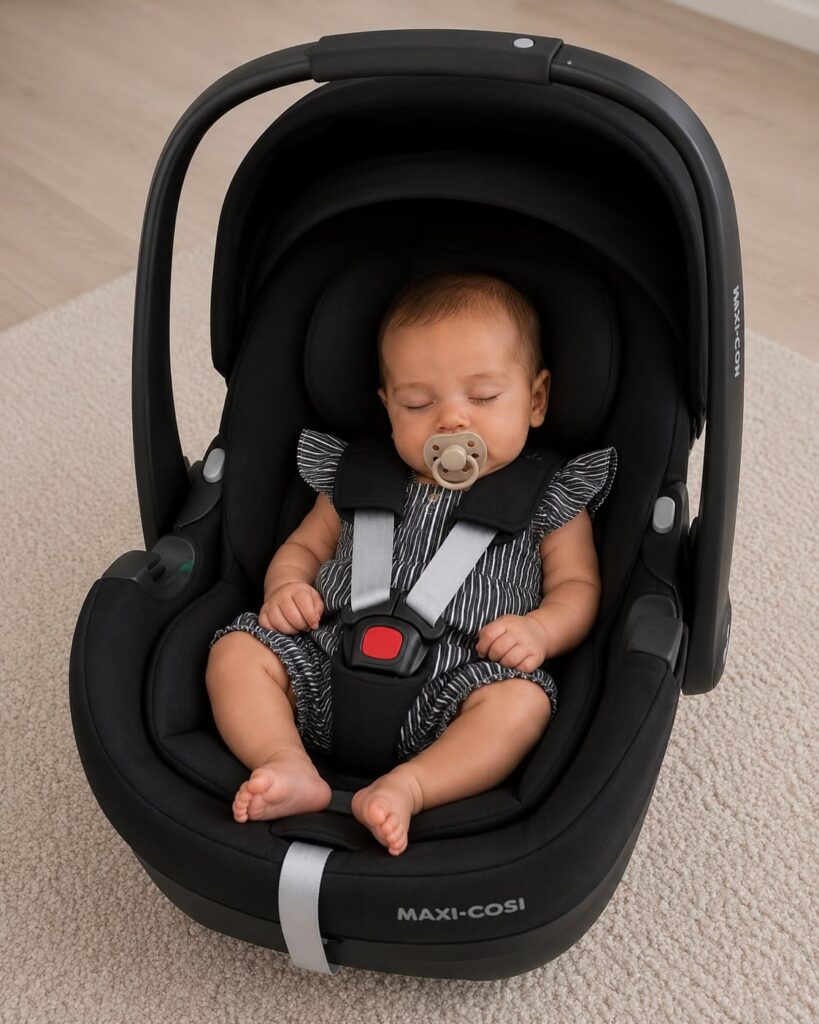
Portability is where infant car seats have a clear practical advantage.
The carrier can normally be removed from its base without uninstalling the base itself. You can then carry your baby from the vehicle into the house, clinic, shop, or another destination.
This can be particularly useful during the newborn stage because babies sleep frequently.
You may also find it easier when you have several short stops to make. Instead of removing your baby from the harness at every destination, you can sometimes carry the entire carrier with you.
Many infant seats can also attach to compatible strollers.
That said, portability should not encourage prolonged use outside the vehicle. A car seat is designed for travel, not as a replacement for a crib or bassinet.
If you want a separate option for carrying your baby after leaving the vehicle, best baby carriers for newborns can help you explore another type of baby gear.
The Longevity Advantage of a Convertible Car Seat
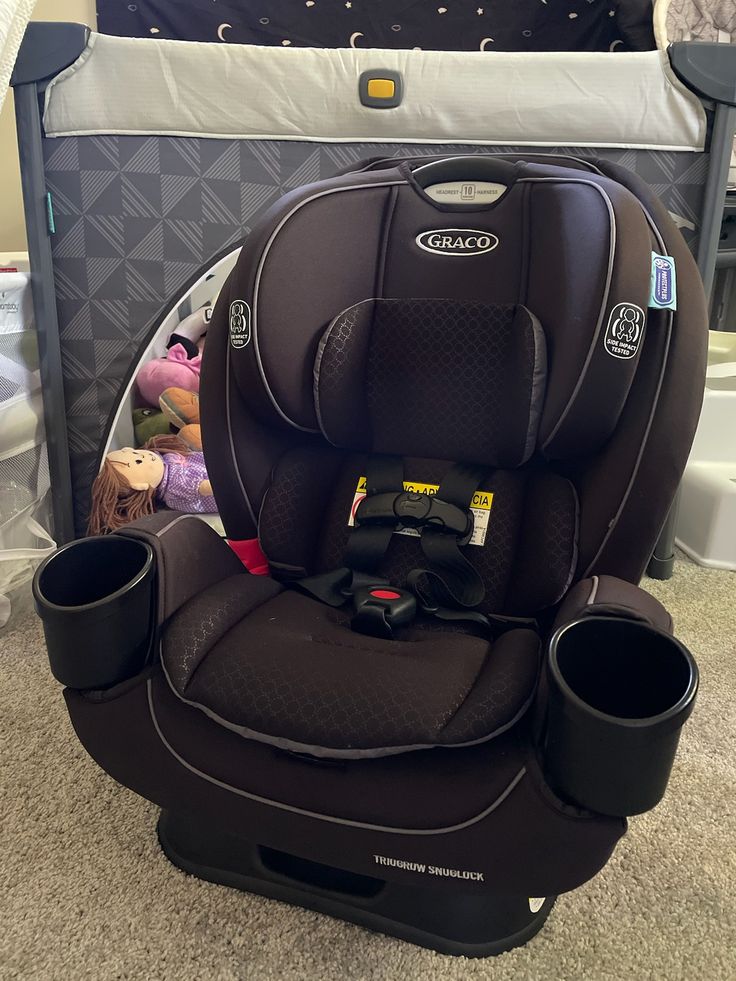
Convertible car seats are appealing because they can serve your child for much longer.
A newborn approved convertible seat can start in the rear facing position. As your child grows, you can adjust the seat according to the manufacturer’s instructions.
Eventually, when your child reaches the rear facing limits, you can convert the seat to forward facing if the model permits it.
This means one seat can potentially cover several stages.
The exact period of use varies considerably between models. Some seats accommodate larger children than others, so always check the manufacturer’s height and weight limits.
Longevity can also reduce the number of major car seat purchases you need to make.
However, a longer usable period does not mean the seat can be used indefinitely.
Car seats have expiration periods, and you should follow the manufacturer’s instructions about when the seat needs to be replaced.
Infant Car Seat vs Convertible Car Seat for Small Cars
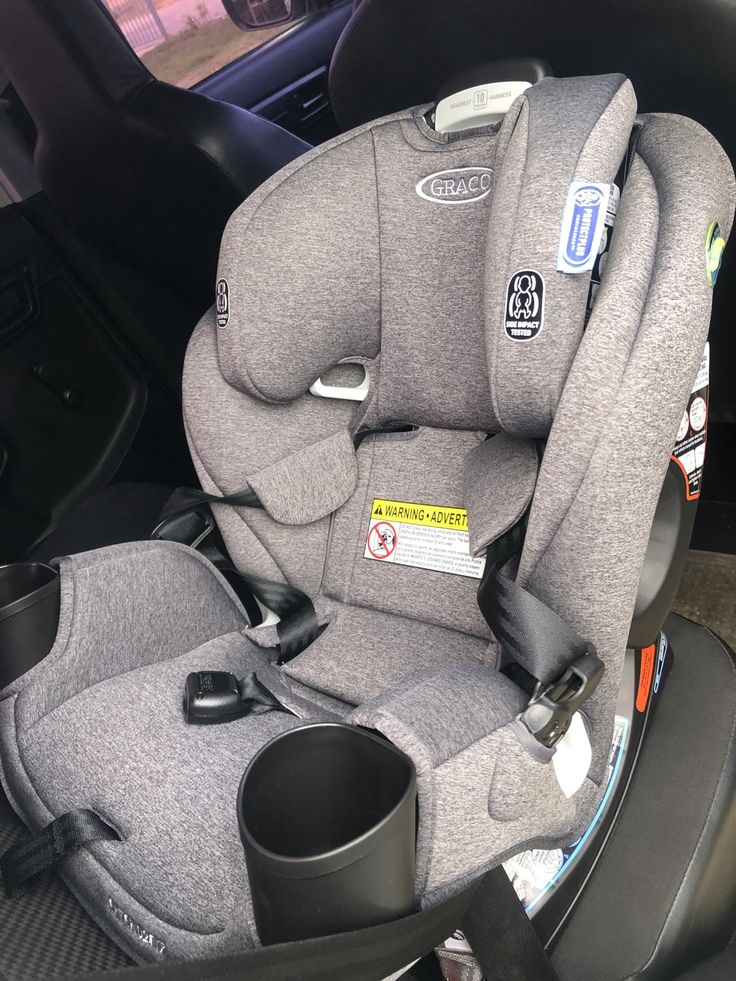
Vehicle size can have a major influence on your decision.
Both infant and convertible car seats need adequate space for proper installation.
Rear facing seats can require considerable front to back space, particularly when installed at the correct recline angle. This can be challenging in a small car.
A seat that fits comfortably in a large SUV may take up considerably more space in a compact vehicle.
Before buying, check the car seat’s dimensions and your vehicle owner’s manual. You should also consider who will sit in the front seat and how much legroom they need.
Families with more than one child should think about how multiple seats will fit across the back seat.
The safest position is not necessarily the middle seat if the car seat cannot be installed properly there.
Planning other small spaces at home can require similar thinking.
If your baby’s room is limited, nursery organization ideas that keep baby essentials within reach can help you make better use of the available space.
Which One Is Easier to Install?
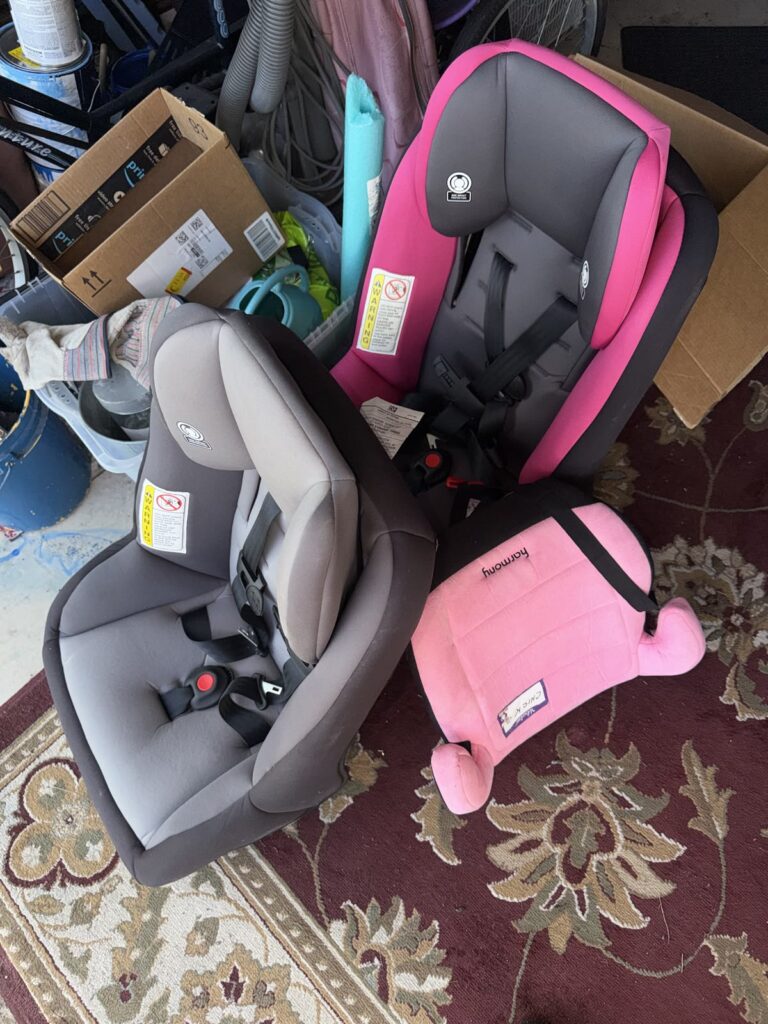
There is no universal answer because installation depends on the specific seat and vehicle.
Infant car seats often have a separate base. Once the base is installed correctly, the carrier can be attached and removed without reinstalling the entire system.
This can make daily use convenient.
A convertible car seat is usually installed directly in the vehicle and remains there. This can be an advantage for parents who do not need to move the seat frequently.
Regardless of the type you choose, you should read both manuals before installation.
Your car seat manual explains how the seat should be installed. Your vehicle owner’s manual explains how the vehicle’s seat belts, lower anchors, and tether anchors work.
If you are struggling with installation, a certified Child Passenger Safety Technician can help you check the seat.
Rear Facing Matters More Than the Type of Seat
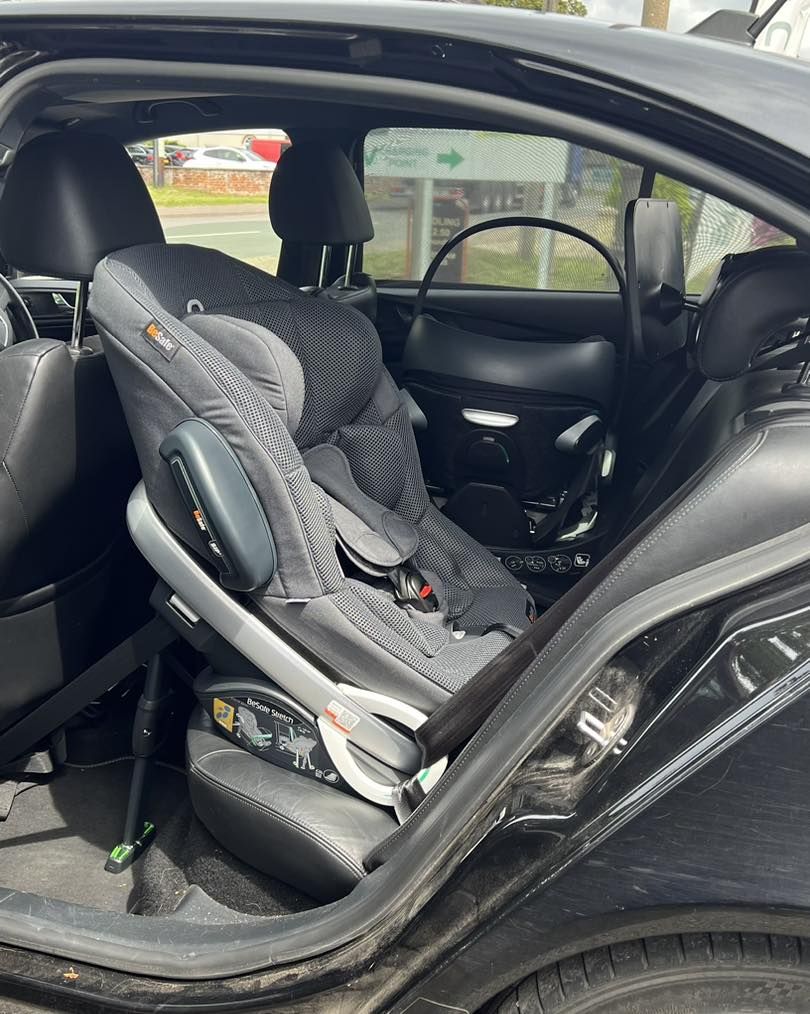
Parents sometimes become so focused on choosing between an infant and convertible car seat that they overlook a more important issue: keeping the child rear facing for the appropriate period.
Rear facing provides support for a young child’s head, neck, and spine during a crash.
This means a baby does not need to move forward facing simply because they have reached their first birthday.
The same principle applies to convertible seats. Buying a convertible seat does not mean you should turn your child forward facing earlier.
Parents can also learn more about safe co-sleeping guidelines for new parents when preparing for the baby’s sleep environment, since safe sleep and safe transportation involve different recommendations.
How Should the Harness Fit?

A properly fitted harness is essential regardless of the type of car seat you choose.
The straps should lie flat against your baby’s body and should not be twisted.
For a rear facing child, harness straps should generally come from at or below the shoulders. For a forward facing child, the straps should generally come from at or above the shoulders.
After buckling your baby, tighten the harness until you cannot pinch extra webbing at the shoulder.
The chest clip should sit at armpit level.
Avoid putting thick coats underneath the harness. Bulky clothing can create space between your baby and the straps, making the harness less secure.
Instead, dress your baby in thin layers and place a blanket over the secured harness if extra warmth is needed.
Practical clothing can make this easier. Essential newborn outfits every baby needs should include comfortable layers that do not interfere with safe harness use.
What About Baby’s Size and Growth?

Your baby’s size should be one of the first things you consider when comparing car seats.
Every seat has minimum and maximum height and weight limits.
Some infant seats have lower maximum limits, while many convertible seats are designed to accommodate larger children.
Do not compare seats based only on the number of years you expect to use them.
Check the actual limits for rear facing use.
A convertible seat with a higher rear facing limit may allow your child to remain rear facing longer after outgrowing an infant carrier.
Your baby’s growth also determines when you need to adjust the harness and other components.
Check the manufacturer’s instructions regularly rather than waiting until your baby appears uncomfortable.
A child touching the back of the vehicle seat with their feet does not automatically mean they have outgrown a rear facing seat.
Which Option Is Better for Families With Multiple Cars?

Families who use more than one vehicle should think about how often the car seat will need to move.
With some infant car seat systems, you can purchase additional bases for other vehicles. The carrier can then be moved between compatible bases without reinstalling the entire system.
A convertible seat can also be moved between vehicles, but you will need to reinstall it correctly every time.
That can become inconvenient if grandparents, babysitters, or other caregivers frequently transport your child.
Everyone who uses the car seat should understand how to buckle your baby and check the harness.
The same attention to preparation is useful when planning other changes at home.
Parents can use how to prepare your older children for a new sibling as a starting point for making family transitions more organized.
Which Option Costs Less?

The initial price does not tell the whole story.
An infant car seat may cost less than some convertible models, but you will eventually need another car seat once your baby outgrows it.
A convertible car seat may cost more upfront but can potentially serve your child for several years.
Your total spending will depend on the specific products you choose.
You may also need additional bases, seats for other vehicles, or replacement seats if a car seat is involved in a crash.
Instead of focusing only on the purchase price, consider the seat’s usable limits, expiration period, installation requirements, and compatibility with your vehicle.
Creating the ultimate baby budget for first-time parents can help you decide how much of your overall baby budget should go toward transportation and safety equipment.
Which One Is More Convenient for Daily Life?
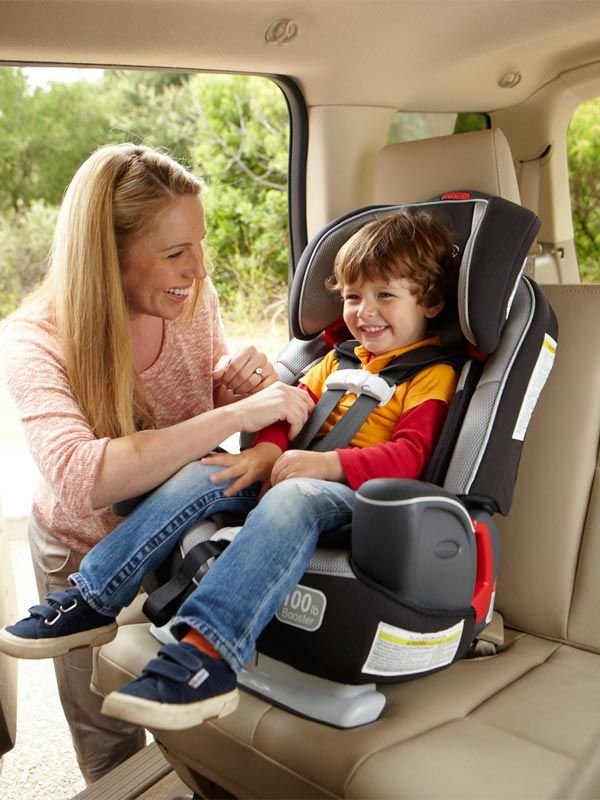
Your daily routine can make one option feel much more practical.
If you frequently make short trips, attend appointments, or move between the car and home several times a day, the detachable infant carrier can be convenient.
If you mostly drive to one destination and remain there for several hours, the portability advantage may matter less.
A convertible car seat can be simpler for parents who want to install one seat and leave it in the vehicle.
Think about your actual routine rather than choosing based on what sounds convenient.
Consider how often you drive, who drives, how often your baby travels with other caregivers, and how much carrying you expect to do outside the vehicle.
The best choice is the one you can use correctly and comfortably every time your baby travels.
What About Strollers?
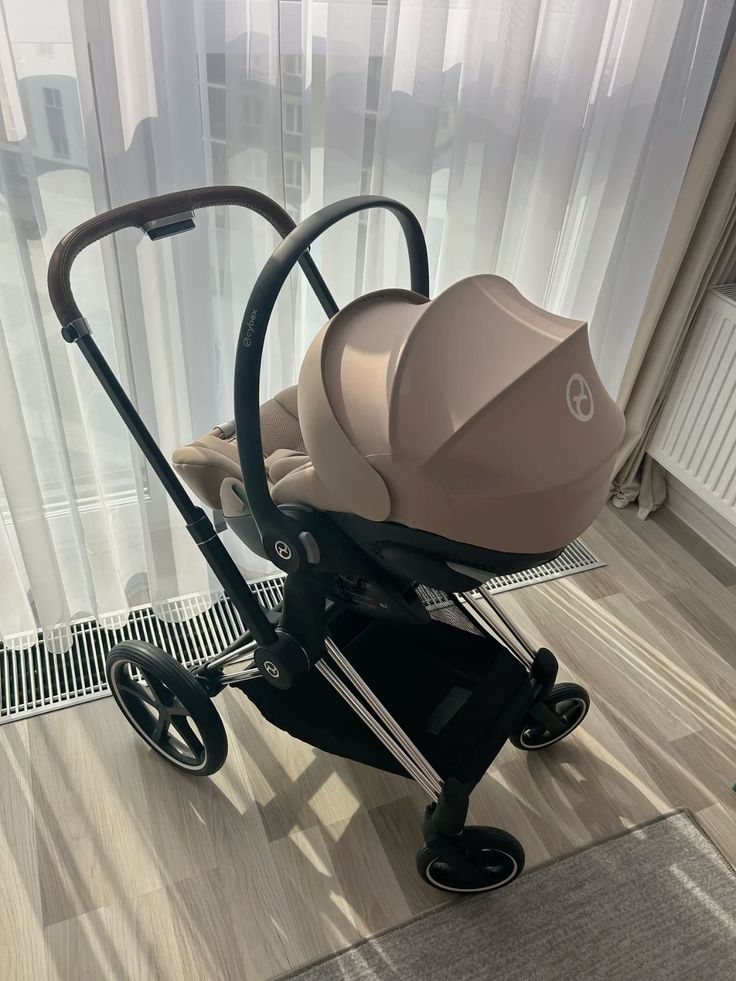
An infant car seat can be particularly useful if you want a travel system.
Many infant carriers are designed to connect to specific stroller models. This allows you to move your baby from the vehicle to the stroller without transferring them out of the car seat.
This can be helpful during quick errands.
A convertible car seat does not normally offer this flexibility because it remains installed in the vehicle.
If you are buying an infant seat and stroller together, check compatibility before purchasing either product.
Do not assume that products from the same brand will automatically connect.
Parents who are also trying to control spending can look at ways to save money on baby essentials before investing in a complete travel system.
Can You Start With a Convertible Car Seat From Birth?
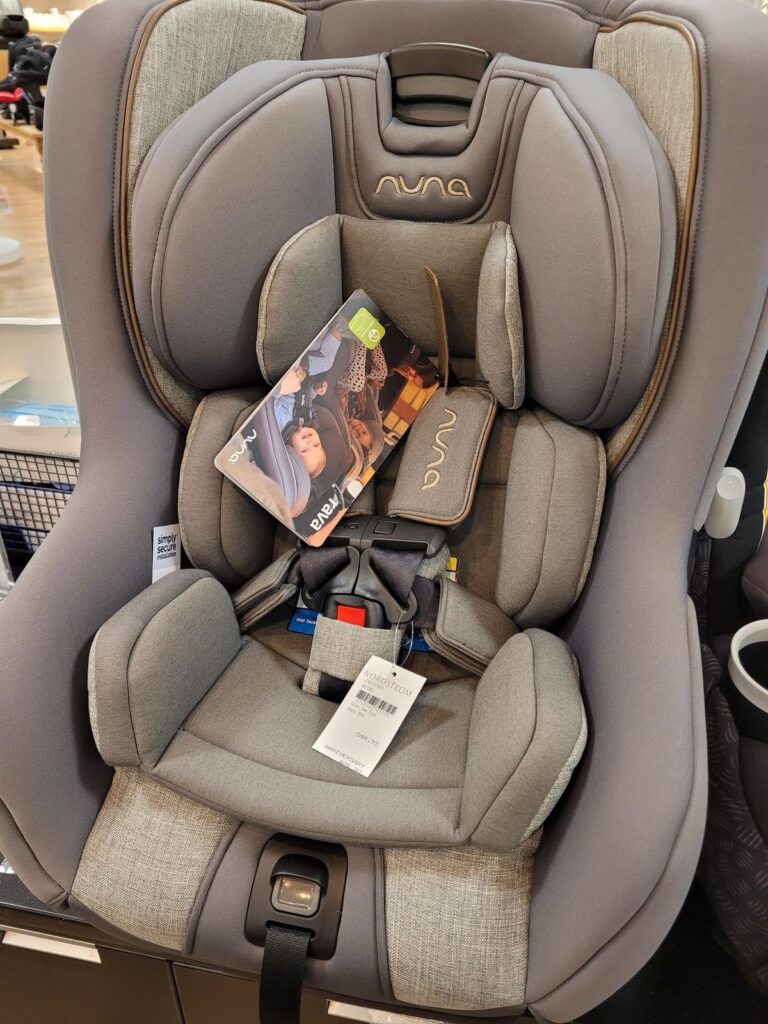
Yes, some convertible car seats are designed and approved for use with newborns.
The important point is to check the specific model’s minimum height and weight requirements.
A convertible seat that is not approved for newborns should not be used simply because you intend to use it for several years.
If your chosen model fits your newborn correctly, starting with a convertible seat can eliminate the need to purchase an infant carrier first.
The tradeoff is that you lose the convenience of removing your baby’s carrier from the vehicle.
This decision often comes down to lifestyle.
Parents who value portability may prefer an infant seat. Parents who prefer longevity may choose a newborn approved convertible seat.
When Should You Move From an Infant Car Seat?
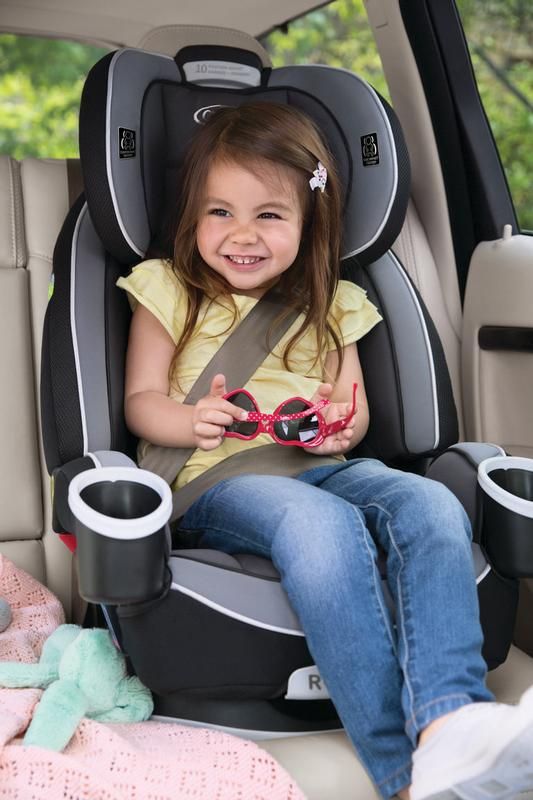
You should move your child when they reach the infant car seat’s maximum height or weight limit according to the manufacturer.
Do not wait until your baby looks cramped if they have already exceeded a stated limit.
You also do not need to switch simply because your baby has reached a particular age.
If your next seat is a convertible car seat, it can usually continue the rear facing stage.
This is an important distinction. Moving from an infant carrier to a convertible seat does not mean moving from rear facing to forward facing.
Check the new seat’s minimum requirements before making the transition.
The new seat should fit your child properly from the first day you use it.
When Should You Move From Rear Facing to Forward Facing?
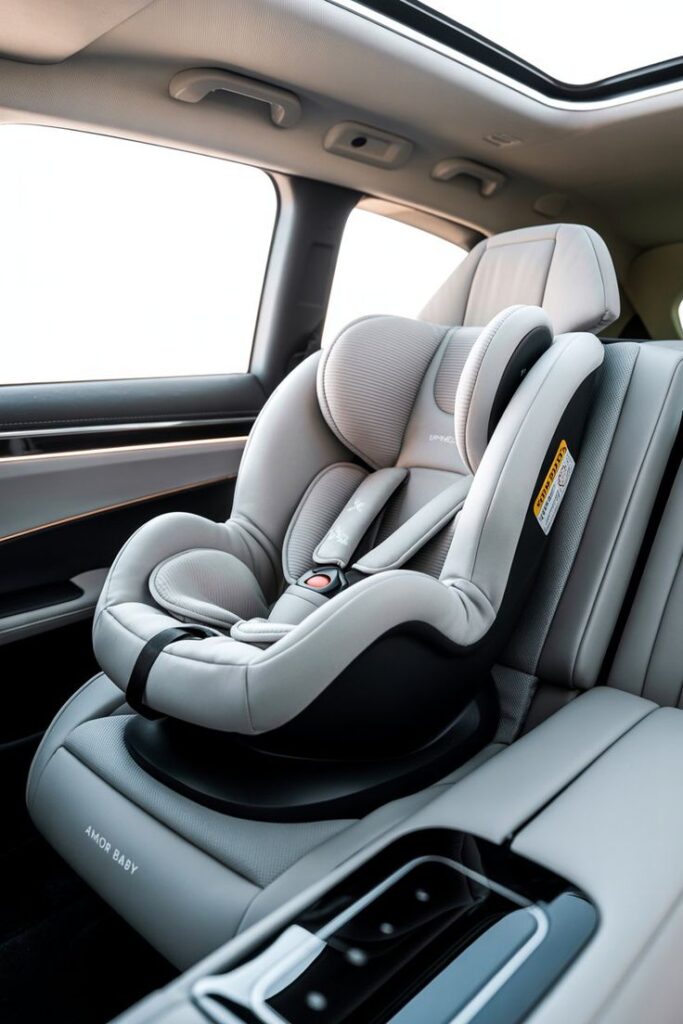
This transition should be based on the limits of the particular car seat, not simply your child’s birthday.
The AAP recommends keeping children rear facing until they reach the highest height or weight allowed by the manufacturer.
Many convertible seats allow children to remain rear facing for several years.
Once your child reaches the manufacturer’s rear facing limit, you can follow the instructions for transitioning the seat to forward facing.
Do not make the switch because your child seems bored facing the rear or because their legs appear long.
Your child’s comfort matters, but the manufacturer’s height and weight limits should guide the transition.
Common Mistakes to Avoid With Either Car Seat
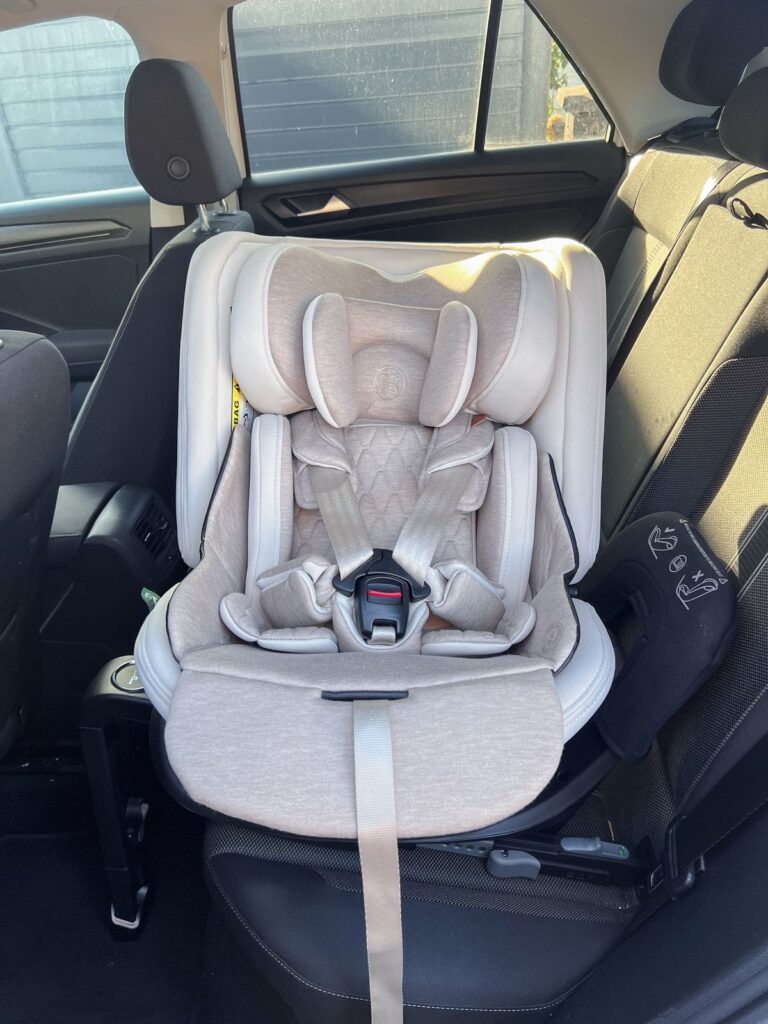
Choosing between an infant and convertible car seat is only the beginning. How you use the seat matters just as much.
Avoid using a seat that is too large or too small for your baby.
Do not leave the harness loose, place bulky coats underneath the harness or add aftermarket padding, inserts, or accessories unless the manufacturer approves them.
Never install a rear facing seat in front of an active passenger airbag.
Do not assume the middle rear seat is automatically the safest position if you cannot install the seat correctly there. Do not ignore the expiration date.
If you are buying secondhand, make sure you know the seat’s history and can verify that it has not been involved in a crash that requires replacement.
These simple checks can help you avoid mistakes that have nothing to do with which type of seat you purchased.
Infant Car Seat or Convertible Car Seat: Which Should You Choose?
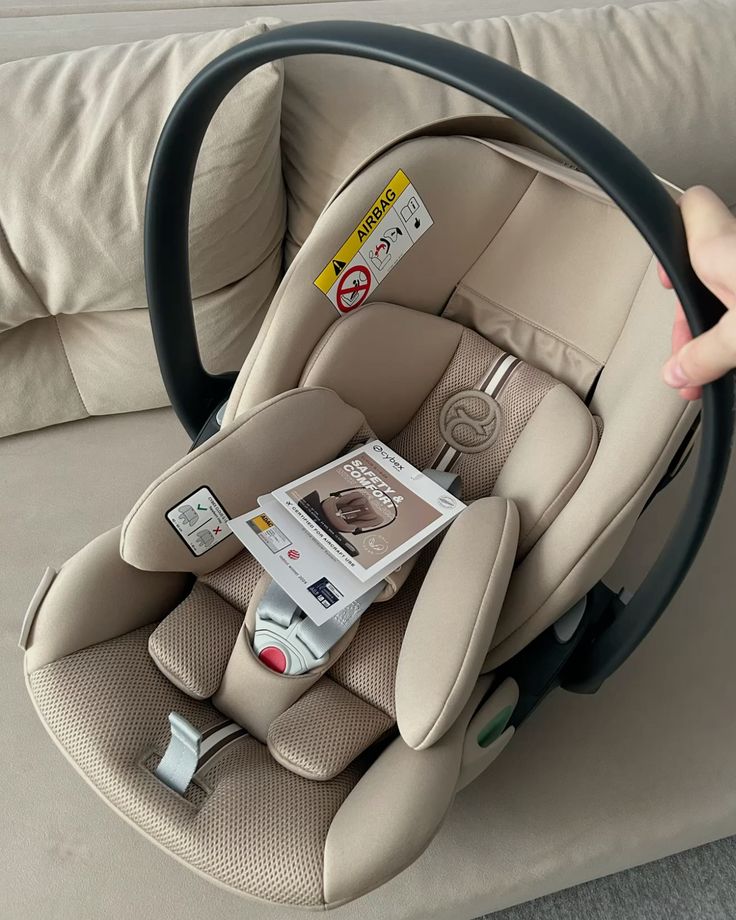
The right choice depends on what works best for your baby and your family’s routine.
An infant car seat may suit parents who want portability, easy transfers, and compatibility with a stroller. Its detachable carrier can make the early months more convenient.
A convertible car seat may suit parents who want a longer lasting option that can begin rear facing and later transition to forward facing.
Neither choice removes the need for careful installation and correct harness use.
Think about your baby’s current size, your vehicle, how frequently you travel, how often you carry your baby outside the car, and how many vehicles will be involved.
Most importantly, choose a seat that your baby fits properly, that your vehicle can accommodate, and that you understand how to install and use.
A car seat is an investment in everyday safety. Taking the time to make an informed choice now can make every journey with your baby easier and safer.
Explore more helpful ideas in the articles below
Baby Wrap vs Structured Carrier: Pros and Cons for New Parents
30 Outdoor Activities for Babies Under One Year
Breastfeeding Positions Every New Mom Should Know
25 Simple Bonding Activities for Newborns
How to Play With Your Newborn Baby







3 Comments