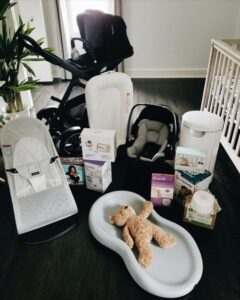

Baby Expenses You Can Start Saving for During Pregnancy
Finding out you’re expecting brings plenty of excitement, but it also marks the beginning of an important financial journey.
While it’s natural to think about decorating the nursery, choosing baby names, and preparing for your little one’s arrival, taking time to plan for upcoming expenses can make the months ahead much less stressful.
Many first-time parents underestimate how quickly baby-related costs can add up.
Some purchases only happen once, while others become part of your monthly household budget for years.
Starting your savings during pregnancy gives you the opportunity to spread those costs over several months instead of trying to pay for everything at the last minute.

The good news is that you don’t need to buy every baby product you see.
A thoughtful savings plan helps you focus on the essentials, prioritize your spending, and prepare for both expected and unexpected expenses.
It also gives you the flexibility to take advantage of discounts, compare prices, and avoid relying on credit when your baby arrives.
In this guide, you’ll discover which baby expenses deserve your attention first, when it’s best to start saving for them, and practical ways to build a financial plan that fits your family’s needs.
With a little preparation today, you’ll be able to welcome your baby feeling more organized, more confident, and better prepared for the exciting months ahead.
Why You Should Start Saving During Pregnancy
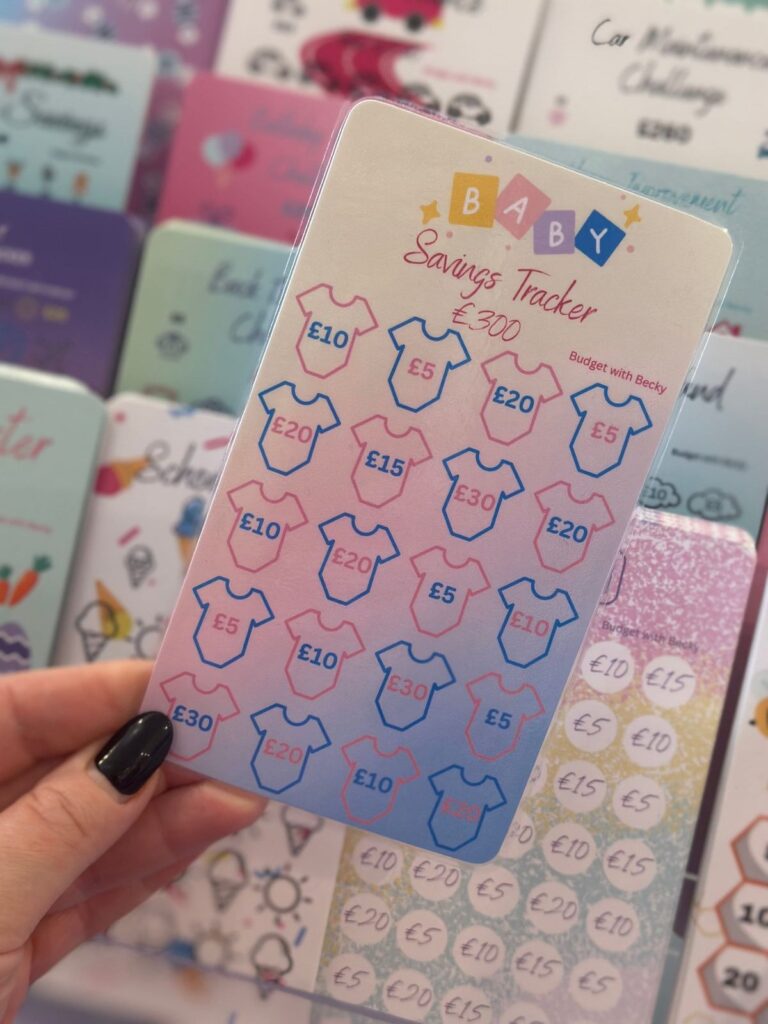
Pregnancy gives you something incredibly valuable when it comes to managing your finances: time.
Instead of trying to buy everything a few weeks before your due date, you can spread your spending over several months and make thoughtful decisions about each purchase.
Saving early also gives you room to adjust if your circumstances change.
You may decide to take a longer maternity leave, your medical expenses could be different from what you expected.
You might even discover that some baby products are more expensive than you originally planned.
Having money set aside makes these situations much easier to handle.
Another benefit is that you don’t have to buy everything brand new or all at once.
As you save, you can compare prices, watch for seasonal sales, and gradually tick items off your shopping list without putting unnecessary pressure on your household budget.
If you’re still working on creating a realistic baby budget before your first child arrives, having a savings goal for each expense makes that process much easier and helps you stay on track.
Start With the Biggest One-Time Purchases
Some baby items represent larger investments, which is why they should usually be the first expenses you begin saving for.
Buying them gradually throughout your pregnancy can prevent a significant financial burden during your final weeks before delivery.
Safe Sleep Essentials

One of your baby’s most important needs is a safe place to sleep.
Depending on your preference, this could be a crib, bassinet, or another approved sleep space.
You may also need to budget for:
- A crib mattress
- Waterproof mattress protectors
- Fitted crib sheets
- Swaddles or wearable blankets
These items are often purchased once but will be used every day during your baby’s first months.
Transportation Essentials

If you’ll be traveling by car, a safe infant car seat is one purchase you shouldn’t postpone.
Many hospitals require parents to have one properly installed before they’re allowed to take their newborn home.
Depending on your lifestyle, you may also want to save for:
- A stroller
- A baby carrier
- A diaper bag
- Rain covers or stroller accessories
Taking time to compare different infant car seat options before making your final decision can help you choose one that fits both your family’s needs and your budget.
Budget for Everyday Baby Essentials
Once you’ve planned for the larger purchases, it’s time to think about the items you’ll use every day.
These ongoing expenses may seem small on their own, but together they often make up a significant part of your monthly budget during your baby’s first year.
Starting to save for them during pregnancy means you can build a small stock of essentials before your baby arrives instead of buying everything at once after delivery.
Diapers and Wipes

Diapers and wipes are among the first recurring expenses most parents notice.
Newborns need frequent diaper changes throughout the day, so these supplies are used much faster than many people expect.
Rather than waiting until your due date, consider buying one or two packs during your regular shopping trips whenever they’re on sale.
Over several months, you’ll gradually build a useful supply without putting pressure on your budget all at once.
Just avoid buying too many newborn-sized diapers, as babies grow at different rates and may move into the next size sooner than expected.
Feeding Supplies

How you feed your baby will influence some of your early expenses, but every family benefits from planning ahead.
Your budget may include:
- Baby bottles
- Bottle brushes
- Sterilizing equipment
- Bibs
- Burp cloths
- Formula, if you plan to use it
- Breastfeeding accessories, if needed
You don’t have to purchase everything immediately, but setting money aside now gives you flexibility once your baby arrives.
If you’re still deciding how you’ll feed your baby, learning about breastfeeding and formula feeding before birth can help you estimate the supplies you’ll actually need.
It helps you avoid buying products you may never use.
Don’t Overlook Healthcare Costs

Medical expenses are another area that deserves a place in your savings plan.
Even if your health insurance covers many services, there may still be out-of-pocket costs before and after your baby is born.
Some families need to budget for:
- Prenatal appointments
- Ultrasound scans
- Prescription medications
- Hospital fees
- Postnatal check-ups
- Baby’s first medical appointments
- Vaccinations where applicable
Knowing these costs in advance helps you prepare without feeling caught off guard later.
It’s also worth asking your healthcare provider or insurance company which services are covered and which ones you’ll need to pay for yourself.
Having that information early allows you to build a more accurate savings plan.
Healthcare costs can also change unexpectedly during pregnancy or after delivery.
Additional tests, specialist appointments, extended hospital stays, or follow-up care may become necessary depending on your circumstances.
Setting aside a small amount specifically for medical expenses can help you manage these situations without disrupting the rest of your baby budget.
If you’re expecting your first child, ask your healthcare provider for an estimate of the most common pregnancy and newborn expenses.
While every family’s experience is different, having a general idea of potential costs makes it easier to set realistic savings goals and avoid last-minute financial surprises.
Finally, remember to include ongoing healthcare expenses in your budget after your baby arrives.
Routine pediatric check-ups, medications, vitamins, and other healthcare needs may continue throughout your baby’s first year.
Planning for both birth-related and ongoing medical costs will give you greater confidence as you prepare for this new stage of family life.
Prepare for Clothing Expenses
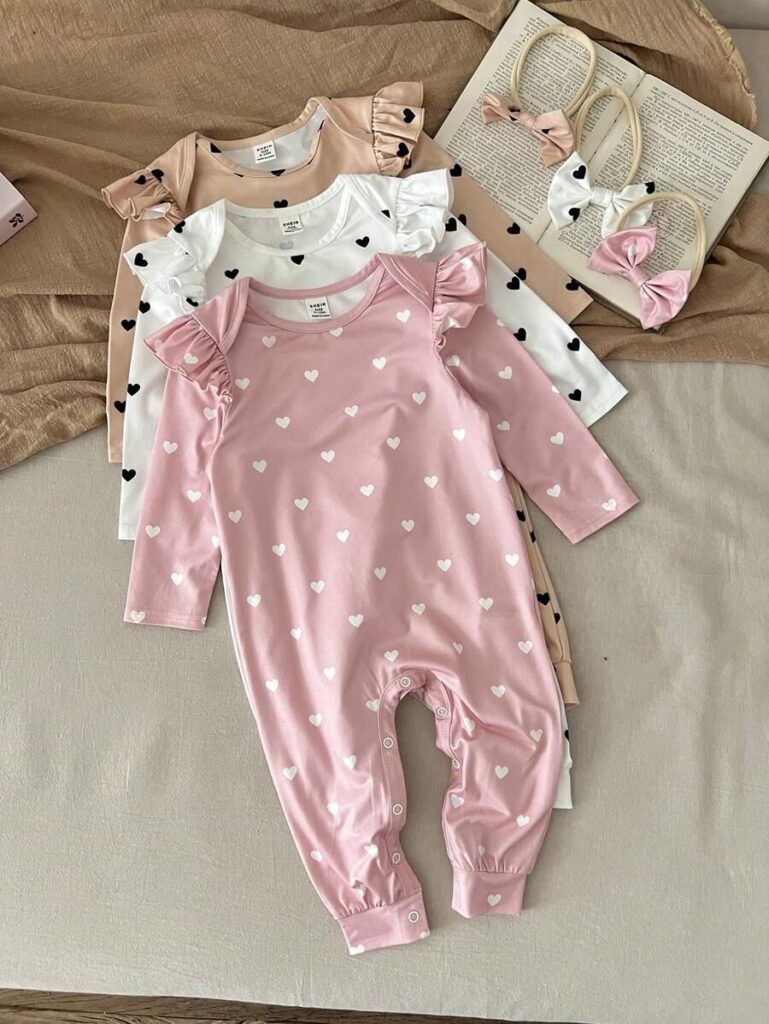
Buying tiny baby outfits is one of the most enjoyable parts of preparing for a new arrival, but it’s also an area where many parents spend more than they intended.
Babies grow quickly, especially during their first year, so it’s wise to buy what you’ll realistically use rather than filling the wardrobe with outfits that may only be worn once or twice.
Instead of purchasing large quantities in one size, spread your budget across different clothing sizes.
This gives you more flexibility as your baby grows and reduces the chances of wasting money on clothes that are outgrown before they’re worn.
Clothing Worth Buying Early

These are some of the essentials many parents like to have ready before birth:
- Bodysuits
- Sleepsuits
- Socks
- Hats
- Mittens
- Light sweaters or jackets when needed
- Receiving blankets
Choosing practical clothing over fashionable outfits can help your budget go further during the first few months.
If you’re unsure where to begin, understanding how many newborn clothes your baby is likely to need can help you shop more confidently without overbuying.
Plan for Nursery Expenses

Creating a comfortable nursery doesn’t have to happen overnight.
In fact, spreading these purchases across several months is one of the easiest ways to manage your budget.
Start with the essentials that your baby will use immediately, then add decorative items gradually after birth if your budget allows.
Your nursery budget may include:
- Storage baskets
- Clothing organizers
- Shelving
- A changing station
- Soft lighting
- Curtains or blackout blinds
- Laundry hamper
Many of these items regularly go on sale, so planning ahead gives you time to compare prices before making a purchase.
As you’re organizing the room, finding practical ways to keep baby essentials neatly arranged can help you make the most of your nursery without spending money on unnecessary storage products.
Save for Life After Your Baby Arrives

Some of the most important expenses begin after your baby is born rather than before.
Planning for them during pregnancy helps your family adjust more comfortably during those first few months.
Think about costs such as:
- Increased grocery shopping
- Household supplies
- Transportation
- Utility bills
- Childcare in the future
- Additional medical expenses
You should also consider how your income may change if one parent plans to take extended leave from work.
Preparing your finances now can reduce pressure while you focus on caring for your newborn.
If you’re expecting time away from work, planning your finances before maternity leave begins can help you understand how much you’ll need to save ahead of time.
Build Your Baby Savings Step by Step
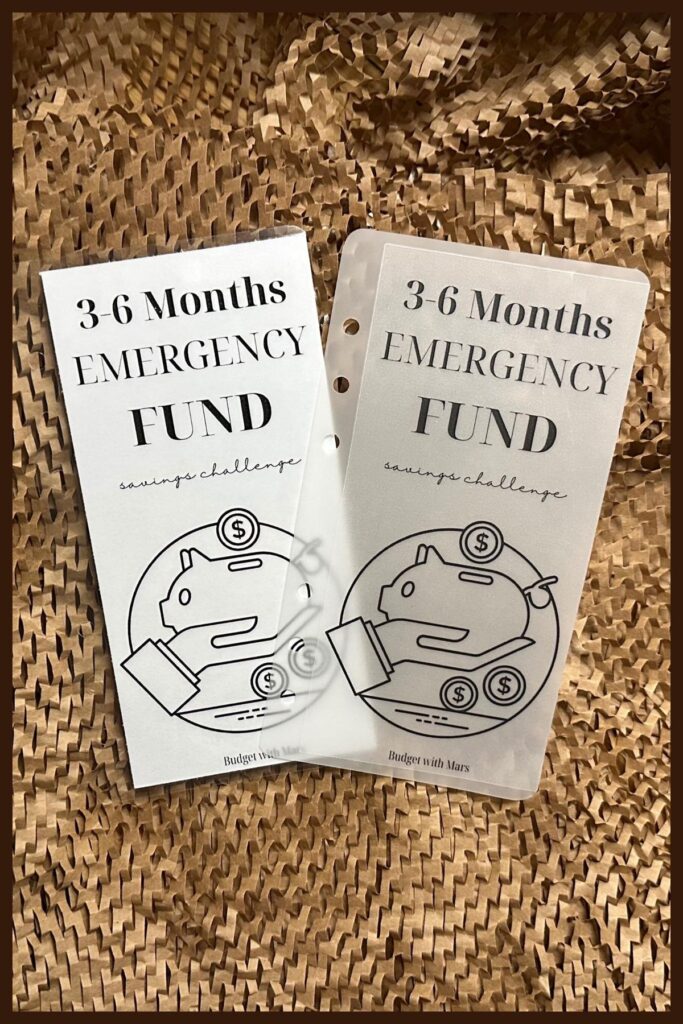
Saving for a baby doesn’t have to mean setting aside large amounts of money every month.
What matters most is being consistent. Even small contributions can grow into meaningful savings by the time your baby arrives.
One simple approach is to create a separate savings account or envelope specifically for baby-related expenses.
Keeping this money separate from your everyday spending makes it easier to see your progress and reduces the temptation to spend it on other things.
Easy Ways to Grow Your Baby Fund
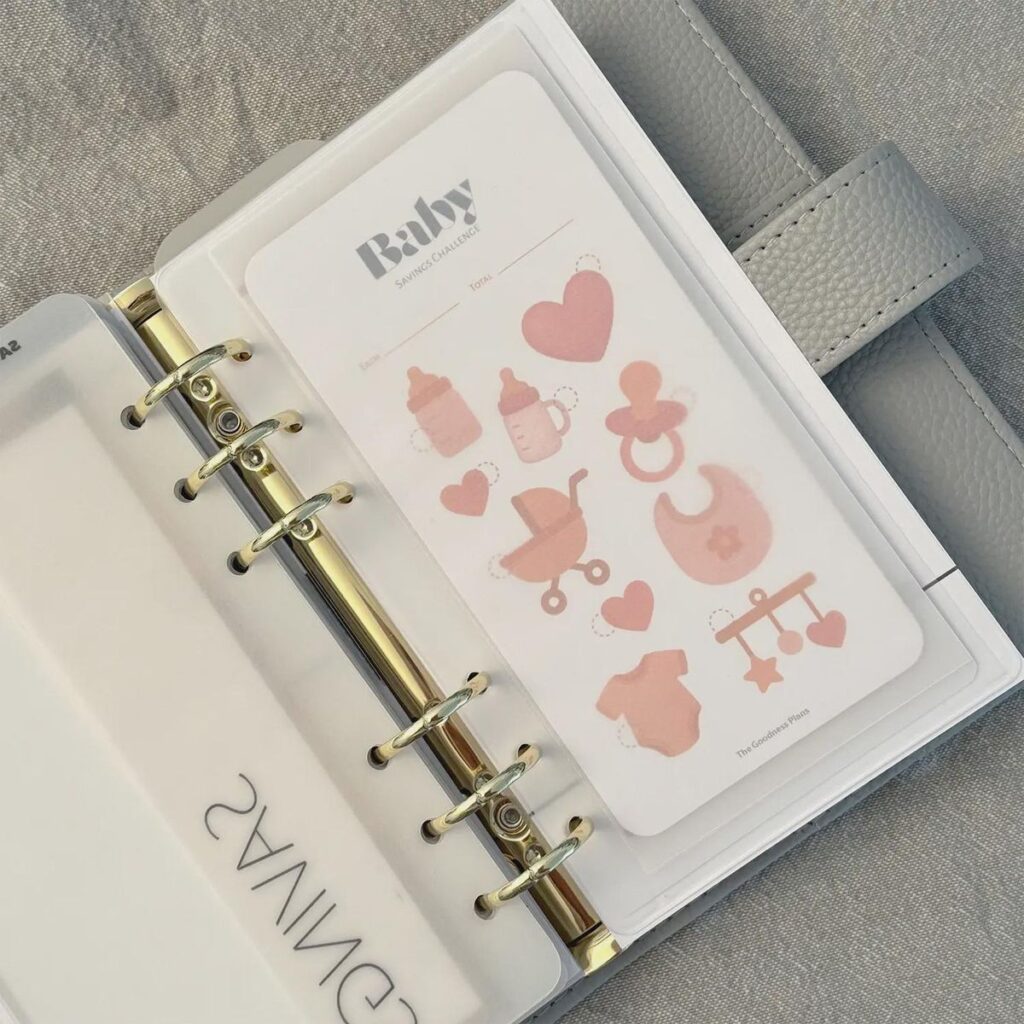
Consider these practical ideas:
- Save a fixed amount from every paycheck.
- Put aside money from bonuses or extra income.
- Reduce unnecessary subscriptions for a few months.
- Cook more meals at home instead of ordering takeout.
- Sell household items you no longer use.
- Save any cash gifts you receive during pregnancy.
You don’t have to do everything at once. Choosing just two or three of these strategies can make a noticeable difference over several months.
Baby Expenses You Can Delay

Preparing for your baby doesn’t mean buying every product before your due date.
Some purchases can wait until you know your baby’s preferences and your family’s routine.
Delaying non-essential purchases can help you stay within budget while avoiding items that may never be used.
Examples include:
- Large collections of toys
- Decorative nursery accessories
- Multiple baby blankets
- High chair (needed later)
- Larger clothing sizes
- Activity centers
- Extra bottles before you know which type your baby prefers
Focusing on essentials first gives you greater financial flexibility and leaves room for unexpected expenses that may arise after your baby is born.
Common Saving Mistakes to Avoid

Even with the best intentions, it’s easy to make financial decisions that stretch your budget unnecessarily.
Recognizing these mistakes early can help you spend more wisely throughout your pregnancy.
Some of the most common mistakes include:
- Waiting until the last month to begin saving.
- Buying every recommended baby product.
- Ignoring recurring monthly expenses.
- Purchasing too many newborn-sized clothes.
- Forgetting to compare prices before shopping.
- Spending your entire savings before your baby arrives.
- Not leaving room in your budget for unexpected costs.
A good savings plan isn’t about perfection. It’s about making thoughtful decisions that help your family stay financially prepared.
A Simple Savings Timeline
Breaking your savings goals into smaller milestones makes them feel much more achievable.
Instead of trying to save a large amount all at once, set realistic monthly targets based on your due date and household income.
Reaching smaller goals consistently can help you stay motivated and reduce financial pressure as your baby’s arrival gets closer.
If you receive extra income, such as a work bonus, tax refund, cash gifts, or money from selling unused household items, consider adding part of it to your baby savings fund.
Even occasional contributions can make a noticeable difference over several months.
Remember that your timeline doesn’t have to be perfect.
Some months you may save more, while other months unexpected expenses may limit what you can set aside.
The important thing is to keep moving forward.
Consistent progress, even in small amounts, will help you build a stronger financial foundation before your baby arrives.
First Trimester
- Create your baby budget.
- Open a dedicated savings account.
- Research major baby purchases.
- Set your monthly savings target.
Second Trimester
- Buy larger essentials during sales.
- Continue building your emergency savings.
- Begin purchasing everyday baby supplies.
Third Trimester
- Finish buying the remaining essentials.
- Review your budget.
- Prepare for your hospital stay.
- Keep extra savings available for unexpected expenses.
Following a simple timeline helps spread costs throughout your pregnancy instead of leaving everything until the final few weeks.
Small Changes That Can Free Up More Money

You don’t always need to earn more money to prepare for a baby.
In many cases, making a few intentional changes to your current spending habits can create extra room in your budget without making you feel deprived.
Start by looking at your monthly expenses and identifying areas where you can temporarily cut back. The money you save can go directly into your baby fund.
Here are a few practical ideas:
- Pause subscriptions you rarely use.
- Prepare more meals at home.
- Limit impulse shopping.
- Use cashback offers and discount coupons.
- Compare prices before making major purchases.
- Buy certain baby items during seasonal sales.
- Accept quality hand-me-downs from trusted friends or family members.
Small savings made consistently over several months can add up to enough for several essential baby purchases.
Keep Your Savings Plan Flexible
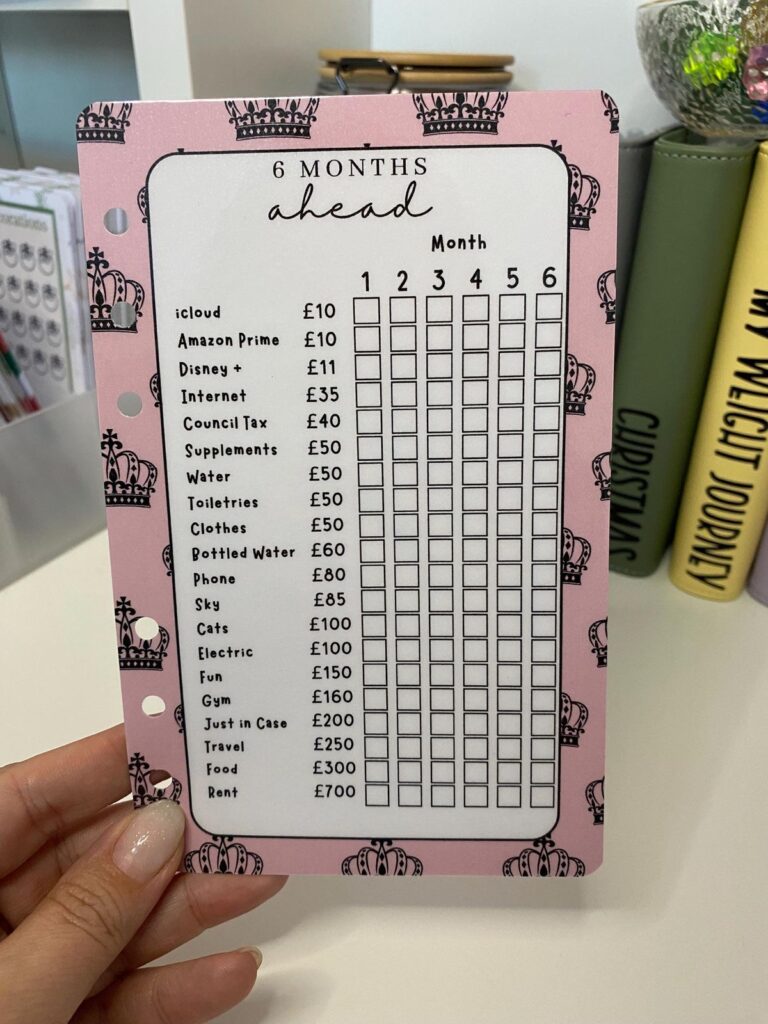
Your financial plan should grow with your family’s needs.
As your pregnancy progresses, you may discover that some expenses are higher than expected, while others turn out to cost much less.
Review your savings plan every few weeks and don’t be afraid to make adjustments.
You may decide to increase your savings goal, delay a non-essential purchase, or redirect money toward a more important expense.
Being flexible doesn’t mean your plan has failed. It simply means you’re responding to your family’s changing needs in a practical way.
Remember that every family prepares differently.
Focus on creating a savings plan that fits your income, priorities, and lifestyle instead of comparing yourself with others.
Every Small Step Brings You Closer

Saving for your baby’s arrival doesn’t happen in a single shopping trip or one large bank deposit.
It’s the result of many small, consistent decisions made throughout your pregnancy.
Every amount you set aside, every unnecessary purchase you avoid, and every financial goal you reach helps create a more secure start for your growing family.
The goal isn’t to buy everything before your due date or to have a perfect budget.
It’s to prepare as much as you reasonably can while keeping your family’s finances healthy.
By focusing on essential purchases, planning ahead for recurring expenses, and leaving room for unexpected costs, you’ll be in a much better position to enjoy your baby’s arrival with greater peace of mind.
As you continue preparing for parenthood, remember that financial readiness is just one part of the journey.
Combined with thoughtful planning and informed decisions, the savings you build during pregnancy can make those first months with your newborn feel less stressful and more enjoyable.