

Bassinet vs Crib: Which Should You Choose?
Disclosure: Some of the links in this post are affiliate links. This means if you click on the link and purchase an item, I will receive an affiliate commission at no extra cost to you.
Bringing a baby home comes with countless decisions, and one of the biggest is choosing where your little one will sleep.
It may seem like a simple choice at first, but many parents quickly discover there’s more to consider than appearance or price.
Size, safety, convenience, longevity, and even your home’s layout all influence which sleeping space will work best for your family.
Some parents love the portability of a bassinet because it keeps a newborn close during those first exhausting weeks.
Others prefer investing in a crib right away since it lasts much longer and eliminates the need for an early transition.
Both options offer unique advantages, and neither is automatically the right choice for every family.
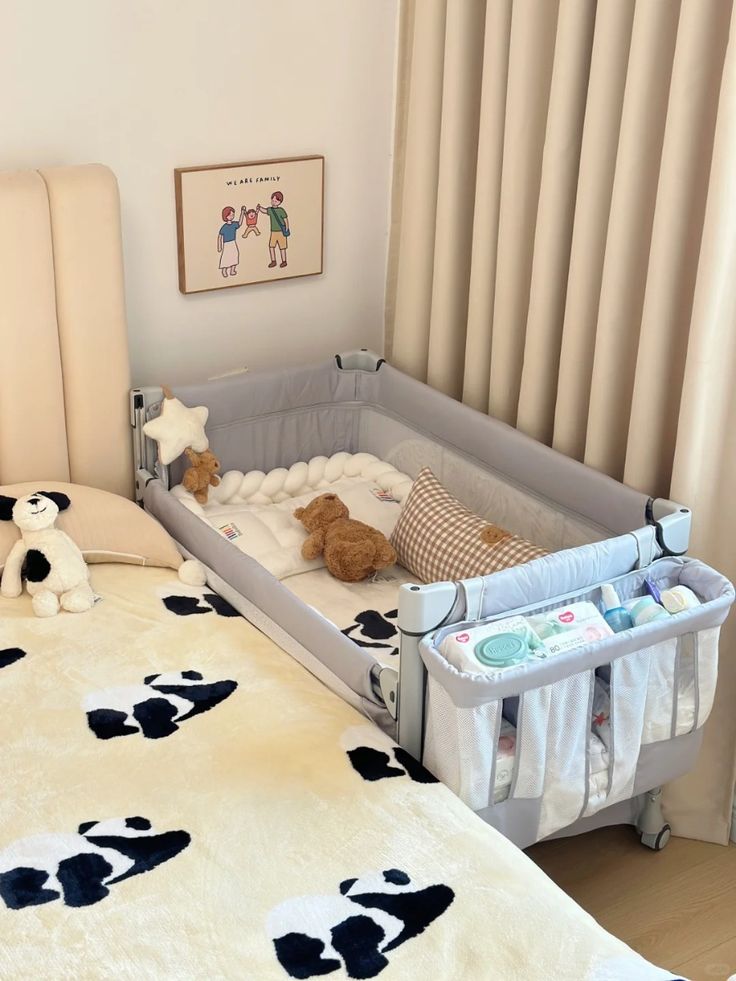
Your decision should fit your lifestyle, available space, and your baby’s needs during the first year.
If you’re currently planning your nursery, this is also the perfect time to think about essential nursery furniture, how your room will be arranged, and how each item will support your daily routine after your baby arrives.
This guide explains the differences between bassinets and cribs, the benefits of each, important safety considerations, and the situations where one may suit your family better than the other.
By the end, you’ll have a much clearer understanding of which option makes the most sense for your home.
Understanding the Difference Between a Bassinet and a Crib
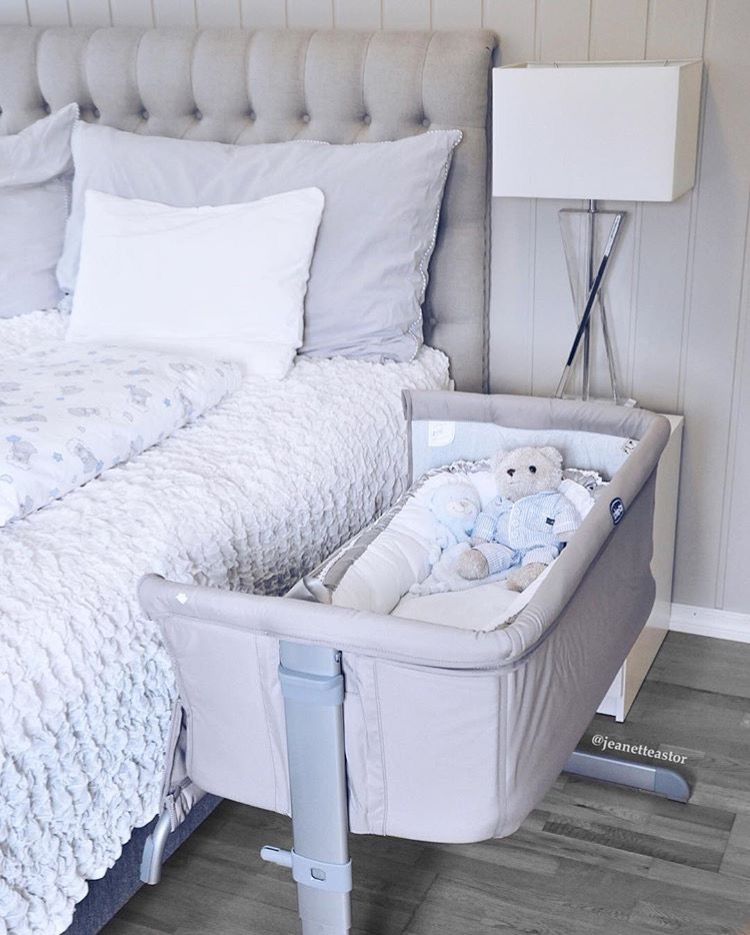
Although bassinets and cribs serve the same purpose, they aren’t designed for the same stage of your baby’s development.
A bassinet is a compact sleeping space created specifically for newborns and young infants.
This is because it’s smaller than a crib, it gives babies a cozy sleeping environment while allowing parents to keep them nearby during nighttime feedings.
Most bassinets are lightweight enough to move from room to room, making them especially convenient during the first few months after birth.
A crib, on the other hand, is designed to support your child for a much longer period.
It’s larger, sturdier, and built to accommodate babies as they roll over, sit up, pull themselves to stand, and eventually become active toddlers.
While it occupies more space, it also removes the need to purchase another primary sleeping area a few months later.
Before deciding between the two, it’s helpful to consider how your nursery will function as a whole.
Choosing nursery furniture layout ideas that maximize your available space can make either option work comfortably, even in a smaller room.
Many parents also discover that planning ahead helps them avoid unnecessary purchases later.
Creating a realistic baby budget before shopping often makes it easier to prioritize the products that will provide the greatest long-term value.
How Long Can Your Baby Use a Bassinet?
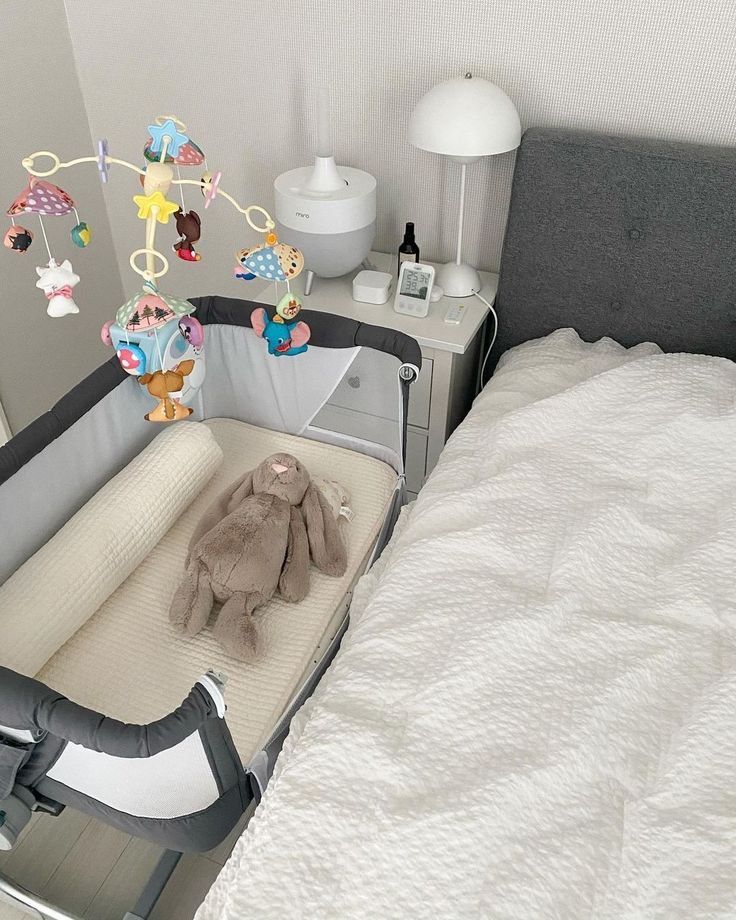
One of the biggest advantages of a bassinet is its convenience during the newborn stage.
The smaller sleeping area often helps parents feel more comfortable because their baby remains within arm’s reach throughout the night.
This becomes especially valuable during the early weeks when feeding, diaper changes, and soothing happen several times before morning.
However, bassinets are designed for short-term use.
Most babies outgrow them between four and six months, although the exact timing depends on the manufacturer’s weight limits and your baby’s development.
Some babies begin rolling much earlier than others, while some quickly become tall enough that the bassinet no longer provides enough space for safe movement.
Rather than focusing only on age, pay attention to your baby’s milestones.
Once your child begins rolling independently, pushing up on their hands, or showing signs of sitting,
it’s usually time to transition into a crib, even if the weight limit hasn’t been reached.
Keeping track of newborn milestones makes it easier to recognize when these developmental changes begin.
Babies often develop new skills faster than parents expect, so reviewing your baby’s progress regularly helps you prepare for changes before they become urgent.
If you’re also following a week-by-week newborn development guide, you’ll notice how quickly sleeping habits, movement, and overall growth change during those first few months, making it easier to anticipate when a larger sleeping space will be needed.
Why Many Parents Choose a Crib From the Beginning
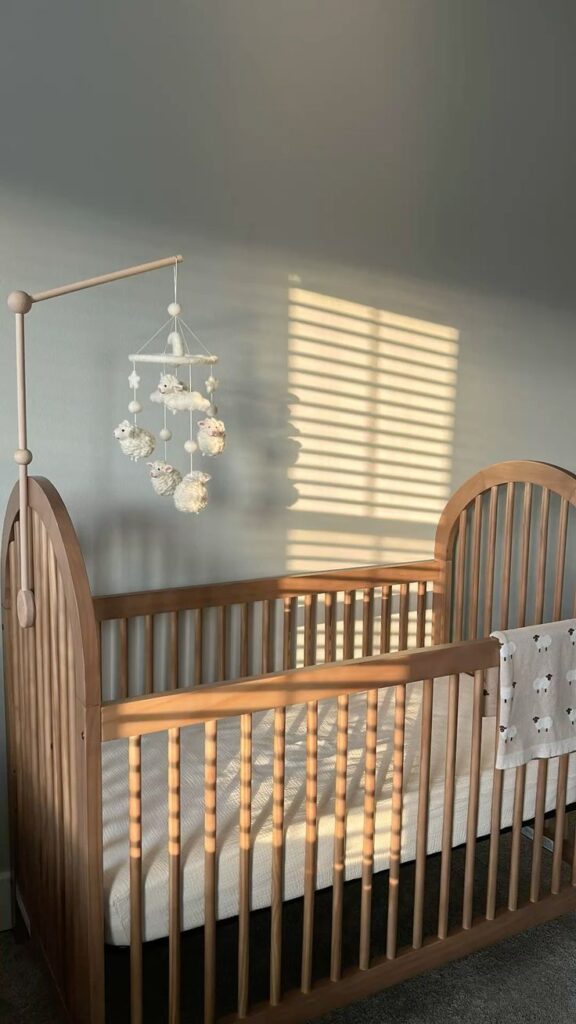
While bassinets offer convenience during the newborn stage, many parents decide to start with a crib instead. For some families, this approach simply makes more financial and practical sense.
A quality crib can often be used from birth until your child is ready for a toddler bed.
That means you won’t have to purchase a second sleeping space or worry about making the transition after only a few months.
If you’re trying to reduce unnecessary expenses, investing in one long-lasting piece of furniture can be a smart decision.
A crib also provides more room for movement. As babies grow stronger, they begin stretching, rolling, and changing positions while they sleep.
The additional space allows them to move comfortably while still remaining in a safe sleeping environment.
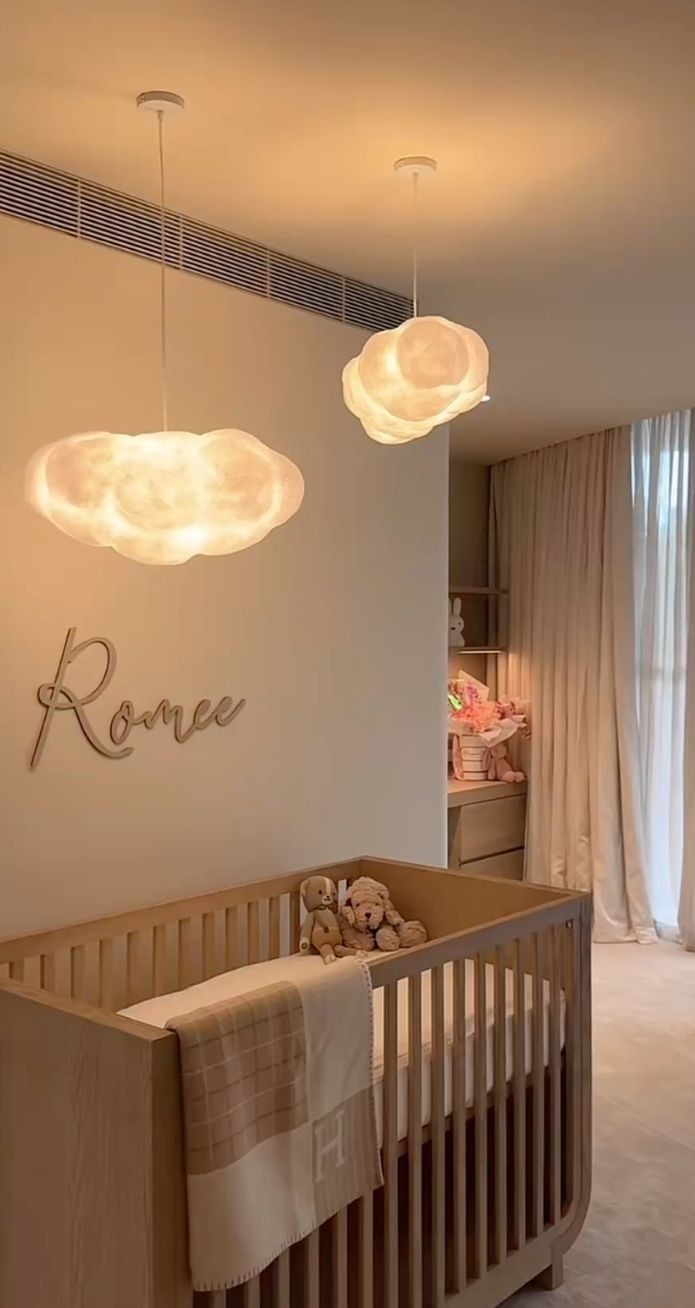
For families designing a nursery from scratch, a crib often becomes the centerpiece of the room.
Pairing it with clever nursery storage solutions helps create a space that’s both beautiful and practical without feeling overcrowded.
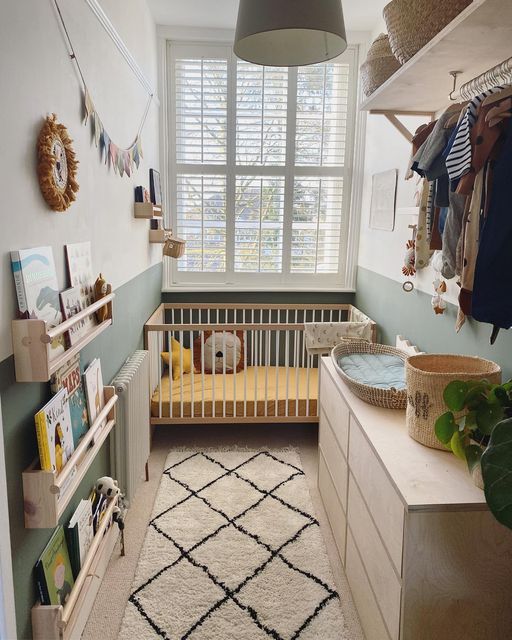
If your baby’s room is compact, choosing small nursery ideas that maximize every inch can help you arrange larger furniture without sacrificing comfort or storage.
Comparing Safety Features
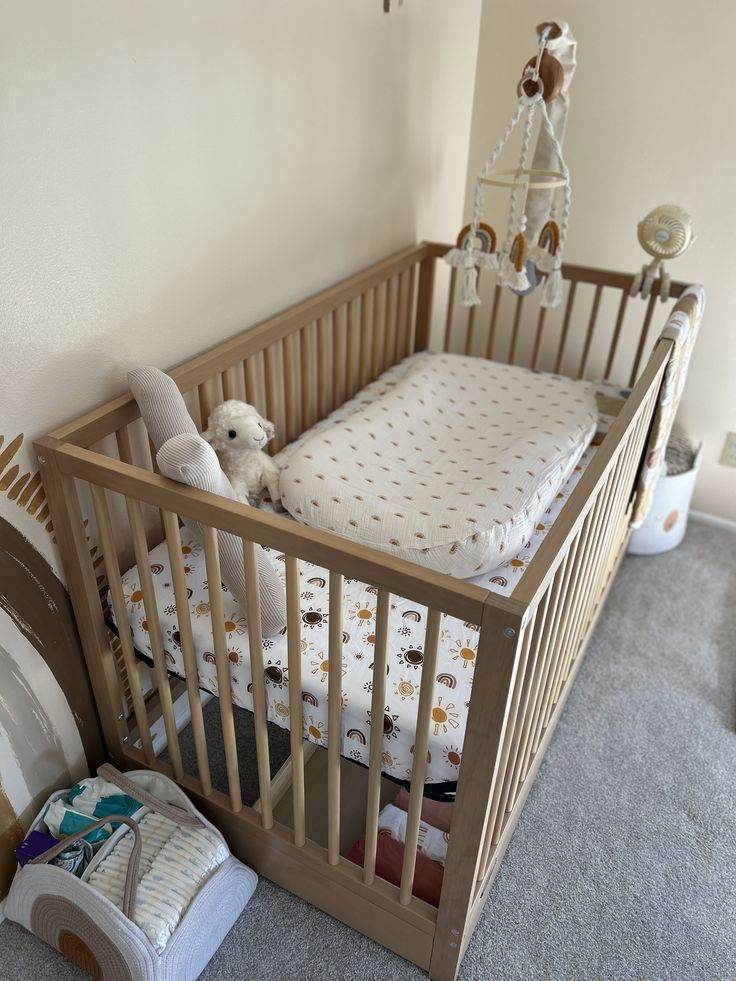
When used correctly, both bassinets and cribs are considered safe sleeping options.
The most important factor isn’t choosing one over the other, it’s making sure whichever option you choose meets current safety standards.
A safe sleep space should include:
- A firm, flat mattress that fits snugly.
- A fitted sheet designed specifically for that mattress.
- No pillows, blankets, bumper pads, stuffed animals, or sleep positioners.
- Proper ventilation around the sleeping area.
- Assembly according to the manufacturer’s instructions.
It’s equally important to follow the product’s weight and developmental limits.
Continuing to use a bassinet after your baby begins rolling or pushing up can increase safety risks.
Parents who are still preparing their baby’s room should also review an ultimate baby proofing checklist before their little one becomes mobile.
Although newborns spend much of their time sleeping, the months pass quickly, and creating a safer environment early makes later transitions much easier.
Which Option Works Better for Night Feedings?
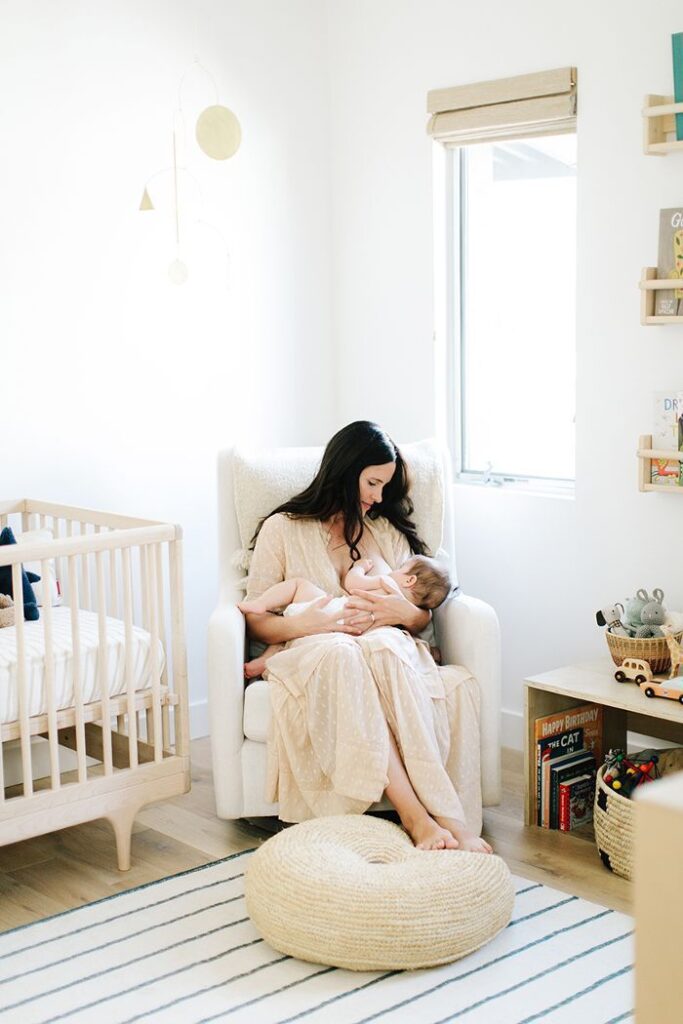
During the newborn months, sleep often comes in short stretches.
Many parents appreciate having a bassinet beside the bed because it reduces the distance they need to walk during nighttime feedings.
Instead of crossing the room several times each night, they can quickly respond when their baby wakes.
This convenience can be especially helpful for mothers recovering from childbirth or anyone who has limited mobility after delivery.
A crib, however, doesn’t necessarily make nighttime care difficult.
Some parents place the crib in their bedroom during the first few months before moving it into the nursery later.
Others use a nursery close to their own bedroom, making nighttime routines almost as convenient.
As you prepare for those first weeks, organizing diapers, wipes, extra clothes, and feeding supplies using nursery organization ideas that keep baby essentials within reach can save countless trips across the house during late-night wake-ups.
Keeping everything organized before your baby arrives also reduces stress when you’re functioning on very little sleep.
Space Considerations for Different Homes
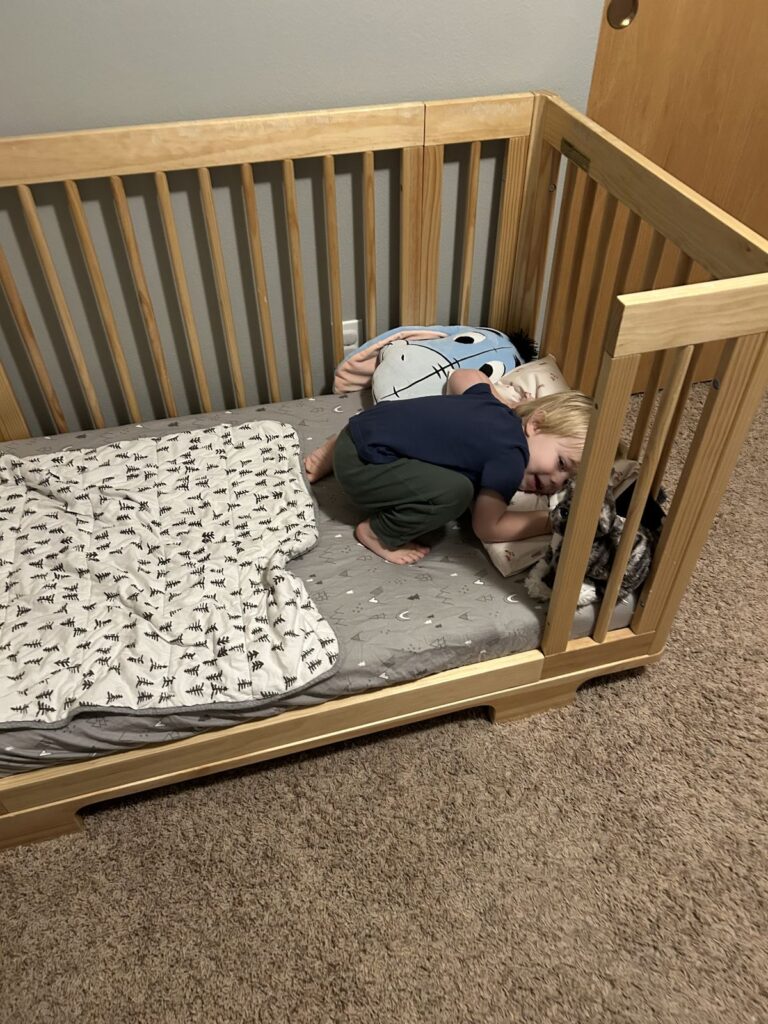
The amount of available space often plays a significant role in this decision.
Families living in apartments or smaller homes sometimes find a bassinet easier to accommodate because it occupies very little floor space.
It can fit comfortably beside the bed while leaving enough room to move around freely.
A crib requires more planning, particularly in compact nurseries.
Fortunately, thoughtful furniture placement can make even a small room feel surprisingly spacious.
If you’re working with limited square footage, exploring best nursery furniture layout ideas for small rooms before buying furniture can help you avoid a layout that feels cramped once everything is assembled.
You may also find inspiration from 27 nursery nook ideas for apartment living, especially if your baby’s sleeping space will share a bedroom or another part of the home.
Planning ahead often prevents expensive mistakes later, particularly when every inch of space matters.
Cost Comparison

Budget is another factor many parents consider carefully.
A bassinet generally costs less than a crib, but it’s only useful for a relatively short period. Purchasing both means buying two separate sleeping spaces during your baby’s first year.
A crib often has a higher upfront cost, but it usually lasts much longer.
Many convertible models can even transition into toddler beds, extending their usefulness for several years.
If you’re preparing for multiple baby-related expenses, creating the ultimate baby budget can help you decide where to invest more and where you might save money.
Some parents also reduce costs by learning ways to save money on baby essentials, allowing them to purchase higher-quality nursery furniture without exceeding their budget.
The best value isn’t always the cheapest option. Sometimes spending more once prevents additional purchases later.
When a Bassinet Makes the Most Sense
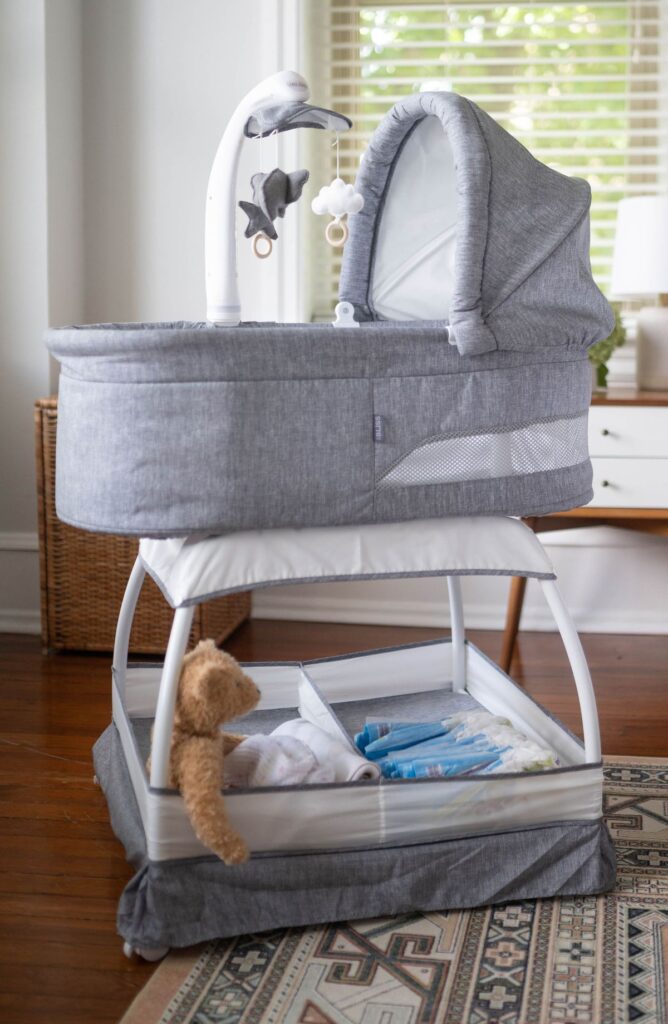
Although cribs offer long-term value, there are situations where a bassinet becomes the better choice.
Parents recovering from a difficult delivery often appreciate having their newborn close without repeatedly walking across the room.
Families who frequently move between rooms during the day may also enjoy the portability of a bassinet.
Many models include wheels or lightweight frames, making them easy to relocate while your baby naps nearby.
A bassinet can also work well if you’re still preparing the nursery before your baby’s arrival.
While finishing decorations, organizing furniture, or installing storage, your newborn can continue sleeping comfortably in your bedroom during those first few weeks.
As you finish setting up the room, don’t overlook nursery lighting ideas for better sleep and comfort.
Gentle lighting makes nighttime diaper changes and feedings much easier without fully waking your baby.
Creating a peaceful sleep environment involves much more than simply choosing the right bed.
Lighting, organization, room temperature, and noise levels all contribute to better rest for both babies and parents.
When a Crib Is the Better Long-Term Choice
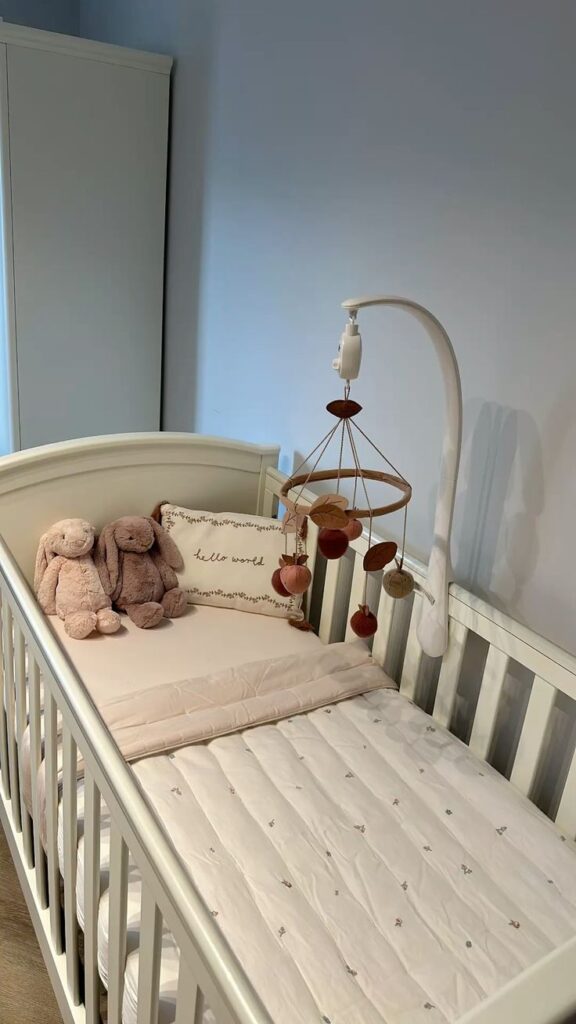
For many families, a crib becomes the more practical investment because it grows alongside the baby.
Once your newborn becomes more active, you’ll appreciate having a larger sleeping space that doesn’t need to be replaced after only a few months.
Many cribs offer adjustable mattress heights, allowing you to lower the mattress as your baby begins sitting, pulling up, and eventually standing.
This flexibility helps keep your child safe through several stages of development.
A crib also eliminates one major transition. Instead of helping your baby adjust to a completely different sleeping environment after outgrowing a bassinet, they become familiar with one bed from the very beginning.
Some parents find this makes bedtime routines much smoother.
If you’re creating your baby’s room from scratch, pairing your crib with budget nursery ideas that look expensive can help you design a beautiful space without overspending.
Thoughtful decorating choices often make a nursery feel warm and inviting without requiring luxury furniture or elaborate décor.
Can You Use Both?
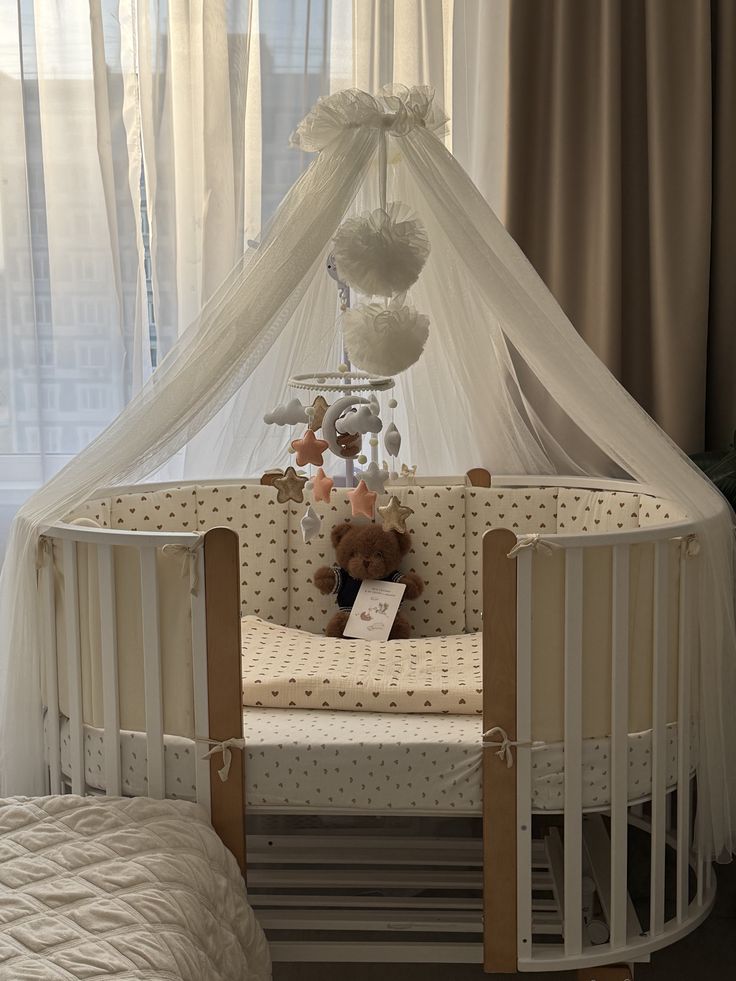
The answer is yes, and many parents do.
Using a bassinet during the newborn stage and transitioning to a crib a few months later allows you to enjoy the advantages of both.
Your baby stays close during those exhausting first weeks, while the crib is already waiting once they become more mobile.
This approach does require purchasing two sleeping spaces, but some families feel the convenience is worth the additional cost.
If you’re planning to use both, think ahead about where each piece will fit inside your home.
Planning your nursery early gives you enough time to organize furniture, storage, and daily routines before your baby’s arrival.
Parents decorating from the beginning often enjoy exploring gender-neutral nursery ideas or choosing from timeless nursery color palette ideas that continue to look beautiful as their child grows.
Creating a Safe Sleep Routine
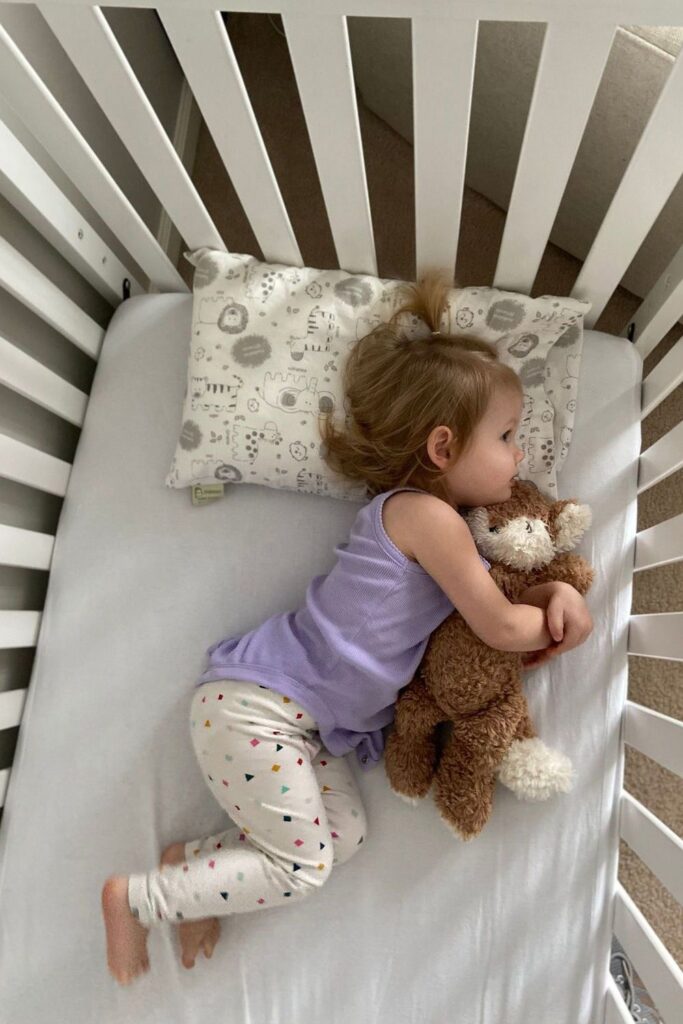
Regardless of which sleeping space you choose, healthy sleep habits matter just as much as the furniture itself.
Place your baby on their back for every sleep, including naps.
Keep the mattress firm and free from loose items, and maintain a comfortable room temperature to reduce the risk of overheating.
Many parents feel tempted to add extra blankets, pillows, or plush toys because they make the nursery look cozy.
Unfortunately, these items increase sleep risks for young infants and should stay out of the sleep space until your child is old enough.
As your baby grows, their routine will naturally change.
Feeding schedules become more predictable, naps begin to follow a pattern, and bedtime gradually becomes easier to establish.
Understanding screen time guidelines for babies also becomes important later in infancy, since limiting unnecessary stimulation before bedtime can support healthier sleep habits.
Although screens aren’t a concern for newborns, building healthy routines early often makes future parenting decisions much easier.
Questions to Ask Before You Decide

Every family has different priorities, so asking yourself a few practical questions can make the decision much clearer.
Consider:
- How much space do you have available?
- Do you want your baby sleeping beside your bed during the first few months?
- Would you rather buy one sleeping space or two?
- How long do you want the furniture to last?
- Does your budget allow for both a bassinet and a crib?
- Will the sleeping arrangement fit your daily routine?
There isn’t a universal answer because every home operates differently.
What works perfectly for one family may not suit another.
The goal isn’t to choose the option that everyone else recommends.
It’s to select the sleeping arrangement that supports your family’s needs while providing a safe environment for your baby.
Choosing What Works Best for Your Family
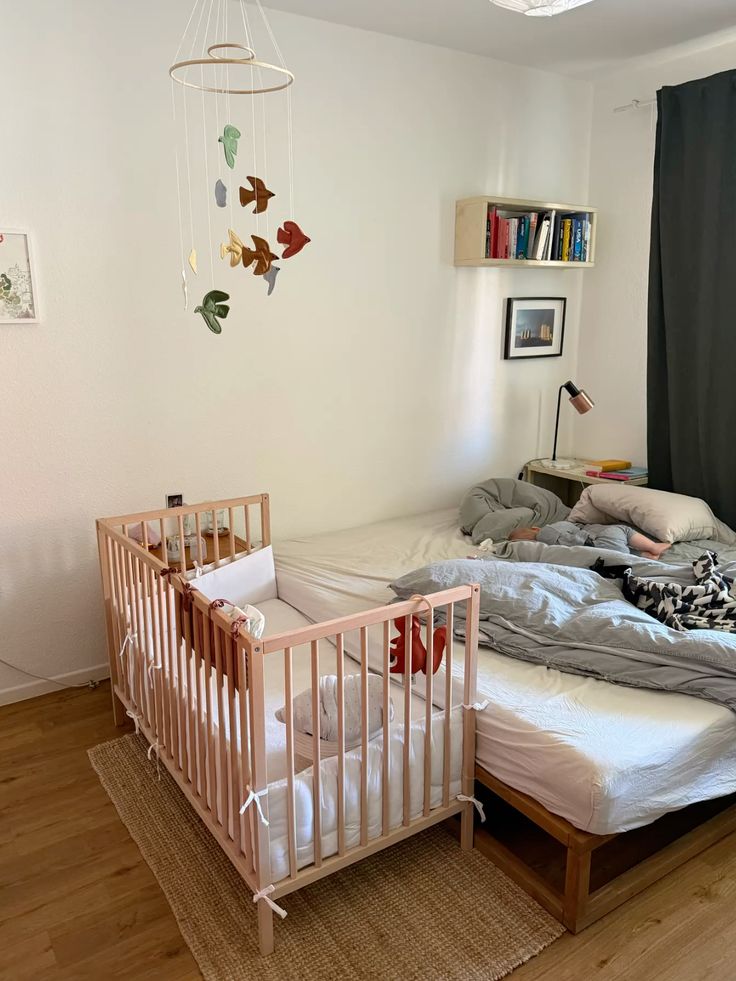
A bassinet and a crib are both excellent choices when they’re used safely and appropriately.
The right decision depends less on trends and more on your lifestyle, your available space, and how you picture those first months with your baby.
If convenience during nighttime feedings is your highest priority, a bassinet may be exactly what you need.
If you’re focused on long-term value and prefer avoiding an early transition, investing in a crib from the beginning could be the better option.
Remember that your nursery doesn’t have to be perfect before your baby arrives.
What matters most is creating a safe, comfortable environment where your little one can sleep peacefully while you build confidence as a new parent.
As your baby grows, you’ll continue adjusting your routines, organizing your space, and making small changes that support each new milestone.
Choosing the right sleep space is simply one of the first steps in creating a home where your child can thrive.
Common Myths About Bassinets and Cribs

New parents receive advice from every direction.
Family members, friends, parenting groups, and social media often have strong opinions about where a baby should sleep.
While some suggestions are helpful, others are based on outdated information or personal preference rather than current safety recommendations.
One common myth is that babies sleep better in a crib because it’s larger.
In reality, every baby is different. Some newborns settle more easily in the smaller sleeping space of a bassinet because it feels snug and familiar after birth, while others adapt quickly to a crib from the very beginning.
Another misconception is that buying a bassinet is a waste of money.
For parents recovering from childbirth, especially after a cesarean delivery, having their baby within arm’s reach can make nighttime care much easier during those first few weeks.
The convenience alone may justify the investment for some families.
On the other hand, some people believe purchasing only a crib is always the smarter financial decision.
Although a crib lasts longer, it may not provide the same level of convenience during the newborn stage.
The best choice depends on your family’s routine rather than what works for someone else.
Instead of following trends, focus on products that meet current safety standards and fit your home, budget, and lifestyle.
Preparing the Nursery Before Your Baby Arrives
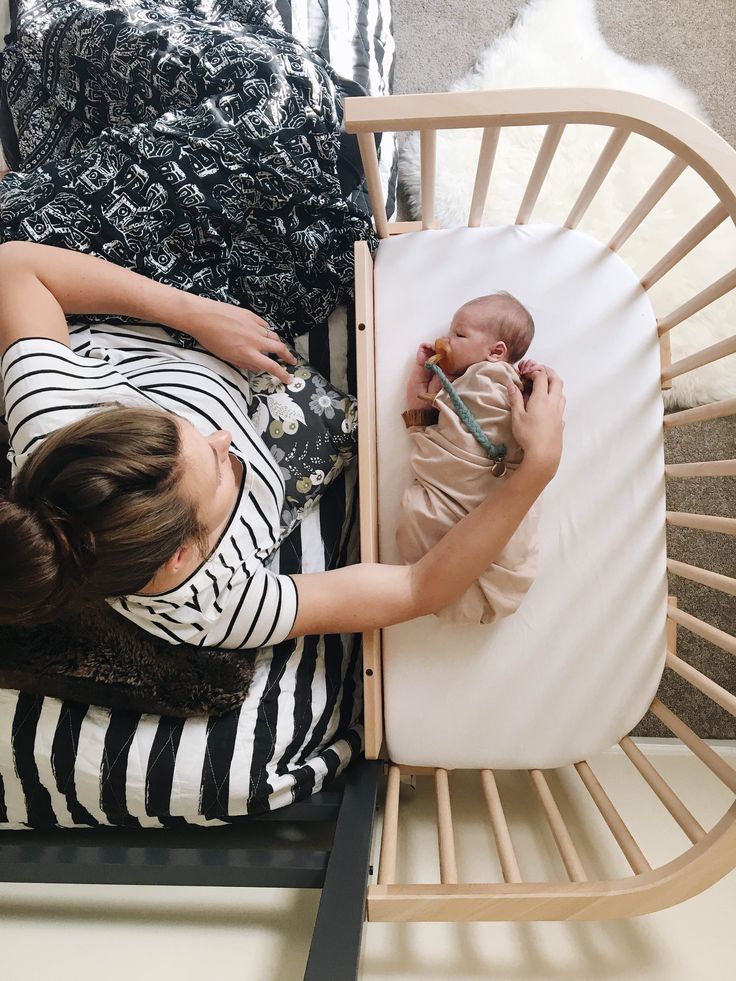
Choosing where your baby will sleep is only one part of preparing the nursery.
A well-planned room makes daily routines smoother and helps you avoid unnecessary stress once your newborn comes home.
Begin by arranging furniture so there’s enough space to move comfortably during nighttime feedings and diaper changes.
Keep frequently used items close to the sleeping area while storing less frequently used supplies on higher shelves or inside labeled storage bins.
If you’re decorating the room before your baby’s arrival, avoid filling every available corner with furniture or decorations.
Leaving some open space makes the nursery feel more comfortable and gives you flexibility as your baby’s needs change over time.
It’s also helpful to think beyond the newborn stage.
Babies quickly outgrow tiny clothes, receive new toys, and accumulate additional supplies throughout the first year.
Planning storage early prevents the nursery from becoming overcrowded after only a few months.
Simple organizational systems established now will continue serving your family long after your baby transitions from a bassinet to a crib.
Making the Transition From a Bassinet to a Crib Easier
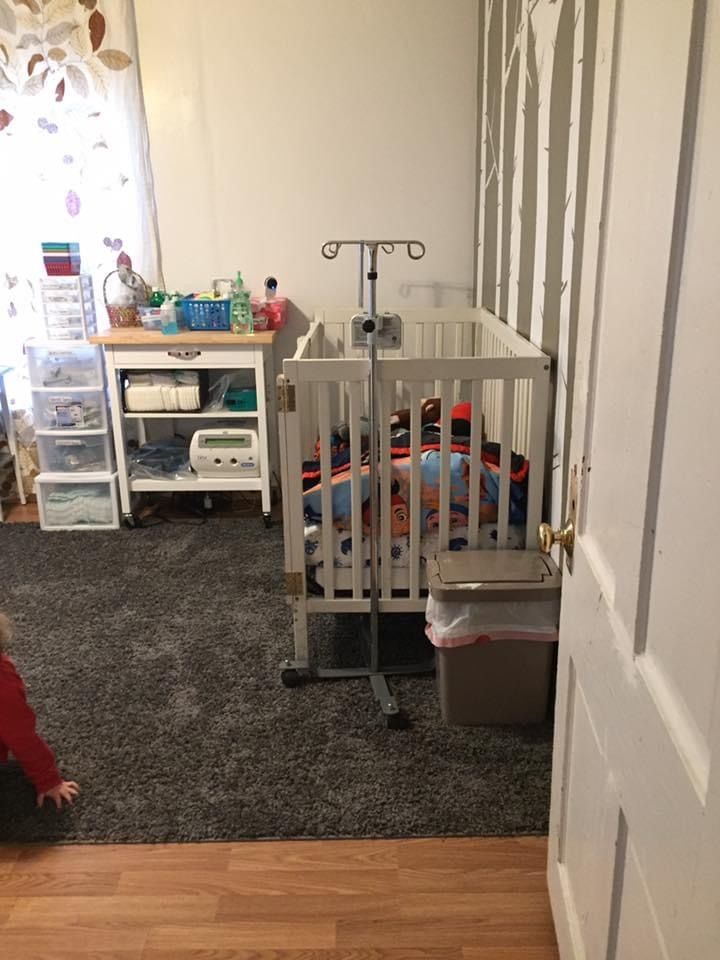
If you decide to use a bassinet first, one question naturally follows: how do you help your baby adjust to a crib?
Fortunately, most babies adapt surprisingly well when the transition happens at the right time.
Rather than waiting until your baby has completely outgrown the bassinet, consider introducing the crib gradually.
Allow your baby to take daytime naps in the crib before making it their primary nighttime sleeping space.
This gives them time to become familiar with the new environment without changing their entire routine overnight.
Maintaining familiar bedtime habits also helps.
Continue using the same bedtime routine, sleep sack, white noise, or lullaby so the sleeping environment feels consistent even though the bed has changed.
Some babies adjust within a day or two, while others need a little more time.
Patience and consistency usually make the transition much smoother than parents expect.
Final Thoughts Before You Buy
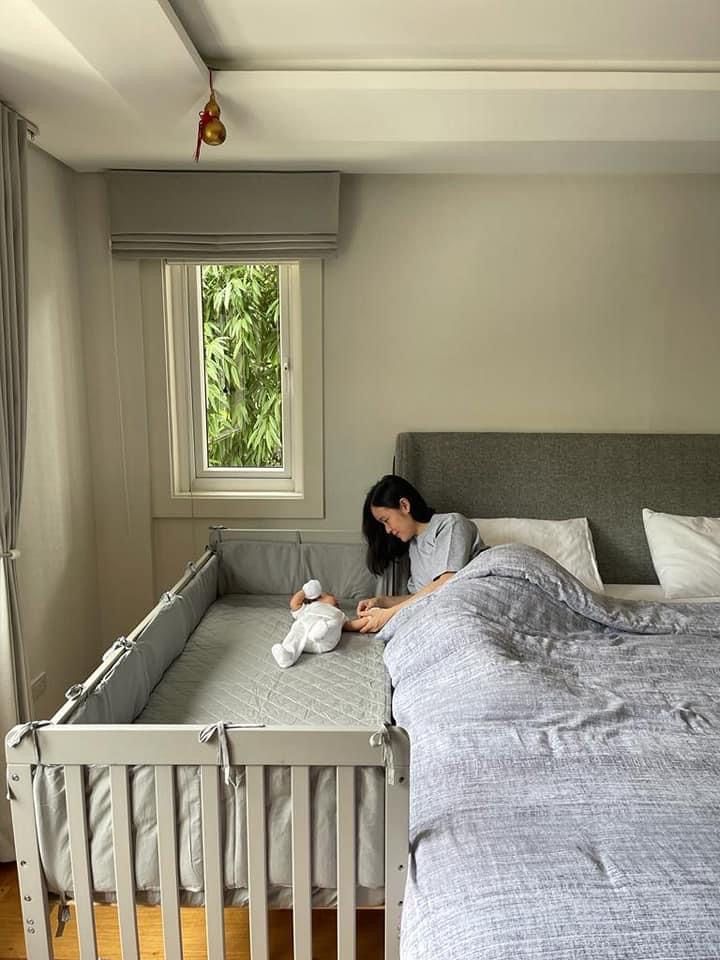
It’s easy to become overwhelmed while shopping for baby products.
Every brand promises better sleep, greater comfort, or additional features that seem impossible to ignore.
Instead of focusing on extras, begin with the basics.
Ask yourself which option will make everyday life easier during your baby’s first year.
Consider your available space, your budget, your recovery after birth, and how long you expect to use the sleeping space.
If your nursery is small and you expect to move frequently between rooms during the day, a bassinet may provide the flexibility you need.
If you’d rather make one investment that lasts for years, a crib may offer better long-term value.
Neither choice makes someone a better parent.
What matters most is providing a safe sleep environment, following current safety recommendations, and creating routines that work well for your family.
As your child grows, you’ll discover that parenting involves many similar decisions.
There will rarely be one perfect answer. Instead, you’ll continue choosing the options that best fit your family’s unique needs, making small adjustments along the way.
Those thoughtful decisions, combined with plenty of love, patience, and preparation create a home where your baby can grow, sleep, and thrive with confidence.




9 Comments