What Not to Pack in Your Hospital Bag
Packing your hospital bag is one of those pregnancy milestones that makes your baby’s arrival feel much closer.
By the time you reach the final weeks of pregnancy, you’ve probably come across countless hospital bag checklists online.
Some recommend bringing only a few essentials, while others suggest packing enough items to fill an entire suitcase.
It’s no surprise that many parents end up wondering what’s actually necessary and what can safely stay at home.
The truth is that overpacking is one of the most common mistakes expectant parents make.
Most hospitals already provide many of the basic supplies you’ll need during labor and your recovery, which means bringing too much often creates unnecessary stress.
A heavy bag can be difficult to organize, takes up valuable space in your hospital room, and makes it harder to find the items you genuinely need when the time comes.
Instead of focusing on bringing everything “just in case,” it’s far more helpful to pack with purpose.
Understanding what you can leave behind allows you to create a lighter, more organized bag that supports a smoother hospital experience for you, your baby, and your support person.
By the time you finish reading, you’ll know exactly which items usually aren’t worth packing, why they often go unused, and how to avoid one of the biggest hospital bag mistakes first-time parents make.
You’ll also discover practical tips for packing smarter so you can spend less time worrying about your luggage and more time preparing to meet your little one.
Why Most Parents Overpack

One of the biggest reasons parents overpack is simple; they don’t know what the hospital will already provide. After reading different checklists online or hearing advice from friends and family,
it’s easy to assume you need to prepare for every possible situation. Before long, your hospital bag starts filling with items you may never even take out.
Another common reason is wanting to be prepared for every “what if.”
While it’s natural to think ahead, labor and delivery are usually supported by a healthcare team that already has access to medical equipment, newborn supplies, and many of the everyday necessities you’ll need during your stay.
Packing everything you own rarely makes the experience easier.
Overpacking can also make it difficult to stay organized. Instead of quickly reaching for your phone charger, toiletries, or your baby’s first outfit. You
may find yourself searching through clothes, extra shoes, bulky towels, and other items that didn’t really need to come along.
A well-packed hospital bag isn’t about having the most items, it’s about having the right ones.
Choosing quality over quantity helps you stay organized, reduces stress, and makes it much easier for your partner or support person to find what you need without unpacking the entire bag.
If you’ve already started putting together your hospital bag, now is a good opportunity to remove anything that doesn’t serve a clear purpose.
You’ll likely find that carrying less actually helps you feel more prepared.
Large Toiletry Bottles

Full-sized shampoo, conditioner, body wash, and lotion bottles take up much more space than most parents realize.
Since hospital stays after a routine birth are often relatively short, travel-sized toiletries are usually more than enough.
Many hospitals also provide basic personal care items, so bringing large bottles often means carrying extra weight for products you’ll barely use.
Instead, transfer your favorite products into small travel containers if you prefer using familiar brands during your stay.
The same idea applies to skincare products. You probably won’t need your complete morning and evening skincare routine while recovering from childbirth.
Packing a gentle face cleanser, moisturizer, lip balm, toothbrush, toothpaste, and deodorant is usually sufficient for most parents.
Choosing smaller toiletries also leaves more room for the items you’ll actually appreciate having close by, especially during recovery.
Too Many Changes of Clothes

It’s understandable to want plenty of clothing options, especially if you’re unsure how long you’ll stay in the hospital.
However, many first-time parents pack enough outfits for an entire week when they’ll likely only stay for a day or two after an uncomplicated birth.
A couple of comfortable outfits, sleepwear, underwear, socks, and a comfortable going-home outfit are usually all you’ll need.
Packing far more than that often means carrying clothes that remain folded in your bag from admission until discharge.
Loose, comfortable clothing is far more important than having multiple outfit choices.
Focus on items that are easy to wear, especially if you’re planning to breastfeed or recover from a cesarean birth.
If your hospital stay becomes longer than expected, your partner or a family member can usually bring additional clothing from home if necessary.
Expensive Jewelry and Valuables

The hospital is a place to focus on your health, your baby, and your recovery, not on worrying about valuable belongings.
Expensive jewelry, designer watches, large amounts of cash, or sentimental items are usually best left safely at home.
During labor, you may remove rings, necklaces, bracelets, or earrings for comfort or medical reasons.
In the excitement that follows your baby’s birth, it’s surprisingly easy for small valuables to be misplaced.
Instead of bringing expensive accessories, wear only the essentials.
If you normally wear valuable jewelry every day, consider leaving it at home until you’re ready to return after your hospital stay.
The fewer valuables you carry, the fewer things you’ll have to keep track of while caring for your newborn.
Bulky Towels and Extra Blankets
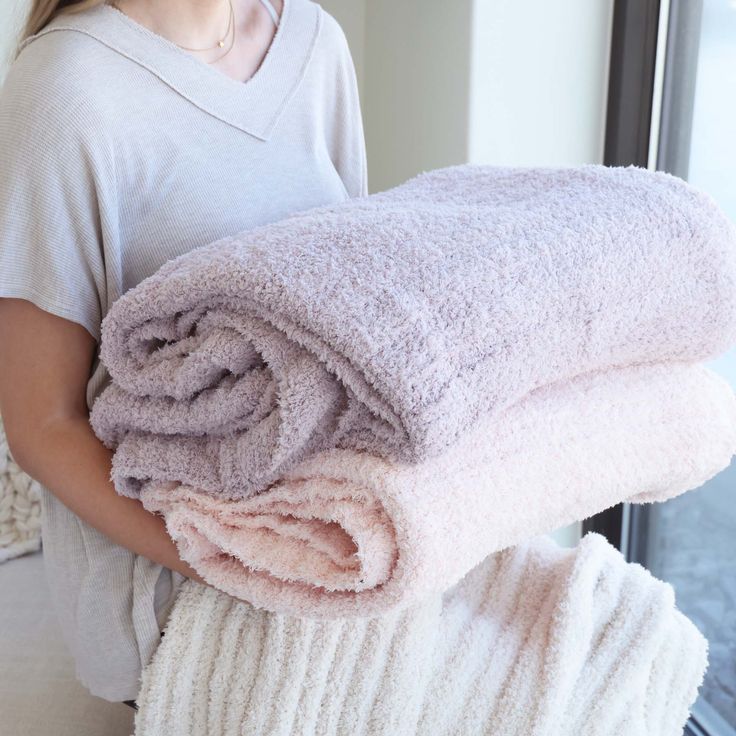
Many parents assume they’ll be more comfortable using their own towels and blankets, but hospitals almost always provide clean towels, blankets, pillows, and bedding throughout your stay.
Large towels take up a surprising amount of room inside your hospital bag, and thick blankets can make your luggage unnecessarily heavy.
Unless your healthcare provider has recommended bringing a specific comfort item, it’s usually better to use the supplies already available.
If having something familiar helps you relax, consider bringing one small blanket or a favorite pillow instead of several bulky bedding items.
A colorful pillowcase can also help distinguish your pillow from the hospital’s linens while adding a small touch of home.
Keeping bulky items out of your bag creates extra space for things you’ll reach for much more often.
Too Many Baby Clothes
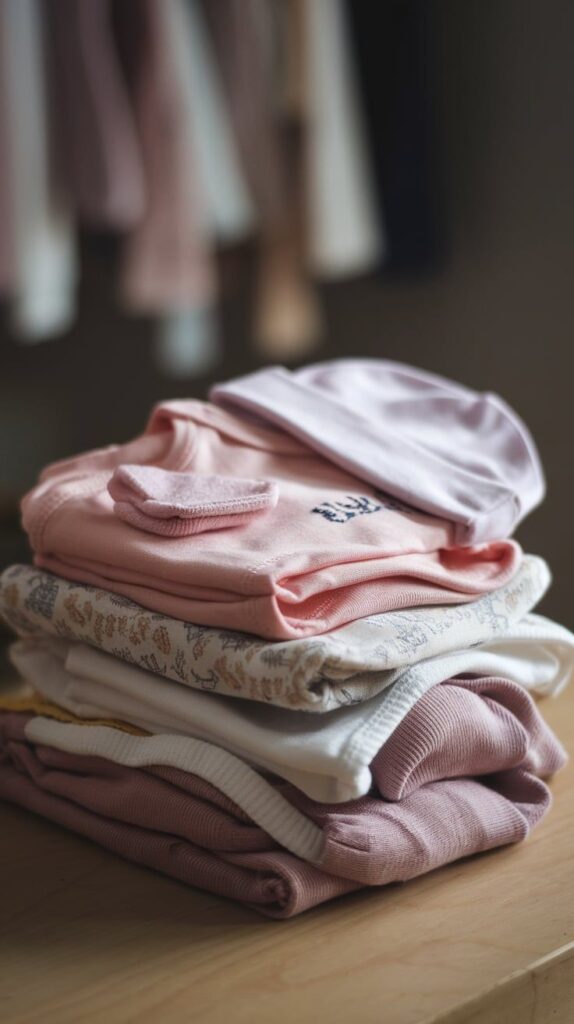
It’s easy to get excited about dressing your newborn, especially after spending months choosing adorable baby clothes.
However, your baby won’t need an entire wardrobe during a short hospital stay.
For most families, newborn outfits, a warm hat, socks or booties, and a comfortable going-home outfit are enough.
Depending on your hospital, blankets, diapers, and even simple clothing may already be provided during your stay.
Choosing soft, practical clothing makes dressing your baby much easier, especially during those first few hours when everyone is still adjusting.
Remember that newborns grow quickly, and hospital stays are usually brief.
Save the larger collection of outfits for the weeks ahead when you’ll have more opportunities to enjoy dressing your little one.
Hair Styling Tools You Probably Won’t Use

Hair dryers, curling irons, straighteners, and other styling tools often seem like good ideas while you’re packing.
In reality, most parents never take them out of the bag.
After giving birth, your attention naturally shifts toward resting, recovering, feeding your baby, and spending time together as a family.
Styling your hair usually becomes much less important than simply feeling comfortable.
If you’d like to freshen up before visitors arrive or before taking your baby’s first family photos, a hairbrush, a few hair ties, and a small amount of your favorite hair product are usually all you need.
Leaving bulky styling tools at home keeps your hospital bag lighter and frees up space for more practical essentials.
Books, Laptops, and Other Entertainment You May Never Use

Many parents imagine they’ll have plenty of quiet time to catch up on reading, watch movies, or work on a laptop while they’re at the hospital.
In reality, labor, recovery, medical checks, feeding your baby, and getting as much rest as possible usually fill most of your day.
A single book, tablet, or your mobile phone is often enough if you’d like something to help pass the time.
Packing several novels, a laptop, or multiple electronic devices usually adds unnecessary weight without being used.
Your phone will probably become your main source of entertainment.
It allows you to stay in touch with family, take photos of your newborn, listen to relaxing music, and keep important contact information close by.
If you’re bringing electronics, remember to pack only what you’ll realistically use during your stay.
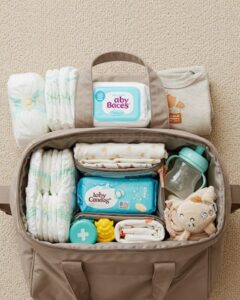
Large Packs of Diapers and Baby Supplies
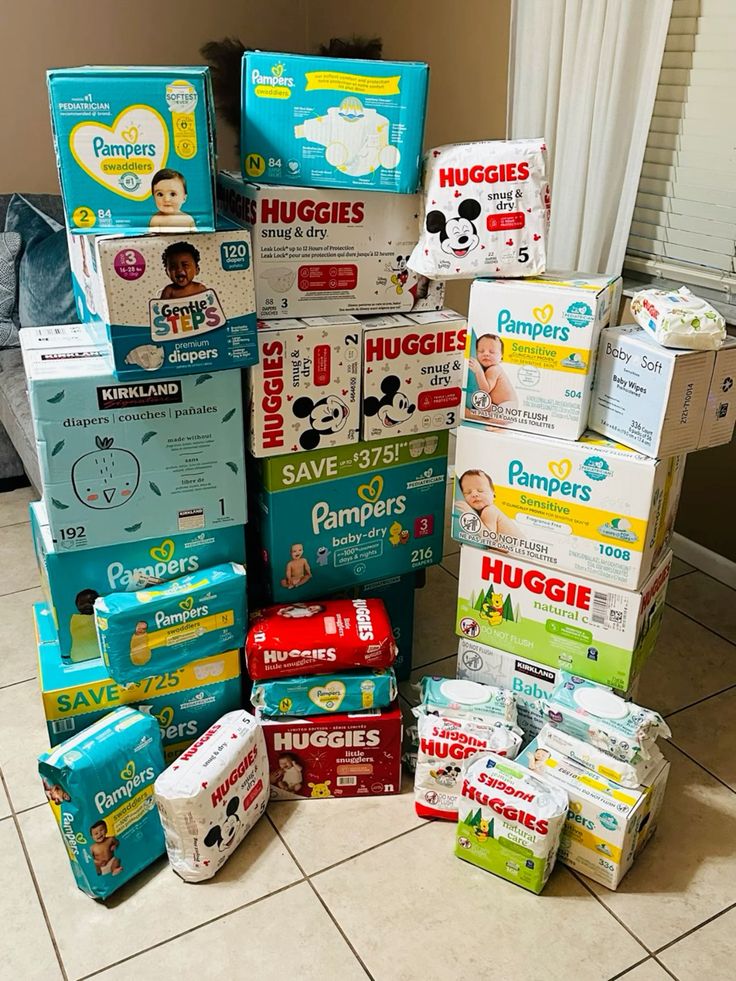
It’s common for first-time parents to worry about running out of diapers, wipes, or other baby care products.
Due to this, some families pack large boxes that take up half the hospital bag.
Most maternity hospitals provide basic newborn supplies during your stay, although exactly what is included can vary.
Before packing, check with your hospital to find out what they’ll provide.
You may discover that many of the items on your checklist are already available.
If your hospital asks parents to bring certain supplies, pack only the amount you’ll need for your expected stay instead of bringing unopened bulk packages.
A smaller, well-organized baby bag is much easier to carry and leaves enough room for your own essentials.
Too Much Food

Packing a few snacks is a smart idea, especially for your partner or support person.
Filling an entire bag with food, however, usually isn’t necessary.
Hospitals provide meals for patients, and many have cafés or vending machines available for visitors.
Bringing enough snacks for several days simply takes up valuable space that could be used for more important items.
Choose foods that are easy to carry, don’t require refrigeration, and won’t create a mess.
Granola bars, crackers, trail mix, dried fruit, and bottled water are usually practical choices.
If you have dietary restrictions, it’s worth asking your hospital what meal options are available before your due date so you can pack accordingly.
Baby Gear You Won’t Need Right Away
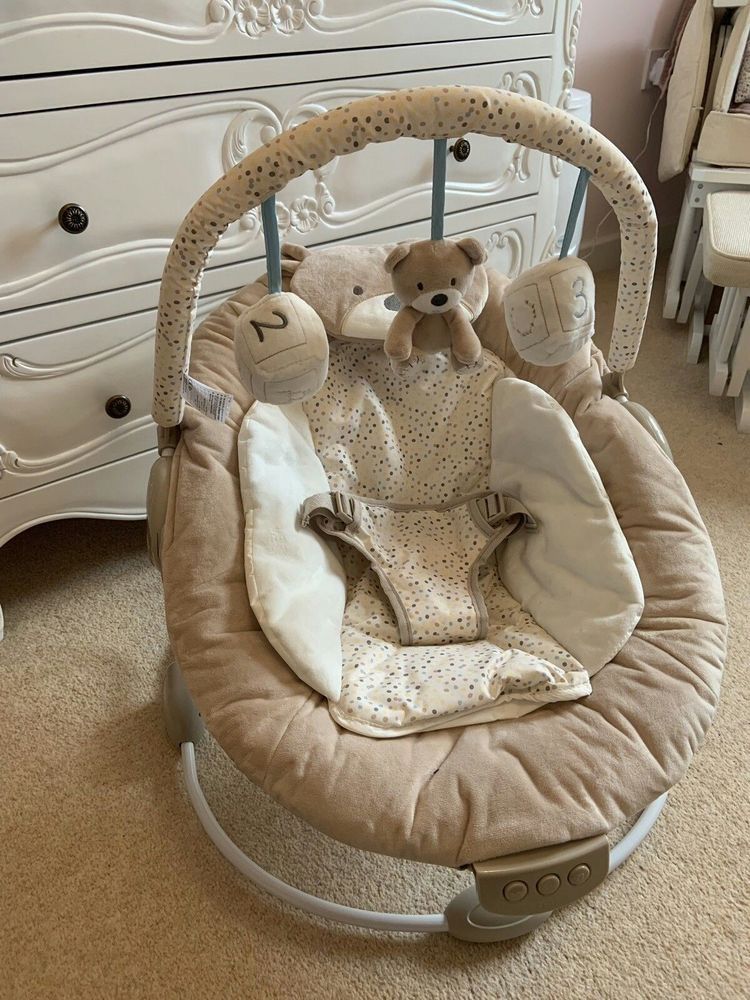
New parents sometimes pack baby swings, nursing pillows, large toys, bottle sterilizers, or bulky feeding equipment because they want to be prepared for every possibility.
The reality is that your baby will spend most of their hospital stay sleeping, feeding, and being held.
Large pieces of baby equipment simply aren’t necessary during those first couple of days.
Focus on bringing only the essentials your hospital recommends.
If you plan to bottle-feed, ask your healthcare provider what you’ll need because many hospitals provide feeding supplies while you’re there.
Saving the larger baby gear for home makes packing much simpler and helps keep your hospital room free from unnecessary clutter.
Packing “Just in Case” Items

One of the easiest ways to overpack is by adding items simply because you might need them.
While it’s good to be prepared, filling your hospital bag with things that have no clear purpose usually creates more clutter than convenience.
Before placing anything in your bag, ask yourself a simple question:
“Will I realistically use this during a typical hospital stay?” If the answer is probably not, it may be better to leave it at home.
For example, several extra pairs of shoes, multiple handbags, large makeup kits, bulky pillows, and extra electronics often stay untouched from the day you arrive until you’re discharged.
If you unexpectedly need something, your partner, a friend, or a family member can usually bring it to the hospital later.
Packing with intention doesn’t mean you’re underprepared, it means you’re focusing on the items that will genuinely make your stay more comfortable and organized.
A Simple Way to Decide What Stays and What Goes

If you’re unsure about an item, use the “need, comfort, or convenience” method.
Ask yourself these three questions:
- Do I need it? These are essential items like identification, important documents, prescribed medications, comfortable clothing, and toiletries.
- Will it make me more comfortable? A favorite pillow, lip balm, headphones, or a reusable water bottle may not be essential, but they can make your hospital stay more pleasant.
- Is it simply convenient? If the item is nice to have but easy for someone to bring later, it probably doesn’t need to take up space in your bag.
This simple approach helps you avoid packing based on emotion or uncertainty.
Instead, you’ll end up with a hospital bag that’s practical, organized, and much easier to manage when labor begins.
Feeling Ready Without Carrying Too Much

Packing your hospital bag isn’t about fitting as many items as possible into one suitcase.
It’s about making thoughtful choices that help you feel prepared without creating unnecessary stress.
By leaving behind bulky, duplicate, or rarely used items, you’ll have a bag that’s easier to carry, easier to organize, and much easier to use when you arrive at the hospital.
Remember that your healthcare team is there to support you, and most hospitals already provide many of the basic supplies you’ll need during your stay.
Instead of worrying about bringing everything you own, focus on the essentials that will keep you comfortable, help you care for your newborn, and support a smoother recovery.
As your due date approaches, take one final look through your hospital bag before placing it by the door or in your car.
Removing a few unnecessary items today can make a noticeable difference on the day you finally head to the hospital.
A lighter bag, a clear plan, and a calm mindset will help you focus on what matters most, welcoming your baby into the world.