

How to Prepare Your Cat for Baby’s Arrival
Disclosure: Some of the links in this post are affiliate links. This means if you click on the link and purchase an item, I will receive an affiliate commission at no extra cost to you.
Expecting a baby is an exciting milestone, but it also brings many changes to your home.
While you’re probably focused on decorating the nursery, attending prenatal appointments, and gathering baby supplies, there’s another family member who needs preparation too, your cat.
Cats are creatures of habit. They rely on familiar routines, predictable environments, and spaces where they feel safe.
Even small changes around the house can affect their behavior.
Bringing home a newborn introduces new smells, unfamiliar sounds, different schedules, and plenty of visitors, all of which can leave your cat feeling uncertain if they aren’t prepared in advance.
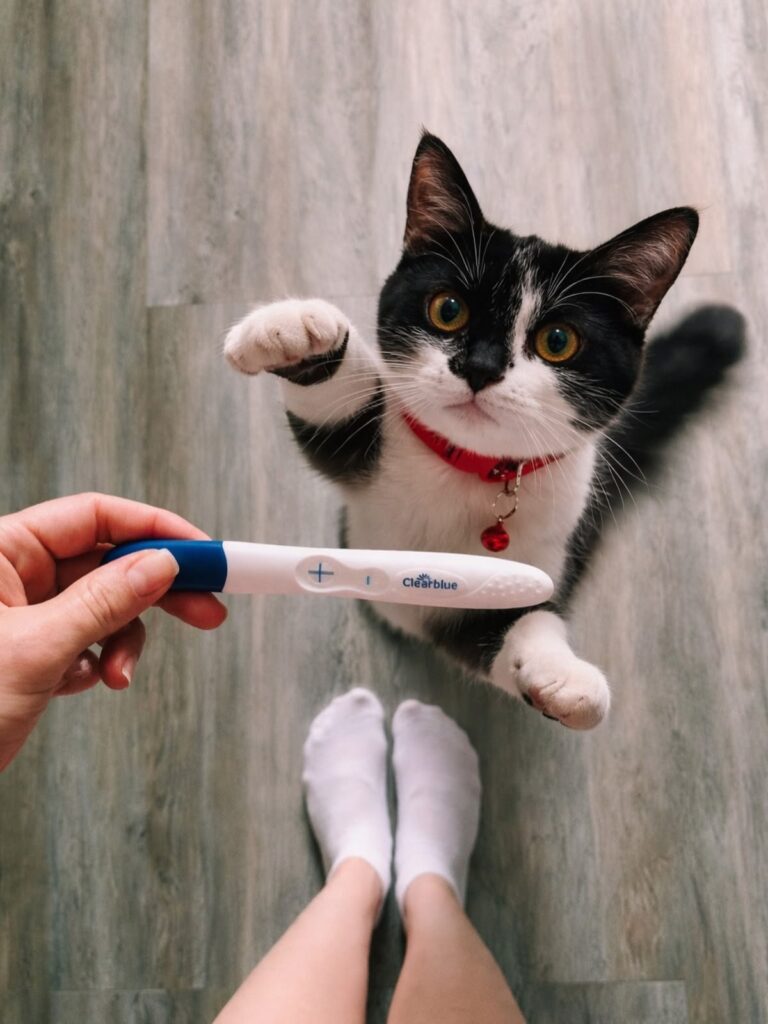
The good news is that most cats adapt well when changes happen gradually.
By giving your cat time to adjust before your baby arrives, you can reduce stress, prevent unwanted behaviors, and create a calmer environment for everyone.
Preparation also helps you feel more confident knowing you’ve considered both your baby’s safety and your pet’s well-being.
Introducing a cat to a newborn isn’t about forcing them to become best friends overnight.
Instead, it’s about helping your cat accept the newest member of the family while continuing to feel secure in their place within the home.
Patience, consistency, and positive experiences go much further than sudden changes or punishment.
Every cat has a different personality. Some are naturally curious and social, while others prefer quiet spaces and limited interaction.
Age, temperament, health, and previous experiences all influence how they respond to a baby.
Rather than comparing your cat to someone else’s pet, focus on understanding their individual needs.
This guide explains how to prepare your cat for your baby’s arrival, reduce stress during the transition, and encourage safe, positive interactions that support a happy home for years to come.
Start Preparing Before Your Baby Arrives
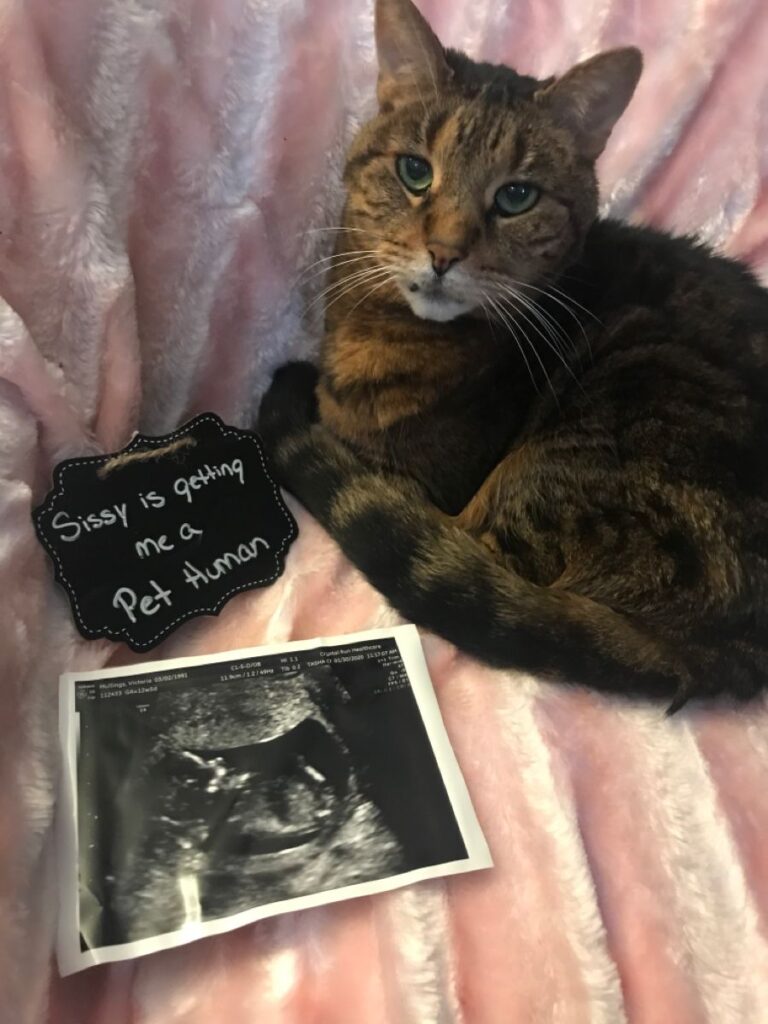
The best time to prepare your cat isn’t after your baby is born, it’s during pregnancy.
Gradual changes give your cat enough time to adapt without feeling overwhelmed.
Cats often notice changes before people realize they do.
They may become curious about new furniture, notice different scents around the home, or react to changes in your daily routine.
Preparing early helps these adjustments feel normal rather than sudden.
If you’re already planning for delivery and organizing everything you’ll need before birth, it’s worth thinking about your cat’s routine at the same time.
Small changes introduced over several weeks are usually much easier for cats to accept than dramatic overnight adjustments.
Start by observing your cat’s daily habits.
Ask yourself:
- Where do they sleep?
- Which rooms do they spend the most time in?
- Are there places that will become part of the nursery?
- Will feeding or playtime schedules change after the baby arrives?
Knowing the answers helps you prepare your cat gradually instead of reacting once your newborn is already home.
Help Your Cat Adjust to Changes Around the House
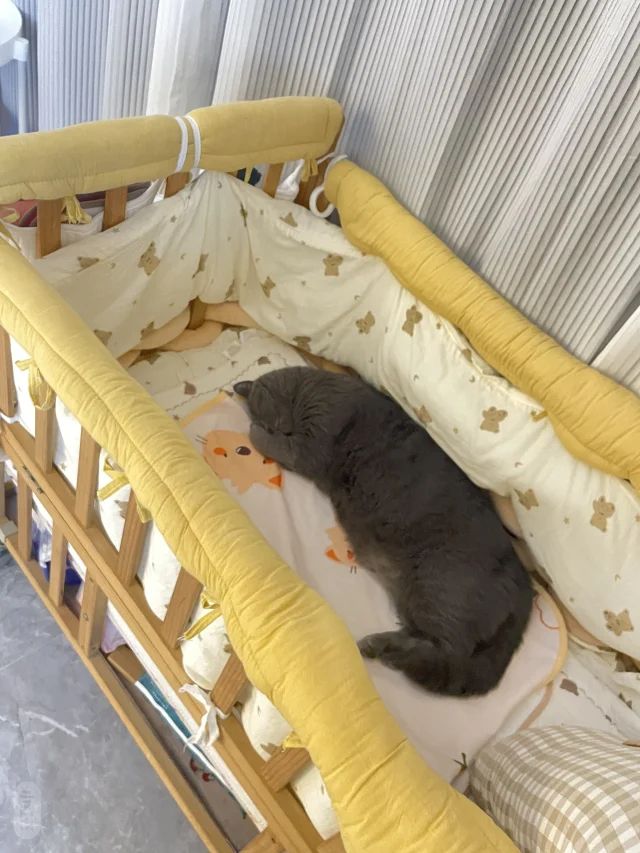
Many expecting parents transform an extra room into a nursery during pregnancy.
While it’s exciting to decorate, your cat may see the room differently.
A space they once enjoyed could suddenly become filled with unfamiliar furniture, decorations, and scents.
Rather than shutting the door immediately, allow your cat to investigate while you supervise.
Let them:
- Sniff the crib.
- Explore the changing table.
- Walk around the room.
- Become familiar with new furniture.
- Observe you spending time there.
Once your nursery is complete, you can begin teaching gentle boundaries if there are areas you’d rather your cat avoid, such as sleeping inside the crib.
Cats respond much better to gradual training than sudden restrictions.
If you’re still planning your baby’s room, organizing everything before your due date makes the transition smoother for both your family and your pet.
Introduce Baby Furniture and Equipment Gradually
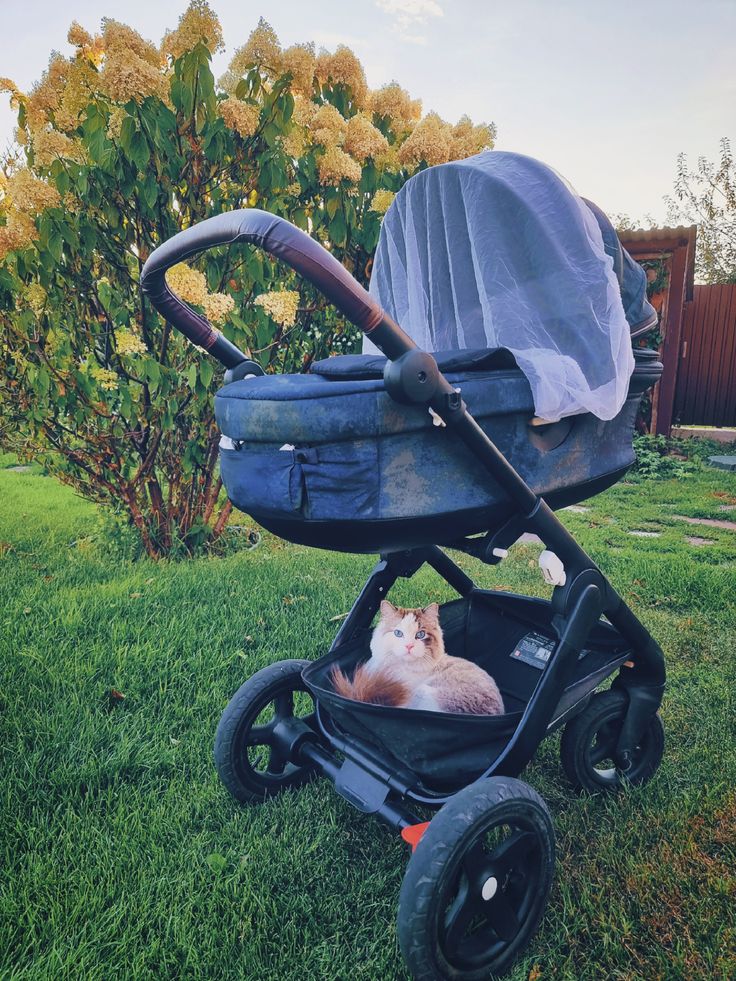
Your cat won’t just notice the nursery. They’ll also encounter equipment they’ve never seen before.
Items such as:
- Strollers
- Bassinets
- Baby swings
- Rocking chairs
- Baby carriers
- Play mats
- Changing stations
can all seem unusual.
Instead of storing everything until the last minute, assemble baby equipment early and allow your cat to investigate naturally.
Push the stroller around your home.
Rock the baby chair occasionally.
Carry the baby carrier from room to room.
These small experiences help your cat understand that these objects are simply becoming part of everyday life rather than something to fear.
Help Your Cat Become Familiar With Baby Sounds
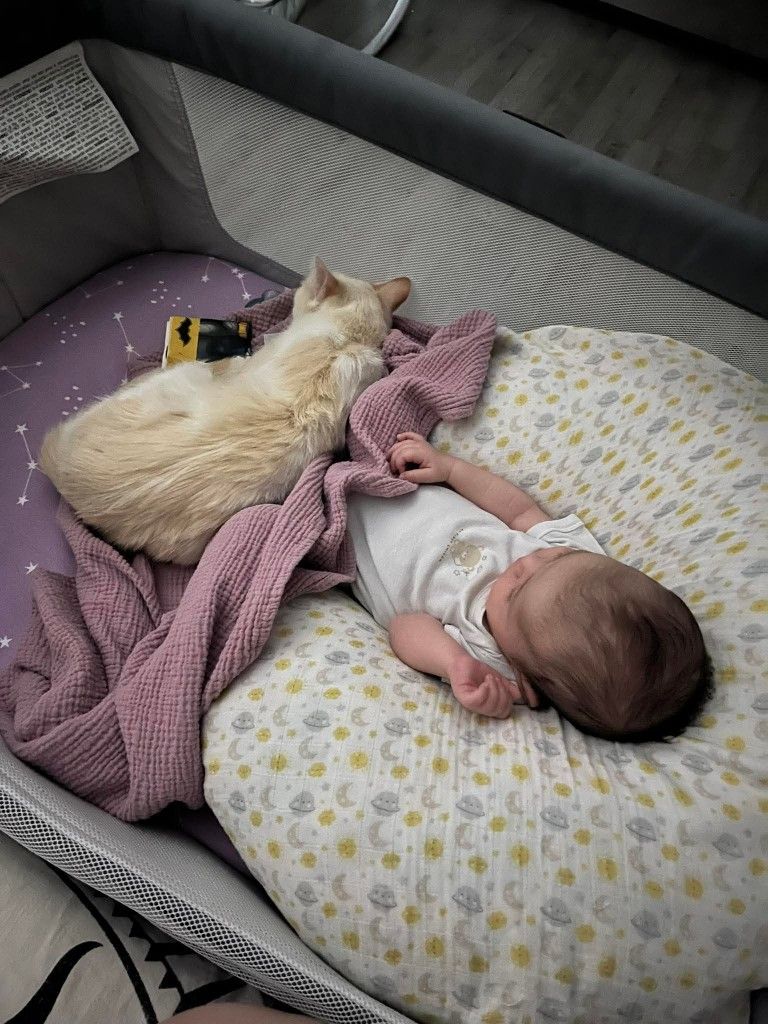
Cats may not react to noise in the same way dogs do, but they can still become unsettled by unfamiliar sounds.
A newborn’s cries, hiccups, coos, and sudden squeals can interrupt your cat’s normal routine, especially if your home has always been relatively quiet.
Instead of waiting until your baby arrives, gradually introduce these sounds during your pregnancy.
Play recordings of baby noises at a low volume while your cat is relaxed.
Keep the sessions short at first, then slowly increase the volume over several weeks.
You can introduce sounds such as:
- Crying.
- Cooing.
- Sneezing.
- Hiccups.
- Giggling.
- Babbling.
While the sounds are playing, reward your cat with treats, gentle affection, or a favorite toy if they
Set Boundaries Before Your Baby Comes Home
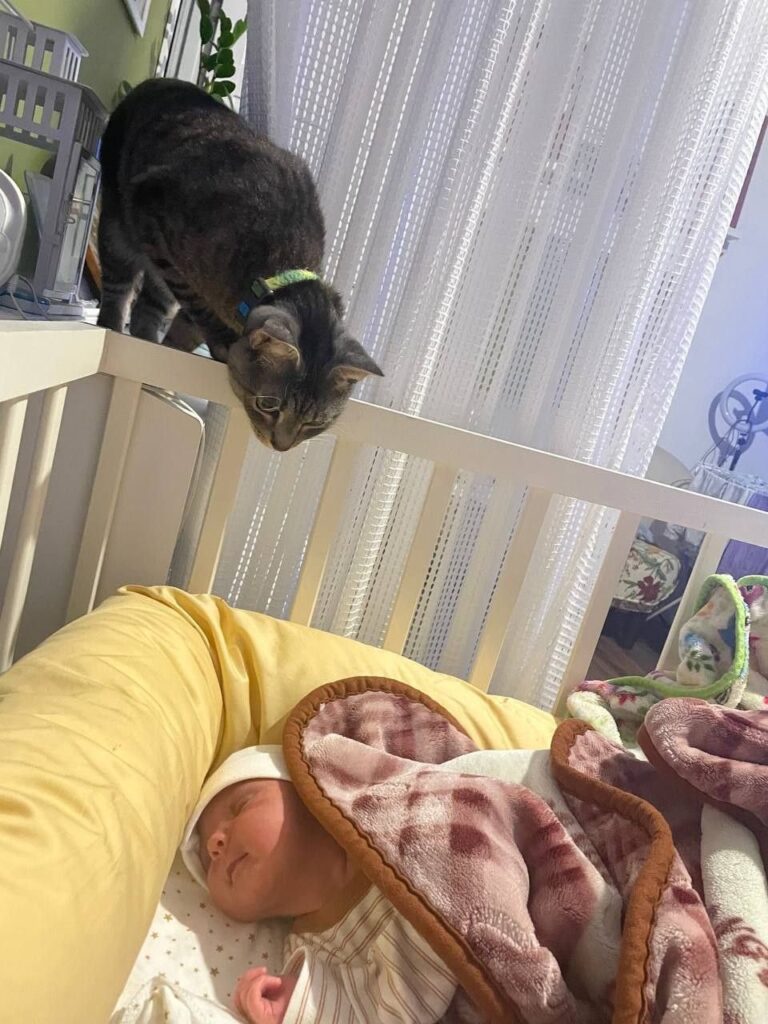
Cats learn routines through consistency. If there are places you don’t want your cat to access after the baby arrives, begin teaching those boundaries well before your due date.
For example, decide whether your cat will be allowed to:
- Enter the nursery.
- Sleep in your bedroom.
- Jump onto nursery furniture.
- Climb into the crib or bassinet.
Changing these rules after your baby is born may cause your cat to associate the restrictions with the newborn.
Instead, introduce the new expectations gradually.
You can use:
- Closed doors during certain hours.
- Baby gates where appropriate.
- Positive reinforcement for staying in approved areas.
- Comfortable alternatives like cat trees or cozy beds.
Giving your cat another attractive place to rest often works much better than constantly telling them “no.”
Keep Your Cat’s Routine as Consistent as Possible
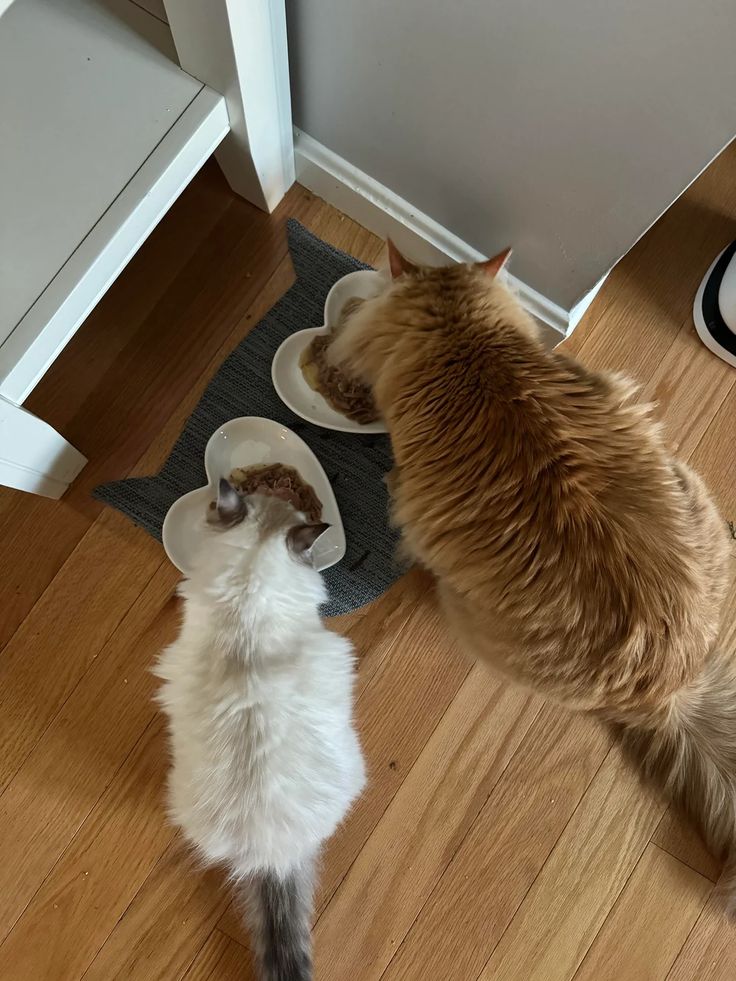
Cats thrive on predictability. Even small disruptions to their schedule can lead to stress-related behaviors.
As your due date approaches, think about what your daily routine will realistically look like after your baby arrives.
Ask yourself:
- Will feeding happen at different times?
- Will someone else clean the litter box?
- Will playtime become shorter?
- Will your cat spend less time with you?
If changes are unavoidable, introduce them gradually over several weeks instead of overnight.
Maintaining familiar routines helps your cat feel secure, even as your family grows.
If you’ll need additional help during those first few weeks, arranging support ahead of time can make caring for both your newborn and your pet much less stressful.
Bring Home Your Baby’s Scent Before the First Meeting

A cat’s sense of smell is one of the primary ways they gather information about their environment.
Before your baby comes home, ask your partner or another trusted family member to bring home an item that carries your newborn’s scent.
This could include:
- A receiving blanket.
- A baby hat.
- A swaddle.
- A onesie.
Place the item somewhere your cat can approach voluntarily.
Allow them to investigate without forcing interaction.
If your cat calmly sniffs the item and walks away, that’s perfectly fine.
Curiosity without fear is exactly what you’re hoping to encourage.
This simple step helps make your baby’s scent familiar before the first face-to-face introduction.
Create Safe Spaces for Both Your Cat and Your Baby
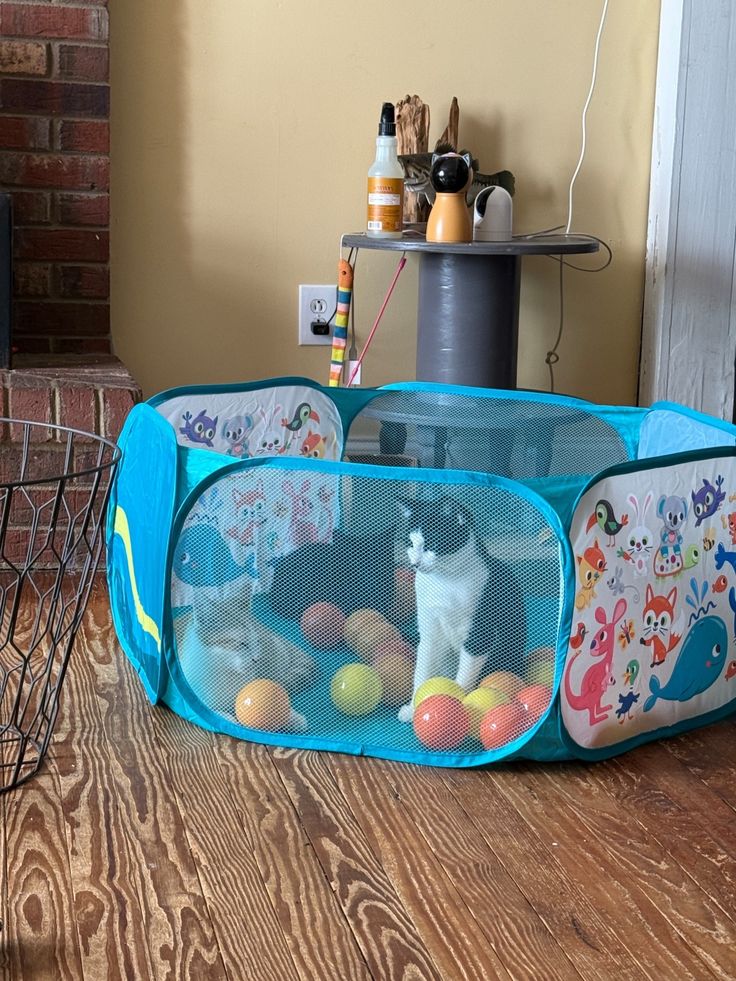
One of the easiest ways to reduce stress is by making sure everyone has their own space.
Your newborn needs a safe nursery and sleeping area.
Your cat also needs a quiet place where they can relax without being disturbed.
A comfortable cat retreat might include:
- Their favorite bed.
- Scratching post.
- Water bowl.
- Toys.
- Window perch.
- Covered hiding space.
Never force your cat to spend time near the baby.
Likewise, don’t allow your cat unrestricted access to your baby’s sleeping area.
Baby gates and closed nursery doors can help establish healthy boundaries while still allowing your cat to remain part of family life.
If you’re organizing your baby’s room, keeping everyday supplies within easy reach also reduces unnecessary movement during feeding and diaper changes.
Discourage Jumping Into Baby Equipment
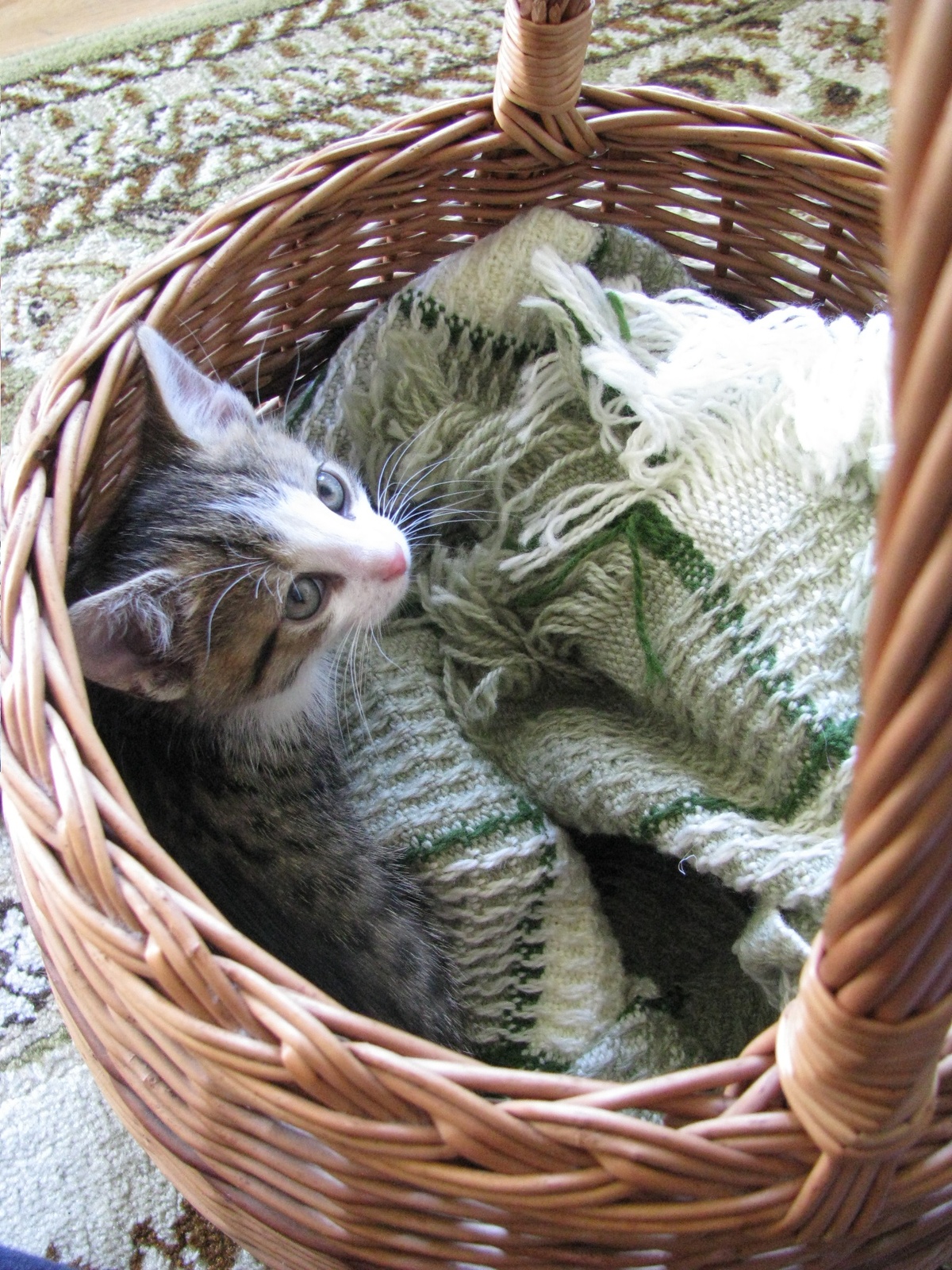
Cats naturally enjoy climbing onto elevated, soft, and warm surfaces.
Unfortunately, bassinets, cribs, changing tables, and strollers often seem like perfect resting spots.
Rather than waiting until your baby arrives, begin teaching your cat which areas are off-limits.
You can discourage unwanted behavior by:
- Keeping nursery doors closed when possible.
- Providing attractive alternative sleeping spots.
- Using positive redirection instead of punishment.
- Rewarding your cat for resting in approved locations.
Avoid yelling or spraying water.
Punishment often increases anxiety without teaching the desired behavior.
Instead, calmly redirect your cat toward their own bed or favorite perch whenever necessary.
Preparing these boundaries before birth helps prevent confusion later.
Schedule a Veterinary Check-Up Before Your Due Date
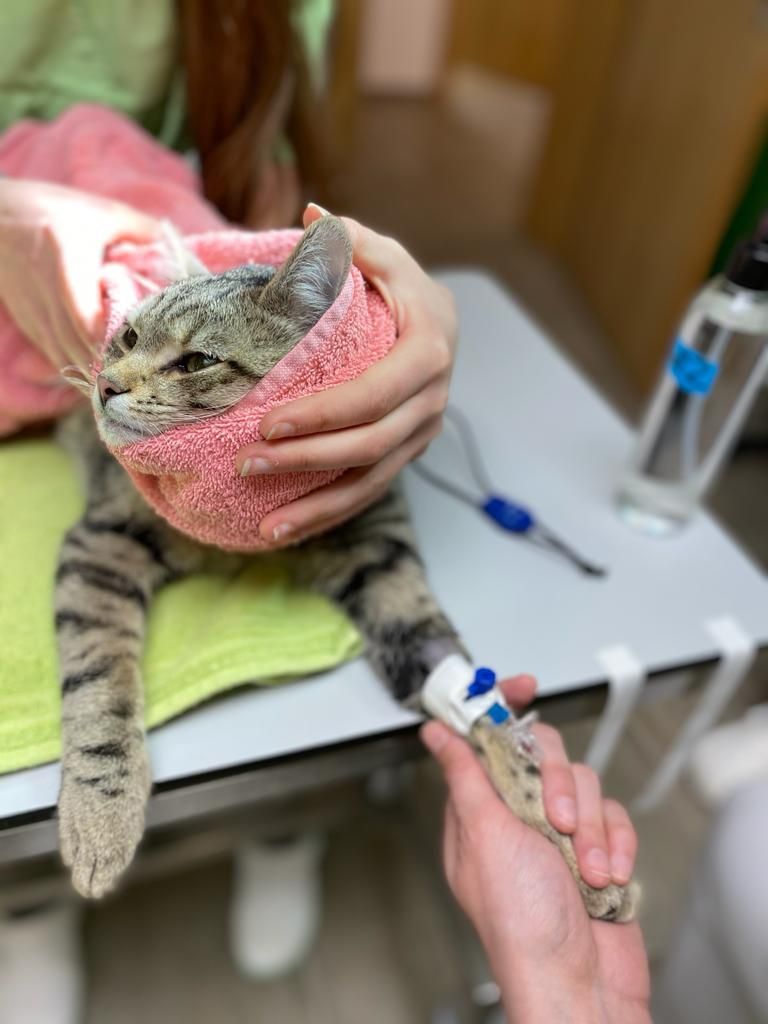
Pregnancy is the perfect time to make sure your cat is healthy.
Arrange a routine veterinary visit several weeks before your expected delivery date.
During the appointment, your veterinarian can:
- Update vaccinations if appropriate.
- Check for parasites.
- Examine your cat’s overall health.
- Discuss any behavioral concerns.
- Recommend preventive care if needed.
Healthy cats are generally better equipped to handle stressful life changes.
If your veterinarian notices any medical problems early, you’ll have time to address them before your newborn arrives.
This appointment also provides an opportunity to ask questions about safely introducing your cat to your baby.
Prepare for the First Meeting Between Your Cat and Baby
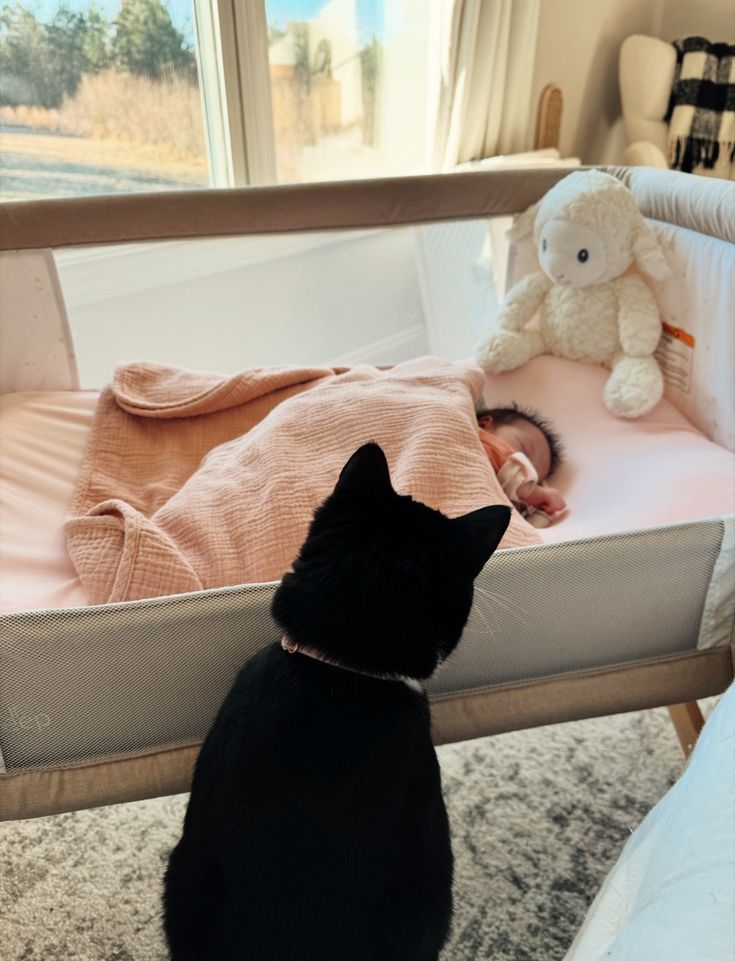
The first introduction is important, but it doesn’t need to be dramatic.
In fact, the calmer it is, the better.
Before bringing your baby into the house, give your cat a chance to relax.
Feed them as usual, clean the litter box, and spend a few minutes playing or cuddling if they enjoy attention.
A calm cat is much more likely to respond positively than one that’s anxious or overstimulated.
When you arrive home:
- Keep voices calm.
- Avoid inviting too many visitors at the same time.
- Let your cat approach at their own pace.
- Never carry your cat directly to the baby.
- Reward calm curiosity with praise or treats.
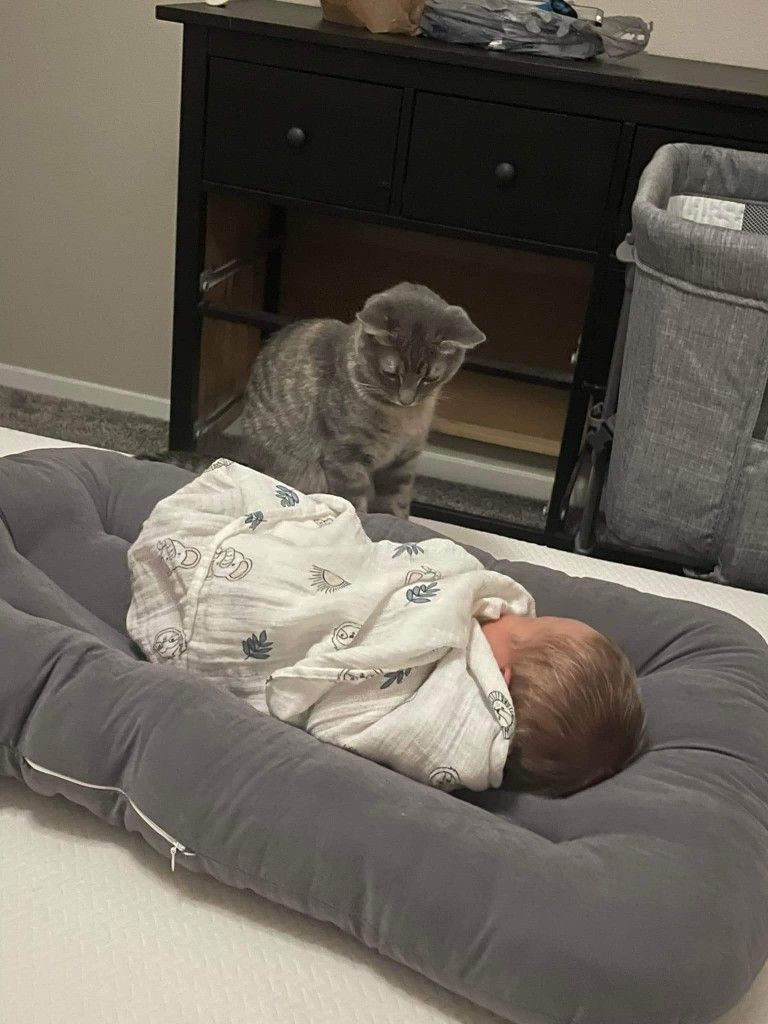
Your cat may simply glance at the baby and walk away. That’s perfectly normal.
Some cats prefer watching from across the room before deciding whether they’re interested.
Others may sniff the baby’s blanket and return to their favorite sleeping spot.
The goal isn’t instant friendship. It’s creating a positive first experience that builds trust over time.
If you’re also planning your baby’s first days at home, thinking through your newborn welcome plans in advance can help keep those first introductions calm and organized instead of overwhelming.
Always Supervise Interactions
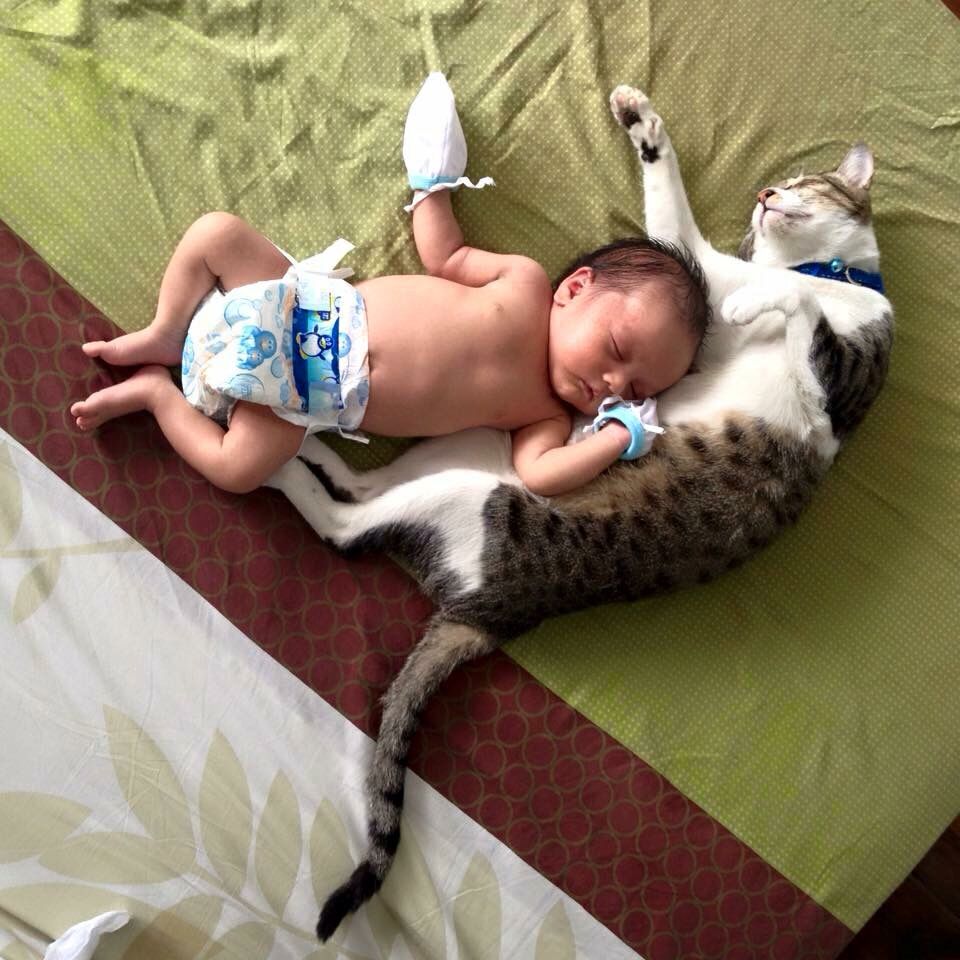
Even the friendliest cat should never be left alone with a newborn.
This recommendation isn’t because cats are naturally dangerous.
Rather, babies and animals can both behave unpredictably.
A baby may suddenly cry, move unexpectedly, or wave their arms.
A startled cat may jump away quickly, scratch accidentally, or become frightened.
Whenever your cat and baby are together:
- Stay close enough to intervene.
- Watch your cat’s body language.
- Keep interactions short.
- End the interaction before either becomes uncomfortable.
As your baby grows into an infant and later a toddler, supervision becomes even more important because curious children often don’t understand how to interact gently with pets.
Constant supervision protects both your child and your cat while allowing their relationship to develop safely.
Learn Your Cat’s Body Language

Cats communicate through subtle body language long before they hiss or scratch.
Learning these signals helps you recognize when your cat feels relaxed and when they need space.
Signs your cat is comfortable include:
- Slow blinking.
- Relaxed ears.
- Gentle tail movements.
- Quiet purring.
- Normal grooming.
- Curious but calm behavior.
Signs your cat feels stressed may include:
- Flattened ears.
- Dilated pupils.
- Twitching tail.
- Hissing.
- Growling.
- Hiding.
- Swatting.
- Puffing up their fur.
Never punish your cat for showing signs of discomfort.
Instead, calmly separate them from the situation and give them time to settle.
Respecting your cat’s signals builds trust and reduces the likelihood of defensive behavior.
Reward Calm Behavior Around Your Baby

Cats learn through positive experiences.
Whenever your cat behaves calmly around your baby, reward that behavior immediately.
Good behaviors include:
- Sitting quietly nearby.
- Ignoring baby cries.
- Walking calmly through the room.
- Remaining relaxed during feedings.
- Sniffing the baby gently before walking away.
Rewards may include:
- Favorite treats.
- Gentle petting.
- Verbal praise.
- Interactive play.
- A favorite toy.
Positive reinforcement teaches your cat that good things happen when the baby is nearby.
Over time, your baby’s presence becomes another normal part of daily life rather than something to fear or avoid.
Consistency is much more effective than occasional rewards.
Give Your Cat Plenty of Attention

One reason some cats struggle after a baby arrives is that they suddenly receive far less attention.
While caring for a newborn is demanding, making time for your cat can prevent feelings of neglect.
You don’t need hours each day.
Even ten to fifteen minutes of focused attention can make a difference.
Simple ways to stay connected include:
- Brushing your cat.
- Playing with a feather toy.
- Offering puzzle feeders.
- Sitting quietly together.
- Giving gentle affection if your cat enjoys it.
If you’re feeling overwhelmed during the newborn stage, don’t hesitate to ask your partner or another family member to help with feeding or playtime.
Families preparing for solo parenting may also benefit from planning a reliable support network before the baby arrives so both the baby and family pets continue receiving consistent care.
Respect Your Cat’s Safe Space

Cats feel most secure when they have a quiet place to retreat whenever they want.
As exciting as a new baby may be, your cat shouldn’t feel as though every part of the house suddenly belongs to someone else.
Set aside an area where your cat can relax without interruptions. This might be:
- A favorite window perch.
- A cat tree.
- A quiet guest room.
- A cozy bed in a peaceful corner.
- A high shelf they can easily reach.
Teach family members to respect this space by leaving your cat alone when they choose to rest there.
Likewise, avoid allowing your baby to crawl into your cat’s resting area as they become more mobile.
Giving your cat an escape route reduces stress and helps prevent unwanted defensive behavior.
Baby gates can also help separate spaces while still allowing your cat to observe family activities from a comfortable distance.
Teach Your Child How to Respect the Cat
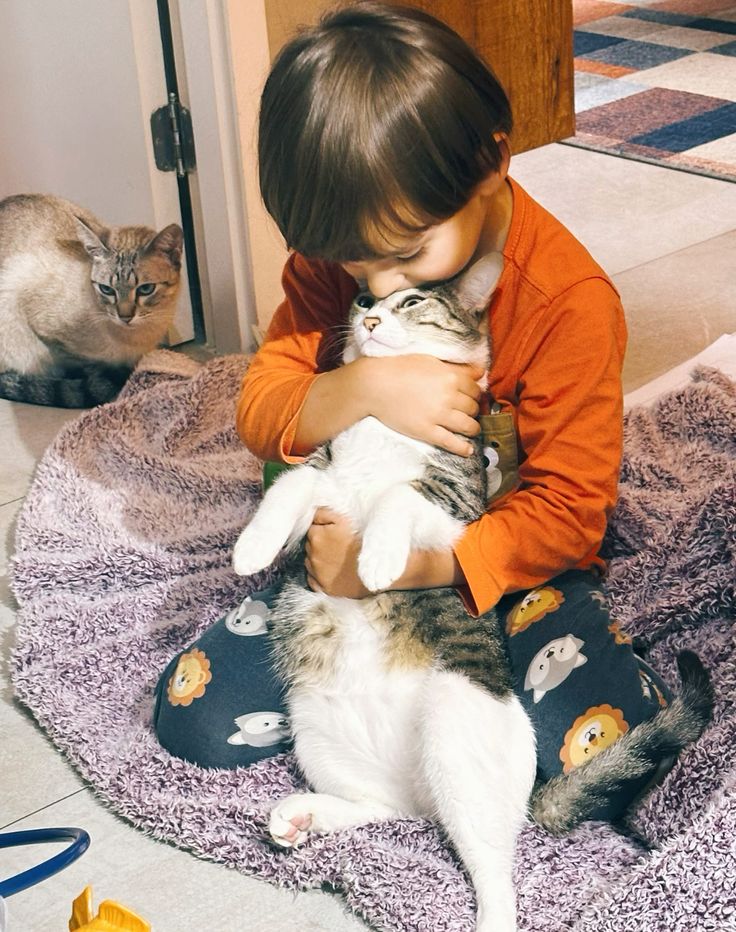
Preparing your cat is only half of the process. As your baby grows, you’ll also need to teach your child how to interact safely and respectfully with pets.
Young children are naturally curious, but they don’t understand that pulling a tail or grabbing fur can frighten a cat.
As your child develops, teach them to:
- Pet gently.
- Use quiet voices around the cat.
- Leave the cat alone while eating.
- Avoid disturbing a sleeping cat.
- Never chase or corner the cat.
- Let the cat choose whether to come closer.
Instead of forcing interactions, encourage positive experiences where both your child and your cat feel comfortable.
As your baby reaches new developmental stages, simple play activities that encourage gentle interaction can help them learn patience, kindness, and respect for animals.
Over time, these lessons create the foundation for a healthy relationship built on trust rather than fear.
Watch for Changes in Your Cat’s Behavior
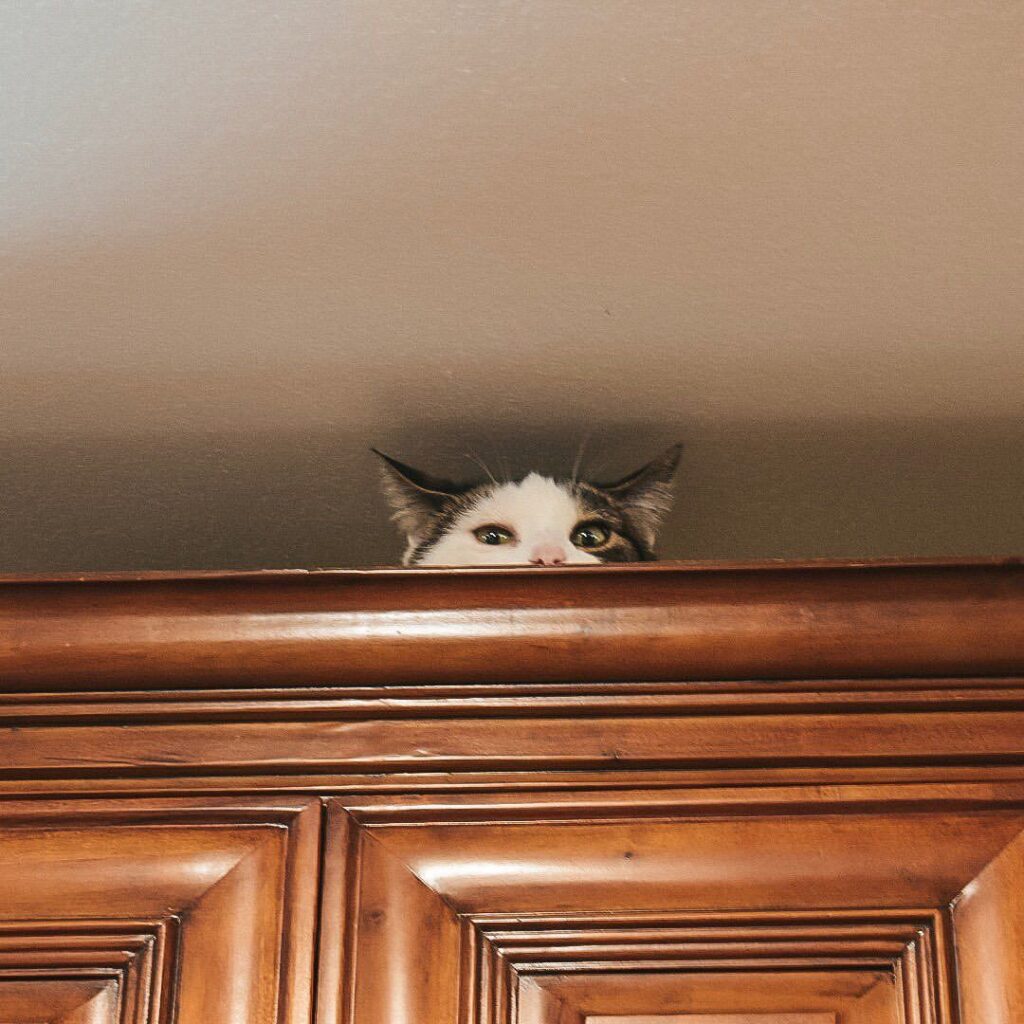
Every cat adjusts differently. Some become comfortable within a few days, while others need several weeks or even months.
Keep an eye out for changes that may suggest your cat is struggling, including:
- Hiding more than usual.
- Loss of appetite.
- Excessive grooming.
- Avoiding family members.
- Spraying or litter box accidents.
- Increased vocalization.
- Aggressive behavior.
- Refusing to play.
These behaviors don’t automatically mean your cat dislikes the baby.
More often, they’re signs that your cat is feeling stressed by the changes in their environment.
Continue offering reassurance, maintain routines, and avoid forcing interactions.
If these behaviors continue for several weeks or become more severe, schedule a visit with your veterinarian.
They can rule out medical problems and recommend strategies to help your cat adjust.
Seeking advice early often prevents small concerns from becoming long-term behavioral issues.
Common Mistakes to Avoid
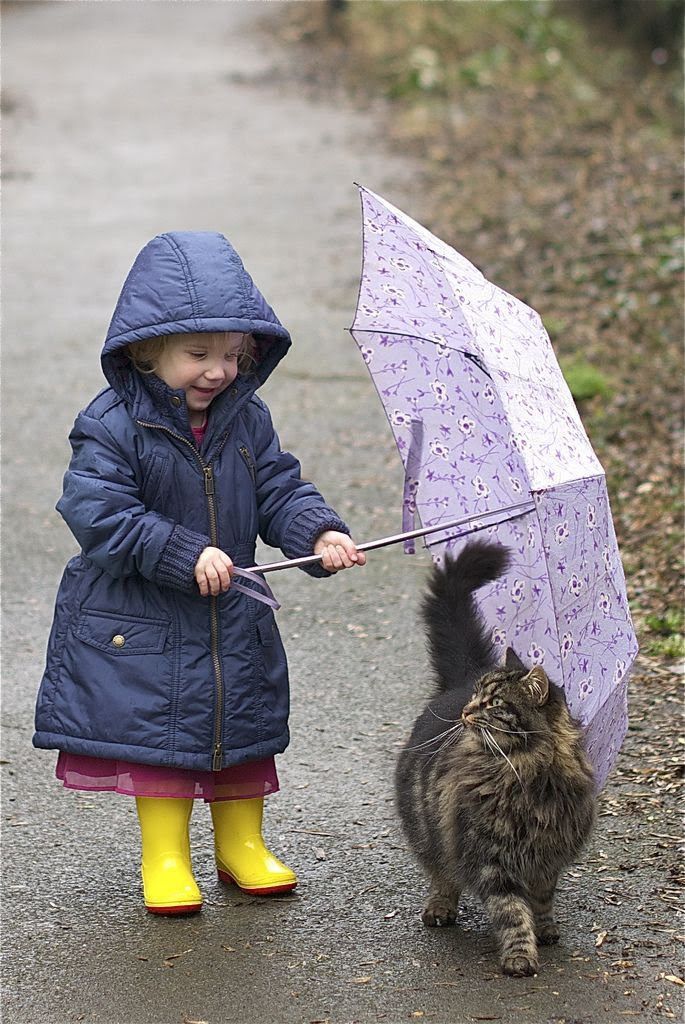
Even loving pet owners sometimes make mistakes during this transition.
Recognizing these common pitfalls can make life easier for both your baby and your cat.
Avoid:
- Waiting until the baby arrives before preparing your cat.
- Punishing your cat for being curious.
- Forcing your cat to interact with the baby.
- Suddenly changing every routine at once.
- Ignoring signs of stress.
- Allowing unsupervised interactions.
- Taking away all of your cat’s favorite spaces.
- Forgetting to reward calm behavior.
- Expecting your cat to adjust overnight.
Instead, focus on gradual changes, positive reinforcement, patience, and consistency.
Remember that every successful introduction is built through many calm, everyday moments rather than one perfect meeting.
Checklist: Preparing Your Cat for Baby’s Arrival
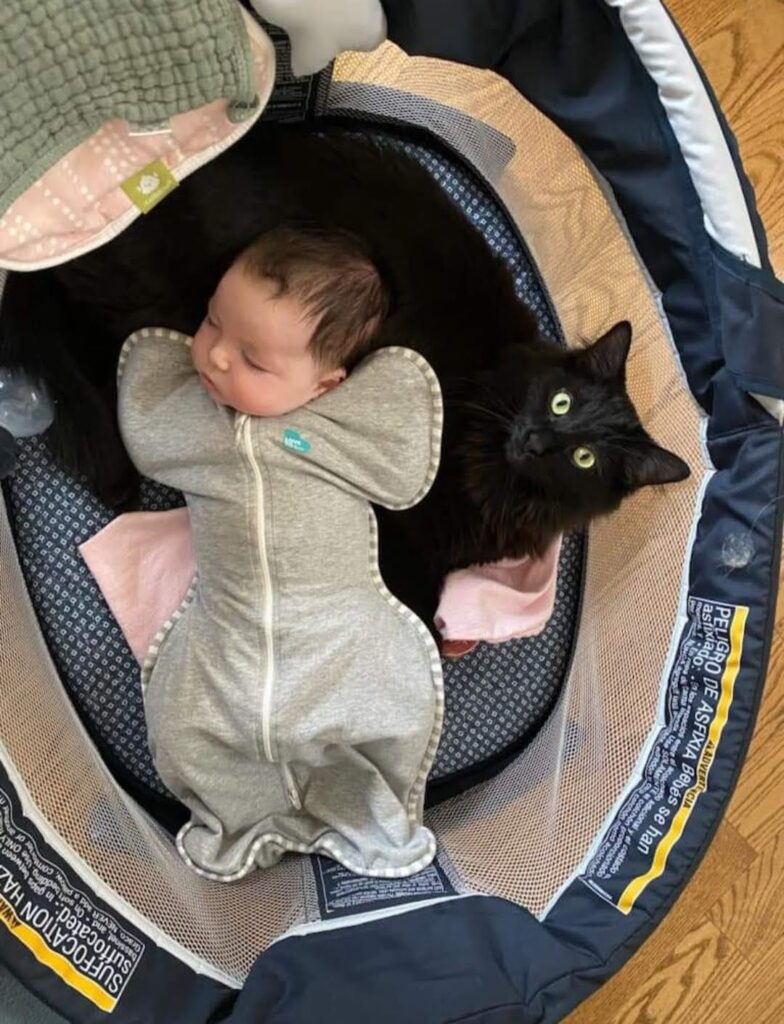
Use this checklist before your due date to help your cat adjust smoothly.
- Schedule a veterinary check-up.
- Update vaccinations if recommended.
- Reinforce good behavior with positive rewards.
- Introduce baby sounds gradually.
- Let your cat explore nursery furniture.
- Set up cat-safe retreat areas.
- Adjust routines before delivery.
- Introduce baby scents before the first meeting.
- Keep scratching posts and favorite toys available.
- Plan a calm first introduction.
- Supervise every interaction.
- Continue spending quality time with your cat.
- Teach your child to respect the cat as they grow.
- Monitor your cat’s behavior during the adjustment period.
- Contact your veterinarian if concerns continue.
Completing these steps before your baby arrives helps create a calmer home where everyone including your cat can adjust with confidence.
A Strong Start Helps Your Baby and Cat Thrive Together
Welcoming a newborn into your home is an exciting milestone, and your cat is part of that journey too.
Although the changes may seem overwhelming at first, thoughtful preparation can make the transition much smoother for everyone.
Introducing your cat to your baby isn’t a single event that happens on the day you return home from the hospital.
It’s a gradual process that begins during pregnancy with small adjustments, positive experiences, and consistent routines.
By preparing early, respecting your cat’s boundaries, supervising every interaction, and continuing to meet your pet’s emotional needs, you’re creating an environment where trust can grow naturally.
Some cats will become curious companions right away, while others will take more time to adjust.
Both responses are perfectly normal.
With patience, consistency, and understanding, many cats go on to develop calm and rewarding relationships with the children they grow up alongside.
The effort you invest before your baby arrives lays the foundation for a safe, peaceful home where every member of your growing family.
For more ideas to inspire your planning, explore these related articles below.
Best Baby Carriers for Newborns
Should Babies Watch TV? What Experts Say
40 Baby Boy Outfit Ideas for Every Day of the Week






3 Comments