
How to Create a Baby Emergency Fund Before Birth
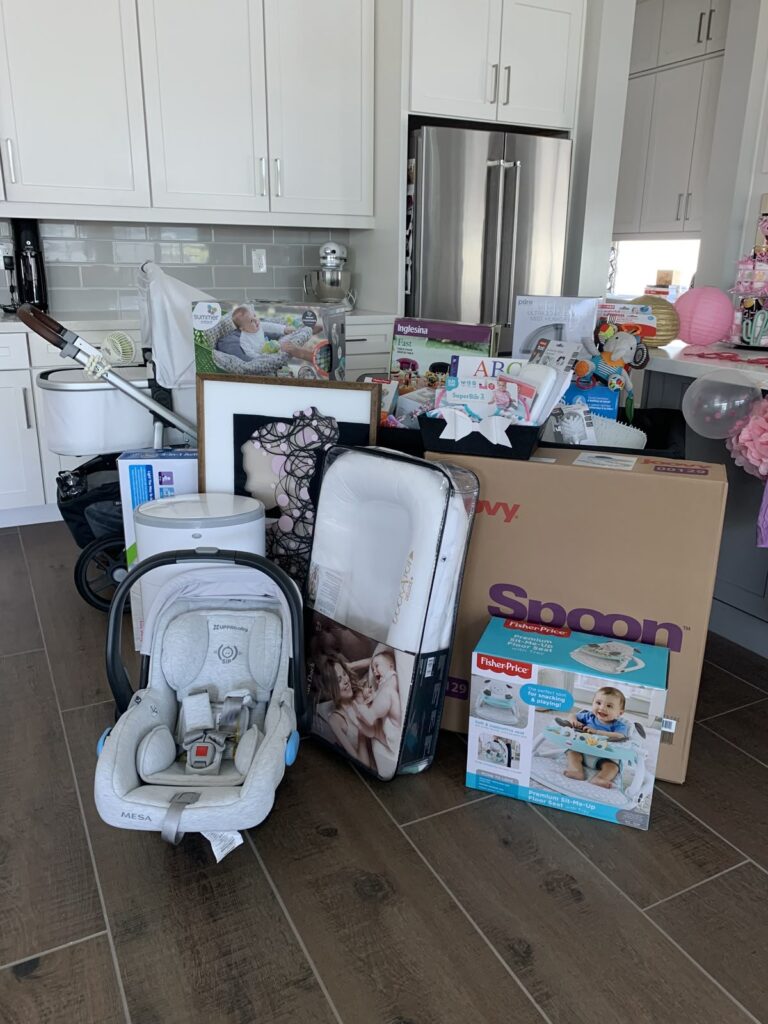
Preparing for a baby often comes with excitement, anticipation, and a long list of things to buy before your due date arrives.
It’s easy to focus on decorating the nursery, choosing baby gear, and stocking up on newborn clothes while overlooking one of the most valuable preparations you can make: building a baby emergency fund.
Although many pregnancy expenses can be planned, unexpected costs can arise at any stage before or after your baby is born.
A baby emergency fund is money set aside specifically for unplanned situations. It acts as a financial safety net when life doesn’t go exactly as expected.
An unexpected medical bill, a temporary reduction in income, emergency home repairs, or extra baby supplies can place pressure on your household budget if you haven’t prepared for them.
Having savings available allows you to handle these situations without relying on credit cards or borrowing money.

The amount you save doesn’t have to be overwhelming.
Building an emergency fund is about making consistent progress instead of reaching a perfect number overnight.
Small contributions made throughout your pregnancy can grow into meaningful savings by the time your baby arrives.
This guide will show you how to build a baby emergency fund before birth, decide how much to save, identify the expenses worth preparing for, and develop simple saving habits that fit your family’s budget.
Taking these steps now can help you welcome your little one with greater confidence and financial peace of mind.
Why Every Expecting Family Needs a Baby Emergency Fund
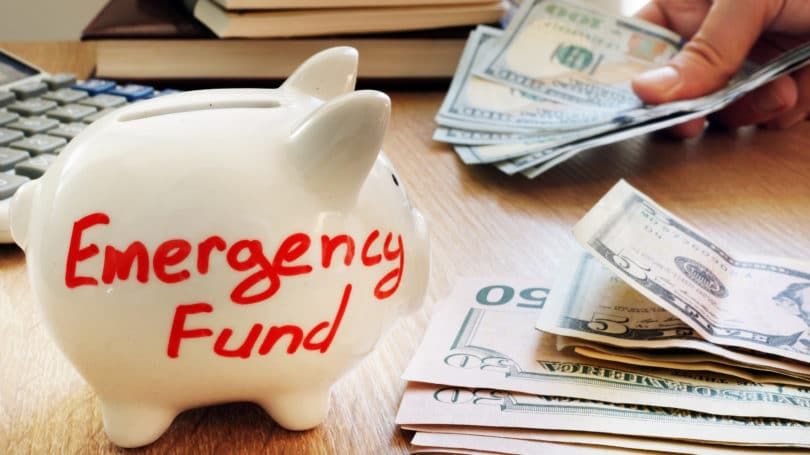
No matter how carefully you budget for pregnancy, some expenses simply can’t be predicted.
Babies don’t always arrive exactly on their due date, medical needs can change, and household emergencies can happen when you least expect them.
Having an emergency fund helps you prepare for these situations without disrupting your family’s finances.
Many parents assume their regular savings account will be enough, but money set aside for holidays, home improvements, or everyday goals can quickly disappear if unexpected baby-related expenses arise.
A dedicated emergency fund helps keep those financial goals separate while ensuring money is available when it’s needed most.
Having emergency savings also reduces stress during pregnancy.
Instead of worrying about how you’ll pay for an unexpected expense, you’ll know you’ve already prepared for situations that are outside your control.
What Is a Baby Emergency Fund?

A baby emergency fund is money reserved for unexpected expenses connected to pregnancy, childbirth, and your baby’s first months of life.
Unlike your regular baby budget, which covers planned purchases such as nursery furniture, clothing, and diapers, an emergency fund is only used when something unexpected happens.
Think of it as a financial backup plan. You hope you won’t need it, but you’ll be grateful it’s there if circumstances change.
Expenses It Can Help Cover
Your emergency fund may be used for:
- Unexpected hospital or medical bills.
- Emergency travel related to pregnancy.
- Additional prenatal tests.
- Prescription medications.
- Temporary loss of income.
- Emergency childcare.
- Home repairs before your baby arrives.
- Replacing essential baby equipment.
- Unexpected household expenses.
Not every family will experience these situations, but preparing for them can make a difficult time much easier to manage.
Decide How Much You Should Save

One of the first questions many expecting parents ask is, “How much should our baby emergency fund be?”
The answer depends on your family’s income, monthly expenses, existing savings, and the level of financial security you want before your baby arrives.
There isn’t a single amount that’s right for everyone.
Instead of aiming for a number that feels overwhelming, start with a realistic goal that fits your current situation.
Reaching a smaller target is far more encouraging than setting an amount that’s difficult to achieve.
Start With a Small Savings Goal
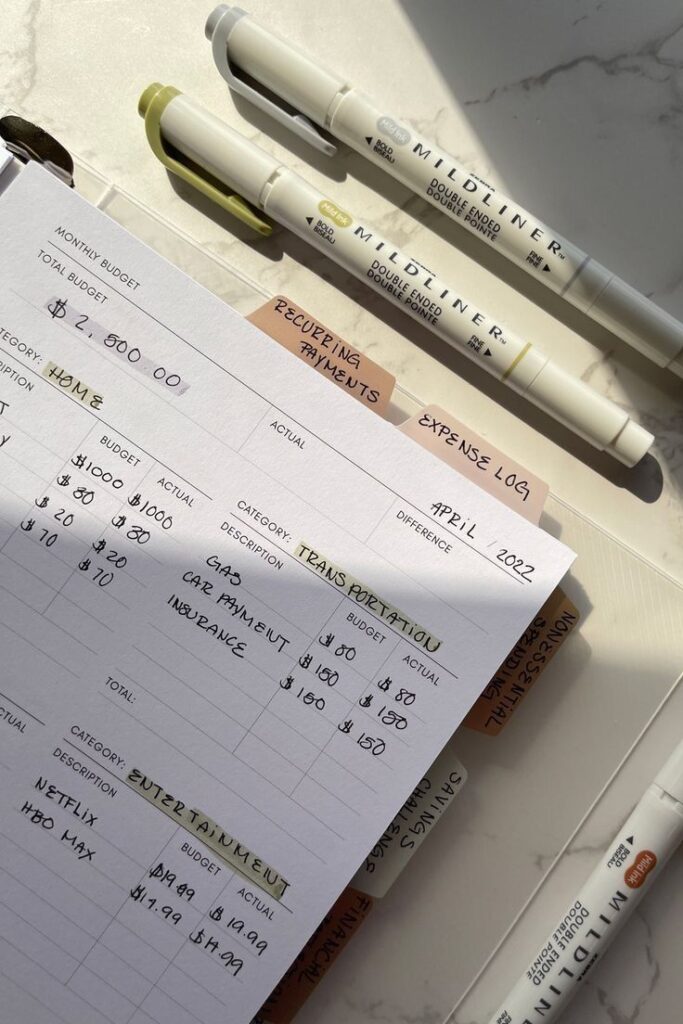
If you’re building your first emergency fund, focus on creating momentum rather than saving everything at once.
Even setting aside a small amount every week or month can make a meaningful difference by your due date.
For example, you might choose to:
- Save a fixed amount from every paycheck.
- Transfer money into your emergency fund each week.
- Add unexpected income such as bonuses or gifts.
- Save any money left over at the end of the month.
The habit of saving consistently is often more valuable than the amount you save in the beginning.
Build Toward Three to Six Months of Essential Expenses
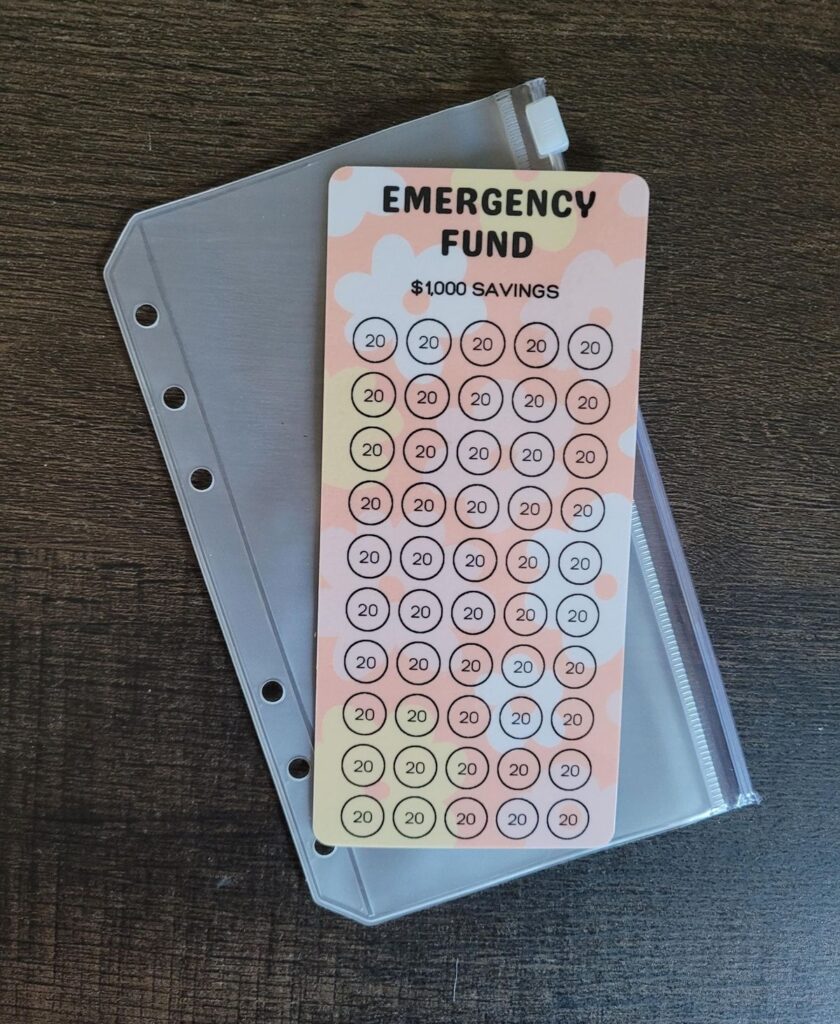
If your household budget allows, many financial experts recommend building an emergency fund that covers three to six months of essential living expenses.
This includes housing, groceries, utilities, transportation, insurance, and other necessary bills.
Reaching that goal may take time, and that’s perfectly okay.
Your baby emergency fund doesn’t need to be completed before birth to be useful. Every contribution increases your family’s financial security.
If you’re already creating a realistic baby budget for your growing family, setting an emergency savings target becomes much easier because you’ll already know your expected monthly expenses.
Identify the Expenses That Could Catch You by Surprise
Unexpected expenses don’t always come from major emergencies.
Sometimes they’re simply costs that weren’t included in your original budget.
Thinking about these possibilities ahead of time helps you prepare without expecting the worst.
Pregnancy and Medical Costs

Even with health insurance, there may be expenses that aren’t fully covered.
Examples include:
- Additional prenatal appointments.
- Specialist consultations.
- Laboratory tests.
- Prescription medications.
- Hospital charges.
- Postnatal care.
- Lactation support if needed.
Checking your insurance coverage before your due date can help you estimate which costs you’ll need to pay yourself.
Changes to Household Income

Many families experience a temporary reduction in income before or after their baby arrives.
One parent may take maternity or paternity leave, reduce working hours, or take unpaid time off to care for the newborn.
Planning for this possibility ahead of time makes it easier to continue paying your regular household bills without unnecessary financial pressure.
If you’re preparing for time away from work, creating a maternity leave planning checklist before your due date can help you organize both your finances and your responsibilities at work.
Home and Transportation Emergencies

Life continues after your baby arrives, which means unexpected household expenses can still happen.
Your emergency fund may help cover situations such as:
- Car repairs.
- Appliance breakdowns.
- Plumbing problems.
- Electrical repairs.
- Emergency home maintenance.
Having savings available means these unexpected expenses won’t interfere with your baby’s essential needs.
Open a Separate Savings Account
Keeping your baby emergency fund separate from your everyday spending can make it much easier to stay on track.
When emergency savings sit in the same account as your regular household money, it’s tempting to dip into them for non-essential purchases.
A dedicated savings account creates a clear boundary between money meant for daily expenses and money reserved for genuine emergencies.
If possible, choose an account that is easy to access in an emergency but not so convenient that you’re tempted to withdraw from it regularly.
Some parents also like to give the account a name such as “Baby Emergency Fund.”
Seeing that label each time you check your balance can serve as a helpful reminder of your goal.
Automate Your Savings

One of the easiest ways to grow your emergency fund is to automate your savings.
Arrange for a fixed amount to be transferred into your savings account each time you receive your salary or other income.
Treating your savings like a regular monthly bill helps you build your fund consistently without relying on motivation alone.
You don’t need to start with a large amount.
A small automatic transfer every week or month can gradually build into a meaningful financial cushion before your baby arrives.
If your income changes from month to month, consider saving a percentage instead of a fixed amount.
This approach gives you flexibility while helping you maintain the habit of saving regularly.
Alt text: Setting up automatic savings before welcoming a new baby.
Find Simple Ways to Save More Money
Building an emergency fund doesn’t always require earning more money.
In many cases, making a few intentional changes to your spending habits can free up extra cash without dramatically changing your lifestyle.
Review Your Monthly Spending
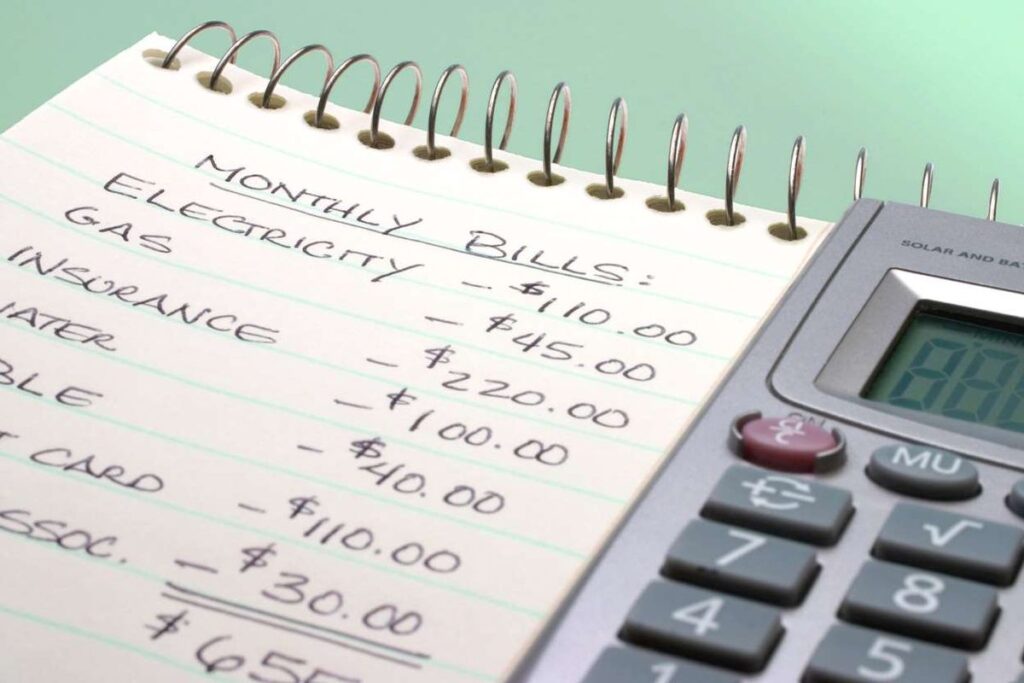
Take a close look at your current household expenses and identify areas where you may be able to cut back temporarily.
You might decide to:
- Cook more meals at home instead of ordering takeout.
- Pause subscriptions you rarely use.
- Reduce impulse shopping.
- Delay non-essential purchases until after your baby arrives.
- Set a weekly spending limit for entertainment.
Small adjustments may not seem significant on their own, but the money you save can quickly add up over several months.
Sell Items You No Longer Use

Your home may already contain items that could help grow your emergency fund.
Clothing, furniture, electronics, fitness equipment, books, or household items that are no longer being used can often be sold through local marketplaces or community groups.
Instead of leaving these items unused, consider turning them into extra savings for your baby’s arrival.
Many parents are surprised by how quickly these small sales contribute to their emergency fund.
Save Unexpected Income

Whenever you receive money you weren’t expecting, consider putting at least part of it into your emergency fund.
Examples include:
- Work bonuses.
- Tax refunds.
- Birthday gifts.
- Cashback rewards.
- Side hustle income.
- Money from selling unused items.
Because this income isn’t already part of your monthly budget, saving it often feels easier than reducing your regular spending.
Reduce Debt Before Your Baby Arrives

Preparing financially for a baby isn’t only about saving money.
Reducing unnecessary debt can also improve your financial stability and make it easier to manage your household budget after your baby is born.
High-interest debt, particularly credit card balances, can become more difficult to repay if your household income changes during maternity or paternity leave.
Paying down these balances before your due date may reduce financial pressure during your baby’s first months.
If paying everything off isn’t realistic, focus on reducing your highest-interest debts first while continuing to build your emergency fund.
Even steady progress can strengthen your family’s financial position.
It’s also a good idea to avoid taking on new debt for non-essential purchases during pregnancy.
Choosing practical baby essentials instead of financing expensive items can help you begin parenthood with greater financial confidence.
Know When to Use Your Baby Emergency Fund

Building an emergency fund is only part of the process.
It’s equally important to know when you should use it because you’ve worked hard to save this money, you want to make sure it’s available for situations that truly require it.
A good rule is to ask yourself one simple question before making a withdrawal: “Is this expense unexpected, necessary, and urgent?”
If the answer is yes, your emergency fund may be the right place to cover the cost.
Expenses That Usually Qualify
Your emergency fund can help with situations such as:
- Unexpected medical bills during pregnancy or after birth.
- Emergency home repairs that affect your family’s safety.
- Urgent car repairs needed for hospital visits or daily transportation.
- A temporary loss of household income.
- Replacing essential baby equipment that becomes damaged or unsafe.
- Emergency travel related to pregnancy or your newborn.
These are expenses that are difficult to predict and often can’t be postponed.
Expenses That Should Stay in Your Baby Budget

Some purchases are expected and should be planned for separately instead of coming from your emergency fund.
Examples include:
- Baby clothes.
- Diapers and wipes.
- Nursery decorations.
- Feeding supplies.
- Toys.
- Routine shopping trips.
- Planned baby furniture purchases.
Keeping these expenses within your regular baby budget helps preserve your emergency savings for genuine surprises.
Rebuild Your Emergency Fund After Using It

Using your emergency fund doesn’t mean you’ve failed.
In fact, it means the fund has done exactly what it was created to do.
Once the immediate situation has passed, your next goal should be rebuilding those savings so they’re available for future emergencies.
You don’t have to replace the money immediately.
Start by reviewing your household budget and deciding how much you can comfortably save each week or month.
Even small contributions will gradually restore your financial cushion.
It can also help to identify why you needed the emergency fund in the first place.
If the expense is likely to happen again, consider adding it to your regular monthly budget.
This reduces the chances of relying on emergency savings for the same situation in the future.
Make Saving Part of Your Family Routine
After your baby arrives, your financial priorities will naturally change.
New monthly expenses will become part of your routine, but continuing to save regularly can help protect your growing family.
Consider reviewing your emergency fund every few months and increasing your savings as your income grows or your household expenses change.
A strong emergency fund isn’t just valuable before birth. It continues to provide security throughout your child’s early years.
Common Mistakes to Avoid
Creating an emergency fund is a smart financial decision, but a few common mistakes can slow your progress.
Recognizing them early can help you stay focused on your savings goals.
Waiting Until the Last Few Weeks

Many parents postpone saving because pregnancy feels like it will last a long time.
Before they know it, the due date is only a few weeks away.
Starting early gives your money more time to grow and reduces financial pressure later.
Setting an Unrealistic Goal

Saving is important, but choosing a target that’s too high can become discouraging. Begin with an amount that’s achievable and increase it gradually as your financial situation improves.
Forgetting to Include Your Partner

If you’re raising your baby with a partner, building your emergency fund should be a shared responsibility.
Discuss your savings goals together, agree on monthly contributions, and review your progress regularly.
Working as a team often makes saving easier and helps both of you stay committed to your financial plan.
Using the Fund for Non-Emergencies

It can be tempting to dip into your emergency savings for sales, holidays, or non-essential purchases.
Protecting your fund for genuine emergencies ensures it’s available when your family truly needs it.
Simple Baby Emergency Fund Checklist

Creating an emergency fund becomes much easier when you break the process into small, manageable steps.
Instead of trying to do everything at once, work through one task at a time.
As each step is completed, you’ll be closer to building a financial safety net for your growing family.
Use this checklist as a guide while preparing for your baby’s arrival:
- Decide how much you want to save before your due date.
- Open a separate savings account for your emergency fund.
- □ Set up automatic weekly or monthly transfers.
- □ Review your current household budget.
- □ Identify expenses you can reduce temporarily.
- □ Save unexpected income such as bonuses, gifts, or tax refunds.
- Estimate possible pregnancy and newborn medical expenses.
- Keep your emergency savings separate from your regular baby budget.
- Review your progress at least once each month.
- Continue rebuilding your fund after using it if necessary.
Completing these simple steps can help you feel more financially prepared before your baby arrives.
Even if you don’t reach your ideal savings goal before your due date, every contribution strengthens your family’s financial security.
Your Emergency Fund Is an Investment in Peace of Mind

Preparing for a baby involves much more than buying clothes, decorating a nursery, or choosing baby gear.
Financial preparation is just as important because it gives your family the flexibility to manage unexpected situations with greater confidence.
Creating a baby emergency fund doesn’t require a perfect income or a large amount of money.
What matters most is starting early, saving consistently, and building a habit that supports your family’s future.
Every amount you save today is one less financial worry you’ll face tomorrow.
Remember that every family’s financial journey is different.
Some parents will build their emergency fund quickly, while others may need more time. Avoid comparing your progress with anyone else’s.
Focus on creating a plan that fits your household, your income, and your long-term goals.
Unexpected expenses are part of life, especially during pregnancy and early parenthood.
Having money set aside won’t prevent those situations from happening, but it can make them much easier to manage.
Instead of worrying about how you’ll cover an unexpected bill or emergency, you’ll have the reassurance of knowing you’ve prepared in advance.
Building a baby emergency fund is one of the most practical gifts you can give yourself before welcoming your little one.
It provides financial stability, reduces stress, and allows you to focus more on caring for your growing family and enjoying the exciting journey into parenthood.