19 Taste-Safe Sensory Play for Babies
Disclosure: Some of the links in this post are affiliate links. This means if you click on the link and purchase an item, I will receive an affiliate commission at no extra cost to you.
Babies learn about the world through their senses long before they can explain what they see, hear, touch, smell, or taste.
A soft piece of fabric, a cool spoon, a squishy piece of food, or the sound of crinkling paper can become an exciting discovery.
This is because babies naturally explore objects with their mouths, sensory activities need to be planned with their developmental stage and safety in mind.
That is where taste-safe sensory play can be useful. Instead of giving a baby ordinary craft materials or objects that were never designed to come into contact with a baby’s mouth, parents can choose simple materials that are appropriate for supervised exploration.
The goal is not to encourage eating during every activity. Rather, it is to create opportunities for babies to touch, squeeze, smell, observe, and investigate materials while recognizing that mouthing is a normal part of early exploration.
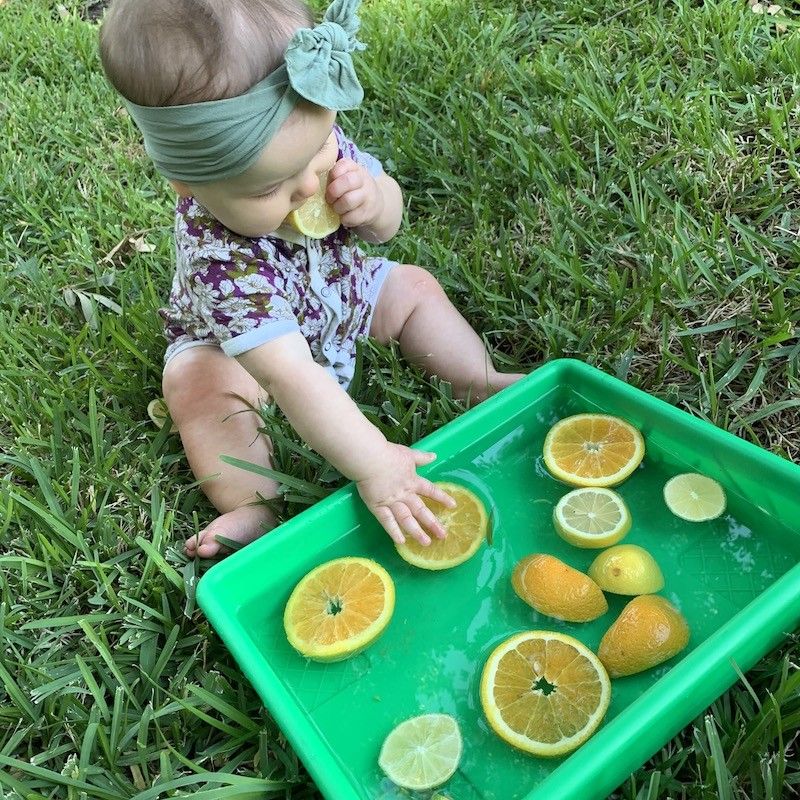
Taste-safe does not automatically mean risk-free, though. A material can be made from food ingredients and still present a choking, allergy, contamination, or other safety concern.
Adult supervision is essential, and activities should always be adapted to the baby’s age and developmental abilities.
Sensory play can also be wonderfully simple. You do not need an expensive collection of specialty toys to give your baby interesting experiences. A few familiar ingredients, a clean tray, a suitable mat, and some uninterrupted time can be enough.
For parents building an activity routine, these experiences can fit naturally alongside educational activities for babies from birth to one year, especially as babies become increasingly interested in reaching, grasping, transferring objects, and exploring textures.
Understanding Taste-Safe Sensory Play for Babies
Taste-safe sensory play is best thought of as supervised exploration using materials that are generally considered suitable for incidental mouthing, rather than as food-based entertainment.
Babies should never be encouraged to consume non-food sensory materials, even when those materials are made from edible ingredients.
The distinction matters because babies develop at different rates.
A younger infant may mostly look at a texture or touch it briefly, while an older baby may immediately grab it, squeeze it, smear it, and attempt to put it in their mouth.
That means the same activity may need to be modified depending on the baby’s developmental stage.
For example, a thick puree spread thinly across a clean tray may offer a simple texture experience for a baby who can sit with support and reach safely.
An older baby who can sit independently might be able to explore a larger supervised sensory setup.
However, loose pieces of food, small objects, or anything that could break into dangerous pieces should not be introduced simply because they are technically edible.
Sensory play should also complement, rather than replace, ordinary interaction.
Talking to your baby, singing, reading, making eye contact, and responding to their reactions are all valuable.
You can combine sensory exploration with simple bonding activities for newborns as your baby becomes developmentally ready for more hands-on experiences.
The most useful sensory activities are often the ones that allow babies to explore without pressure.
Let your baby decide whether to touch the material, pull their hand away, look at it, smell it, or simply watch you demonstrate it.
1. Explore a Smooth Fruit Puree
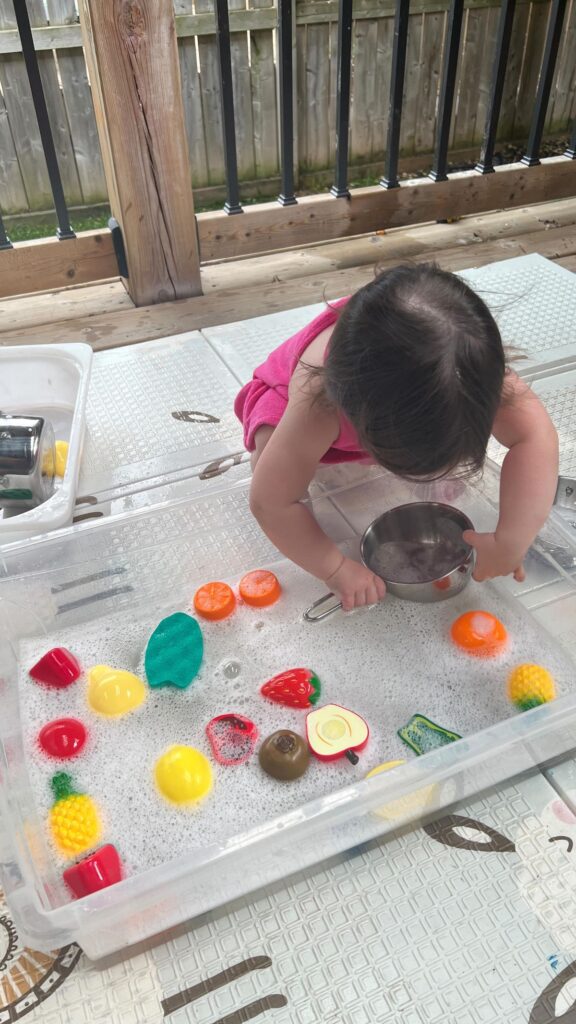
A smooth fruit puree can provide a simple introduction to taste-safe sensory exploration for a baby who is developmentally ready for complementary foods.
Choose a plain puree with an ingredient your baby has already been introduced to, rather than introducing several new foods through the same activity.
Place a very small amount on a clean, washable surface and allow your baby to touch it with their fingers.
The interesting part is not whether your baby actually eats the puree.
They may spread it across the tray, pat it with their palm, rub it between their fingers, or simply stare at it.
Each response gives them information about texture, temperature, appearance, and movement.
Keep the activity short and closely supervised. Food play should also happen in a safe sitting position, particularly when the baby is likely to bring their hands toward their mouth.
For parents looking for more age-specific ideas, sensory play ideas for babies by age can help you think about how an activity might change as your baby’s abilities develop.
2. Make a Soft Oatmeal Texture Tray
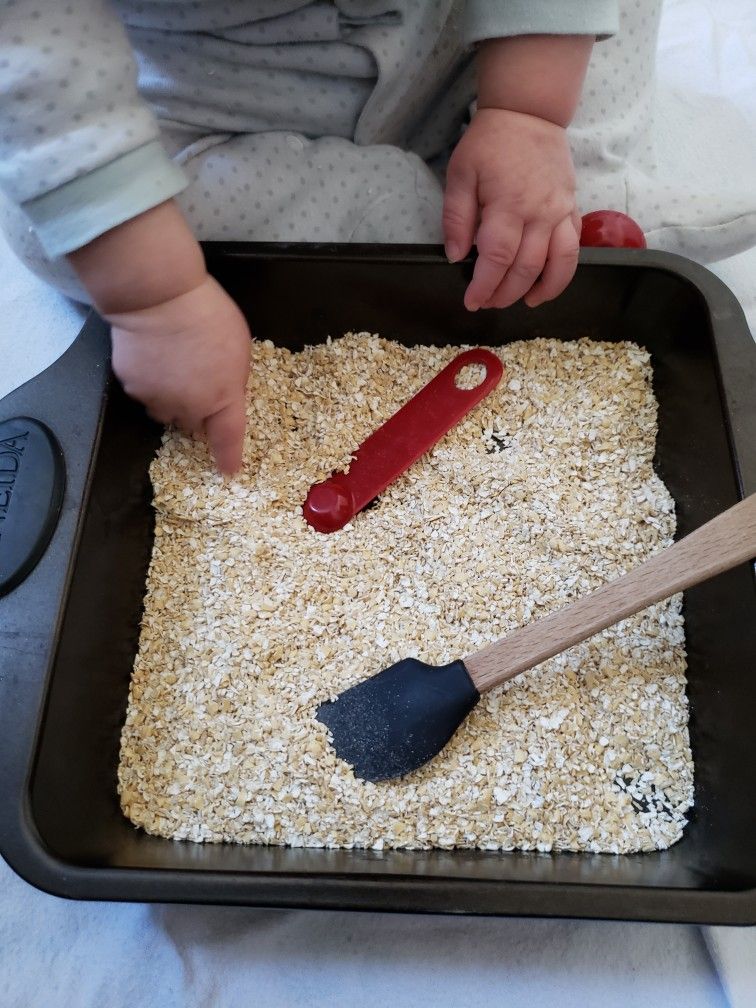
Plain, fully cooked oatmeal can create a thick, soft texture that is easy for babies to explore with their hands.
Allow the oatmeal to cool completely before offering it. Spread a small amount onto a clean tray or washable mat and let your baby investigate it under direct supervision.
Oatmeal can feel sticky, smooth, warm, or slightly grainy depending on how it is prepared.
Your baby may use one finger at first and gradually become more confident about pressing their whole hand into it.
Avoid adding ingredients simply to make the activity more exciting. A basic texture can be enough, particularly for a young baby who is still learning how different sensations feel.
You can narrate the experience with simple words such as “soft,” “sticky,” or “cool.”
This turns a sensory activity into an opportunity for early language exposure without requiring the baby to respond verbally.
3. Try Mashed Banana Exploration
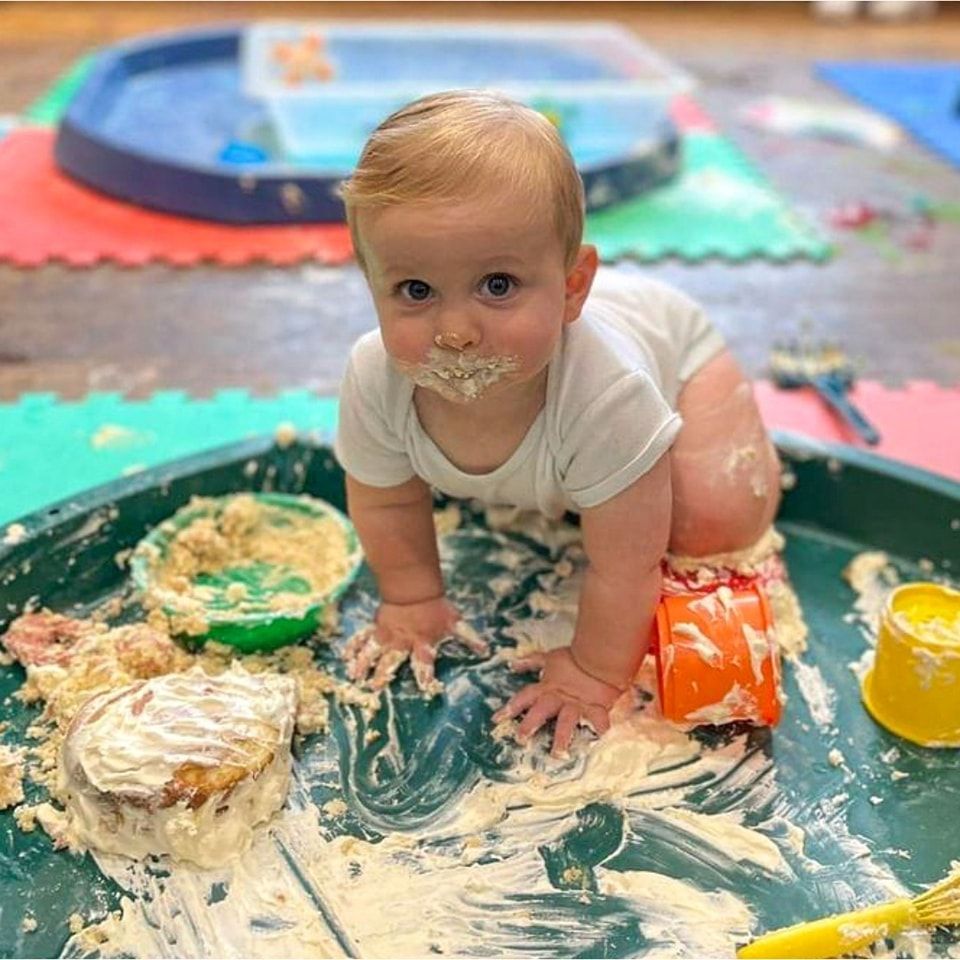
Mashed banana is another soft food texture that can be explored by babies who have already started eating complementary foods and can safely handle the food according to their developmental stage.
Place a small portion on a clean tray and allow your baby to touch it. Banana is naturally soft and can change texture as it is pressed, smeared, or picked up.
Your baby might initially dislike the sticky feeling. That is completely fine. Sensory play should never become a battle.
Give your baby time to approach the texture at their own pace. Some babies enjoy messy activities immediately, while others prefer to observe before touching.
If your baby has not eaten banana before, consider introducing the food separately rather than making the sensory activity the first exposure.
This makes it easier to identify a possible reaction to a new food.
4. Create a Chilled Yogurt Texture Experience
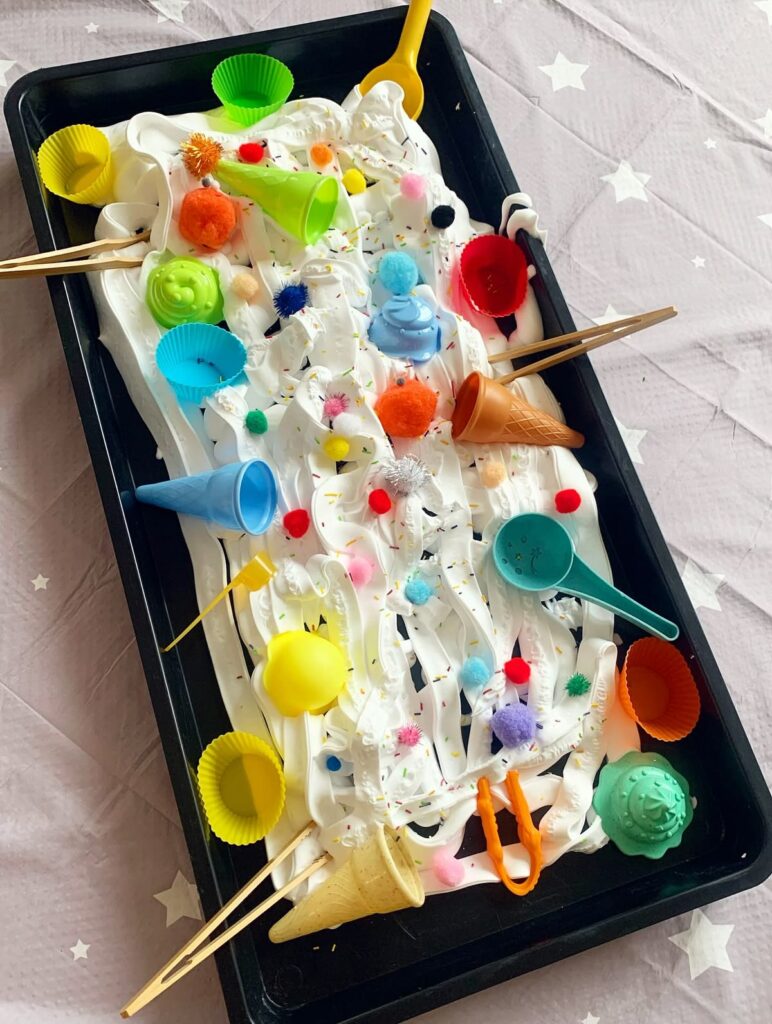
Plain yogurt can provide a cool, creamy sensory experience for babies who are developmentally ready for it and have already been introduced to the food safely.
A small amount on a tray can be enough. Let your baby touch it, smear it, or make simple patterns with their fingers.
Temperature adds another sensory element. However, the yogurt should be cool rather than extremely cold, and it should not be left sitting out for an extended period.
You can also sit beside your baby and copy their movements. If they make a small swipe through the yogurt, you can make one beside it while describing what happened.
This creates a social component rather than leaving the baby to explore completely alone.
As babies become more active, these activities can work alongside easy sensory activities for babies at home, giving parents simple options that do not require complicated preparation.
5. Squish Cooked Sweet Potato
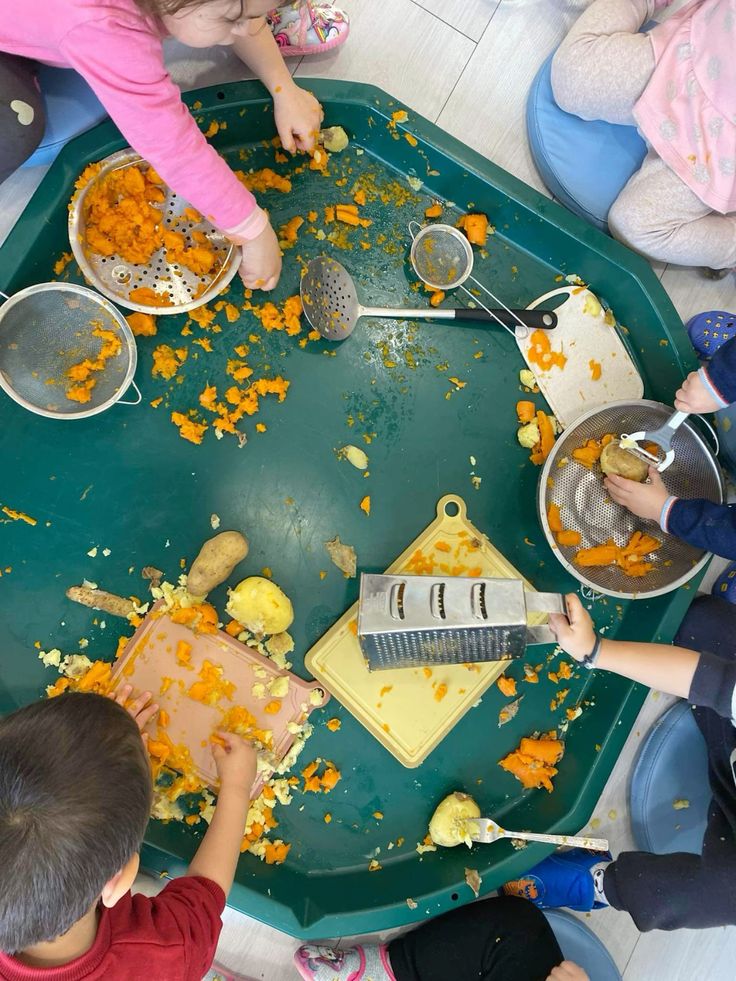
Soft, fully cooked sweet potato can offer a different texture from smooth puree. When cooled appropriately, it can be gently squished between the fingers.
The activity can be particularly interesting for babies who are beginning to develop stronger hand movements.
They may press the food, grab it, release it, or watch it change shape.
Keep the pieces appropriately prepared for your baby’s developmental stage and avoid giving hard chunks that could create a choking hazard.
The purpose is to experience texture and cause-and-effect. Your baby learns that pressing something changes it, while your narration introduces simple concepts such as “soft,” “squish,” and “orange.”
6. Paint With Baby-Safe Food Purees
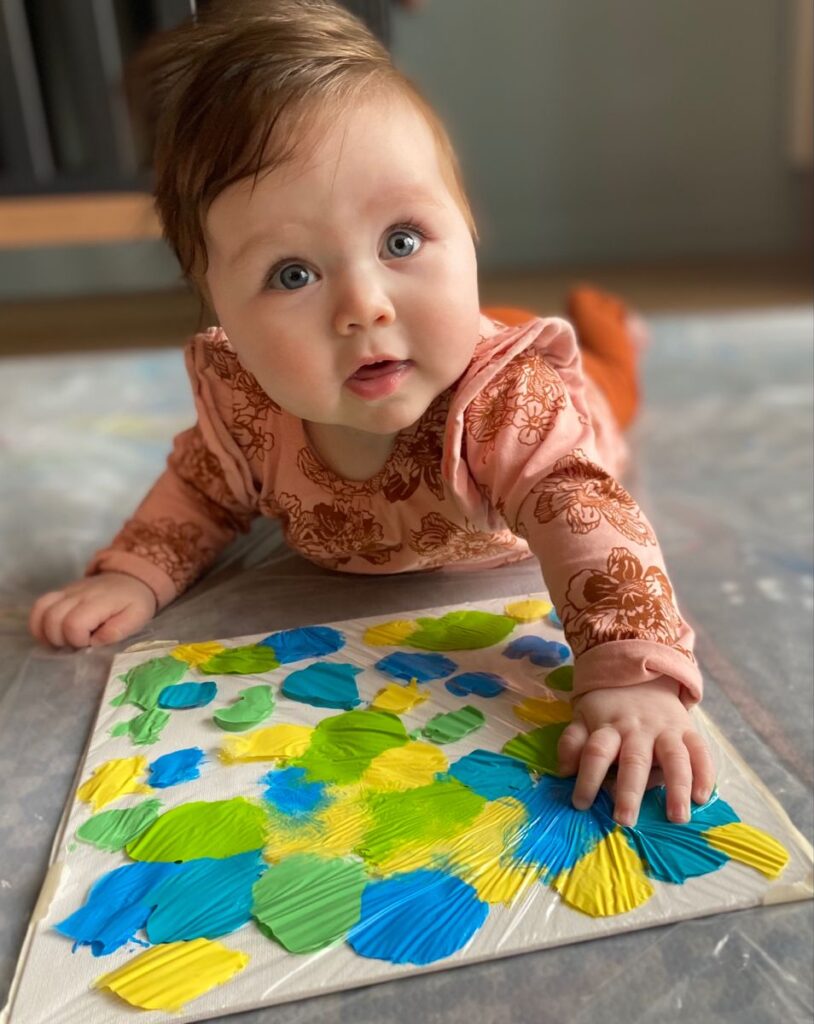
Food can become a temporary “paint” for supervised sensory exploration.
Use a small amount of an appropriate puree on a clean tray or large washable surface. Your baby can move their hands through it and create marks.
You do not need to create a recognizable picture. In fact, the baby is not really making artwork in the adult sense. They are experimenting with movement, pressure, color, and texture.
If you want to make the activity visually interesting, you can use naturally different-colored foods that your baby has already been introduced to.
Keep the setup simple and avoid combining numerous unfamiliar foods.
This type of activity can also support educational activities for babies from birth to one year, particularly when you talk about colors, textures, movements, and simple actions during the experience.
7. Explore Applesauce Texture
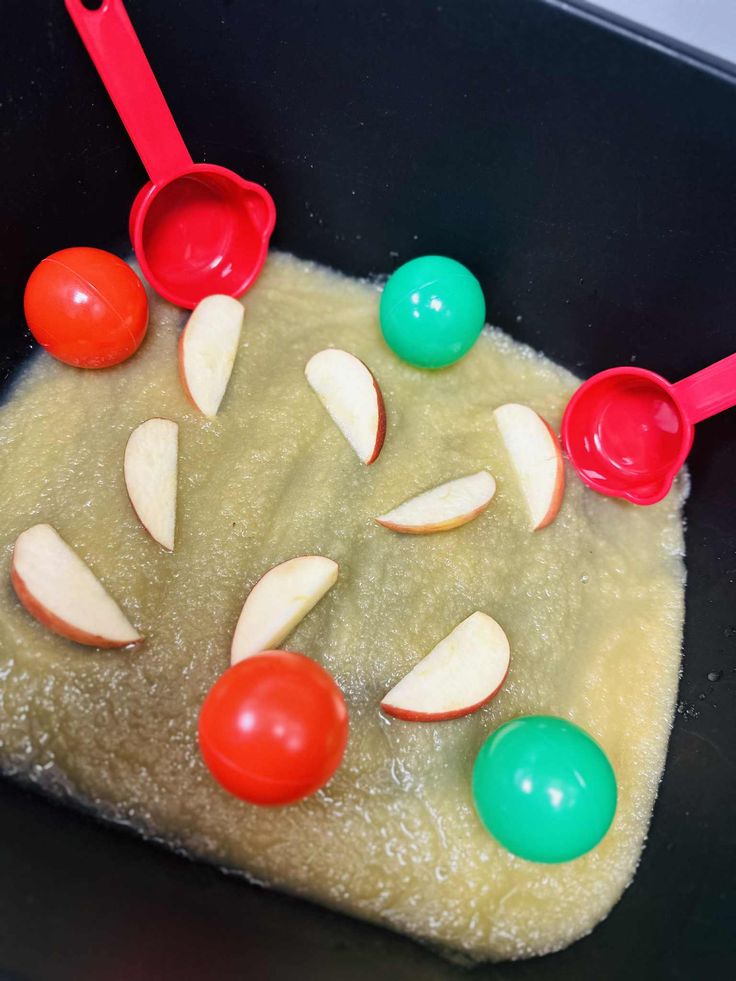
Unsweetened applesauce can offer another smooth sensory texture for babies who have safely been introduced to it.
Place a small amount on a washable surface and let your baby investigate it with their hands. They may pat it, drag their fingers through it, or immediately bring their hands toward their mouth.
The activity works best when you resist the temptation to direct every movement. Let the baby discover what happens when they press harder or move their hand faster.
You can introduce simple descriptive language as they explore. Words such as smooth, cold, wet, and sticky can eventually become meaningful as your baby experiences these sensations repeatedly.
8. Make a Soft Chia-Free Sensory Gel Alternative
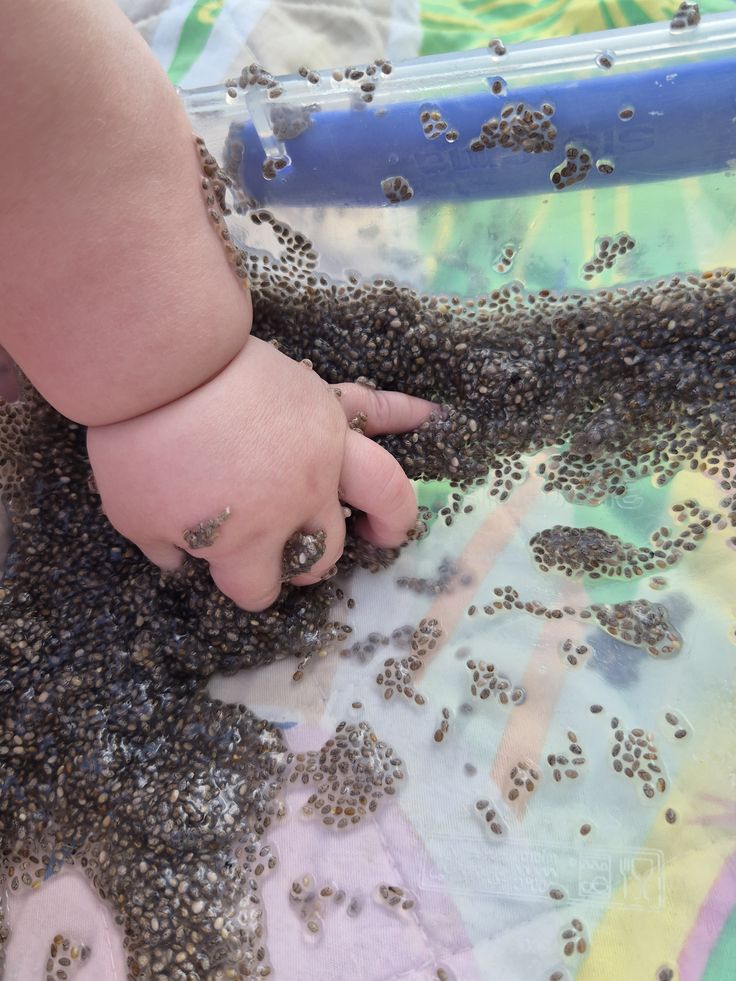
Some popular sensory-play recipes online use seeds or small gel-like materials.
These can create hazards for babies, so they are not automatically appropriate simply because the ingredients are edible.
Instead, consider using a thicker, smooth food texture that does not contain loose small pieces.
A very soft, smooth puree or appropriately prepared thick food can provide a similar squishy experience without introducing unnecessary loose components.
This is an important principle in baby sensory play: simpler is often safer.
You do not need to recreate every sensory activity designed for older children. Babies can get plenty of stimulation from textures that are easy to supervise and remove.
9. Try Soft Mashed Avocado
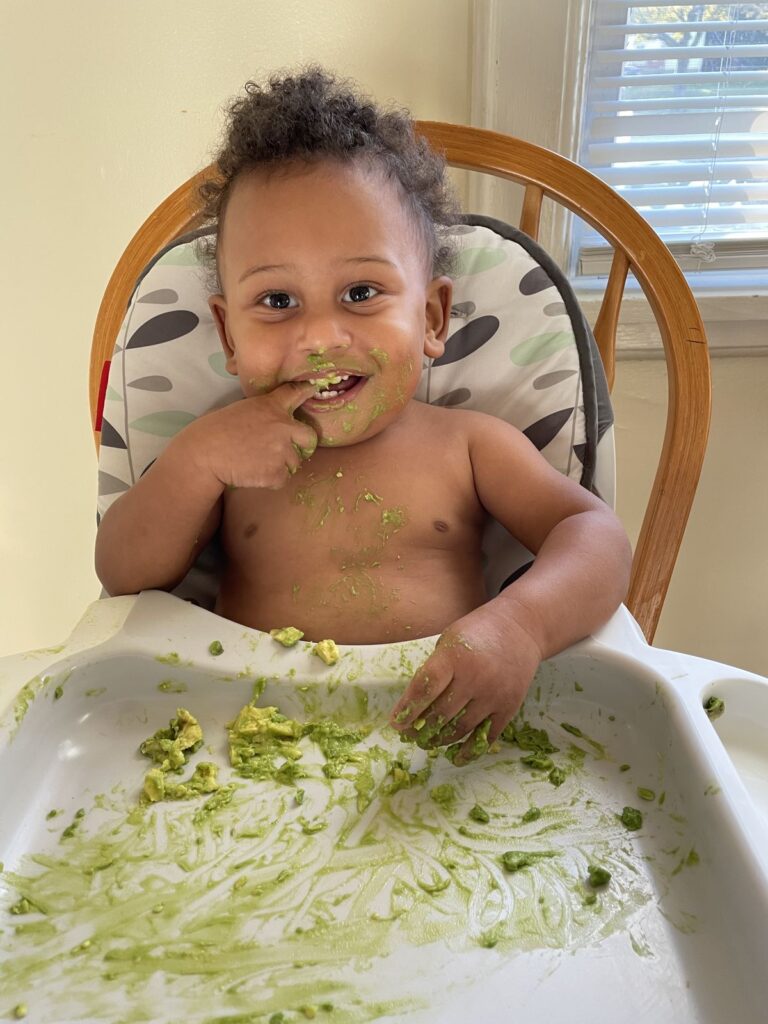
Mashed avocado has a naturally creamy texture that can be interesting for sensory exploration.
For babies who are already eating avocado safely, place a small amount on a clean surface and let them explore it with their hands.
Avocado can be slippery, which gives babies a different experience from thicker foods such as oatmeal or mashed sweet potato.
Your baby may need to experiment with how much pressure to use when trying to pick it up.
Stay close throughout the activity, particularly if the baby is still learning how to coordinate reaching and grasping.
The experience can also become an opportunity for gentle conversation. Describe what your baby is doing rather than constantly instructing them.
“You squeezed it,” or “You made a little mark,” gives your baby language connected to their actions.
10. Explore Smooth Pumpkin Puree
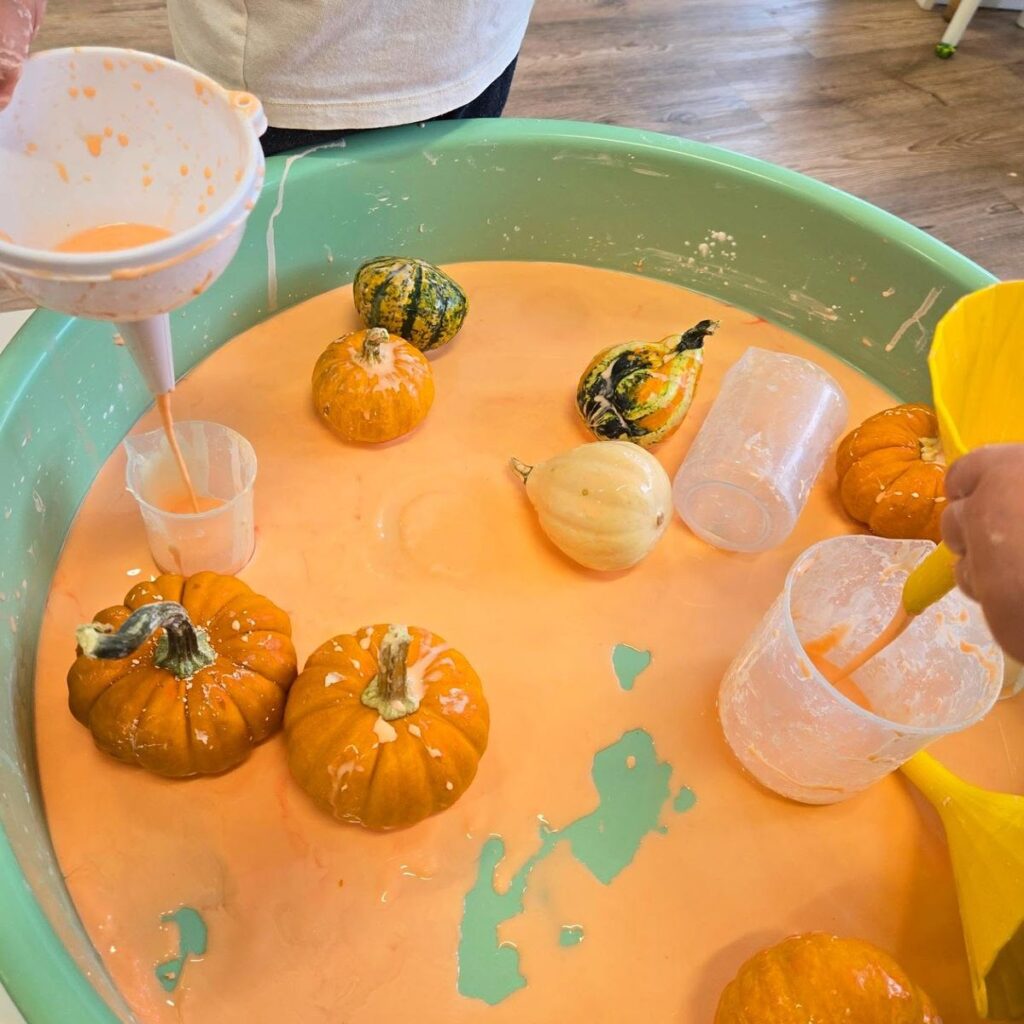
Pumpkin puree can provide a soft, thick texture and a naturally bright color.
Use plain pumpkin that has been appropriately prepared and cooled. A small amount spread onto a clean surface is enough for a sensory activity.
Your baby may be fascinated by the color before touching the texture. Give them time to observe it.
Once they begin exploring, you can talk about what they see and feel.
This is especially useful because babies learn through repeated exposure.
A sensory activity does not need to introduce something completely new every time.
Repeating familiar experiences can help babies become more comfortable with textures and movements.
11. Make a Soft Rice Texture Without Loose Grains
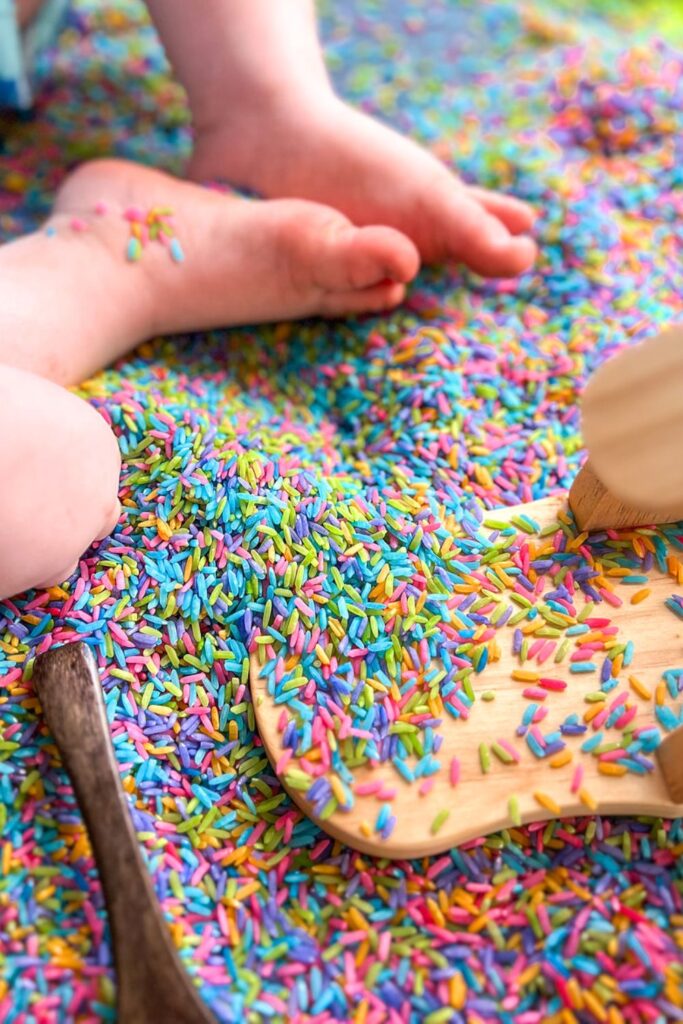
Cooked rice can be interesting because of its individual grains, but loose food pieces can create additional safety considerations for babies.
For younger babies or babies who are still developing feeding skills, a smoother preparation may be more appropriate than loose grains.
You can mash cooked rice thoroughly into a soft texture and allow your baby to explore it under close supervision.
The broader lesson is useful beyond this activity: when adapting food for sensory play, think about texture and developmental readiness rather than assuming that an ingredient is safe simply because adults commonly eat it.
12. Explore Smooth Hummus-Like Textures With Care
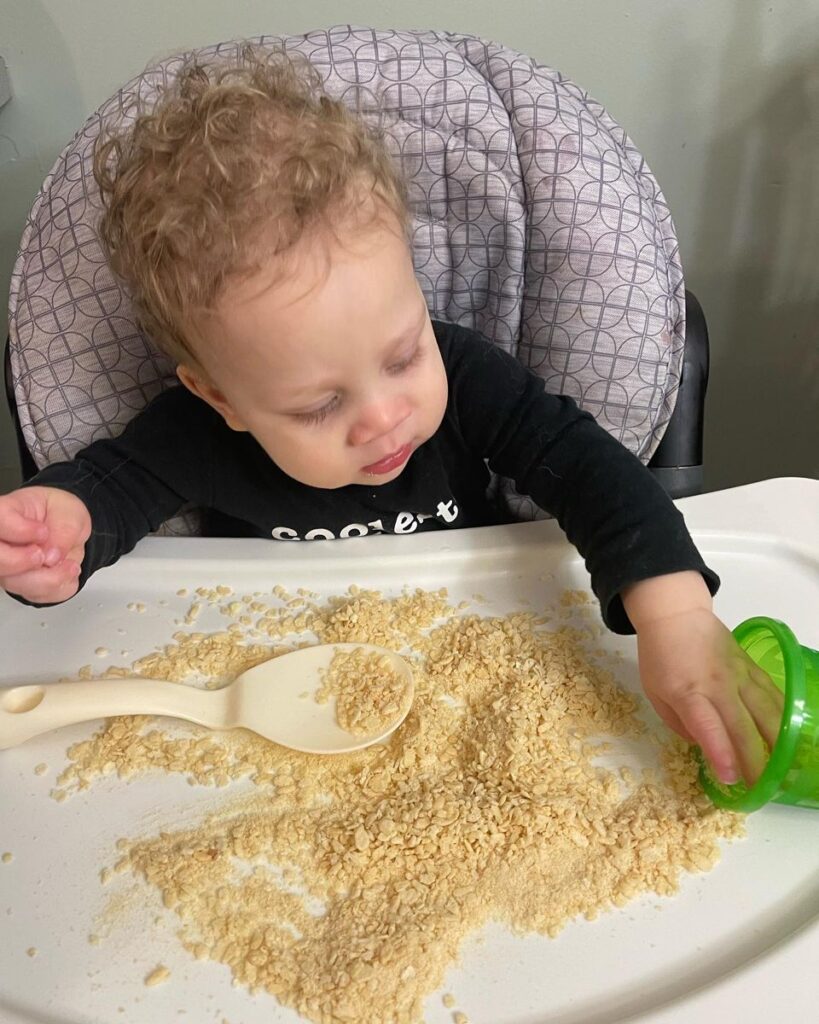
Smooth food textures can be fascinating for babies, but ingredients matter.
If you choose a smooth spread for sensory exploration, use only a food your baby has already been safely introduced to and avoid recipes containing ingredients that may not be appropriate for your baby’s age or individual dietary needs.
The activity can focus on touch rather than eating. Let your baby press, smear, and investigate the texture while remaining close enough to intervene immediately if necessary.
For families introducing sensory play gradually, this approach can be easier than setting up a complicated activity with several ingredients.
13. Create a Warm-and-Cool Texture Comparison
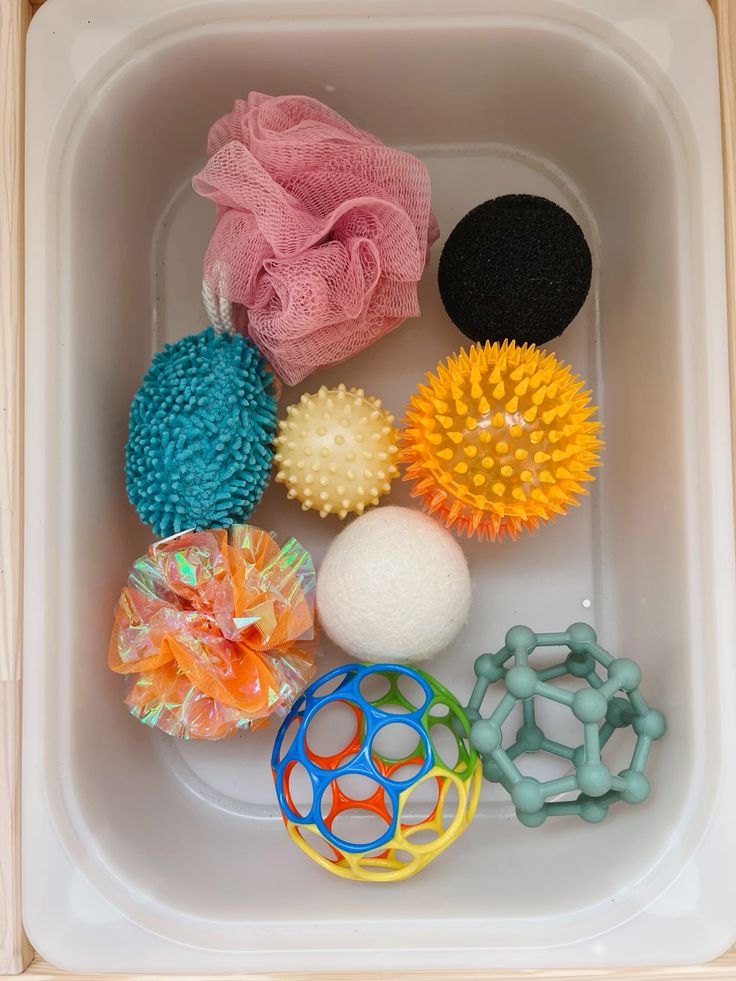
Temperature can become another sensory experience, but it needs to be handled carefully.
Rather than using anything hot or extremely cold, offer two appropriately prepared food textures at slightly different comfortable temperatures.
Your baby can touch each one while you observe their reactions.
Never rely on a baby’s reaction to determine whether a temperature is safe. Test food temperatures yourself and keep the experience comfortably mild.
The purpose is to let the baby notice that two similar textures can feel slightly different.
You can describe the difference using simple words such as “cool” and “warm,” helping connect sensory experiences with early language.
14. Explore Different Smooth Purees Separately
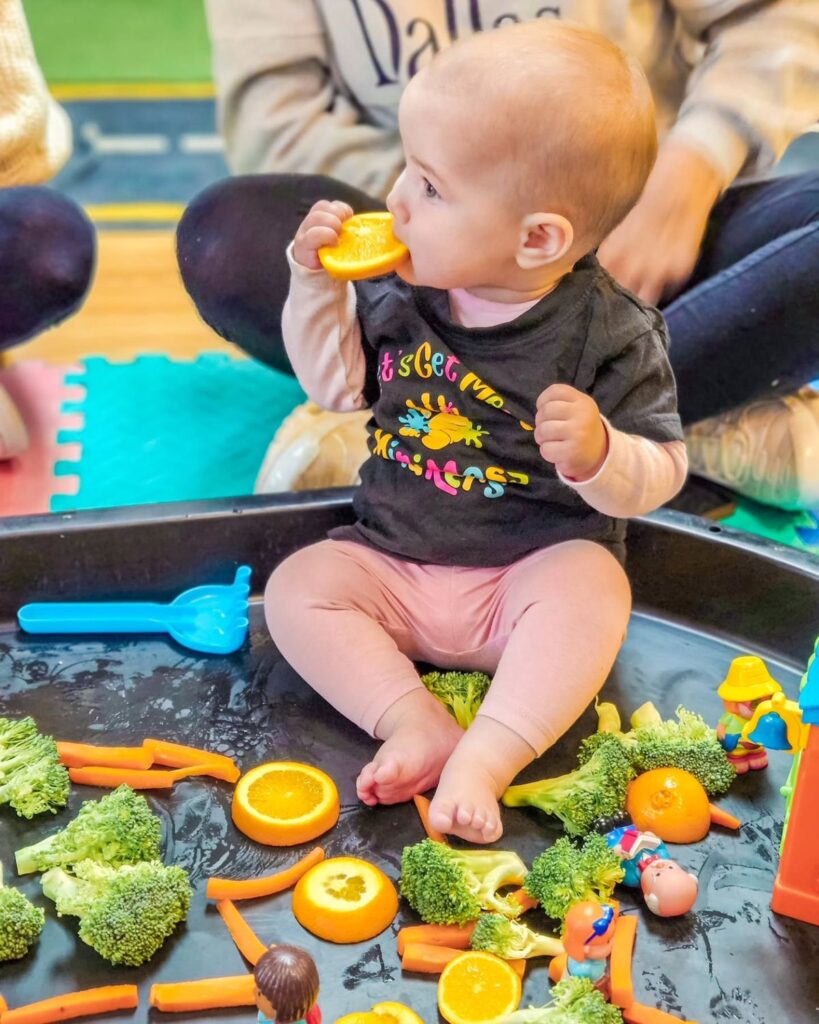
Instead of mixing several foods together, offer familiar smooth textures one at a time.
For example, a baby who has safely eaten several different fruits and vegetables could explore one puree during one session and another during a later session.
Keeping ingredients separate makes the sensory experience clearer and can also make it easier to identify which food may have caused a reaction if something unexpected occurs.
This approach works particularly well for parents who want to combine sensory exploration with mealtime learning without turning every meal into a structured activity.
15. Make a Simple Food-Texture Finger Painting Activity
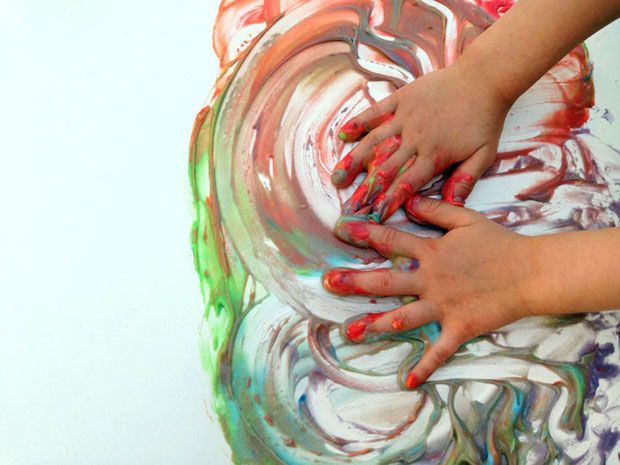
Finger painting does not have to involve traditional paint.
A thin layer of an appropriate, familiar puree can provide a temporary surface for babies to explore. Let them move their fingers through the food and watch the marks appear.
The cause-and-effect element can be surprisingly engaging.
A baby moves a finger and sees a line. They press their palm and create a larger mark. They lift their hand and notice that the surface has changed.
You can support this discovery by describing their actions instead of taking control of the activity.
For babies who enjoy being on the floor, you can also incorporate supervised movement around the sensory surface.
However, the baby should remain within immediate reach throughout the activity.
16. Explore a Soft Breakfast Texture
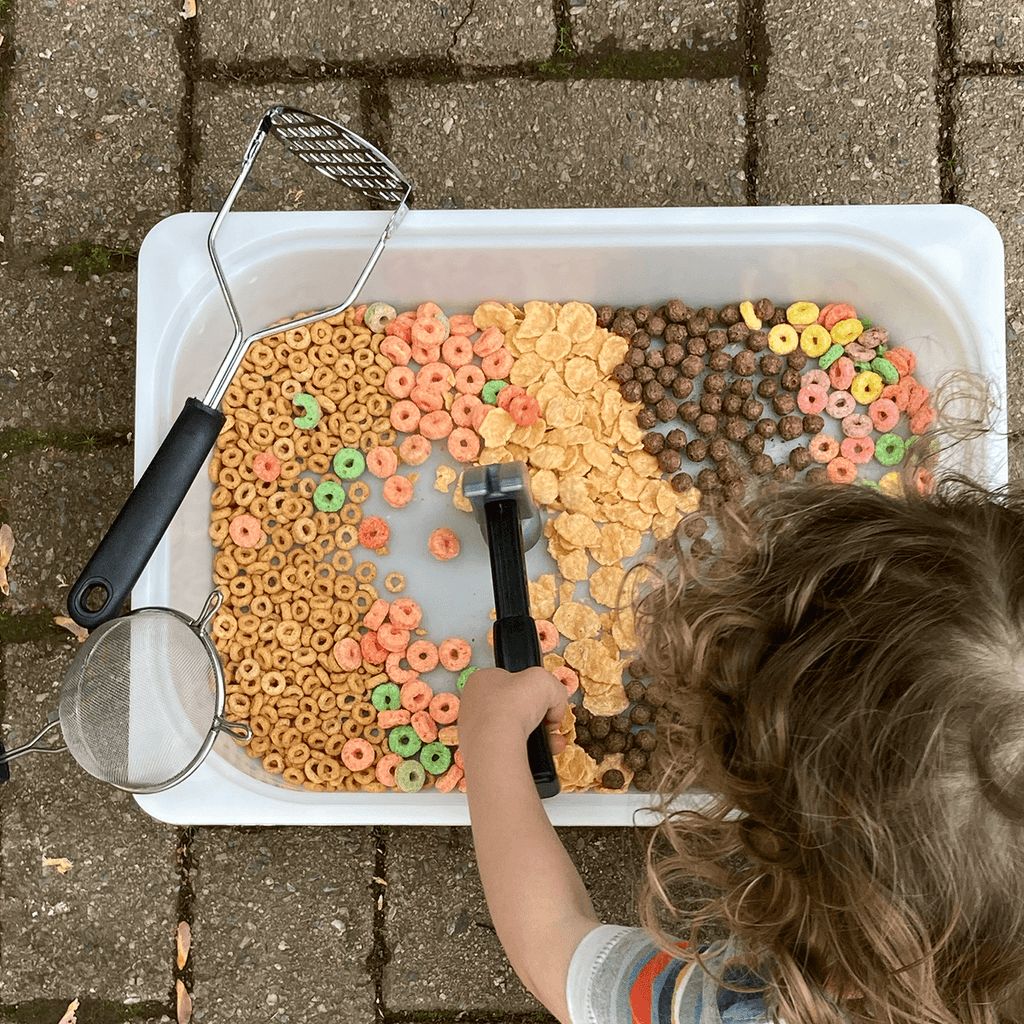
A simple, age-appropriate breakfast food can double as a sensory experience when your baby is ready for it.
The important part is choosing a texture that matches the baby’s developmental abilities and preparing it appropriately.
Avoid hard, sticky, or difficult-to-manage foods simply because they look interesting.
Let your baby touch the food before eating it. They might squeeze it, move it around the tray, or inspect it closely.
This is one reason sensory experiences do not always need to happen separately from everyday life.
Meals themselves naturally provide opportunities to explore texture, smell, temperature, color, and taste.
17. Try a Familiar Vegetable Puree
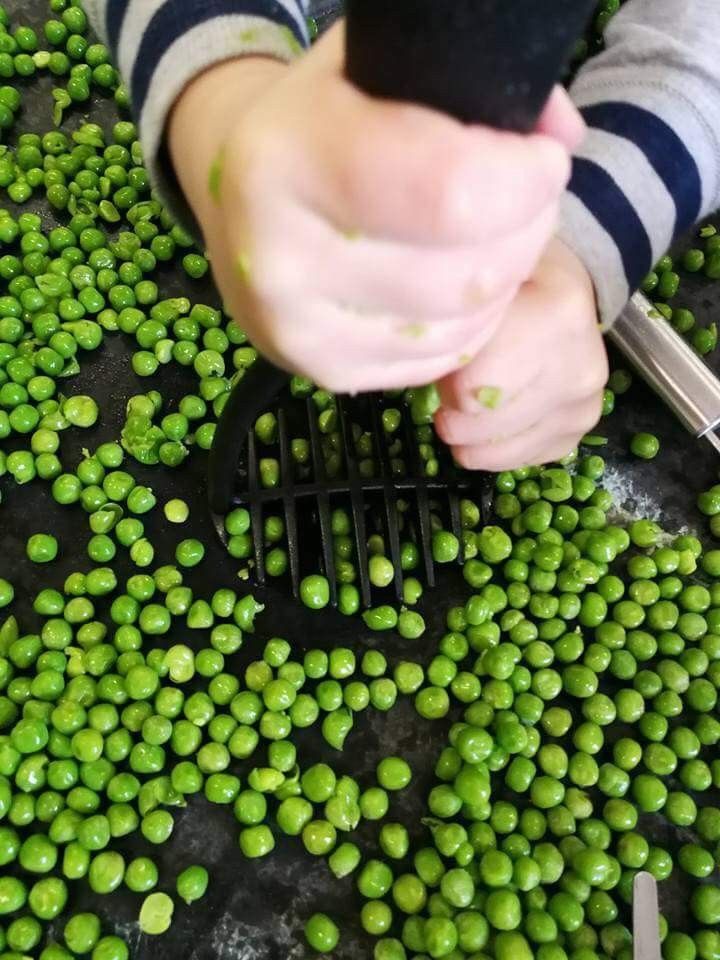
A familiar vegetable puree can introduce a different smell, color, and texture while keeping the sensory setup simple.
Choose a vegetable your baby already eats safely. Offer a small amount and allow your baby to investigate it without pressure.
If your baby dislikes the texture, you do not need to keep going.
Sensory exploration is not about making the baby tolerate every sensation. It is about giving them safe opportunities to encounter different experiences.
This can be especially useful for parents who are looking for best play activities for newborn babies but whose babies have moved beyond the earliest newborn stage and are becoming more physically curious.
18. Explore Texture Through Mealtime Mess
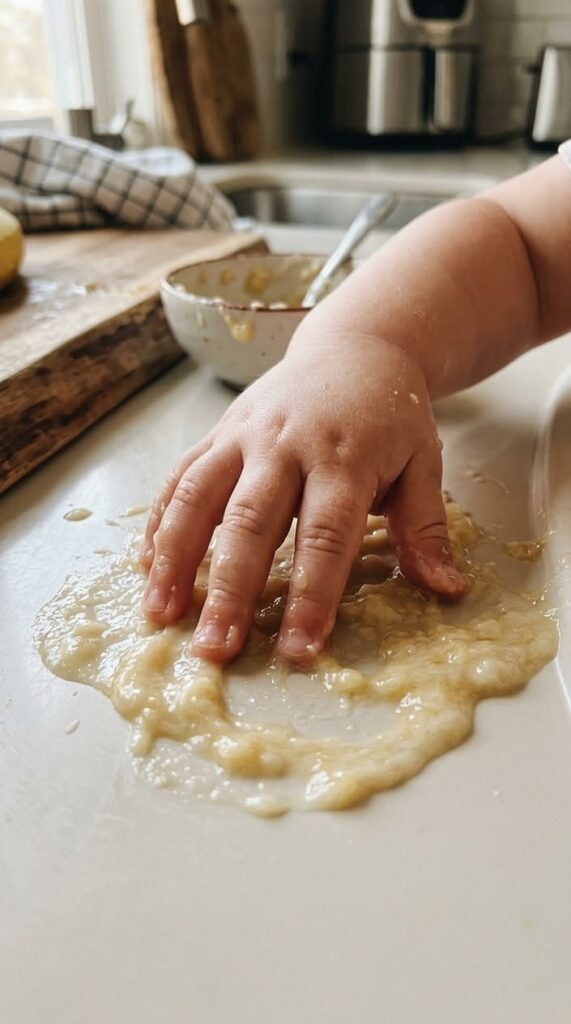
Sometimes the easiest sensory activity is simply allowing a baby to participate more actively during an appropriate meal.
A baby may notice that mashed food feels different from a smoother puree.
They may smear it across their tray, touch it with one finger, or explore the food on their hands.
This kind of messy exploration can support independence while also making meals more interactive.
You do not need to turn every meal into sensory play, and you should not pressure your baby to touch food if they are uncomfortable. Some babies prefer to explore gradually.
Afterward, cleanup can be made easier with washable surfaces and a change of clothing.
Keeping a few essential newborn outfits every baby needs organized can also make everyday baby care easier as your child moves through messy developmental stages.
19. Finish With a Familiar Texture Your Baby Enjoys
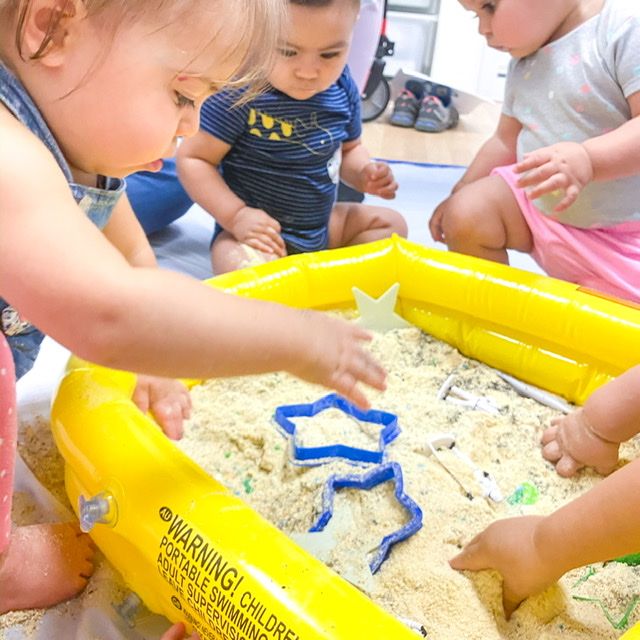
End a sensory session with something familiar rather than constantly introducing a new material.
If your baby enjoyed smooth banana, soft oatmeal, or another age-appropriate texture they already know, returning to it can create a comfortable ending.
This can also help you observe how your baby’s responses change over time.
A texture they avoided during an earlier session may become interesting later as their coordination and confidence develop.
There is no need to measure the activity by how messy the baby became or how long they stayed engaged. A few minutes of focused exploration can be meaningful.
The best sensory experiences are often the ones that fit naturally into your baby’s existing routine.
How to Keep Taste-Safe Sensory Play Safe
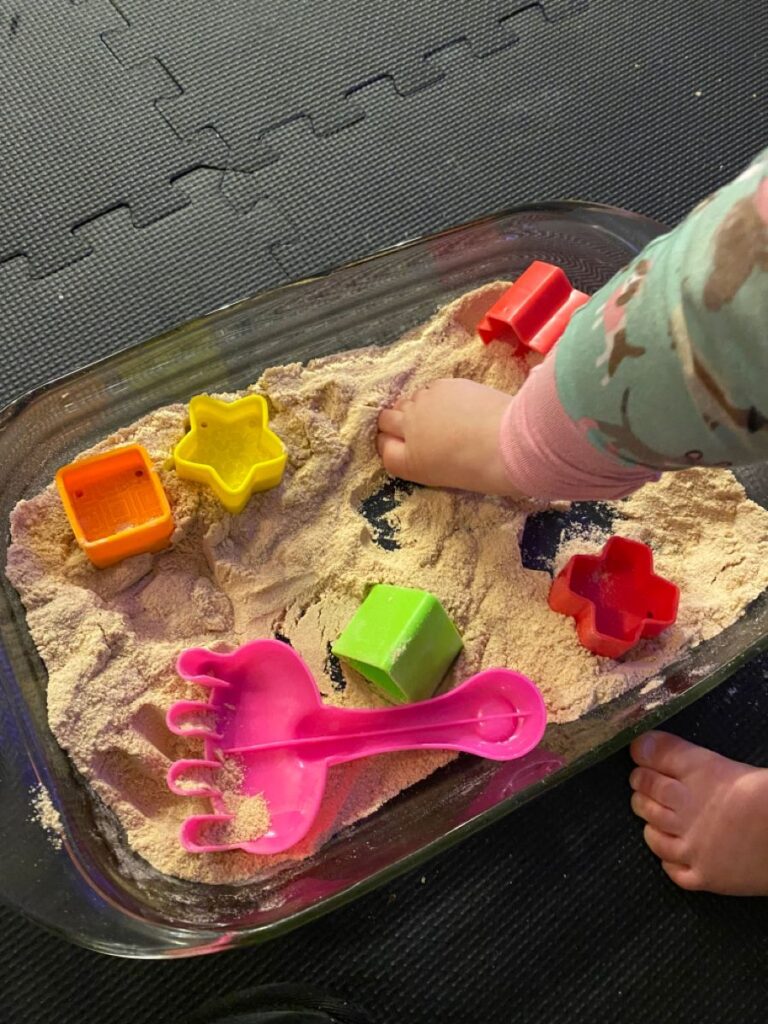
Safety should come before creativity when planning sensory activities for babies.
The fact that something is edible does not mean it is automatically safe for a baby to handle or eat.
Always consider choking hazards, food allergies, temperature, cleanliness, and developmental readiness.
Babies should be supervised closely throughout sensory play, particularly when materials are within reach of the mouth.
Avoid small loose objects, hard pieces, ingredients that can become dangerous when swallowed, and anything that can wrap around fingers or other body parts.
Avoid activities involving raw ingredients when cooking or preparation would make them unsuitable for the baby.
If your baby has known food allergies or specific feeding restrictions, choose activities around foods that have already been cleared as appropriate for them.
When you are uncertain about introducing a particular food, discuss it with your pediatrician or another qualified healthcare professional.
Clean the activity surface before and after use, and discard leftover food that has been sitting out rather than saving it for later.
Choosing Activities Based on Your Baby’s Development
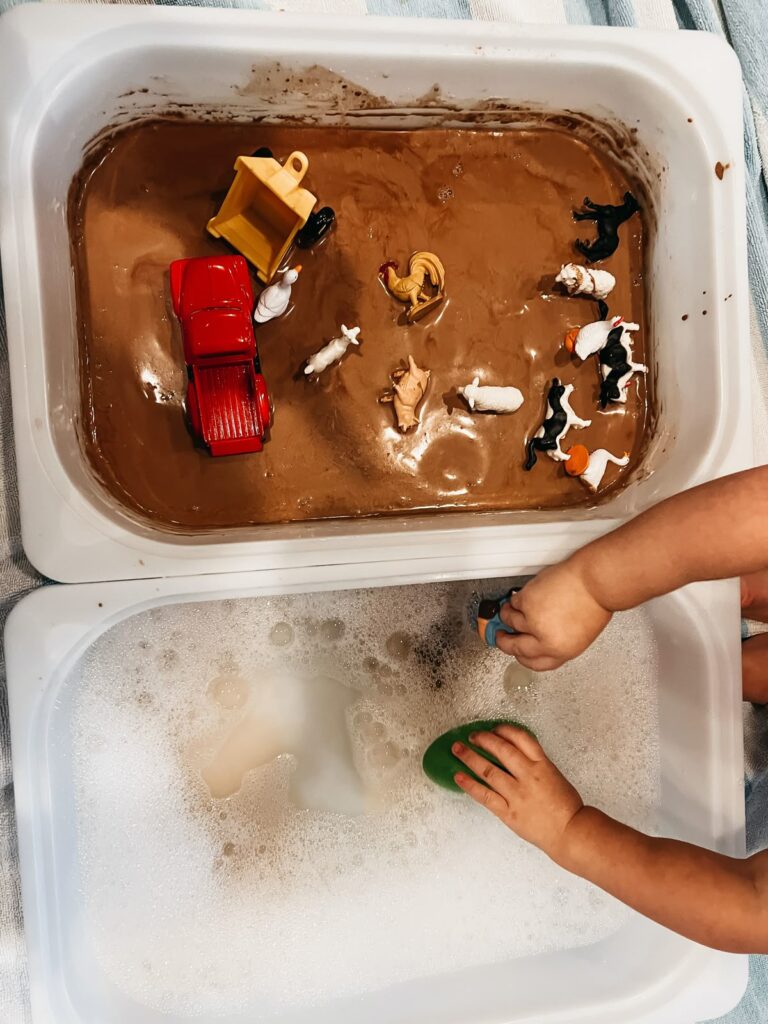
The same sensory activity will not work equally well for every baby.
A very young infant may benefit more from looking at high-contrast objects, listening to voices, feeling different safe fabrics, or watching a caregiver move an object slowly.
As babies become more capable of reaching and grasping, hands-on sensory experiences become increasingly interesting.
Once a baby can sit with appropriate support, they may be able to participate in carefully supervised tray-based exploration.
As sitting becomes more stable and hand coordination improves, babies may become more interested in squeezing, transferring, smearing, and comparing textures.
You can think about activities as invitations rather than assignments. Your baby does not need to complete a particular task. They simply need an opportunity to explore safely.
This approach fits naturally with activities for zero to three month-old babies that helps development, because early sensory experiences should remain simple, gentle, and responsive to the baby’s abilities.
How to Make Sensory Play Part of Everyday Life
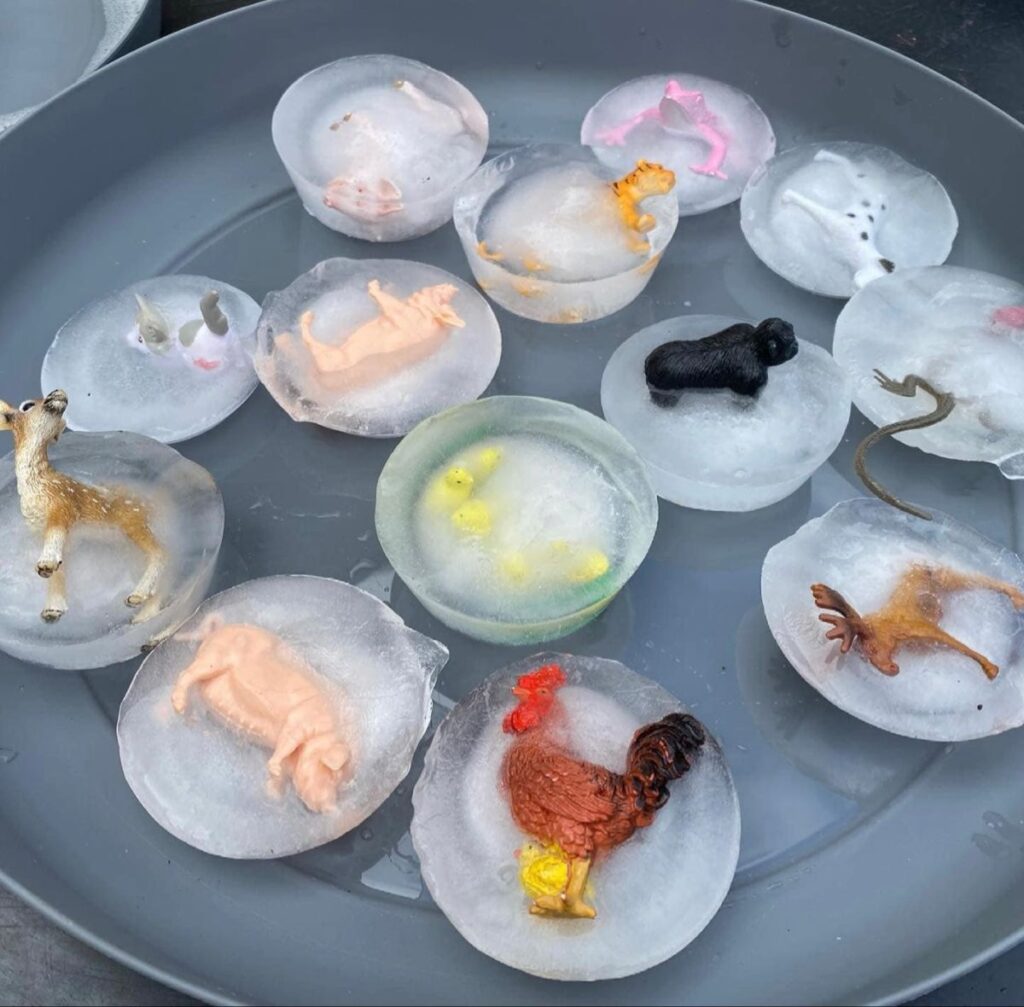
Sensory play does not need to occupy a large part of your day.
A few minutes during a calm period can be enough.
You might explore a food texture before a meal, talk about the feeling of water during bath time, or let your baby safely touch a familiar texture while you sit together.
You can also rotate activities rather than preparing something elaborate every day.
One day might involve a smooth food texture, while another could involve supervised exploration of a safe household material that is appropriate for your baby’s developmental stage.
As your baby becomes more mobile, you can introduce other forms of exploration.
Outdoor activities for babies under one year can provide opportunities to experience natural sounds, gentle breezes, different surfaces, and changing sights while staying within safe environments.
The goal is not to create constant stimulation. Babies also need quiet time, sleep, feeding, cuddling, and opportunities to observe their surroundings without being entertained.
What Parents Can Do During Sensory Play
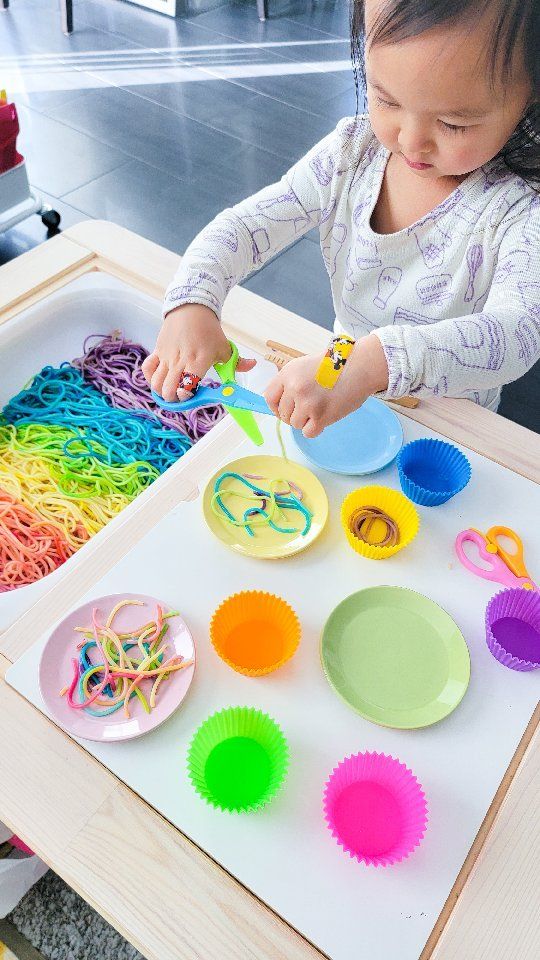
Your role is more important than the sensory material itself.
Sit close enough to supervise. Watch your baby’s face and body language. If they pull away, become distressed, or seem overwhelmed, pause the activity.
Talk naturally while they explore. You might name colors, textures, actions, or temperatures.
You can also imitate your baby’s movements, smile when they look at you, and respond to their sounds.
This interaction makes sensory play relational rather than simply an activity placed in front of the baby.
You can also read together before or after an activity. Keeping best first books for babies nearby can make it easy to transition from hands-on exploration to a quieter interaction.
Music works in much the same way.
Singing a familiar song while your baby explores a safe texture can combine touch, sound, facial expressions, and social interaction without requiring complicated equipment.
When to Keep Sensory Play Simple
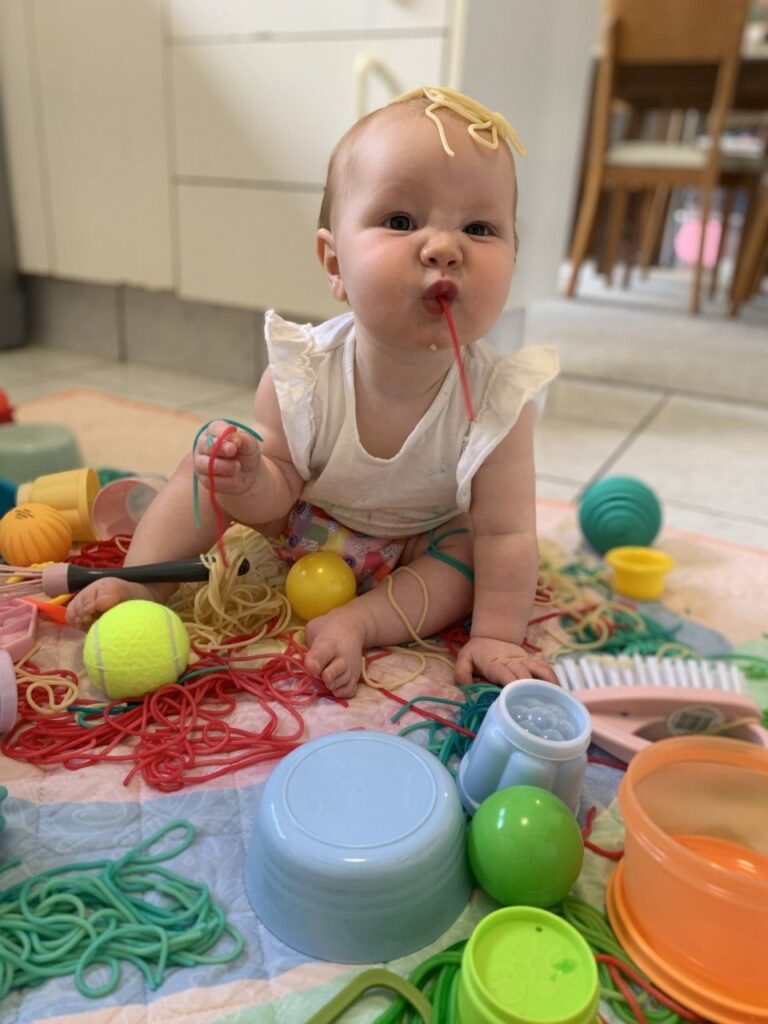
More materials do not necessarily create a better sensory experience.
A tray containing five different textures might look exciting to an adult, but a baby may become overwhelmed by too many colors, smells, and sensations at once.
Starting with one familiar texture is often easier. Once your baby becomes comfortable, you can gradually introduce other experiences.
It is also perfectly acceptable if your baby is not interested.
Some days your baby may enthusiastically explore a texture. Another day, they may be tired, hungry, or simply more interested in watching you.
Follow their cues rather than forcing the activity.
This flexible approach is especially useful when parents are already balancing feeding, naps, diaper changes, and the many changes described in a week-by-week newborn development guide.
Turning Sensory Play Into a Learning Opportunity
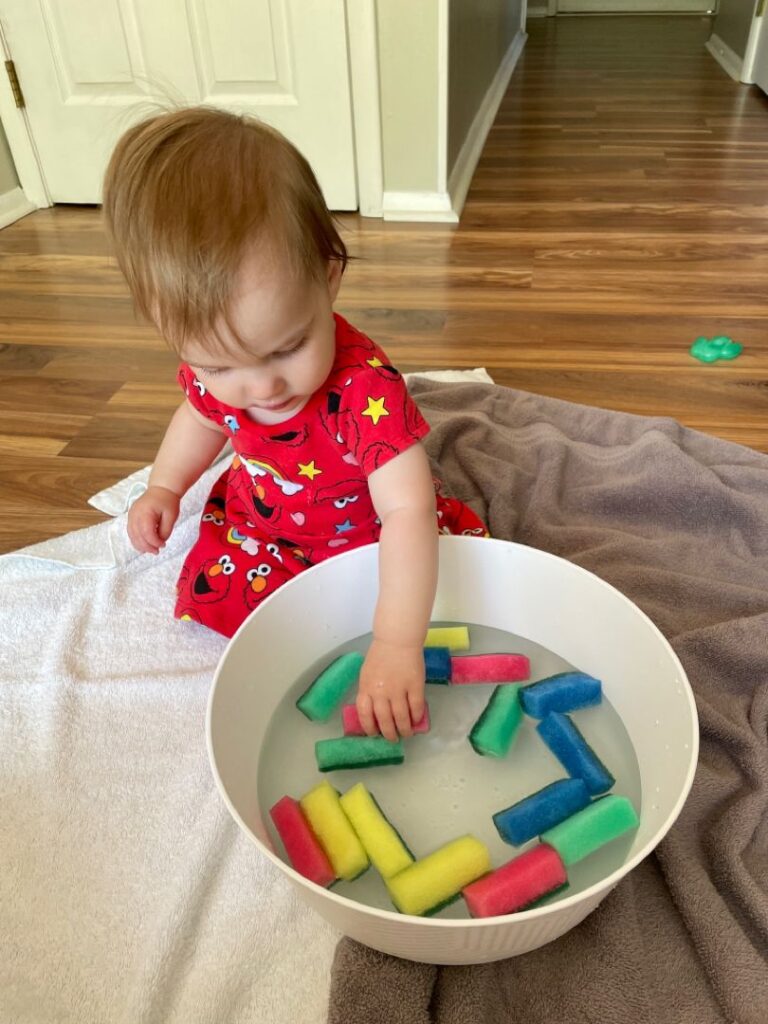
Sensory play becomes more meaningful when parents notice what their baby is actually doing.
If your baby repeatedly squeezes a texture, they may be experimenting with cause and effect.
If they watch food spread across a tray, they are observing movement. If they touch the same material repeatedly, they may be comparing how it feels.
You can support these discoveries without turning them into lessons.
Say what you see. “You touched it.” “It moved.” “You made a mark.” “That feels soft.”
Over time, these simple interactions build connections between experiences and language.
You can also combine sensory play with books, songs, movement, and age-appropriate interaction.
For example, after a messy activity, you might wash your baby’s hands and read together, or sing a familiar song while changing clothes.
These small routines can complement benefits of reading to babies daily while keeping learning connected to everyday family life.
Making Sensory Play Enjoyable Without Overcomplicating It
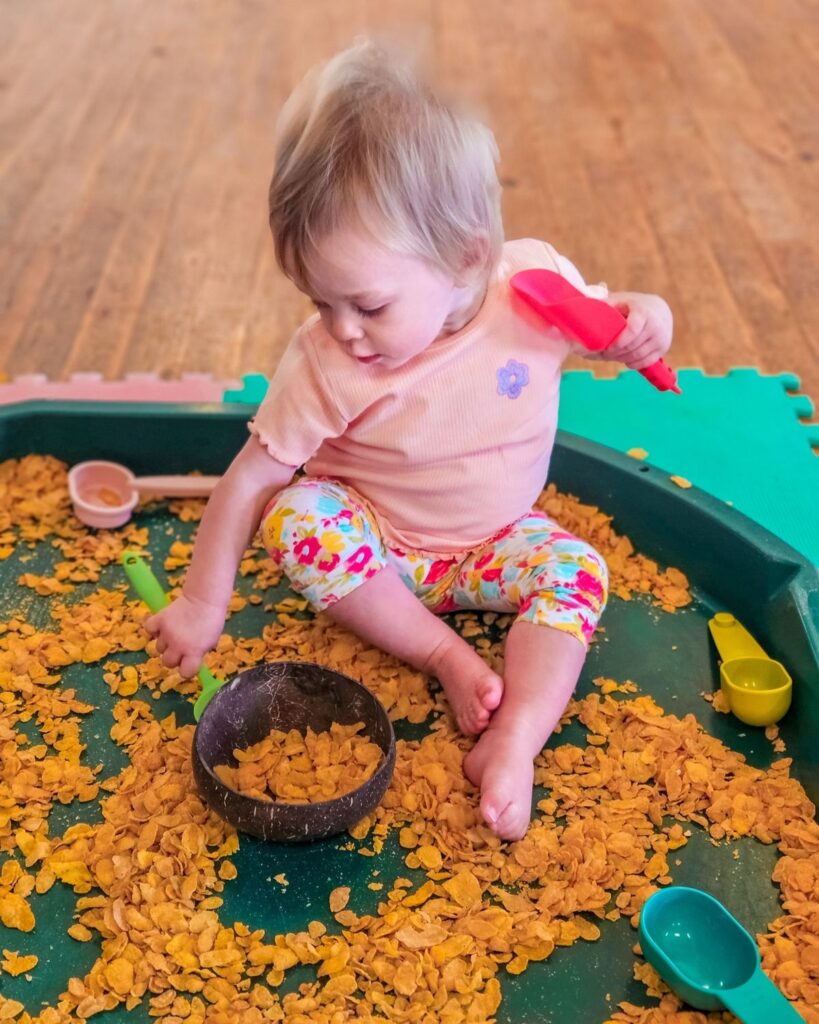
Taste-safe sensory play can be a useful way to introduce babies to different textures and sensations, but it does not need to become another demanding parenting project.
You can start with one familiar food, a clean surface, and a few uninterrupted minutes.
Watch your baby, respond to their reactions, and allow them to explore without pressure.
The most important part is not creating the messiest or most creative activity.
It is giving your baby safe opportunities to experience the world while you remain close, attentive, and responsive.
As your baby’s abilities change, your sensory activities can change with them.
What begins as simply touching a soft puree can eventually become a much broader exploration of texture, movement, sound, smell, and cause and effect.
And sometimes the best sensory activity is simply being together: talking, laughing, singing, reading, and allowing your baby to discover something new at their own pace.
Read More
If you’re looking for more ways to support your baby’s development and everyday learning, these related guides may also be useful:
- How to Play With Your Newborn Baby
- Best Songs to Sing to Your Baby
- 30 Outdoor Activities for Babies Under One Year
- 10 Montessori Activities for Newborns


4 Comments