
How to Prepare Your Older Children for a New Sibling
Preparing for a new baby is an exciting time, but it also brings significant changes for every member of the family.
While parents often spend months choosing baby gear, organizing the nursery, and planning for delivery, it’s just as important to prepare older children for the arrival of their new sibling.
Even children who seem excited about becoming a big brother or sister may have questions, worries, or mixed emotions as they think about how life will change.
Older children usually understand much more than toddlers, which means they may think about situations you haven’t considered.
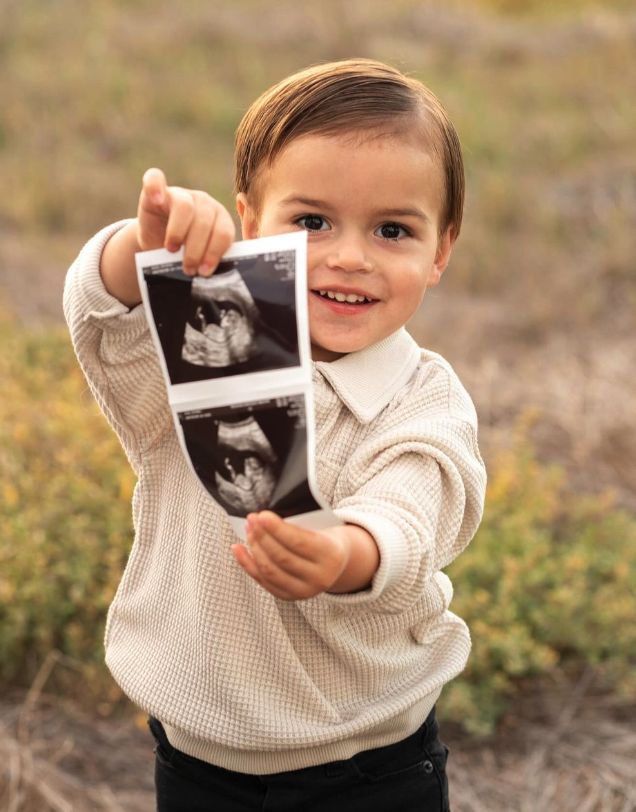
They might wonder whether you’ll still have enough time for them, whether they’ll have more responsibilities, or whether the baby will change family routines.
Some children express these concerns openly, while others keep their feelings to themselves.
Preparing your older children before the baby arrives helps them feel informed, included, and valued.
Instead of experiencing the changes all at once, they have time to adjust gradually, ask questions, and build confidence about their new role in the family.
This preparation can reduce anxiety, strengthen family relationships, and encourage a positive sibling bond from the very beginning.
Remember that every child reacts differently. Some eagerly count down the days until the baby arrives, while others need extra reassurance as they process the changes ahead.
There is no perfect response.
What matters most is creating a home where your children feel safe expressing their emotions and know they will continue to be loved just as much after the baby is born.
This guide will show you practical ways to prepare your older children for a new sibling, helping them understand what’s changing, feel involved in the family’s journey, and welcome their new brother or sister with confidence.
Tell Your Children About the Pregnancy Early

Once your pregnancy has reached the stage where you feel comfortable sharing the news, talk to your older children instead of waiting until your pregnancy becomes obvious.
Giving them plenty of time to adjust allows them to ask questions, express their feelings, and gradually become excited about welcoming the new baby.
Choose a quiet moment when everyone can focus on the conversation without distractions.
Explain the pregnancy using language that matches each child’s age and level of understanding.
Younger school-age children may simply need to know that a baby is growing and will join the family in several months.
Older children may have more detailed questions about pregnancy, childbirth, or how life will change after the baby arrives.
Be honest without overwhelming them with unnecessary details.
If you don’t know the answer to a question, it’s perfectly acceptable to say you’ll find out together.
Talking openly from the beginning helps build trust and encourages your children to continue asking questions throughout your pregnancy instead of making assumptions on their own.
Encourage Honest Conversations About Their Feelings

Children don’t always react with excitement when they hear a new baby is coming, and that’s completely normal.
Some may feel happy one day and worried the next.
Others may feel protective, curious, nervous, or even disappointed that family life is about to change.
Let your children know that every emotion is welcome.
Avoid expecting them to be excited all the time or correcting them if they express uncertainty.
Instead of saying:
“You’ll love being a big brother.”
Try saying:
“How do you feel about the baby coming?”
or
“What are you most excited or worried about?”
Listening without judgment helps children feel understood. Sometimes they simply need reassurance that their feelings won’t upset you.
These conversations also give you opportunities to address misunderstandings before they become bigger concerns.
For example, a child may quietly worry that the new baby will take their bedroom or that they’ll receive less love once the baby arrives.
Explain How Family Life Will Change

One of the biggest mistakes parents can make is promising that “nothing will change.”
Children are observant, and they quickly notice differences after the baby arrives.
Honest conversations help them develop realistic expectations while reassuring them that your love for them remains unchanged.
Explain that newborns need frequent feeding, diaper changes, and plenty of sleep.
Let your children know that there may be times when you’ll need to care for the baby first, but you’ll continue making time for them as well.
Talk about practical changes they may notice, including:
- Different daily routines.
- More visitors during the first few weeks.
- A quieter home while the baby sleeps.
- Hospital visits before the baby comes home.
- Parents feeling more tired than usual.
Present these changes as adjustments the whole family will make together rather than problems to fear.
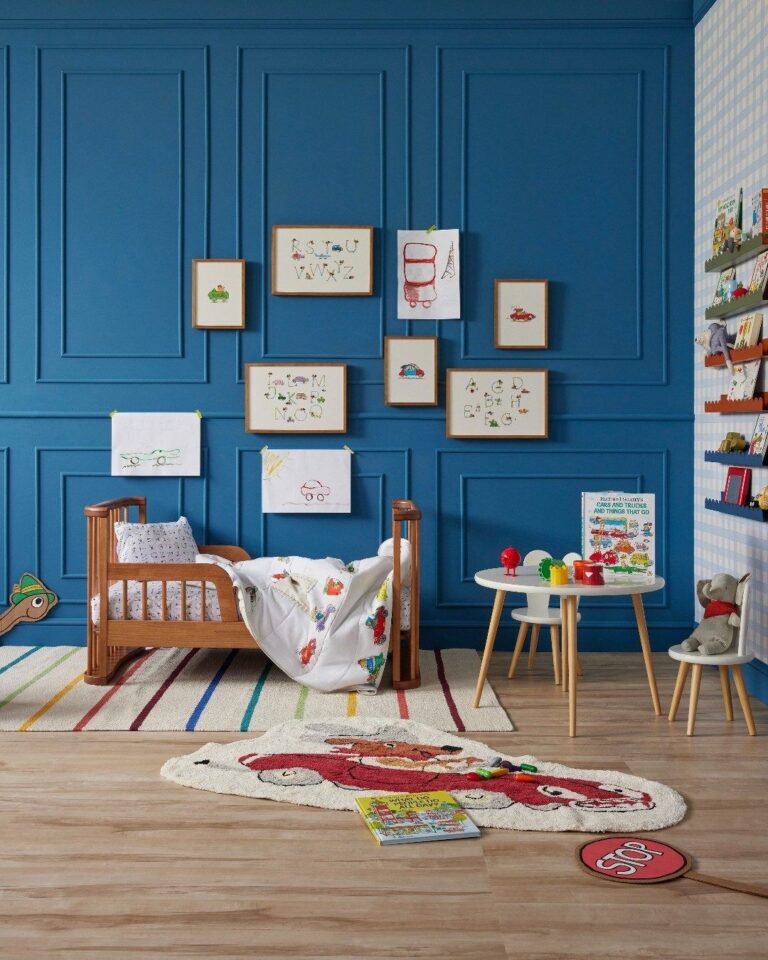
If you’re preparing your home before your baby arrives, involve your older children in conversations about any changes they’ll see around the house so they don’t feel surprised later.
Involve Your Older Children in Preparing for the Baby
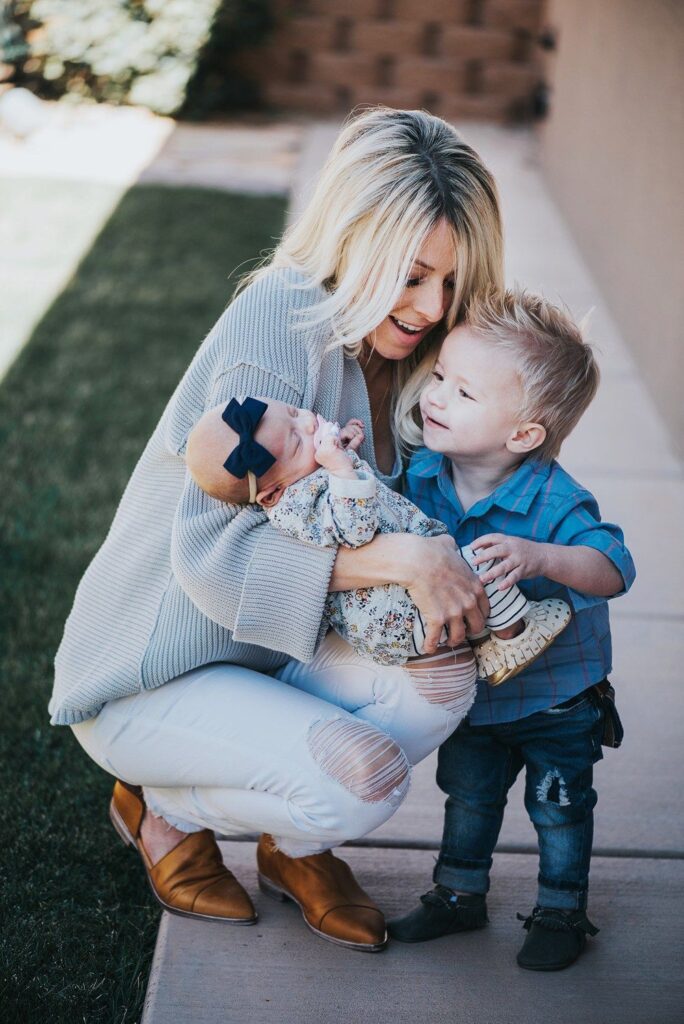
Preparing for a new baby shouldn’t be something that only adults do.
Giving your older children opportunities to participate helps them feel included and reminds them that they’re an important part of the growing family.
The key is to involve them in ways that match their age, interests, and abilities.
Rather than assigning responsibilities, invite them to contribute ideas and make small decisions.
Feeling included can help replace uncertainty with excitement.
For example, your children might enjoy:
- Helping choose baby clothes.
- Organizing the nursery.
- Picking out storybooks for the baby.
- Decorating a welcome-home sign.
- Choosing a special stuffed animal.
- Folding baby blankets.
- Helping pack items for the hospital.
These activities encourage a sense of ownership and allow your children to begin building a connection with their new sibling before the baby is even born.
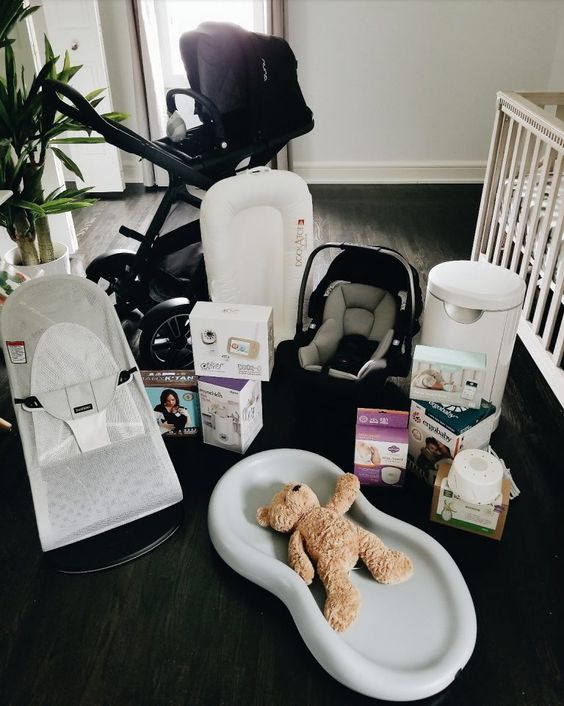
If you’re buying the essentials before the extras, explain why your family is focusing on practical purchases first.
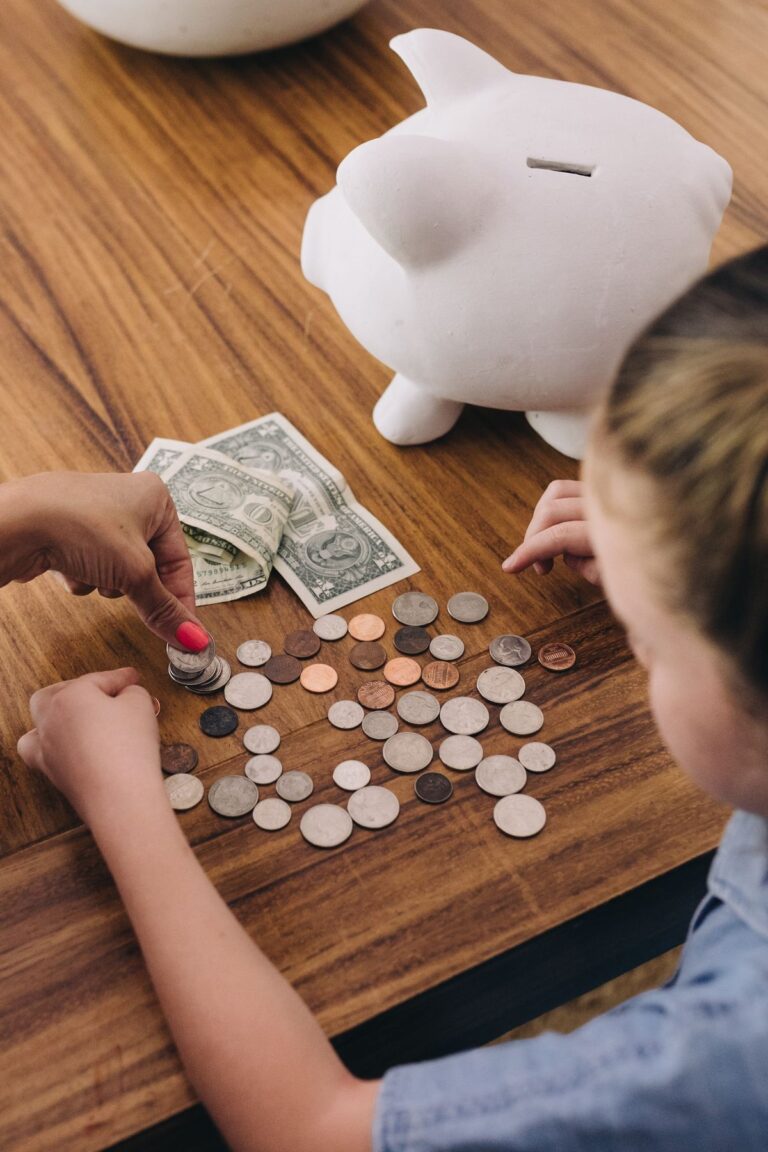
Older children often understand budgeting better than younger siblings, and involving them in these conversations can help them appreciate thoughtful spending rather than expecting every new baby gadget.
Help Them Understand a Newborn’s Needs
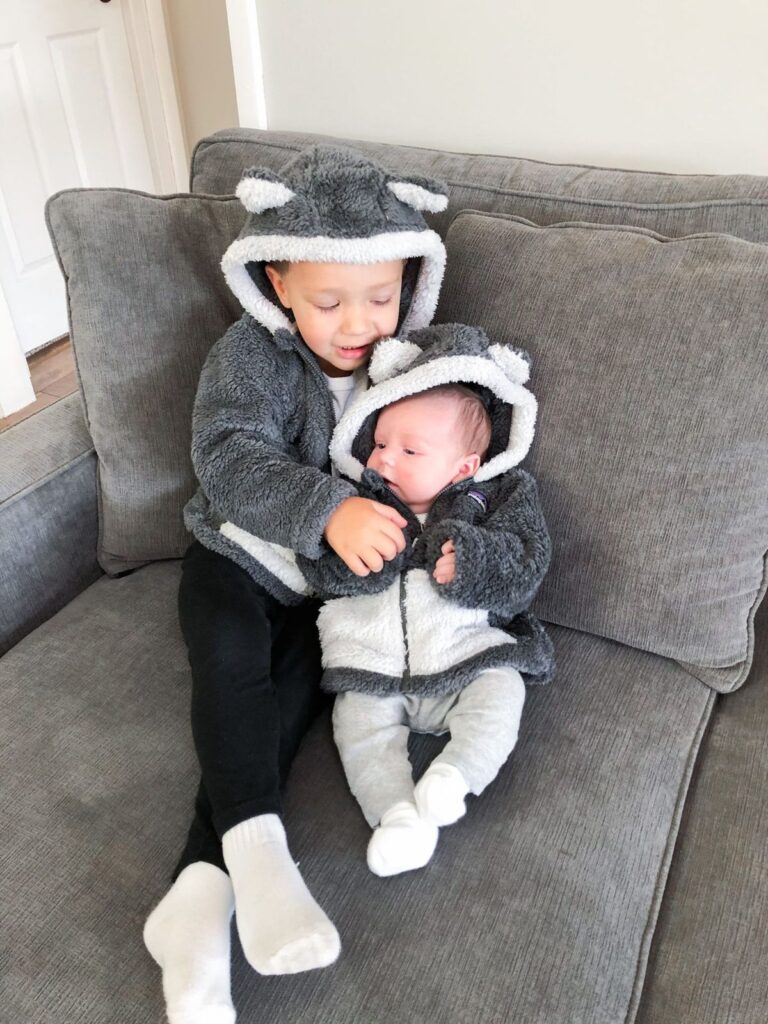
Many older children imagine they’ll have someone to play with as soon as the baby comes home.
They may picture kicking a ball together, reading stories, or playing games, only to discover that newborns spend most of their time sleeping, feeding, and crying.
Preparing your children for this reality helps prevent disappointment.
Explain that babies:
- Sleep for much of the day.
- Cry because it’s how they communicate.
- Need frequent feeding.
- Cannot play like older children.
- Depend on adults for everything.
At the same time, reassure them that as the baby grows, they’ll gradually be able to laugh, smile, crawl, play, and interact more.
Helping your children understand these stages makes it easier for them to be patient during the newborn months.
Avoid Turning Older Children Into Extra Parents

Older siblings often enjoy helping, but there’s an important difference between encouraging helpfulness and expecting them to take on parenting responsibilities.
Children should never feel responsible for raising, entertaining, or constantly supervising a younger sibling. Their primary role is still to be a child.
Instead of saying:
- “You have to watch the baby.”
Try saying:
- “Would you like to help me choose the baby’s outfit today?”
Small, voluntary tasks build confidence without creating unnecessary pressure.
Age-appropriate ways to help include:
- Bringing a clean diaper.
- Singing to the baby.
- Reading a short story.
- Choosing pajamas.
- Helping push the stroller during family walks.
- Talking to the baby while you’re nearby.
By keeping responsibilities manageable, your children are more likely to enjoy helping rather than feeling burdened.
Continue Making Time for Each Child

One of the greatest concerns older children have is whether they’ll still receive your attention after the baby arrives.
Although newborns naturally require a great deal of care, making intentional time for each older child helps strengthen your relationship and reassures them that they remain important.
Even 15 to 20 minutes of uninterrupted one-on-one time can have a meaningful impact.
During that time, let your child choose the activity.
You might:
- Go for a walk.
- Play a board game.
- Bake together.
- Read a favorite book.
- Ride bicycles.
- Watch a movie.
- Work on a puzzle.
Quality matters far more than quantity. Your child will remember feeling seen, heard, and valued.
Respect Their Routine and Personal Space

Older children have established routines that help them feel secure.
School, homework, extracurricular activities, bedtime, and family traditions all contribute to a sense of stability.
While some adjustments are inevitable after the baby arrives, try to maintain these routines as much as possible.
If changes need to happen, discuss them in advance instead of making sudden decisions.
For example, if a child will be moving bedrooms to make space for the nursery, complete the move several weeks before the baby arrives.
This prevents your child from associating the baby with losing their personal space.
Maintaining familiar routines also helps children feel that their own lives still matter, even as the family grows.
If you’re also preparing for your growing family, involving your children in these conversations allows them to understand the reasons behind household changes and reduces feelings of uncertainty.
Encourage Your Children to Build Their Own Relationship With the Baby

Every sibling relationship develops differently.
Some older children immediately adore their new baby brother or sister, while others take a little longer to feel connected.
Instead of expecting an instant bond, allow the relationship to grow naturally.
Encourage your children to interact with the baby in simple, enjoyable ways that feel comfortable to them.
Small, positive experiences often create the strongest foundation for a lasting sibling relationship.
They might enjoy:
- Talking softly to the baby.
- Singing a favorite song.
- Reading a bedtime story.
- Showing the baby their favorite toy.
- Making funny faces to encourage smiles.
- Helping during supervised tummy time as the baby grows.
Praise their kindness without making them feel responsible for entertaining or caring for the baby.
As your baby begins smiling, laughing, and responding to familiar voices, your older children will often become even more interested in spending time together.
Prepare Them for Visitors and Extra Attention on the Baby
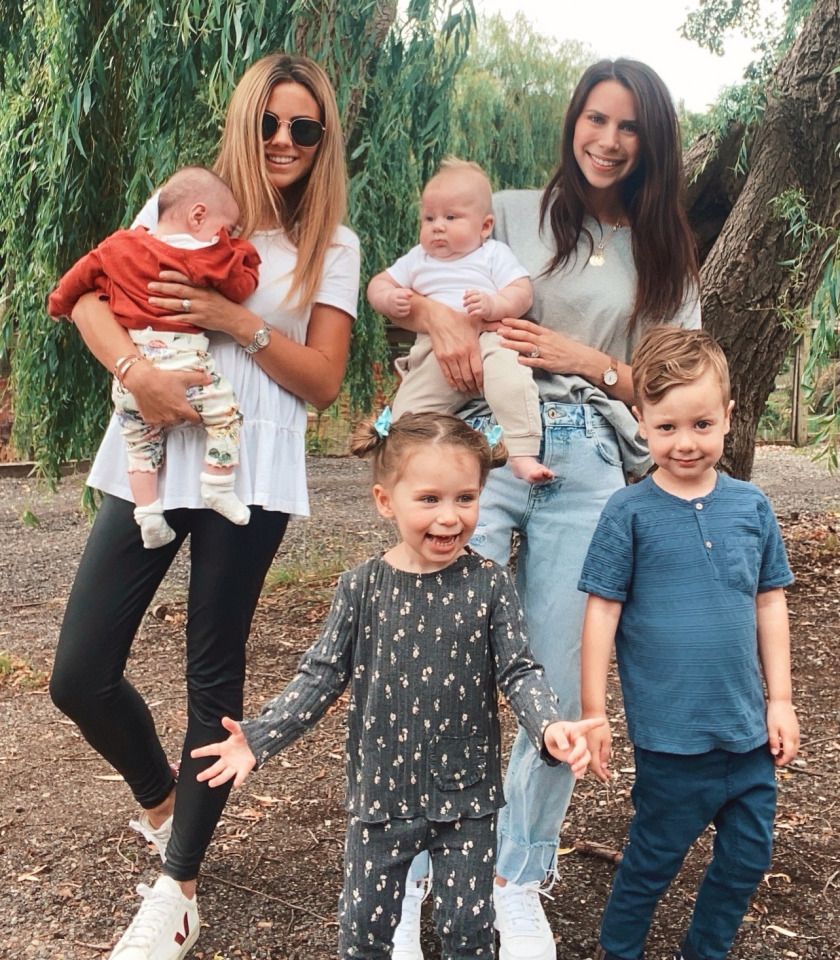
When a new baby arrives, friends and relatives naturally want to visit and meet the newest member of the family.
While this excitement is wonderful, older children can sometimes feel invisible if every conversation revolves around the baby.
Before visitors arrive, talk to your children about what to expect.
Explain that many people will be excited to see the baby, but that doesn’t make them any less important.
You can also encourage family members and friends to acknowledge your older children first by:
- Asking about school or hobbies.
- Complimenting their role as an older sibling.
- Bringing a small activity book or game.
- Spending a few minutes talking with them.
- Asking them to proudly introduce the baby.
These thoughtful interactions help children feel included instead of overlooked.
Be Patient if Jealousy Appears
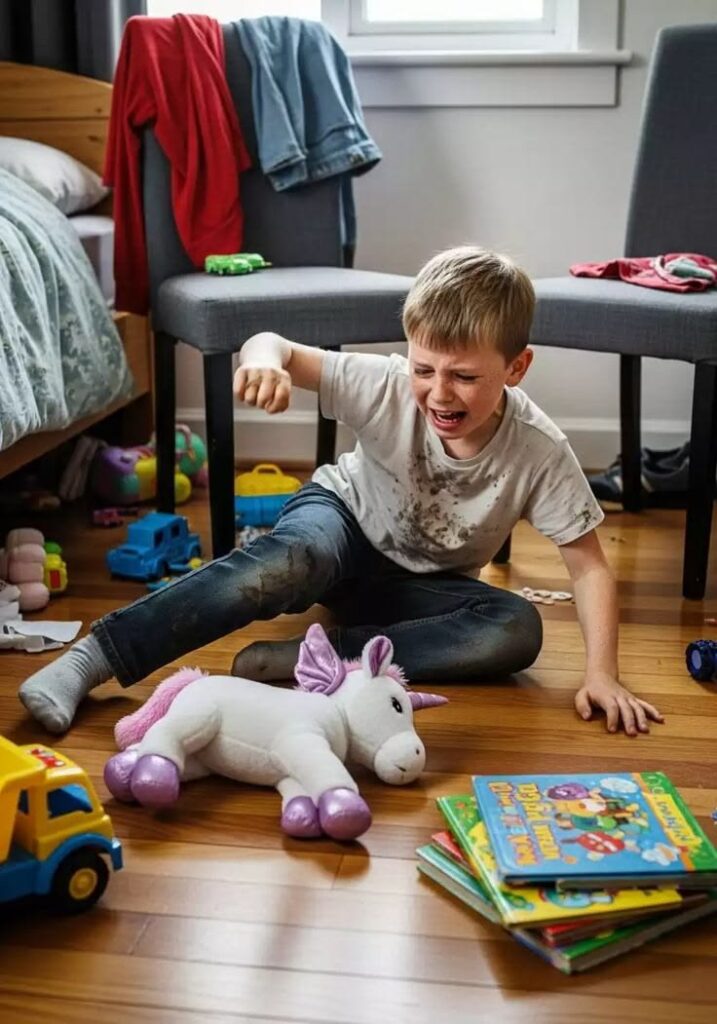
Even well-prepared children may experience jealousy after the baby arrives.
This doesn’t mean your preparation failed. It simply means they’re adjusting to a major life change.
Jealousy can appear in different ways depending on a child’s personality.
Some children may:
- Become quieter than usual.
- Ask for extra attention.
- Complain more often.
- Argue with siblings.
- Regress to younger behaviors.
- Test household rules.
Rather than responding with frustration, try to understand what the behavior is communicating.
Children often aren’t saying, “I don’t like the baby.”
They’re saying:
- “I miss spending time with you.”
- “Everything feels different.”
- “I need reassurance.”
Responding calmly while continuing to set appropriate boundaries helps children feel emotionally secure during this transition.
Celebrate Their New Role Without Adding Pressure

Becoming an older sibling is an important milestone, and celebrating it can help children feel proud of their new role.
Simple ideas include:
- Giving them a “Big Brother” or “Big Sister” certificate.
- Planning a special family outing before the baby arrives.
- Taking photos together before and after birth.
- Creating a scrapbook about becoming siblings.
- Letting them choose a small gift for the baby.
- Giving them a keepsake to remember the occasion.
While celebrating is important, avoid constantly telling children they must “set the perfect example” or “always be responsible.”
These expectations can unintentionally create pressure instead of confidence.
Instead, remind them that they’re loved simply because they’re part of the family not because they’re expected to be perfect.
Keep Communication Open After the Baby Arrives
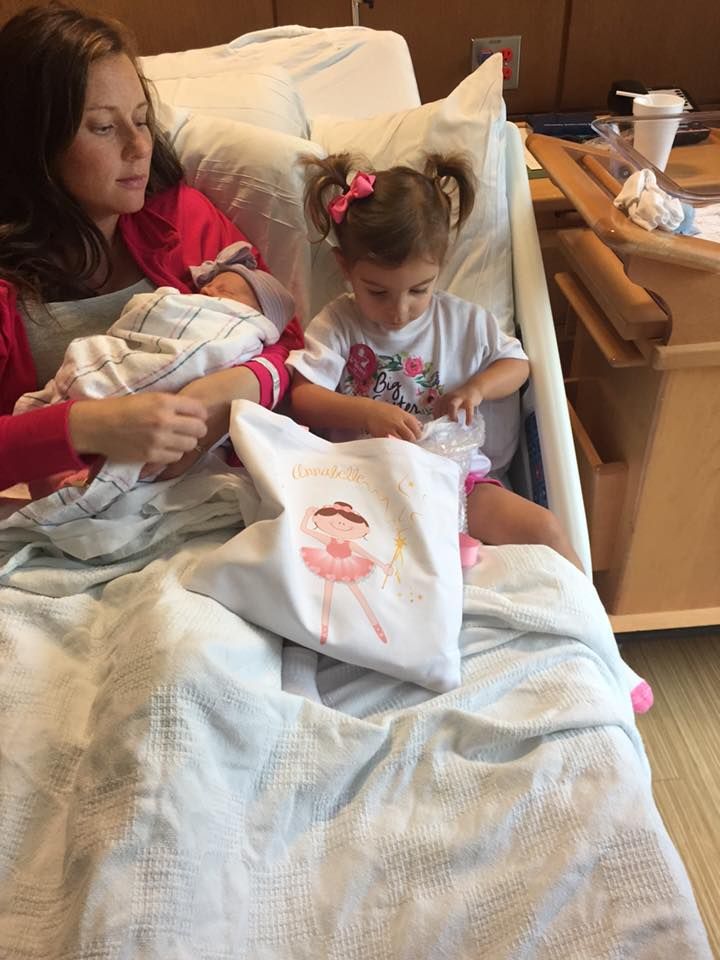
Preparing your older children doesn’t end once the baby is born.
In many ways, that’s when the most important conversations begin.
Continue checking in with your children regularly by asking questions such as:
- “How are you feeling about everything?”
- “What’s been your favorite part of having the baby at home?”
- “Has anything been difficult this week?”
- “Is there something you’d like us to do together?”
These conversations don’t have to be long.
Even a few minutes each day can strengthen trust and help you notice concerns before they become bigger problems.
As your children grow, their feelings and questions will continue changing.
Keeping communication open reminds them they’ll always have a safe place to share what’s on their minds.
If you’re also building a support system as a single parent, maintaining open communication becomes even more valuable because your children know they can rely on honest conversations and emotional support at home.
Help Your Older Children Keep Their Own Identity

As your family grows, it’s easy for older children to become known mainly as “the big brother” or “the big sister.”
While they should be proud of their new role, it’s equally important to remind them that they are much more than an older sibling.
Continue encouraging the interests, hobbies, and talents that make each child unique.
Whether they enjoy sports, music, art, reading, science, or outdoor activities, making time for those passions helps them maintain their confidence during a period of change.
Celebrate achievements that have nothing to do with the new baby.
Praise their effort at school, cheer them on during extracurricular activities, and continue supporting their personal goals.
When children feel valued for who they are as individuals, they’re less likely to view the baby as someone competing for attention.
Encourage Family Activities That Include Everyone

Although newborns have simple needs during the first few months, there are still many ways to spend quality time together as a family.
Simple activities help older children feel that the baby is becoming part of family life rather than replacing it.
Ideas include:
- Taking family walks.
- Reading books together.
- Having movie nights at home.
- Eating meals together whenever possible.
- Looking through family photo albums.
- Taking monthly family pictures.
- Celebrating milestones together.
These shared experiences create positive memories while helping older children see the new baby as another valued member of the family.
Remember that the goal isn’t to plan elaborate outings. Consistent, meaningful time together often has the greatest impact.
Watch for Signs Your Child May Need Extra Support
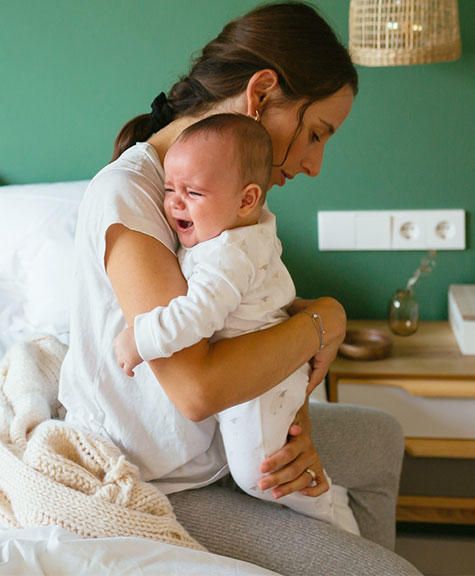
Most children adjust well over time, but some may need additional encouragement during the transition.
Pay attention if your child experiences changes that continue for several weeks, such as:
- Persistent sadness.
- Withdrawal from family or friends.
- Significant changes in eating or sleeping habits.
- Ongoing anger toward the baby.
- Declining school performance.
- Frequent complaints of headaches or stomach aches without a medical cause.
- Excessive anxiety about being separated from you.
These behaviors don’t necessarily mean something is seriously wrong, but they may indicate your child is having a more difficult time adjusting.
Respond with patience and curiosity rather than criticism.
Spend extra time talking, listening, and reassuring them.
If concerns continue or begin affecting daily life, consider speaking with your child’s pediatrician, school counselor, or a qualified mental health professional.
Seeking support early can help children develop healthy coping skills and strengthen family relationships.
Remember That Adjustment Takes Time
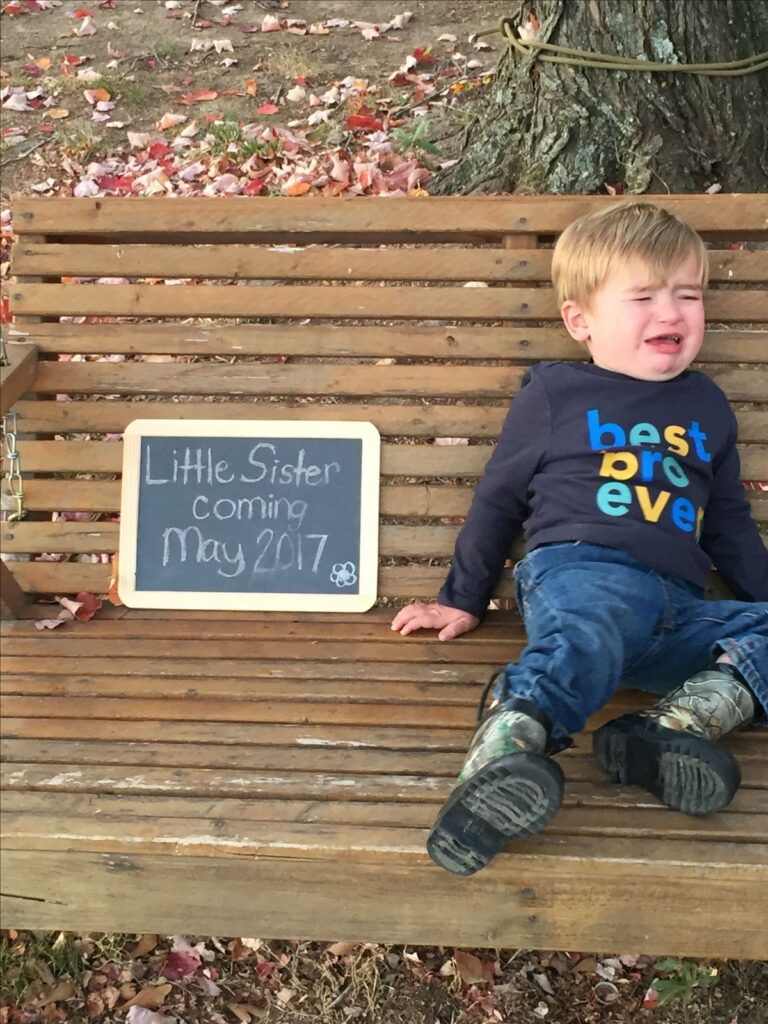
There isn’t a deadline for accepting a new sibling.
Some children seem comfortable almost immediately, while others gradually settle into their new role over several months.
Try not to compare your family with others or expect your children to react in a particular way.
Every family dynamic is unique, and every child processes change differently.
Celebrate small milestones along the way.
Maybe your child smiles at the baby for the first time, offers to help without being asked, proudly introduces their sibling to a friend, or simply talks about the baby with excitement.
These moments show that the relationship is growing naturally.
Consistency, patience, and reassurance are far more valuable than expecting immediate perfection.
Simple Checklist to Prepare Your Older Children for a New Sibling
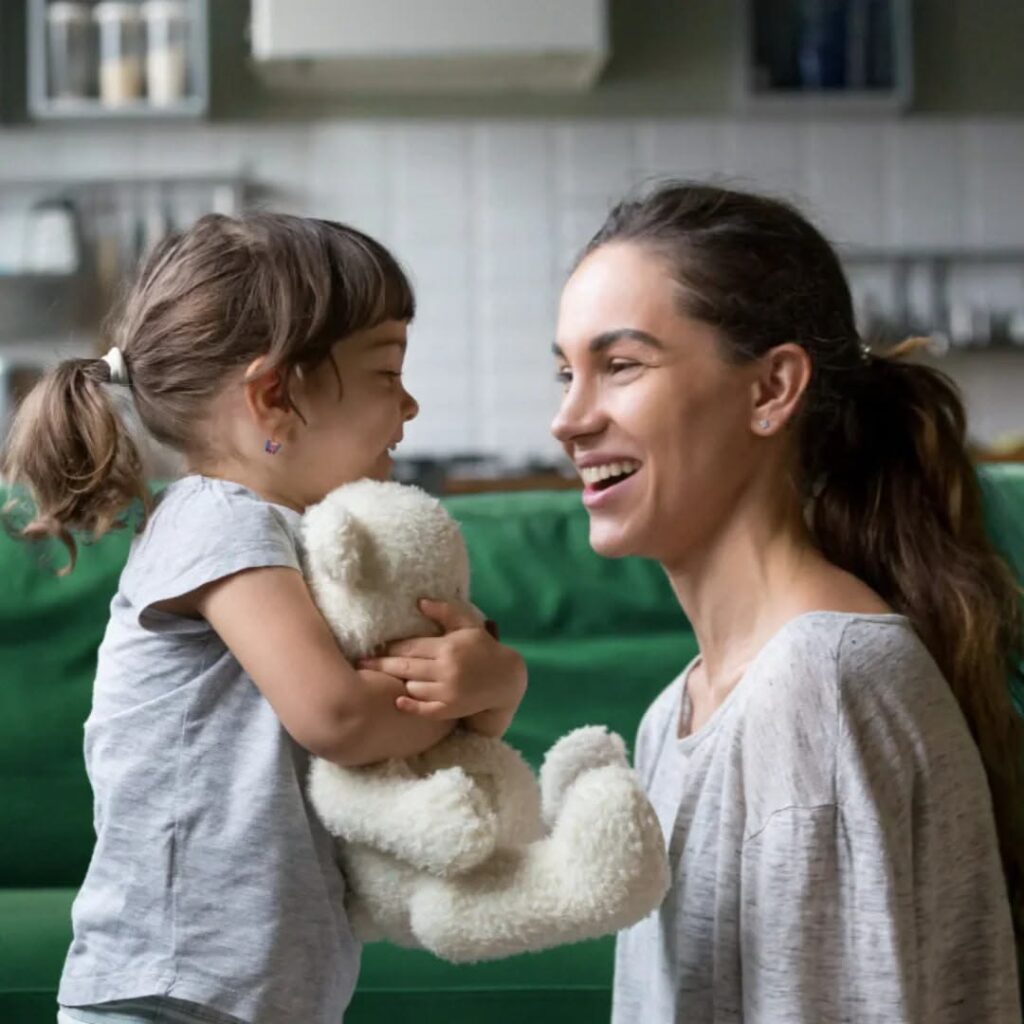
Preparing your older children doesn’t have to feel overwhelming.
Taking one step at a time can help the entire family adjust with greater confidence.
Use this checklist as your guide before the baby arrives:
- Tell your children about the pregnancy early.
- Encourage honest conversations about their feelings.
- Explain how family life may change.
- Include them in preparing for the baby.
- Teach them what newborns are really like.
- Avoid giving them parenting responsibilities.
- Continue spending one-on-one time with each child.
- Maintain familiar routines whenever possible.
- Encourage positive sibling bonding.
- Prepare them for visitors after the birth.
- Celebrate their new role without creating pressure.
- Keep communication open after the baby arrives.
- Continue supporting their individual interests.
- Plan family activities everyone can enjoy.
- □ Be patient as everyone adjusts to life together.
Working through these simple steps before your due date can help your children feel more secure, valued, and excited about welcoming their newest family member.
A Strong Sibling Relationship Begins With Preparation

Welcoming a new baby is a wonderful milestone, but it’s also a significant transition for older children.
While excitement is often part of the experience, it’s perfectly normal for children to have questions, mixed emotions, or concerns about how life will change.
Preparing your older children before the baby arrives gives them time to understand what’s happening, express their feelings, and gradually adjust to their new role within the family.
Through honest conversations, consistent routines, meaningful involvement, and regular reassurance, you can help them approach this new chapter with confidence instead of uncertainty.
Remember that becoming an older sibling is a journey, not a single moment.
The relationship between your children will continue to grow through everyday experiences, shared memories, and the love they build over time.
By supporting your older children with patience, understanding, and encouragement, you’re creating the foundation for a healthy sibling relationship that can last a lifetime.
Avoid Comparing Your Children

One of the easiest ways to unintentionally create tension between siblings is by comparing them.
Comments that seem harmless, such as “Your little sister sleeps so much better than you did,” or “Your brother never made this much mess,” can make older children feel as though they are being measured against the newest member of the family.
Instead, recognize each child’s strengths individually.
Every child has a different personality, learns at a different pace, and expresses emotions in their own way.
Celebrating these differences helps children develop healthy self-esteem while reducing the likelihood of sibling rivalry.
When speaking about your children, focus on their individual achievements rather than comparing their abilities or behavior.
For example, you might say:
- “I love how kind you were when you shared your toys.”
- “You worked really hard on your homework today.”
- “The baby seems calm when they hear your voice.”
These types of comments reinforce positive behavior without suggesting that one child is better than another.
Over time, children who feel appreciated for who they are become more confident in their place within the family and are more likely to build positive relationships with their siblings.
Create New Family Traditions

The arrival of a new baby is the perfect opportunity to create traditions that help every child feel included.
Family traditions don’t need to be expensive or elaborate. In fact, the simplest routines often become the memories children treasure most.
Consider introducing activities that everyone can participate in, regardless of age.
Ideas include:
- Weekly family game nights.
- Sunday breakfast together.
- Evening story time.
- Monthly family photos.
- Birthday traditions for each child.
- Holiday baking together.
- Family gratitude moments before bedtime.
These traditions remind older children that although the family is growing, the love and connection within the home remain just as strong.
As your baby grows, these shared experiences will naturally strengthen the relationship between siblings and create lasting memories for the entire family.
📸 Image Suggestion 17: Parents and children baking together in the kitchen while the newborn relaxes in a nearby bassinet.
Alt text: Creating family traditions after welcoming a new baby.
Remember That Every Child Adjusts Differently
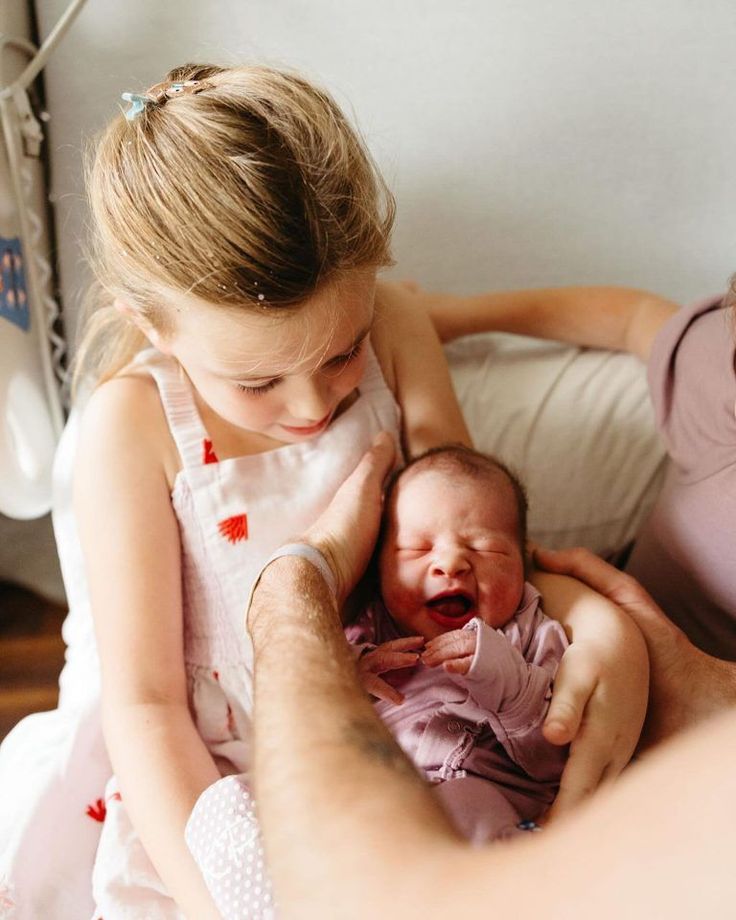
Some children eagerly embrace their role as an older sibling from the very beginning.
Others need more reassurance, extra patience, and additional time before they feel completely comfortable with the changes taking place.
Neither response is right or wrong.
Avoid expecting your child to react the same way as a sibling, cousin, or friend’s child.
Personality, age, temperament, previous experiences, and family dynamics all influence how children adapt to change.
Continue offering encouragement, affection, and opportunities to express their feelings without judgment.
With consistency, patience, and understanding, most children gradually develop a close and meaningful relationship with their new sibling.
Remember that your goal isn’t to eliminate every difficult emotion.
Your goal is to help your child feel safe, heard, and loved while learning to adjust to one of the biggest changes they have experienced.