
How to Help Toddlers Adjust to a New Baby
Bringing home a new baby is one of the most exciting milestones for a growing family, but it can also be one of the biggest changes your toddler has ever experienced.
Until now, they may have enjoyed having your attention, following familiar routines, and feeling secure in their place within the family.
Suddenly, they’re being asked to share your time, your energy, and even parts of their home with a tiny new family member who requires constant care.
For many toddlers, these changes bring a mix of emotions. They may feel excited about becoming an older sibling one moment and confused, frustrated, or even jealous the next.

These feelings are completely normal. Young children often struggle to understand why life is changing so quickly, especially when they don’t yet have the words to explain how they feel.
The good news is that most toddlers adjust well when they’re given time, reassurance, and opportunities to feel involved.
Preparing your child before the baby arrives can reduce anxiety, strengthen their confidence, and help them develop a positive relationship with their new sibling from the very beginning.
Helping your toddler adapt isn’t about eliminating every difficult emotion.
It’s about creating an environment where they continue to feel loved, included, and secure while learning what it means to become a big brother or sister.
This guide will show you how to help toddlers adjust to a new baby through practical preparation, age-appropriate conversations, consistent routines, and activities that encourage a healthy sibling bond.
Why Preparing Your Toddler Before Birth Matters

Toddlers thrive on routine and predictability.
Major life changes can feel overwhelming when they happen suddenly, particularly if a child doesn’t understand why those changes are taking place.
Preparing your toddler before your baby’s arrival gives them time to become familiar with the idea of becoming an older sibling instead of experiencing everything at once.
Early preparation also helps your child feel involved in the family’s journey.
Rather than seeing the baby as someone who suddenly appeared and changed everything, they’ll have weeks or even months to gradually adjust to the idea.
Children who understand what’s happening often cope better with changes in routines, visitors coming to the house, and the extra attention a newborn naturally requires.
Preparing early also gives you plenty of opportunities to answer questions, reassure your toddler, and make them feel like an important part of your growing family.
If you’re still preparing for your growing family, involving your toddler in those preparations can help them feel included instead of left out.
Start Talking About the Baby Early
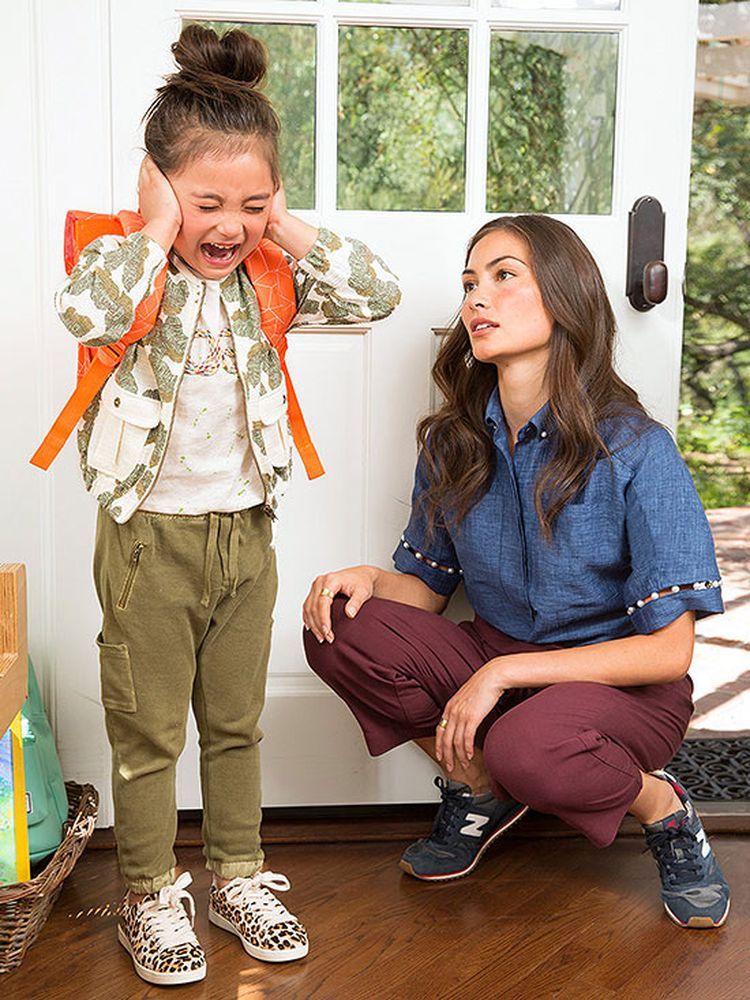
You don’t need to wait until the last few weeks of pregnancy to tell your toddler about the baby.
Introducing the idea early allows them to become comfortable with the upcoming changes at their own pace.
Use simple language that matches your child’s age and level of understanding.
For example, you might say:
- “There’s a baby growing in Mommy’s tummy.”
- “You’re going to be a big brother.”
- “You’re going to be a big sister.”
- “The baby will come home after the doctor says it’s time.”
Toddlers often learn through repetition, so don’t worry if you have the same conversations many times throughout your pregnancy.
As your due date gets closer, remind your toddler that babies cry, sleep a lot, drink milk often, and need plenty of help because they can’t do things by themselves yet.
Keeping these conversations positive and realistic helps build healthy expectations.
Read Books About Becoming a Big Brother or Sister
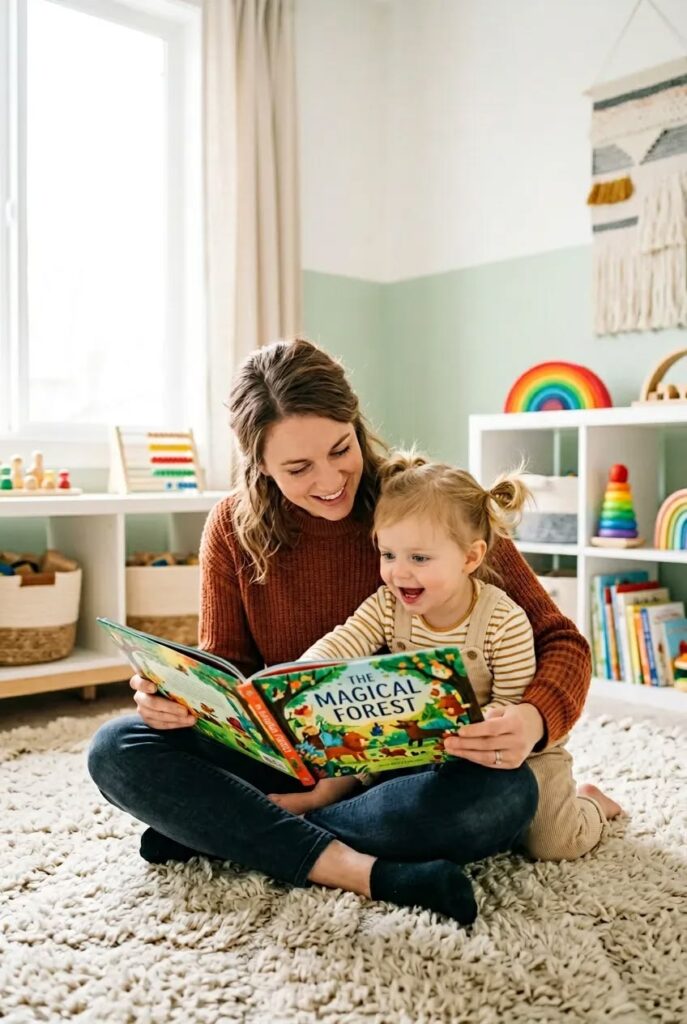
Books are one of the easiest ways to help toddlers understand situations they haven’t experienced before.
Stories introduce new ideas in a gentle, familiar way while giving children opportunities to ask questions.
Choose age-appropriate books that show:
- Welcoming a new baby.
- Becoming an older sibling.
- Sharing parents’ attention.
- Helping care for a newborn.
- Loving relationships between brothers and sisters.
Reading these stories regularly helps your toddler picture what family life might look like after the baby arrives.
You can also pause while reading to ask simple questions like:
- “How do you think the big sister feels?”
- “What do you think the baby needs?”
- “How could we help the baby?”
These conversations encourage empathy while making reading an enjoyable part of preparing for your baby’s arrival.
Include Your Toddler in Pregnancy Preparations

Children are much more likely to feel connected to the baby when they have opportunities to participate in getting ready.
Your toddler doesn’t need complicated responsibilities. Simple activities help them feel proud and included.
They might enjoy:
- Choosing baby clothes.
- Helping organize the nursery.
- Folding baby blankets.
- Picking out a toy for the baby.
- Decorating the baby’s room.
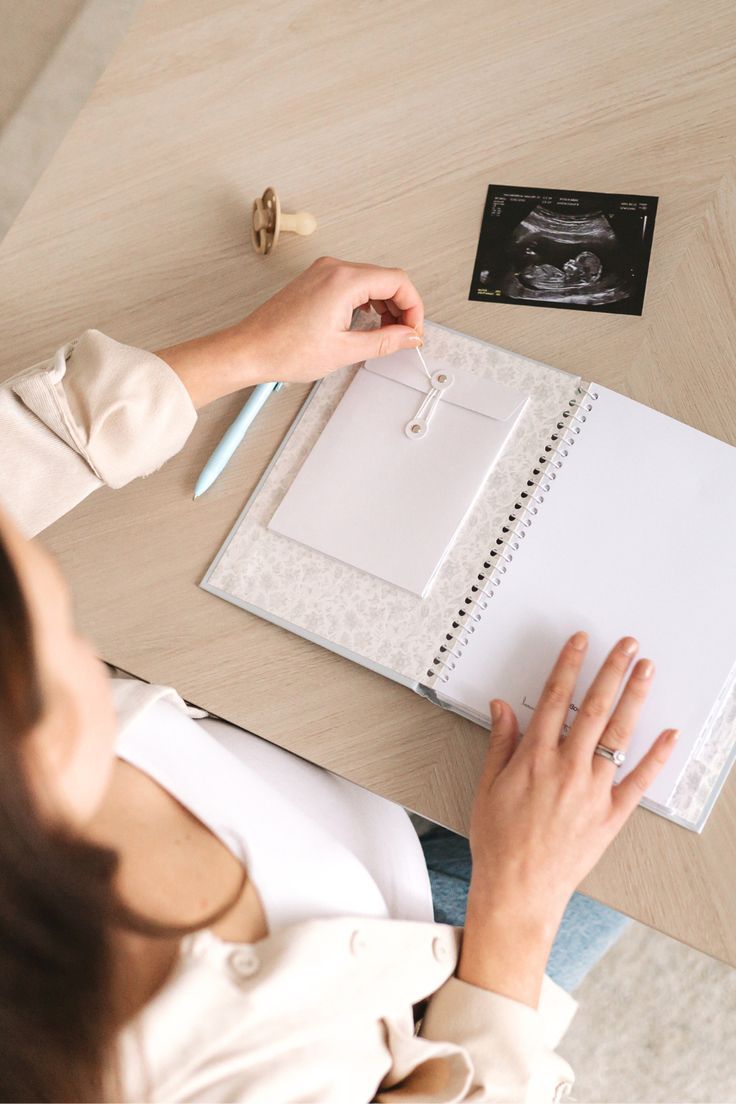
- Looking at ultrasound pictures.
- Feeling the baby kick if appropriate.
These small moments help your toddler see the baby as someone they’re already getting to know instead of a stranger arriving unexpectedly.
If you’re buying the essentials before the extras, allow your toddler to help choose a few practical items for the baby.
Feeling involved can reduce anxiety and increase excitement about becoming an older sibling.
Avoid Promising That Everything Will Stay the Same

It can be tempting to reassure your toddler by saying, “Nothing is going to change,” but once the baby arrives, they’ll quickly realize that isn’t true.
Feeding schedules, sleeping routines, visitors, and your availability will naturally be different for a while.
Instead, prepare your child with honest but reassuring explanations.
You might say:
- “The baby will need lots of help because babies can’t do anything by themselves.”
- “We’ll still read stories together every night.”
- “Sometimes I’ll be feeding the baby, but I’ll always make time for you too.”
Being honest helps build trust and prevents your toddler from feeling surprised or confused after the baby comes home.
Explain that while some routines may change, your love for them never will.
Keep Your Toddler’s Routine as Consistency as Possible
Toddlers find comfort in routines because they help life feel predictable.
When a new baby arrives, many things will naturally change, but maintaining familiar routines wherever possible can provide a sense of security.
Try to keep regular times for:
- Meals.
- Naps.
- Bedtime.
- Bath time.
- Storytime.
- Outdoor play.
- Family activities.
Even if your schedule becomes busier, preserving a few familiar routines reminds your toddler that some important parts of life remain the same.
If changes are unavoidable, introduce them gradually before your due date instead of waiting until after the baby arrives.
For example, if your toddler will be moving to a new bedroom or starting childcare, make those transitions several weeks beforehand.
Keeping familiar routines can also make it easier if you’re preparing your home before your baby arrives, as your toddler has time to adjust to changes in their environment before welcoming their new sibling.
Give Your Toddler Special One-on-One Time

One of the biggest fears toddlers experience after a new baby arrives is losing their parents’ attention.
Even spending just 10 to 20 minutes of uninterrupted time together each day can make a significant difference.
During this time:
- Put your phone away.
- Let your toddler choose the activity.
- Focus completely on them.
- Avoid interruptions whenever possible.
The activity doesn’t need to be elaborate.
You might:
- Read books.
- Build with blocks.
- Color together.
- Take a short walk.
- Play outside.
- Dance to music.
Your toddler is unlikely to remember exactly what you did.
They’ll remember how it felt to have your full attention.
These small moments reassure them that they still have an important place in your family.
Let Your Toddler Help With Simple Baby Tasks

Children often feel proud when they’re trusted with responsibilities that match their age.
After your baby arrives, involve your toddler in safe, simple activities such as:
- Bringing a clean diaper.
- Choosing the baby’s outfit.
- Fetching a blanket.
- Singing to the baby.
- Helping push the stroller.
- Throwing away used wipes.
- Picking out a bedtime story.
Praise their efforts rather than expecting perfection.
Simple comments like:
- “You’re such a helpful big sister.”
- “The baby loves hearing your voice.”
- “Thank you for helping me.”
help build confidence while strengthening the sibling relationship.
Avoid giving your toddler responsibilities that feel like chores.
Helping should remain enjoyable rather than becoming an obligation.
Expect Jealousy and Big Emotions

Even toddlers who seem excited before the baby arrives may experience jealousy afterward.
They might become clingy, have more tantrums, ask to be carried, or behave in ways they had previously outgrown.
These reactions are usually signs that your child needs reassurance rather than punishment.
Instead of saying:
- “Stop acting like a baby.”
Try saying:
- “I know things feel different right now.”
- “It’s okay to feel upset sometimes.”
- “I love you just as much as always.”
Acknowledging your toddler’s feelings teaches them that all emotions are acceptable, even when certain behaviors need gentle guidance.
Remember that adjusting to a new sibling is a process, not a single event.
Avoid Comparing Your Children

As your children grow, avoid making comparisons between them, even if they seem harmless.
Comments like:
- “The baby is so quiet.”
- “Why can’t you be more patient like your sister?”
- “Your brother never behaved like this.”
can unintentionally create competition and resentment.
Instead, celebrate each child’s unique personality and achievements.
Focus on individual strengths by saying things like:
- “You’re so creative.”
- “You’re a wonderful helper.”
- “You worked really hard on that.”
Children who feel appreciated for who they are are often more confident and secure in their relationships with siblings.
If you’re also building a support system as a single parent, encourage trusted family members and caregivers to use the same positive approach when interacting with your children.
Help Your Toddler Express Their Feelings

Toddlers don’t always have the vocabulary to explain complex emotions.
Instead of saying they’re jealous, worried, or confused, they may express those feelings through crying, tantrums, clinginess, or changes in behavior.
Creating opportunities for your toddler to talk about their emotions helps them feel heard and understood.
Ask simple, open-ended questions such as:
- “How are you feeling today?”
- “What was your favorite part of today?”
- “Is there anything making you feel sad?”
- “What do you like about being a big brother?”
- “What do you think about the baby?”
If your toddler struggles to answer, that’s perfectly normal.
Young children often communicate better through play, drawing, or storytelling than through direct conversations.
The goal isn’t to solve every feeling immediately.
It’s to show your child that their emotions matter and that they can always come to you.
Encourage Gentle Bonding Between Siblings
Strong sibling relationships develop over time. You don’t need to force your toddler to interact with the baby constantly.
Instead, create small opportunities for positive experiences together.
You might encourage your toddler to:
- Smile at the baby.
- Sing a favorite song.
- Read a simple picture book.
- Hold the baby’s hand with supervision.
- Help choose pajamas.
- Wave good morning.
- Say goodnight before bedtime.
Celebrate these moments naturally without putting pressure on your toddler.
As your baby grows, they’ll begin responding with smiles, sounds, and eye contact.
These interactions often strengthen the bond between siblings and help your toddler feel proud of their new role.
Let Visitors Give Attention to Your Toddler Too

When friends and family visit after the baby is born, most people naturally focus on the newest family member.
While this excitement is understandable, your toddler may feel overlooked if every visitor immediately rushes to the baby.
If possible, encourage visitors to greet your toddler first before admiring the newborn.
Simple gestures make a big difference, such as:
- Asking about their day.
- Bringing a small coloring book or sticker.
- Complimenting them on becoming a big sibling.
- Playing with them for a few minutes.
- Asking them to introduce the baby.
These interactions help your toddler feel important and included rather than replaced.
You can also invite your toddler to proudly show visitors the nursery or explain how they’ve been helping with the baby.
Be Patient During the Adjustment Period
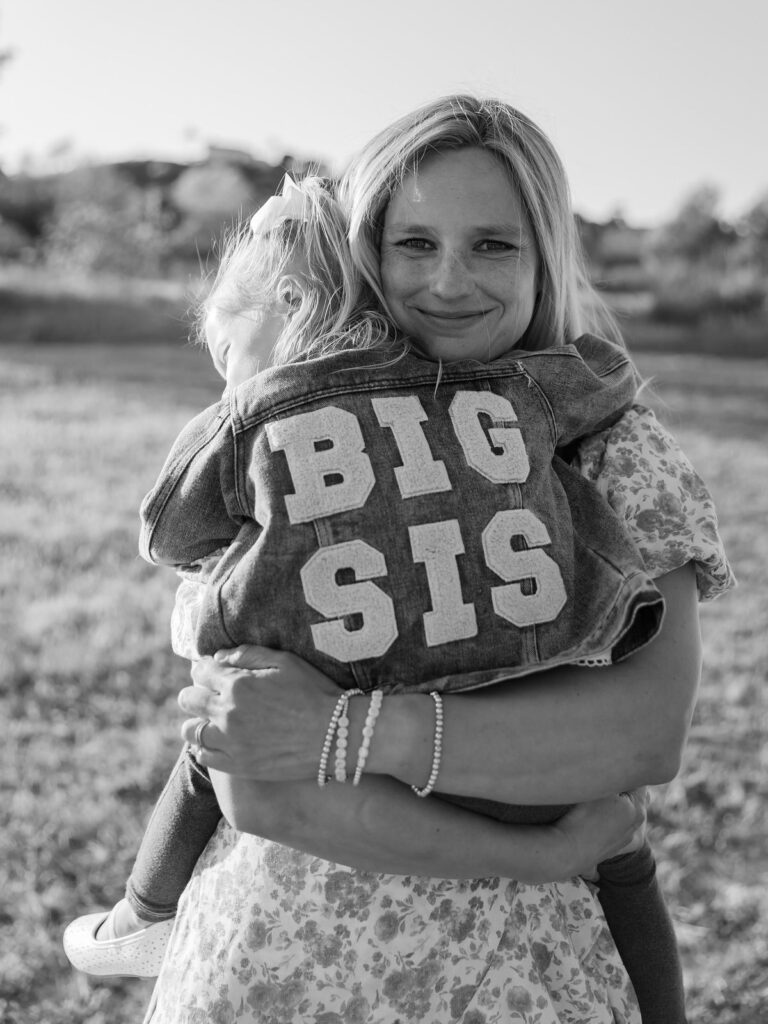
Every child adjusts at their own pace.
Some toddlers seem comfortable within days, while others need several months before life with a new sibling feels normal.
Progress isn’t always steady. Your toddler may appear confident one week and become more emotional the next.
This is a normal part of adjusting to a major life change.
Continue offering reassurance, maintaining routines, and creating opportunities for one-on-one time.
Small, consistent actions often have a greater impact than grand gestures.
Avoid expecting your toddler to behave perfectly simply because they’re the older sibling.
They’re still very young and learning how to navigate a completely new family dynamic.
Celebrate the Joy of Becoming a Big Brother or Sister
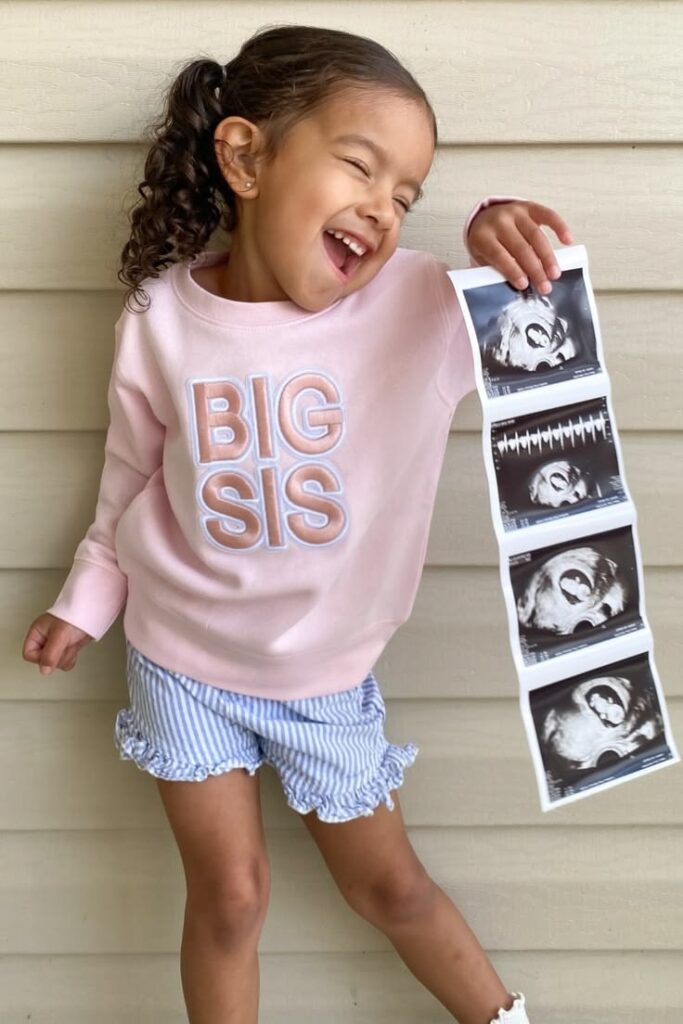
Becoming an older sibling is an important milestone, and celebrating it can help your toddler feel excited about their new role.
Consider simple ways to make the experience memorable, such as:
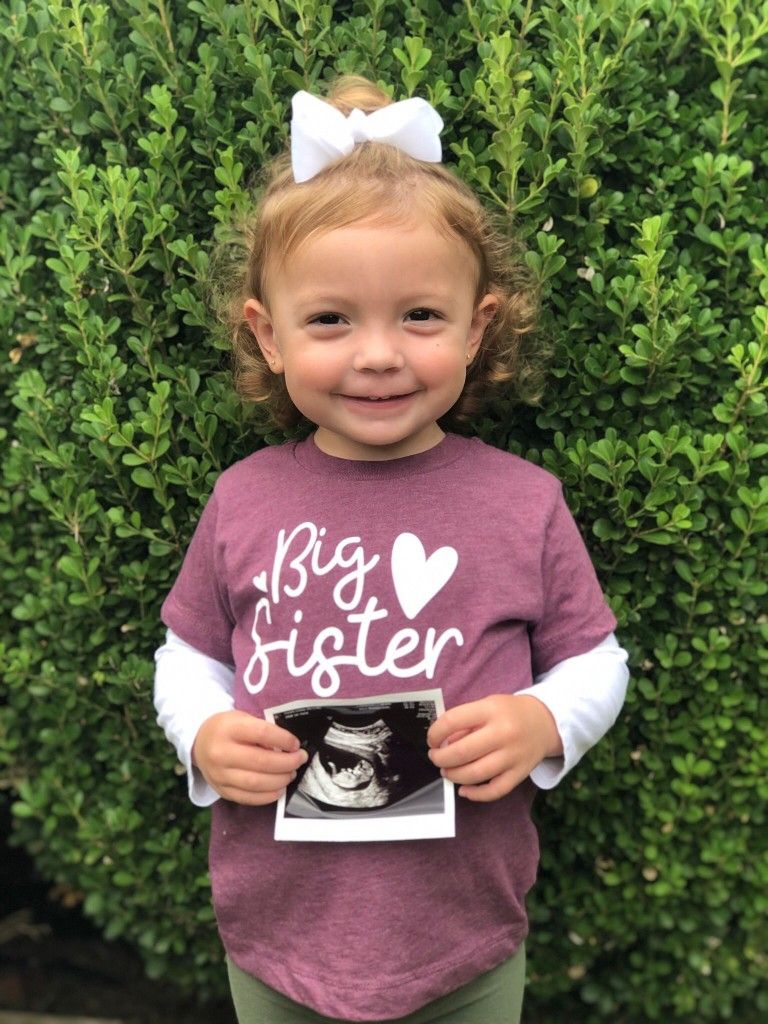
- Giving them a “Big Brother” or “Big Sister” T-shirt.
- Taking a special family photo.
- Letting them choose a small gift for the baby.
- Reading books about siblings together.
- Creating a scrapbook of family memories.
- Talking about the fun things they’ll be able to do together as the baby grows.
These moments remind your toddler that becoming an older sibling is something to be proud of.
If you’ve been preparing for your growing family, celebrating your toddler’s new role can help them see themselves as an important part of that exciting journey rather than someone who has lost attention.
Remember That Love Grows, It Doesn’t Divide
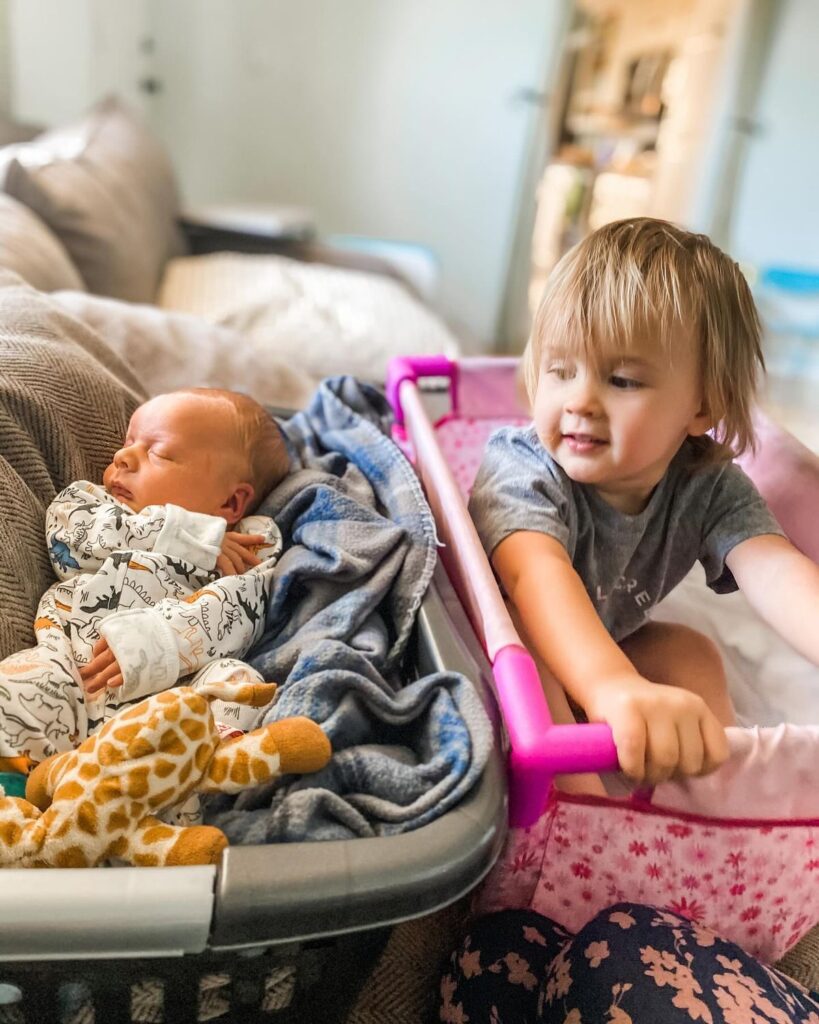
One of the greatest gifts you can give your toddler is the reassurance that your love hasn’t become smaller because your family has become bigger.
Although your time and attention may be divided differently during the newborn stage, your love continues to grow for each child.
Show your toddler through both your words and your actions that they remain deeply loved, valued, and important.
There will be difficult days, moments of jealousy, and occasional setbacks, but there will also be laughter, shared milestones, and the beginning of a lifelong sibling relationship.
Simple Checklist to Help Your Toddler Adjust to a New Baby
By preparing your toddler before the baby arrives, maintaining familiar routines, encouraging positive interactions, and responding with patience and understanding, you’re helping lay the foundation for a loving relationship that can continue for years to come.

Preparing your toddler for a new sibling doesn’t have to happen all at once.
Small, consistent steps taken throughout your pregnancy can help your child feel secure, included, and excited about becoming an older brother or sister.
Use this checklist to guide your preparations before your baby’s arrival:
- Tell your toddler about the baby using simple, age-appropriate language.
- Read books about becoming a big brother or big sister.
- Include your toddler in preparing the nursery.
- Let your child help choose a few baby items.
- Keep daily routines as consistent as possible.
- Spend one-on-one time with your toddler every day.
- Talk openly about the changes your family will experience.
- Encourage your toddler to express their feelings.
- Praise helpful behavior instead of expecting perfection.
- Introduce your toddler to safe ways of helping with the baby.
- Ask visitors to acknowledge your toddler before greeting the baby.
- Celebrate your child’s new role as an older sibling.
- Continue offering reassurance during the adjustment period.
Working through these simple steps before your due date can make the transition smoother for everyone in the family.
Remember that every toddler adjusts differently, so be patient and celebrate the small signs of progress along the way.
Helping Your Toddler Feel Secure Is the Best Preparation

Welcoming a new baby is a joyful milestone, but it’s also a significant adjustment for your toddler.
While you can’t prevent every emotional moment or eliminate every challenge, you can create an environment where your child feels safe, loved, and included throughout the transition.
Preparing your toddler before the baby arrives gives them time to understand what’s happening, adjust to upcoming changes, and build excitement about becoming an older sibling.
Simple actions like reading together, involving them in preparations, maintaining familiar routines, and setting aside one-on-one time can have a lasting impact on how they experience this new chapter.
Remember that sibling relationships develop gradually.
Your toddler doesn’t need to love every moment immediately, and your newborn won’t remember these early weeks.
What matters is consistently showing patience, empathy, and reassurance as your family settles into its new routine.
As your children grow, they’ll create their own bond through shared experiences, play, laughter, and everyday moments.
By supporting your toddler with understanding and encouragement now, you’re helping lay the foundation for a strong sibling relationship that can continue throughout childhood and beyond.