
37 Small Nursery Ideas That Maximize Every Inch
Disclosure: Some of the links in this post are affiliate links. This means if you click on the link and purchase an item, I will receive an affiliate commission at no extra cost to you.
Designing a nursery is exciting, but it can also feel overwhelming when you’re working with limited space.
Maybe you’re transforming a corner of your bedroom into a nursery, converting a small spare room, or making space in a cozy apartment.
Whatever your situation, one thing quickly becomes clear babies may be small, but their belongings seem to multiply overnight. Diapers, wipes, clothing, blankets, feeding supplies, books, toys, and baby gear all need a place to live.
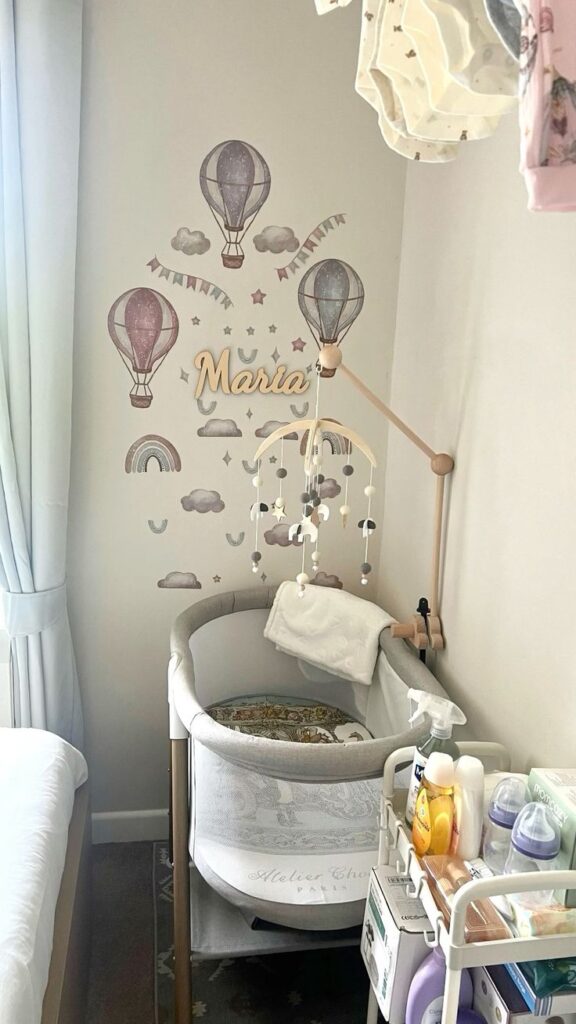
Without a thoughtful plan, even the neatest nursery can start feeling crowded before your baby even arrives.
Fortunately, a compact room doesn’t have to limit what you can create. With careful planning and a few smart design choices, even the smallest nursery can feel comfortable, functional, and welcoming.
The secret isn’t squeezing more furniture into the room. Instead, it’s making every piece work harder while using every available inch wisely.
Smart storage, efficient layouts, and furniture that serves multiple purposes can completely transform a small nursery without making it feel cluttered.
As you plan your baby’s room, choosing essential nursery furniture that matches both your available space and your daily routine makes every other decorating decision much easier.
Once those larger pieces are in place, you can build an organized nursery that continues serving your family well beyond the newborn stage.
Planning a Small Nursery Before You Start Decorating
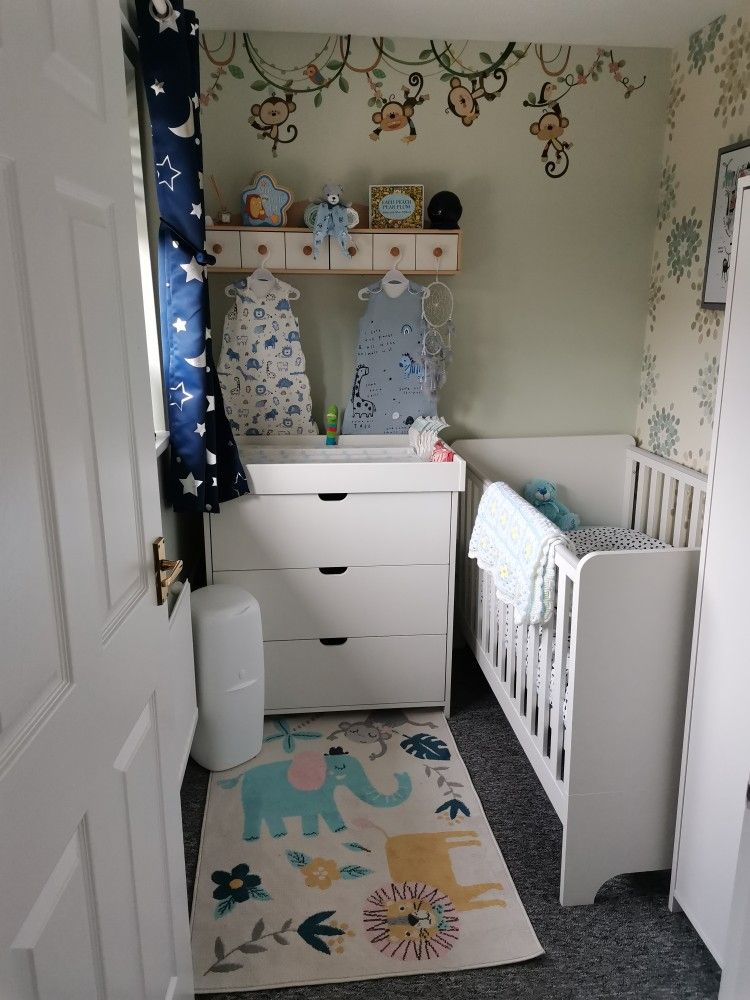
One of the biggest mistakes parents make is buying furniture before measuring the room.
A beautiful crib or oversized dresser may look perfect in the store but leave very little walking space once it’s inside your nursery.
Taking accurate measurements before shopping helps you avoid unnecessary frustration and allows you to choose pieces that truly fit your space.
Think about how you’ll move around the room during everyday routines.
You’ll need comfortable access to the crib, changing station, dresser, and doorway, especially during late-night diaper changes when you’re carrying your baby.
It also helps to think ahead.
Your newborn won’t stay tiny forever, so choose a layout that continues working as your baby begins rolling, crawling, standing, and eventually walking.
Families who begin by exploring best nursery furniture layout ideas for small rooms often find it much easier to create a nursery that feels open instead of overcrowded.
Choose Furniture That Serves More Than One Purpose
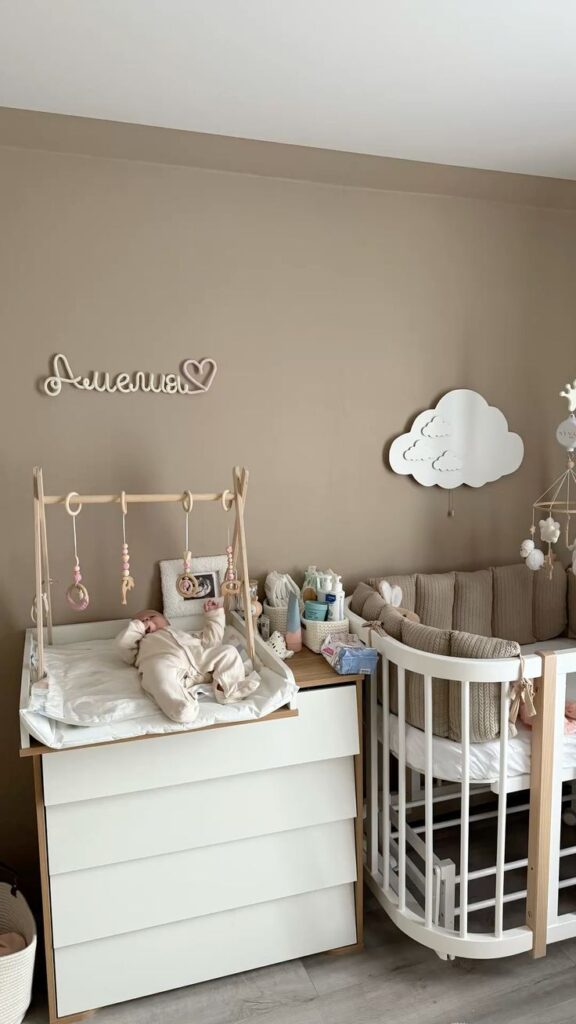
When every square foot matters, furniture should do more than one job.
A dresser that doubles as a changing station, a crib with built-in storage drawers, or an ottoman that stores blankets helps reduce clutter without requiring additional furniture.
Multi-purpose furniture also saves money over time because many pieces continue serving your family after the newborn stage ends.
Instead of replacing furniture every year, you’ll simply adapt how you use it.
Parents working within a tighter decorating budget often combine these versatile furniture choices with budget nursery ideas that look expensive, creating a beautiful room without unnecessary spending.
37 Small Nursery Ideas That Maximize Every Inch
It’s easy to fall in love with beautiful nursery photos online.
Perfectly styled shelves, elaborate wall décor, oversized rocking chairs, and decorative accessories certainly look inspiring.
However, copying every design trend isn’t always practical when space is limited.
Before adding decorative touches, focus on creating a room that supports your daily routine.
Ask yourself simple questions.
- Where will diapers be stored?
- Where will nighttime feeding supplies stay?
- Can you reach baby clothes with one hand while holding your newborn?
- Does everything have a designated place?
Answering these questions first allows decoration to become the finishing touch instead of the starting point.
Once your nursery functions well, adding personal style becomes much easier.
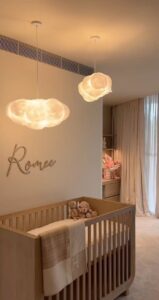
1. Position the Crib Along the Longest Wall
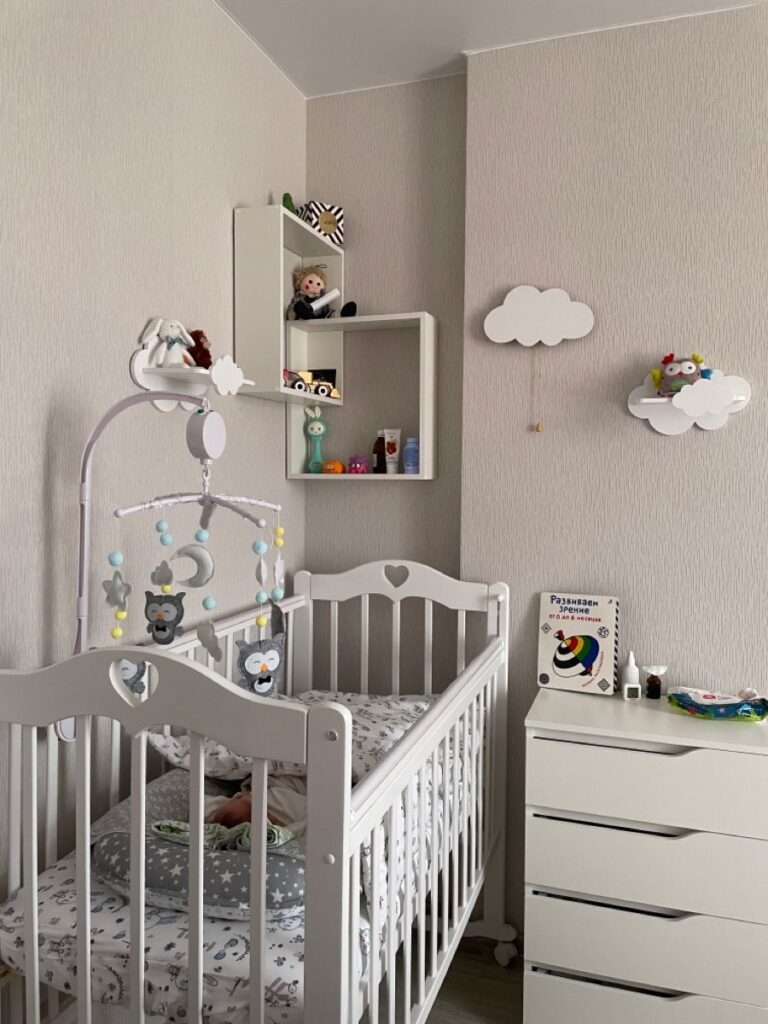
The crib naturally becomes the focal point of any nursery.
Placing it against the longest uninterrupted wall often creates the best traffic flow while leaving more open floor space for movement.
Avoid placing the crib directly beside windows, heaters, air conditioners, or shelves with heavy decorations.
This simple layout makes the room feel larger while keeping your baby’s sleeping area safe and comfortable.
2. Use Vertical Space Instead of Floor Space
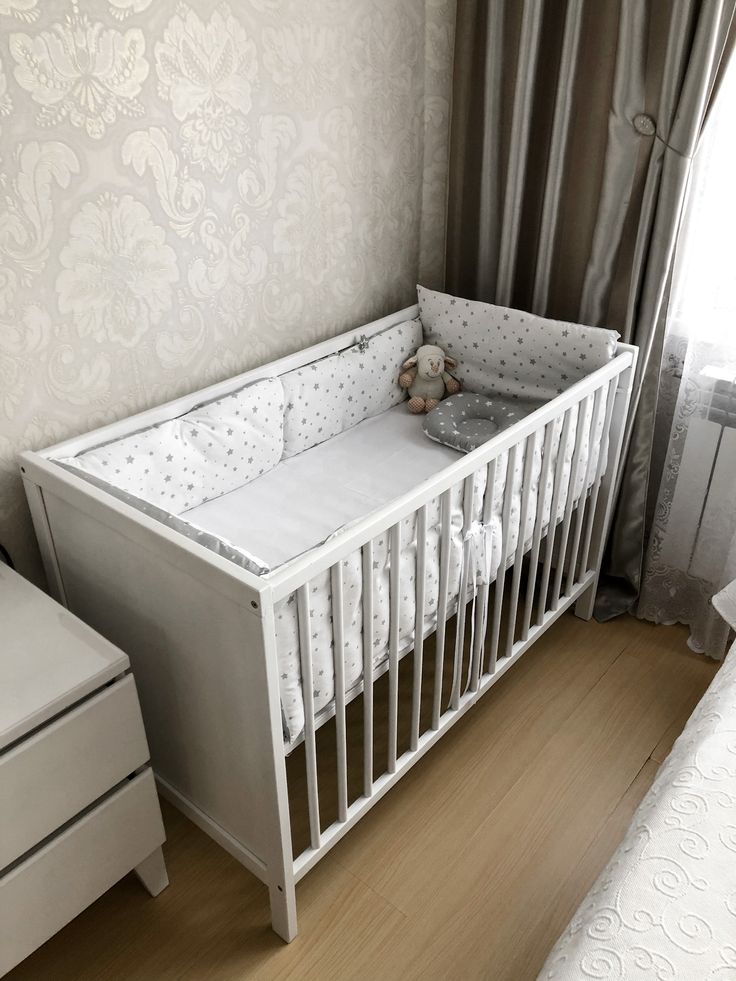
When you run out of room horizontally, start thinking vertically.
Floating shelves, wall-mounted baskets, pegboards, and hanging organizers provide valuable storage without taking away walking space.
Store decorative items, keepsakes, and supplies you don’t use every day on higher shelves while keeping everyday necessities within comfortable reach.
Making full use of your walls is one of the easiest ways to increase storage while maintaining an open, airy feeling throughout the nursery.
Many parents pair this strategy with clever nursery storage solutions for tiny spaces, allowing even the smallest rooms to stay organized without feeling crowded.
3. Select a Compact Changing Station
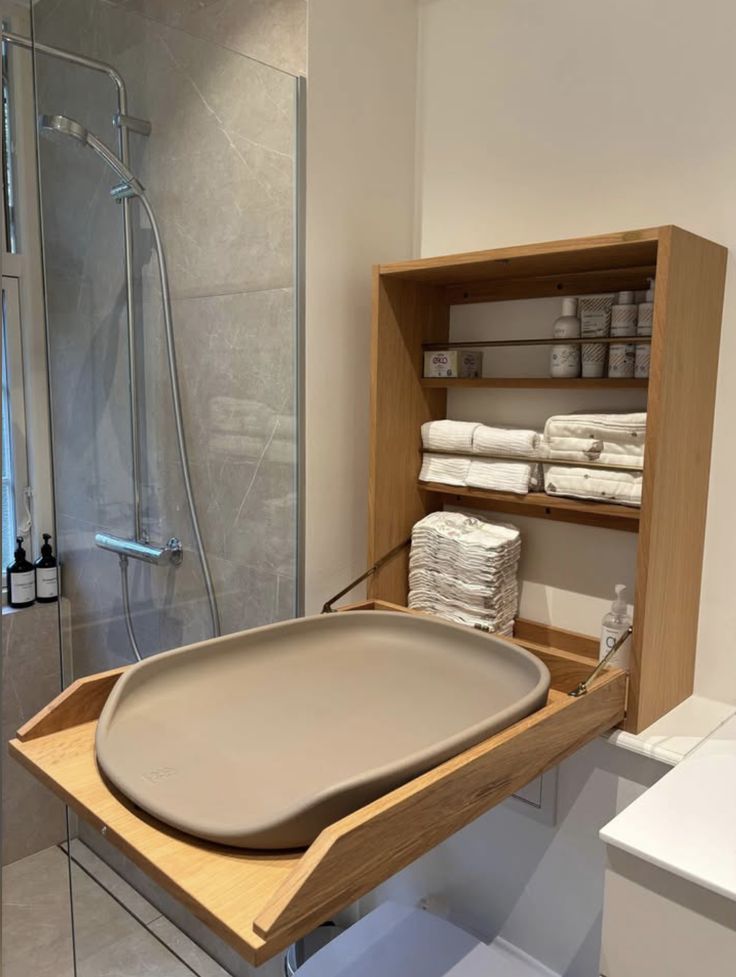
A full-sized changing table isn’t always necessary.
Many families save valuable space by placing a secure changing topper on top of a dresser.
This provides the same functionality while eliminating the need for another large piece of furniture.
Keep diapers, wipes, creams, and extra clothing inside nearby drawers or storage baskets so everything stays within easy reach during diaper changes.
This arrangement also adapts easily as your child grows.
Once diaper changes become less frequent, simply remove the changing topper and continue using the dresser for everyday clothing storage.
4. Keep Everyday Essentials Within Arm’s Reach
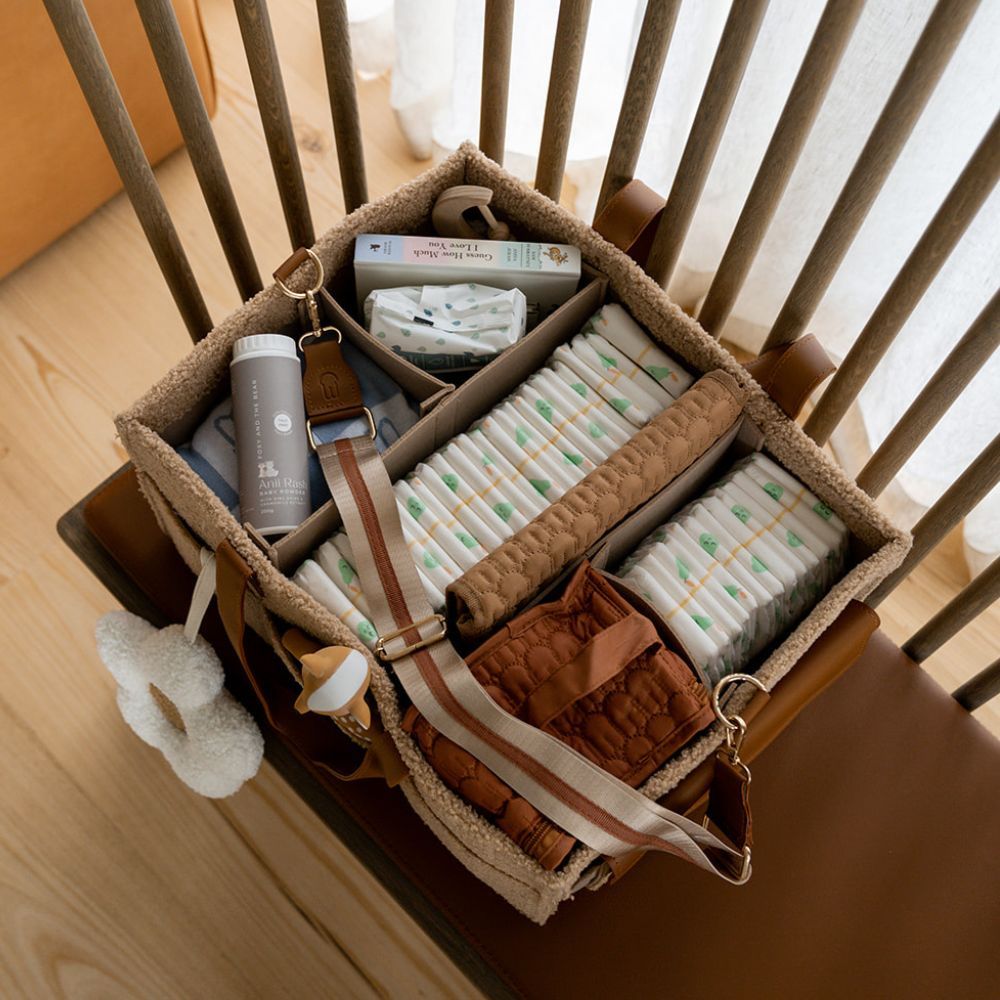
The fewer trips you make across the nursery, the easier daily routines become.
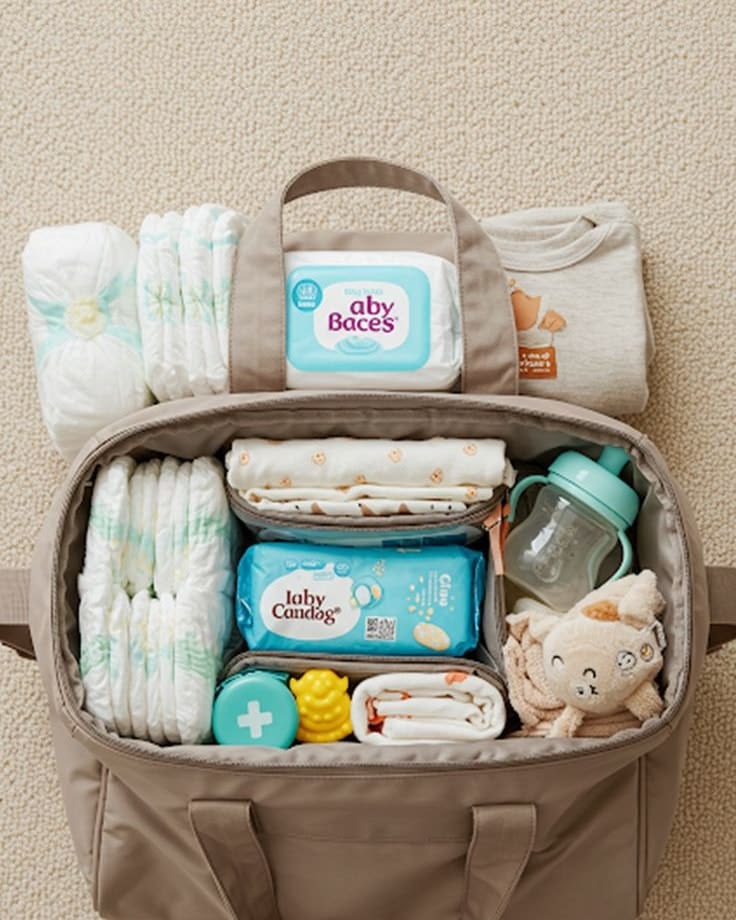
Store frequently used items like diapers, burp cloths, wipes, lotions, swaddles, and extra outfits close to your changing area instead of spreading them throughout the room.
Small baskets, drawer organizers, and portable caddies help keep everything organized without taking up additional space.
Creating this kind of organization early makes middle-of-the-night diaper changes far less stressful.
Many parents discover that using nursery organization ideas that keep baby essentials within reach saves both time and frustration during those busy newborn months.
5. Let Natural Light Make the Room Feel Bigger
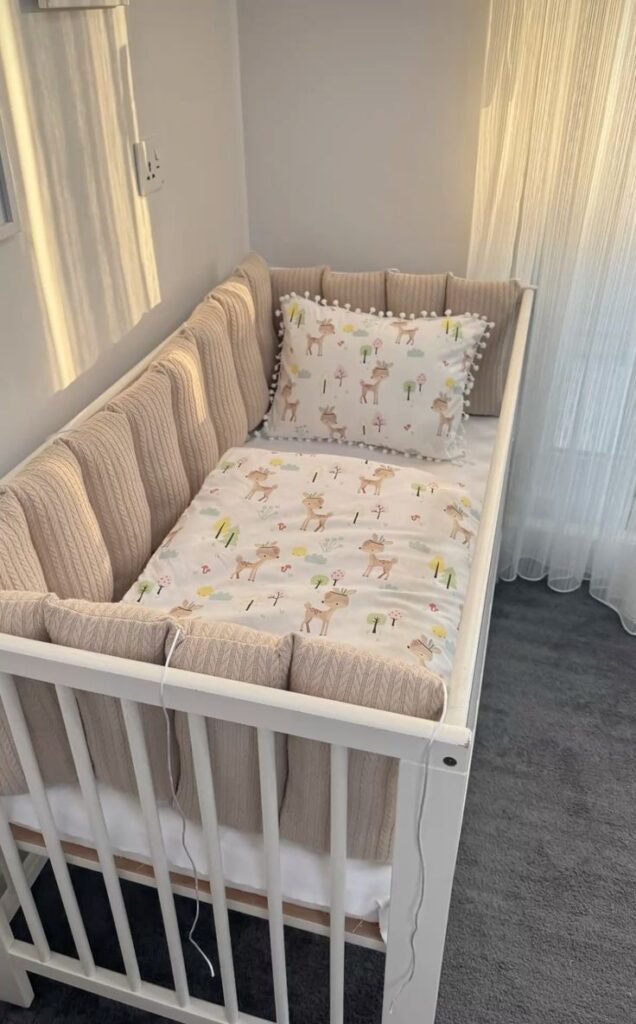
Lighting has a surprising impact on how spacious a nursery feels.
If your room has windows, allow as much natural light inside as possible during the day.
Choose light curtains that provide privacy without blocking sunlight, and avoid placing bulky furniture directly in front of the windows.
Bright rooms naturally appear larger than dark ones.
During the evening, combine gentle lighting with a warm bedside lamp or dimmable night light to create a peaceful atmosphere for feeding and bedtime routines.
Choosing the right lighting isn’t only about appearance.
Thoughtfully planned nursery lighting ideas for better sleep and comfort can also help create a relaxing environment that supports healthier bedtime habits for both parents and babies.
6. Add Floating Shelves Above the Dresser

The wall above your dresser can provide valuable storage without making the room feel cramped.
Install one or two sturdy floating shelves to hold decorative baskets, framed photos, keepsakes, books, or baby care supplies that aren’t needed constantly.
Keeping these items off the dresser leaves more room for diaper changes while making the nursery look clean and organized.
Always install shelves securely and avoid placing heavy objects directly above the crib. Decorative items should be positioned safely out of your baby’s reach as they grow.
7. Use the Space Under the Crib
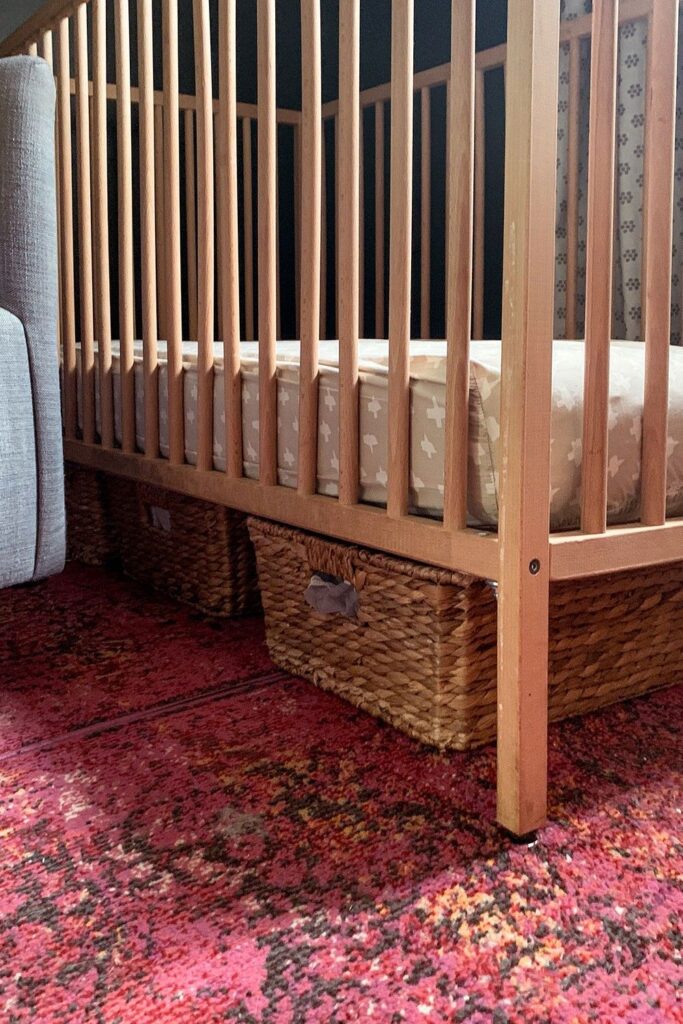
The area beneath the crib is often overlooked, yet it can hold far more than most parents expect.
Low-profile storage bins fit neatly underneath and provide a convenient place to store spare crib sheets, seasonal clothing, extra diapers, blankets, or larger baby items you don’t use every day.
Clear containers or labeled bins make it easy to find what you need without pulling everything out.
Making use of hidden storage helps keep closets and dressers from becoming overcrowded while maintaining a tidy appearance throughout the room.
8. Keep the Nursery Closet Organized
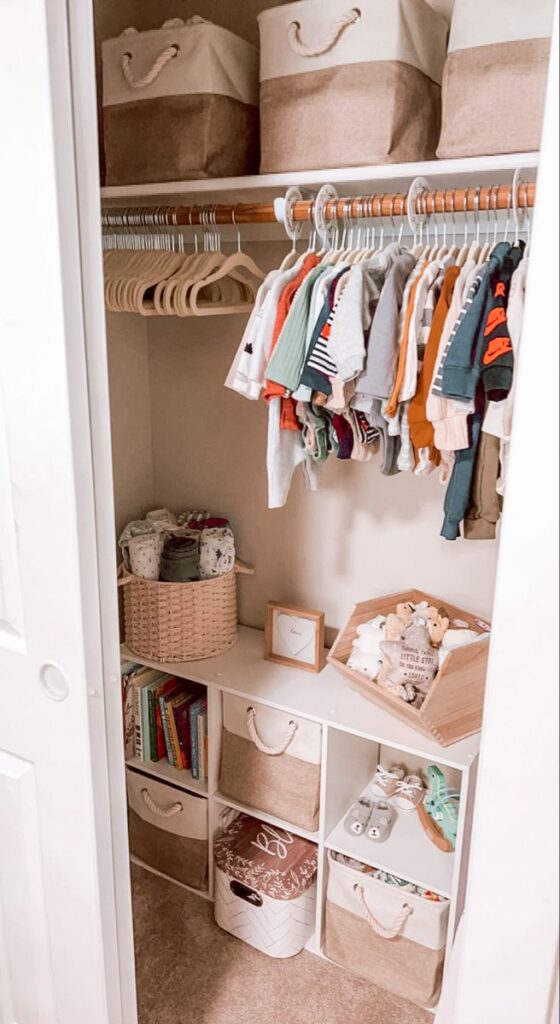
Even the smallest closet can become surprisingly functional with the right storage system.
Add hanging organizers, stackable shelves, storage cubes, and labeled bins to maximize every inch.
Arrange baby clothes by size so rotating outfits becomes simple as your little one grows.
Store shoes, hats, socks, blankets, and accessories in separate containers instead of piling everything together.
If your nursery doesn’t include a built-in closet, consider a compact wardrobe or garment rack that offers similar storage without taking up too much floor space.
Parents often find it easier to maintain an organized closet after learning how many newborn clothes do you really need, helping them avoid filling limited storage with clothing that may never be worn.
9. Choose Furniture That Fits the Scale of the Room
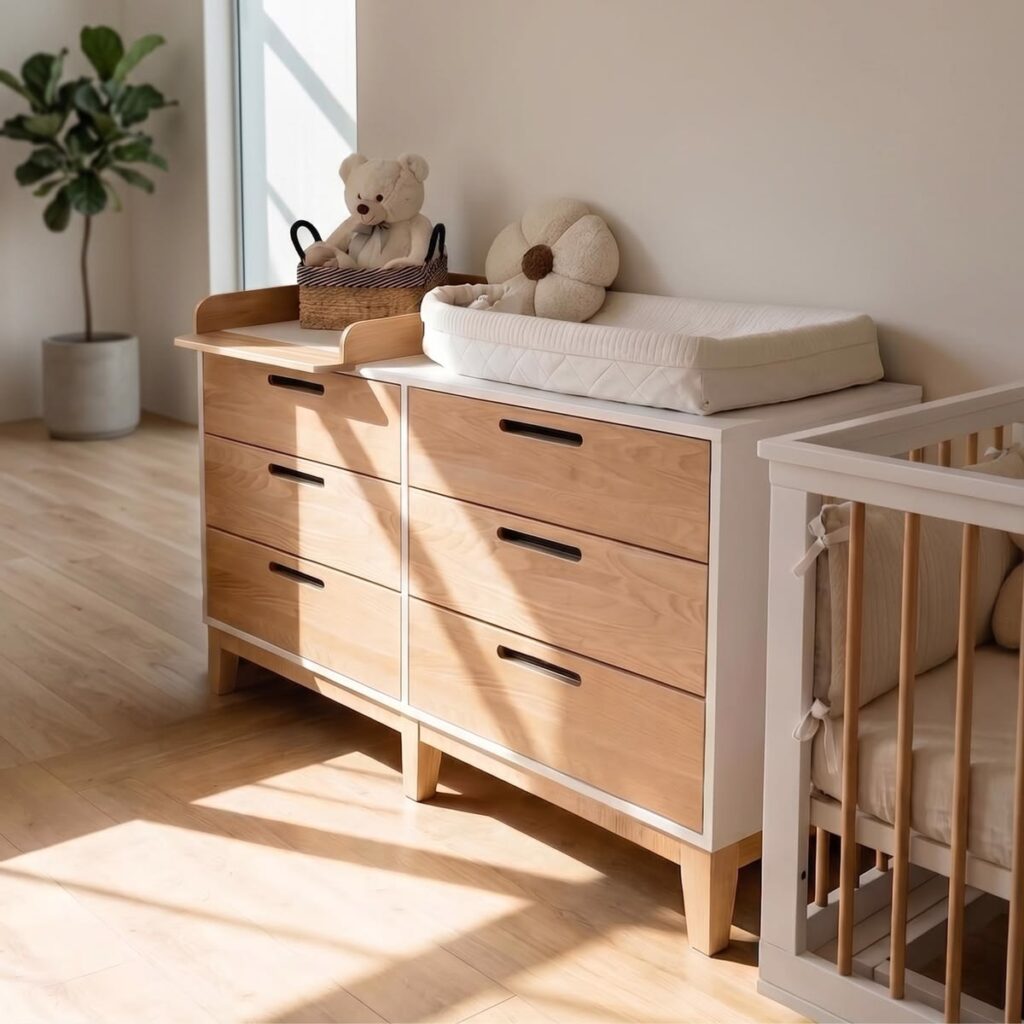
Large furniture can quickly overwhelm a compact nursery.
Instead of selecting the biggest dresser or widest rocking chair available, look for pieces designed specifically for smaller rooms.
A slim dresser, narrow bookshelf, or compact glider often provides all the function you need while preserving valuable floor space.
Leaving enough room to move comfortably around the nursery is just as important as having enough storage.
10. Create a Reading Corner Without Taking Up Extra Space
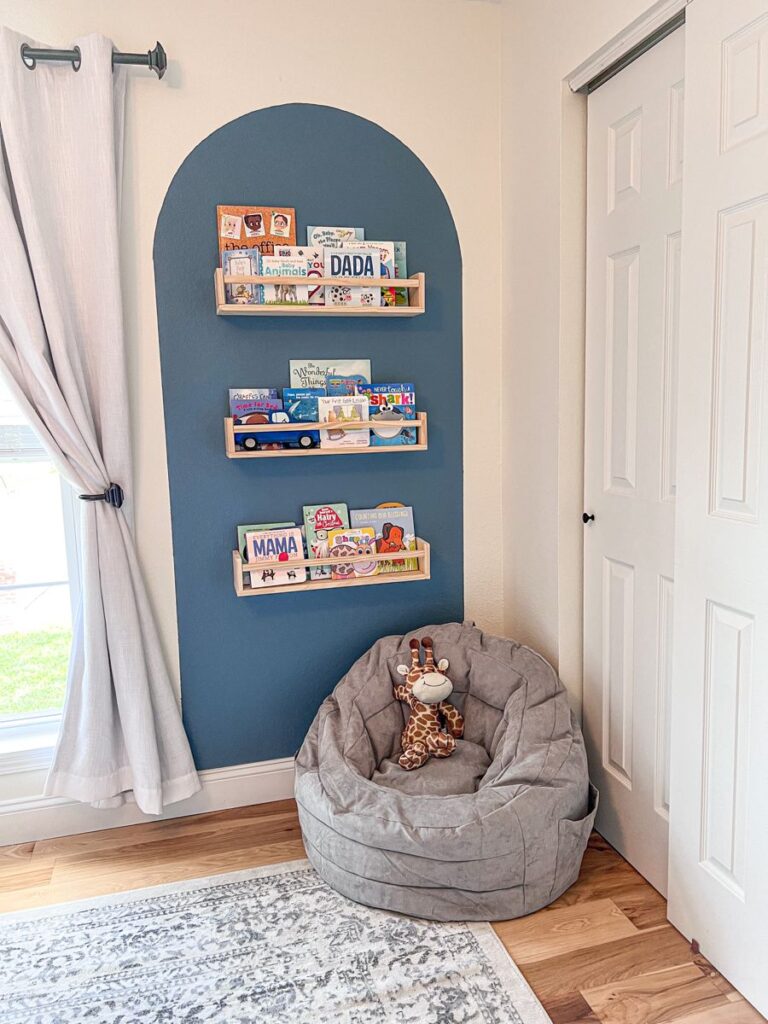
You don’t need a large room to encourage reading from an early age.
A comfortable chair placed beside a narrow bookshelf or a few front-facing book ledges can create a cozy reading corner without occupying much space.
Keep a small basket nearby for blankets or favorite bedtime books so everything stays together.
Reading to your baby every day supports language development while creating a calming bedtime routine that continues long after infancy.
Adding best first books for babies to your nursery early makes it easier to establish this habit from the very beginning.
11. Store Seasonal Items Elsewhere
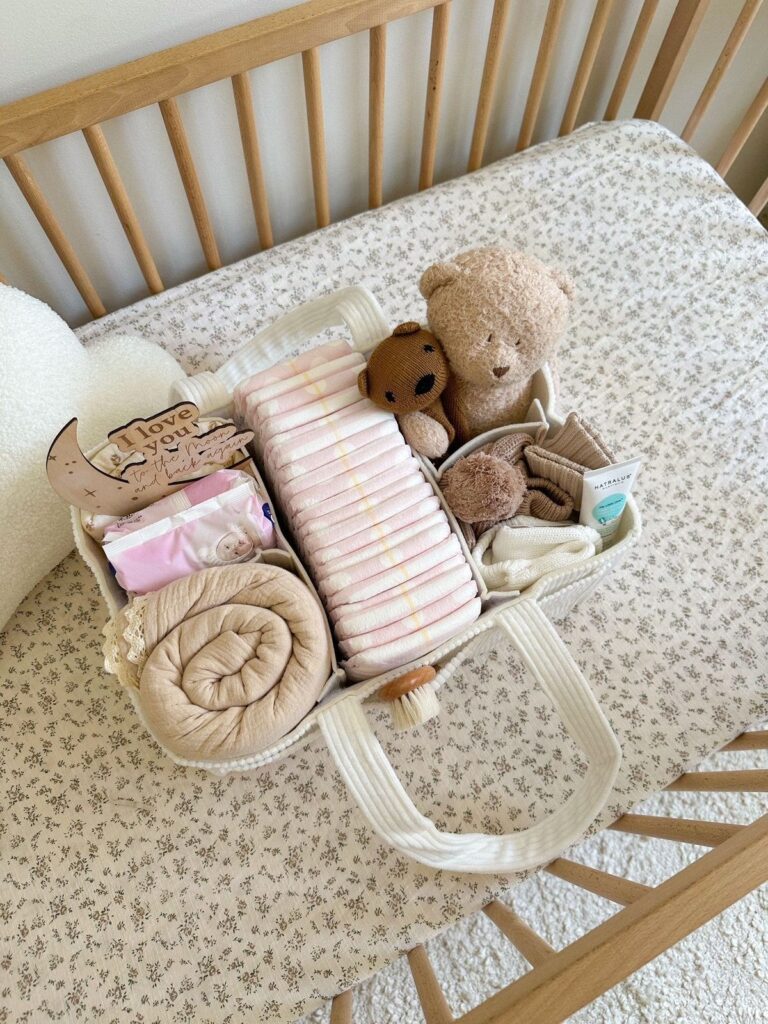
Not everything needs to stay inside the nursery all year long.
Heavy blankets, newborn clothes your baby has already outgrown, holiday outfits, and seasonal accessories can be packed into labeled storage bins and placed in another closet or underneath a bed elsewhere in your home.
Keeping only current essentials inside the nursery prevents drawers and shelves from becoming overcrowded while making everyday organization much easier.
12. Use Decorative Baskets Instead of Extra Cabinets
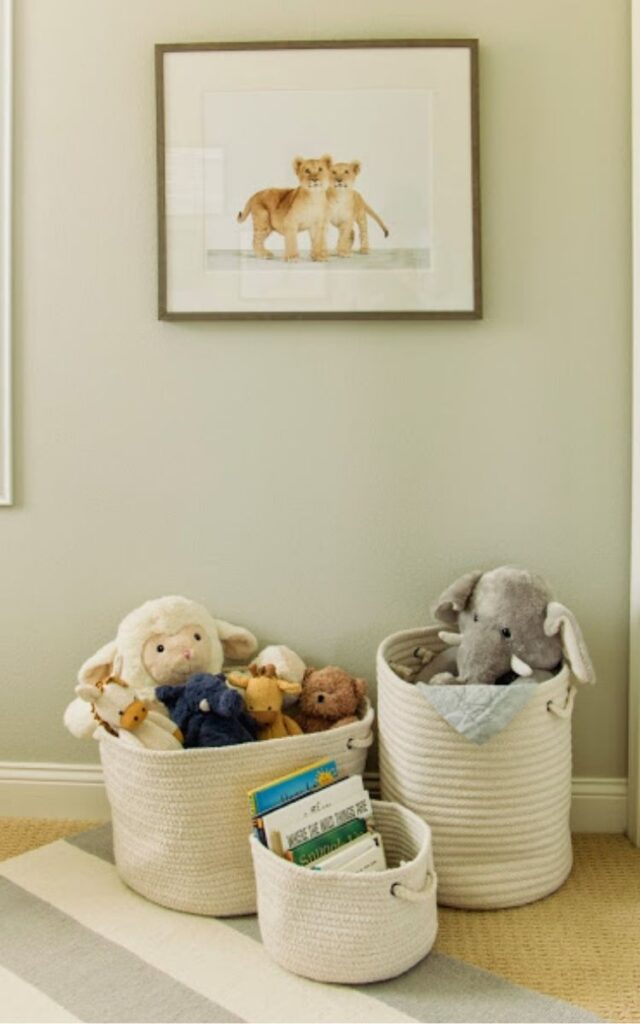
Storage doesn’t always have to come from additional furniture.
Large woven baskets can hold blankets, stuffed animals, nursing supplies, toys, or extra diapers while adding warmth and texture to the nursery.
Smaller baskets work well inside shelves for organizing socks, bibs, washcloths, and baby toiletries.
Choosing baskets that match your nursery’s style allows storage to become part of the décor instead of something you’re trying to hide.
13. Install Hooks Behind the Door
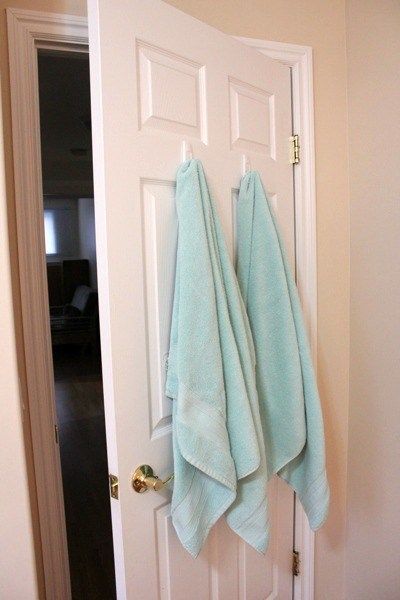
The back of the nursery door offers useful storage that’s often forgotten.
A few sturdy hooks can hold diaper bags, wearable blankets, lightweight jackets, baby carriers, or your everyday changing bag without taking away floor space.
This simple solution also keeps frequently used items easy to grab whenever you’re heading out with your baby.
14. Keep Decorations Simple
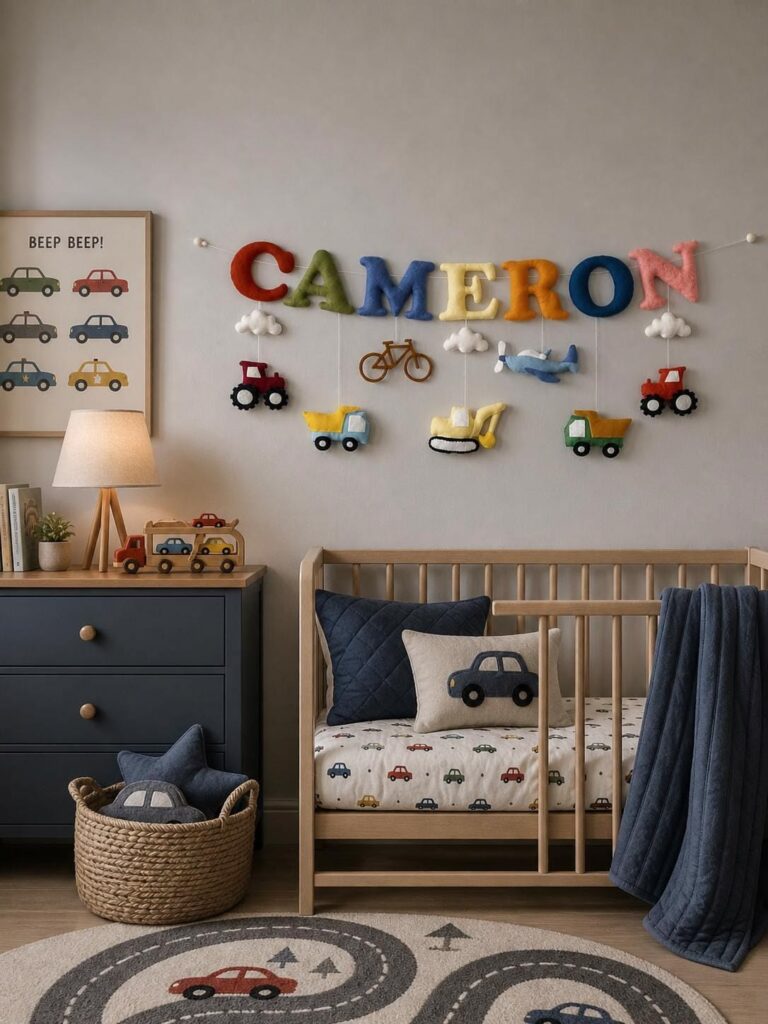
When decorating a small nursery, less often feels like more.
Instead of filling every wall with artwork and every shelf with decorations, choose a few meaningful pieces that complement the room without overwhelming it.
A carefully selected wall print, a personalized name sign, or framed family photos can make the nursery feel warm without creating visual clutter.
Simple décor also makes the room easier to update as your child grows and their personality begins to shine through.
Many parents achieve this balanced look by drawing inspiration from timeless nursery color palette ideas, creating a space that remains beautiful for years instead of following short-lived decorating trends.
15. Choose Soft, Light Colors
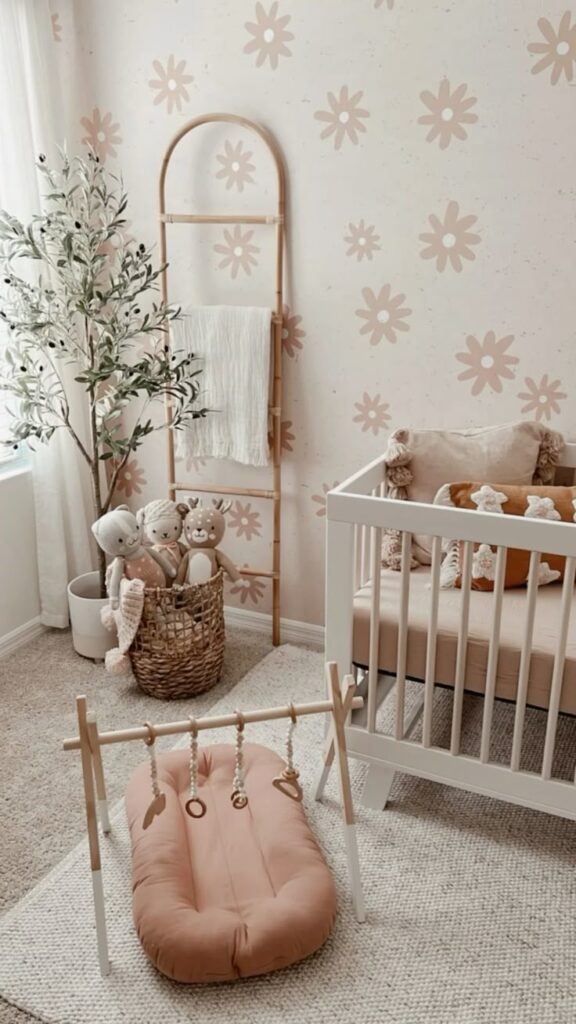
Color has a powerful effect on how spacious a room feels.
Light shades such as soft white, cream, warm beige, pale gray, muted sage, or gentle pastels reflect more light and naturally make compact rooms appear larger. You can still introduce color through artwork, blankets, cushions, or decorative accessories without making the nursery feel busy.
If you’re waiting to learn your baby’s gender or simply prefer a more versatile design, exploring gender neutral nursery ideas can provide plenty of inspiration while creating a nursery that feels calm, modern, and welcoming.
16. Make Every Drawer Work Harder
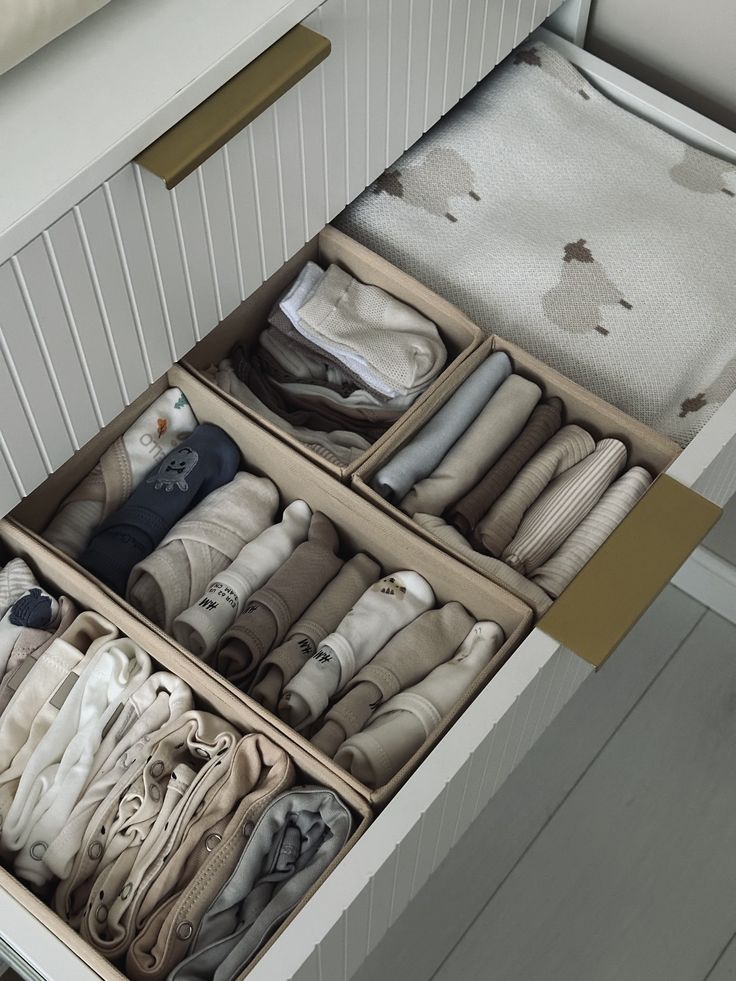
Drawers often become messy because everything gets stacked together without a system.
Instead of folding clothes into large piles, use drawer dividers or small storage boxes to separate onesies, pajamas, socks, bibs, hats, mittens, and burp cloths.
This makes it much easier to find exactly what you need without disturbing everything else.
A well-organized drawer also saves time during busy mornings and middle-of-the-night outfit changes.
As your baby grows and clothing sizes change, you can simply adjust the dividers instead of reorganizing the entire dresser.
17. Add a Slim Rolling Cart
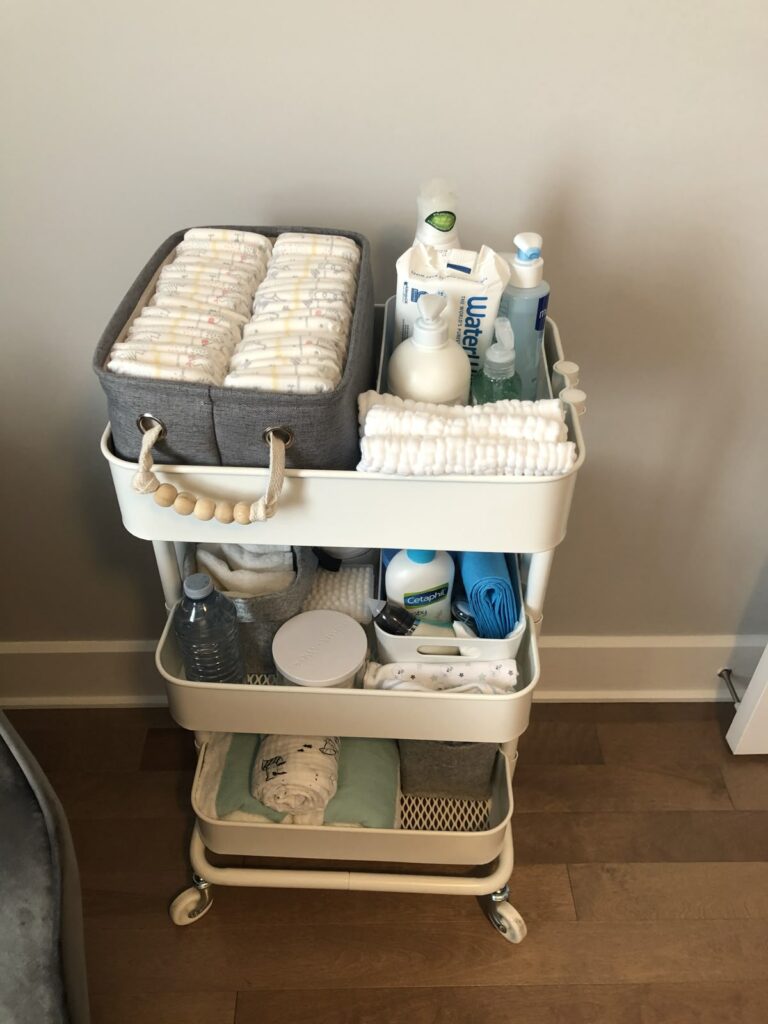
A narrow rolling cart is one of the most practical additions to a small nursery.
Place diaper-changing supplies on the top shelf, feeding essentials in the middle, and extra blankets or clothing on the bottom.
Since the cart moves easily, you can wheel it beside your chair during feedings or next to the changing station whenever you need it.
As your child grows, the same cart can later store books, craft supplies, or toys, making it a purchase that continues to serve your family for years.
18. Use Over-the-Door Organizers
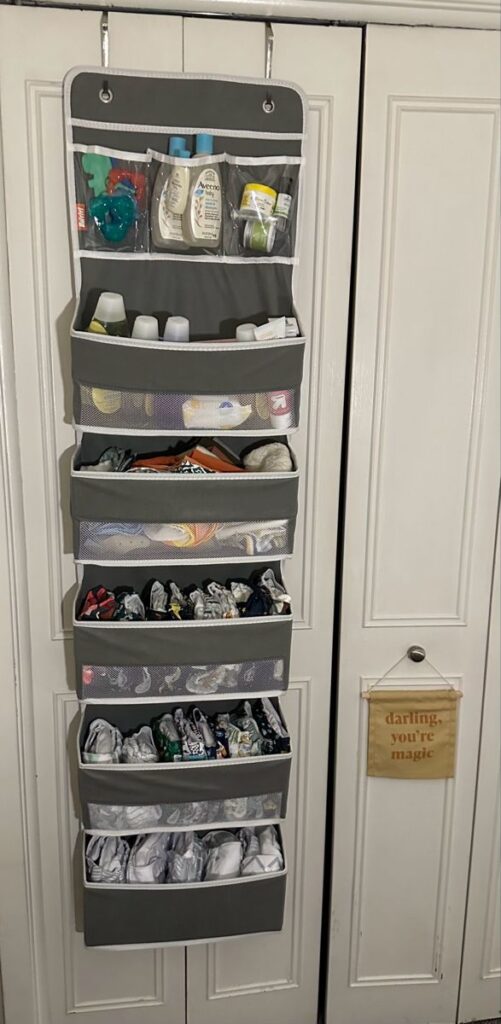
When storage is limited, every surface matters.
An over-the-door organizer provides extra room for diapers, lotions, bibs, baby shoes, washcloths, pacifiers, burp cloths, and other everyday necessities without taking away valuable floor space.
Choose one with sturdy pockets that are easy to clean and deep enough to hold heavier items securely.
This simple addition helps keep drawers from becoming overcrowded while making daily essentials easy to find.
19. Keep Toys to a Minimum
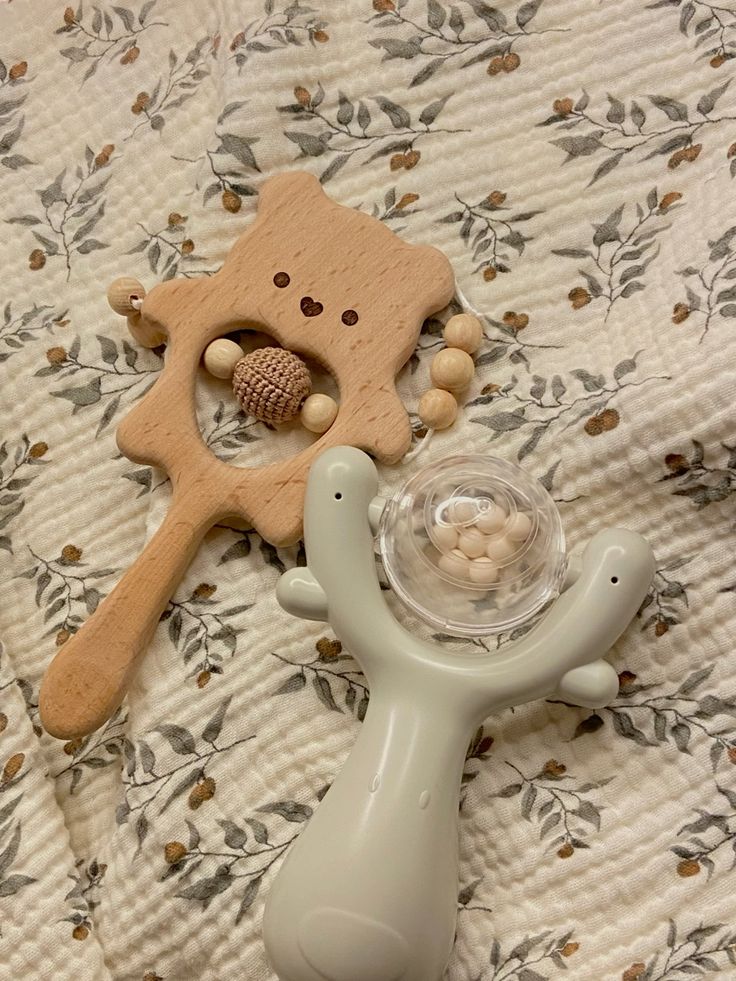
Babies don’t need dozens of toys during the first year.
Keeping only a small selection within reach prevents shelves from becoming cluttered while making cleanup much faster.
Store the remaining toys in labeled bins and rotate them every week or two. This keeps playtime interesting because familiar toys feel new again after a short break.
Toy rotation also encourages children to spend more time exploring each activity instead of becoming overwhelmed by too many choices.
As your baby becomes more curious, rotating age-appropriate toys works especially well alongside educational activities for babies from birth to one year, allowing learning and play to develop naturally together.
20. Leave Open Floor Space
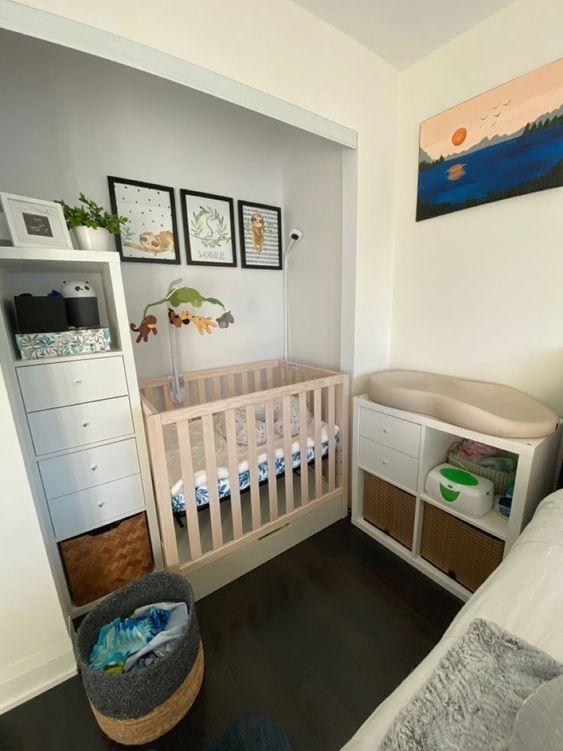
It can be tempting to fill every empty corner with furniture or decorations, especially when designing a nursery you’ve dreamed about for months.
However, open floor space is just as valuable as storage.
As your baby grows, they’ll need room to stretch, roll, crawl, sit, and eventually take their first steps.
Leaving part of the floor clear creates a safe area for these important milestones while making the nursery feel larger than it actually is.
A soft play mat can easily transform this open space into a comfortable play area during the day without permanently taking over the room.
21. Use Foldable Baby Equipment When Possible
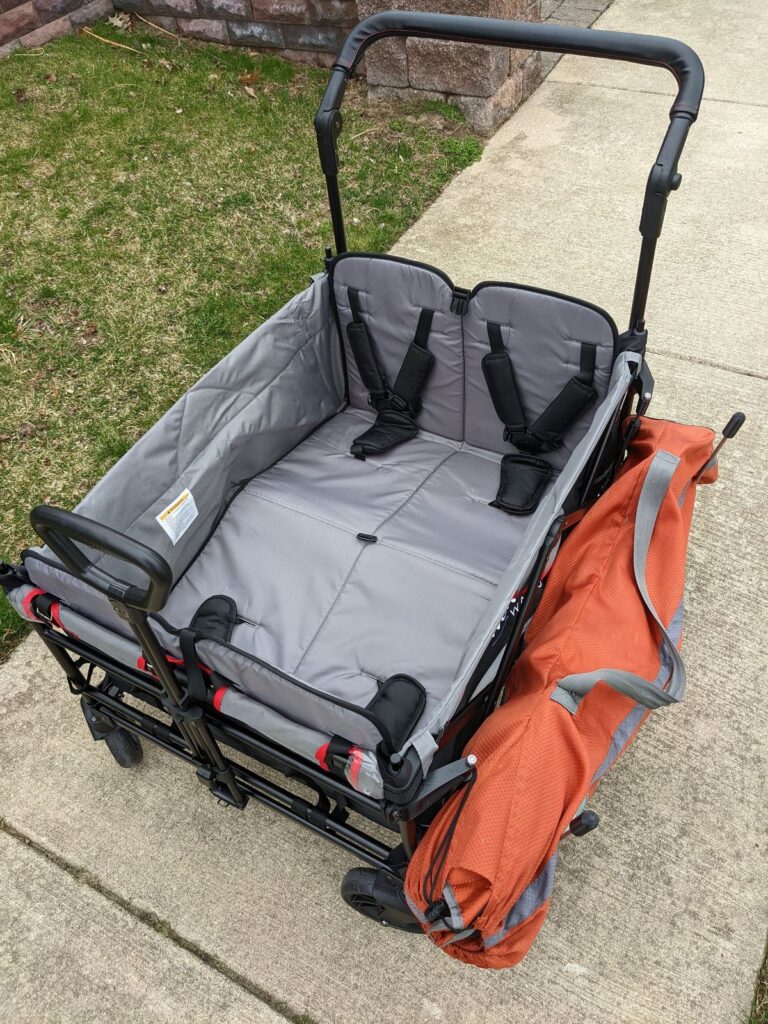
Some baby gear is only needed for short periods throughout the day.
Choosing foldable bassinets, collapsible laundry hampers, portable drying racks, or compact play gyms allows you to store these items when they aren’t being used.
This flexibility makes a noticeable difference in smaller homes where every square foot counts.
Before purchasing larger baby equipment, ask yourself whether it can be folded, stored, or used for more than one purpose.
22. Keep Frequently Used Clothing Within Easy Reach
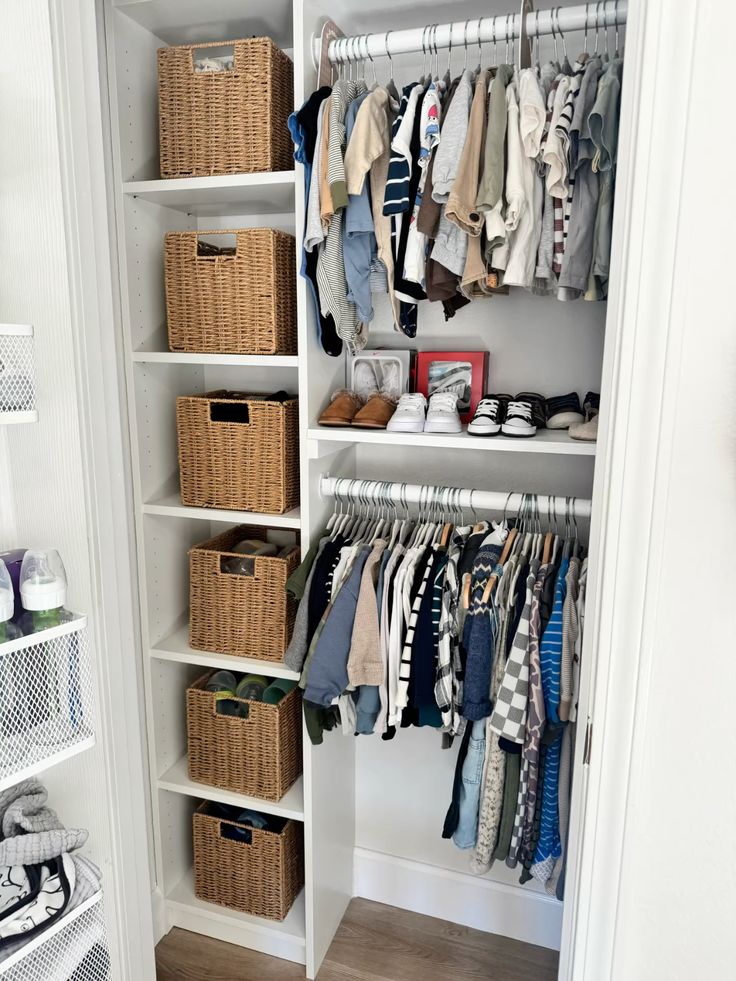
Your baby will likely wear the same outfits repeatedly during the newborn months.
Instead of filling every drawer with clothing in larger sizes, keep only current-size outfits in the nursery and store future sizes elsewhere until they’re needed.
This approach prevents unnecessary clutter while making everyday dressing routines much quicker.
It also helps you see exactly what your baby already owns before purchasing additional clothing.
23. Use Matching Storage Containers
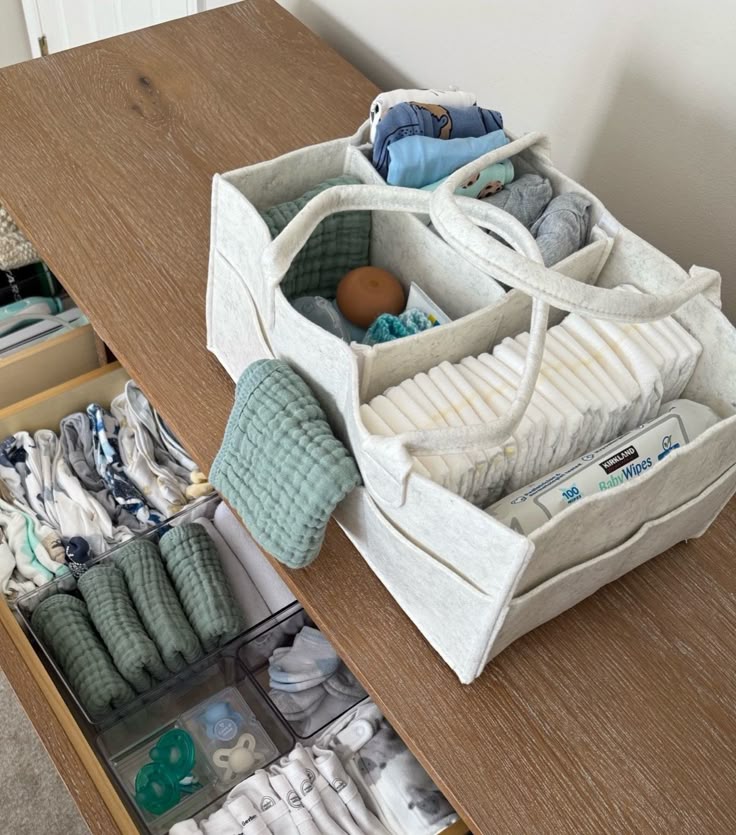
Different storage bins in random colors and sizes can make even an organized nursery feel cluttered.
Choosing matching baskets, bins, or fabric boxes creates a more cohesive appearance while helping each storage area feel intentional.
Labeling containers also makes it easier for everyone in the household to return items to the correct place after use.
A simple, coordinated storage system often makes a small room appear much larger because the visual clutter is reduced.
24. Think Beyond Traditional Nursery Furniture
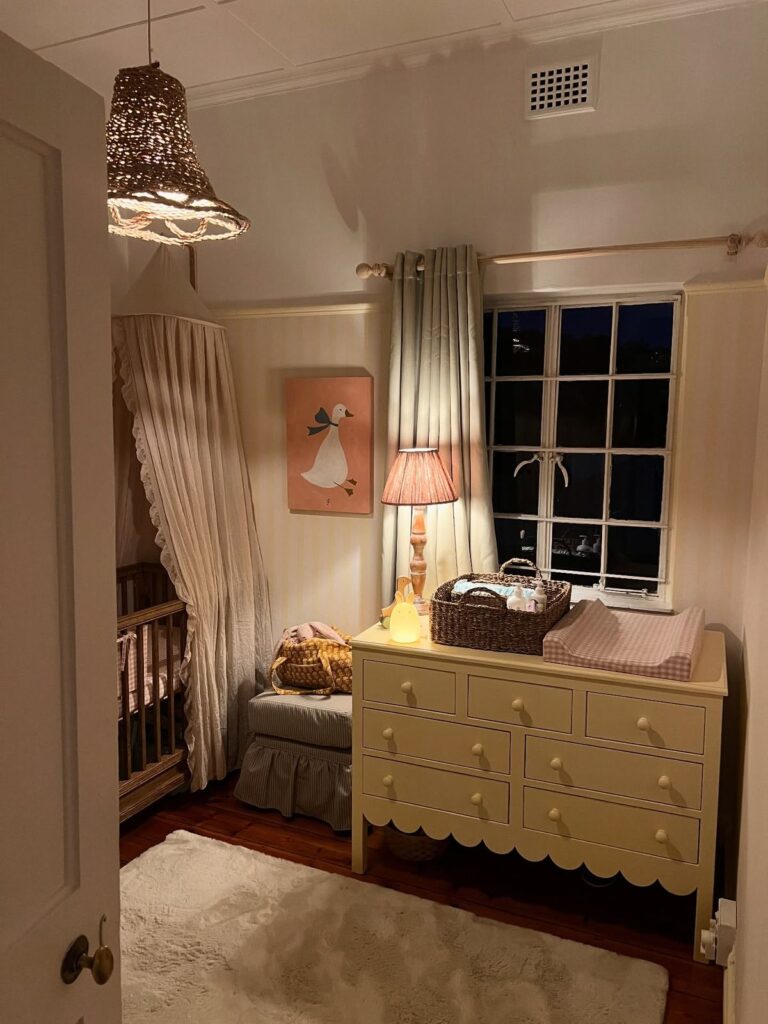
Not every piece of furniture has to come from the baby section of a store.
A narrow bookshelf, compact side table, floating cabinet, or small storage bench designed for other areas of the home may work even better in your nursery than oversized nursery furniture.
Looking beyond traditional options gives you more flexibility when furnishing compact spaces and often saves money as well.
25. Make Use of Empty Corners
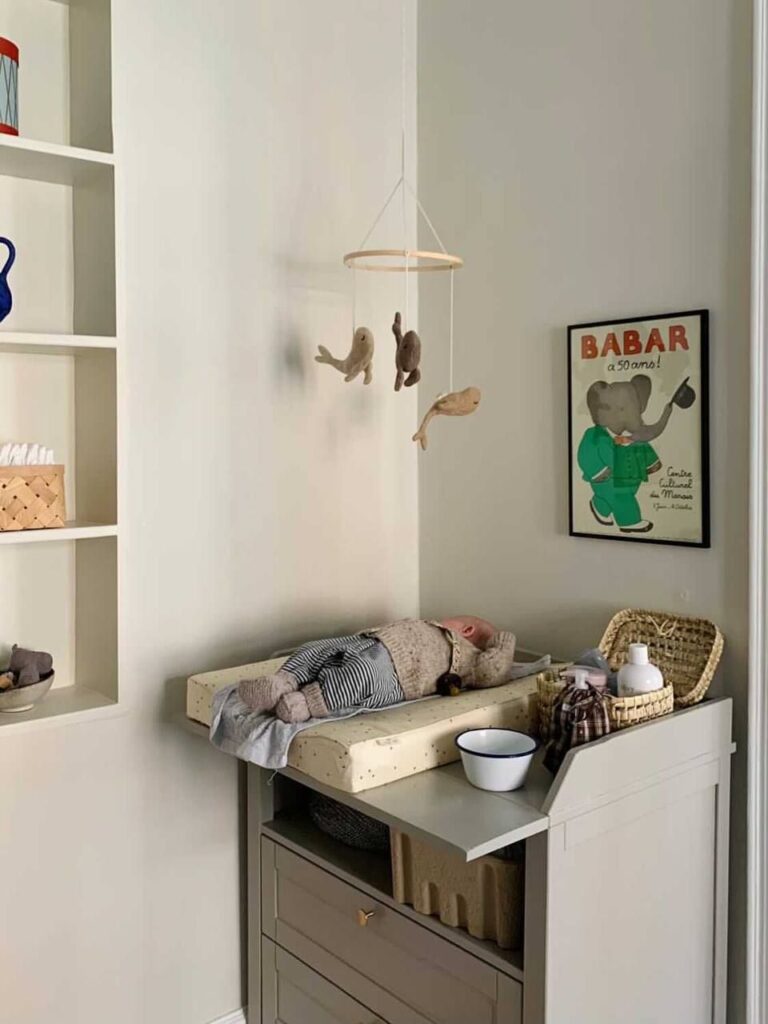
Corners often become wasted space simply because they’re awkward to furnish.
A slim corner shelf, narrow basket tower, or compact storage unit can transform an empty corner into a practical storage area without making the nursery feel crowded.
You might use it for books, extra blankets, stuffed animals, or baby care supplies that don’t fit elsewhere.
If your nursery includes a comfortable chair, placing a small basket beside it creates a convenient spot for burp cloths, nursing supplies, or your favorite bedtime stories.
26. Choose a Comfortable Chair That Fits the Room
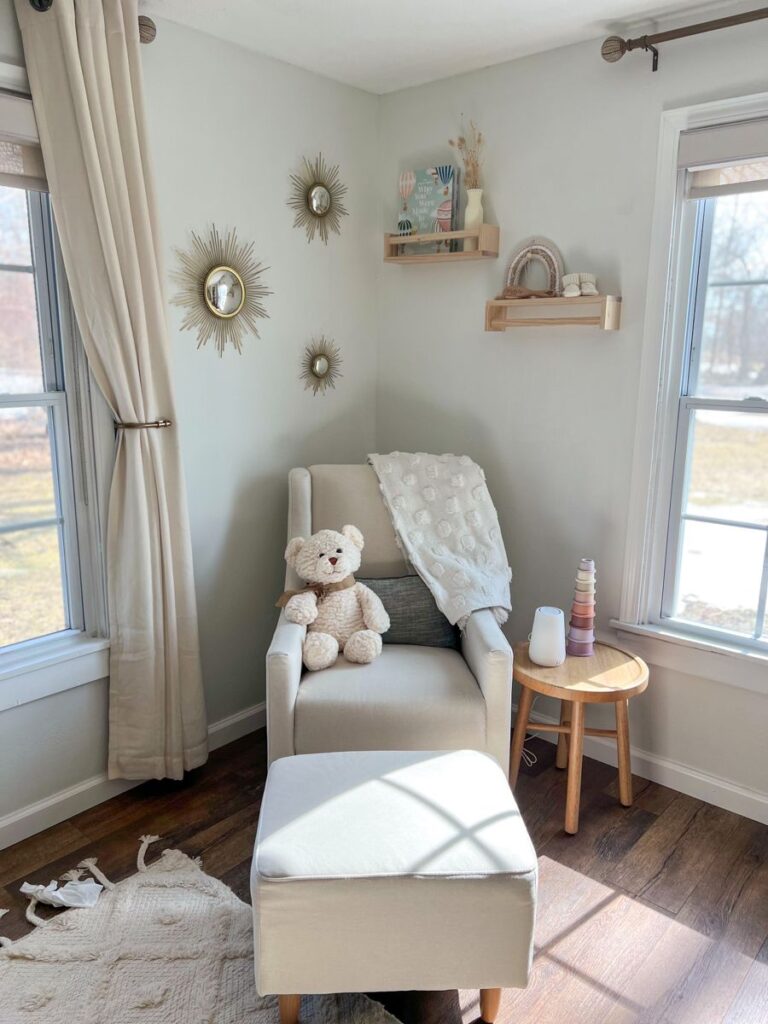
A nursery chair should feel comfortable, but it shouldn’t dominate the space.
Instead of choosing the largest glider available, look for one that fits comfortably without blocking walkways or making the room feel cramped.
Before buying, measure both the chair and the available space to make sure you’ll still have room to move around easily.
A compact chair paired with a small side table often provides everything you need for feeding, cuddling, and bedtime stories.
27. Hide Everyday Clutter Inside Closed Storage
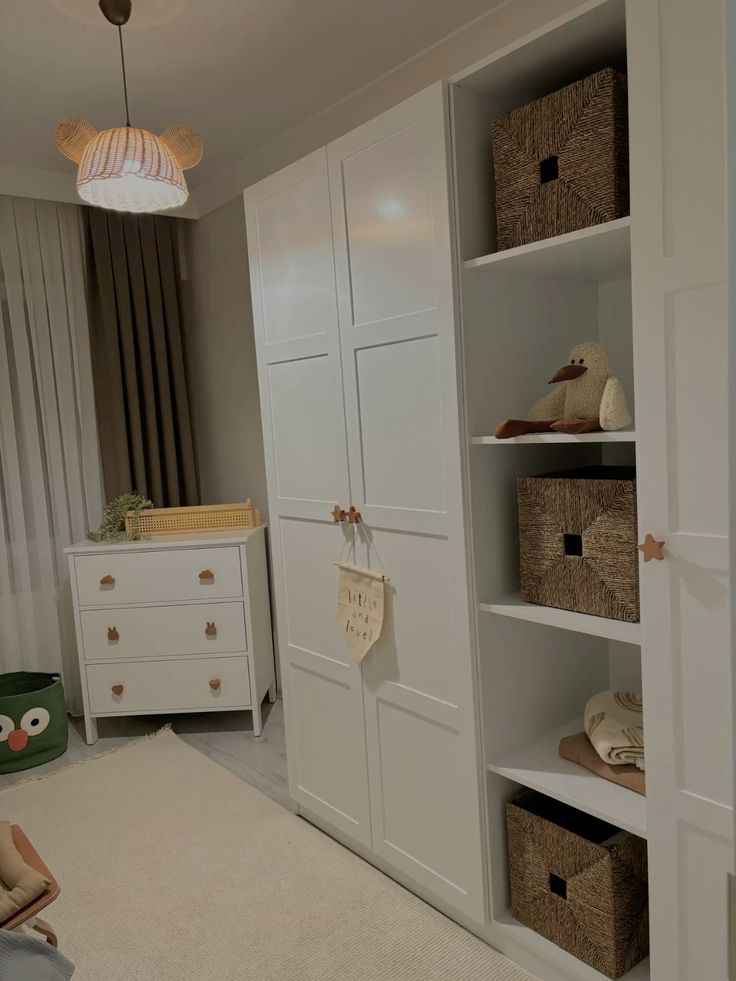
Open shelving looks beautiful when perfectly styled, but everyday life with a newborn isn’t always picture-perfect.
Using cabinets, drawers, baskets, or storage boxes to hide frequently used items creates a cleaner appearance while reducing visual clutter.
Diapers, wipes, extra clothing, medicines, and feeding supplies stay accessible without constantly being on display.
Balancing open and closed storage keeps the nursery looking organized while remaining practical for daily use.
28. Add Mirrors to Create the Feeling of More Space
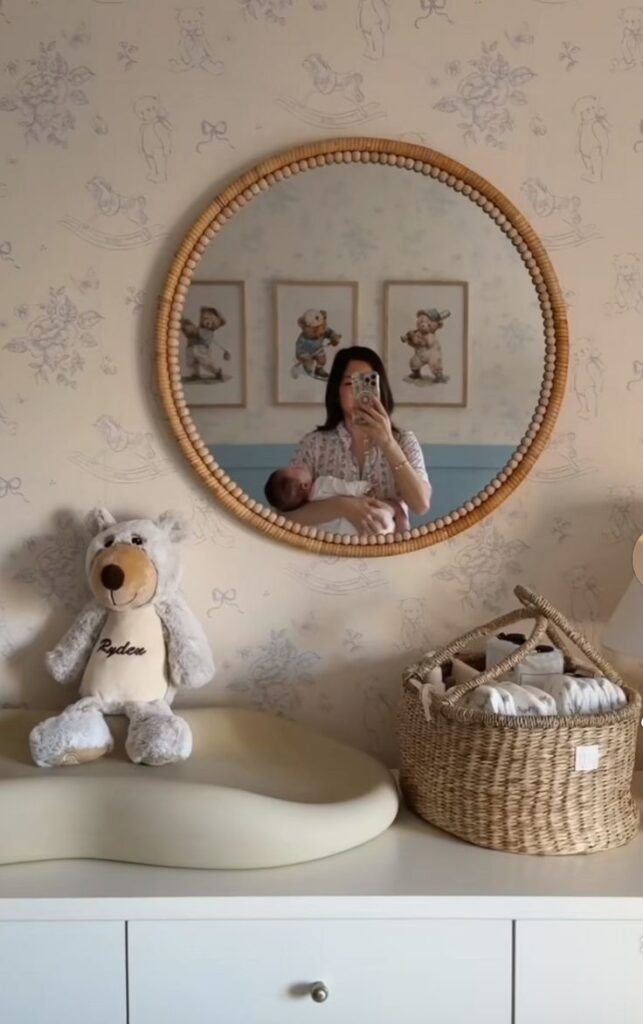
Mirrors reflect both natural and artificial light, making compact rooms feel brighter and more open.
A carefully positioned mirror can visually expand a nursery without requiring any additional floor space.
Choose one that’s securely mounted and positioned safely away from the crib and changing area.
Besides making the room feel larger, mirrors also add depth and become an attractive decorative feature.
29. Use Wall Art Strategically
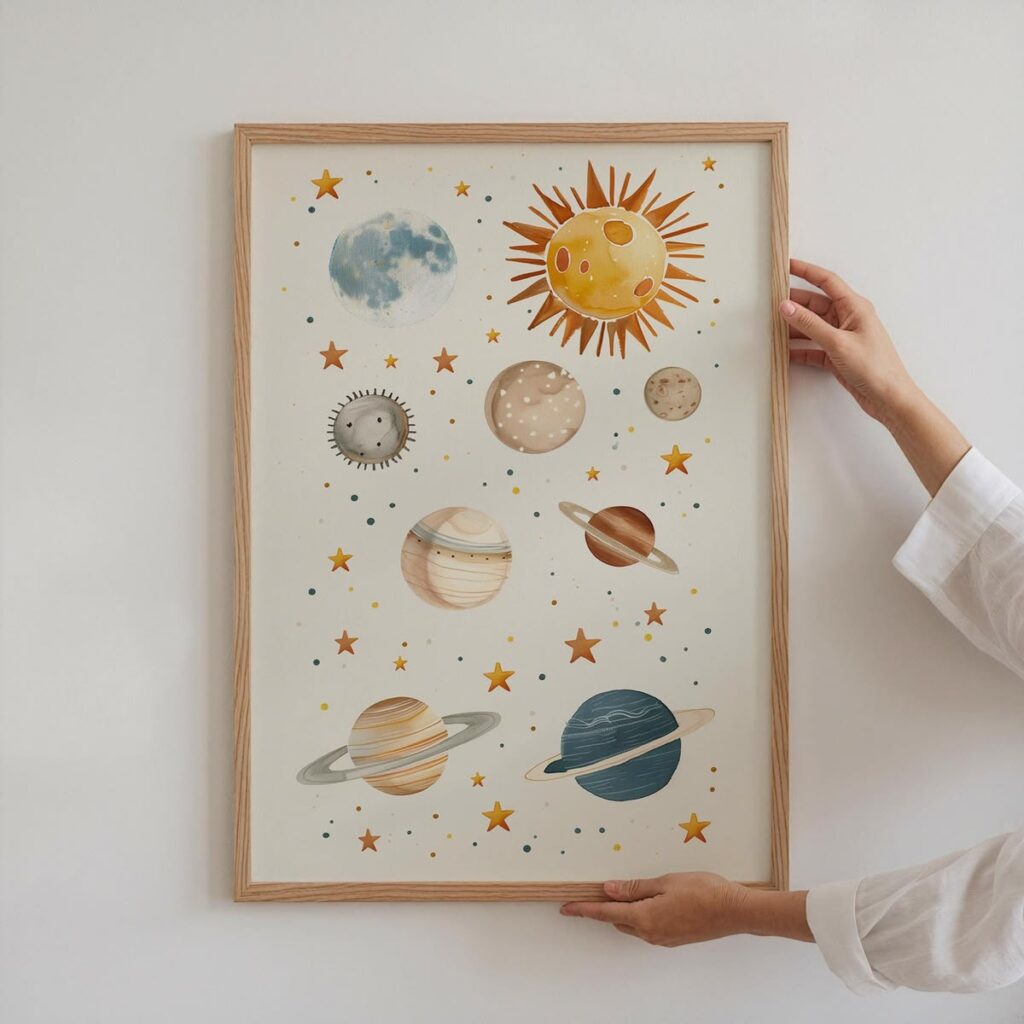
Too many decorations can overwhelm a small nursery.
Instead of covering every wall, choose one feature wall or display a few meaningful pieces that complement the room’s overall design.
Larger artwork often works better than several tiny pieces because it creates a cleaner, less cluttered appearance.
Thoughtful decorating adds personality without reducing the sense of openness that makes small rooms feel inviting.
30. Plan for Growth, Not Just the Newborn Stage
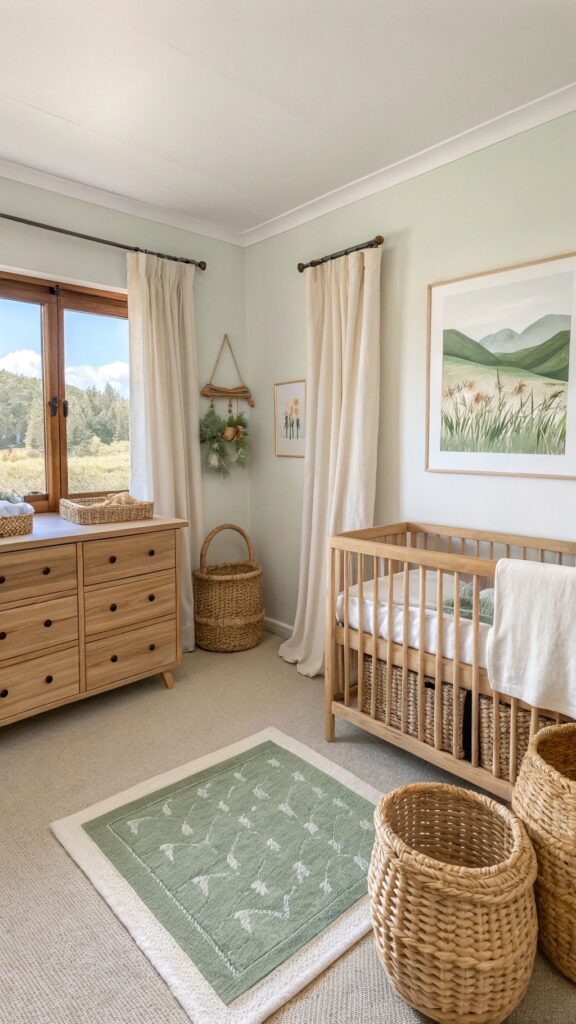
It’s easy to design a nursery around the newborn months, but your baby will grow much faster than you expect.
Choose furniture, storage systems, and layouts that continue working as your child becomes a toddler.
A dresser that outlasts the diaper stage, adjustable shelving, and versatile storage containers will continue serving your family long after the crib is replaced.
Planning ahead saves money while reducing the need to redesign the room every year.
Families living in apartments often find this approach especially helpful because it allows the nursery to evolve without requiring additional space.
Many of these ideas work just as well in nursery nook ideas for apartment living, where thoughtful planning matters even more.
31. Keep Cables and Cords Out of Sight
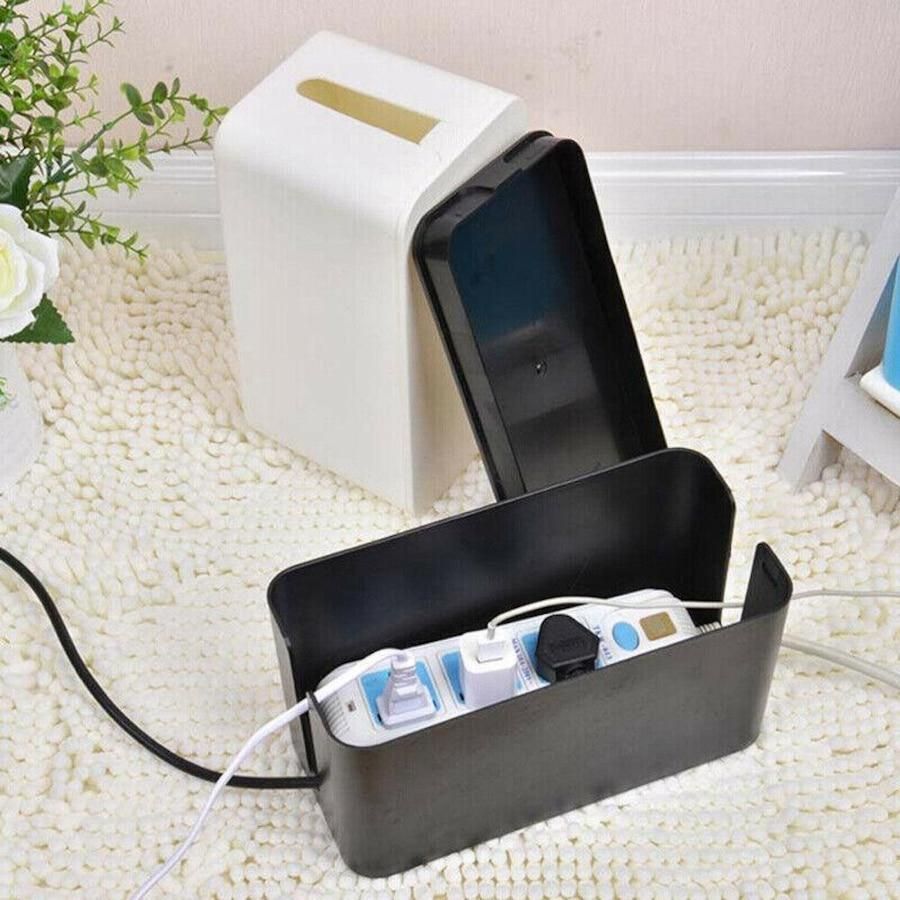
Charging cables, baby monitor wires, lamp cords, and white-noise machine cords can quickly make a nursery feel untidy.
Secure them neatly behind furniture using cable organizers or cord covers.
Besides improving the room’s appearance, this also creates a safer environment once your baby begins crawling and exploring.
Taking care of small details like cord management helps maintain the clean, peaceful atmosphere most parents want in a nursery.
32. Use Clear Storage for Frequently Rotated Items
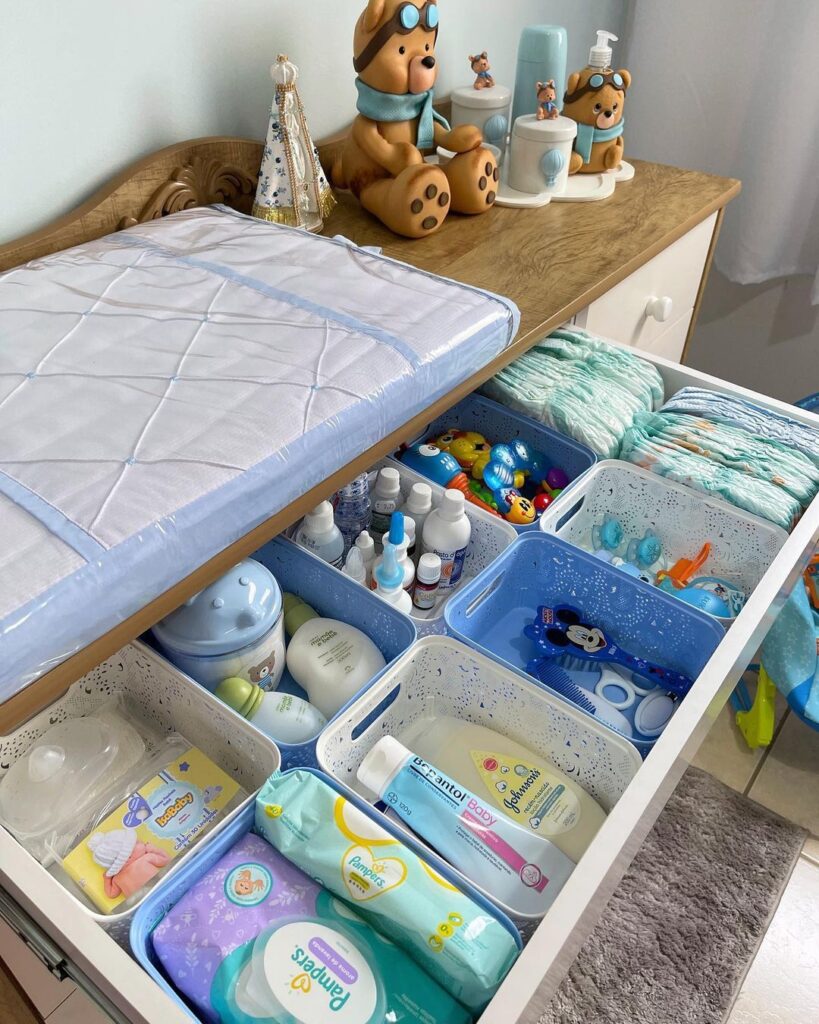
Some baby supplies change constantly.
Clothes are replaced as your baby grows, diapers move through different sizes, and seasonal items come and go throughout the year.
Clear storage containers allow you to see exactly what’s inside without opening multiple boxes.
Labeling each container makes the system even more efficient, especially if several family members help care for your baby.
33. Add Personality Without Adding Clutter
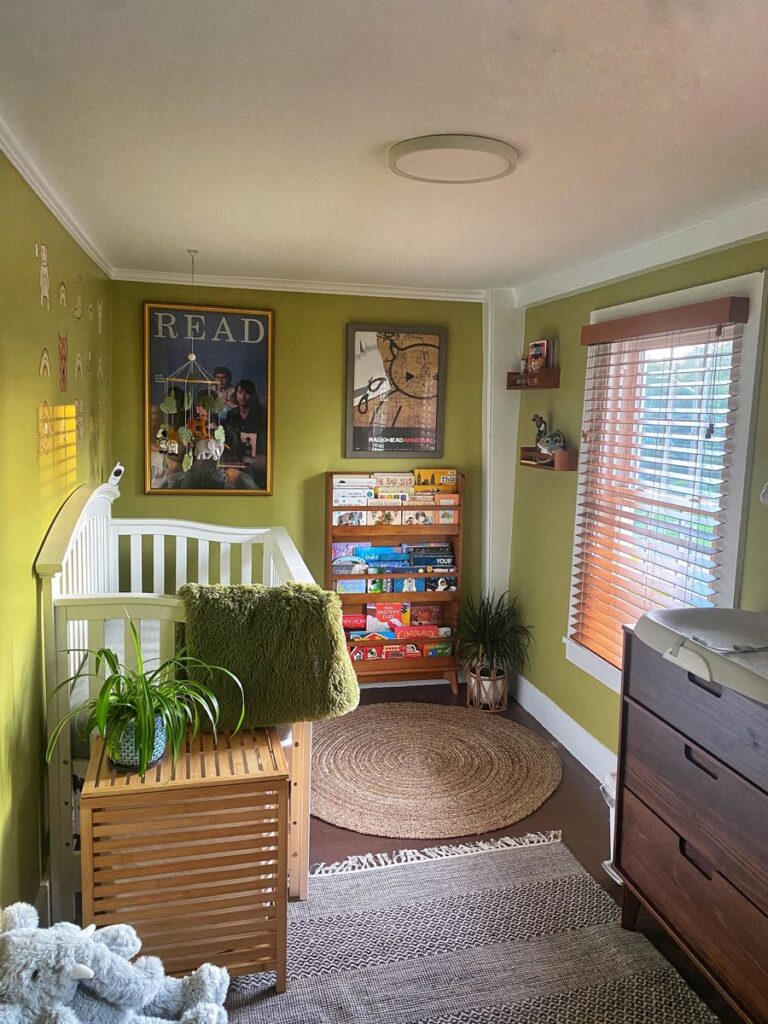
A nursery should reflect your family’s personality, but that doesn’t mean filling every available shelf.
A favorite quote, meaningful photographs, handmade artwork, or a treasured family keepsake often creates far more impact than dozens of decorative accessories.
Thoughtful personal touches help the room feel warm and welcoming while preserving the simplicity that makes compact spaces feel larger.
34. Declutter Regularly
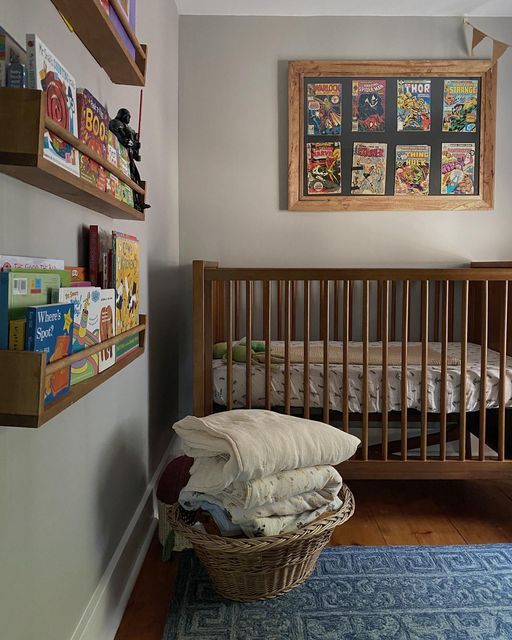
Organization isn’t something you do once before your baby arrives.
As the months pass, clothing sizes change, toys multiply, and new baby products replace old ones.
Setting aside a little time every month to remove outgrown clothes, donate unused items, and reorganize storage keeps the nursery from becoming overcrowded.
Regular decluttering also helps you make better use of the space you already have instead of constantly searching for additional storage.
35. Keep Safety Part of Every Design Decision
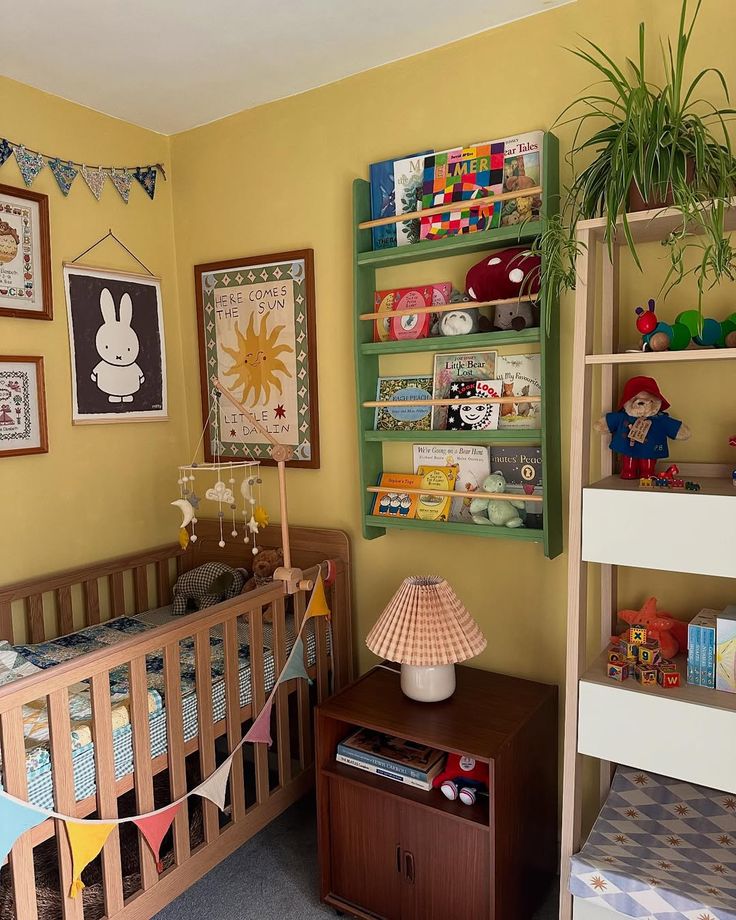
A beautiful nursery should always be a safe nursery.
Secure heavy furniture to the wall, keep cords out of reach, avoid placing shelves directly above the crib, and leave enough open space for safe movement as your child grows.
While decorating, it’s helpful to review an ultimate baby proofing checklist for new parents so safety becomes part of your nursery plan from the very beginning rather than something you address later.
36. Don’t Feel Pressured to Fill Every Empty Space
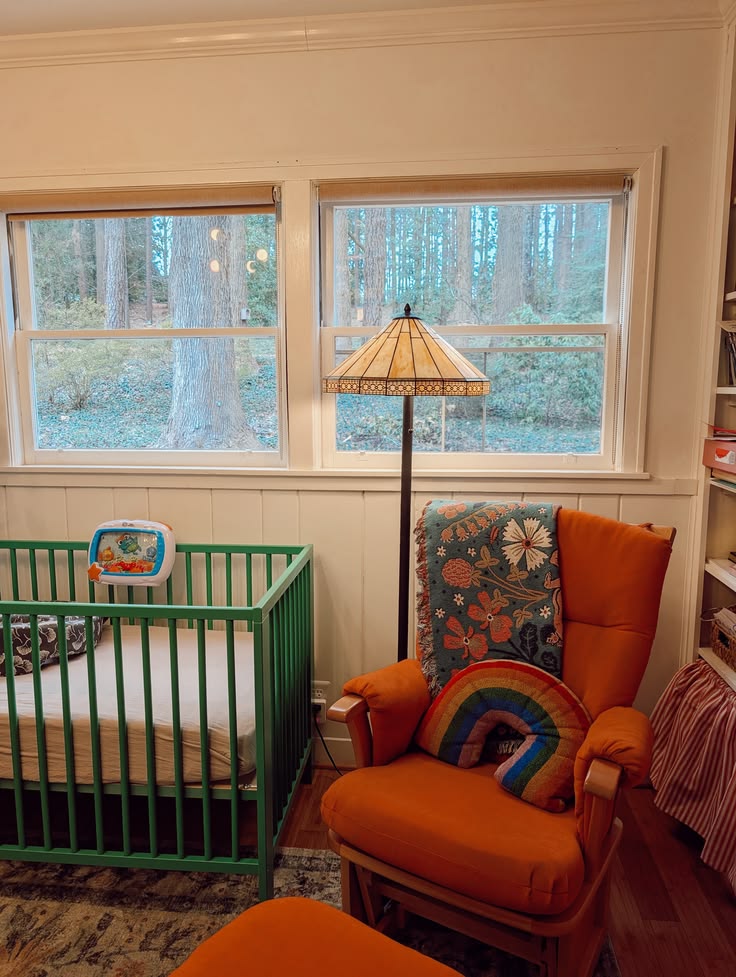
One of the most common decorating mistakes is believing every wall, shelf, or corner needs something.
Empty space allows a room to breathe. It creates balance, improves movement, and makes the nursery feel much larger than its actual size.
Sometimes the best design decision is choosing not to add another piece of furniture or another decoration.
37. Design a Nursery That Works for Your Family
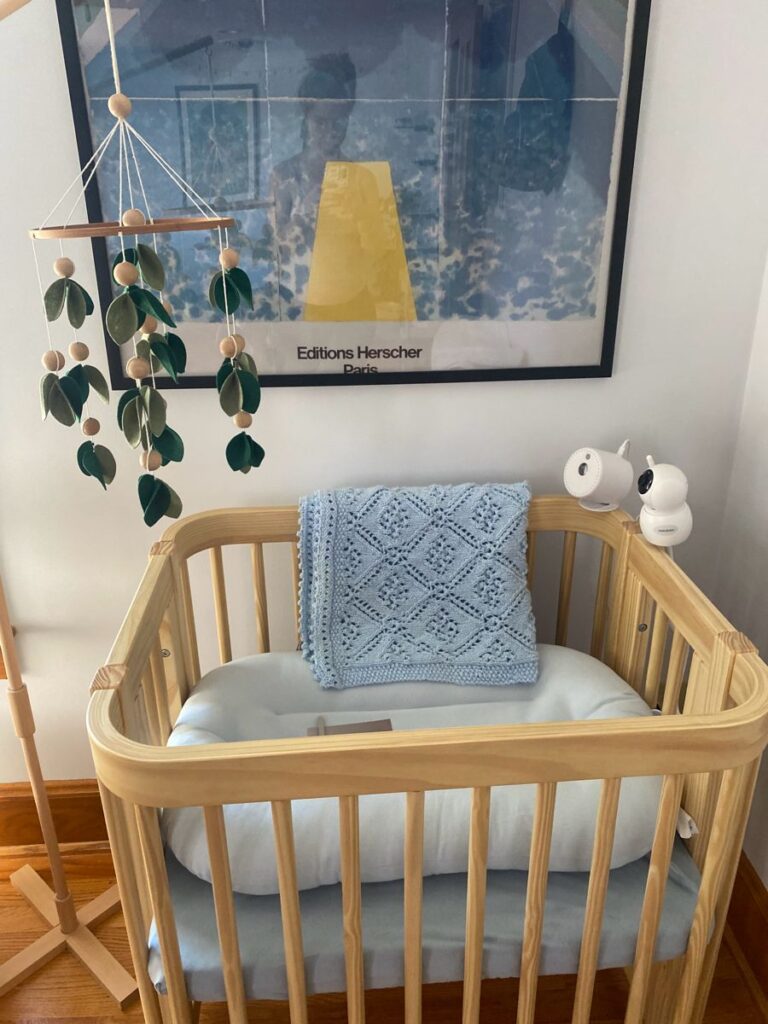
The most beautiful nursery isn’t necessarily the one with the most decorations or the latest trends.
It’s the one that makes everyday life easier.
Choose storage solutions that simplify your routine, furniture that fits comfortably inside your room, and a layout that allows you to care for your baby without constantly moving things around.
Your nursery doesn’t have to look exactly like the pictures you see online.
It simply needs to support your family’s daily life while providing a calm, comfortable place where your little one can sleep, grow, play, and thrive.
As your baby’s needs continue changing, don’t be afraid to adjust your organization, move furniture, or simplify the room even further.
A nursery that evolves with your family will always be more valuable than one designed only for photographs.
Create a Nursery You’ll Love for Years to Come
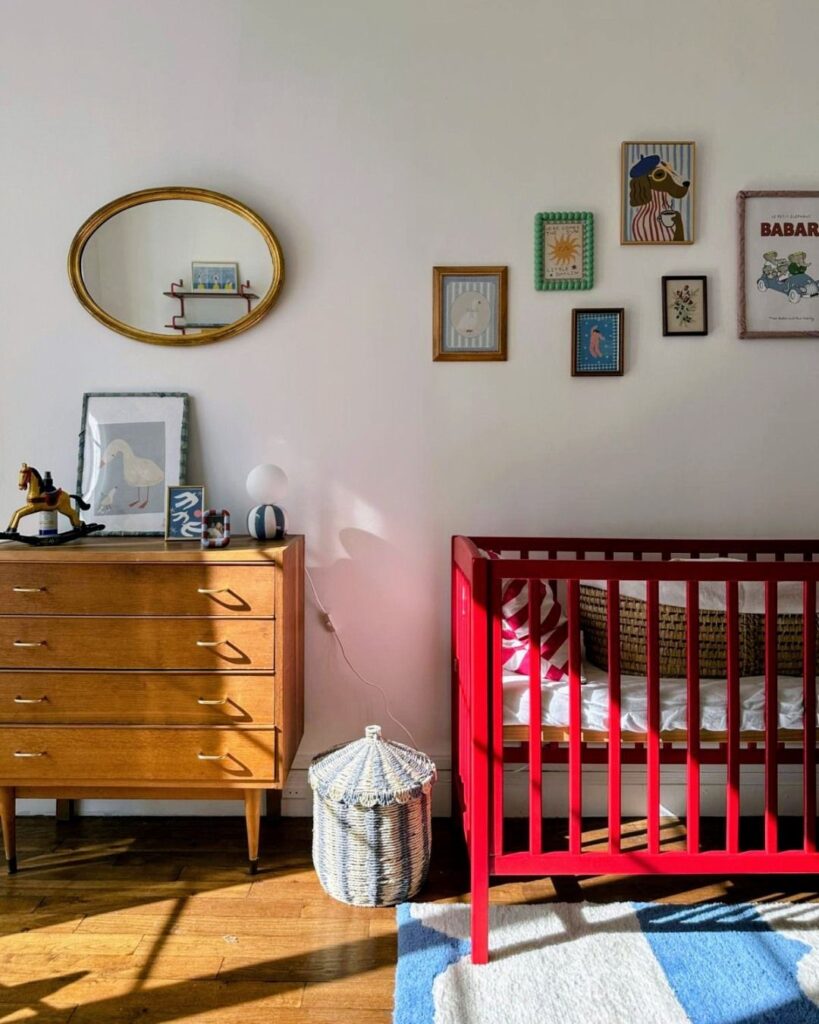
A small nursery doesn’t have to feel limiting.
With thoughtful planning, practical storage, and furniture that fits your space, even the most compact room can become one of the most comfortable places in your home.
Remember that every nursery serves a different family.
Some parents need extra storage because they’re sharing a room with their baby, while others may be designing a dedicated nursery in a small apartment or making the most of a compact spare bedroom.
There isn’t a single layout that works for everyone, and that’s perfectly okay. The best nursery is one that supports your everyday routine.
When diapers, clothing, feeding supplies, and bedtime essentials are organized and easy to reach, you’ll spend less time searching for what you need and more time enjoying those precious moments with your baby.
Don’t feel pressured to buy every nursery product you see online or recreate every trend you come across on social media. Start with the essentials, choose pieces that serve multiple purposes, and leave enough flexibility for your nursery to grow alongside your child. As the months pass, you’ll naturally discover small adjustments that make the room work even better for your family’s changing needs.
Most importantly, remember that your baby won’t measure the nursery by its size or its decorations. They’ll remember the comfort, care, and love they experience there every day.
If you’re reading bedtime stories, rocking them to sleep, changing diapers, or celebrating their first milestones, those moments are what truly make the room special.
A well-planned nursery simply makes those everyday moments a little easier.