

Natural Birth vs Epidural: What to Include in Your Birth Plan
Disclosure: Some of the links in this post are affiliate links. This means if you click on the link and purchase an item, I will receive an affiliate commission at no extra cost to you.
As your due date gets closer, one question tends to come up again and again: How do I want to manage labor pain?
Friends may share their birth stories, family members may offer advice, and social media is filled with opinions about what the “best” choice should be.
With so much information coming from different directions, it’s easy to feel uncertain about which option is right for you.
For many expectant parents, the decision often comes down to two choices, giving birth without medical pain relief or choosing an epidural during labor.
Both options are common, and both have helped millions of women welcome healthy babies into the world. Neither approach makes someone a better parent, and there isn’t a single answer that works for every pregnancy.
The most helpful decision is one that’s based on accurate information, your health, your comfort level, and conversations with your healthcare provider.
Understanding how each option works before labor begins allows you to prepare without feeling pressured to follow someone else’s experience.
This guide explains the differences between natural birth and an epidural, the benefits and possible drawbacks of each, and the factors that may influence your decision.
You’ll also learn how to include your pain relief preferences in your birth plan while staying flexible if your labor takes an unexpected direction.
Understanding Your Pain Relief Options

One of the biggest misconceptions about childbirth is that you have to decide between natural birth and an epidural long before labor begins.
While it’s helpful to think about your preferences during pregnancy, many women keep an open mind until they see how labor progresses.
Every labor is different. Some women have shorter labors than expected, while others experience longer or more intense contractions.
Your baby’s position, your overall health, and how your labor progresses can all influence the choices you make on the day of delivery.
Learning about both options ahead of time gives you a better understanding of what each involves.
It also makes discussions with your doctor or midwife much more productive because you’ll know which questions to ask and what matters most to you.
Many parents find it helpful to discuss these options while creating a birth plan.
Thinking about pain management early allows you to write down your preferences while leaving room for changes if labor doesn’t unfold the way you expected.
What Is a Natural Birth?
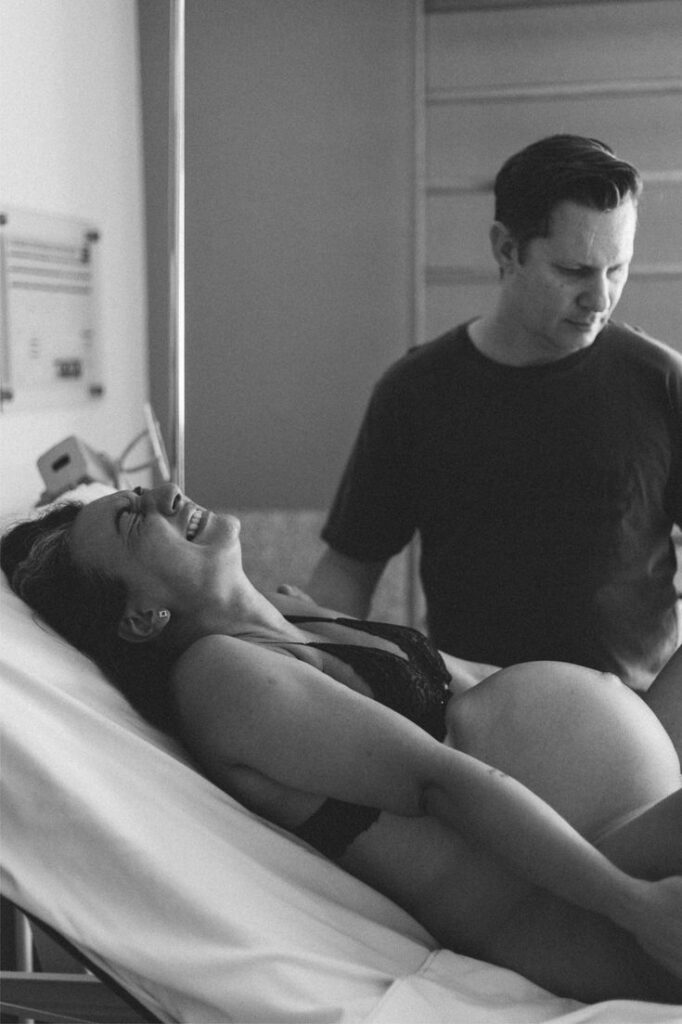
A natural birth usually refers to giving birth without medical pain relief such as an epidural.
Instead of medication, labor is managed using techniques that help you cope with contractions while your body progresses through childbirth.
Natural birth doesn’t mean giving birth without medical care. Your doctor or midwife continues to monitor you and your baby throughout labor, stepping in if medical assistance becomes necessary.
The difference is that pain is managed without medication that numbs the lower half of the body.
Many women prepare for a natural birth by attending childbirth classes, practicing breathing techniques, learning relaxation exercises, and staying active throughout pregnancy.
Some also choose comfort measures such as massage, warm showers, hydrotherapy, changing positions frequently, or using a birthing ball during labor.
For some parents, natural birth provides a greater sense of control because they’re able to move freely during labor and actively respond to their body’s signals.
Others appreciate avoiding medication unless it’s medically necessary.
Choosing a natural birth doesn’t mean you have to refuse pain relief under every circumstance.
If your labor becomes longer or more difficult than expected, you can still discuss other options with your healthcare provider.
What Is an Epidural?
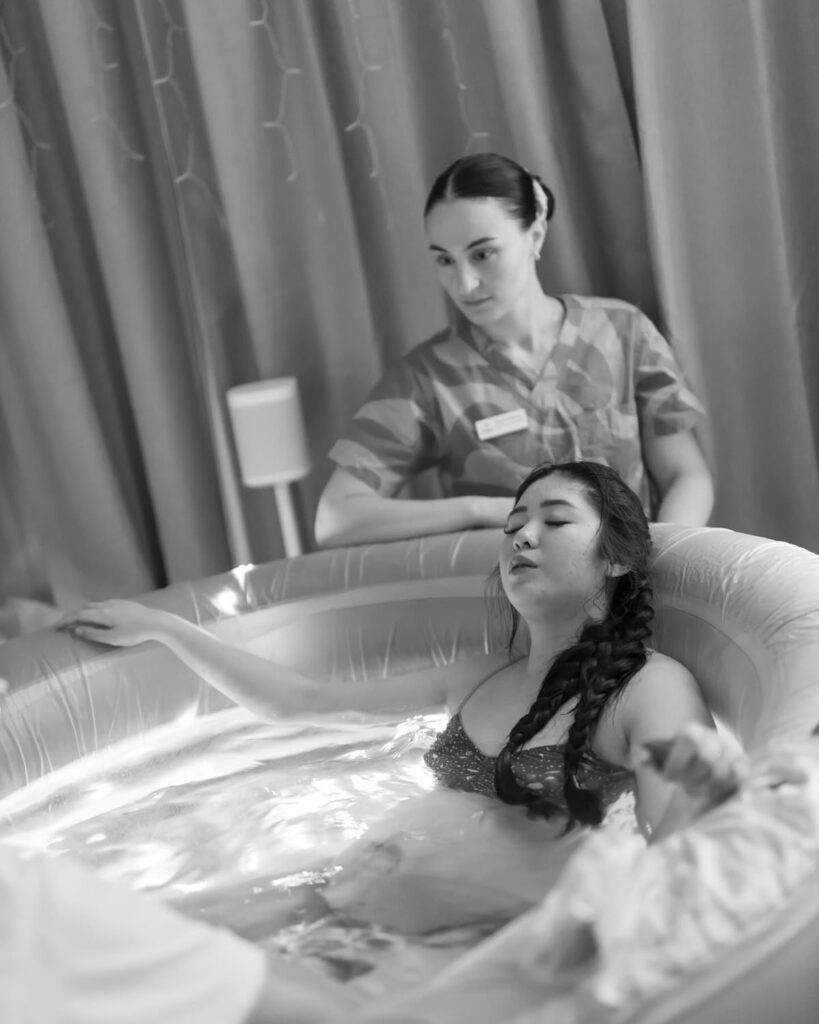
An epidural is one of the most common forms of medical pain relief used during childbirth.
It involves placing a small catheter into the lower back so medication can be delivered around the nerves that carry pain signals from the lower part of the body.
The goal of an epidural is to reduce labor pain while allowing you to remain awake and alert throughout the birth of your baby.
Many women still feel pressure during contractions, but the pain is usually much less intense.
An epidural affects the lower half of the body, your movement may be more limited than it would be during an unmedicated birth.
Your healthcare team will monitor both you and your baby closely while the epidural is in place.
Some women request an epidural early in labor, while others decide to have one after trying other comfort measures first. There isn’t a right or wrong time to ask.
Your healthcare provider can explain when an epidural is available and whether it’s a suitable option based on your labor and medical history.
Understanding how an epidural works before labor begins can help you make a decision without feeling rushed during contractions.
Benefits of a Natural Birth
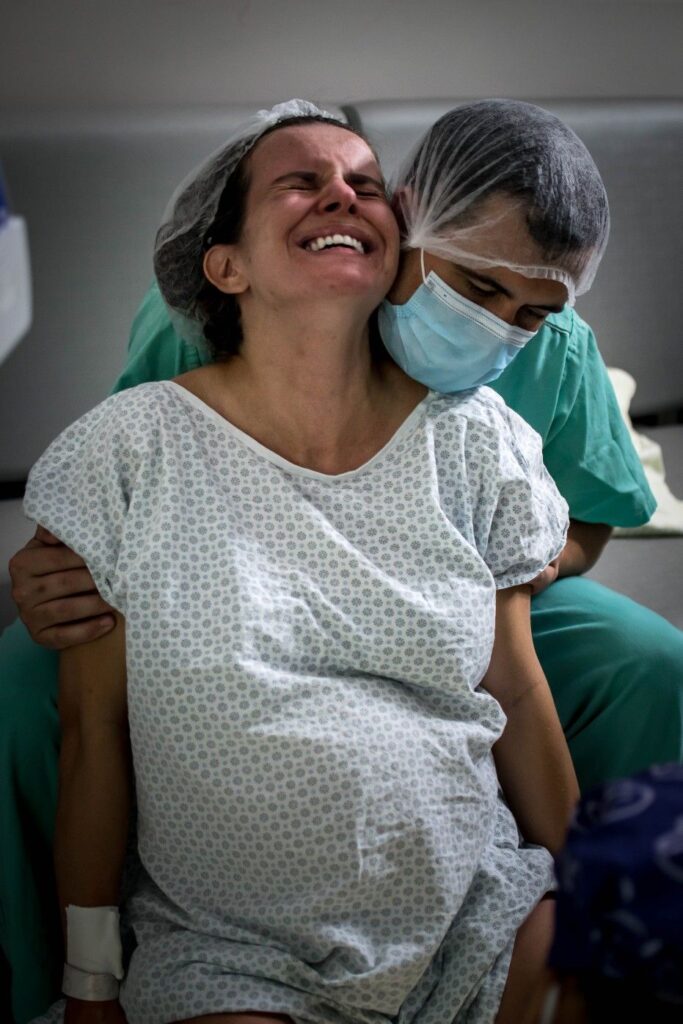
Many women choose a natural birth because they want to experience labor without medical pain relief.
While every birth is different, there are several reasons why this option appeals to expectant parents.
One advantage is the freedom to move during labor.
Walking, changing positions, using a birthing ball, or spending time in the shower may help some women stay more comfortable as contractions become stronger.
Being able to move around can also make labor feel more manageable for some people.
Natural birth also allows you to rely on your body’s own coping mechanisms.
Breathing exercises, massage, relaxation techniques, and encouragement from your support person often become important parts of the experience.
Many women find that preparing for these techniques during pregnancy helps them feel more confident when labor begins.
Another reason some parents choose a natural birth is the desire to avoid medication unless it’s medically necessary.
This is a personal decision, and it’s one that should be based on your own comfort level rather than outside opinions.
It’s worth remembering that choosing a natural birth doesn’t mean refusing help if circumstances change.
If your labor becomes more challenging than expected, discussing pain relief with your healthcare provider is completely reasonable.
Flexibility is often one of the most valuable parts of a well-prepared birth plan.
Benefits of an Epidural
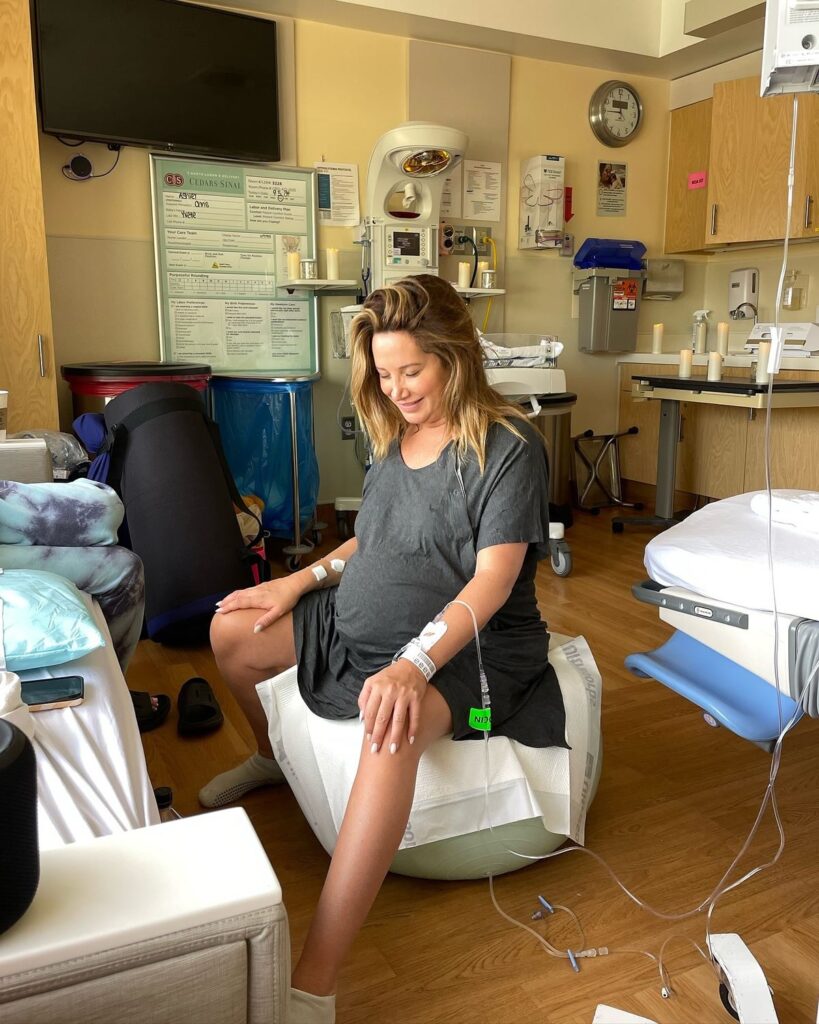
For many parents, an epidural provides significant pain relief during labor while allowing them to remain awake and actively involved in the birth of their baby.
One of the biggest advantages is increased comfort during long or difficult labors.
When contractions become exhausting, reducing pain may allow you to rest, conserve energy, and prepare for the pushing stage.
An epidural can also be helpful if labor needs to be medically assisted.
If your healthcare provider recommends the use of forceps, a vacuum-assisted delivery, or an unexpected cesarean birth, having an epidural in place may make those situations more comfortable.
Some women also feel less anxious knowing that effective pain relief is available if they need it.
This reassurance can help them approach labor with greater confidence instead of worrying about how they’ll cope with contractions.
Choosing an epidural isn’t a sign that you’ve given up or that you’ve had an easier birth than someone else.
Every labor experience is different, and managing pain in a way that helps you feel safe and supported is a valid choice.
Possible Challenges to Consider
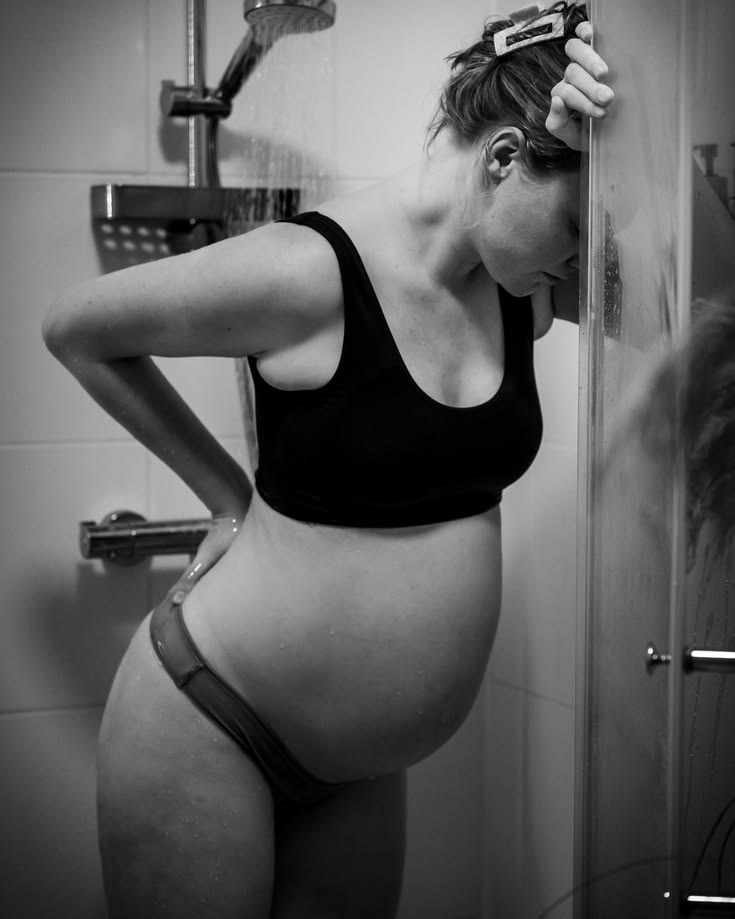
Every form of pain management has advantages and limitations.
Understanding both sides before labor begins can help you make a decision that’s based on realistic expectations rather than assumptions.
With a natural birth, contractions may become very intense, especially during active labor and transition.
Some women cope well using breathing techniques and movement, while others find the pain more difficult than they expected.
An epidural, on the other hand, provides pain relief but may reduce your ability to move around freely during labor.
Your healthcare team will continue to monitor your blood pressure, your baby’s heart rate, and your overall progress to make sure everything is going well.
The important thing is not to focus on which option is “better.” Instead, think about which approach fits your medical needs, your preferences, and the guidance you’ve received from your healthcare provider.
As you prepare for delivery, it can also be helpful to learn the signs labor is starting so you’ll have a better idea of when it’s time to contact your doctor or head to the hospital.
Understanding the early stages of labor often makes the entire experience feel less overwhelming.
Factors That Can Influence Your Decision
Choosing between a natural birth and an epidural isn’t always as straightforward as it seems.
While you may have a clear preference during pregnancy, several factors can influence what ultimately feels right when labor begins.
Your Medical History
Your overall health and pregnancy history play an important role in deciding which pain relief options are suitable for you.
Certain medical conditions or pregnancy complications may affect the recommendations your healthcare provider makes.
For example, if you’ve had complications during pregnancy or are expecting a high-risk delivery, your doctor may advise a particular approach based on your individual circumstances.
This is why it’s helpful to discuss your options during your prenatal appointments instead of waiting until labor begins.
Your Labor Experience

No two labors are exactly alike.
Some women give birth within a few hours, while others experience labor that lasts much longer.
The intensity of contractions, your baby’s position, and how quickly your cervix dilates can all affect how you’re feeling physically and emotionally.
Many parents begin labor hoping for a natural birth but later decide they’d like an epidural.
Others request an epidural before labor begins and discover they progress so quickly that they don’t need one after all.
Giving yourself permission to adapt your plan doesn’t mean you’ve failed, it means you’re responding to your labor as it unfolds.
Your Personal Comfort Level
Pain is a very personal experience.
What feels manageable for one person may feel overwhelming for another.
Rather than comparing yourself to other parents, think about what will help you feel calm, supported, and confident during labor.
Some women feel most comfortable knowing they have access to medical pain relief if they need it.
Others prefer to use breathing exercises, movement, massage, and other comfort techniques before considering medication.
Neither choice is more “natural,” more “successful,” or more “brave” than the other. The goal is a safe birth and a healthy mother and baby.
Questions to Ask Your Doctor or Midwife
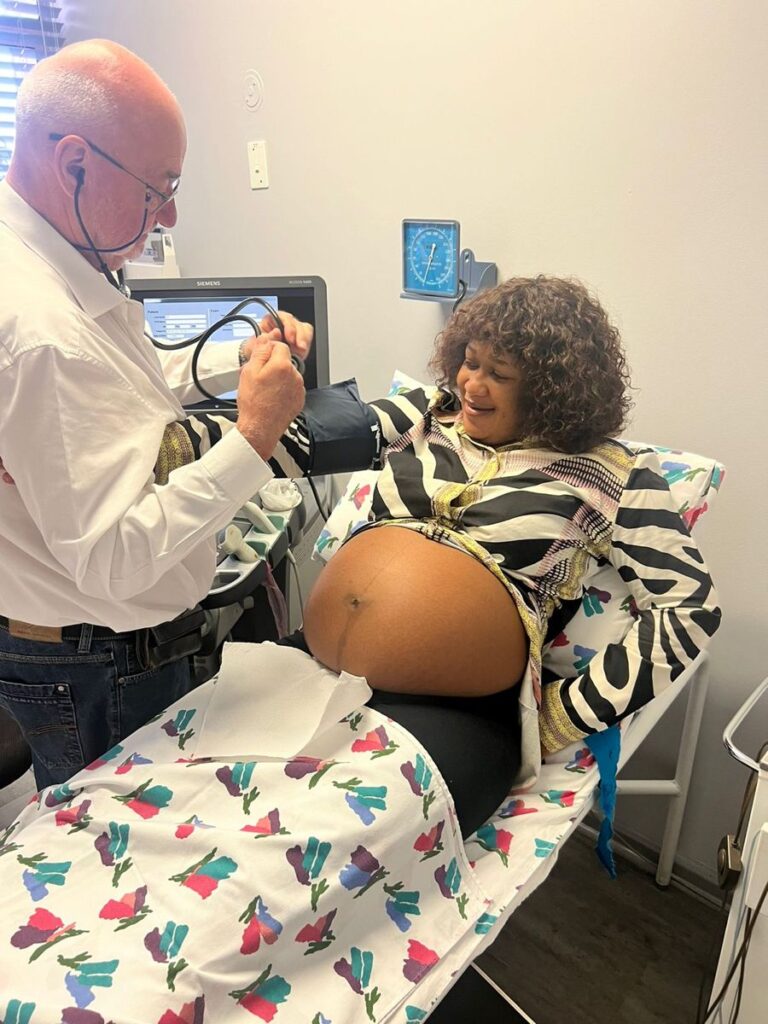
Before making your decision, schedule time during one of your prenatal visits to discuss pain relief options with your healthcare provider.
Here are some helpful questions to ask:
- Am I a good candidate for a natural birth?
- When can an epidural usually be given?
- Are there situations where an epidural may not be recommended?
- What other pain relief options are available at this hospital?
- How will my labor be monitored if I choose an epidural?
- Can I change my mind during labor?
- What happens if my birth doesn’t go according to plan?
These conversations can give you realistic expectations and help you feel better prepared for labor.
Around this time, many parents also begin thinking about what to pack in their hospital bag.
Having your essentials packed a few weeks before your due date means one less thing to worry about when labor starts unexpectedly.
Including Your Choice in Your Birth Plan
Once you’ve thought through your options, add your pain relief preferences to your birth plan in a way that’s clear and flexible.
Instead of writing:
“I absolutely do not want an epidural under any circumstances.”
You might write:
“I’d like to begin labor using breathing techniques, movement, and other natural comfort measures. If my labor becomes prolonged or I feel I need additional pain relief, I’d like to discuss an epidural with my healthcare provider.”
This approach communicates your preferences while recognizing that labor can be unpredictable.
If you already know you’d like an epidural, you can include that as well.
For example:
“I’d like an epidural when my healthcare provider feels it’s appropriate and safe.”
Short, clear statements are much easier for your medical team to read than long paragraphs explaining every possible situation.
As you’re finalizing your birth plan, it’s also a good idea to make sure you’ve finished packing your hospital bag and discussed your preferences with your support person so everyone understands your wishes before labor begins.
Common Myths About Natural Birth and Epidurals
When you’re preparing for childbirth, you’ll probably hear plenty of opinions from friends, relatives, and even strangers.
While many people mean well, not everything you hear is accurate.
Separating myths from facts can help you make decisions with greater confidence.
Myth 1: Choosing an Epidural Means You’ve Failed
One of the most common misconceptions is that requesting an epidural somehow means you weren’t strong enough to have a natural birth.
The truth is that labor is unpredictable. Some women have relatively short labors, while others spend many hours managing strong contractions.
Choosing medical pain relief doesn’t make your birth any less meaningful. It simply means you made the decision that felt right for you at that moment.
Myth 2: Natural Birth Is Always Better
Natural birth offers benefits that many parents appreciate, but it isn’t automatically the best choice for every pregnancy.
Your medical history, your baby’s condition, and how labor progresses all play a role in determining what is safest for both of you.
A healthy delivery is always more important than following a specific birth plan perfectly.
Myth 3: You Have to Decide Before Labor Starts
Many parents believe they must make a final decision months before their due date.
In reality, plenty of women begin labor planning to avoid medication but later decide to have an epidural.
Others expect to request one and discover they’re comfortable enough to continue without it.
Keeping an open mind allows you to respond to your labor instead of feeling pressured to stick with a decision that no longer feels right.
Talking With Your Support Person

Your birth partner plays an important role during labor. Whether it’s your spouse, a family member, a close friend, or a doula, they should understand your preferences before your due date.
Take time to review your birth plan together and explain what matters most to you.
For example, you may want encouragement to try breathing techniques first, or you may prefer your support person to remind you that you’re open to discussing an epidural if labor becomes especially difficult.
Having these conversations ahead of time helps your support person advocate for your wishes when you’re focused on labor.
It’s also helpful to talk about practical preparations, such as what not to pack in your hospital bag, so you only bring the items you’ll actually need.
Reducing unnecessary packing can make your hospital stay a little more comfortable and organized.
The Best Choice Is the One That’s Right for You
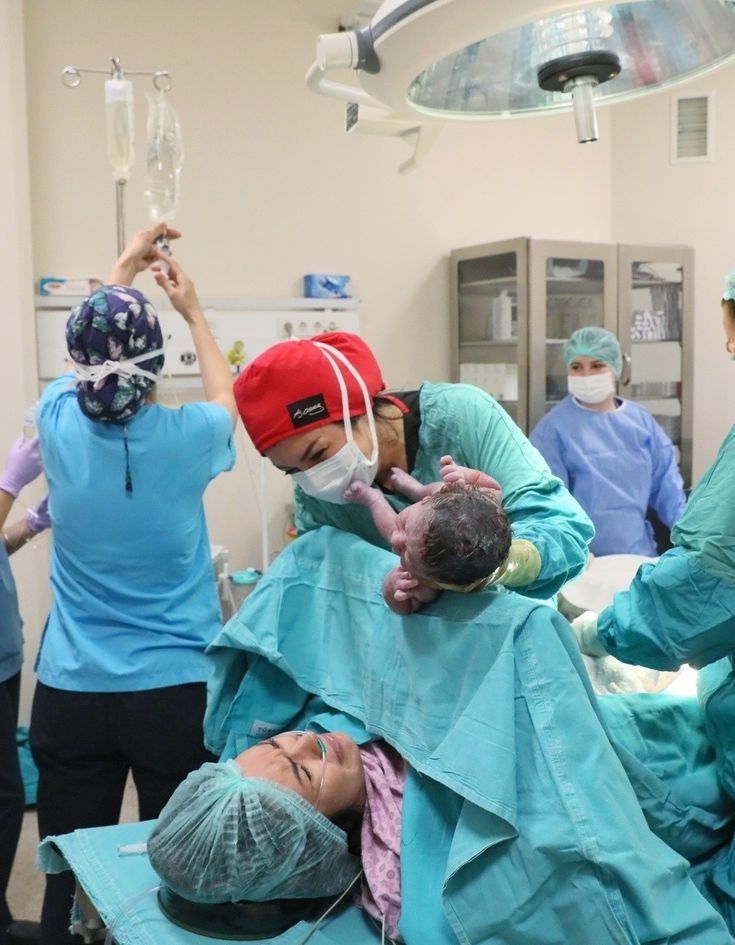
Every pregnancy is different, and every birth story is unique.
Some parents have a positive experience with a natural birth. Others look back and are grateful they chose an epidural. Many discover that their original plan changed along the way, and that’s perfectly normal.
The goal isn’t to have the “perfect” birth. The goal is to make informed decisions, stay flexible, and work together with your healthcare team to welcome your baby safely.
As your due date approaches, continue attending your prenatal appointments, ask questions whenever you’re unsure, and keep your birth plan updated if your preferences change.
The more prepared you are, the more confident you’ll feel when labor begins.
Remember that preparing for birth goes beyond pain relief.
Having your hospital bag ready, understanding the signs labor is starting, and discussing your preferences with your healthcare provider all contribute to a smoother experience.
Conclusion
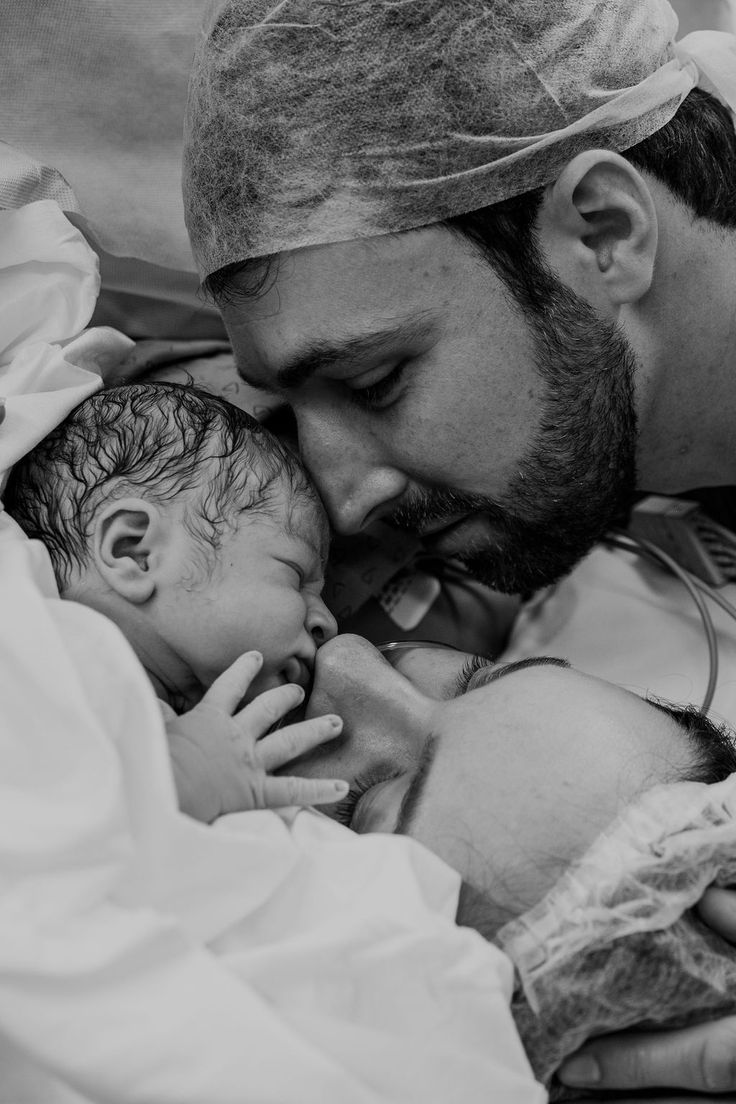
Deciding between a natural birth and an epidural is a personal choice, and there’s no single answer that fits every parent.
The best decision is one that’s based on reliable information, honest conversations with your healthcare provider, and what makes you feel safe and supported.
As you complete your birth plan, remember that it’s meant to communicate your preferences, not predict every detail of your labor.
Staying flexible allows your healthcare team to respond to changing circumstances while still respecting the choices that matter most to you.
No matter which pain relief option you choose, your focus remains the same: bringing your baby into the world as safely as possible.
Trust yourself, stay informed, and don’t hesitate to ask questions throughout your pregnancy.
Every step you take now is helping you prepare for one of the most memorable days of your life.
Here are a few more articles you may find interesting
40 Baby Welcome Home Celebration Ideas 21 Sip and See Party Ideas for New Parents
35 gender-neutral first birthday party ideas 41 Creative Gender Reveal Party Ideas
Baby Wrap vs Structured Carrier: Pros and Cons for New Parents 21 indoor cake smash setup ideas
Should Babies Watch TV? What Experts Say Screen Time Guidelines for Babies
How to Prepare Your Cat for Baby’s Arrival How to Introduce Your Dog to a New Baby







3 Comments