
21 Best Nursery Furniture Layout Ideas for Small Rooms
Designing a nursery is exciting until you realize you aren’t working with a huge room.
Suddenly, you’re trying to figure out how to fit a crib, changing table, dresser, rocking chair, storage, and everything else your baby needs into one compact space without making it feel crowded.
The good news is that a small nursery doesn’t have to feel limiting.
In fact, thoughtful furniture placement often creates a room that feels cozier, functions better, and is easier to keep organized than a larger space.
The secret isn’t buying less furniture, it’s arranging the right pieces in ways that maximize every square foot.
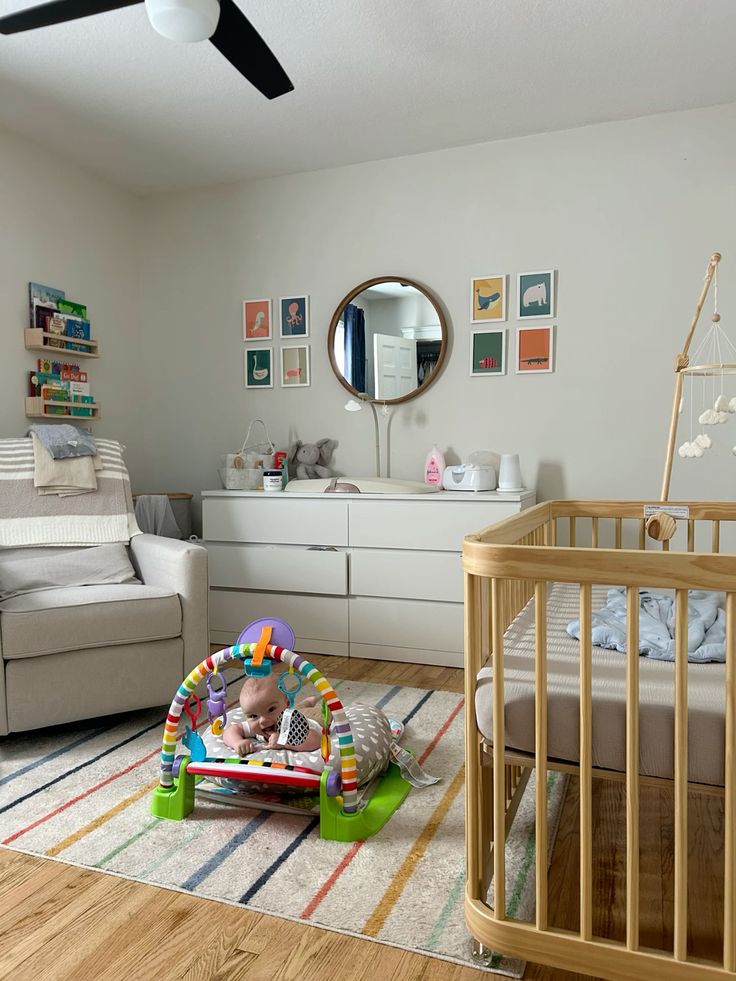
Before moving furniture into the room, it helps to decide exactly what you need. If you’re still shopping, start by choosing the essential nursery furniture first before adding decorative pieces.
Once you know which items are staying, planning the layout becomes much easier.
Your nursery theme also influences how furniture is arranged.
Families living in apartments or smaller homes often combine smart layouts with nursery nook ideas for apartment living, budget nursery ideas that look expensive, and clever nursery storage solutions for tiny spaces to make the room feel much larger than it actually is.
The goal isn’t simply fitting everything into one room. It’s creating a nursery that allows you to move comfortably during late-night feedings, reach essentials without frustration, and adapt as your baby grows.
Every piece should serve a purpose while leaving enough open space for tummy time, playtime, and eventually crawling.
These nursery furniture layout ideas will help you build a room that feels organized, functional, and welcoming, regardless of its size.
21 Best Nursery Furniture Layout Ideas
Before deciding where your crib or dresser should go, think about safety.
Your baby’s crib should never sit directly beside windows with hanging cords or heavy curtains.
Avoid placing shelves, picture frames, or heavy décor directly above the crib.
Leave enough walking space around furniture so you can comfortably move during nighttime feedings without bumping into sharp corners.
Heavy furniture like dressers, wardrobes, and bookshelves should always be anchored securely to the wall.
Creating a safe layout from the beginning makes daily routines easier and gives you peace of mind as your little one becomes more active.
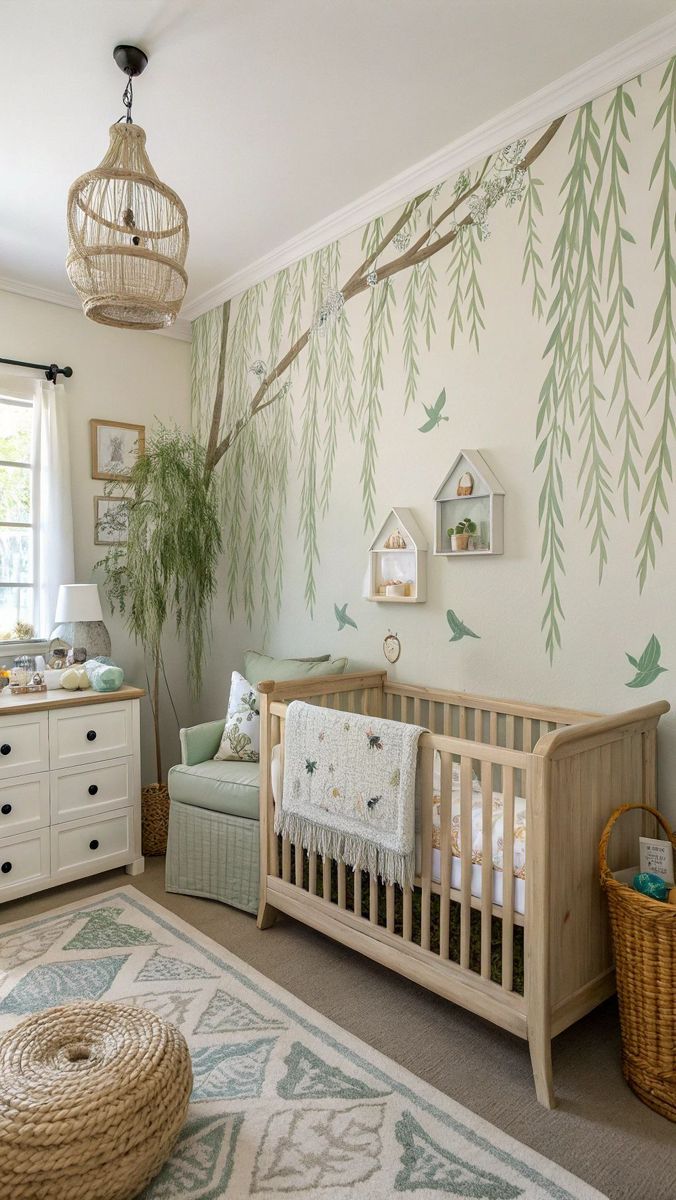
1. Place the Crib Against the Longest Wall
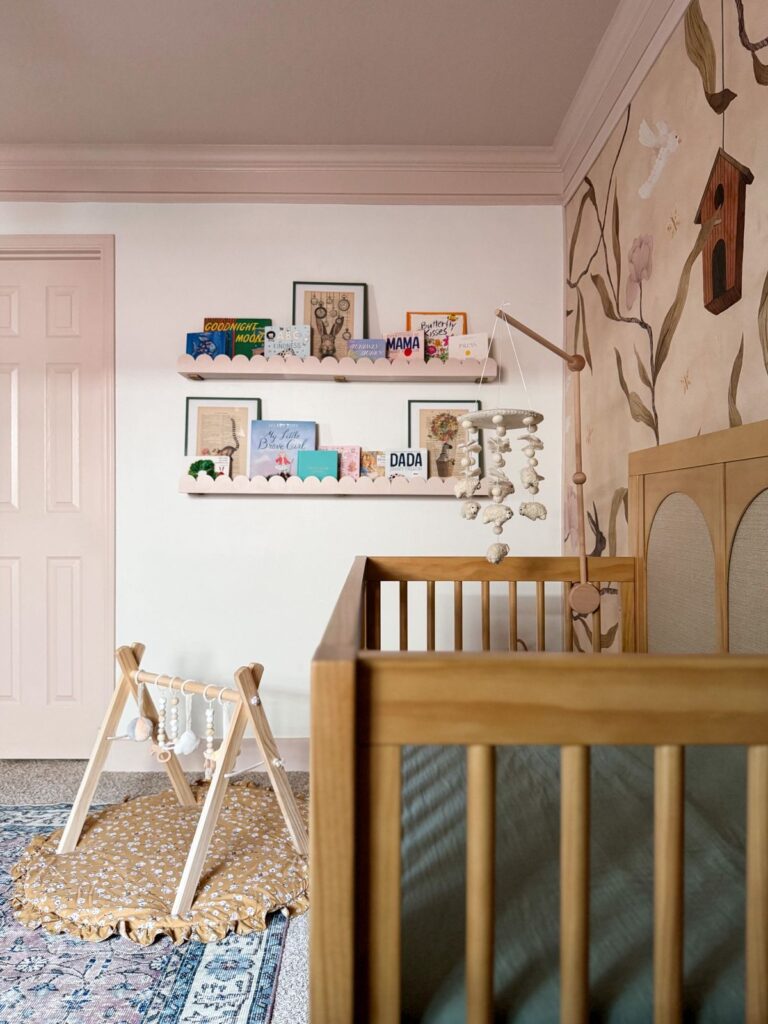
In most small nurseries, the crib naturally becomes the largest furniture piece.
Positioning it against the longest uninterrupted wall instantly opens the rest of the room for storage and movement.
This arrangement also creates a clear focal point without making the nursery feel crowded.
Avoid placing the crib beneath windows or directly beside doors.
Keeping it centered on one wall often creates the best visual balance while allowing enough space for a dresser or chair nearby.
If you’re still deciding between sleeping options, Bassinet vs Crib: Which Should You Choose? can help you determine what works best for your family before finalizing your layout.
2. Keep the Changing Station Beside the Crib
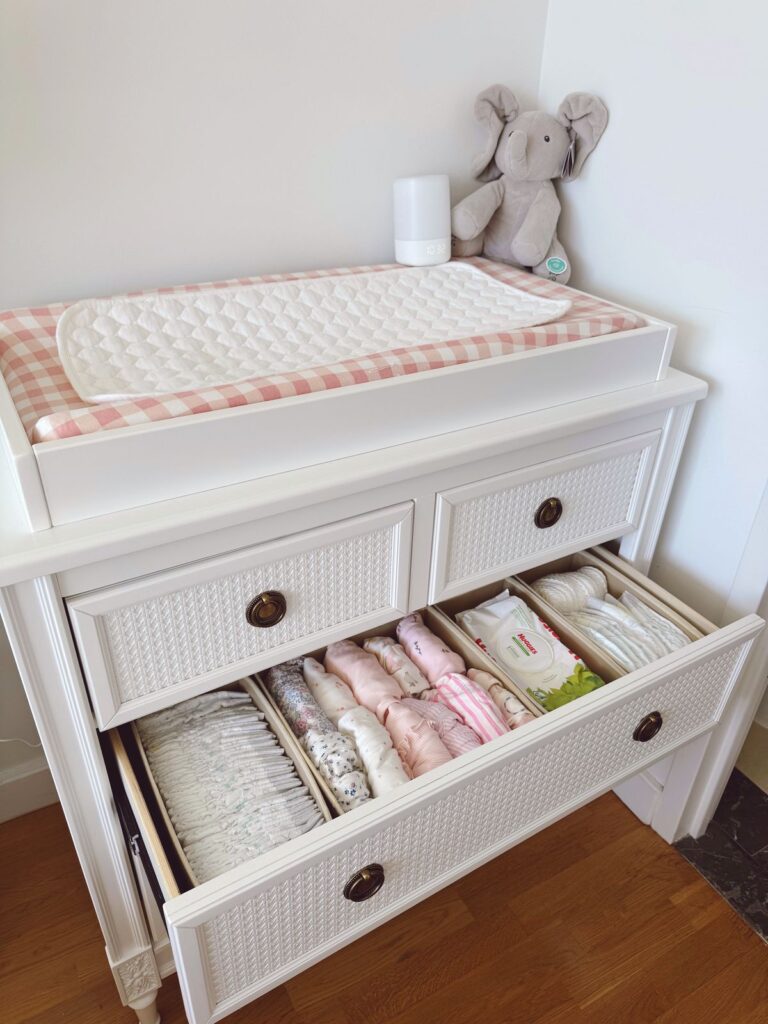
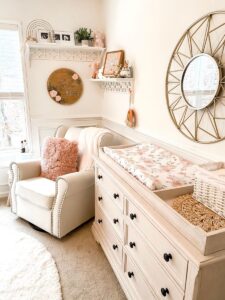
One of the smartest layouts places the changing table immediately beside the crib.
This simple arrangement shortens your walking distance during diaper changes and bedtime routines. Everything stays within reach, making nighttime care much easier.
If you’re using a dresser with a changing topper, this setup saves even more space while allowing one furniture piece to perform two jobs.
For even better efficiency, combine your changing station with nursery organization ideas that keep baby essentials within reach, ensuring diapers, wipes, creams, and extra clothes are always close by.
3. Create a Feeding Corner
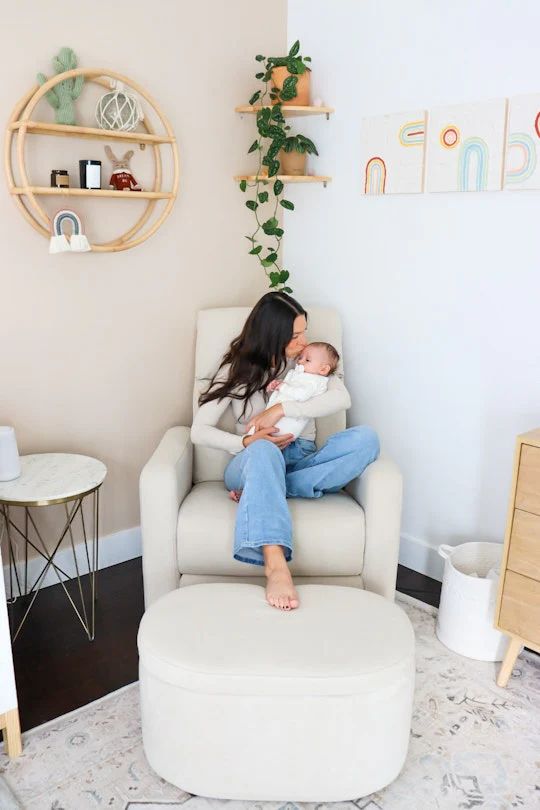
A dedicated feeding corner helps establish a calm routine for both you and your baby.
Position your glider or rocking chair in one corner of the nursery with a small side table nearby.
Keep your nursing supplies, water bottle, burp cloths, and baby monitor within arm’s reach.
Adding a floor lamp or soft nursery light nearby creates a cozy atmosphere during nighttime feedings without disturbing your baby’s sleep.
This area quickly becomes your favorite place for cuddles, story time, and using different breastfeeding positions every new mom should know.
Bottle-feeding parents can also create a comfortable setup after reading the Formula Feeding Guide for New Parents.
4. Use One Wall for Storage
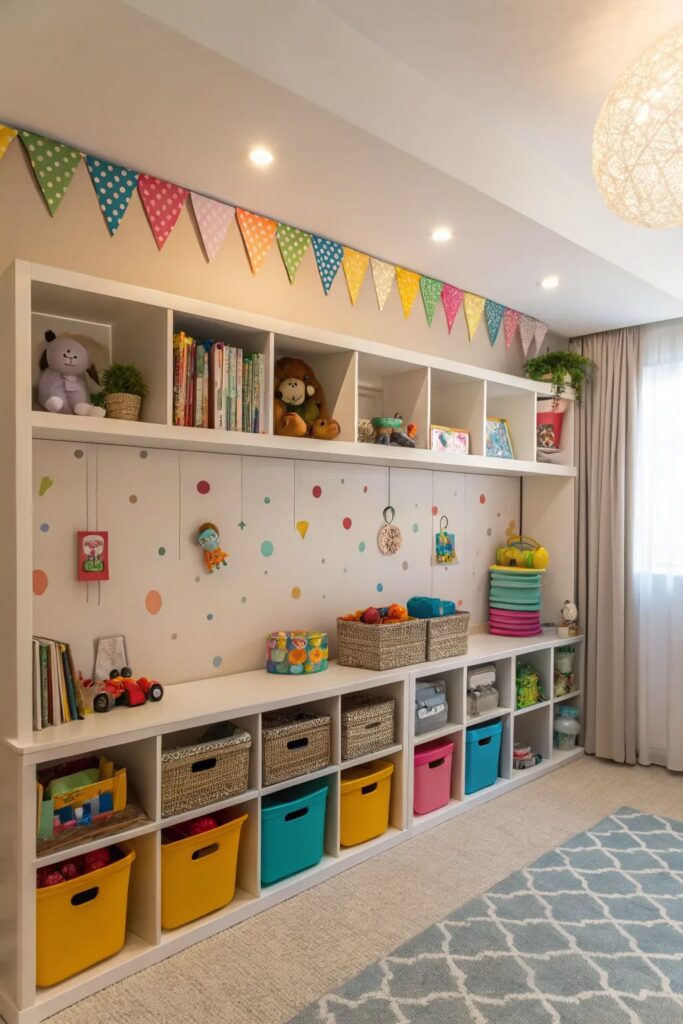
Instead of placing storage furniture throughout the room, dedicate one wall entirely to organization.
Your dresser, wardrobe, shelving unit, and storage baskets can all sit along the same wall, creating a streamlined appearance while leaving the center of the nursery open.
This layout also prevents the room from feeling visually cluttered because storage remains concentrated in one area rather than scattered throughout the space.
Pair this arrangement with clever nursery storage solutions for tiny spaces to maximize every available inch.
5. Float the Rocking Chair Near Natural Light
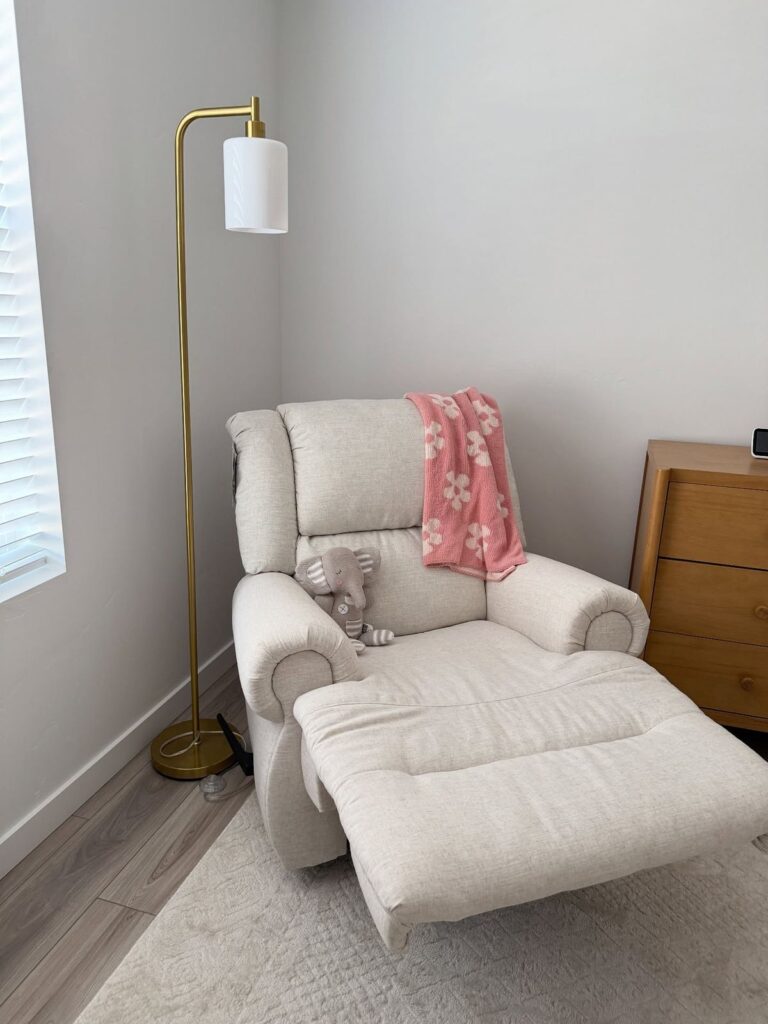
If possible, place your nursery chair close to a window but not directly beside the crib.
Natural light makes daytime feedings, reading sessions, and quiet bonding moments more enjoyable.
Just ensure window cords remain well out of your baby’s reach and avoid direct sunlight shining into your baby’s eyes during naps.
A lightweight side table beside the chair completes the space without overwhelming the room.
6. Leave the Center Open
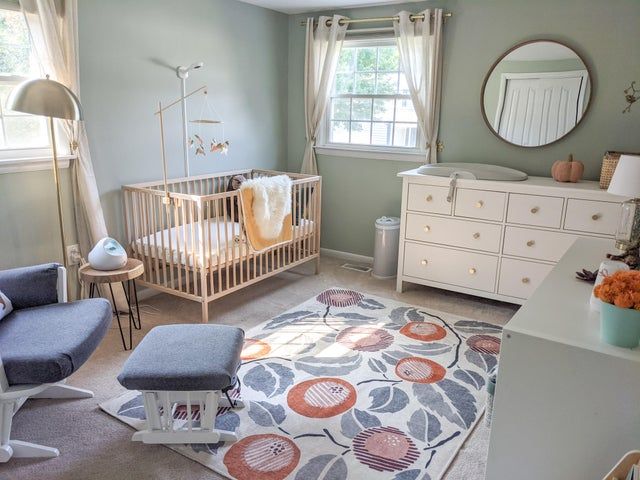
One of the biggest mistakes parents make is filling every available space with furniture.
Leaving the middle of the nursery open creates better traffic flow while giving your baby room for tummy time, crawling, and play as they grow.
Open floor space also makes the nursery appear significantly larger than it actually is.
Even compact rooms feel brighter and less crowded when the center remains uncluttered.
As your little one grows, this open area becomes perfect for best play activities for newborn babies, simple bonding activities for newborns, and easy sensory activities for babies at home.
7. Position the Dresser Across From the Crib
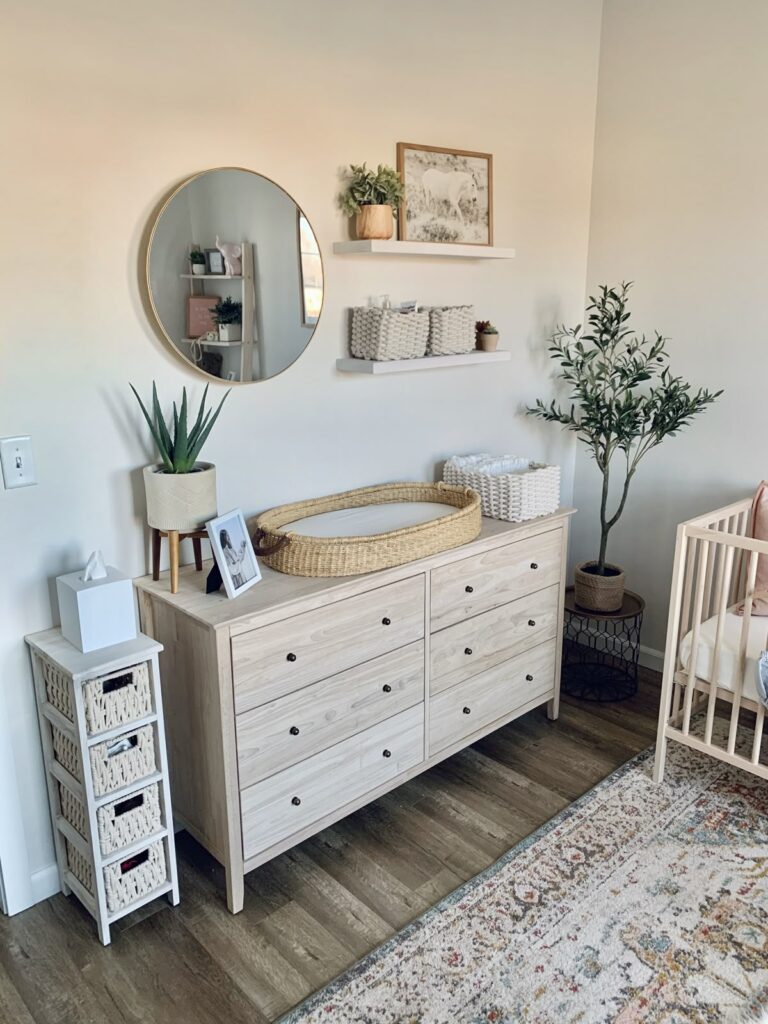
A dresser doesn’t have to sit beside the crib to be functional. In many small nurseries, placing it directly across from the crib creates a balanced layout while keeping the room feeling open.
This arrangement gives you plenty of space to walk between the two pieces without creating narrow pathways.
It also allows the dresser to double as a changing station if you’ve added a removable changing topper.
Choose a dresser with deep drawers so clothing, blankets, swaddles, bibs, and diapers each have their own designated space.
Drawer dividers can make organizing even easier, especially during those busy newborn months.
If you’re wondering how much clothing you’ll actually need, both how many newborn clothes do you really need? and essential newborn outfits every baby needs can help you avoid overcrowding your nursery with unnecessary purchases.
8. Make the Most of Every Corner
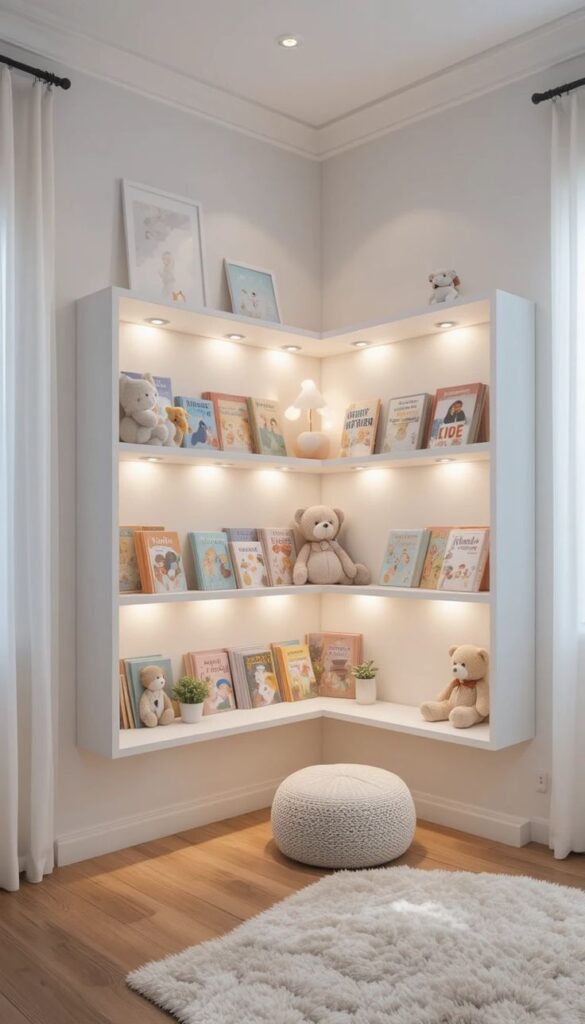
Corners are often the most underused spaces in a nursery.
Instead of leaving them empty, transform one into a functional area.
A corner bookshelf, slim storage cabinet, floating shelves, or even a small reading nook can add valuable storage without making the room feel cramped.
A cozy corner beside your nursery chair also creates the perfect place for bedtime stories as your child grows.
Add a soft rug, a basket of books, and gentle lighting to make the space feel inviting.
Once your reading corner is ready, stock it with the best first books for babies and build a bedtime routine around the benefits of reading to babies daily.
Reading together from birth also supports early brain development, making this corner useful from day one.
9. Use Vertical Space Instead of Floor Space

When floor space is limited, think upward.
Floating shelves, wall-mounted book ledges, hanging baskets, pegboards, and over-the-door organizers allow you to store essentials without sacrificing valuable walking space.
Store decorative items and keepsakes on higher shelves while keeping everyday necessities within your reach.
This approach keeps the nursery feeling spacious while maintaining an organized appearance.
Just remember to keep heavy décor away from the crib and securely fasten all shelves to the wall.
10. Place Frequently Used Items Within Arm’s Reach
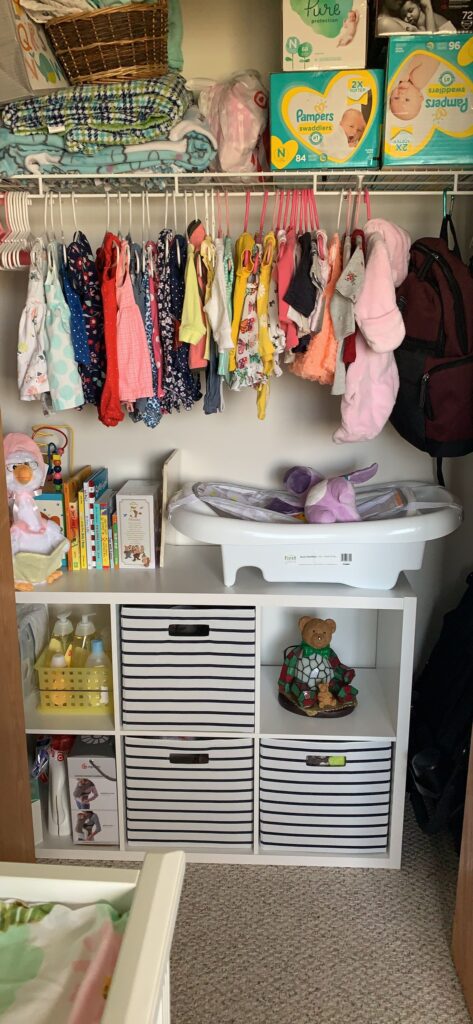
A beautiful nursery isn’t very practical if you’re constantly walking across the room to grab supplies.
Arrange your furniture so your most-used items stay close to where you’ll need them.
Diapers belong near the changing table, feeding supplies near your rocking chair, and extra blankets close to the crib.
A rolling nursing cart can make this even easier by moving supplies wherever you need them throughout the day.
Keeping everyday essentials nearby also helps during those first weeks as you follow a week-by-week newborn development guide and learn what to expect during your baby’s changing routines.
11. Create a Multi-Functional Furniture Wall
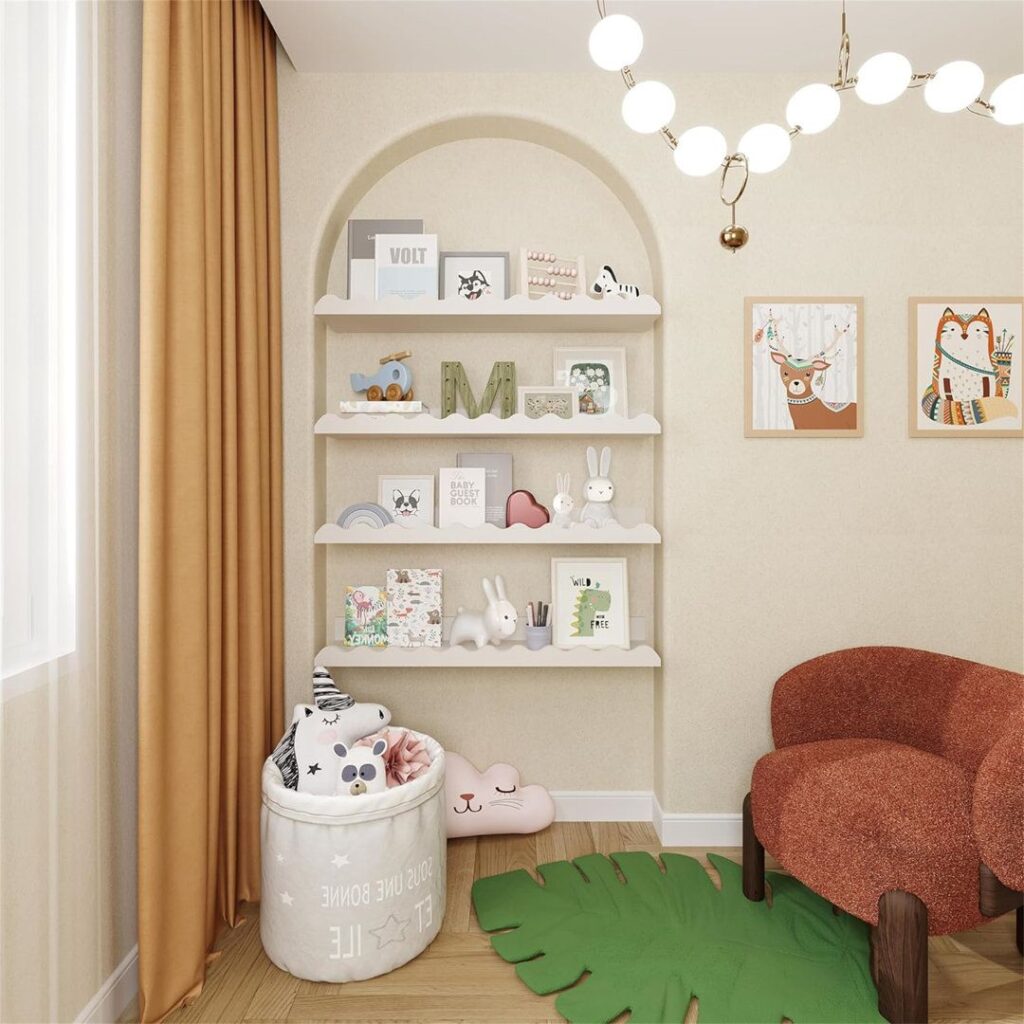
If your nursery is especially small, let one side of the room do most of the work.
Place your dresser, wardrobe, changing station, storage cubes, and hamper along a single wall.
This creates one highly functional storage zone while leaving the opposite side of the room open for sleeping and feeding.
The result is a nursery that feels intentionally designed instead of crowded with scattered furniture.
Parents decorating compact homes often combine this layout with budget nursery ideas that look expensive, creating a stylish nursery without needing additional square footage.
12. Build Around Your Daily Routine

The best nursery layout isn’t necessarily the one that looks best in photos, it’s the one that works best for your family.
Think about what your typical day will look like.
You’ll likely move from the crib to the changing table, then to the rocking chair before putting your baby back to sleep.
Arranging furniture around this natural flow reduces unnecessary walking and makes caring for your baby much easier.
As your baby becomes more active, you’ll also appreciate having enough open space for activities for 0 to 3-month-old babies that help development, Montessori activities for newborns, and later, taste-safe sensory play for babies.
A layout designed around your routine will continue serving your family long after the newborn stage ends, making every square foot work harder without feeling crowded.
13. Design a Nursery That Can Grow With Your Baby
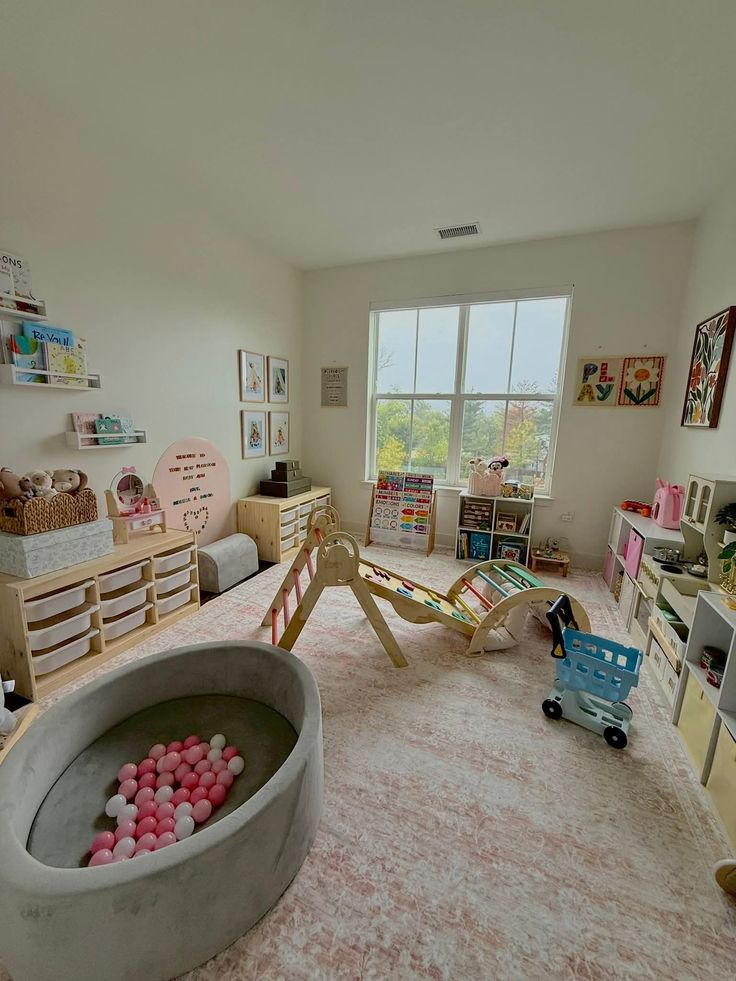
A nursery may be designed for a newborn, but it won’t stay that way for long.
Choosing a flexible furniture layout saves you from completely rearranging the room every few months.
Leave enough open floor space for tummy time, crawling, and eventually walking.
Position larger furniture along the walls so the center of the room can easily transition into a safe play area.
Convertible furniture also makes a big difference.
A crib that transforms into a toddler bed or a dresser that continues serving as bedroom storage allows your nursery to grow alongside your child.
As your little one reaches new milestones, you’ll appreciate having enough room for activities for crawling babies that are safe, and later activities for standing babies that will keep them busy without needing to move furniture around constantly.
14. Create a Nursery Nook Inside Another Room
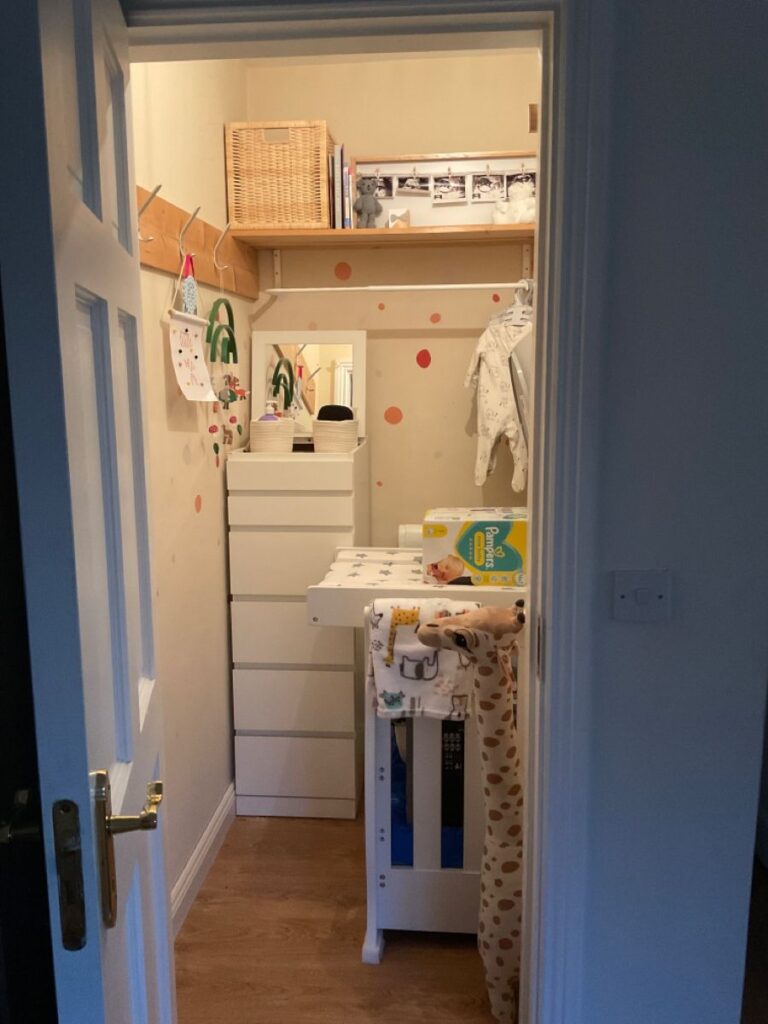
Not every family has a dedicated nursery, and that’s perfectly okay.
If you’re working with a bedroom corner, guest room, or studio apartment, a nursery nook can be just as functional. Place the crib against one wall, add a compact dresser or changing station beside it, and use vertical shelving to maximize storage.
A lightweight rocking chair or glider can complete the space without making it feel crowded.
Area rugs and wall art also help define the nursery section while maintaining a cohesive look throughout the room.
Families living in apartments often find inspiration from nursery nook ideas for apartment living, which demonstrate how even the smallest unused corner can become a comfortable space for a new baby.
15. Keep Furniture Away From Windows
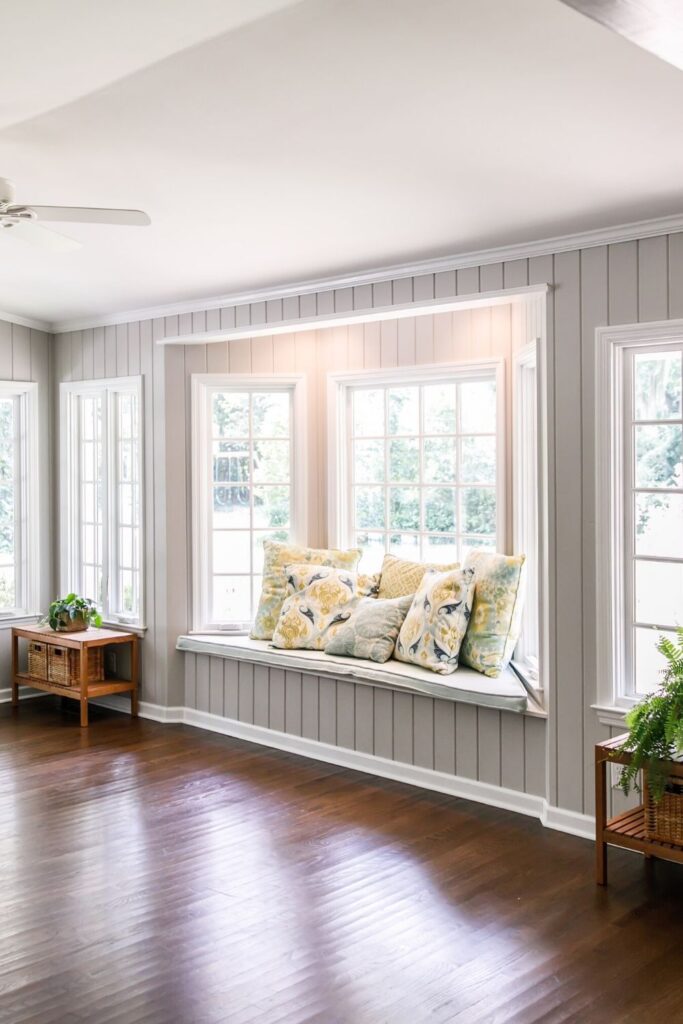
Windows provide beautiful natural light, but they require thoughtful furniture placement.
Avoid positioning your crib directly beneath windows.
Curtain cords, blind strings, and temperature changes can all create unnecessary safety concerns.
Instead, place a rocking chair or reading chair near the window where you can enjoy daylight during feedings or story time.
If sunlight becomes too bright during naps, blackout curtains help create a calmer sleeping environment while maintaining a comfortable room temperature.
Pairing blackout curtains with nursery lighting ideas for better sleep and comfort creates a nursery that works well during both daytime naps and nighttime routines.
16. Build a Functional Reading Corner
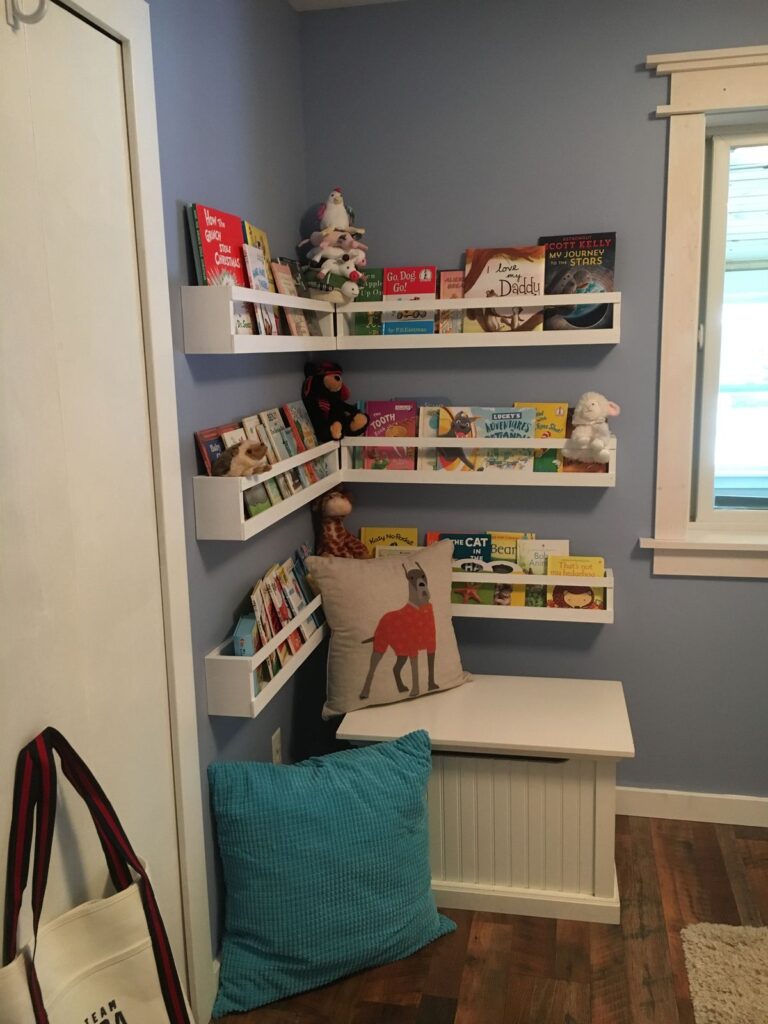
Reading to your baby starts much earlier than many parents realize.
A small reading corner encourages daily story time while giving you another cozy space to bond with your little one.
All you need is a comfortable chair, a small bookshelf, soft lighting, and a basket filled with board books.
Keeping books visible makes reading part of your everyday routine instead of something you have to plan.
Filling your shelves with the best first books for babies helps establish healthy reading habits from birth.
You can also strengthen your routine by learning more about the benefits of reading to babies daily, which explains how early reading supports communication and emotional development.
17. Separate the Sleep Zone From the Play Zone
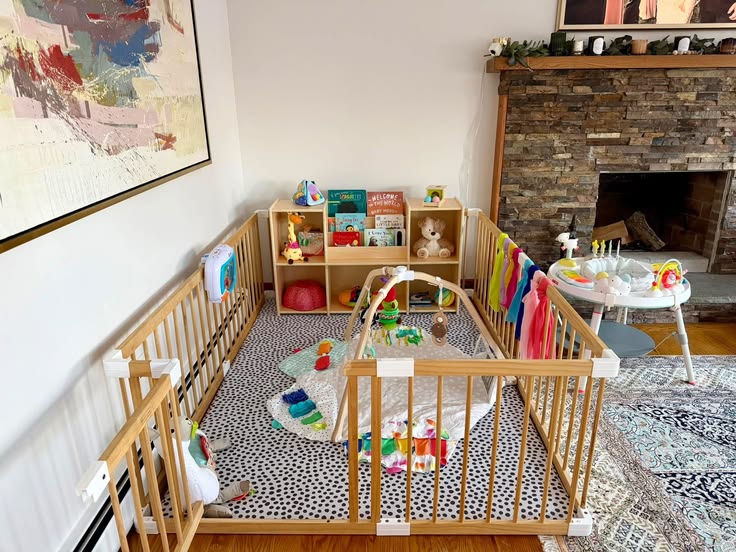
As your baby grows, separating different activities within the nursery helps establish healthy routines.
Keep the crib, blackout curtains, and baby monitor together in one quiet section of the room reserved for sleeping. Place activity mats, toys, and books in another area designed specifically for playtime.
This simple arrangement helps babies gradually associate one area with rest and another with active exploration.
The play zone becomes even more useful when introducing best play activities for newborn babies, how to play with your newborn baby, and easy sensory activities for babies at home during the first year.
18. Choose Furniture That Serves More Than One Purpose
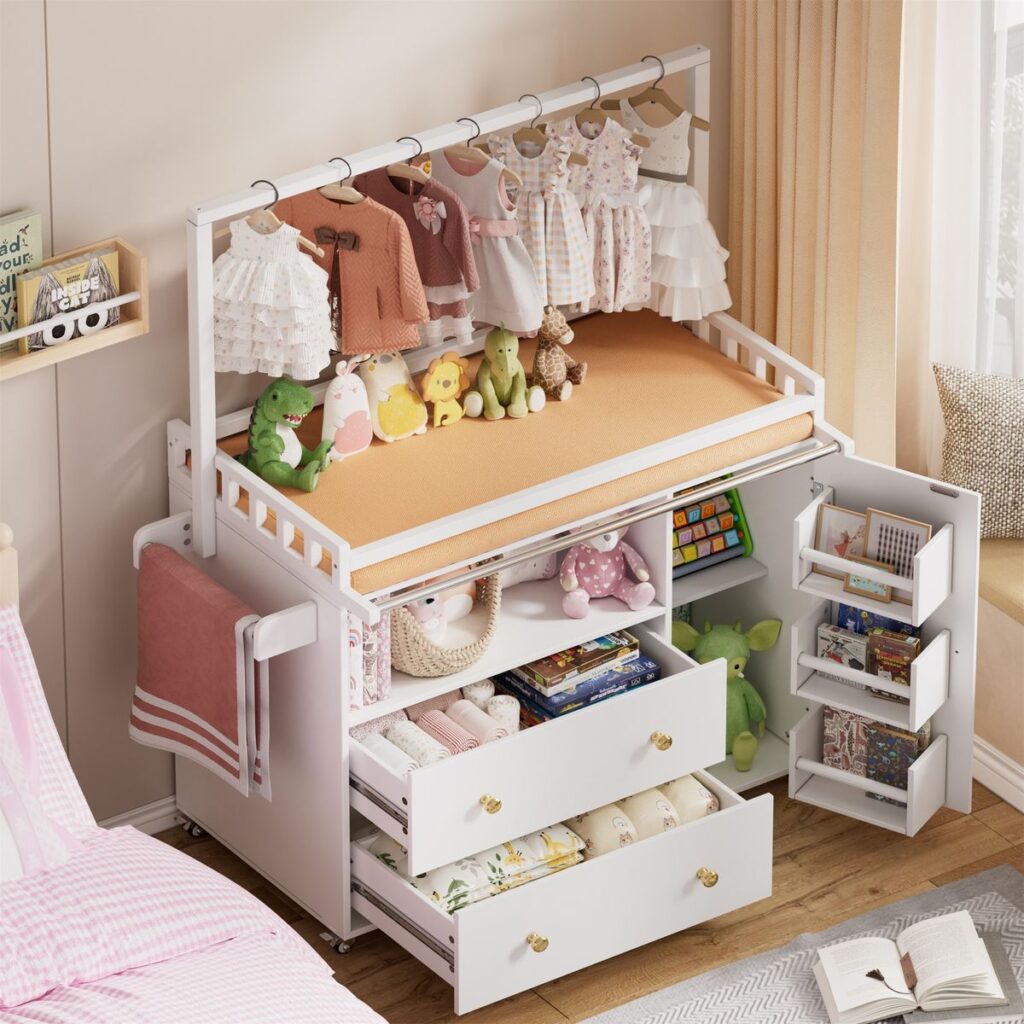
Multi-functional furniture is one of the smartest investments for a small nursery.
A dresser can become a changing station while a storage bench provides seating while hiding blankets.
A rolling cart stores feeding supplies today and toys tomorrow. Even a bookshelf can display décor while organizing children’s books.
Every piece should earn its place by solving more than one problem.
This approach not only saves valuable floor space but also reduces unnecessary spending.
Parents following the ultimate baby budget for first-time parents, baby expenses you can start saving for during pregnancy, or looking for ways to save money on baby essentials often find that investing in versatile furniture provides the greatest long-term value.
19. Keep a Clear Walking Path

A nursery may be small, but you should never feel like you’re navigating an obstacle course.
Arrange furniture so you can comfortably move from the door to the crib, changing station, and rocking chair without squeezing between furniture.
This becomes especially important during nighttime feedings when the room is dark and you’re carrying your baby.
Leave at least a couple of feet of open space between large furniture pieces whenever possible.
Avoid placing storage baskets, diaper caddies, or toy bins in walkways where they can become tripping hazards.
A simple, uncluttered layout also makes cleaning easier and helps the nursery feel much more spacious.
20. Add Storage Wherever Furniture Leaves Empty Space
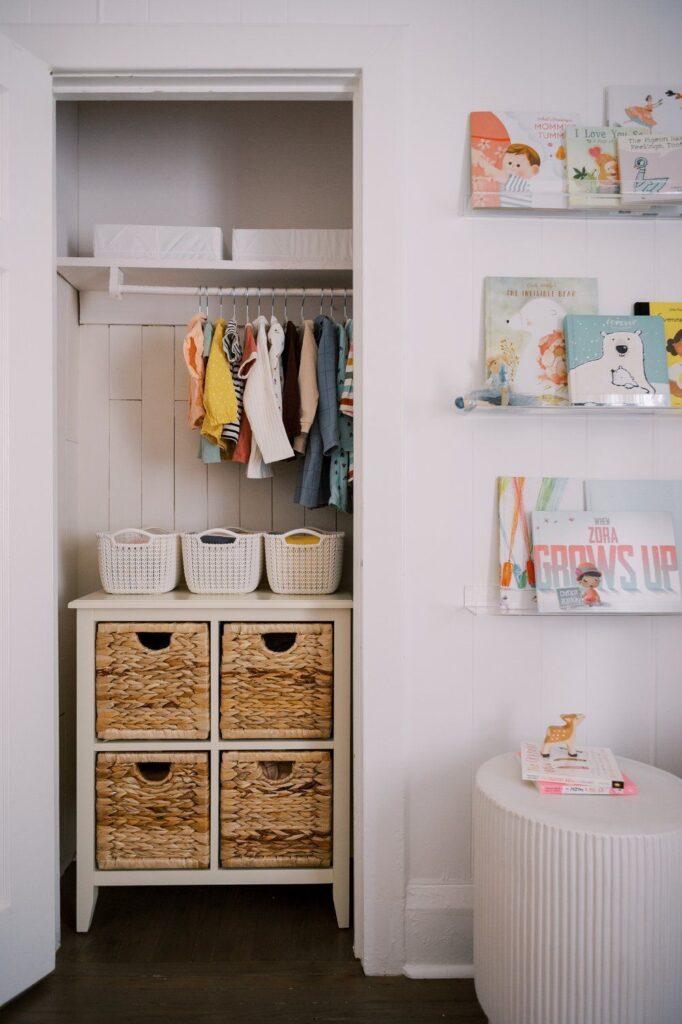
Every unused space in a small nursery is an opportunity for extra storage.
The area beneath the crib can hold low-profile storage bins for seasonal clothes or extra bedding.
The top of a dresser can organize diapers and wipes in decorative baskets, while the back of the nursery door can support hanging organizers for shoes, blankets, or baby accessories.
You don’t need more furniture, you simply need to use your existing furniture more efficiently.
This strategy works especially well alongside nursery organization ideas that keep baby essentials within reach and clever nursery storage solutions for tiny spaces, allowing everything to have its own designated place.
21. Design for Comfort Instead of Perfection
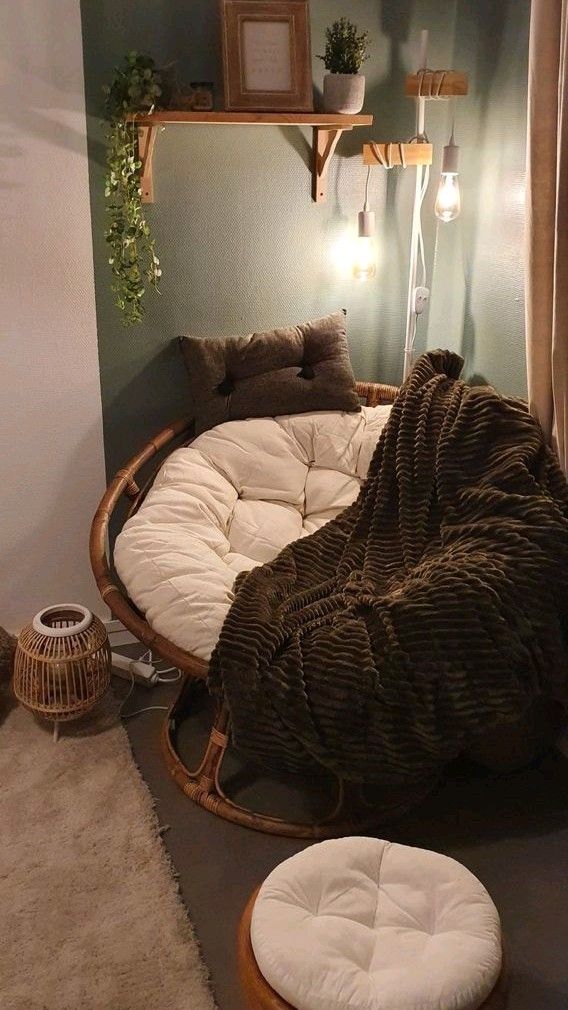
It’s easy to get caught up trying to recreate the beautiful nursery photos you see online.
Remember that your nursery exists to serve your family, not social media.
Choose a layout that makes everyday tasks easier, allows you to move freely, and keeps your baby safe.
If that means skipping an oversized chair, replacing a bulky changing table with a dresser, or choosing open shelves instead of large cabinets, that’s perfectly okay.
The best nursery layout is one that supports your daily routine while leaving enough flexibility to adapt as your child grows.
As your little one becomes more active, you’ll appreciate having room for activities for standing babies that will keep them busy, introducing Montessori activities for 3-month-old babies.
Also exploring Montessori activities for 6-month-old babies without needing to completely redesign the room.
Tips for Choosing the Right Nursery Furniture Layout
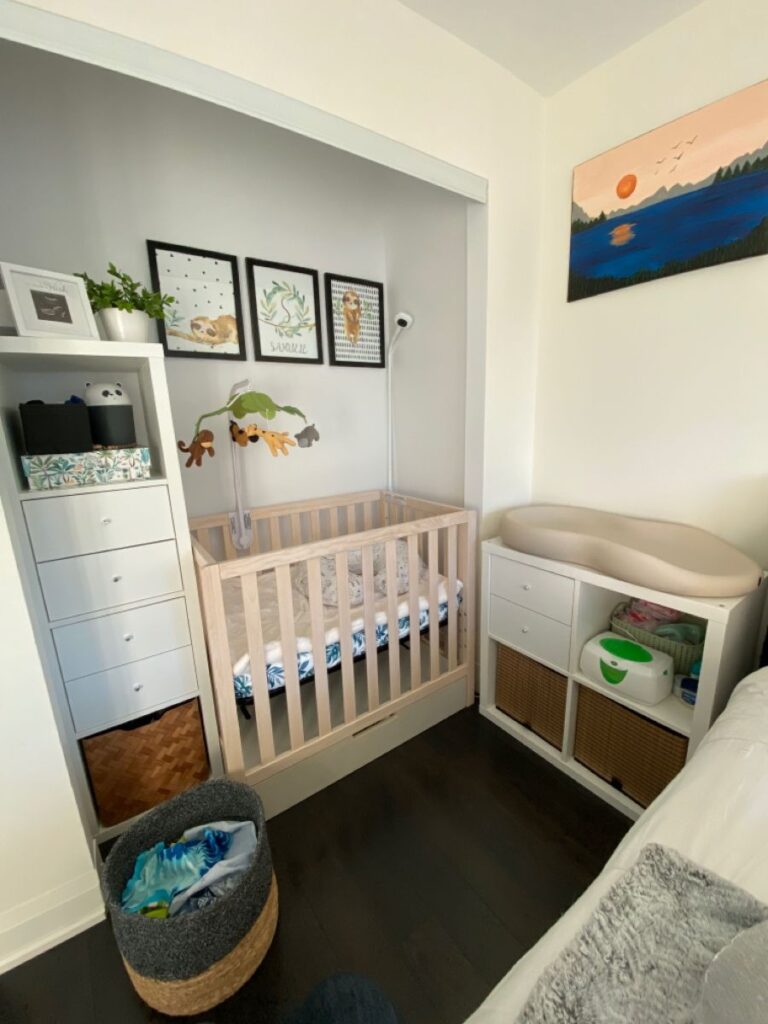
Every nursery is different, but these practical tips can help you make the most of your available space:
- Measure your room before buying furniture.
- Start with the crib since it’s the largest piece.
- Leave enough room to fully open drawers and closet doors.
- Use vertical storage whenever possible.
- Invest in furniture that serves multiple purposes.
- Keep daily essentials close to where you’ll use them.
- Secure heavy furniture to the wall.
- Leave open floor space for tummy time and play.
- Avoid blocking windows, air vents, and doorways.
- Think about how your layout will work as your baby grows.
Common Nursery Layout Mistakes to Avoid
Even beautifully decorated nurseries can become frustrating if the layout isn’t practical.
Some of the most common mistakes include:
- Placing the crib directly beside a window.
- Buying oversized furniture for a compact room.
- Forgetting to anchor dressers and bookshelves.
- Ignoring vertical storage opportunities.
- Blocking natural walkways.
- Filling every corner with furniture.
- Choosing style over functionality.
- Leaving no open space for future play.
- Purchasing furniture without measuring the room first.
Avoiding these mistakes will help you create a nursery that’s both beautiful and easy to use every day.
Create a Nursery That Works for Your Family
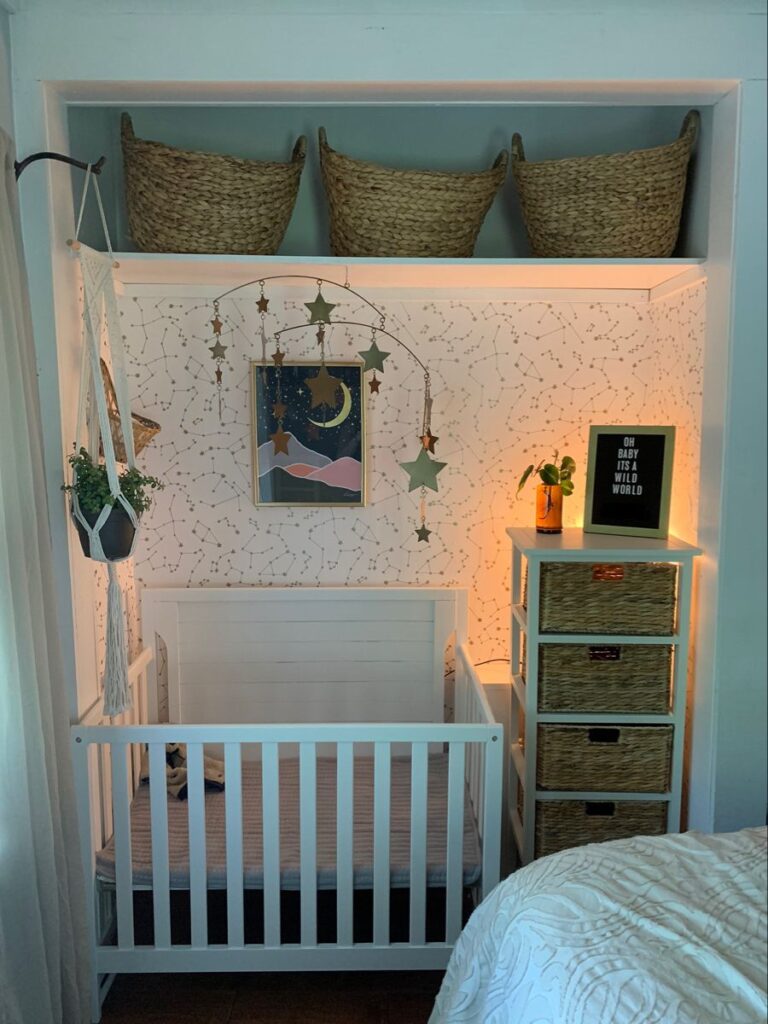
A small nursery doesn’t have to feel cramped.
With thoughtful furniture placement, smart storage, and a layout designed around your daily routine, even the smallest room can become a comfortable and functional space for your growing family.
Start with the essentials, keep safety at the center of every decision, and choose furniture that can adapt as your baby grows.
Focus on creating a room that supports feeding, changing, sleeping, and play without unnecessary clutter.
Remember, the best nursery isn’t the biggest one. It’s the one that helps you care for your baby with confidence while making every inch count.