

10 Montessori Activities for Newborns
Disclosure: Some of the links in this post are affiliate links. This means if you click on the link and purchase an item, I will receive an affiliate commission at no extra cost to you.
The first few weeks of a baby’s life can feel surprisingly quiet from the outside. Newborns spend much of their time sleeping, feeding, being held, and gradually adjusting to life outside the womb.
This is because they cannot crawl, sit, stand, or play with toys in the way older babies do, it may seem as though there is very little you can do with them.
In reality, newborns are already learning about the world around them.
They are becoming familiar with voices, noticing changes in light, responding to sounds, studying faces, and gradually discovering new sensations through touch and movement.
Their experiences may look simple, but those early moments can play an important role in how they begin to understand their environment.
Montessori activities for newborns are not about creating a busy schedule or trying to teach advanced skills early.
The Montessori approach encourages parents to observe their children, respect their developmental pace, and provide an environment that supports natural curiosity.
You may notice that your baby enjoys looking at one thing for only a short time. Another day, they may seem more alert and interested in their surroundings.
These changes are normal, and there is no need to make every activity last for a particular number of minutes.
Following your baby’s cues matters more than completing a list. The ideas below can help you create calm, meaningful moments during your baby’s earliest stage of development.
Many of them can also become part of simple learning experiences throughout your baby’s first year, allowing play and exploration to grow naturally as your child gets older.
How Montessori Activities Can Support Your Newborn’s Early Development
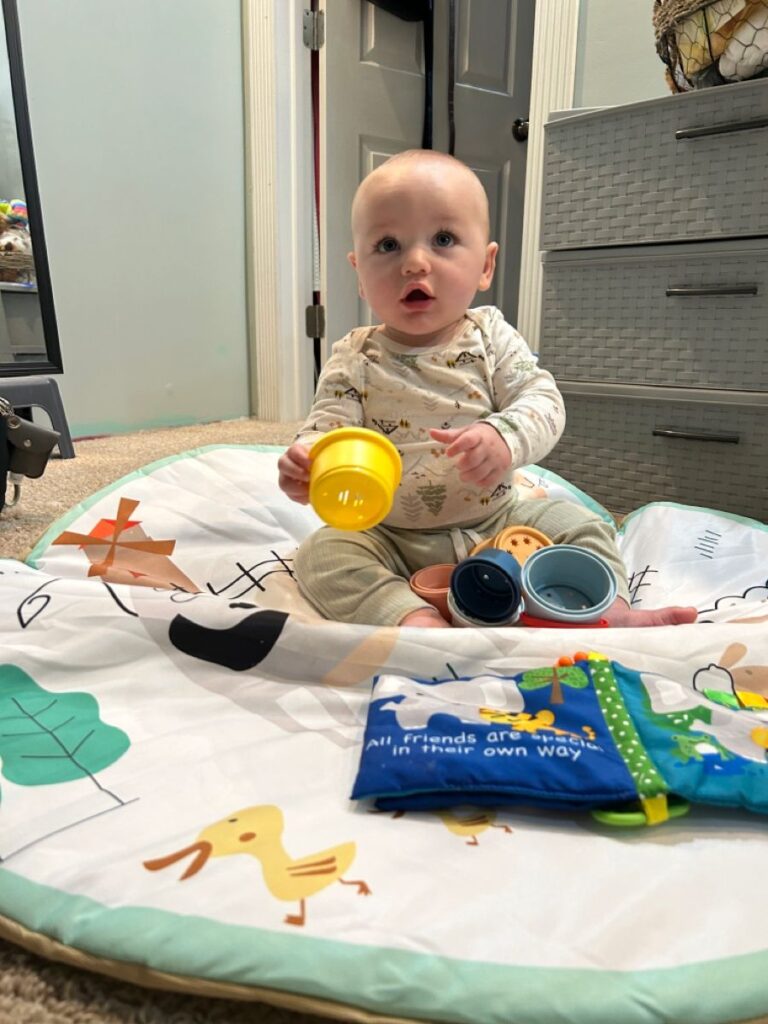
Montessori activities are often associated with toddlers and young children, particularly because many people picture wooden materials, carefully prepared shelves, and children learning to complete tasks independently.
The basic principles can also be adapted for newborns in a much simpler way.
These early experiences can support age-appropriate activities that encourage newborn development without placing unnecessary expectations on your baby.
The goal is not to make your newborn independent before they are developmentally ready. Newborns need responsive care, feeding, comfort, and close relationships with the adults around them.
Montessori principles can work alongside those needs by creating opportunities for gentle exploration during your baby’s awake and alert periods.
Simple sensory experiences can also be useful at this age. Your baby is still becoming familiar with sounds, textures, light, and movement.
Calm activities that allow them to experience these things gradually can be more appropriate than loud, overstimulating toys.
As your baby grows, these early experiences can gradually develop into easy activities you can enjoy with your baby at home. For now, the most important thing is keeping everything gentle, safe, and suited to your newborn’s needs.
1. Spend Time With a High-Contrast Mobile
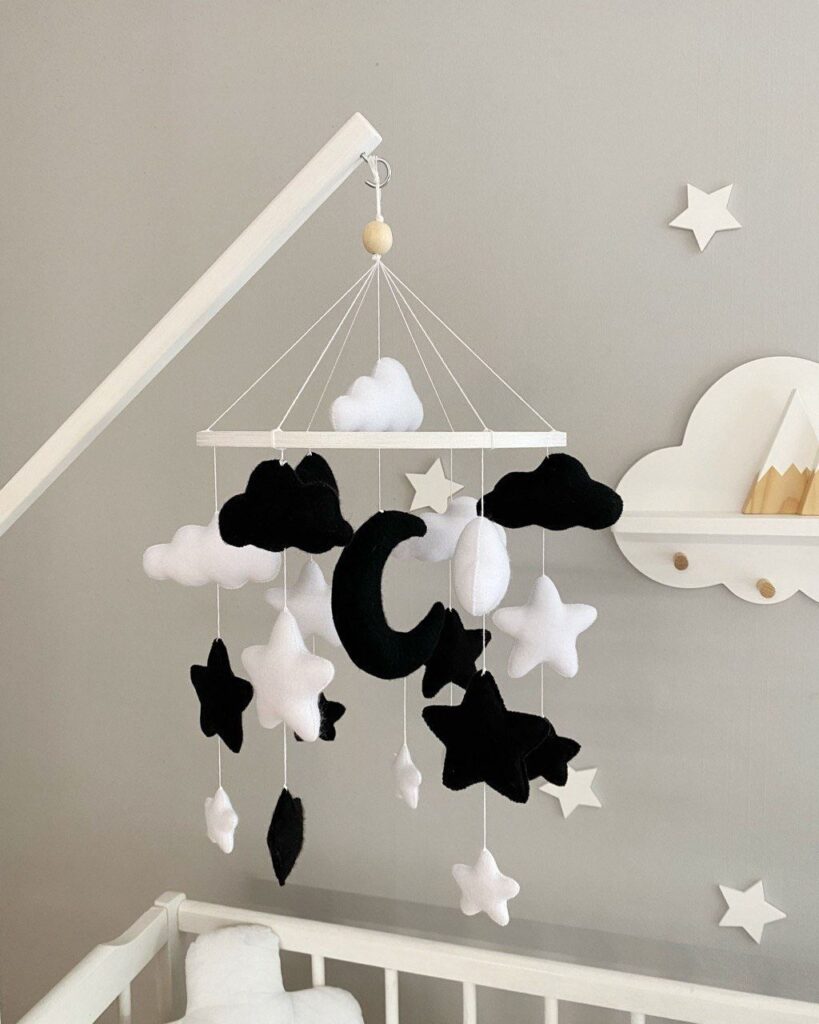
Newborn vision is still developing, which means babies are often more interested in clear, bold visual patterns than complicated colourful designs.
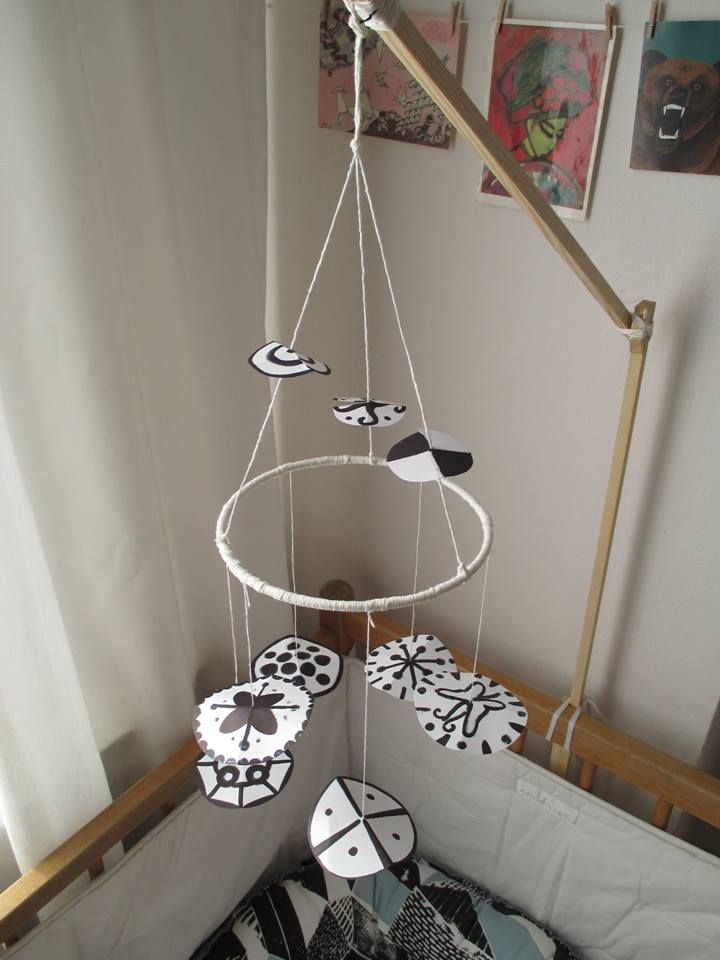
A simple high-contrast mobile can provide an interesting visual experience during a calm awake period. Black-and-white patterns, simple geometric shapes, and clear contrasts may be easier for newborns to notice.
Position the mobile safely and at an appropriate distance according to its design. Your baby should never be left unattended with anything that could fall, become tangled, or create a safety risk.
You may notice your newborn quietly watching the shapes move or attempting to follow them with their eyes. There is no need to move the mobile constantly or add several other objects at the same time.
The experience can remain simple. Giving your baby time to focus on one visual object supports the Montessori idea of allowing children to concentrate on what interests them.
Your newborn may only look for a few seconds, especially during the earliest weeks.
Over time, you may notice longer periods of visual attention as your baby’s eyesight develops. You can gradually change the visual materials when the original mobile no longer seems interesting.
This type of quiet observation can become one of the first ways babies begin exploring the world around them during their earliest months.
2. Give Your Newborn Safe Freedom to Move

Newborns spend a lot of time being held, fed, carried, and placed in different positions throughout the day.
Physical closeness is important, but babies can also benefit from short periods of unrestricted movement on a safe surface.
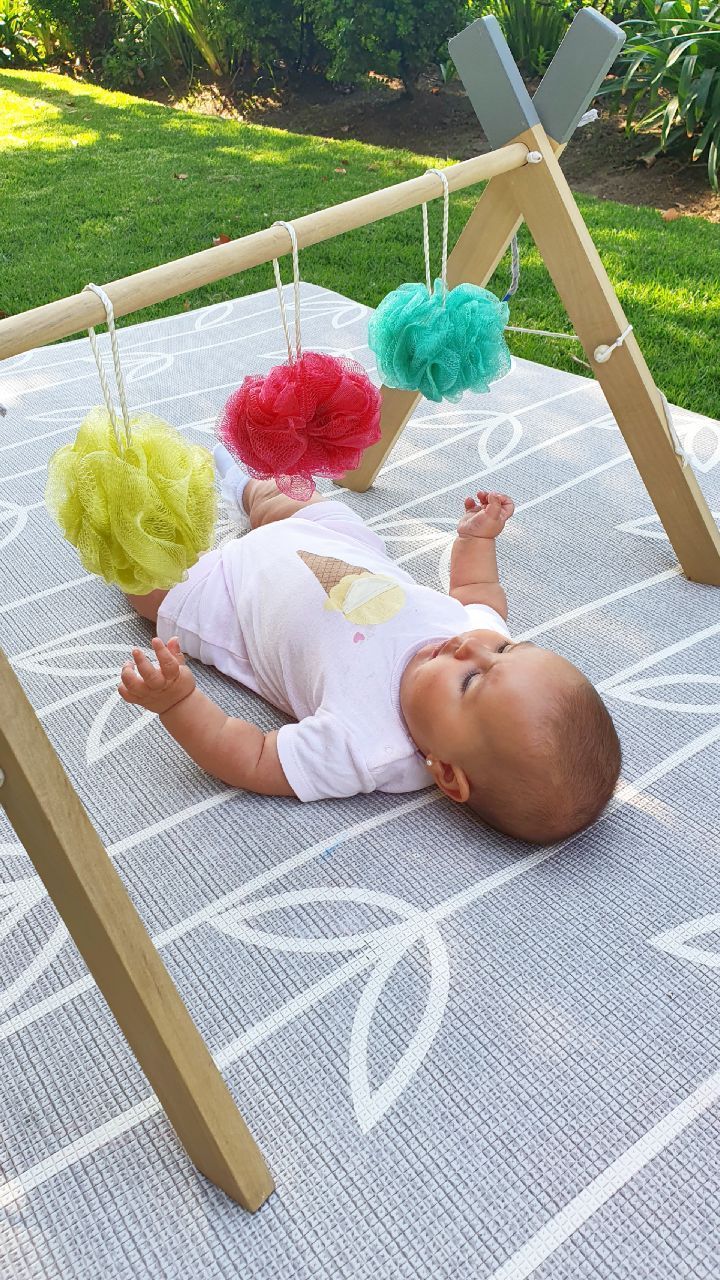
Place your newborn on their back on a firm, clear play mat while they are awake and supervised.
Give them time to move their arms and legs freely.
You may notice small kicks, stretches, hand movements, and gradual attempts to turn their head. These movements may seem random, but they are part of your baby’s growing awareness of their body.
Avoid feeling that you need to place a toy in front of them immediately. Sometimes, the activity is simply movement itself.
This experience can connect with gentle play ideas designed for babies during their earliest months, especially when you are looking for simple ways to support development without overstimulation.
Keep the area clear and make sure the surface is safe for your newborn. Stay close enough to supervise and respond when your baby becomes uncomfortable, hungry, tired, or distressed.
A few peaceful minutes of movement can be enough for a young baby.
3. Introduce Gentle Tummy Time
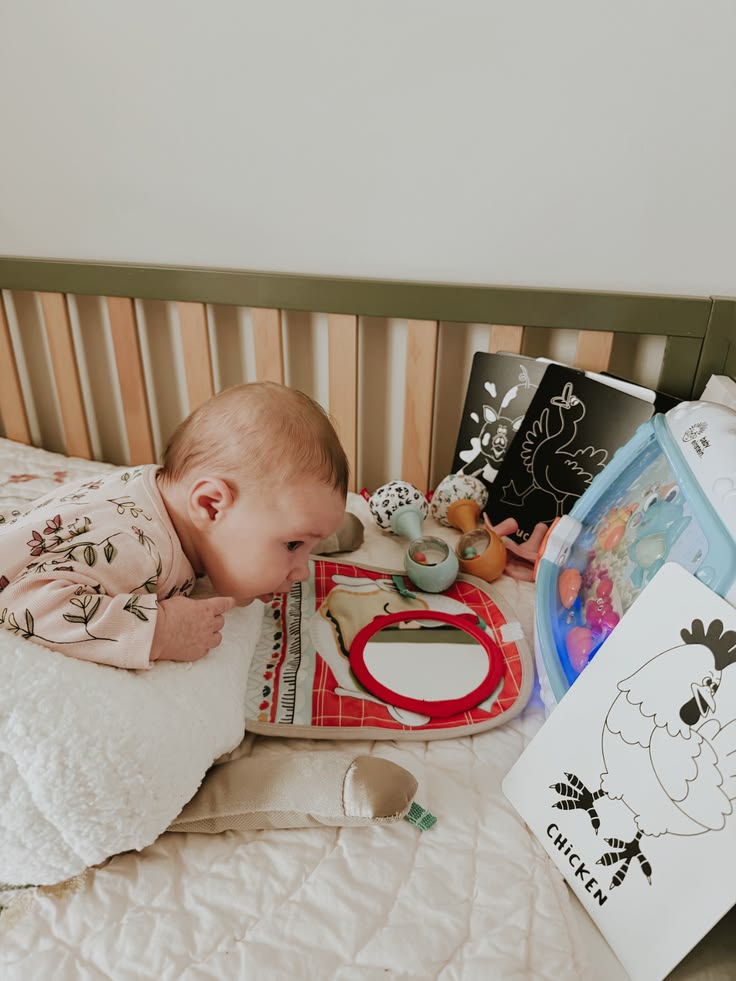
Tummy time is often included in early baby routines because it gives newborns opportunities to practise lifting and turning their heads while developing important muscles.
The experience does not need to involve a complicated setup.
Place your baby on their tummy for a short, supervised period when they are awake and alert. You can lie nearby and allow them to see your face.
Some newborns may tolerate tummy time for only a brief moment at first. Others may become uncomfortable quickly.
Start gently and build the experience gradually according to your baby’s needs and professional guidance.
You can talk softly, smile, or place your face where your baby can see you. Your presence can make the activity feel more reassuring.
As babies grow stronger, tummy time often becomes part of developmental play that supports babies as they become more active.
For a newborn, however, there is no need to focus on how much they achieve.
Short and positive experiences can be more useful than pushing your baby to remain in a position after they have become distressed.
4. Talk Through Everyday Care Routines
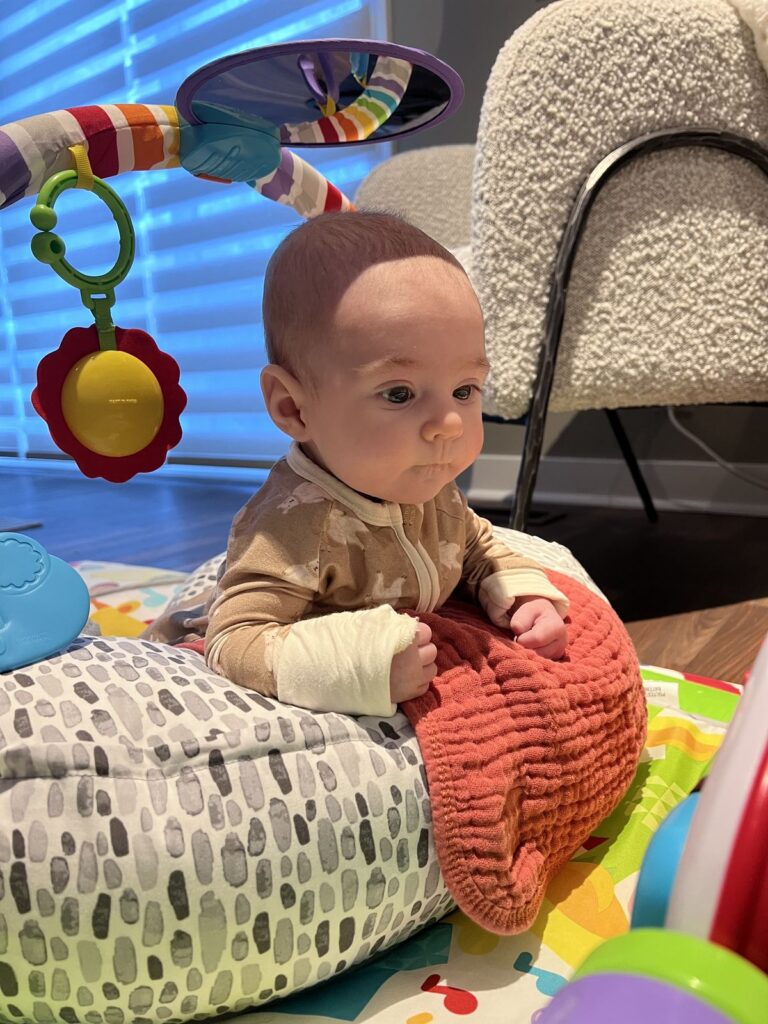
One of the simplest Montessori-inspired activities for a newborn does not require any toy at all.
Talk to your baby. During diaper changes, baths, dressing, and other daily routines, explain gently what is happening. You might say that you are changing their clothes, lifting their legs, or preparing their bath.
Your newborn will not understand every word, but they are becoming familiar with your voice and the sounds of language.
Speaking calmly can also help turn ordinary care into a more predictable experience.
You can pause briefly before picking your baby up and tell them what you are about to do. This may feel unusual at first, but it encourages a respectful approach to caregiving.
Your baby is not simply being moved from one activity to another. They are included in the interaction.
These moments can also become part of simple ways to build a close connection with your newborn, especially because bonding often happens through repeated everyday interactions rather than special events.
Keep your voice natural. You do not need to perform or speak continuously. A calm description, gentle response, and familiar voice can be enough.
5. Offer Simple Natural Sounds
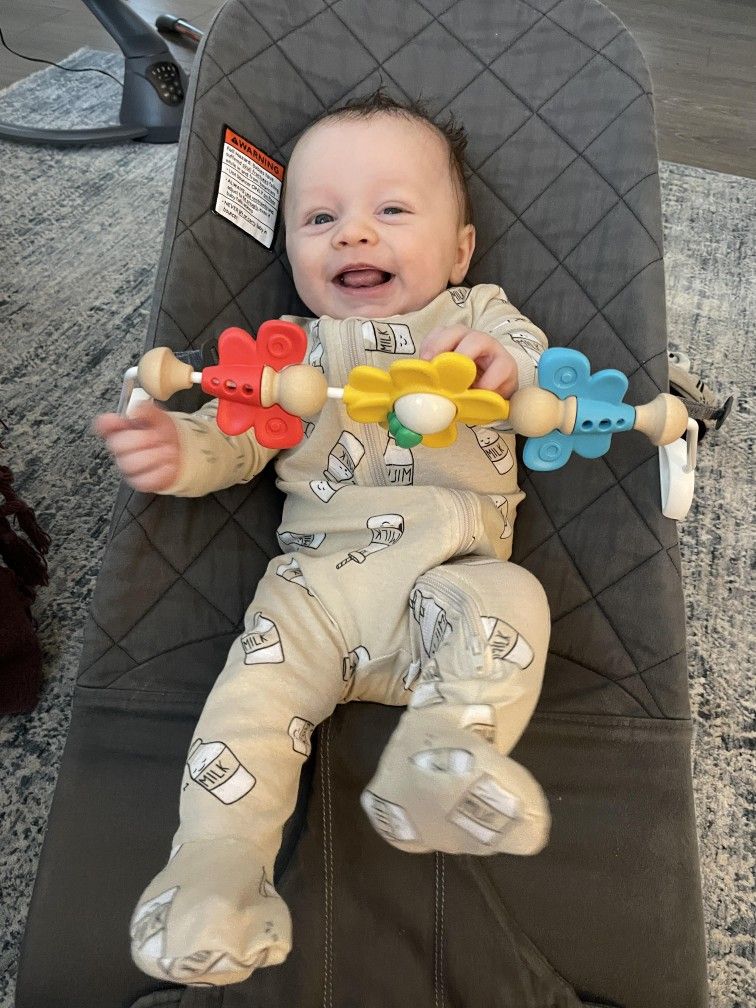
Newborns are gradually becoming familiar with the sounds around them.
Instead of relying only on loud toys or constant background noise, allow your baby to experience gentle everyday sounds.
Your voice, soft singing, birds outside, rainfall, or quiet household sounds can all become part of their sensory environment.
You can sit near your newborn and sing softly during an alert period.
Using calm songs that help create special moments with your baby can make this activity feel comforting for both of you.
Your voice does not need to be perfect.
Babies are often comforted by familiar voices, and singing can become part of a peaceful daily routine. You may notice your baby becoming quiet, looking towards you, or simply listening.
Avoid making the environment constantly noisy.
Periods of quiet are also valuable because newborns need opportunities to rest and recover from stimulation.
As your baby grows, music can gradually become part of playful experiences that introduce babies to rhythm and sound through movement and simple activities.
For now, keep it gentle and follow your baby’s reactions.
6. Use a Baby-Safe Mirror for Observation
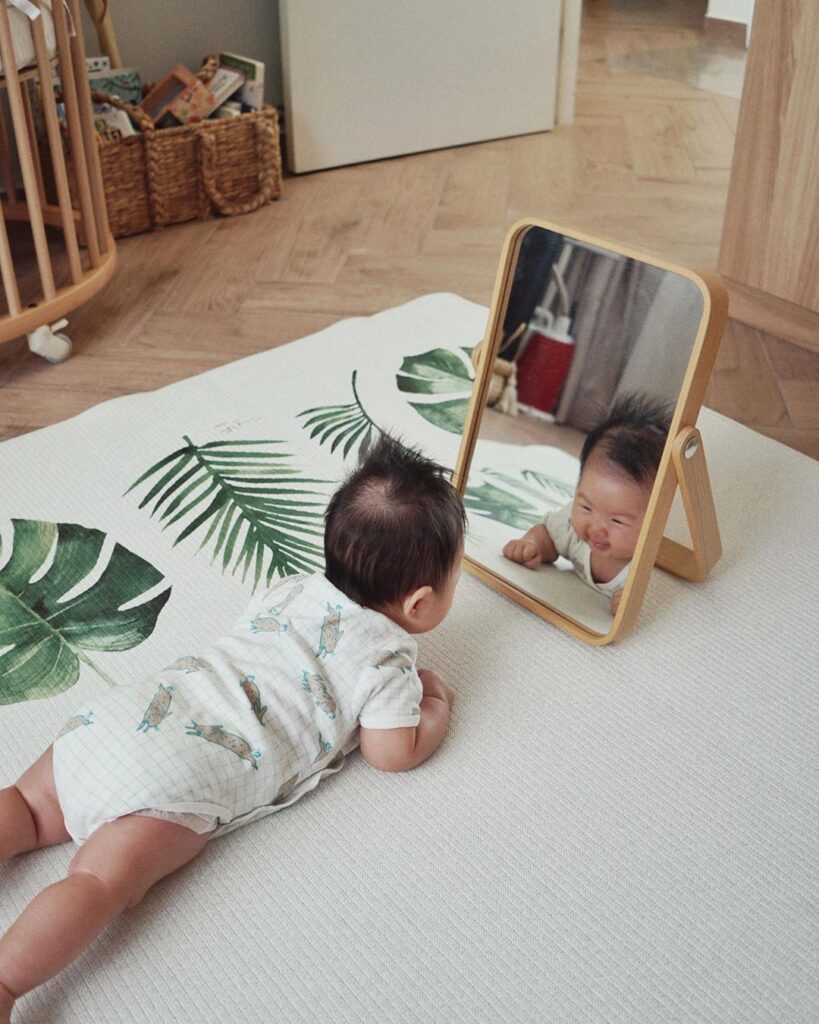
A securely positioned mirror made specifically for babies can provide a fascinating experience.
Place your newborn where they can safely see the mirror while remaining fully supervised. At this stage, your baby will not understand that the reflection belongs to them.
They may simply notice movement, light, and faces.
You can sit nearby and allow your baby to look between your face and the reflection.
The mirror does not need flashing lights or additional features. A simple visual experience can be enough.
Your newborn may show interest for only a short time, and there is no need to extend the activity once they look away or become tired.
This quiet observation encourages babies to spend time looking at their surroundings.
As they grow, mirrors can remain useful during sensory activities that change with your baby’s developmental stage.
Always make sure the mirror is designed for babies, securely positioned, and free from breakable materials.
7. Create a Calm Touch Experience

Touch is one of the earliest ways babies experience the world.
You can provide a gentle sensory experience by allowing your newborn to feel safe, soft materials during supervised awake periods.
A smooth cotton cloth or another baby-safe fabric can offer a different sensation from their usual clothing.
Allow your baby to touch the material with their hands or feet. There is no need to introduce several textures at once.
One simple experience can give your baby enough time to notice something new.
You can gently describe what your baby is feeling, although they do not need a long explanation. The interaction itself matters.
This approach can become part of simple sensory play you can prepare without complicated materials as your baby grows older.
Newborns frequently bring their hands close to their mouths, so anything introduced during sensory play should be safe, clean, and carefully supervised.
Avoid small objects, loose fibres, or materials that could create a choking or suffocation risk.
8. Look at a Simple Board Book Together
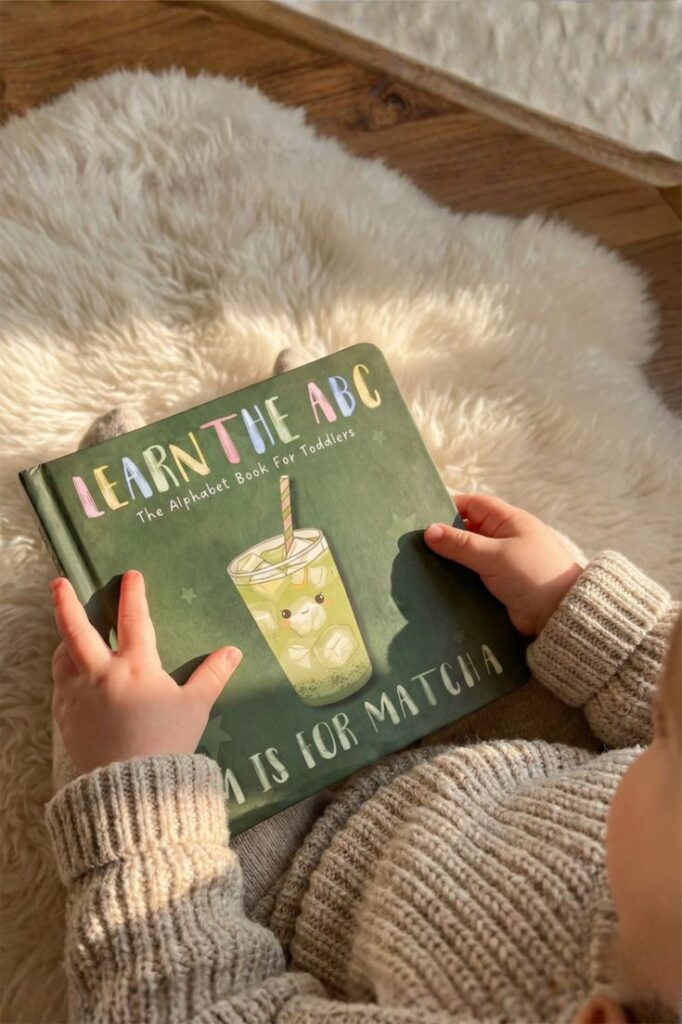
Reading can begin long before babies understand stories.
Choose a simple board book with clear pictures and sit comfortably with your newborn. You can show one or two pages, talk about the pictures, and allow your baby to hear the rhythm of your voice.
There is no need to finish the entire book.
Your newborn may look at the pictures briefly before turning their attention elsewhere. That does not mean the experience was unsuccessful.
At this stage, reading is often more about closeness, language, and shared attention.
Choosing first books with simple pictures for young babies can make the experience easier because newborns do not need complicated storylines.
You can repeat favourite books many times. Repeated reading allows your baby to become familiar with your voice and the sounds of certain words.
It can also help establish a routine that grows naturally into making daily reading a meaningful part of your baby’s routine later in infancy.
Keep reading relaxed and enjoyable.
9. Spend Time Observing Nature
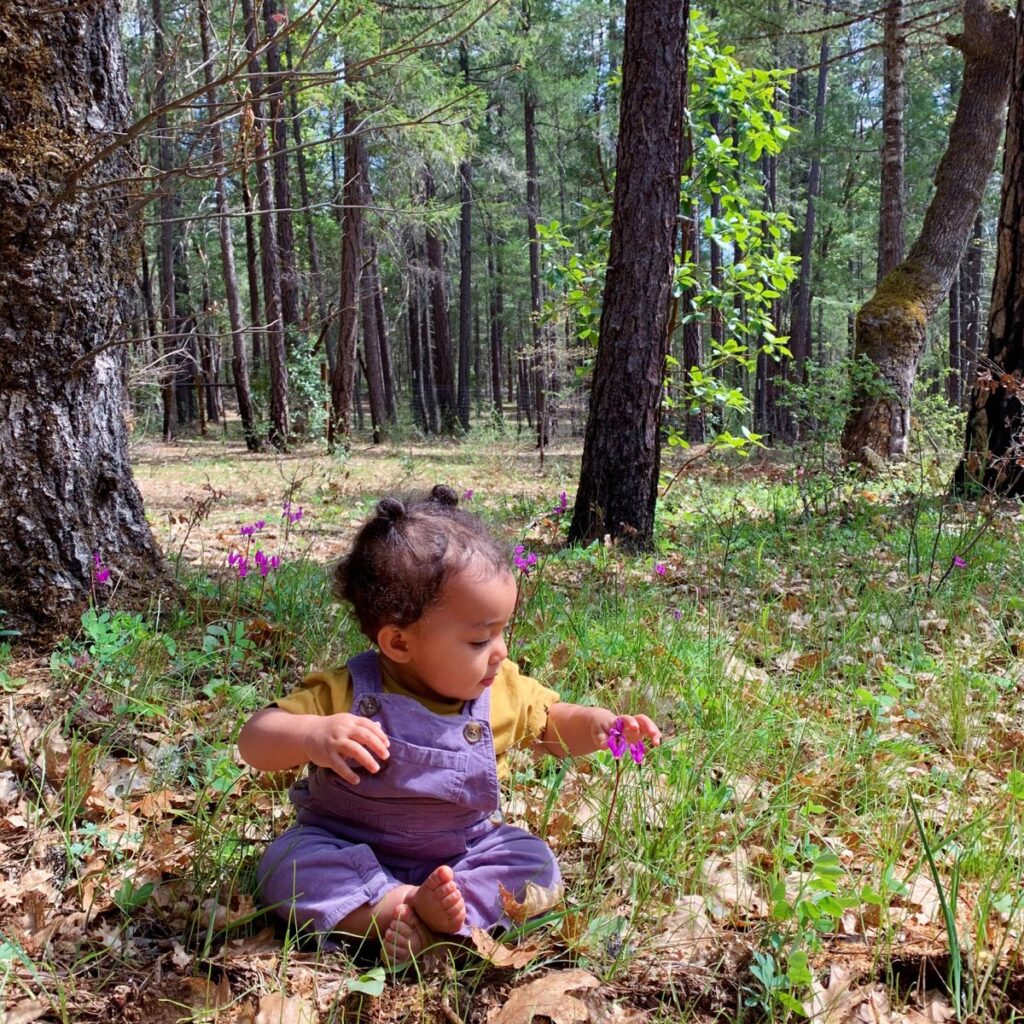
You do not need to take your newborn on a major adventure for them to experience something new.
A calm moment near a window can be enough.
Hold your baby safely while allowing them to notice natural light, movement outside, or changing shadows. You can talk gently about what you see without overwhelming them.
If conditions are safe and appropriate, you can also spend a short time outdoors with your newborn while following weather and health considerations.
Fresh air, natural light, and gentle environmental sounds can create a change from indoor routines.
These early moments can grow into simple outdoor experiences that babies can enjoy during their first year as your child becomes older and more active.
Keep your newborn comfortable and protected from direct sun, extreme temperatures, and other environmental risks.
The goal is not to create a long activity. Sometimes, quietly observing the world together is enough.
10. Follow Your Baby’s Lead During Quiet Observation
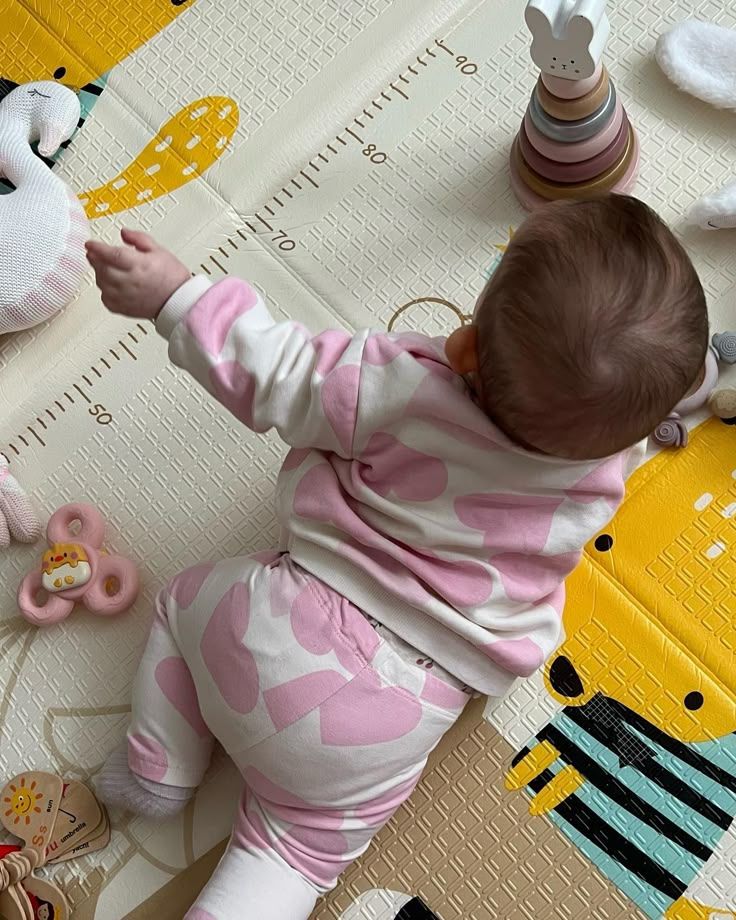
The final Montessori activity may be the simplest, but it can also be one of the most meaningful.
Take time to observe your newborn without immediately trying to entertain them.
During a calm awake period, place your baby safely where they can move and look around while you remain nearby.
Watch what captures their attention. Perhaps they are studying a patch of light. Maybe they are looking at your face or moving their hands repeatedly. They may be listening quietly to a familiar sound.
You do not always need to interrupt. Giving babies opportunities to observe and explore at their own pace is closely connected to the Montessori approach.
Your newborn is already learning, even when they are not actively playing with a toy.
As your child grows, these quiet moments can gradually develop into independent play experiences that give babies room to explore safely.
Observation also helps you learn about your baby.
You may begin recognising when they are becoming tired, when something interests them, and when they need comfort instead of another activity.
This understanding can guide the activities you choose throughout the months ahead.
Creating a Montessori-Inspired Environment for Your Newborn
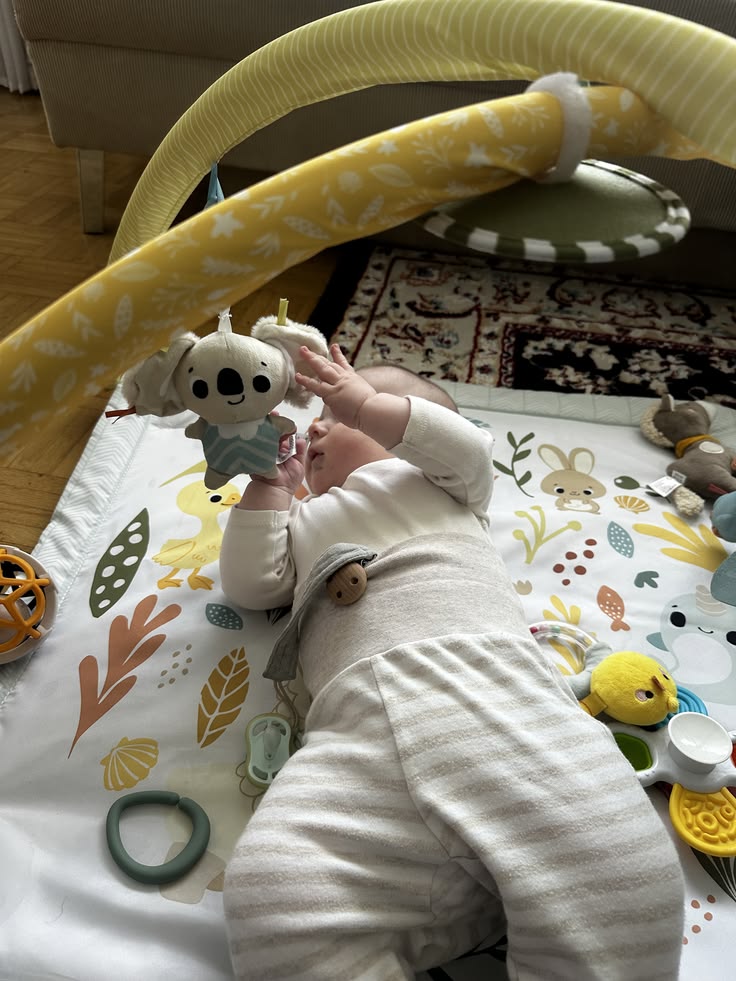
Montessori activities can be helpful, but the environment around your newborn also matters.
A calm, safe space can make it easier for your baby to observe and explore without becoming overwhelmed.
You do not need to redesign your entire home or purchase a large collection of Montessori materials.
Start with the basics. Provide a safe area where your baby can have supervised freedom of movement.
Keep the environment reasonably calm during alert periods and avoid feeling pressured to fill every moment with stimulation.
As your baby becomes more mobile, preparing the home will become increasingly important.
Taking steps to make your space safer as your baby begins moving around independently can help you adjust gradually instead of waiting until crawling begins.
You can also think about the number of toys available at one time. Montessori-inspired care also works well alongside responsive parenting.
Newborns need comfort when they cry. They need feeding when they are hungry and physical closeness when they need reassurance.
Encouraging exploration does not mean expecting babies to manage without support.
Your role is to provide safety, connection, and opportunities that suit your child’s stage of development.
As the months pass, your baby’s interests will change dramatically.
Activities that involve quiet observation may eventually lead to safe ways to encourage crawling and active exploration when your baby becomes mobile.
The environment can change alongside your child.
Let These Early Moments Grow With Your Baby
Montessori activities for newborns do not need to be complicated to be meaningful.
Your newborn is already experiencing an enormous amount of change as they adjust to a completely new world.
Familiar voices, gentle movement, simple visual experiences, safe sensory exploration, and close interactions can all become part of that learning process.
The best activities are often the ones that fit naturally into your day.
Talking during a diaper change, singing softly while holding your baby, looking through a board book together, or allowing a few quiet minutes of movement can all provide opportunities for connection and exploration.
There is no need to measure your baby’s progress against another child’s development.
Your newborn will grow and respond in their own way. Some days may include more alert, curious moments, while other days may be mostly about feeding, sleeping, and comfort.
Both are part of infancy. Continue observing your baby as they grow, and allow their changing abilities to guide the activities you introduce.
The newborn stage may feel brief, but these early moments of safety, connection, and discovery can become the beginning of many wonderful experiences together.



One Comment