25 Activities for Crawling Babies That Are Safe
Disclosure: Some of the links in this post are affiliate links. This means if you click on the link and purchase an item, I will receive an affiliate commission at no extra cost to you.
The moment your baby starts crawling, playtime begins to look completely different.
The baby who once stayed comfortably on a play mat can suddenly move across the room in seconds. A toy that falls on the floor is no longer simply out of reach because your baby can now crawl towards it.
You may also notice them becoming interested in corners of the room, furniture, objects they had previously ignored, and anything that looks remotely interesting.
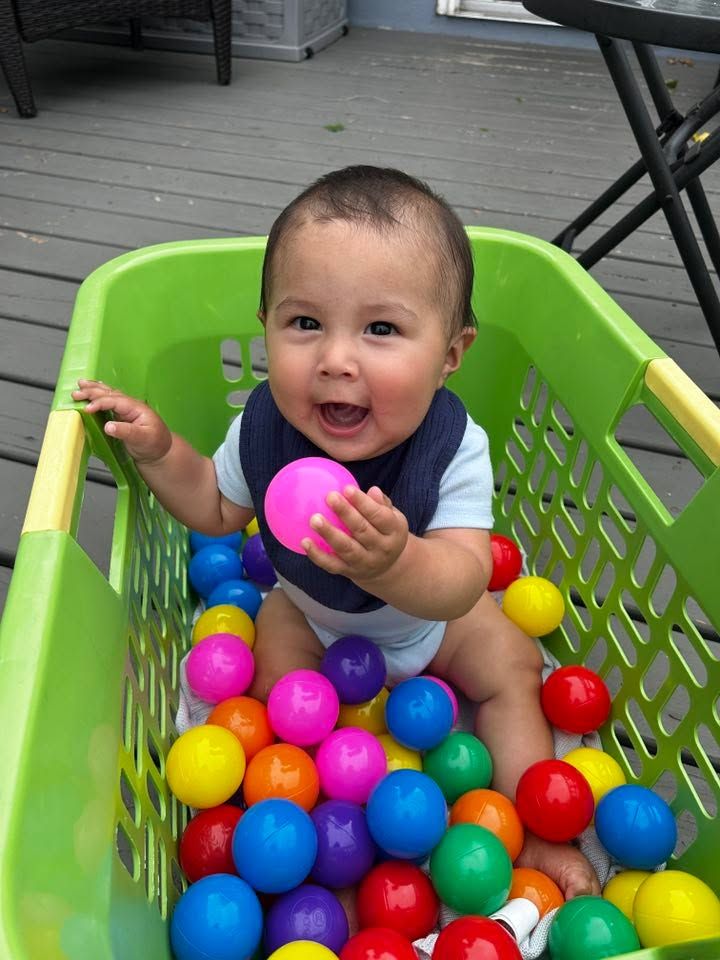
Crawling gives babies a new sense of independence. It allows them to decide where they want to go, what they want to investigate, and which objects are worth crawling towards.
That growing curiosity can make this stage exciting, although it also means parents need to pay closer attention to the environment.
The good news is that you do not need expensive toys or complicated setups to keep a crawling baby engaged.
Many enjoyable activities can happen with ordinary baby-safe objects, a little open floor space, and your presence nearby.
At this age, babies are learning through movement. They are reaching, turning, stopping, crawling around objects, touching different surfaces, and discovering what happens when they push or pull something. Those experiences can support their development while still feeling like ordinary play.
Every baby moves differently, so there is no need to expect your child to crawl in exactly the same way as another baby.
Some babies crawl quickly and confidently, while others take their time exploring one small area before moving again.
The activities below are designed to give crawling babies safe opportunities to move, explore, and have fun. You can choose the ones that suit your baby’s interests and abilities, then adjust them as your little one becomes more confident.
Safe Activities for Crawling Babies That Encourage Exploration and Movement
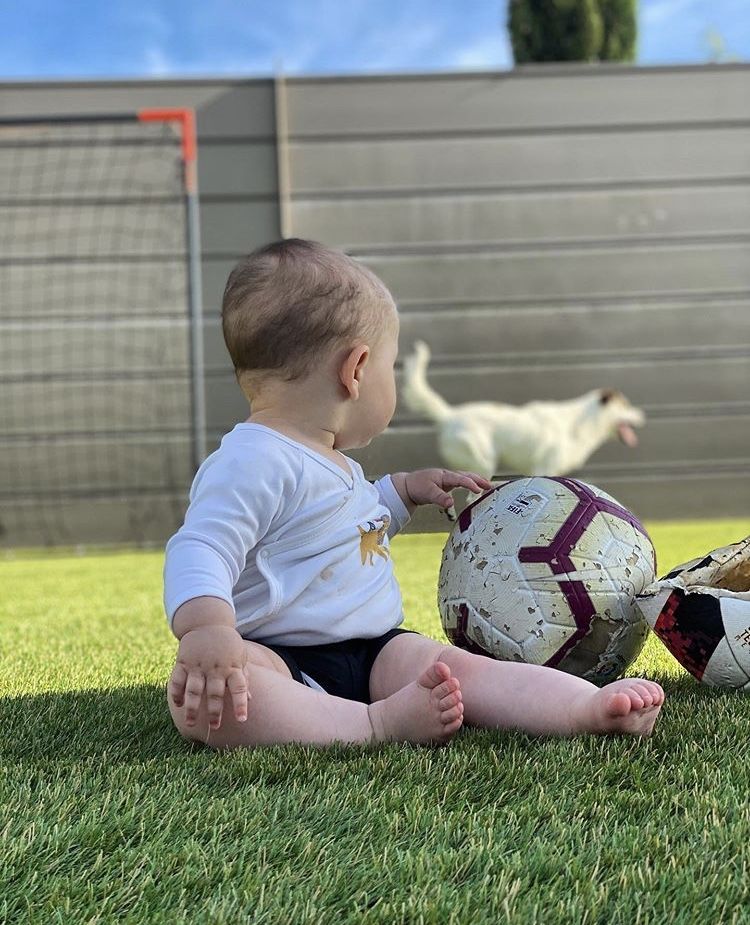
Once babies become mobile, they often learn best when they have a safe space to explore freely. The goal is not to keep them busy every minute of the day or turn playtime into a structured lesson.
Instead, give them interesting reasons to move.
A favourite toy placed across the room can encourage crawling. A familiar voice can make your baby want to follow you. A ball rolling across the floor can become an exciting object to chase.
Many of these experiences can become part of educational activities for babies from birth to one year because they encourage learning through everyday exploration.
Before setting up an activity, take a close look at the area where your baby will play. Crawling babies can quickly reach things you may not have noticed from an adult’s height.
Small objects, loose cords, unstable furniture, and sharp edges can all become more accessible once your baby starts moving around independently.
A complete baby proofing checklist can help you prepare your home for this new stage while giving your baby more freedom to explore safely.
It is also important to remember that babies do not need constant entertainment.
Sometimes, the best activity is simply giving them a safe space with a few interesting objects and allowing them to decide what they want to investigate.
The following ideas are meant to be flexible. You can repeat your baby’s favourites, change them slightly, or stop whenever your baby becomes tired or loses interest.
1. Follow a Favourite Toy
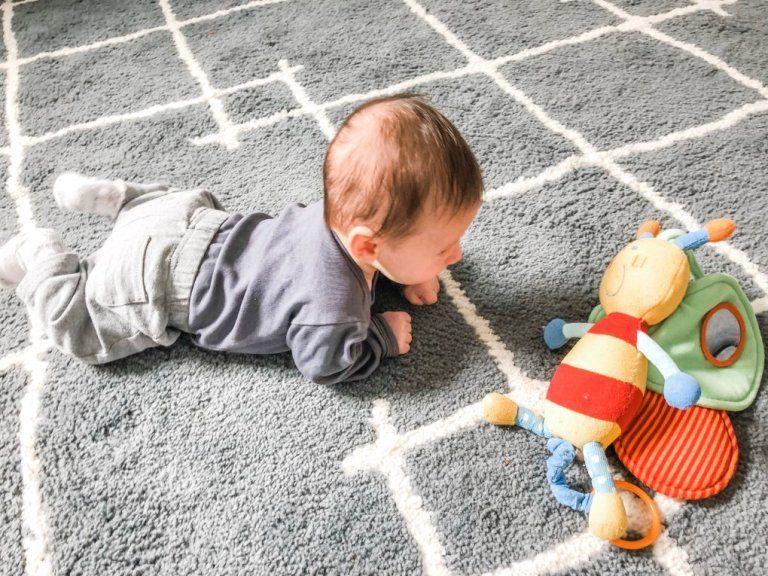
Choose one of your baby’s favourite toys and place it a short distance away.
Allow your baby to notice the toy before encouraging them to crawl towards it. You can call their name, smile, or gently point towards the object.
Once they reach it, let them spend time exploring before moving it again.
Changing the direction slightly can encourage your baby to practise turning and moving in different ways. Keep the distance reasonable so your baby feels motivated rather than frustrated.
2. Roll a Soft Ball Across the Floor
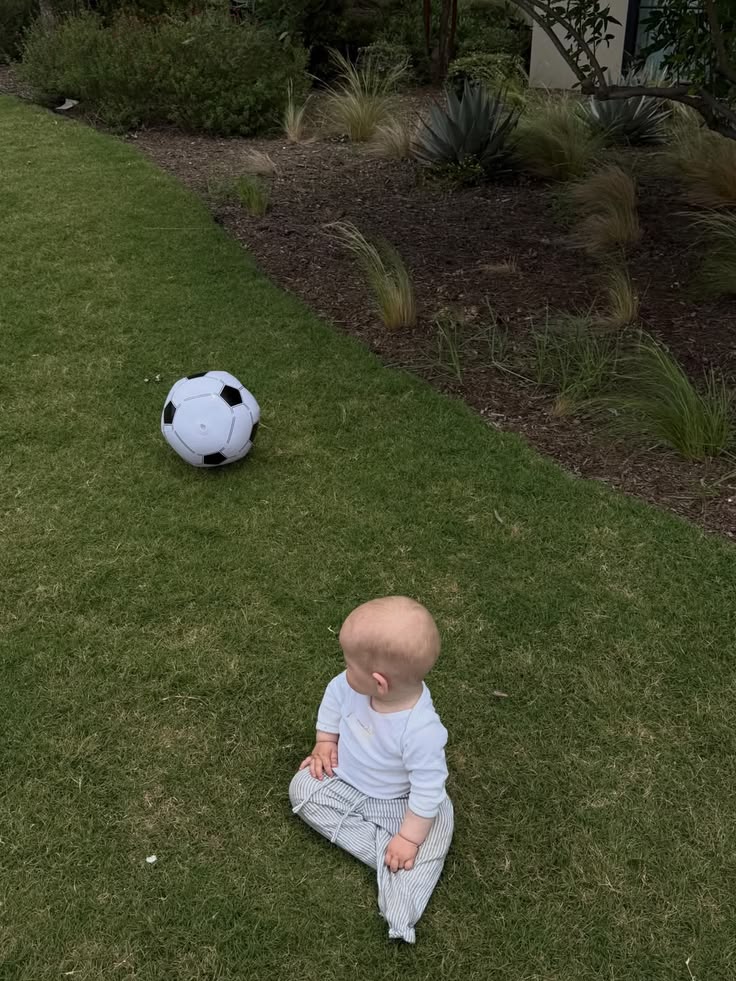
A large, lightweight ball can create a simple game that encourages movement.
Sit near your baby and slowly roll the ball across a clear section of the floor. Give your baby time to watch where it goes and decide if they want to follow it.
Some babies will crawl after the ball immediately, while others may watch it for a moment before moving.
When your baby reaches it, gently roll it in another direction.
This activity allows your baby to practise following movement while enjoying the excitement of chasing something that does not stay in one place.
3. Make Yourself the Destination
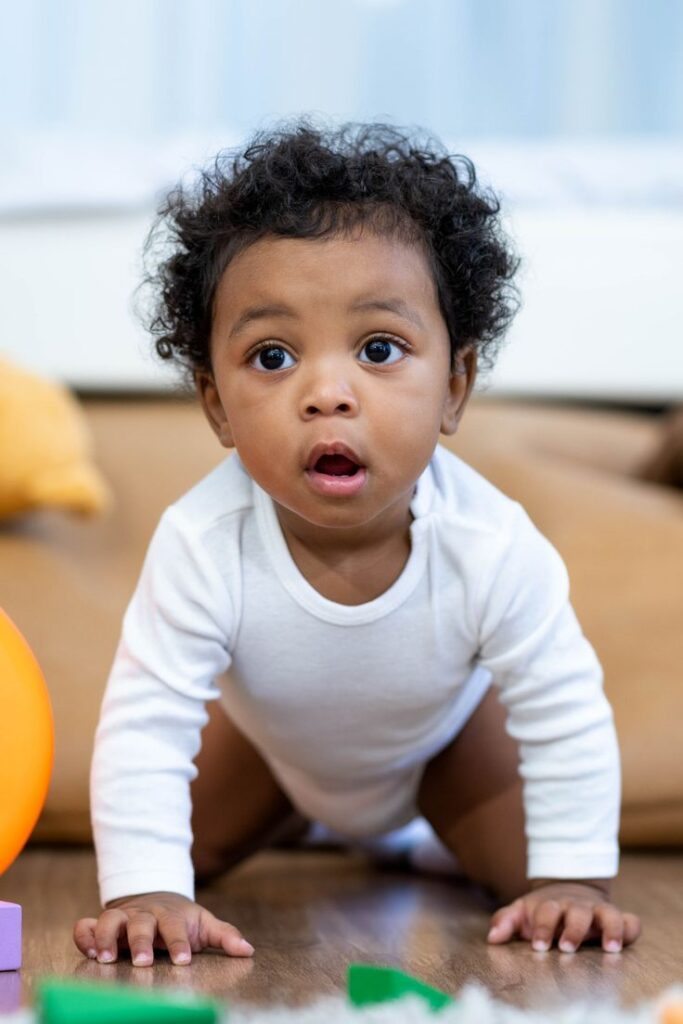
Sit a short distance away from your baby and open your arms.
Call their name warmly and encourage them to crawl towards you.
When they arrive, welcome them with a cuddle, smile, or playful interaction.
Then move to another nearby spot if your baby still seems interested.
This simple activity can become one of those bonding activities for newborns and growing babies that continues to feel meaningful as your child’s movement develops.
Your baby gets a reason to crawl, while you get a lovely opportunity to connect face-to-face.
4. Create a Simple Toy Trail
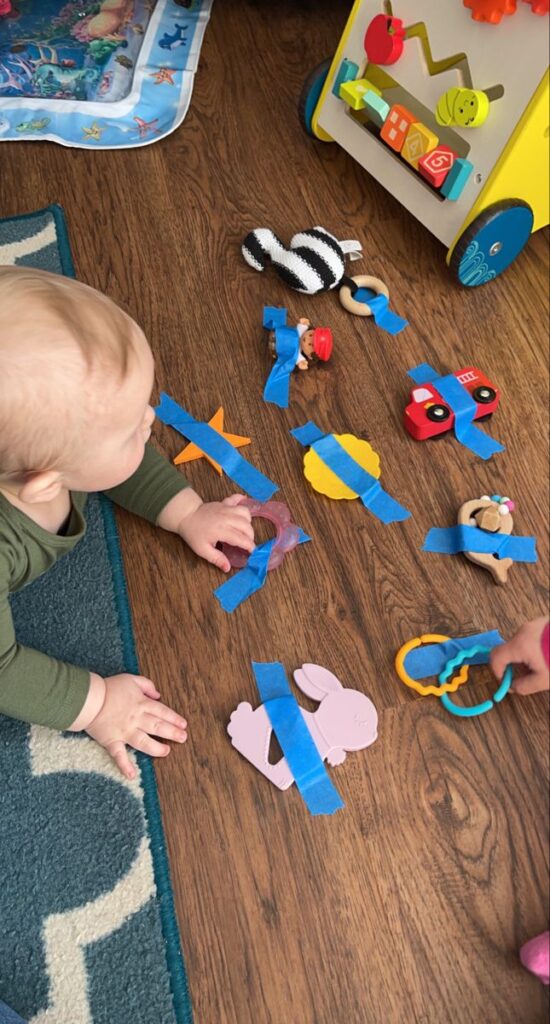
Place several large, baby-safe toys across an open section of the floor.
Start with one close to your baby, then place the next one a little farther away.
Your baby can crawl towards the first toy, investigate it, and eventually notice another object waiting nearby.
Try using toys with different features, such as something soft, something that rolls, and something with an interesting texture.
There is no need to arrange them in a complicated pattern. A simple trail gives your baby enough freedom to decide where to go next.
5. Explore Different Safe Textures
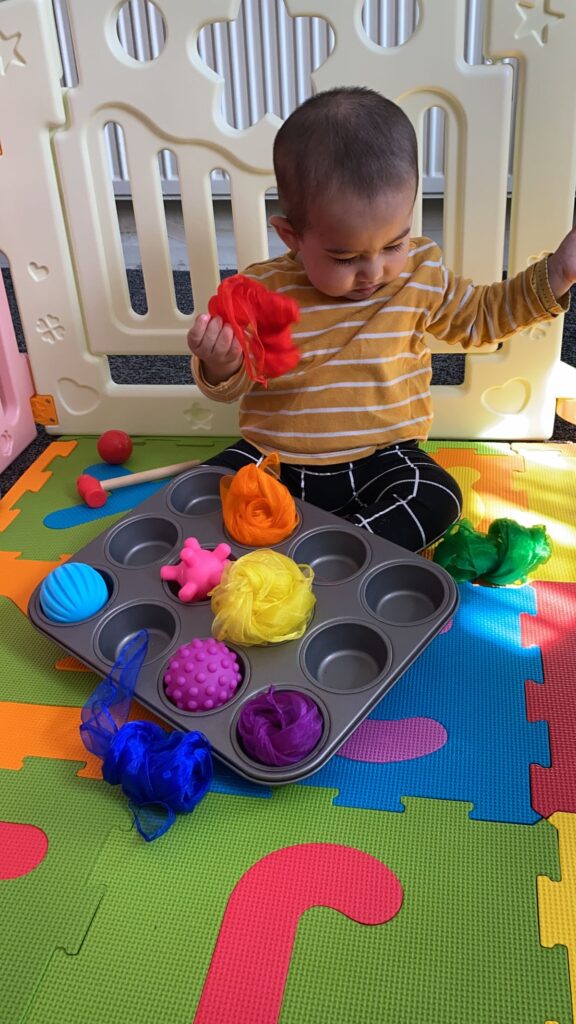
Crawling gives babies more opportunities to experience different surfaces and objects.
You can place a firm play mat beside a soft blanket or allow your baby to crawl across different clean, secure surfaces.
Add a few safe objects with interesting textures nearby.
These experiences can connect naturally with sensory play ideas by age particularly when you choose materials that are appropriate for your baby’s developmental stage.
Watch your baby closely because crawling babies often explore objects with both their hands and mouths.
6. Crawl Towards a Familiar Voice
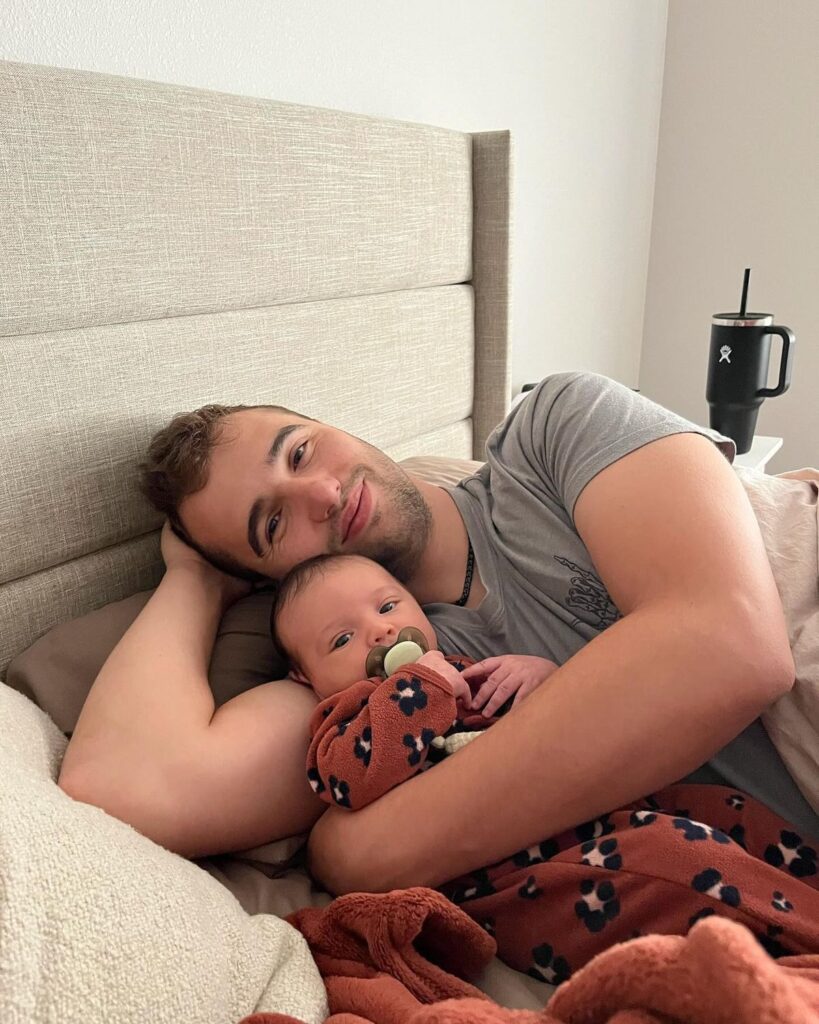
Sit somewhere your baby can hear you clearly but cannot immediately see you.
Call their name gently or begin singing a familiar song.
Wait to see if your baby turns towards the sound and starts crawling in your direction.
When they reach you, respond warmly.
This activity is simple, but it gives your baby an opportunity to connect sound with movement while following something familiar and comforting.
7. Set Up a Discovery Basket
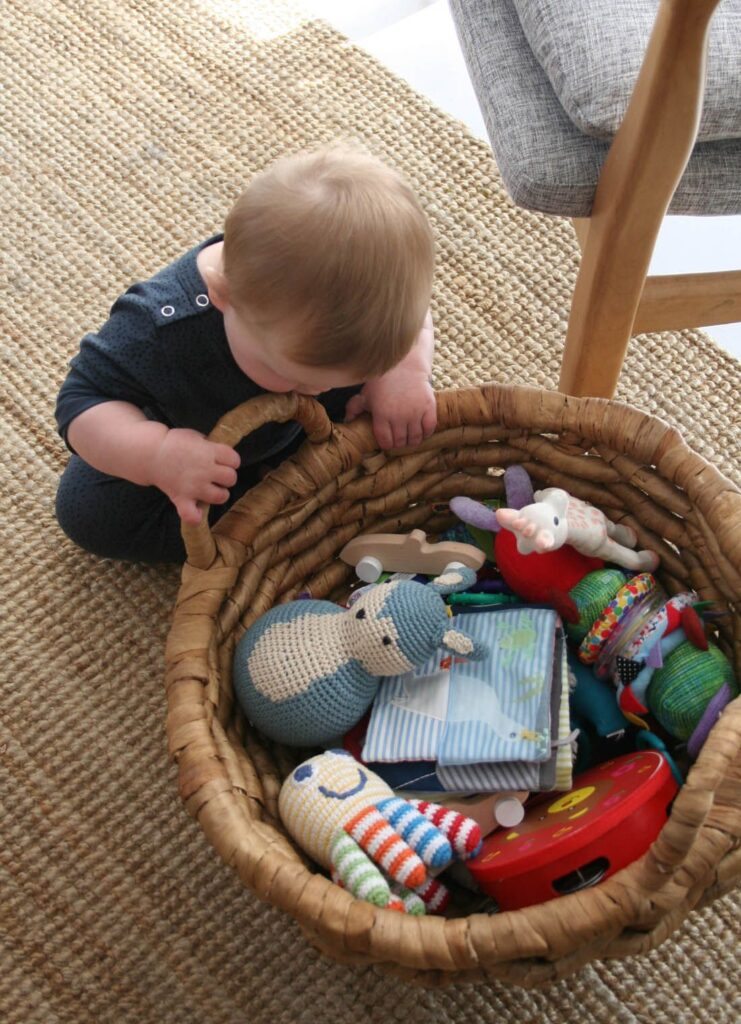
Fill a shallow basket with several large, baby-safe objects.
You could include a fabric ball, silicone spoon, soft cloth, large teether, or lightweight plastic cup.
Place the basket where your baby can crawl towards it.
Once they arrive, allow them to choose what interests them.
They may remove everything from the basket, focus on one object, or crawl away and return later.
The freedom to explore makes the experience more interesting than constantly handing your baby one item at a time.
8. Crawl Through a Play Tunnel
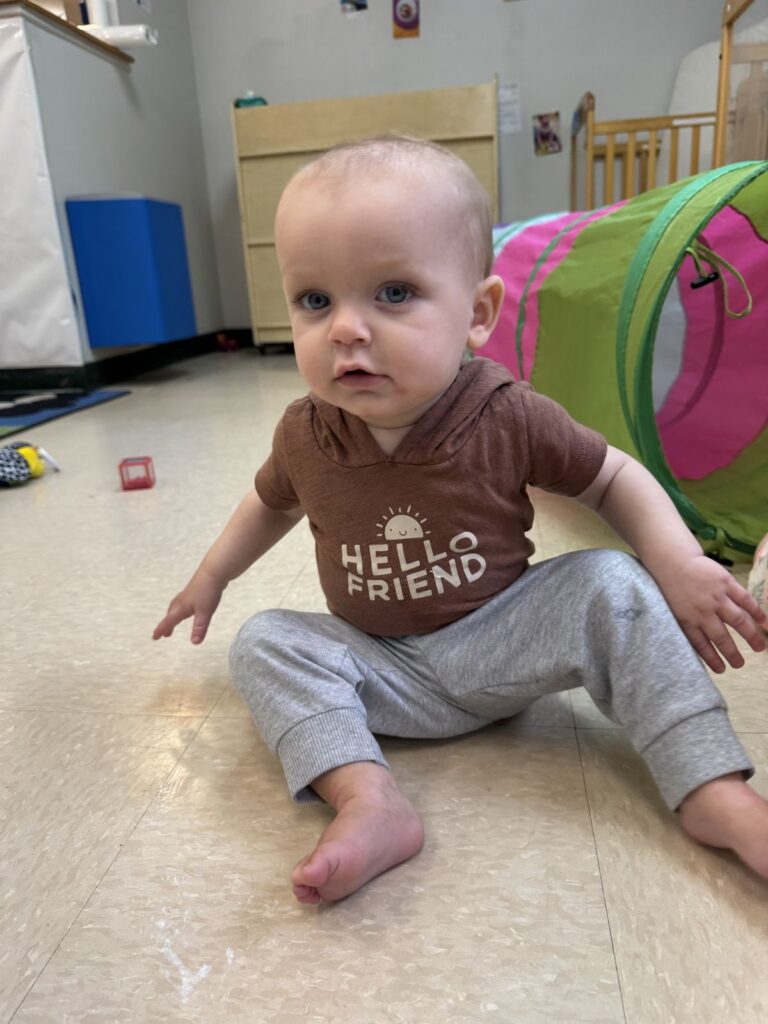
A sturdy play tunnel designed for babies can give your child an interesting new route to explore.
Place it on a clear floor and sit at the opposite end.
Call your baby or place a familiar toy where they can see it.
Some babies may crawl straight through, while others may spend time touching the entrance before deciding to go inside.
Allow them to explore at their own pace.
Make sure the tunnel is stable and designed for your baby’s age.
9. Play a Gentle Chase Game
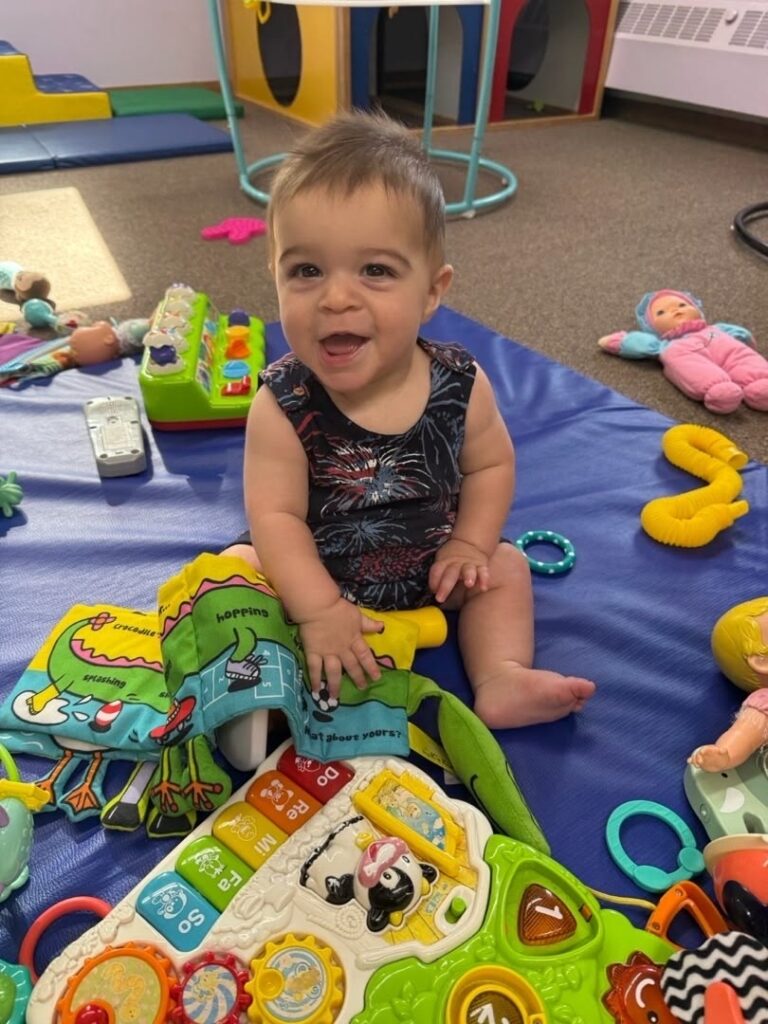
Crawling babies often enjoy following familiar people. Start close to your baby, then move slowly to another safe spot.
Call their name and wait for them to crawl towards you. When they arrive, smile and move somewhere else nearby.
Keep the distances short so your baby does not become tired.
The activity should feel playful rather than like a challenge your baby must complete.
10. Hide Part of a Favourite Toy
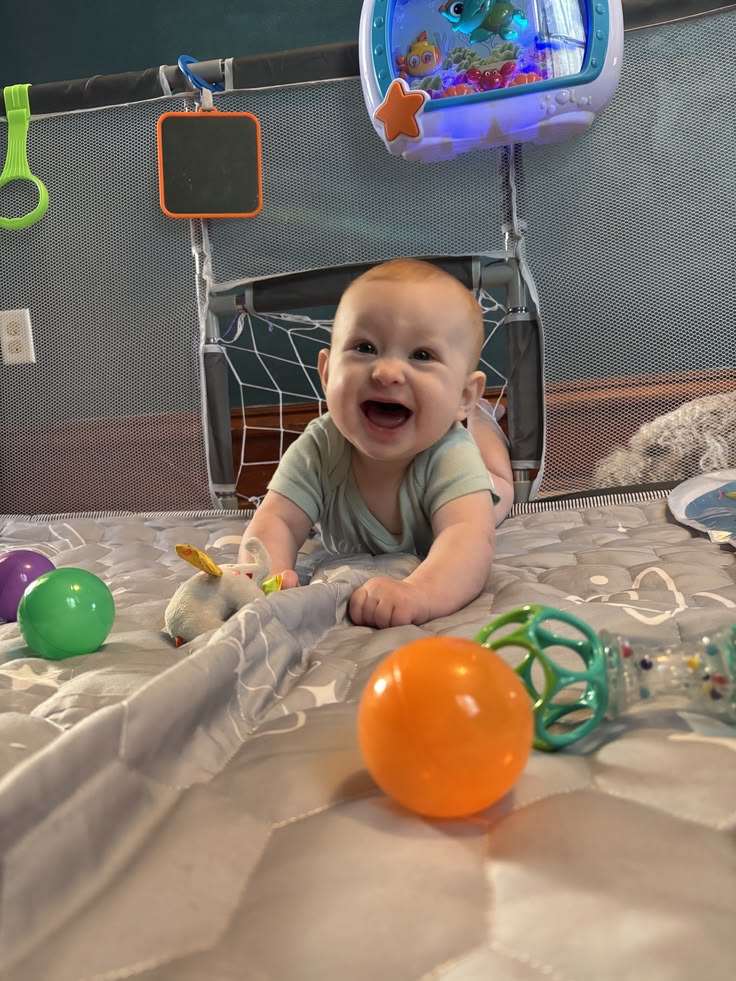
Place a familiar toy partly underneath a lightweight cloth, leaving enough visible for your baby to notice.
Encourage your baby to crawl towards it. When they arrive, allow them to investigate and pull the cloth away.
This simple discovery game can keep your baby curious without requiring complicated materials.
Always supervise closely and make sure the cloth is lightweight and used safely.
11. Explore a Baby-Safe Mirror
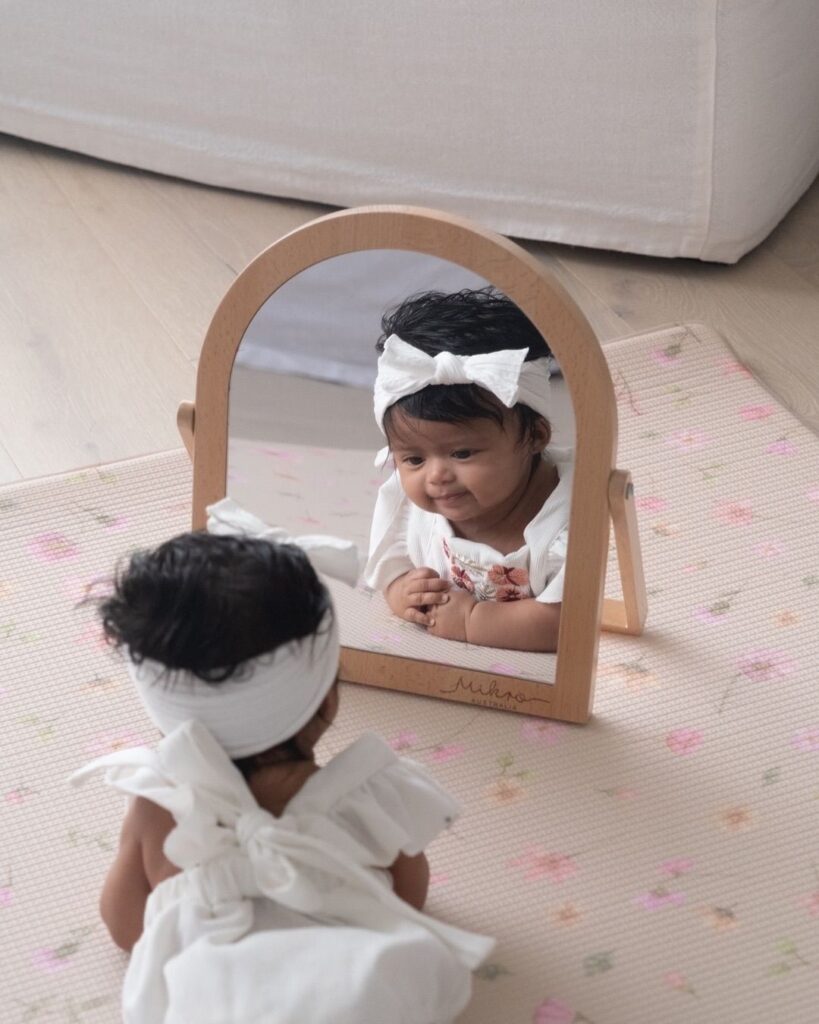
Place a securely positioned mirror designed for babies on the floor.
Sit beside your baby and watch as they crawl closer to investigate. Your baby may reach towards the reflection, look back at you, or study their own movements.
You can smile, wave, or make gentle facial expressions while talking about what you both see.
Use only a mirror designed for babies and make sure it is securely positioned.
12. Follow a Slow-Moving Object
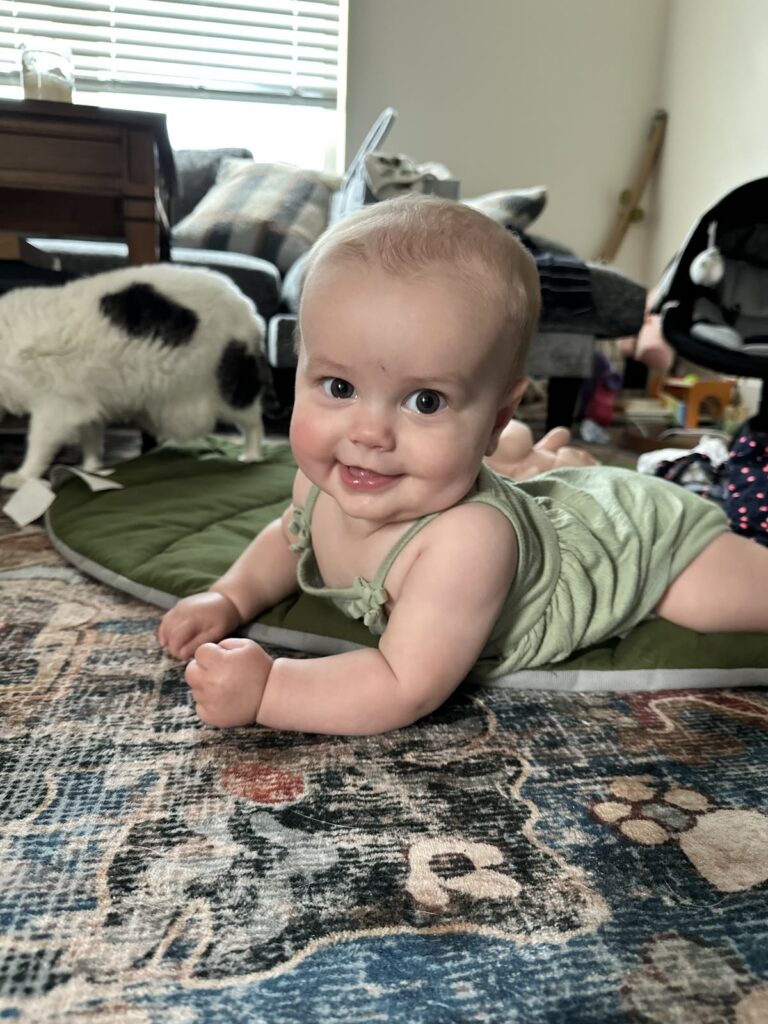
Choose a large, lightweight toy and slowly move it across the floor.
Your baby can watch the object and decide if they want to crawl after it. Move it gradually rather than quickly pulling it away.
The activity gives your baby time to follow movement with their eyes and practise crawling towards something interesting.
You can change direction occasionally so your baby has opportunities to turn and adjust their movement.
13. Make a Safe Household Exploration Area
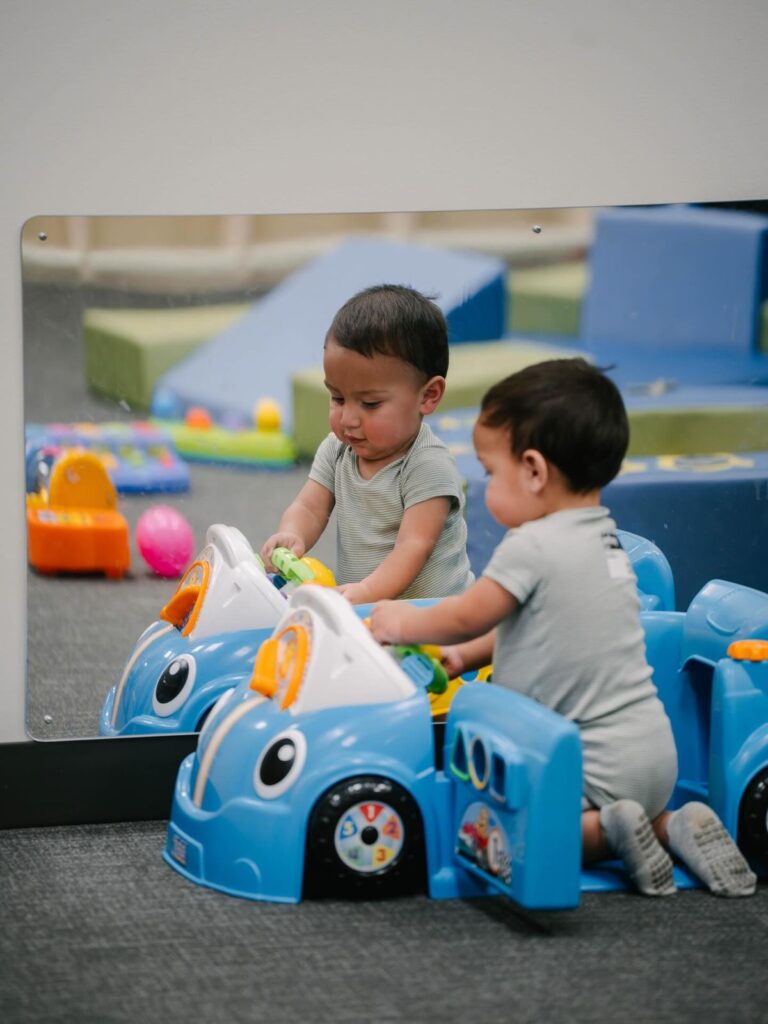
You do not always need traditional toys to create an interesting play session.
Choose a few large, safe household items, such as a silicone spatula, lightweight plastic bowl, or large wooden spoon.
Place them on the floor and allow your baby to crawl over and investigate.
This kind of play can become part of easy sensory activities at home because ordinary objects often provide different shapes, textures, and sounds.
Avoid anything sharp, heavy, breakable, electrical, or small enough to become a choking hazard.
14. Crawl Towards a Song
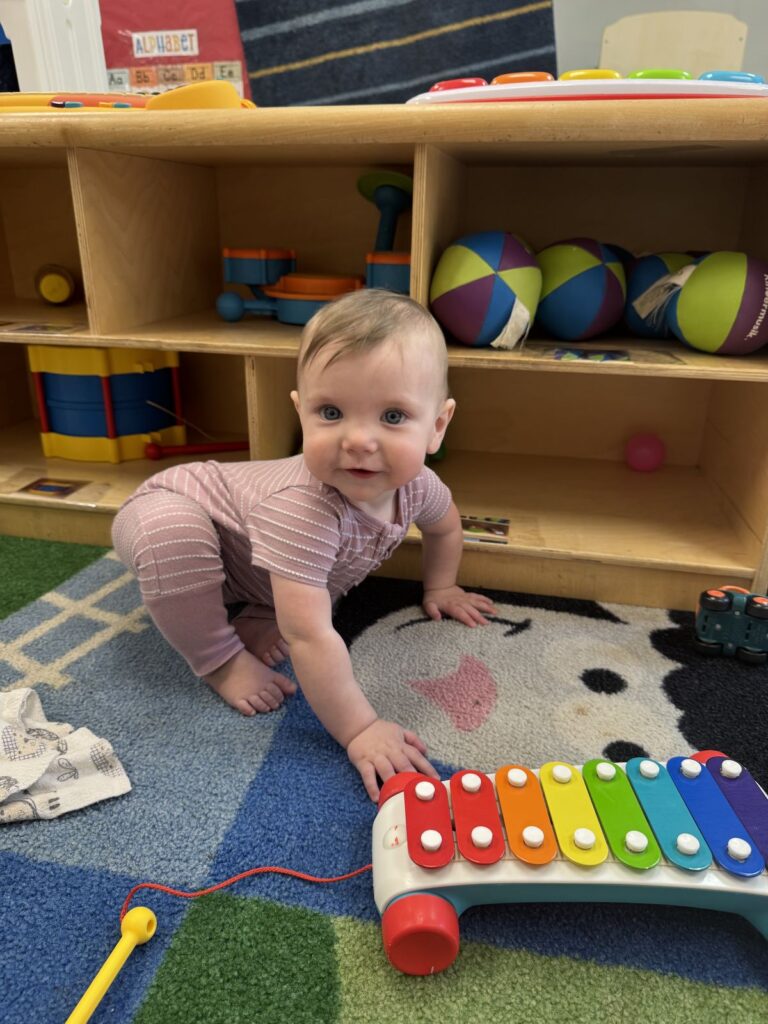
Sit a short distance away and sing a familiar song.
Use simple hand movements or gentle clapping while your baby watches. Encourage them to crawl towards you.
When they arrive, continue the song and enjoy the interaction together.
You can find inspiration through songs to sing with your baby when you want to keep the activity fresh.
Your voice is enough. There is no need for loud music or extra equipment.
15. Try a Cardboard Box Crawl
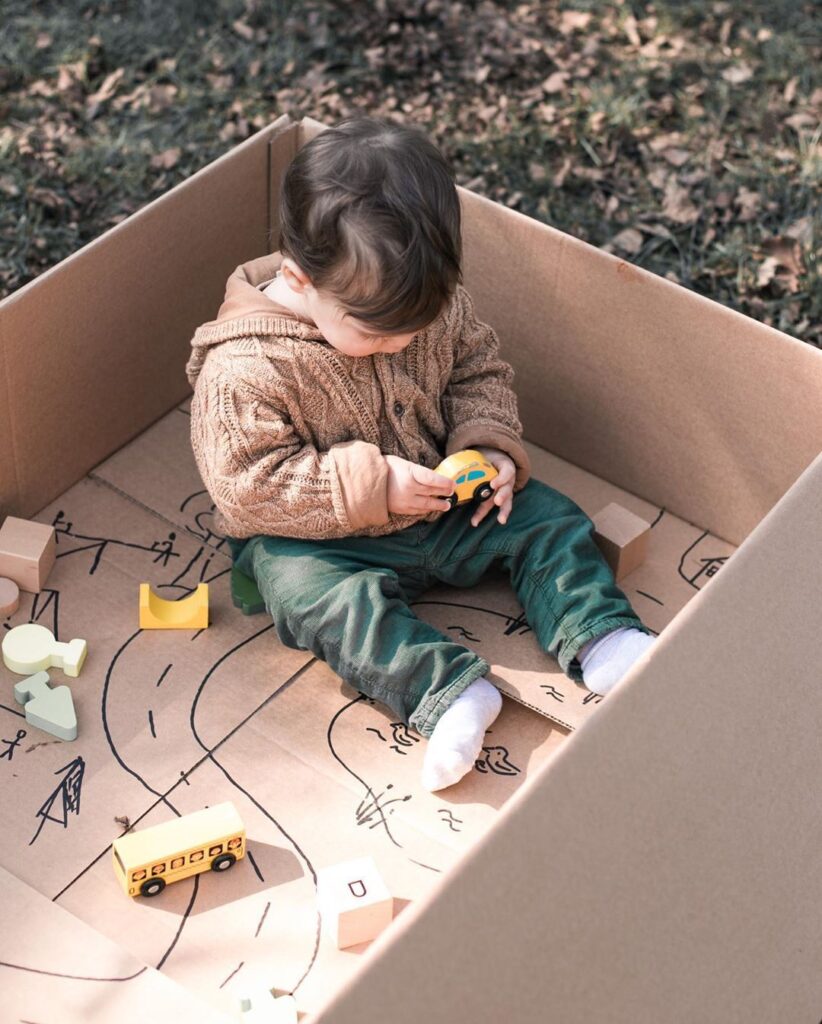
A large cardboard box can become an interesting space for a crawling baby when prepared carefully.
Remove tape, staples, loose pieces, and anything sharp. Turn the box on its side and let your baby investigate the opening while you remain close.
You can place a large toy inside or sit on the other side and encourage your baby to crawl through.
Some babies will crawl straight in, while others may spend time touching the edges and looking inside.
Never leave your baby unattended with the box.
16. Explore With a Board Book
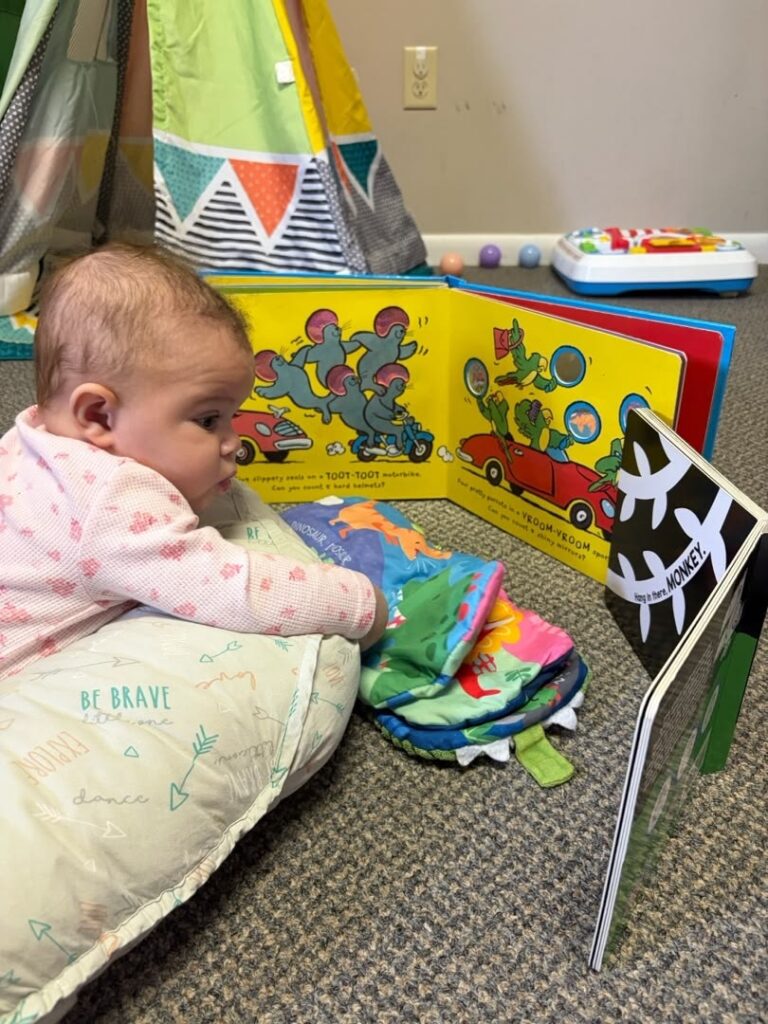
Place a sturdy board book a short distance away and allow your baby to crawl towards it.
When they arrive, sit beside them and look through the pictures together. Point to familiar objects and talk about what you see.
Your baby may want to turn the pages, grab the book, or simply watch you.
Choosing first books for little hands makes this easier because durable books can handle the enthusiastic exploration that often comes with this stage.
17. Play With a Large Soft Toy
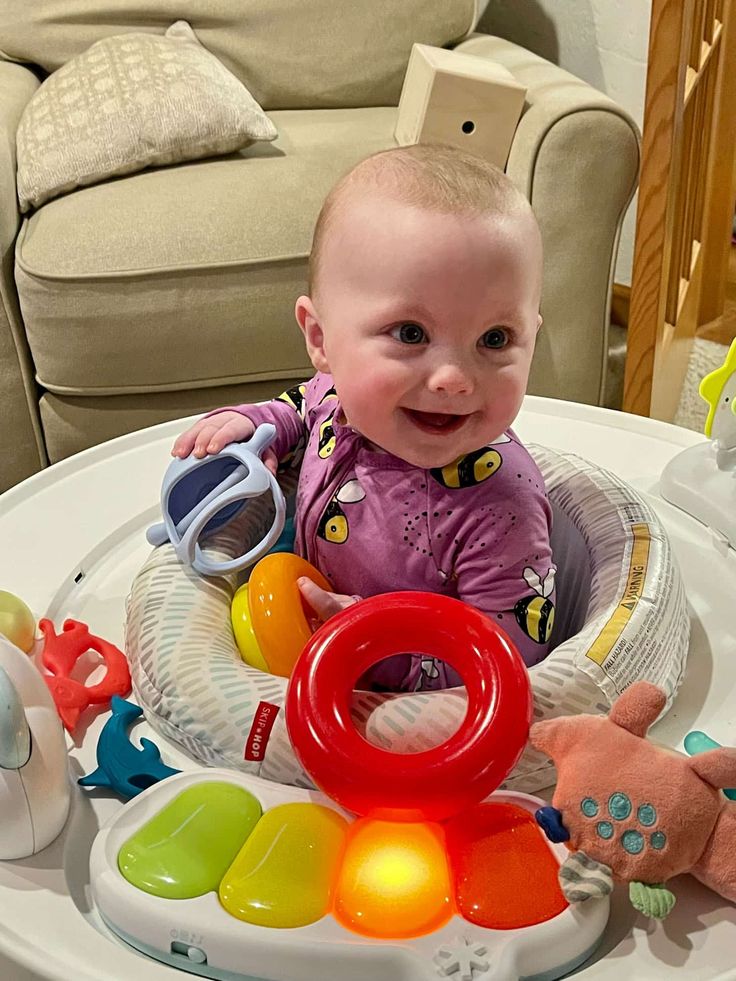
Place a large soft toy somewhere your baby can see it. Allow them to crawl towards it and explore it freely.
They may hug it, push it, pull it closer, or crawl around it. You can also place the toy in a different spot and see if your baby decides to follow.
Choose toys without loose buttons, detachable decorations, or other parts that could become dangerous.
18. Enjoy a Safe Outdoor Play Session
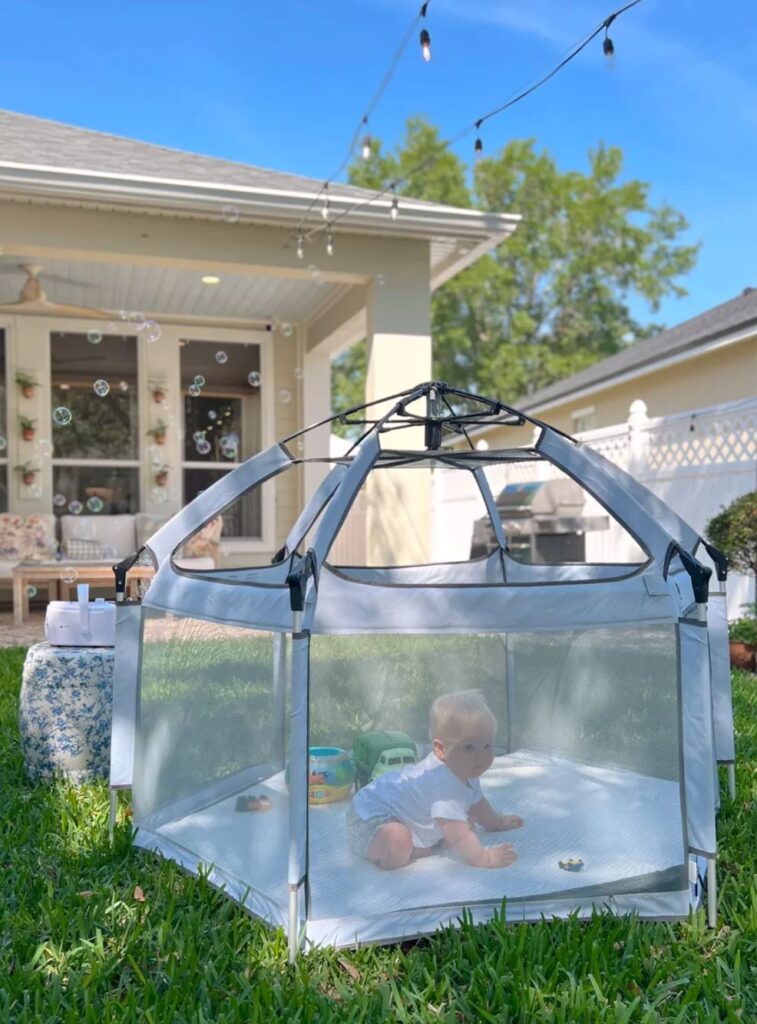
A change of environment can make crawling more interesting.
Choose a secure outdoor area and place a clean blanket or suitable play mat on the ground.
Stay beside your baby while they explore the space. They may notice new sounds, movement, and sights around them.
This can be a gentle introduction to outdoor activities for babies under one year without requiring a complicated outing.
Keep the area free from sharp objects, insects, harmful plants, open water, and other hazards.
19. Create a Crawl-and-Find Game
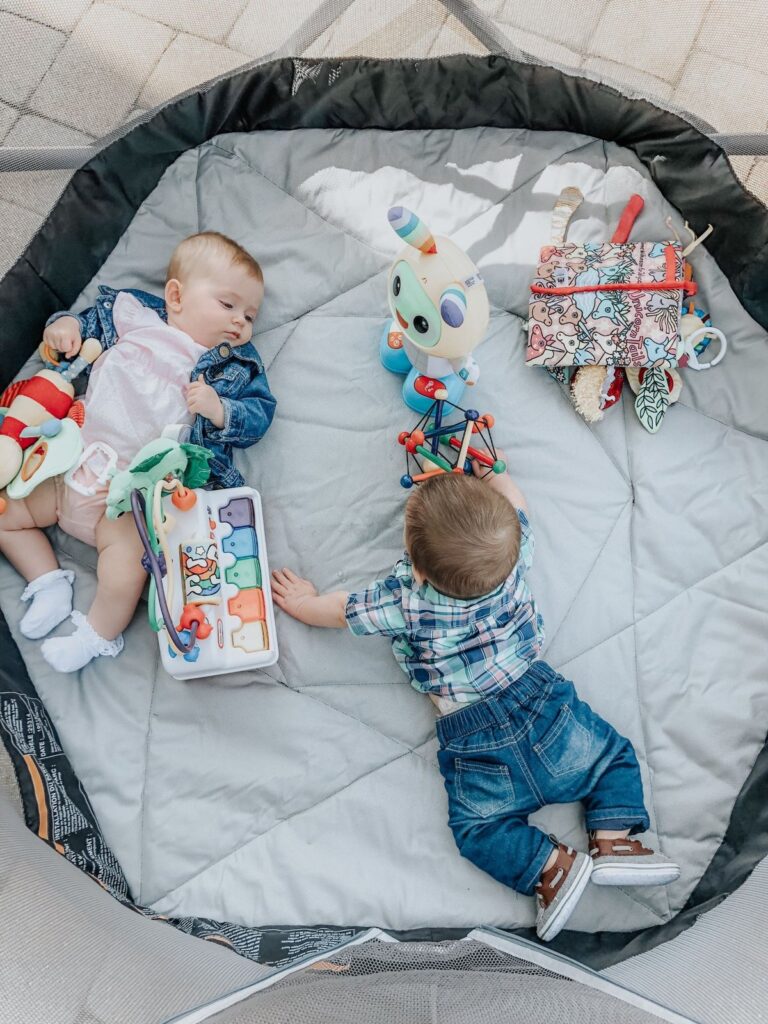
Place a favourite toy somewhere your baby can see it and encourage them to move towards it.
Once they reach the object, move another interesting toy to a nearby location.
Your baby can decide if they want to continue exploring.
You can occasionally place an object partly behind a cushion or large safe item to make the discovery process more interesting.
Keep everything simple and allow your baby enough time to figure things out independently.
20. Explore a Quiet Sensory Setup
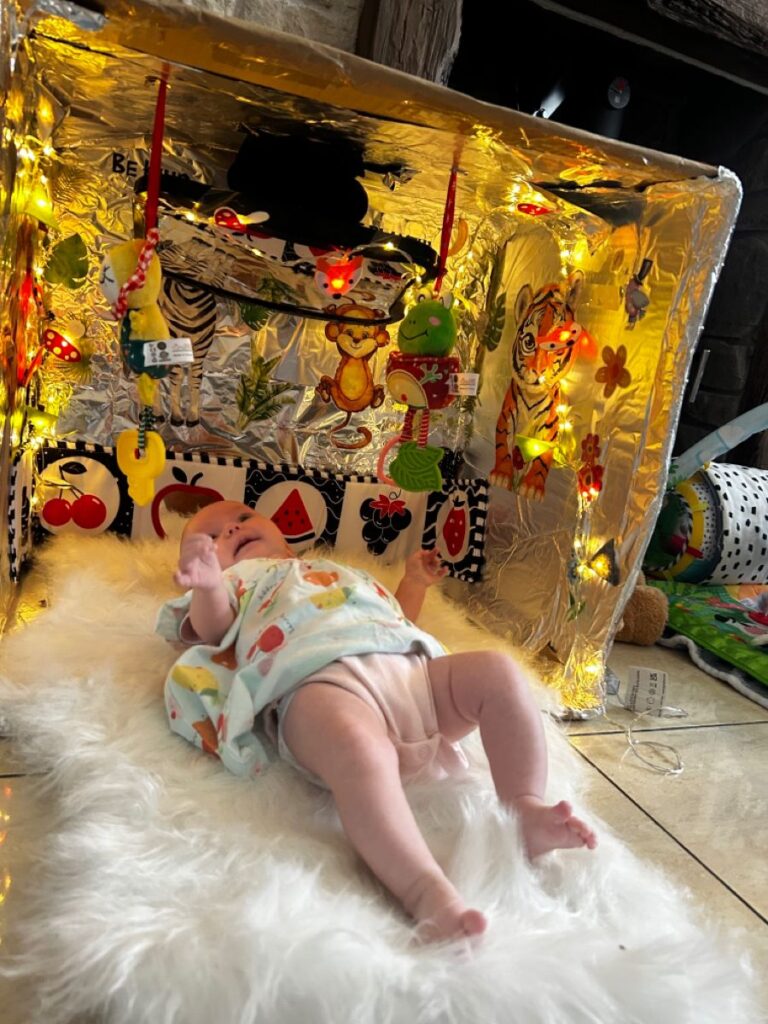
Sometimes crawling babies enjoy slowing down after active movement.
Place two or three safe sensory objects in one area and allow your baby to crawl over when they are interested.
You could include a textured ball, soft fabric, and a securely sealed sensory bottle.
These calmer experiences can complement taste-safe sensory activities for babies when you want to introduce age-appropriate sensory exploration under close supervision.
Choose materials carefully because babies may put objects in their mouths.
21. Follow You Around a Safe Room
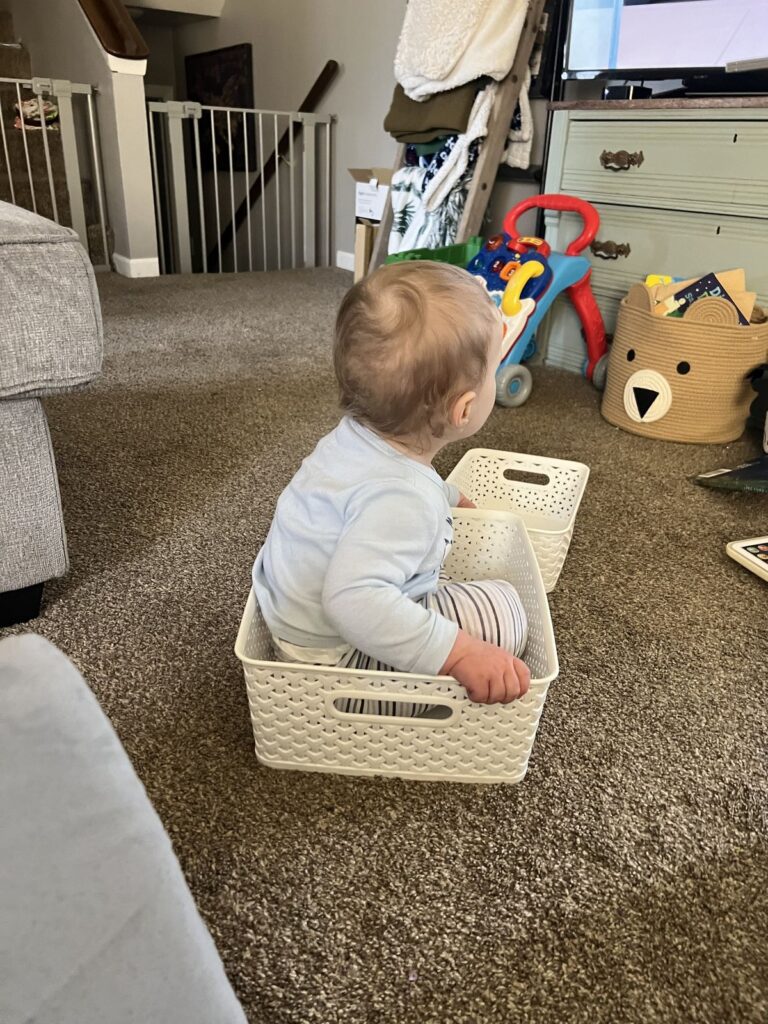
Move slowly from one safe area of the room to another while your baby watches.
Encourage them to follow if they seem interested. You can stop occasionally and allow your baby to catch up.
This creates an opportunity for natural movement without requiring toys or special equipment.
Keep the room clear of hazards and avoid moving too quickly.
Your baby should feel encouraged to explore rather than pressured to keep up.
22. Build a Soft Obstacle Path
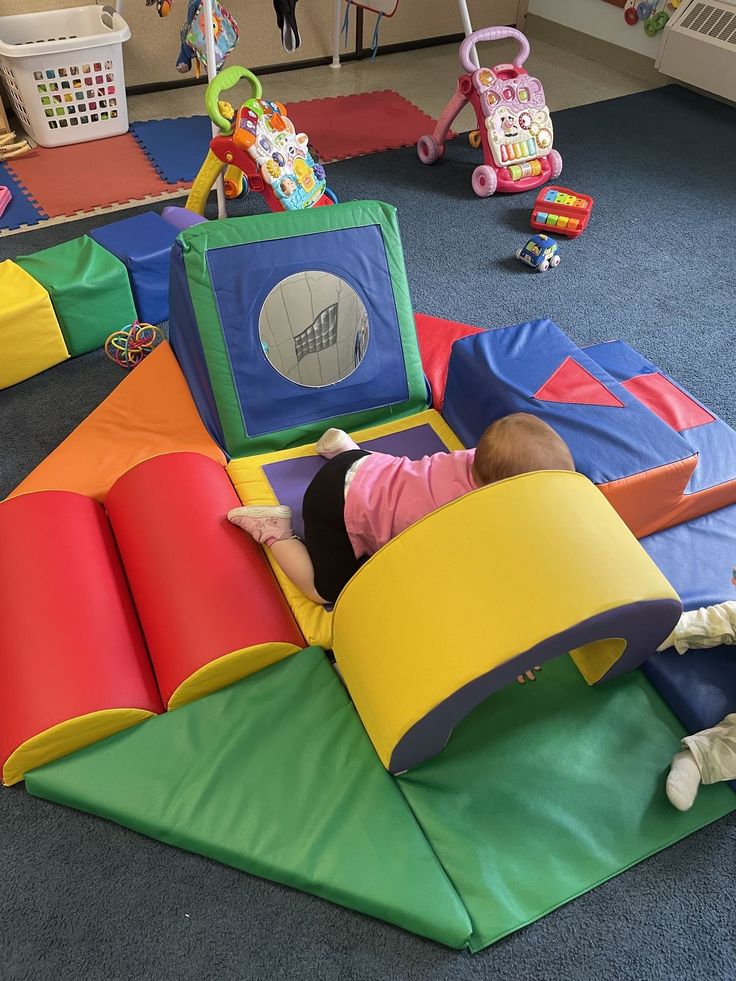
Place a few firm cushions or rolled towels on the floor to create gentle changes in your baby’s route.
Make sure everything is stable and low. Your baby can crawl around the objects rather than over anything high or unstable.
Sit nearby and allow them to decide which direction they want to take.
You can adjust the layout as your baby becomes more confident, but keep the path simple and easy to navigate.
23. Play With a Baby-Safe Push Toy
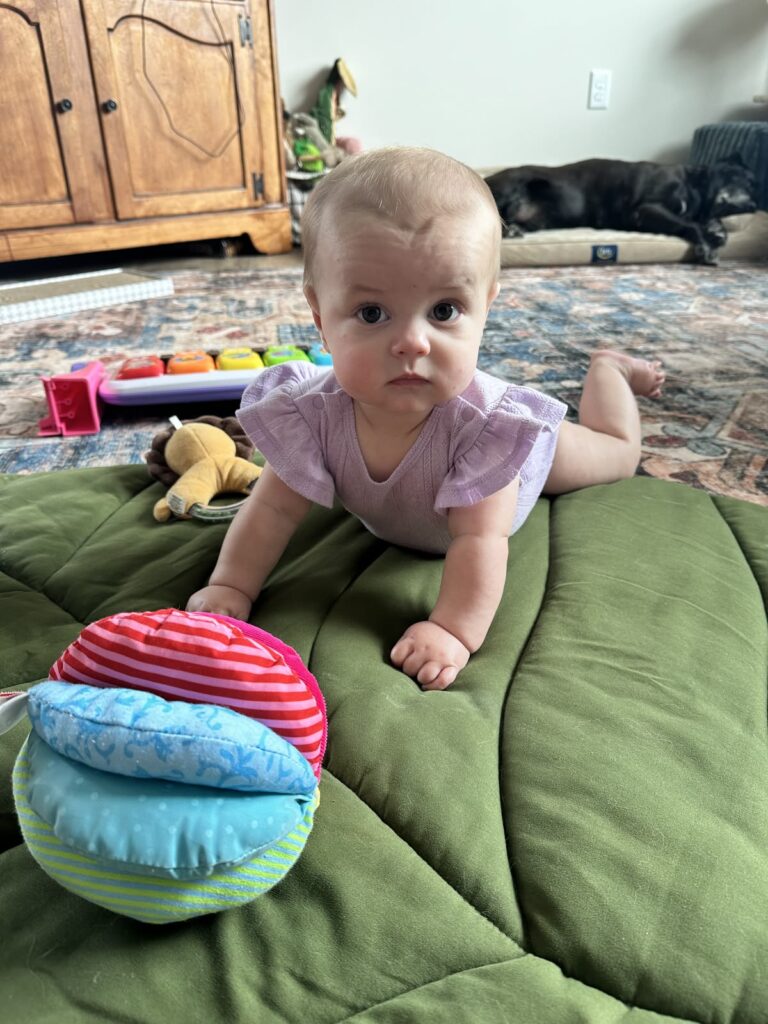
Some crawling babies enjoy pushing a stable toy across the floor.
Choose one that is appropriate for your baby’s age and developmental stage. Stay nearby while your baby explores how the toy moves.
If your baby is beginning to pull up or stand, avoid assuming that they are ready for walking equipment simply because they can crawl confidently.
Movement develops gradually, and activities for babies learning to stand may become more suitable later.
24. Let Your Baby Choose the Adventure
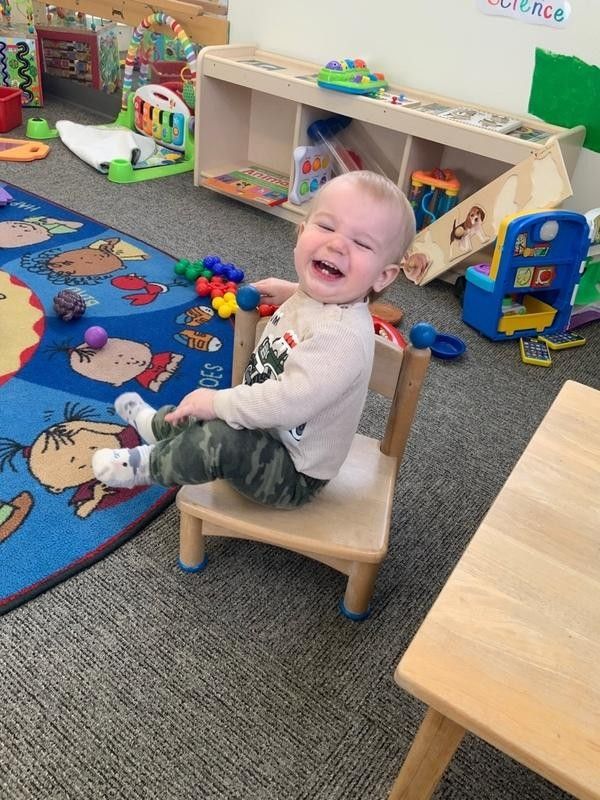
Create a safe play space with a few interesting toys and objects. Then allow your baby to decide what to explore.
They may crawl towards one object, stop to investigate, and then move somewhere completely different.
You do not need to direct every moment.
Independent exploration can be valuable because your baby is learning to make choices about where they want to go and what they want to investigate.
Stay close enough to supervise while allowing them space to follow their curiosity.
25. Enjoy Free Floor Exploration
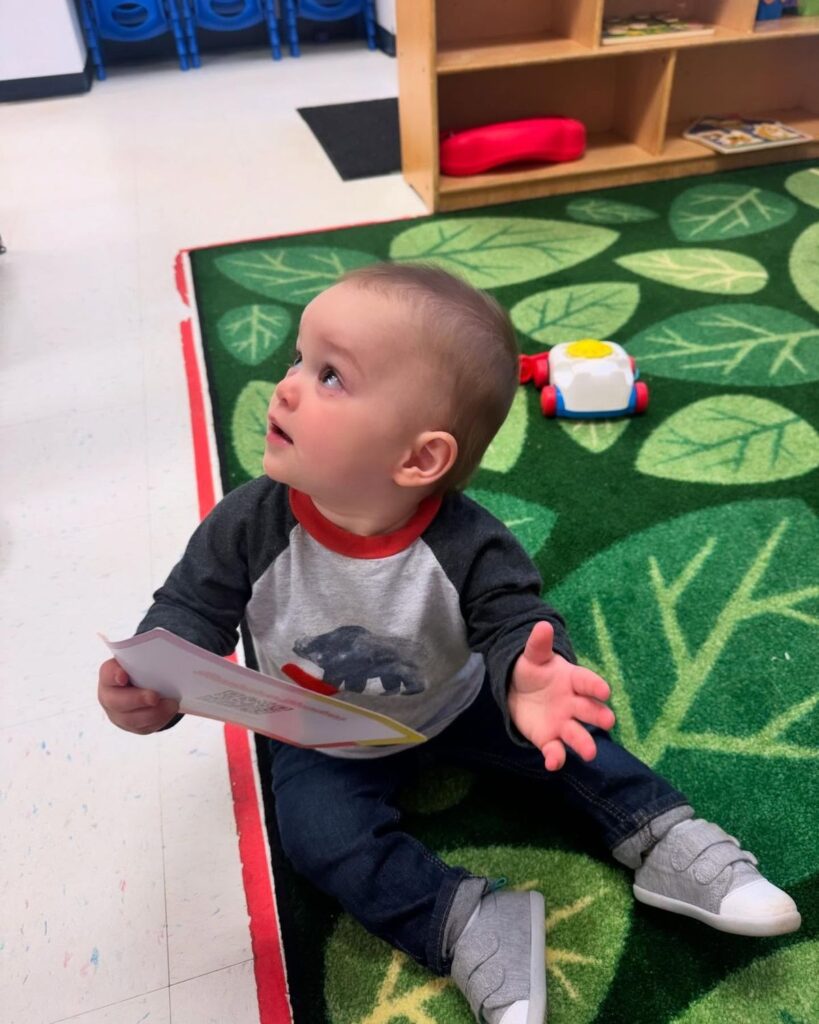
Some of the best crawling activities require almost no preparation. Clear a safe floor space and place a few appropriate toys around the room.
Sit nearby and allow your baby to crawl, turn, stop, investigate, and move again.
Your baby may discover something new even in an environment they see every day.
Free exploration can become an important part of baby play activities for growing little explorers because it allows children to practise movement in a natural way.
You do not need to constantly introduce a new game. Sometimes, giving your baby time and space is enough.
Let Your Baby Explore at Their Own Pace
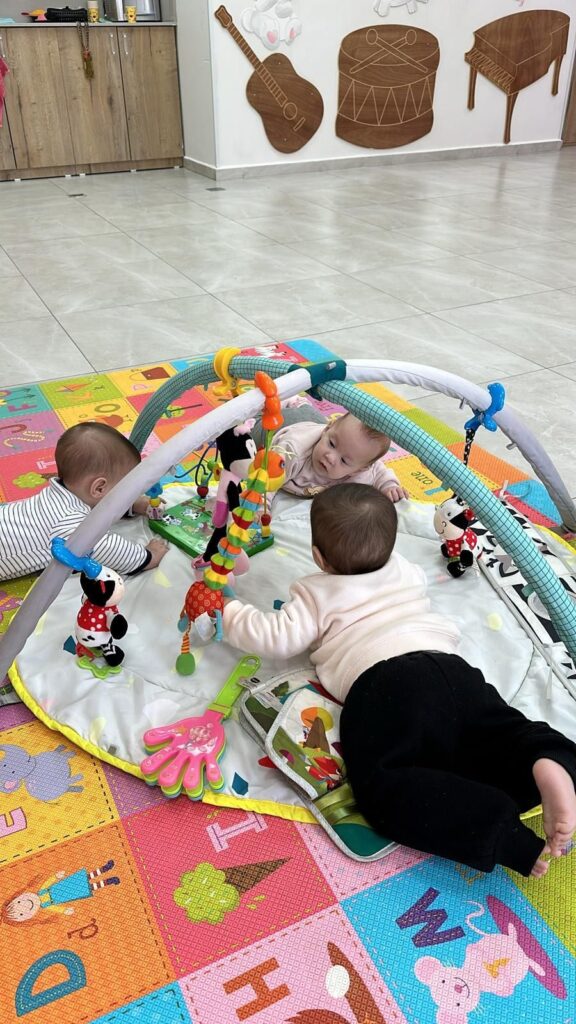
Crawling is an exciting stage because your baby is discovering a new level of independence.
The activities you choose do not need to be complicated, expensive, or perfectly planned.
A ball rolling across the floor, a familiar voice, a favourite toy, or a safe space to explore can provide plenty of opportunities for movement and learning.
Pay attention to your baby’s cues as you play. Some days, they may crawl from one activity to another with endless curiosity.
On other days, they may prefer sitting beside you with a toy or simply being held. Both are completely normal.
You can return to these activities whenever your baby seems interested and adapt them as their abilities change.
As they become more confident, they may begin exploring larger spaces and preparing for new stages of movement.
The most important thing is to provide a safe environment, stay nearby, and let your baby enjoy discovering what their growing body can do.
Here are a few more related articles you may find helpful
13 Montessori Activities for 6-Month-Old Babies
Screen Time Guidelines for Babies




7 Comments