

Complete Car Seat Guide for New Parents
Disclosure: Some of the links in this post are affiliate links. This means if you click on the link and purchase an item, I will receive an affiliate commission at no extra cost to you.
A baby’s first car ride is one of those parenting moments that can feel simple until you start thinking about everything that needs to be right.
The car seat has to fit your baby, fit your vehicle, and be installed correctly. You also need to know how to secure your baby properly and understand when it is time to move to another type of seat.
For new parents, choosing a car seat can quickly become overwhelming. There are infant car seats, convertible car seats, all in one seats, and booster seats.
Each type serves a different purpose, and the best choice depends on your child’s size, your vehicle, and how you plan to use the seat.
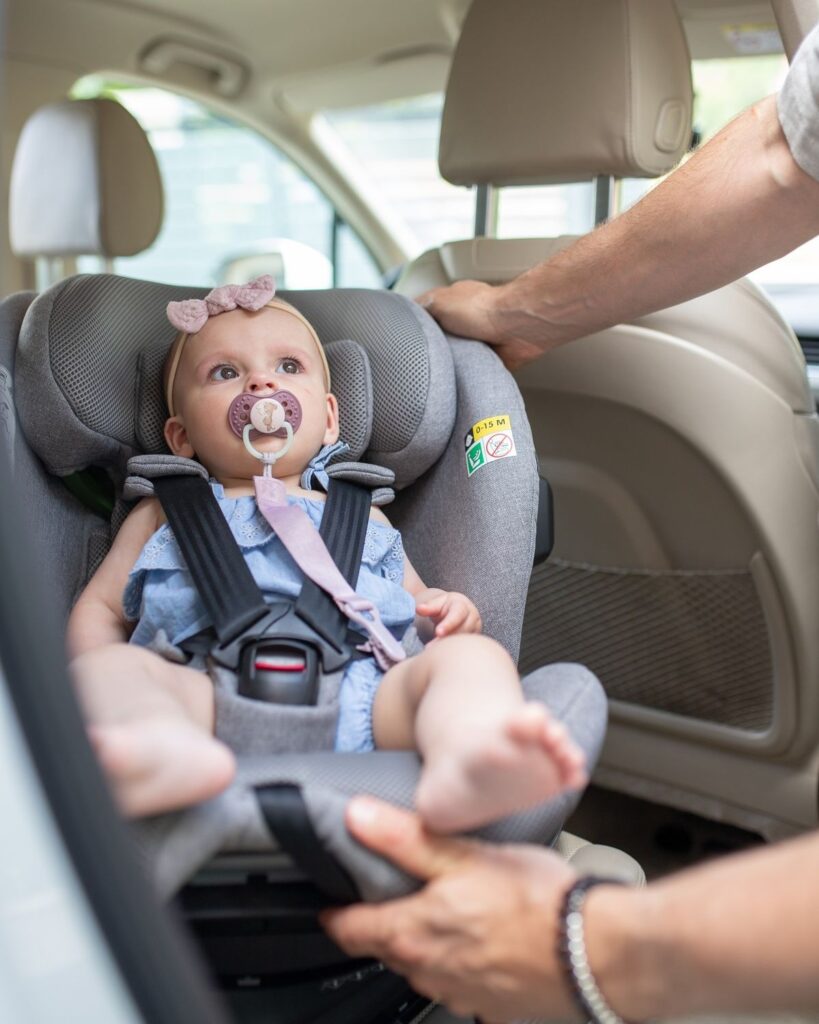
Safety does not end once you purchase the seat. A car seat that is incorrectly installed or used with a loose harness may not provide the protection it was designed to offer.
The American Academy of Pediatrics recommends that babies and young children ride rear facing for as long as possible, until they reach the highest height or weight allowed by their car seat manufacturer.
The National Highway Traffic Safety Administration also recommends choosing a seat based on your child’s age and size, making sure it fits your vehicle, and using it correctly every time your child travels.
This guide covers what new parents need to know before buying, installing, and using a car seat.
What Should You Look for When Buying a Car Seat?

The safest car seat is not necessarily the most expensive one. Your priority should be finding a seat that is appropriate for your child’s size, fits your vehicle, and can be installed and used correctly.
Start by checking the manufacturer’s height and weight limits. These limits tell you which children can use the seat and when they will need to move to another stage.
You should also consider how often you will remove the seat, how many children will travel in the vehicle, and how much space you have in the back seat.
Read both the car seat manual and your vehicle owner’s manual before installation.
The two manuals contain important information about compatible seating positions, lower anchors, seat belts, and tether anchors.
Look for a seat that has clear instructions and adjustments you can use confidently. A straightforward seat that you can install properly is more useful than one with features you do not understand.
Understanding the Different Types of Car Seats

Car seats are designed for different stages of a child’s growth, so understanding the differences can make your choice much easier.
Some seats are designed specifically for babies, while others can accommodate a child through several stages.
Your baby’s current size, your plans for future use, and the amount of space in your vehicle can all affect which type makes sense for your family.
You may also want to consider how frequently you move your baby between vehicles.
The most common options include infant car seats, convertible car seats, all in one seats, and booster seats. Each one has a different purpose and set of limitations.
Infant Car Seats
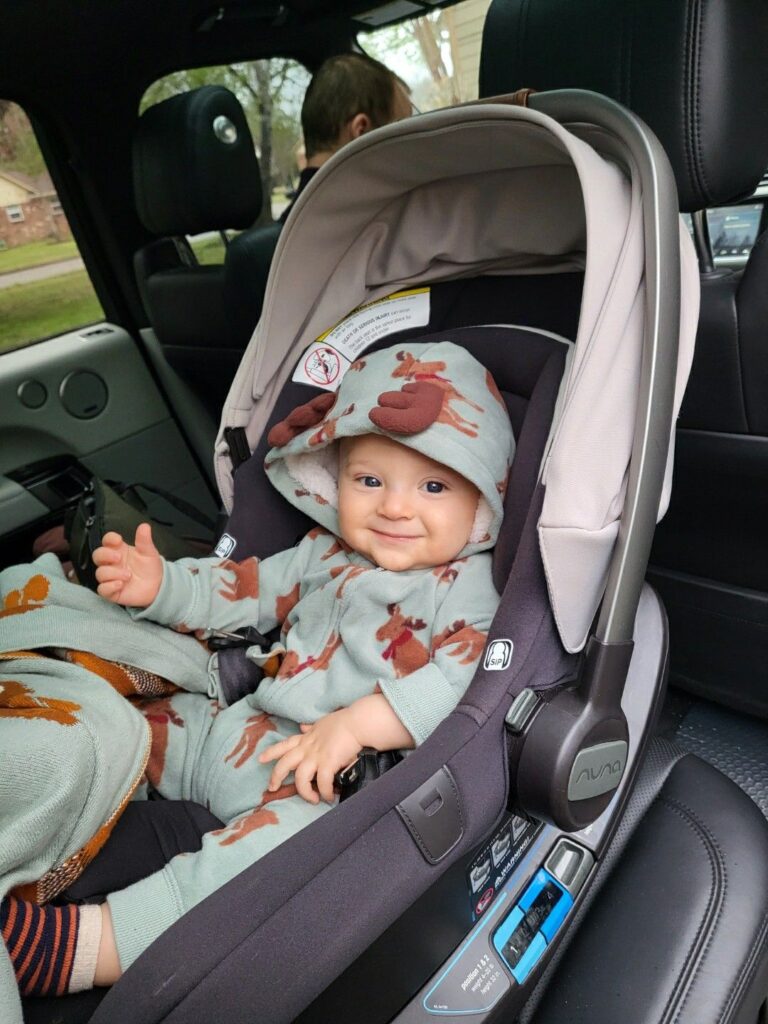
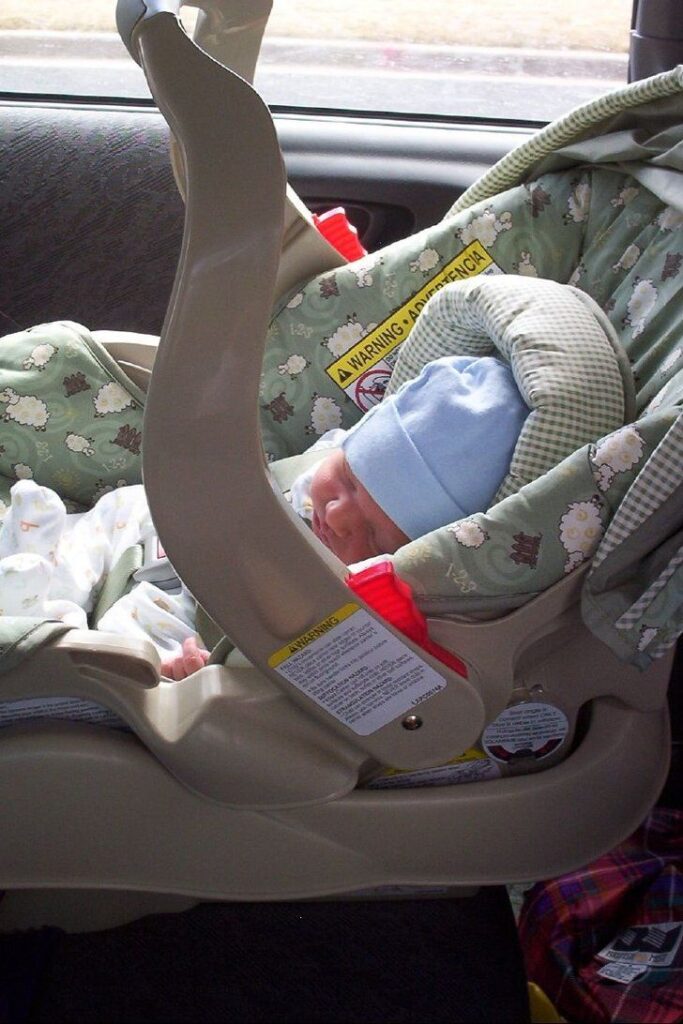
Infant car seats are designed specifically for babies and are installed in the rear facing position.
Many infant seats come with a detachable carrier that connects to a base installed in your vehicle.
This can be convenient because you can remove your sleeping baby without uninstalling the entire seat.
Some models also connect to compatible strollers, creating a convenient travel system.
The seat still needs to remain within the manufacturer’s height and weight limits. Once your baby reaches one of those limits, you will need to move to a seat that accommodates their growing body.
An infant car seat should also be used primarily for transportation.
If your baby falls asleep during a car ride, move them to a safe sleep surface once you reach your destination rather than allowing them to continue sleeping in the car seat outside the vehicle.
Convertible Car Seats
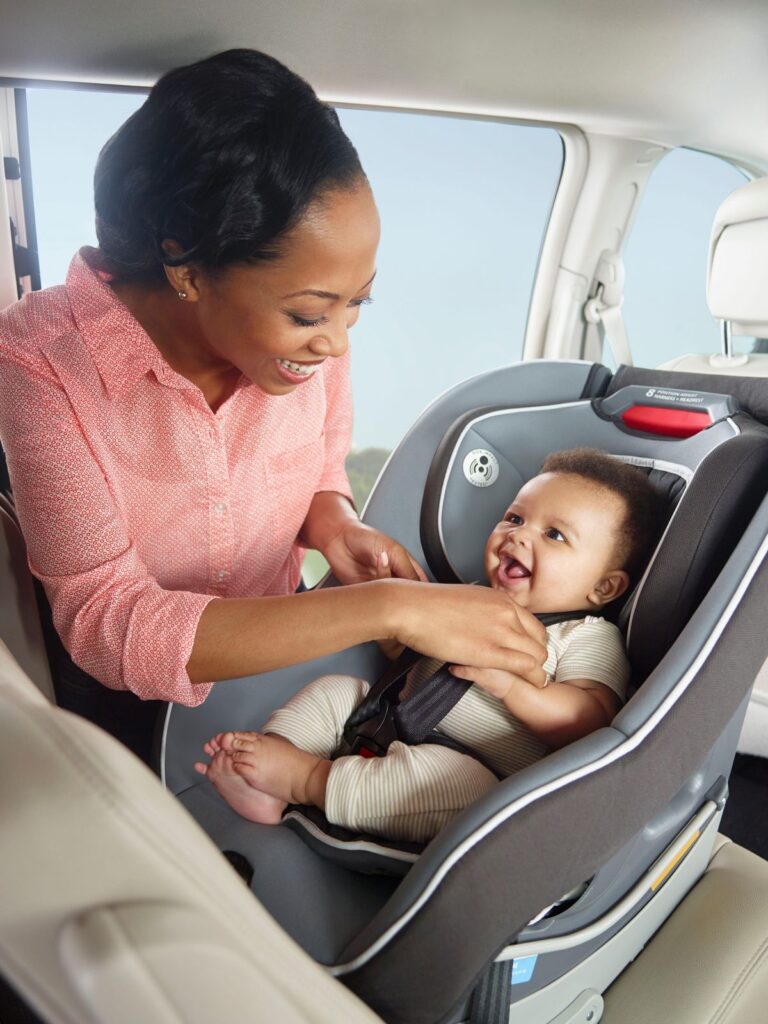
Convertible car seats can usually be installed rear facing and later changed to forward facing when your child reaches the manufacturer’s requirements.
One major advantage is their longer usable period. Instead of purchasing a new seat soon after your baby outgrows an infant carrier, you can continue using a convertible seat as your child grows.
Many convertible seats have higher rear facing limits than infant only seats. This can make it easier to follow recommendations for keeping children rear facing for as long as possible.
The main disadvantage is convenience. Convertible seats generally remain installed in the vehicle, so you cannot simply lift the seat out with your sleeping baby.
If you are comparing these two options, our guide to infant car seat vs convertible car seat can help you understand the practical differences before buying.
All in One Car Seats
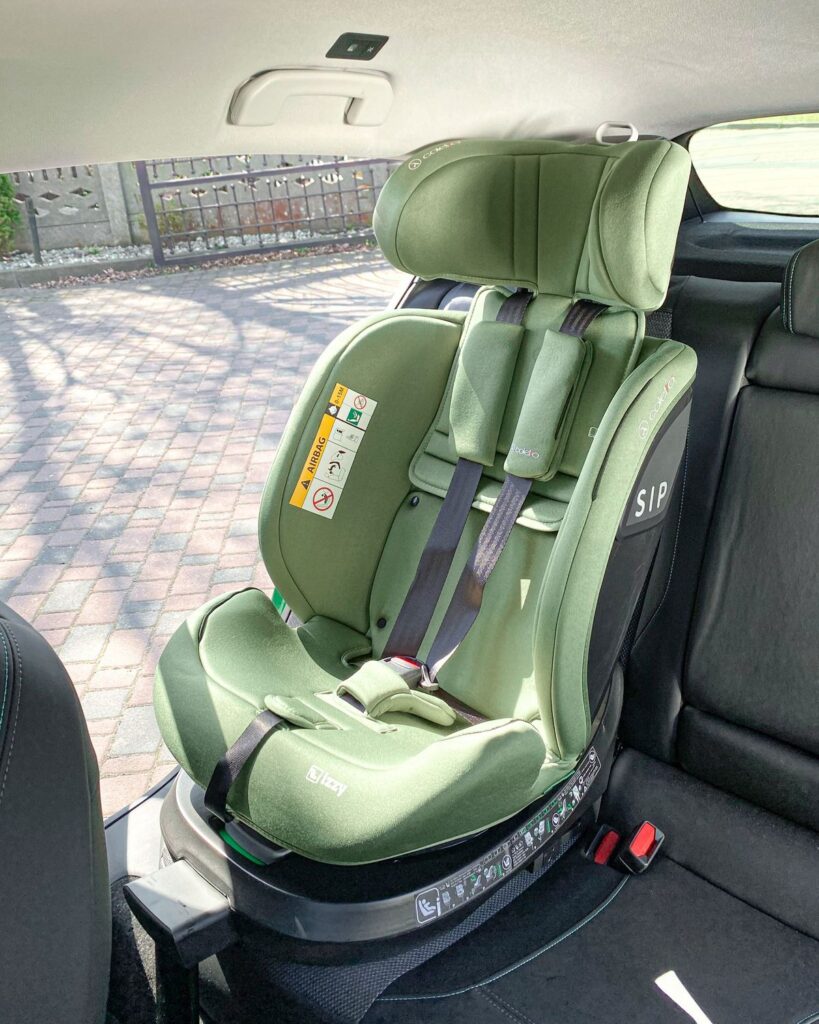
All in one car seats are designed to accommodate multiple stages. Depending on the model, they may work as rear facing seats, forward facing seats, and booster seats.
Their biggest attraction is flexibility. Parents who want one seat that can potentially last for several years may find this option appealing.
These seats can also be larger than infant only seats. Before purchasing one, check the dimensions and make sure your vehicle has enough room for the seat to be installed correctly.
Remember that an all in one seat does not mean your child should move through the stages quickly. Each stage still has specific height, weight, age, and harness requirements.
Booster Seats
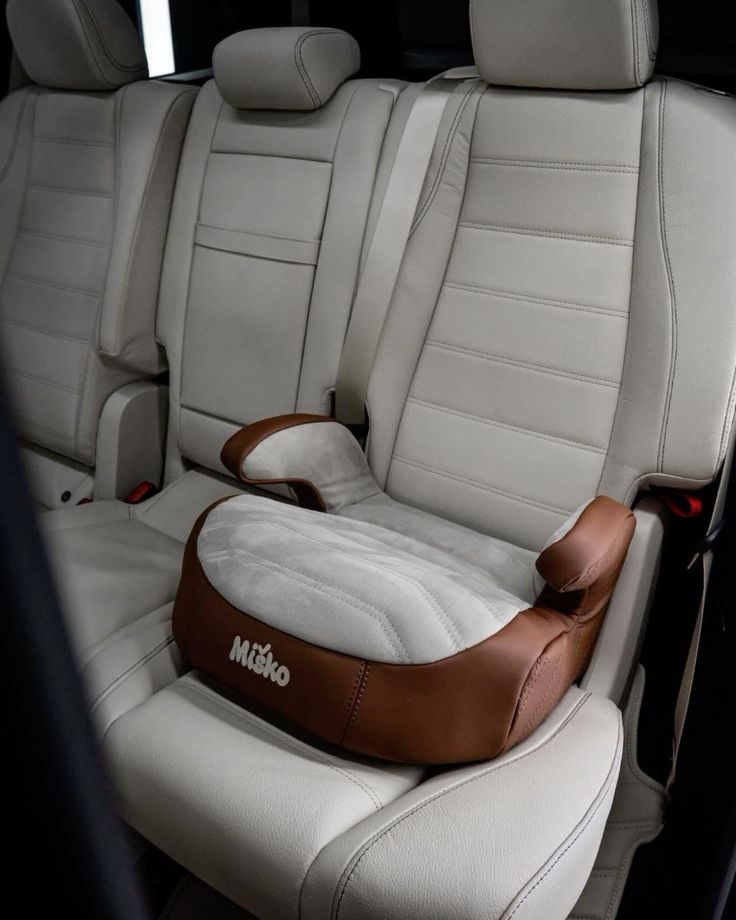
Booster seats are intended for children who have outgrown their forward facing harness but are not yet large enough for the vehicle’s seat belt to fit correctly.
A booster raises the child so the lap and shoulder belt can sit in the appropriate positions across the body.
Children should not move to a booster simply because they have reached a certain birthday.
They need to have outgrown the forward facing harness according to the manufacturer’s requirements.
Rear Facing Is an Important Part of Car Seat Safety
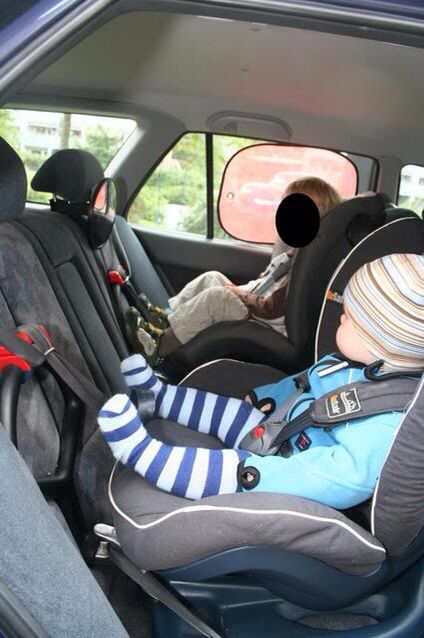
Rear facing protects babies and young children by supporting the head, neck, and spine during a crash.
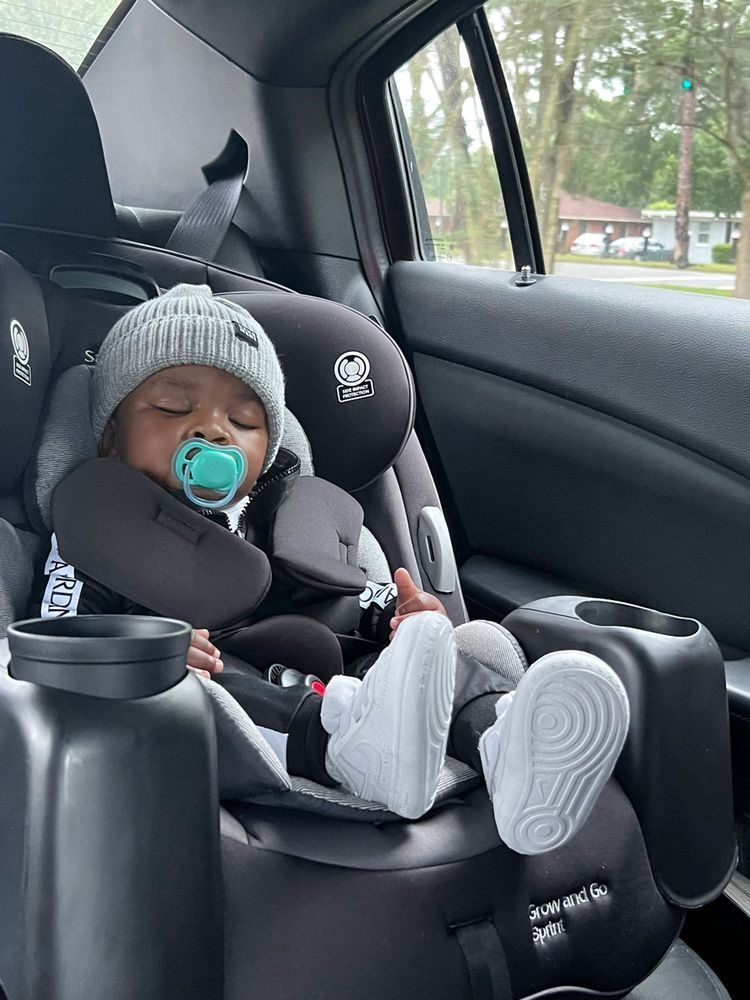
Your child’s legs touching the vehicle seat also do not automatically mean they have outgrown rear facing.
Children can safely ride rear facing with their legs bent or resting against the vehicle seat, provided they remain within the manufacturer’s limits.
Parents looking into complete newborn car seat safety guidelines should pay particular attention to rear facing requirements because this is one of the most important decisions during the early stages.
Where Should You Install a Baby’s Car Seat?
The back seat is the safest place for children to travel.
Never place a rear facing car seat in front of an active passenger airbag. An inflating airbag can hit the back of the car seat with tremendous force and cause serious injury.
The middle position is not automatically the safest position in every vehicle.
The correct position is one where the car seat can be installed securely according to both the vehicle and car seat manufacturer’s instructions.
Before choosing a seating position, check your vehicle owner’s manual. It will show you where lower anchors and tether anchors are located and explain which seating positions can be used with child restraints.
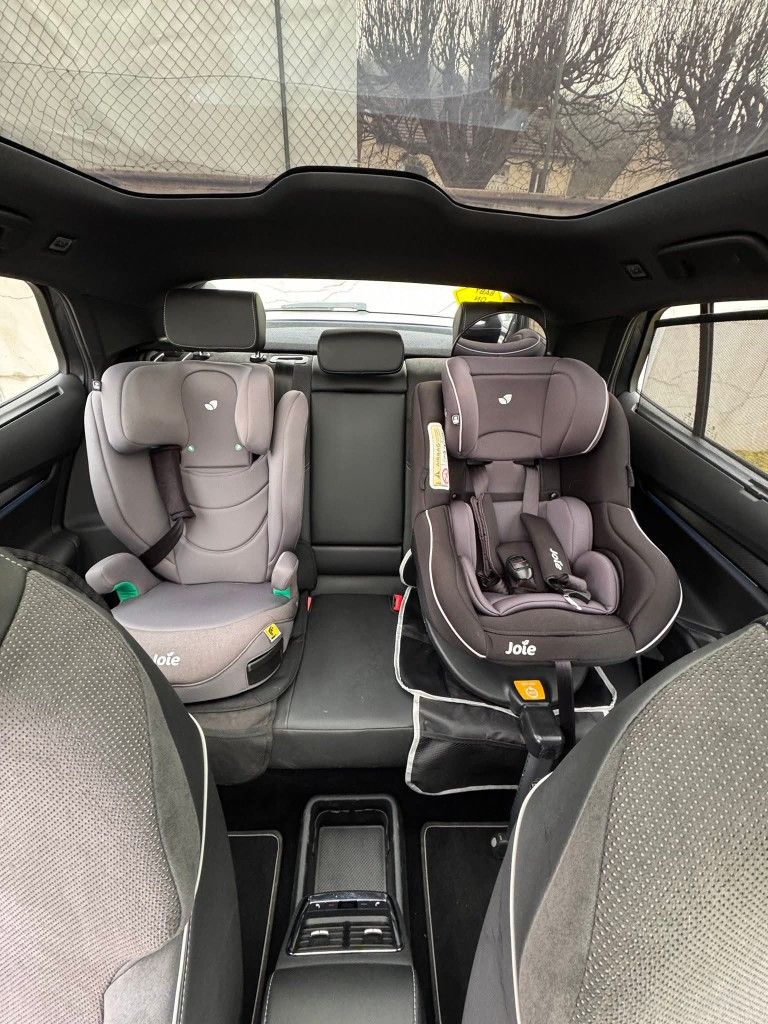
If you have more than one child, consider how the seats will fit together. Do not place two car seats in positions that prevent either seat from being installed correctly.
How to Install a Car Seat Correctly
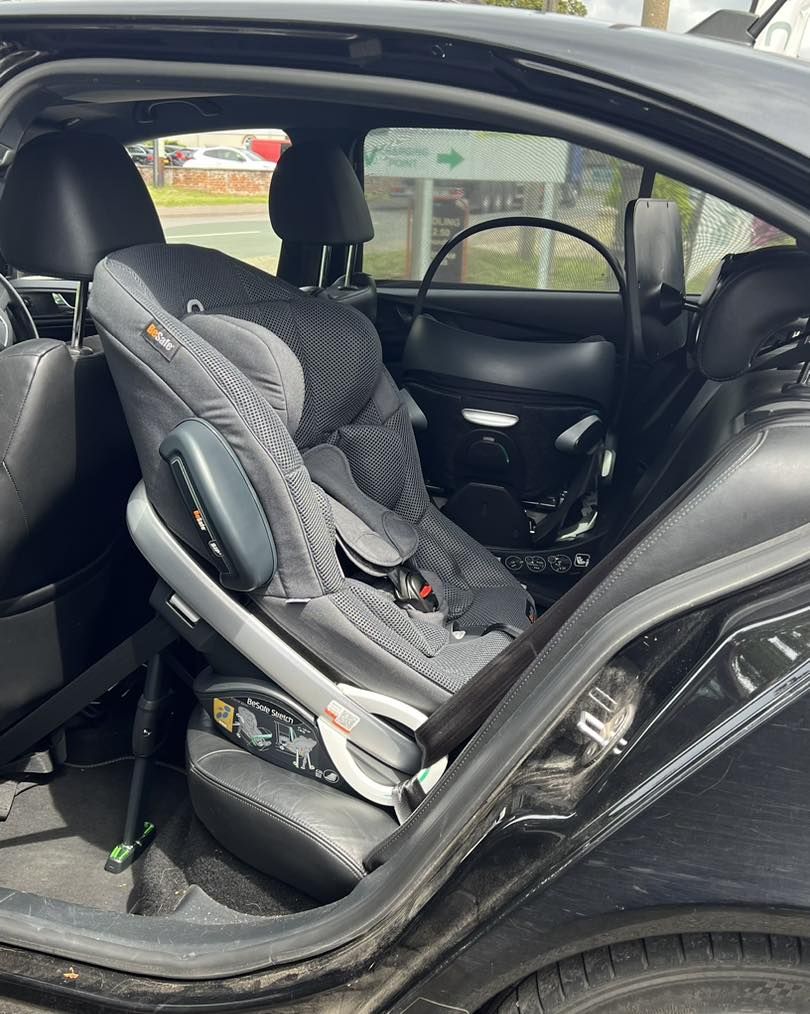
Installing a car seat for the first time can feel intimidating. The key is to follow the manufacturer’s instructions instead of relying on memory or copying another parent’s installation.
Read the Car Seat Manual
The manual explains how your specific seat should be installed, adjusted, reclined, and converted.
Keep it somewhere accessible. You may need it months later when you adjust the harness or change the seat from rear facing to forward facing.
Do not rely only on the labels printed on the seat. Those labels are useful, but the full manual contains additional instructions.
Read Your Vehicle Manual
Your vehicle manual explains how the seat belts and lower anchors work in your particular vehicle.
It also identifies tether anchor locations and may contain restrictions about which seating positions can accommodate child restraints.
Reading both manuals together can prevent installation mistakes.
Choose Between Lower Anchors and the Seat Belt
Many vehicles allow car seats to be installed using lower anchors or the vehicle seat belt.
The correct method depends on the seat and vehicle. Follow the manufacturer’s instructions rather than assuming both methods should be used together.
Some seats may have specific requirements regarding anchor use, weight limits, or seat belt installation.
Check for Excessive Movement
Once installed, hold the car seat at the belt path and try to move it from side to side and front to back.
NHTSA advises that a properly installed car seat should not move more than one inch in any direction at the belt path.
If the seat moves significantly, remove it and repeat the installation steps.
You can also seek help from a certified Child Passenger Safety Technician if you are unsure about the installation.
How Should the Harness Fit Your Baby?
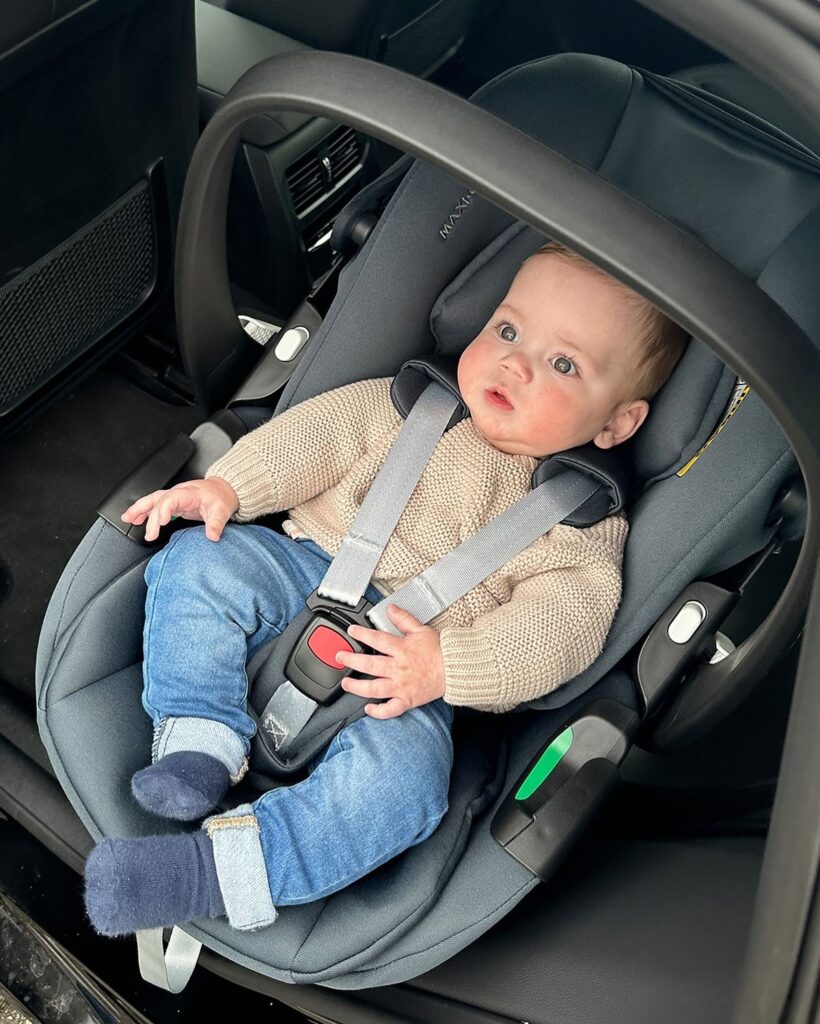
A snug harness is essential.
The harness straps should lie flat against your baby’s body without twists. For a rear facing child, the harness straps should generally come from at or below the child’s shoulders.
For a forward facing child, they should come from at or above the shoulders.
After buckling your baby, tighten the harness until you cannot pinch extra webbing at the shoulder.
The chest clip should sit at armpit level.
Your baby should sit with their back against the seat rather than leaning forward or slouching.
Do not add thick aftermarket padding underneath your baby unless the car seat manufacturer specifically approves it. Extra material can change the way the harness fits.
Parents should also avoid placing bulky clothing between the baby and the harness.
What Should Your Baby Wear in a Car Seat?

Thick coats and bulky winter clothing can make a properly fitted harness too loose.
Instead, dress your baby in thinner layers and place a blanket over the secured harness if additional warmth is needed.
This approach keeps the harness close to your baby’s body while still allowing you to keep them warm.
The same principle applies to hats, blankets, and other items. Nothing should interfere with the harness or cover your baby’s face.
If you are preparing your baby’s wardrobe, focus on practical essential newborn outfits every baby needs rather than relying on thick clothing for warmth during car journeys.
When Has Your Baby Outgrown Their Car Seat?
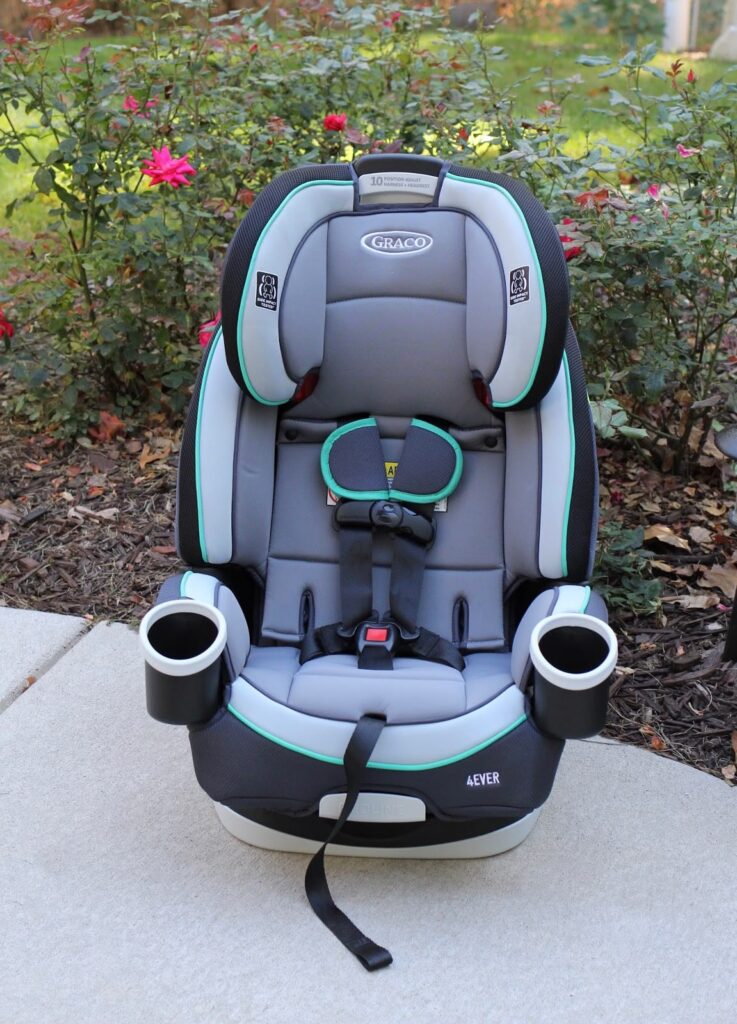
Do not use your child’s age as the only measure.
Check the height and weight limits printed on the seat and provided in the manufacturer’s manual.
A child who reaches the maximum rear facing height or weight may need to transition to forward facing, depending on the seat’s instructions.
A child who outgrows the forward facing harness may eventually need a booster.
Every transition should be based on the requirements of the particular seat and the child’s physical development.
If you notice that your child is approaching the limits, check the manual before making any changes.
Common Car Seat Mistakes Parents Should Avoid
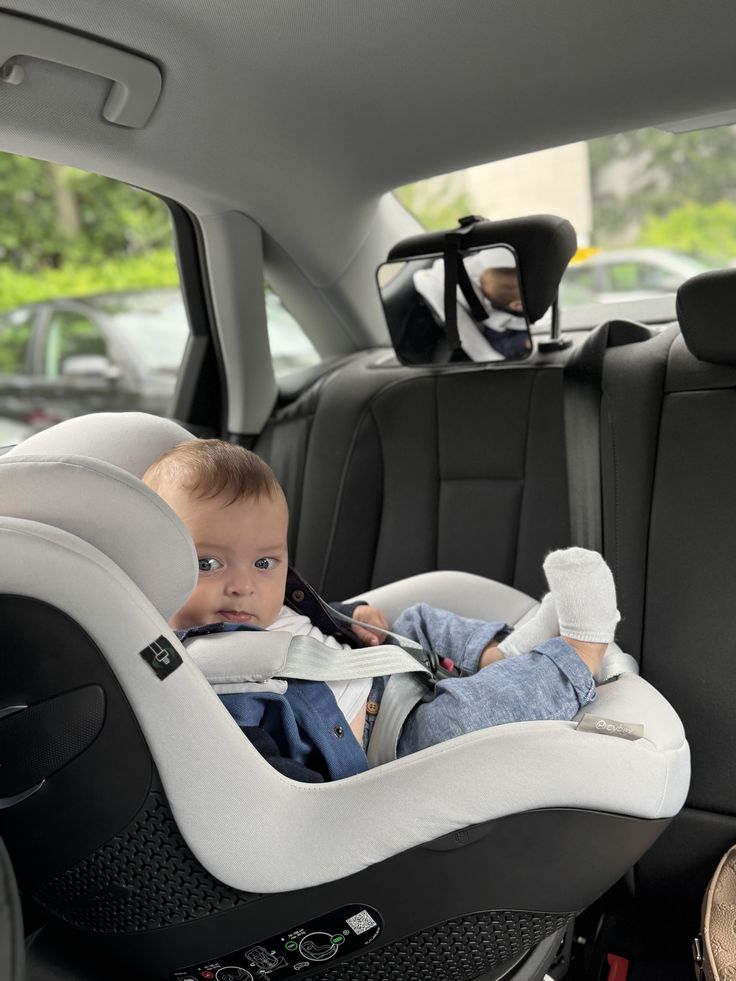
Even parents who carefully purchase a good car seat can make mistakes during everyday use.
Turning Your Baby Forward Facing Too Early
A child’s first birthday is not automatically the time to turn the seat around.
Keep your child rear facing until they reach the highest height or weight allowed by the manufacturer.
Leaving the Harness Too Loose
The harness should fit snugly around your child’s body.
A loose harness can allow excessive movement during a crash.
Check the fit every time you put your child in the seat.
Using a Car Seat With Thick Coats
Bulky clothing can create space between your baby and the harness.
Use thinner clothing and place a blanket over the harness instead.
Adding Unapproved Accessories
Aftermarket head supports, cushions, liners, and harness covers may change how the seat performs.
Only use accessories supplied with the seat or specifically approved by the manufacturer.
Installing the Seat Without Checking the Manual
Every car seat is different.
Do not assume that installation instructions from another seat apply to yours.
Can a Baby Sleep in a Car Seat?

Babies frequently fall asleep during car journeys, and this is normal.
The concern is what happens after you arrive.
A car seat is designed to protect your baby during transportation. It is not intended to replace a safe sleep surface.
Parents preparing a sleep space can also review safe co-sleeping guidelines for new parents to understand how safe sleep recommendations differ from car travel safety.
Do not place the car seat on a bed, sofa, countertop, or other elevated surface while your baby sleeps.
How to Keep Your Baby Safe During Long Car Trips

Long journeys require additional planning.
Before leaving, check the installation and harness. Make sure your baby’s clothing is not interfering with the straps.
Plan regular stops so you can feed your baby, change diapers, and check their position.
Do not loosen the harness while the vehicle is moving because your baby appears uncomfortable. Pull over somewhere safe before making adjustments.
For very young babies, pay attention to their head position. Their chin should not be pressed against their chest.
If you are travelling with a newborn, preparing hospital bag essentials for new parents can also help you remember practical items for feeding, changing, and comfort during the journey home.
What About Secondhand Car Seats?

A secondhand car seat can be difficult to evaluate because you may not know its complete history.
Before using one, you need to know its age, model, expiration information, and crash history. It should also have all its required parts and labels.
Avoid using a seat if you cannot verify its history or if it has missing or damaged components.
A seat involved in a moderate or severe crash generally needs to be replaced. Check the manufacturer’s instructions for specific crash replacement guidance.
How Long Does a Car Seat Last?
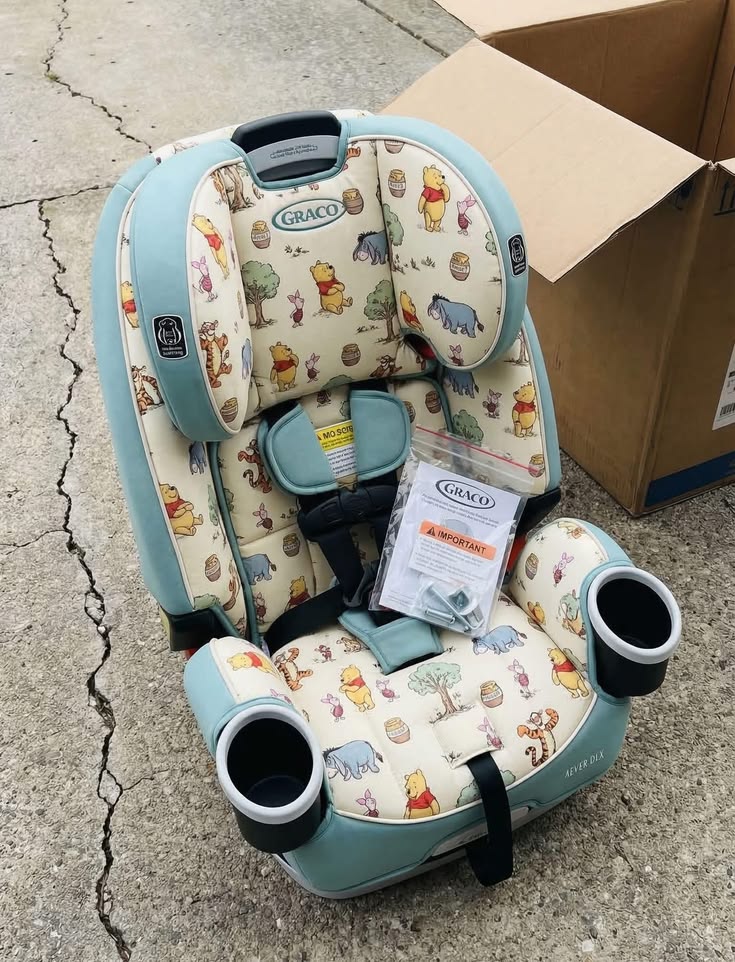
Car seats do not last forever.
Manufacturers establish expiration periods because materials can deteriorate over time, technology can change, and replacement parts or instructions may no longer be available.
Check the expiration information on your particular seat.
Do not assume an older seat is safe simply because it looks clean.
If you are unsure about its age, model, or expiration date, contact the manufacturer.
What Should You Do After a Car Crash?
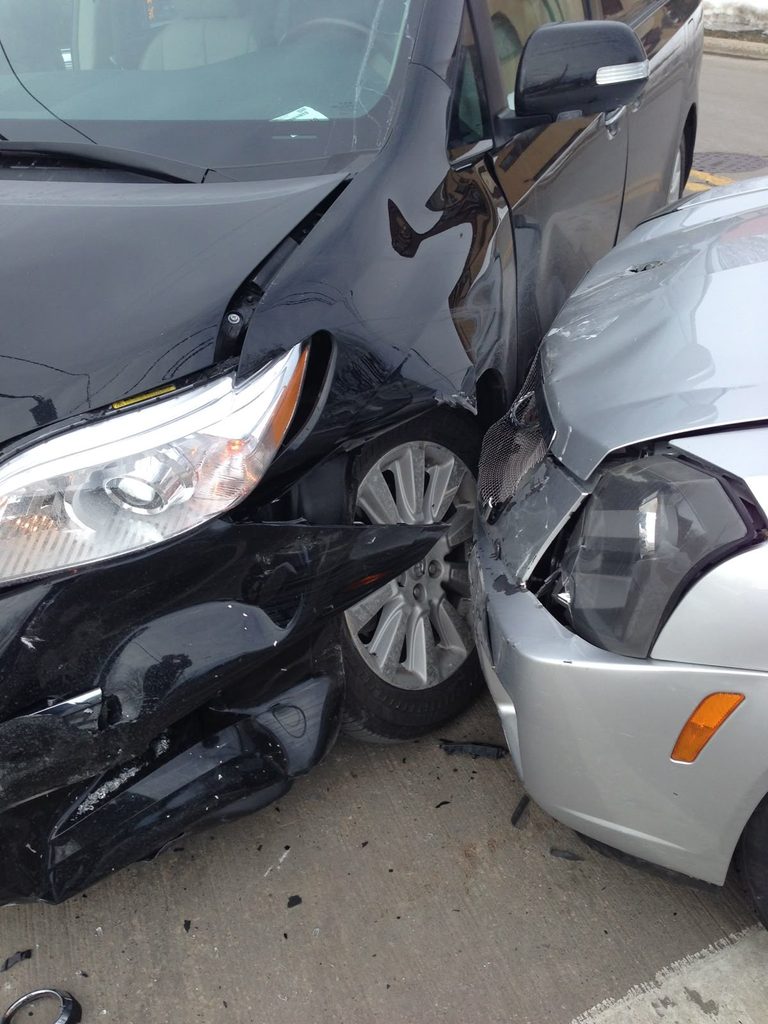
The correct response depends on the severity of the crash and the manufacturer’s instructions.
Many manufacturers recommend replacing a car seat after a moderate or severe crash because damage may not be visible.
Some manufacturers have specific criteria for when a seat may not need replacement after a minor crash.
Always check the instructions for your particular model and contact the manufacturer if you are uncertain.
Do not continue using a seat with visible damage.
Should You Get Your Car Seat Professionally Checked?

If you are unsure about your installation, getting professional help can give you additional reassurance.
Certified Child Passenger Safety Technicians are trained to inspect child restraint installations and teach parents how to use their seats correctly.
NHTSA provides information about finding car seat inspection resources and certified technicians.
This can be particularly useful after buying a new seat, changing vehicles, moving the seat to another seating position, or transitioning your child to a different stage.
You can also ask a technician to watch you install the seat yourself. Learning the process can make future adjustments easier.
Car Seat Safety for Different Family Situations
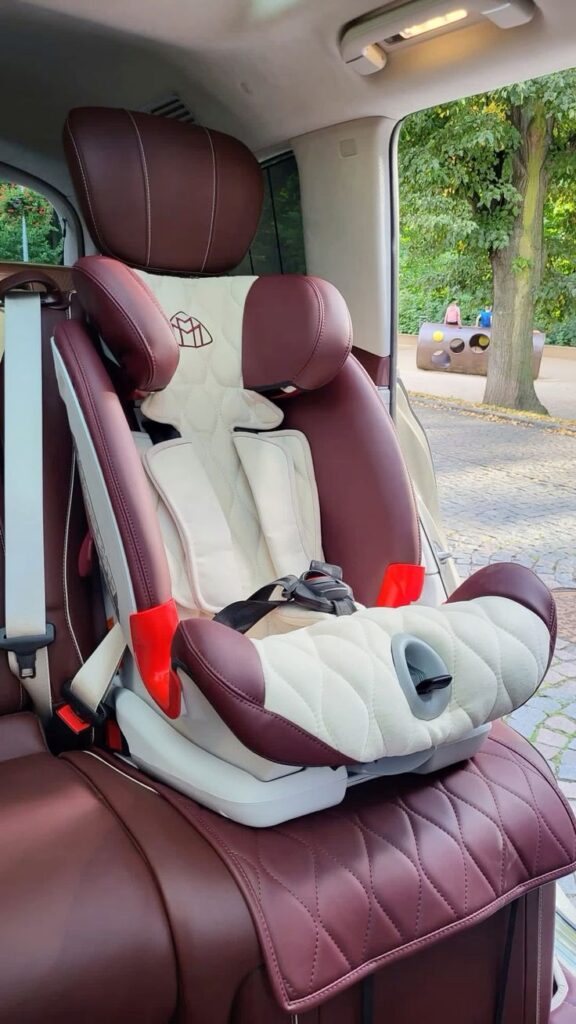
Every family uses a car differently.
Some parents drive every day, while others use cars occasionally. Some families have several children sharing one vehicle, while others regularly move between multiple cars.
If your baby travels in another person’s vehicle, make sure that person understands how the car seat works.
Grandparents, babysitters, relatives, and other caregivers should know how to buckle your baby correctly and understand the seat’s rear facing or forward facing requirements.
Do not assume that someone who has raised children before automatically knows how to use a modern car seat. Designs and recommendations change over time.
Travelling With a Baby in a Car

Car travel becomes easier when the car seat is already installed correctly and everyone who transports your baby knows how to use it.
If you frequently move between vehicles, consider how easy the seat is to install correctly each time.
Families who travel by taxi or rideshare should also check the child restraint requirements that apply in their location and plan ahead.
A baby carrier can be useful after you arrive at your destination, but it should never be used as a substitute for a properly installed car seat during a vehicle journey.
If you are considering one for everyday carrying, compare baby wrap vs structured carrier options based on your baby’s age and your family’s routine.
A Quick Car Seat Safety Checklist
Before every journey, take a few seconds to check:
- Your baby is within the seat’s height and weight limits.
- The car seat is installed according to the manufacturer’s instructions.
- The seat does not move more than one inch at the belt path.
- The harness straps are flat and untwisted.
- The harness is snug.
- The chest clip is at armpit level.
- Your baby’s head is positioned correctly.
- Your baby is not wearing bulky clothing under the harness.
- No unapproved accessories have been added.
- A rear facing seat is never placed in front of an active passenger airbag.
- The seat remains within its manufacturer’s expiration period.
- The seat has not been damaged or involved in a crash requiring replacement.
Making Car Seat Safety Part of Your Routine
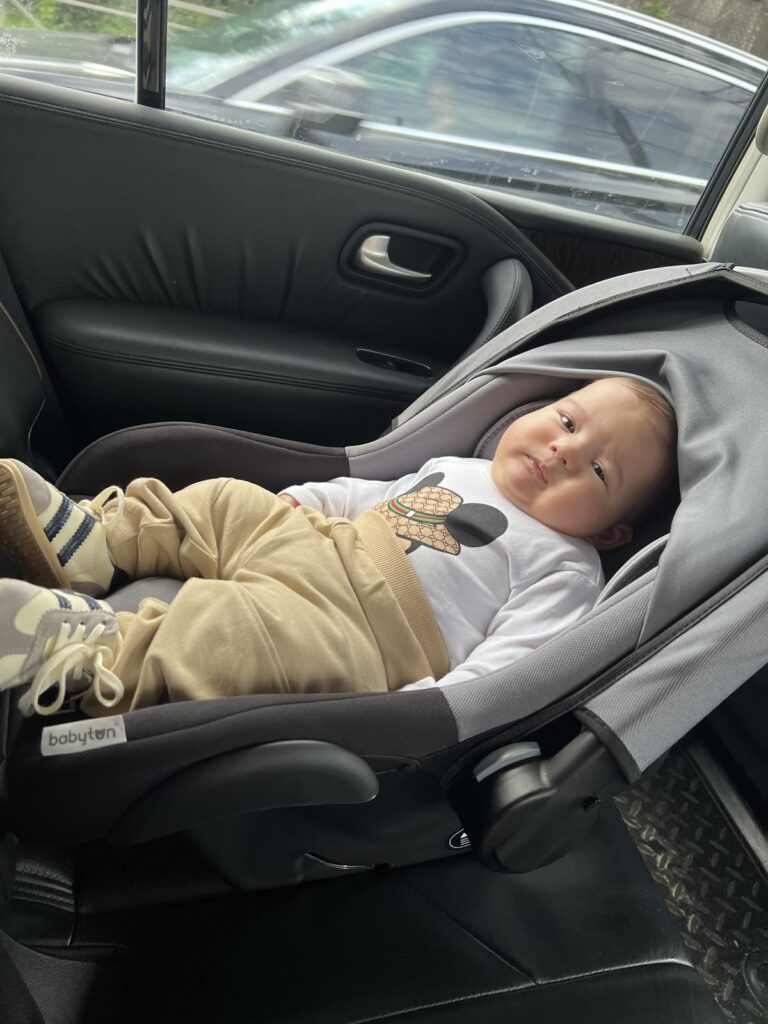
Car seat safety becomes much easier when it becomes part of your normal routine.
Check the harness every time your baby rides. Recheck the installation after moving the seat. Keep track of your child’s height and weight as they grow.
Read the manual again whenever you change the seat’s position or configuration.
Most importantly, do not rush your child through the different stages. A baby does not need to move forward facing simply because they have reached a certain birthday.
The goal is simple: use a car seat that fits your child, fits your vehicle, and is installed and used according to the manufacturer’s instructions.
Taking time to understand your baby’s car seat before the first journey can make travelling much less stressful.
As your child grows, continue checking the seat’s limits and adjusting your approach to match their changing needs.
Keep exploring with these related articles
Ways to Save Money on Baby Essentials How to Prepare Your Older Children for a New Sibling
How to Plan a Newborn Welcome Party Ultimate Baby Proofing Checklist for New Parents
Newborn Milestones: What to Expect in the First Month Week-by-Week Newborn Development Guide
Baby Shower Planning Checklist From Start to Finish 40 Baby Welcome Home Celebration Ideas
21 Sip and See Party Ideas for New Parents 35 Unique Gender Reveal Themes for Expecting Parents






9 Comments