

Safe Co-Sleeping Guidelines for New Parents
Disclosure: Some of the links in this post are affiliate links. This means if you click on the link and purchase an item, I will receive an affiliate commission at no extra cost to you.
Bringing your newborn home is exciting, emotional, and, for many parents, completely exhausting.
Those first few weeks are filled with frequent feedings, diaper changes, short naps, and countless moments spent checking that your baby is sleeping comfortably.
It’s no surprise that many families begin thinking about co-sleeping as a way to make nighttime care easier. The term “co-sleeping” often causes confusion because people use it to describe different sleeping arrangements.
Some parents mean sharing the same room while their baby sleeps in a separate bassinet or crib. Others use it to describe sharing the same bed with their baby.
These arrangements are very different, and understanding that distinction is essential when making decisions about your baby’s sleep.

Creating a safe sleeping environment should always come before convenience. Every family has unique needs, but every baby deserves a sleep space that reduces unnecessary risks while supporting healthy development.
Learning current sleep recommendations before your baby arrives helps you make informed decisions instead of relying on outdated advice or conflicting opinions.
As you’re preparing your home, it’s also worth comparing bassinet vs crib options to decide which sleeping arrangement fits your family’s routine.
Choosing the right sleep space early makes it much easier to establish healthy bedtime habits from the very beginning.
Understanding What Co-Sleeping Really Means
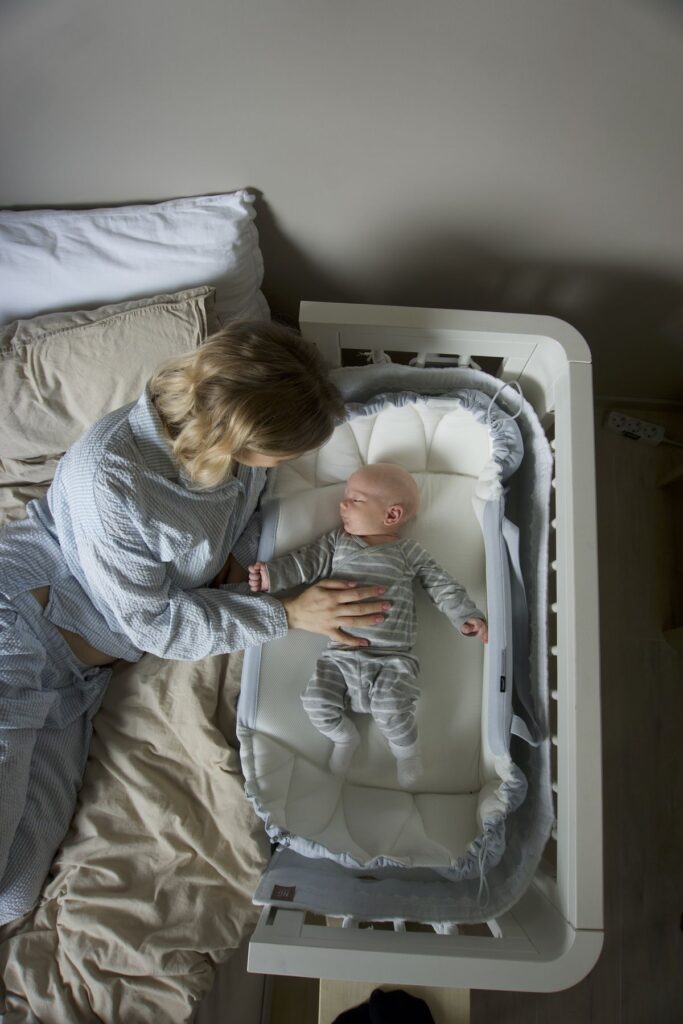
Many parents are surprised to learn that co-sleeping doesn’t always mean sleeping in the same bed.
Healthcare professionals generally use two different terms:
Room sharing means your baby sleeps in the same room as you but in a separate sleep space, such as a bassinet or crib.
Bed sharing means your baby sleeps on the same mattress as an adult.
This difference matters because room sharing is widely recommended during the first several months of life, while bed sharing carries additional safety risks that parents should carefully understand before making a decision.
Keeping your baby’s sleep space close to your bed makes nighttime feeding, diaper changes, and comforting much easier without requiring your baby to sleep on the same mattress.
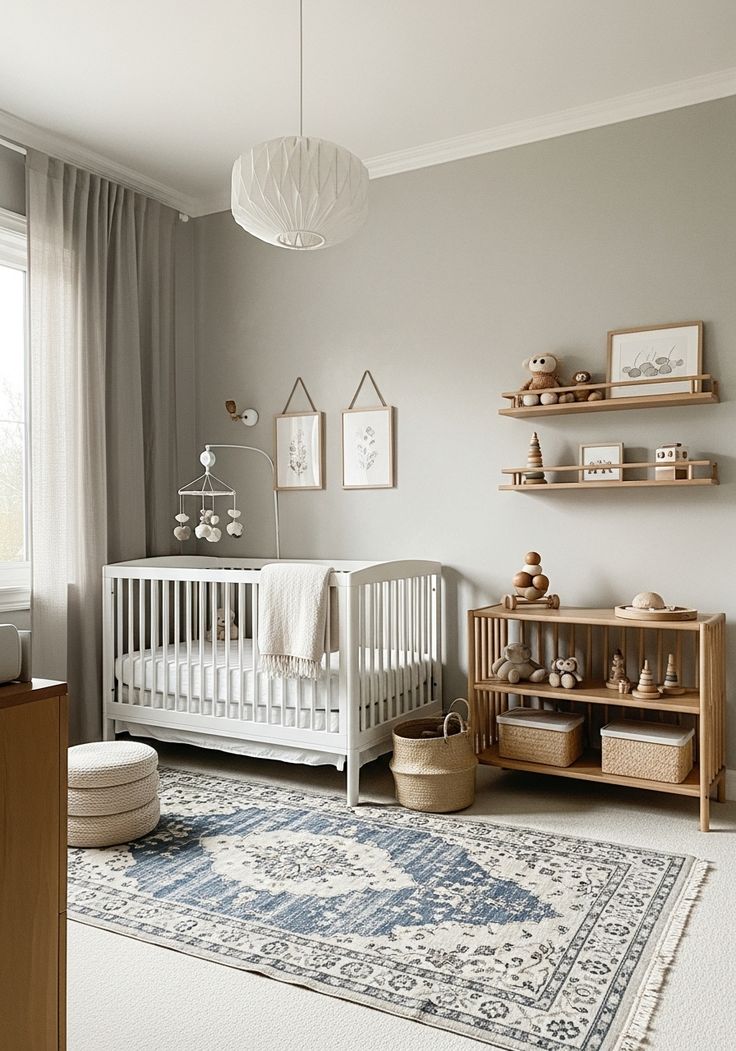
If you’re still setting up your baby’s room, choosing essential nursery furniture before your little one arrives helps create a comfortable environment that supports both daytime care and nighttime routines.
Why Room Sharing Is Often Recommended

Many pediatric sleep experts recommend room sharing during the first months after birth.
Having your baby nearby allows you to respond quickly when they wake during the night without needing to walk across the house several times.
This arrangement can be especially helpful for breastfeeding mothers or parents recovering after delivery.
Room sharing also allows parents to monitor their baby’s breathing, sleeping position, and overall comfort more easily.
While this doesn’t eliminate every risk, it provides peace of mind during those early weeks when new parents naturally check on their baby frequently.
A bassinet placed beside your bed often provides the convenience parents are looking for while maintaining a separate sleep surface specifically designed for infants.
If you’re preparing financially for your growing family, creating the ultimate baby budget before shopping can help you prioritize important purchases like a safe sleep space instead of buying products that may not be necessary.
Creating the Safest Sleep Environment
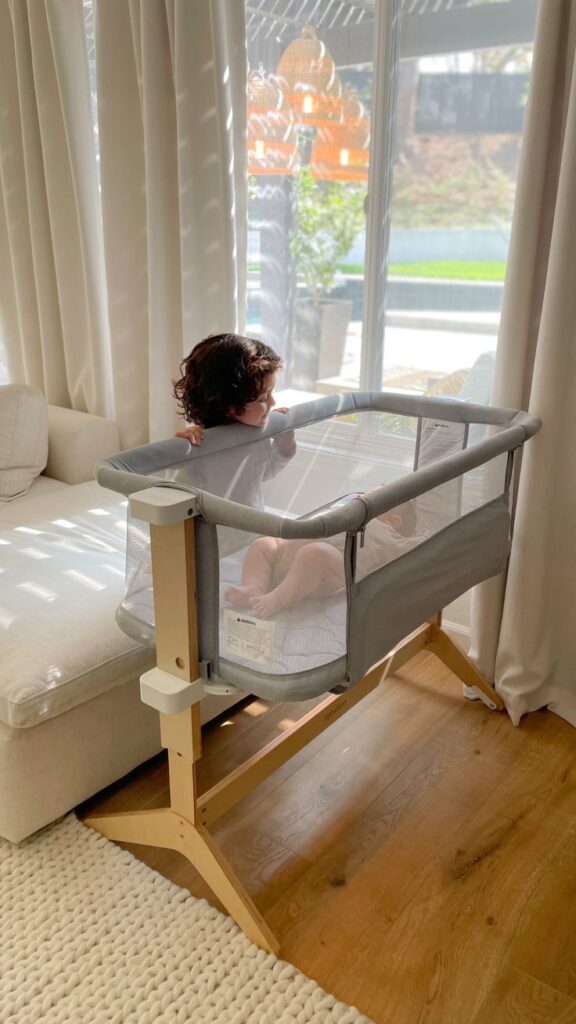
Regardless of where your baby sleeps, the sleep environment itself plays a significant role in reducing preventable risks.
A safe sleep space should always include a firm mattress covered with a properly fitted sheet.
Loose blankets, pillows, stuffed animals, bumper pads, sleep positioners, and extra bedding should stay out of your baby’s sleep area until they’re developmentally ready.
Your baby should also be placed on their back for every sleep, including naps.
This recommendation remains one of the simplest and most effective ways to support safer infant sleep.
Maintaining a comfortable room temperature is equally important.
Babies generally sleep best without becoming too warm. Instead of heavy blankets, many parents choose wearable sleep sacks designed specifically for infants.
While preparing your baby’s sleeping area, don’t forget to complete an ultimate baby proofing checklist throughout the rest of your home.
Although newborns aren’t mobile yet, creating a safer environment before they begin rolling and crawling saves time later and allows you to focus on your baby’s changing needs instead of rushing through home safety updates.
When Parents Consider Bed Sharing

Despite current recommendations, some families still consider bed sharing for various reasons.
Nighttime breastfeeding, frequent waking, limited living space, cultural traditions, and simple exhaustion often influence this decision.
New parents who are waking every two or three hours sometimes look for ways to make nighttime care feel more manageable.
These challenges are completely understandable.
Caring for a newborn requires enormous physical and emotional energy, particularly during the first several weeks.
Instead of making decisions during moments of extreme fatigue, it helps to prepare your nighttime routine before your baby arrives.
Organizing diapers, wipes, extra clothing, feeding supplies, and burp cloths close to your bed can make overnight care much easier without changing your baby’s sleep location.
Using nursery organization ideas that keep baby essentials within reach allows you to respond quickly during nighttime wake-ups while keeping everything neatly organized and easy to access.
Understanding the Risks Associated With Bed Sharing

Many parents assume that sharing a bed with their baby is automatically safe because generations before them practiced it.
While it’s true that many families have bed shared, current research has identified situations that can significantly increase the risk of accidental injury during sleep.
Infants have limited head and neck control, especially during the first few months of life.
Soft mattresses, pillows, comforters, loose blankets, and even an adult’s body can unintentionally obstruct a baby’s airway.
Babies can also become trapped between the mattress and the wall, bed frame, or headboard if the sleeping space isn’t designed specifically for infant safety.
Exhaustion also plays a role. New parents often sleep much more deeply than they expect after several nights of interrupted rest.
That makes it harder to remain aware of a baby’s movements throughout the night.
Understanding these risks doesn’t mean every family will make the same decision, but it does highlight why creating a separate sleep surface is generally considered the safest approach during early infancy.
Building a Nighttime Routine That Works for Your Family

A peaceful bedtime routine often makes nighttime care easier than changing where your baby sleeps.
Simple, predictable routines help babies recognize that it’s time to rest.
You don’t need an elaborate schedule during the newborn stage. Instead, focus on creating calm, consistent habits that can continue as your baby grows.
Many parents find that a routine like this works well:
- Change your baby’s diaper.
- Dress them in clean sleepwear.
- Feed your baby in a quiet environment.
- Burp them thoroughly.
- Dim the lights.
- Place your baby in their own sleep space while they’re sleepy but still awake.
Repeating these same steps each evening gradually creates familiarity and helps establish healthy sleep habits over time.
Creating a comfortable nursery can also support these routines.
Choosing nursery lighting ideas for better sleep and comfort helps you avoid bright overhead lights during nighttime feedings while still giving you enough visibility to care for your baby safely.
Making Night Feedings Easier Without Bed Sharing

Frequent nighttime feeding is one of the biggest reasons parents begin thinking about bed sharing.
Fortunately, there are several ways to simplify nighttime care while keeping your baby on a separate sleep surface.
Position your baby’s bassinet or crib close to your bed so you don’t have to walk across the room every time your baby wakes.
Keep diapers, wipes, burp cloths, nursing supplies, and a change of clothes within easy reach before going to sleep.
Some parents also prepare bottles, pumping equipment, or breastfeeding supplies ahead of time so they’re ready when needed instead of searching for them while half asleep.
Planning ahead reduces stress during those middle-of-the-night wake-ups and helps you return to sleep more quickly afterward.
If you’re expecting your first baby, packing everything you’ll need before delivery can also make those early days much smoother.
A well-prepared hospital bag checklist for mom, baby, and partner helps ensure you’re ready before labor begins, allowing you to focus entirely on your baby’s arrival instead of last-minute packing.
Helping Your Baby Sleep Comfortably

Parents naturally want their baby to feel warm, comfortable, and secure while sleeping.
Sometimes that desire leads to adding extra blankets, pillows, or soft bedding inside the crib, believing it will help the baby sleep better.
In reality, babies don’t need elaborate bedding to rest comfortably.
A firm mattress, a fitted sheet, and comfortable sleep clothing are usually all that’s necessary.
If the room feels cool, a wearable sleep sack provides warmth without introducing loose blankets into the sleep area.
Room temperature matters as well.
Babies generally sleep best in an environment that’s comfortable for lightly clothed adults. If you find the room comfortable, your baby probably will too.
Creating a peaceful atmosphere extends beyond the crib itself.
Soft lighting, reduced noise, and an organized nursery all contribute to a calmer bedtime experience for both parents and babies.
As your little one grows, many families also enjoy creating a cozy reading routine before bed.
Filling a small shelf with the best first books for babies encourages quiet bonding time while gradually introducing language through everyday interactions.
When Should Your Baby Move to Their Own Room?
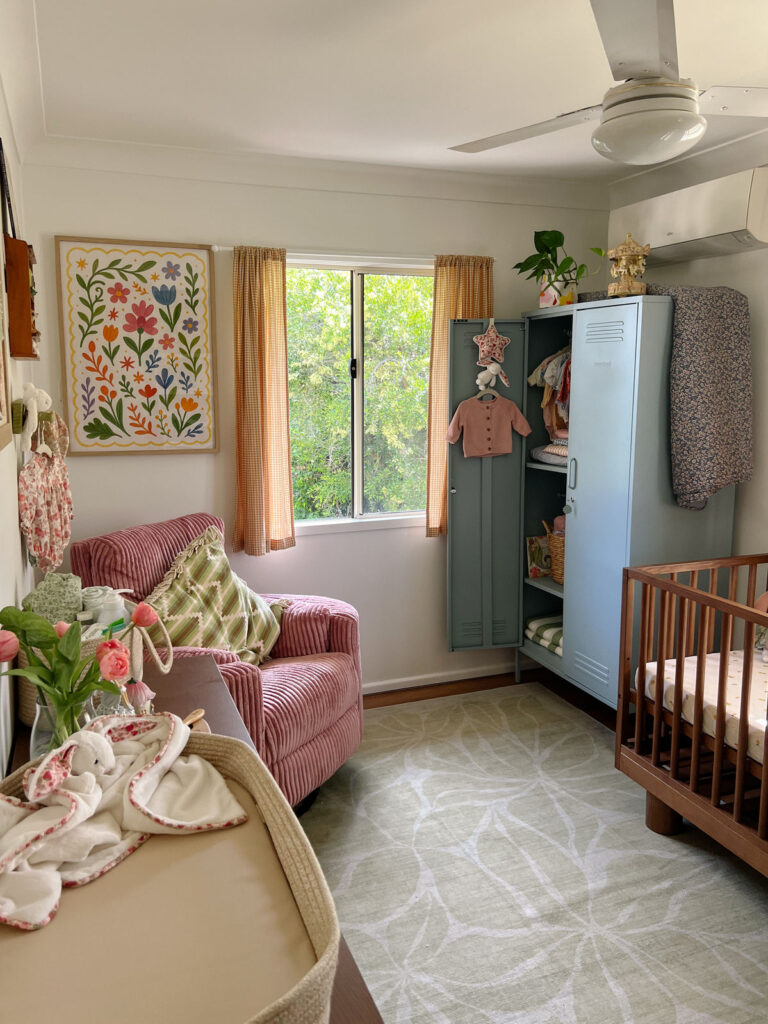
This question doesn’t have one universal answer because every family’s circumstances are different.
Some parents keep their baby in the same room for several months, while others transition to a nursery earlier because of space limitations or sleep challenges.
Whatever timeline you choose, the nursery should already provide a safe sleeping environment before your baby begins spending nights there.
That includes securing furniture, organizing cords, removing unnecessary hazards, and keeping the crib clear of loose bedding or decorative items.
Planning ahead becomes even easier when the nursery has been arranged thoughtfully from the beginning.
Choosing best nursery furniture layout ideas for small rooms allows you to position the crib, dresser, and changing station in a way that keeps nighttime routines efficient without making the room feel crowded.
Preparing early also gives your baby time to become familiar with the nursery through daytime naps before making the full nighttime transition.
Trust Reliable Guidance Over Popular Advice

One of the hardest parts of becoming a parent is sorting through the enormous amount of advice you receive.
Well-meaning relatives may recommend one sleeping arrangement because it worked for them decades ago.
Friends may share completely different experiences, while social media often presents opinions as facts.
Although personal experiences can be helpful, they shouldn’t replace recommendations supported by current research and pediatric guidance.
Every baby is unique, but safe sleep recommendations exist because they reduce known risks across large populations of infants.
Learning those recommendations before your baby arrives gives you greater confidence when deciding which advice truly fits your family’s situation.
Preparing your nursery, organizing your supplies, and establishing healthy routines won’t guarantee perfect sleep every night.
However, they do provide a strong foundation that supports both your baby’s safety and your confidence as a new parent.
Balancing Convenience With Safety

Every parent reaches a point where convenience becomes incredibly appealing.
After several nights of interrupted sleep, it’s easy to understand why families look for ways to make bedtime easier.
However, convenience should never come at the expense of safety.
The goal isn’t to create a perfect nighttime routine but to create one that’s both practical and safe. Small adjustments often make a significant difference.
Preparing feeding supplies before bed, keeping diapers and wipes nearby, using a bedside bassinet, and organizing your nursery thoughtfully can reduce stress without changing your baby’s recommended sleep environment.
Many parents also discover that staying organized during the day makes nighttime routines much smoother.
Knowing exactly where clothes, burp cloths, swaddles, and feeding supplies are located means less searching when you’re tired.
If you’re still setting up your baby’s room, incorporating clever nursery storage solutions for tiny spaces can help keep everyday essentials within easy reach while reducing unnecessary clutter around your sleeping area.
Helping Family Members Understand Your Sleep Choices
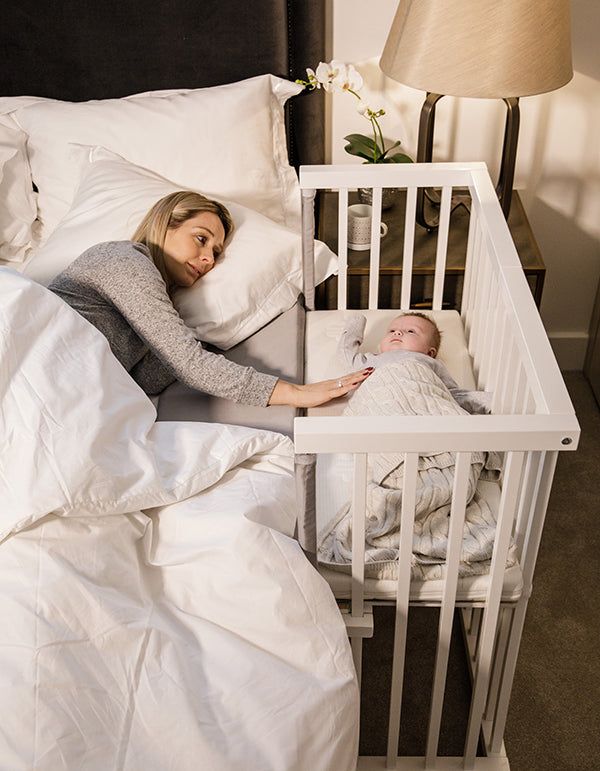
Grandparents and other relatives often have strong opinions about infant sleep because recommendations have changed significantly over the years.
You may hear suggestions to place blankets inside the crib, let the baby sleep on their stomach, or simply bring the baby into bed because “that’s how we did it.”
These comments usually come from love and experience, not from a desire to ignore safety.
Responding respectfully while explaining that you’re following current recommendations can help avoid unnecessary disagreements.
Sharing your sleep routine with anyone who cares for your baby is equally important.
If it’s a grandparent, babysitter, or other family member, everyone should understand where your baby sleeps, how the sleep space is prepared, and why those routines matter.
Consistency helps keep your baby safer regardless of who is providing care.
Preparing for Sleep During Travel
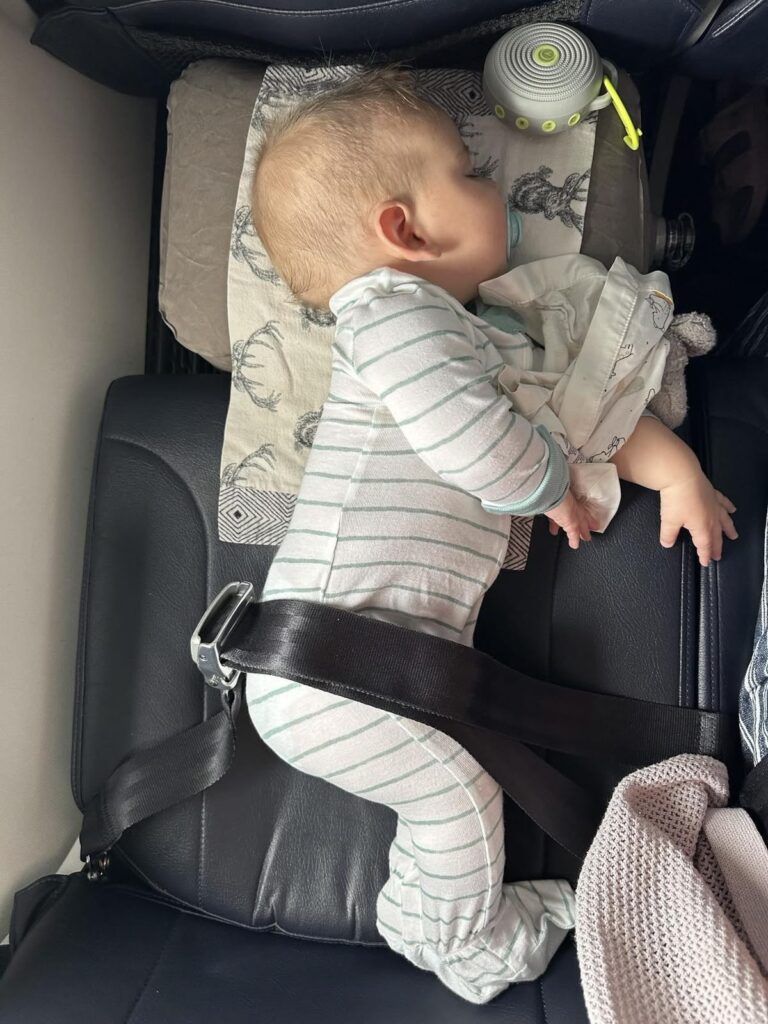
Safe sleep doesn’t stop when you leave home.
Family visits, holidays, and overnight trips often interrupt established routines, making it tempting to improvise sleeping arrangements.
Planning ahead helps prevent stressful decisions after you’ve already arrived.
Portable travel cribs and play yards designed for infant sleep provide a familiar sleeping space while maintaining appropriate safety standards.
Bringing your baby’s usual fitted sheet or sleep sack can also make the temporary environment feel more familiar.
Avoid allowing your baby to sleep overnight on couches, adult beds, recliners, or other surfaces that weren’t designed for infant sleep.
If you’re preparing for your baby’s arrival while also organizing future travel plans, it helps to think beyond sleep alone.
Many parents begin saving for larger family expenses during pregnancy by reviewing baby expenses you can start saving for during pregnancy, making it easier to purchase essential travel gear when the time comes.
Safe Sleep Habits Grow With Your Baby

Your baby’s sleep habits will continue changing throughout the first year.
A newborn who wakes every two hours eventually begins sleeping for longer stretches.
Feeding schedules become more predictable, naps become more structured, and bedtime routines gradually feel less overwhelming.
As these changes happen, continue reviewing your baby’s sleep environment.
Lower the crib mattress as your baby becomes more mobile, remove anything that no longer belongs inside the sleep space, and regularly inspect the crib or bassinet for loose hardware or signs of wear.
You’ll also notice your baby’s curiosity increasing rapidly once rolling, crawling, and standing begin.
At that stage, sleep safety naturally becomes part of overall home safety.
Learning about baby proofing mistakes that could put your child at risk before your baby reaches those milestones helps you stay one step ahead instead of reacting after new hazards appear.
Choosing the Best Sleep Arrangement for Your Family
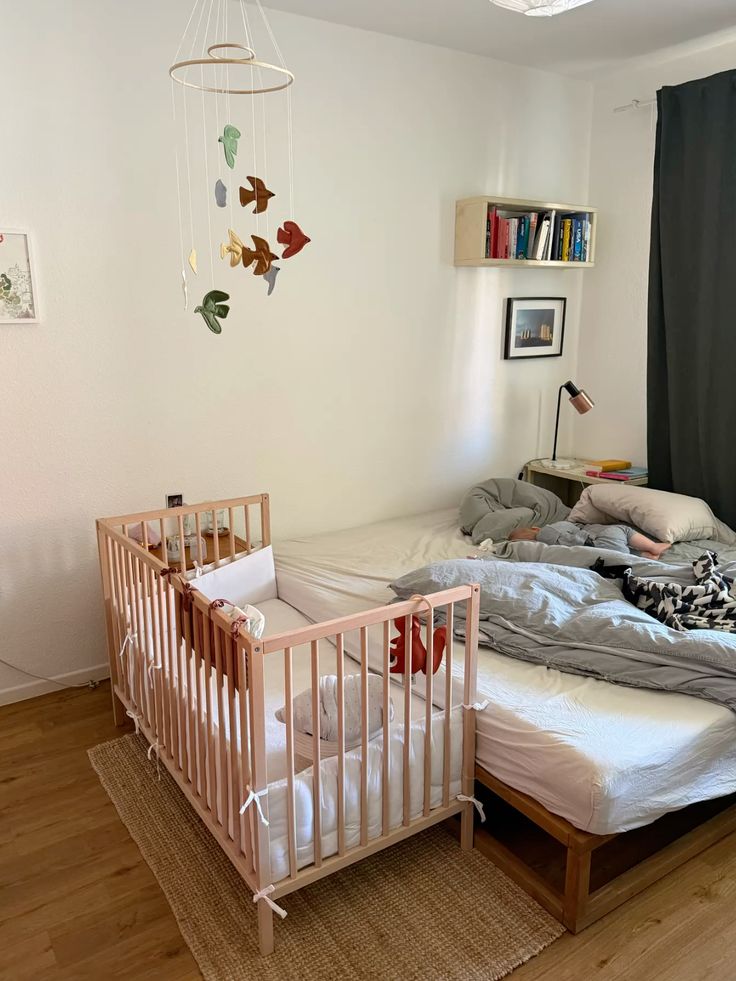
No two families have exactly the same circumstances.
Your available space, budget, recovery after birth, cultural traditions, and daily routine all influence how you care for your baby during those first months.
The important thing is making informed decisions based on reliable guidance while choosing solutions that genuinely work for your household.
Some families feel most comfortable using a bassinet beside the bed.
Others begin with a crib in the nursery while taking turns responding to nighttime wake-ups.
Whatever arrangement you choose, your baby’s sleep space should remain separate, firm, uncluttered, and specifically designed for infant sleep.
Parenthood is filled with decisions that require balancing convenience, comfort, and safety. Safe sleep is simply one of the first and one of the most important.
Creating healthy habits from the beginning gives your baby a secure place to rest while helping you build confidence as you navigate the exciting journey of raising a child.
Give Your Baby the Safest Start Possible
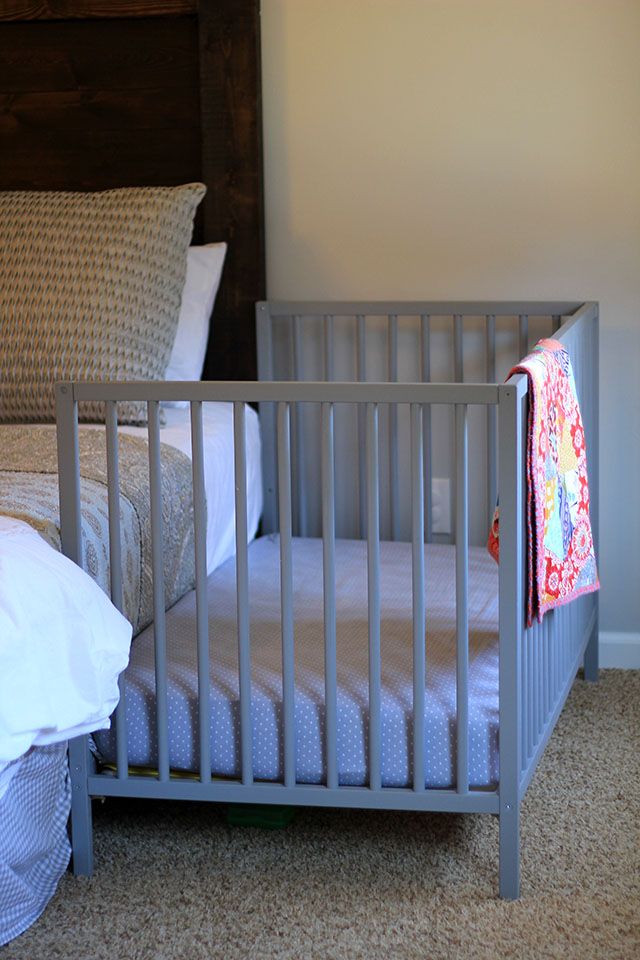
The early months of parenthood are filled with learning, adjusting, and discovering what works best for your growing family.
While no parent gets everything perfect, making informed decisions about your baby’s sleep environment is one of the most valuable steps you can take.
Remember that safe sleep isn’t defined by expensive products or elaborate nursery designs.
It comes down to following evidence-based recommendations, creating a secure sleep space, and staying consistent as your baby grows.
As your little one reaches new milestones, continue reviewing your routines, updating your nursery when needed, and making thoughtful adjustments that support both safety and comfort.
Those small decisions made today can help create healthier sleep habits that benefit your family for years to come.
For more ideas to inspire your planning, explore these related articles below
Ways to Save Money on Baby Essentials
21 Sip and See Party Ideas for New Parents
Baby Wrap vs Structured Carrier: Pros and Cons for New Parents
Infant Car Seat vs Convertible Car Seat: Which Should You Choose?




7 Comments