Best First Books for Babies
Disclosure: Some of the links in this post are affiliate links. This means if you click on the link and purchase an item, I will receive an affiliate commission at no extra cost to you.
Choosing your baby’s first books can feel surprisingly exciting. A tiny bookshelf filled with colourful covers can make the nursery feel more complete, but the real value of those books goes far beyond decoration.
Your baby may not understand a story when you first begin reading. They may not even stay focused on the page for more than a few seconds.
That does not mean reading is pointless. Babies begin learning through the sounds they hear, the faces they see, the rhythm of language, and the interactions they experience with the people who care for them.
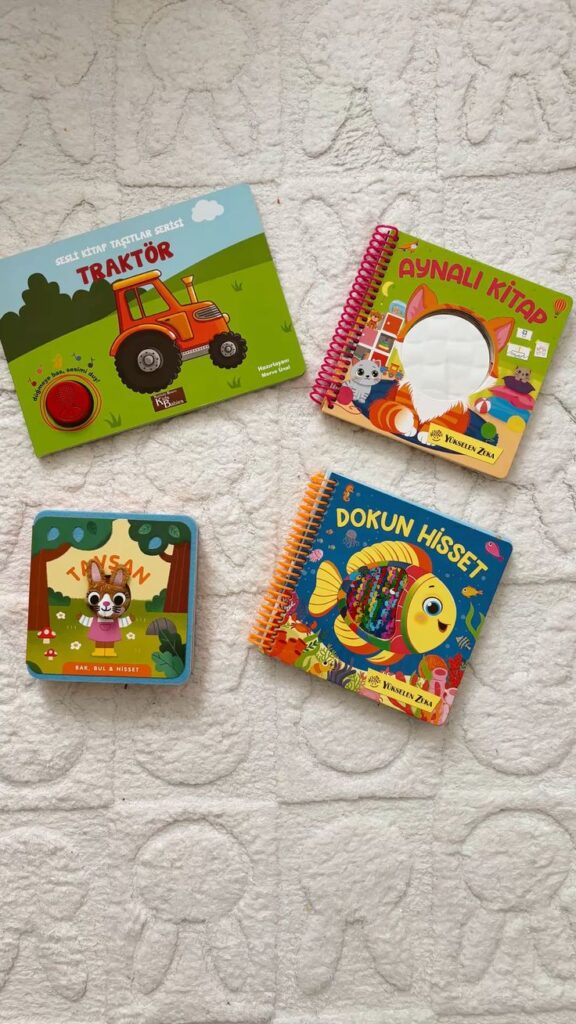
A book gives you an easy reason to slow down and talk to your baby. You can point at pictures, describe what you see, make sounds, smile, sing, or simply read aloud while your baby rests in your arms.
Those ordinary moments can support communication while creating opportunities for closeness.
The best first books also do not have to be expensive. You can start with a small collection and gradually add books as your baby’s interests change.
A newborn may enjoy simple faces and strong contrasts, while an older baby may become more interested in textures, sounds, flaps, animals, and familiar objects.
Your baby’s reaction will also change over time. One day, your baby may stare at a page.
Another day, they may grab the book and immediately put it in their mouth. Later, they may point at a picture or try to turn the page themselves.
All of these stages are part of becoming familiar with books.
How to Choose the Best First Books for Babies
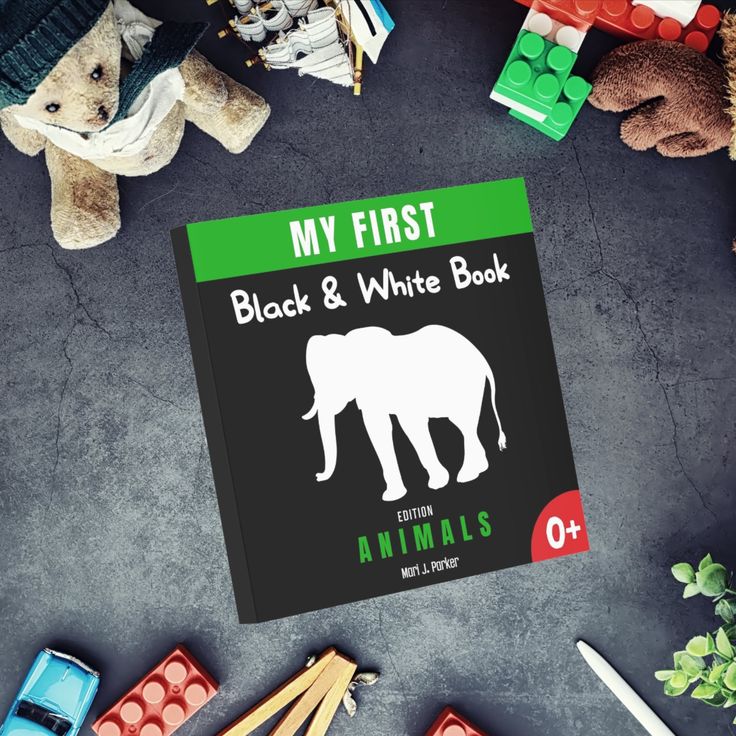
The best first books for babies are usually simple, sturdy, visually engaging, and easy for parents to use during everyday interactions.
You do not need a large collection to give your baby meaningful reading experiences.
Think about what your baby can see, hear, touch, and eventually do with the book. Very young babies often respond to bold images, simple shapes, faces, and clear contrasts.
As their vision and motor skills develop, they can explore more detailed pictures and interactive features.
You should also consider durability. Babies explore objects with their hands and mouths, so delicate paper pages may not survive long.
Board books, cloth books, and other baby-friendly formats can be easier to handle.
Your own enjoyment matters too. If you like the story, illustrations, rhythm, or subject, you are more likely to read it repeatedly.
That repeated interaction is useful because babies benefit from hearing familiar words and sounds again and again.
Reading should feel like an enjoyable part of caring for your baby rather than another parenting task you must complete perfectly.
Books With High-Contrast Pictures
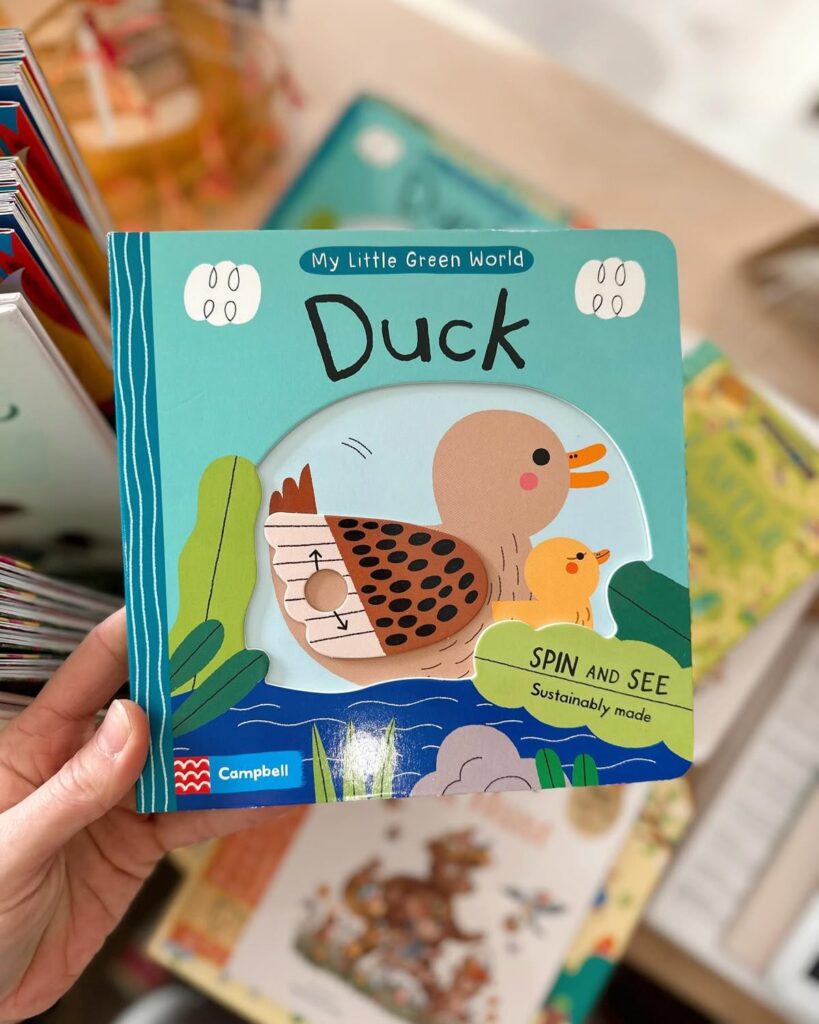
Newborns are still developing their vision, so simple, high-contrast illustrations can be particularly interesting during the earliest months.
Look for books with clear shapes, bold patterns, simple faces, and strong differences between light and dark areas.
You do not need pages packed with complicated illustrations because too many details can make it harder for a young baby to focus.
Hold the book at a comfortable distance and give your baby time to look. You can point to an image while describing it in a calm voice.
You might say, “Look at the circle,” or “That is a baby.”
Your baby will not necessarily understand the words immediately, but they are hearing language while connecting your voice with what they see.
Books with simple images can therefore become part of your baby’s early visual and communication experiences.
Board Books for Little Hands
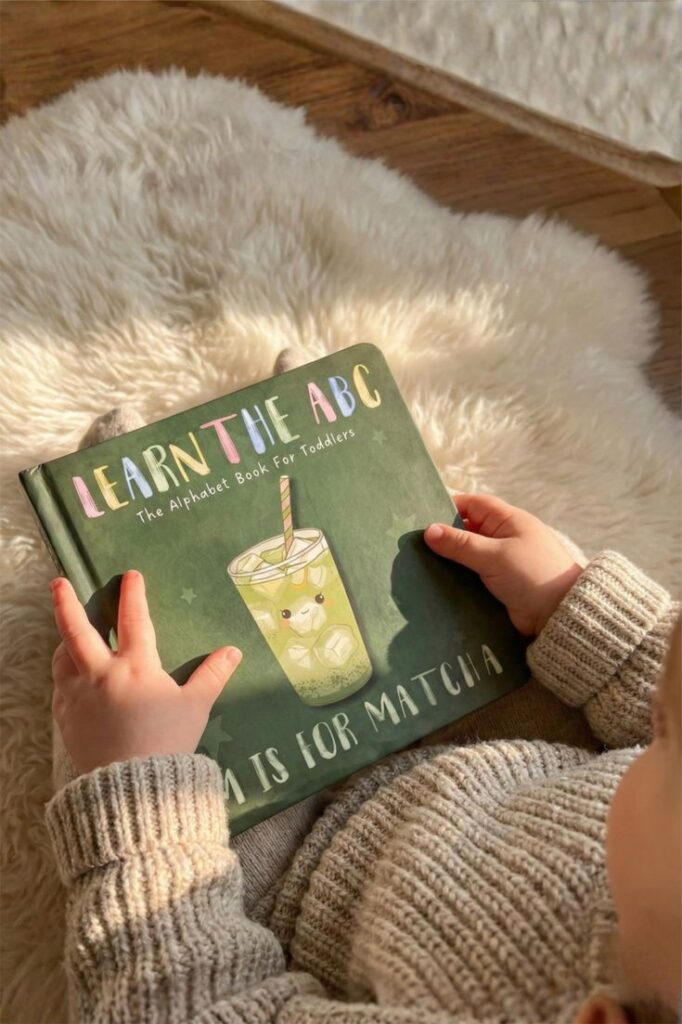
Board books are among the most practical choices for babies because their thick pages can withstand more handling than traditional paper pages.
Your baby may grab the pages, bend them, tap them, or try to chew them. That behaviour is normal for an infant exploring an unfamiliar object.
A sturdy book also allows you to gradually teach your baby how books work. You can show them how to turn a page, point at a picture, and move through the story.
You can keep a few board books where your baby spends time regularly.
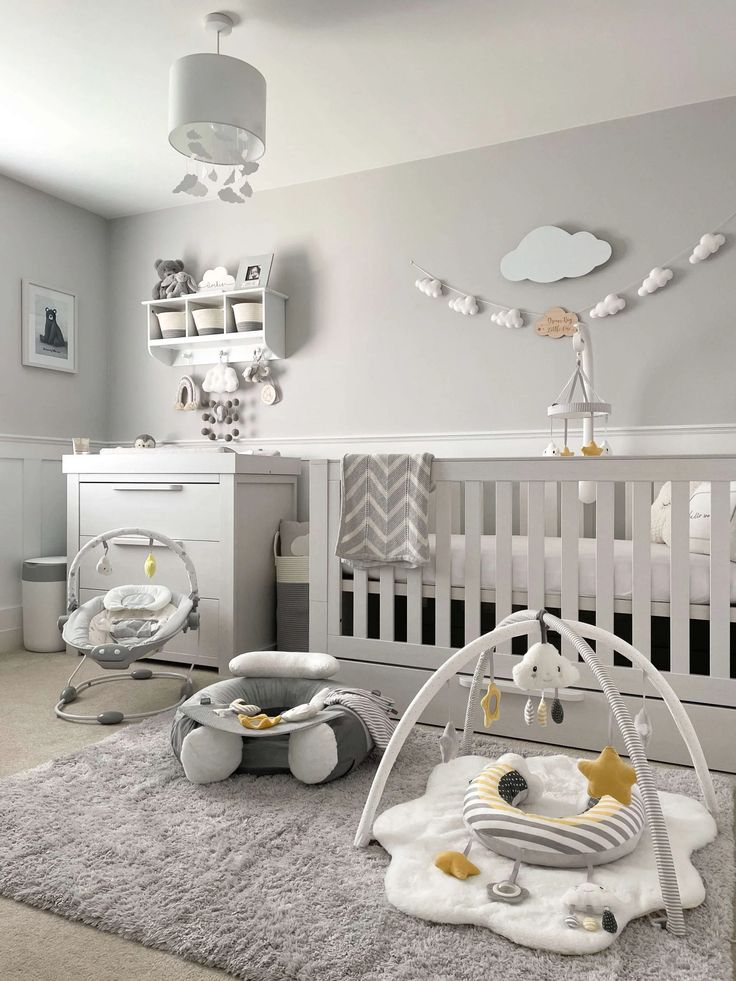
Nursery organization ideas that keep baby essentials within reach can also help you create an accessible reading area where books are easy for you to grab.
You do not need an enormous bookshelf. A small selection that your baby can explore with supervision is enough to get started.
Cloth Books for Newborns
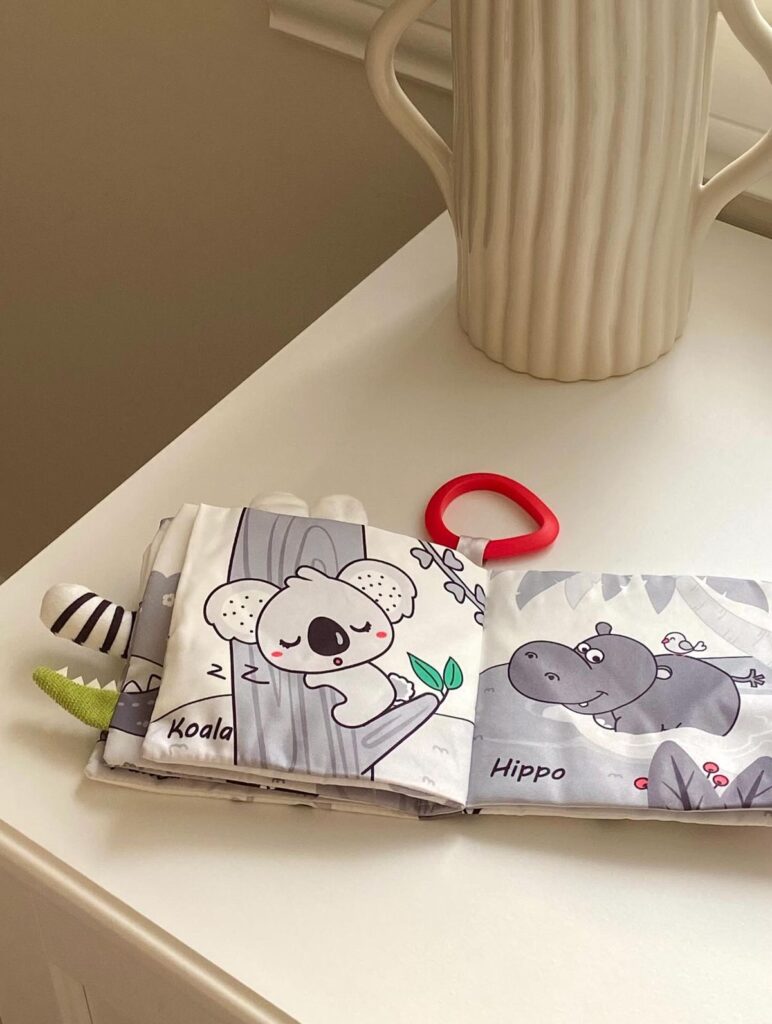
Cloth books can be useful for babies who are still developing their ability to handle objects.
They are lightweight, soft, and often designed with bright colours, simple pictures, textures, or crinkly sections.
Because babies naturally explore through touch, these books can add another sensory element to reading.
You can place the book within your baby’s view during supervised tummy time or hold it while talking about the pictures. If your baby reaches toward a page, give them time to explore.
Cloth books are also convenient for travel because they are usually lightweight and less likely to cause damage when dropped.
Parents looking for more ideas can combine books with sensory play ideas for babies by age, particularly as their baby becomes more interested in touching, grabbing, and exploring different textures.
Books With Simple Faces
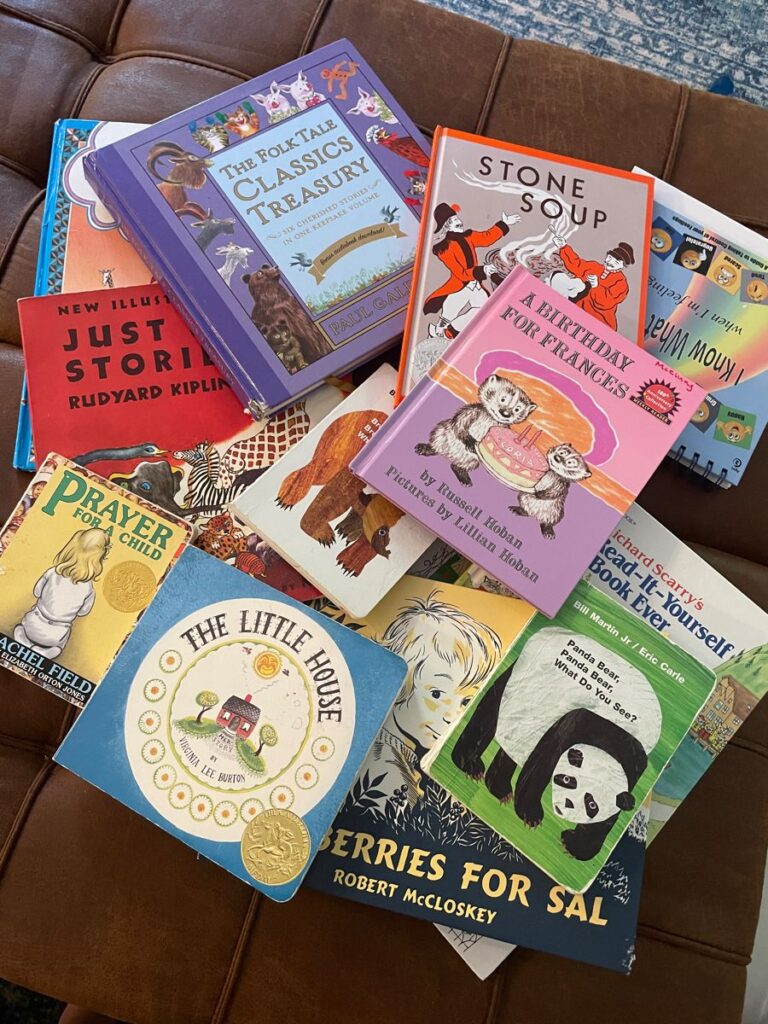
Babies are naturally interested in faces, making books featuring babies, parents, animals, or simple characters a useful choice.
You can point to a face and describe the expression you see.
You might smile at your baby after showing them a smiling character or make a surprised expression when the page changes.
These small interactions turn reading into a social experience.
You can also use the book to encourage your baby to look between your face and the page.
That creates a simple back-and-forth experience that becomes increasingly meaningful as your baby develops.
Books with faces can also provide opportunities to talk about emotions.
You can use basic words such as happy, sad, sleepy, or surprised while showing your baby the corresponding picture.
Books About Familiar Everyday Objects
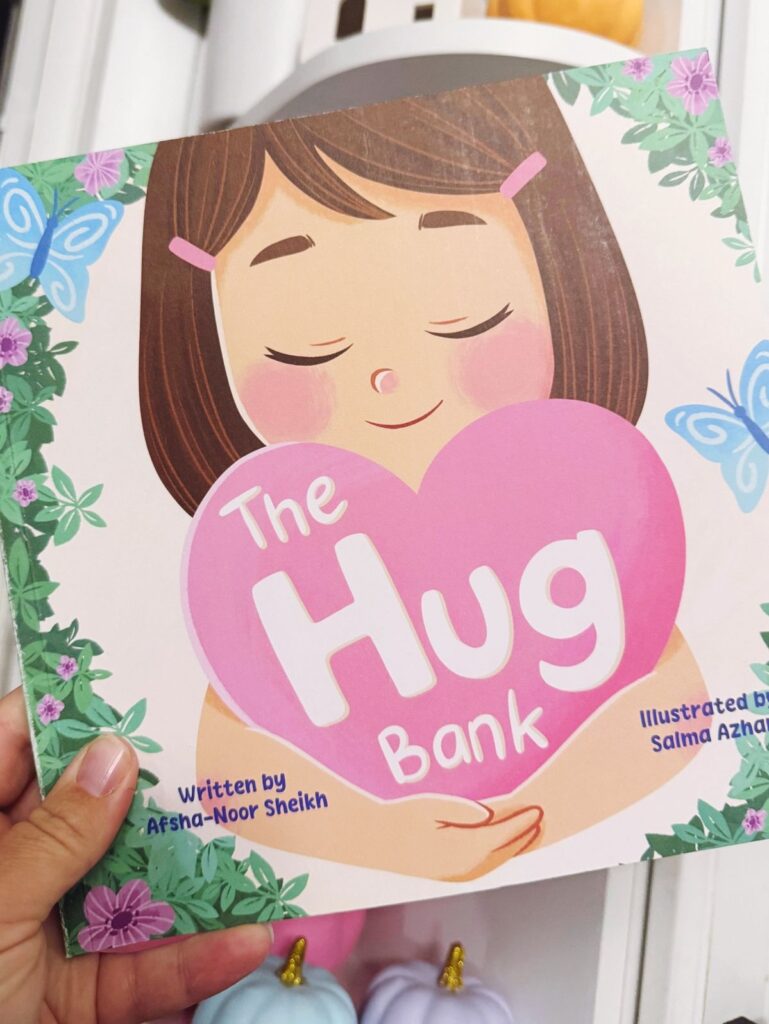
Babies spend their days surrounded by familiar objects, so books featuring things they already see can be especially useful.
A book might show a spoon, cup, ball, shoe, animal, bed, bath, or family member.
You can point to each object and connect it with something your baby encounters in everyday life.
If the book shows a bottle, for example, you can say, “Bottle. You use your bottle when you eat.” If it shows a bath, you can talk about your baby’s bath routine.
These connections help make books feel relevant rather than completely separate from your baby’s world.
As your child becomes older, familiar objects can also become starting points for educational activities for babies from birth to one year.
The activity does not need to become complicated. Talking about what your baby already knows is enough.
Books With Repetition
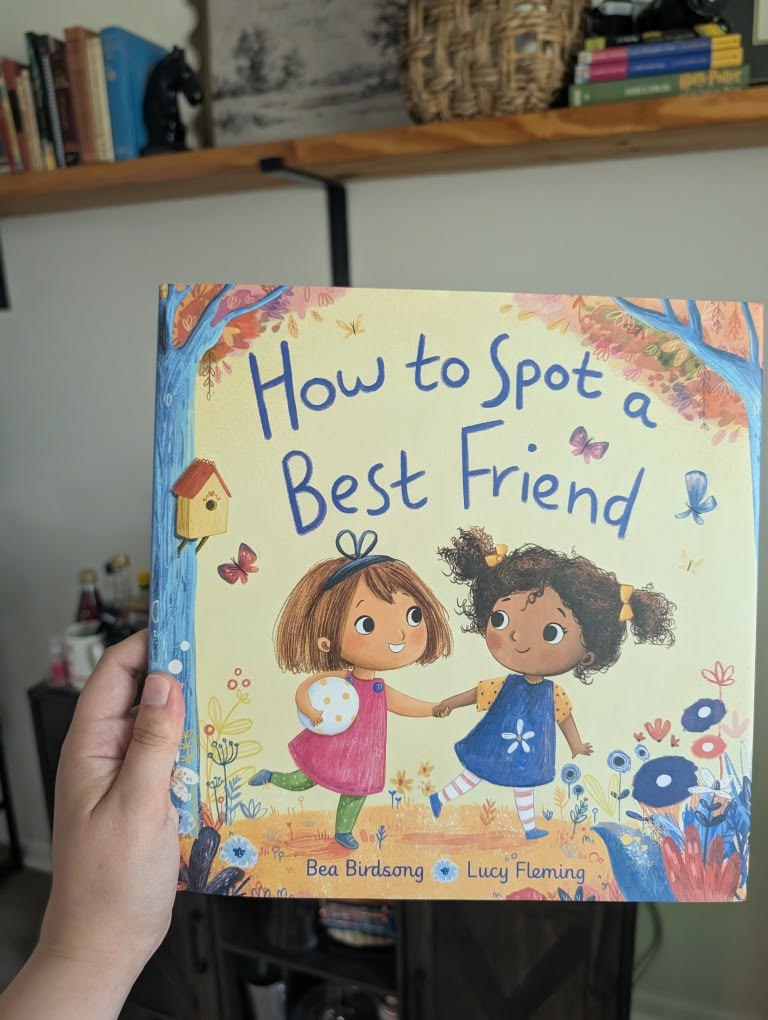
Repetition is one of the most useful features to look for in early books.
A repeated word, phrase, sound, or pattern gives your baby multiple opportunities to hear the same language.
Eventually, your baby may begin recognising a familiar phrase or reacting when you reach a favourite part.
You may become tired of reading the same book long before your baby does. That is completely normal.
If your baby repeatedly reaches for the same book, there is no need to replace it simply because you have read it many times.
Repeated stories can become comforting and predictable.
Your baby may eventually anticipate a sound, picture, or phrase, turning the reading experience into something interactive.
This is one reason parents should not worry about having a huge library. A few well-loved books can provide plenty of value.
Books With Rhymes and Rhythm
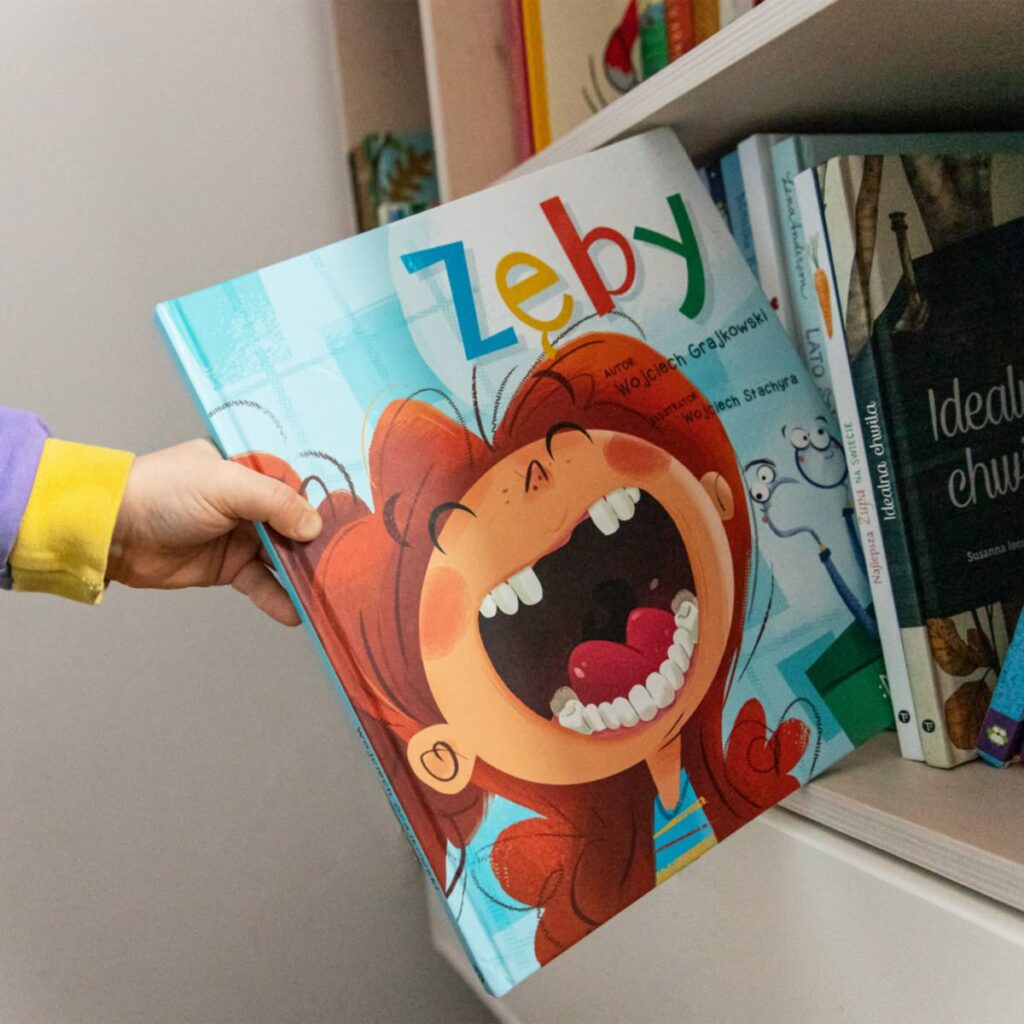
Rhyming books can make reading more engaging because they create predictable sound patterns.
You can exaggerate the rhythm slightly, pause before a familiar phrase, or use a gentle singing voice.
Your baby may respond by becoming more alert, moving their body, smiling, or making sounds.
Rhymes also make it easier for you to develop a natural reading routine.
You do not have to be a great singer or storyteller. Your baby is more interested in hearing your voice than judging your performance.
If your family already enjoys music, you can combine books with best songs to sing to your baby and create a relaxed routine around both activities.
The aim is to make language enjoyable and interactive.
Books With Textures
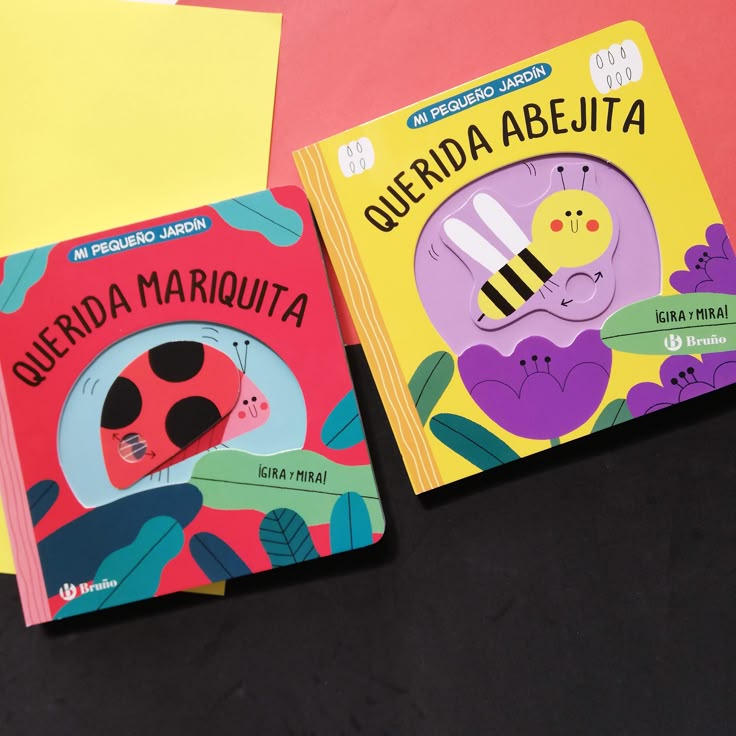
Touch-and-feel books can become more useful as babies develop greater interest in exploring objects.
A page might contain a soft patch, rough surface, smooth section, or another safe texture. You can guide your baby’s hand toward the feature while describing how it feels.
This combines language, visual attention, and touch within one activity.
Always choose books designed specifically for babies and supervise your child while they explore them.
Babies naturally put objects into their mouths, so materials should be appropriate for their developmental stage.
Texture books can also complement simple activities at home without requiring a separate collection of sensory materials.
The book itself becomes an opportunity to look, listen, touch, and communicate.
Books With Flaps
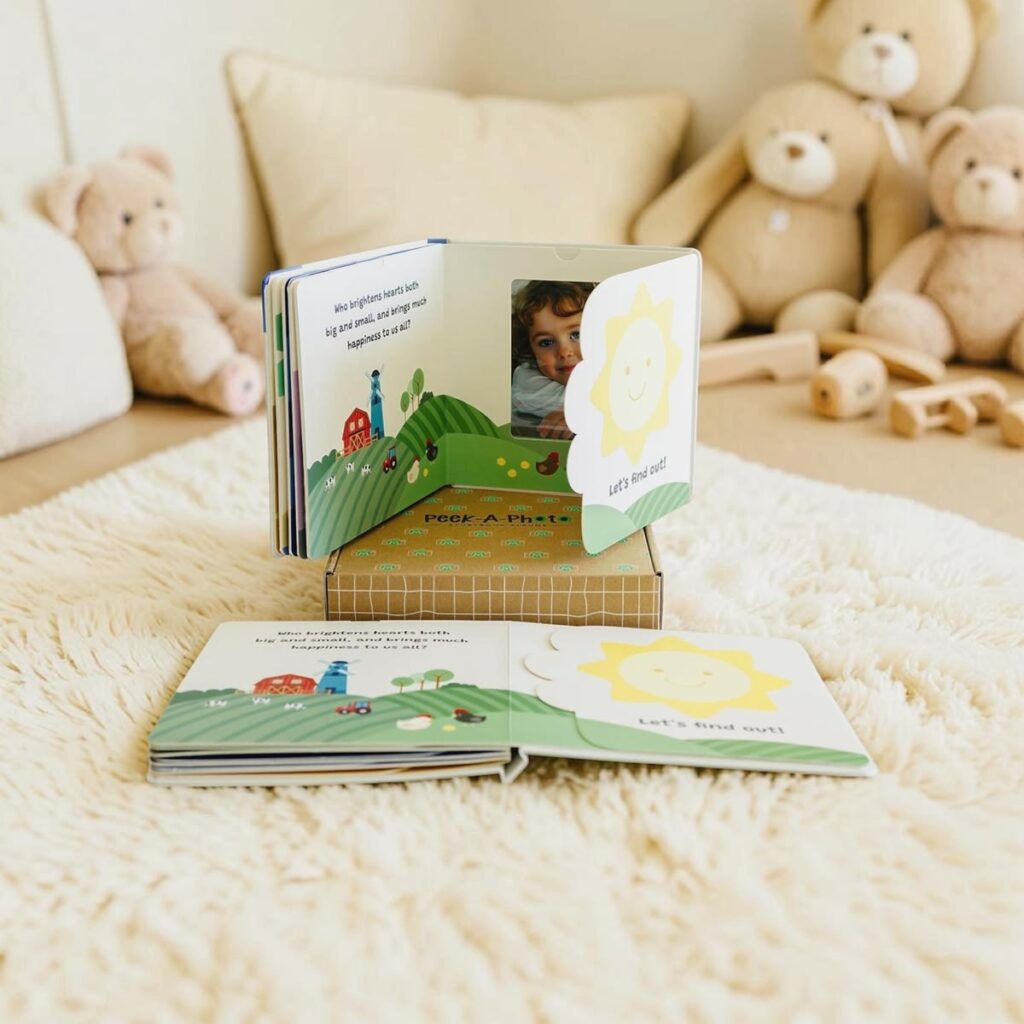
Lift-the-flap books can become particularly engaging once your baby begins reaching intentionally for objects.
You can lift the flap slowly and allow your baby to see what is underneath. Pause before revealing the picture and let your baby anticipate what comes next.
As your baby develops better hand control, they may attempt to lift the flap independently.
This creates a simple interaction involving movement, attention, and curiosity.
Choose books with sturdy flaps because babies can be enthusiastic explorers. Supervision is still important, especially when the book contains smaller attached pieces.
The goal is not to make your baby master the activity. It is to give them an enjoyable opportunity to interact with a book.
Books About Animals
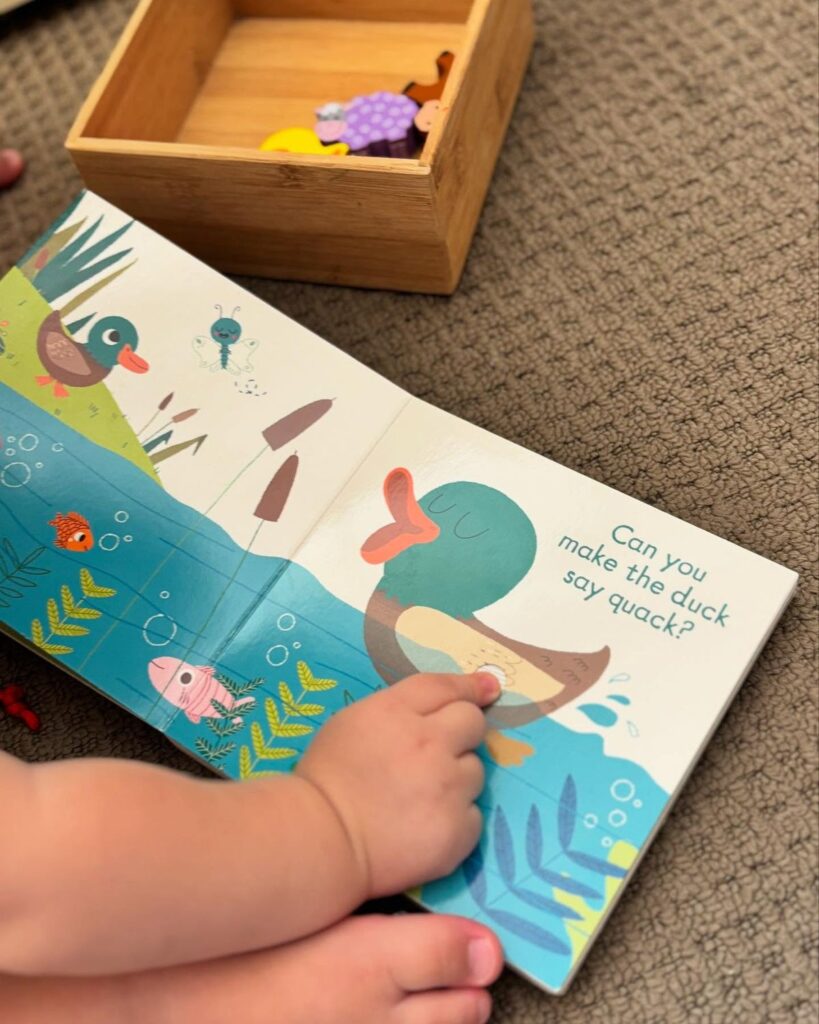
Animals are popular subjects for children’s books because they provide opportunities for sounds, movement, and simple vocabulary.
When you see a dog, you can say “dog” and make a gentle barking sound. You can do the same with a cat, cow, bird, or other familiar animal.
Your baby may eventually begin trying to copy those sounds.
Animal books can also become a starting point for movement. You might flap your arms like a bird or make a gentle animal sound while your baby watches.
As your child grows, animal stories can connect naturally with outdoor activities for babies under one year, particularly when you encounter birds, insects, pets, or other animals during supervised outings.
Books therefore give you a way to connect indoor learning with experiences in the world around your baby.
Books About Daily Routines
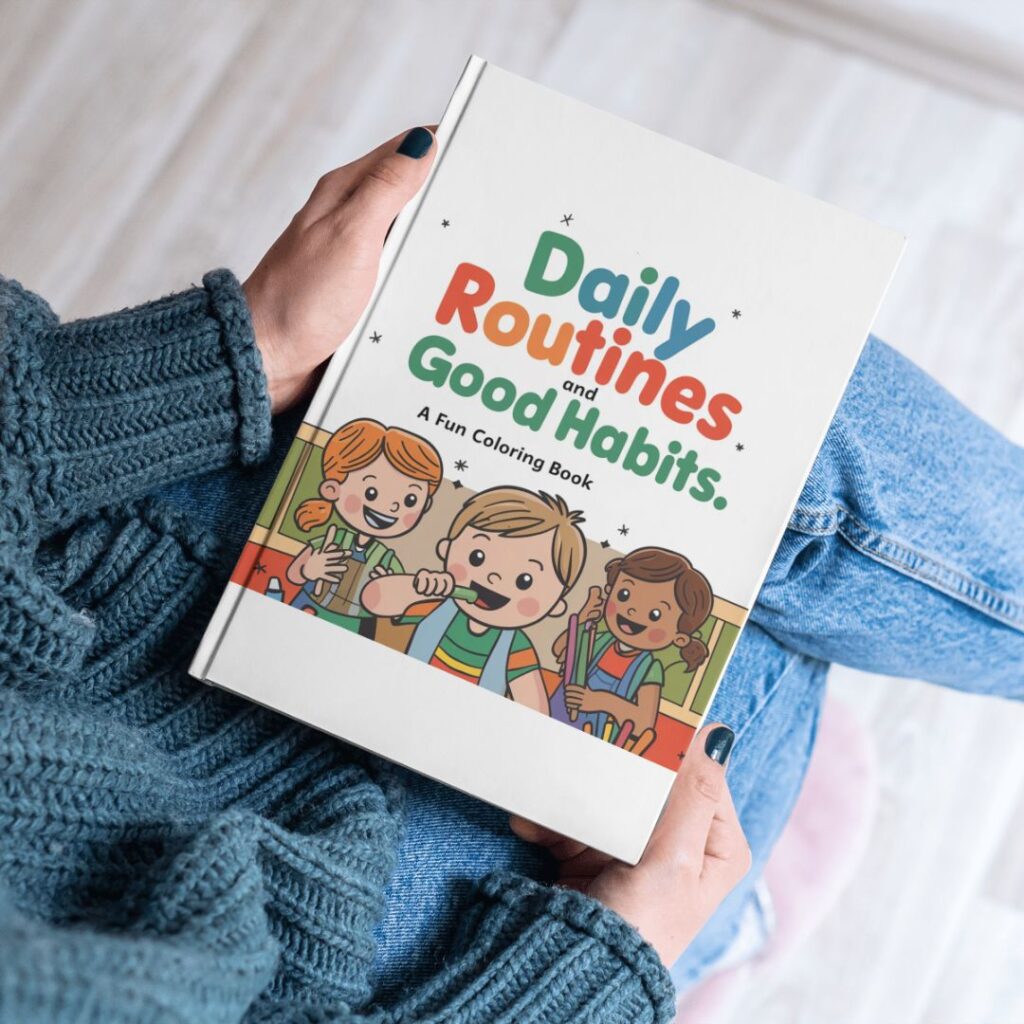
Books about sleeping, bathing, eating, getting dressed, or spending time with family can help babies see familiar experiences represented in stories.
You can connect the book with what your baby is doing. A bedtime book might become part of the same routine every evening.
A book about bathing could be read before bath time. A story about getting dressed could become part of the morning routine.
These connections can make books easier for babies to recognise as meaningful parts of their day.
They also give parents more opportunities to talk about familiar actions and objects.
You can keep your explanations simple because your baby does not need a long lecture. A few words connected to something they already experience can be enough.
Books About Family and Relationships
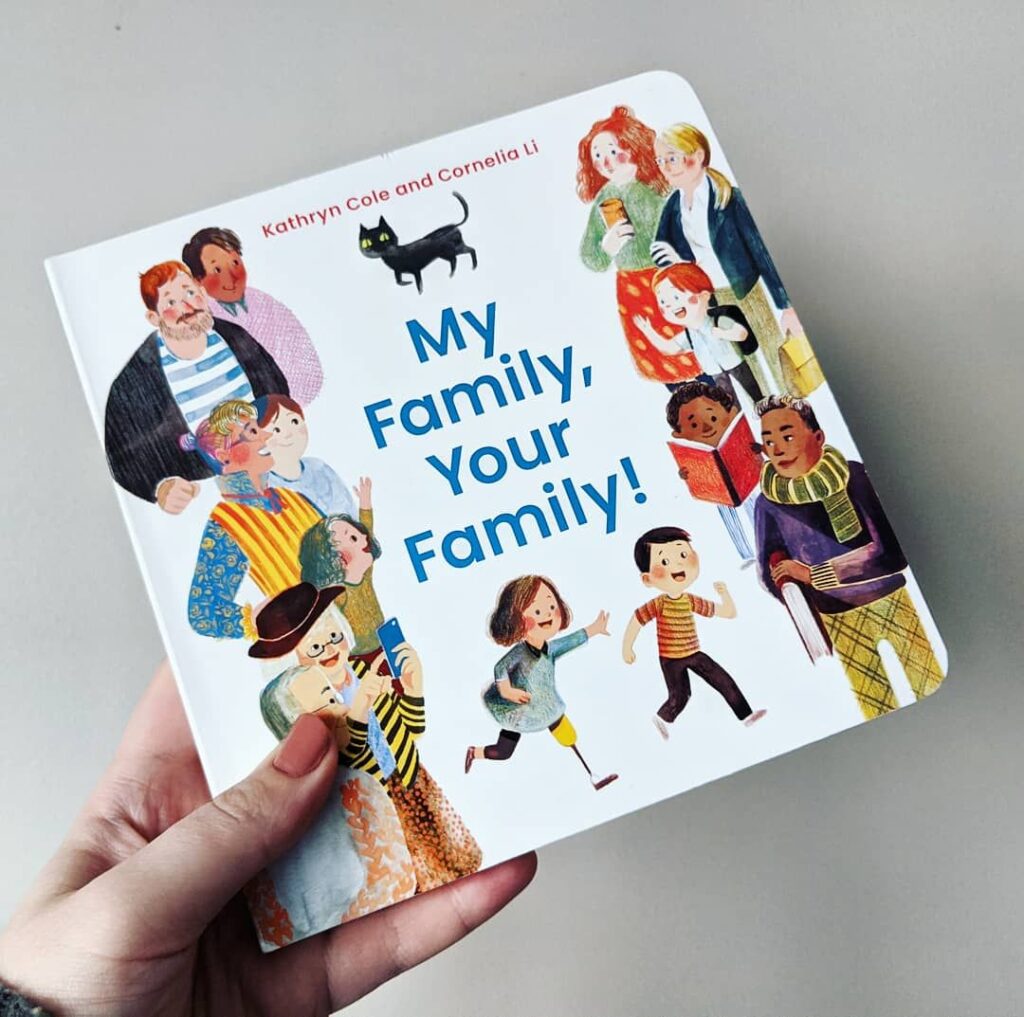
Books featuring parents, babies, grandparents, siblings, or caregivers can give you opportunities to talk about the people in your baby’s life.
Point to a parent in the picture and name them. If the book shows a baby being held, you can hold your own baby while describing what is happening.
This can make reading especially comforting because it combines familiar people with your voice and physical closeness.
Family-themed books can also help siblings participate in reading.
If you are helping another child adjust to the arrival of a baby, shared reading can create a calm activity that includes both children.
How to help toddlers adjust to a new baby can involve finding opportunities for older children to participate in everyday routines rather than making every activity about the new baby.
Reading can become one of those shared moments.
Books That Encourage Interaction
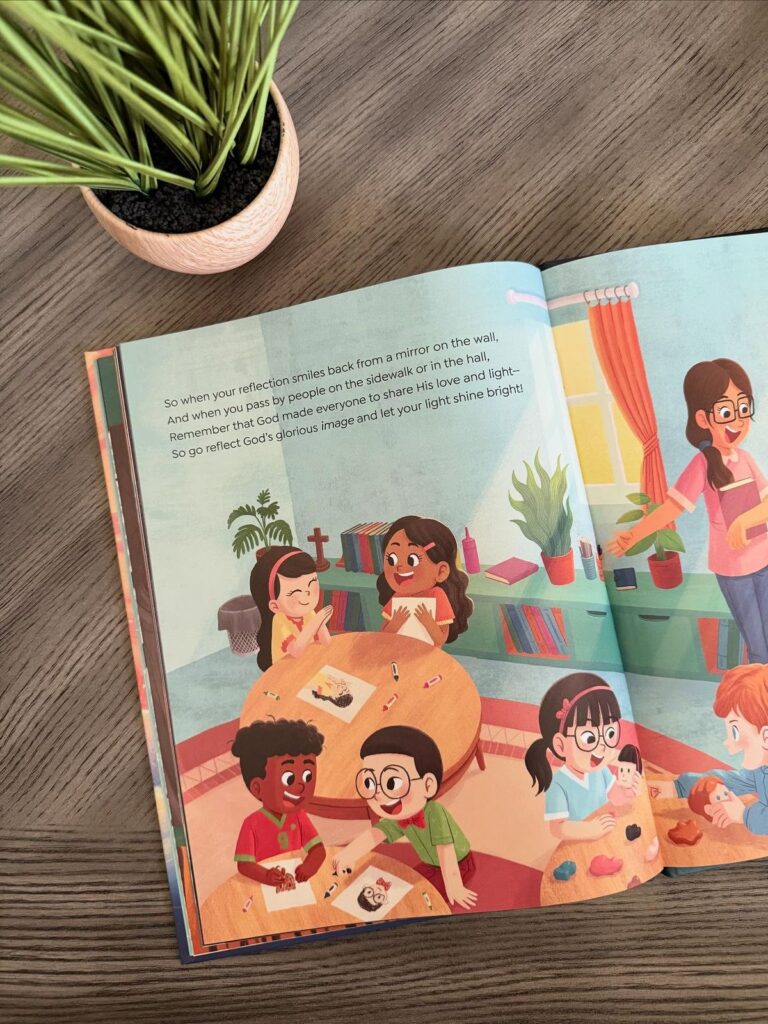
Interactive books give babies something to do rather than simply look at.
They might include flaps, textures, sounds, mirrors, moving parts, or simple prompts that encourage participation.
For a young baby, your interaction may be more important than the feature itself. You can point, talk, smile, and wait for your baby to respond.
As your child becomes more active, they may reach for a flap, touch a texture, or attempt to turn a page. This gradual change is part of development.
You can also use reading as a starting point for best play activities for newborn babies, especially when a story gives you an idea for a simple movement or sound.
The activity should remain appropriate for your baby’s age and abilities.
Books With Simple Stories
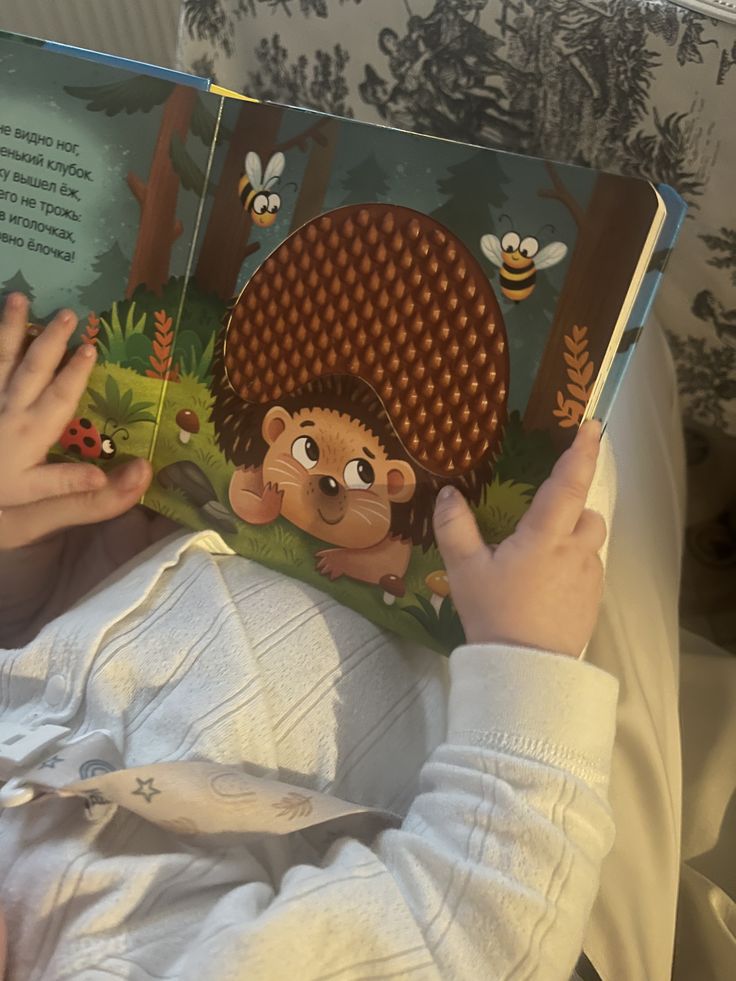
A simple story is often easier for babies to follow than a complicated plot.
Look for short sentences, familiar situations, repeated phrases, and clear pictures. The story does not need to contain a dramatic beginning, middle, and ending.
At this stage, your baby is experiencing the sound of your voice and looking at the images.
You can even simplify the text while reading. If the page says something complicated, you can describe the picture in your own words.
For example, you might point to a picture of a child running and simply say, “The baby is running.”
This keeps the interaction natural and gives your baby language that relates directly to what they can see.
Books That Grow With Your Baby
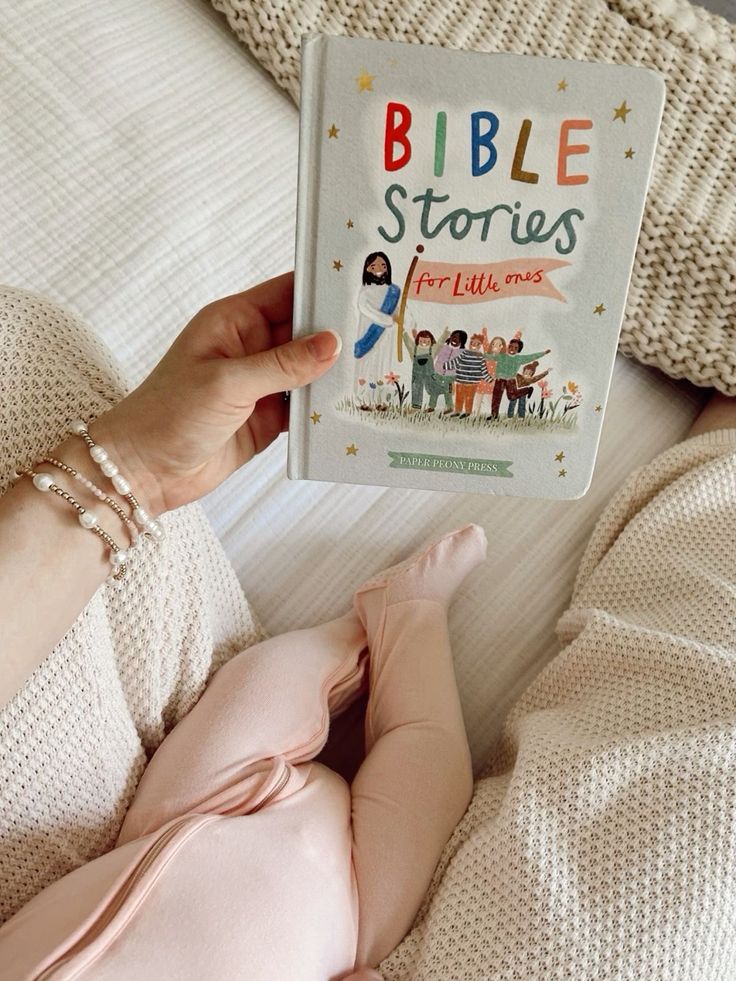
Some books remain useful for several stages of infancy.
A newborn might simply look at the pictures while an older baby may touch the pages, imitate sounds, or respond to familiar words.
Choosing books that allow this progression can help you get more value from your collection.
Your baby’s interests may also change quickly. A book that receives little attention at two months might become a favourite several months later.
That is another reason not to judge a book based on one reading session. As your baby develops, you can watch for new responses and adjust the way you read.
Newborn milestones: what to expect in the first month can help you understand why your baby’s attention and responses may look different during the earliest weeks.
Books That Reflect Your Baby’s World
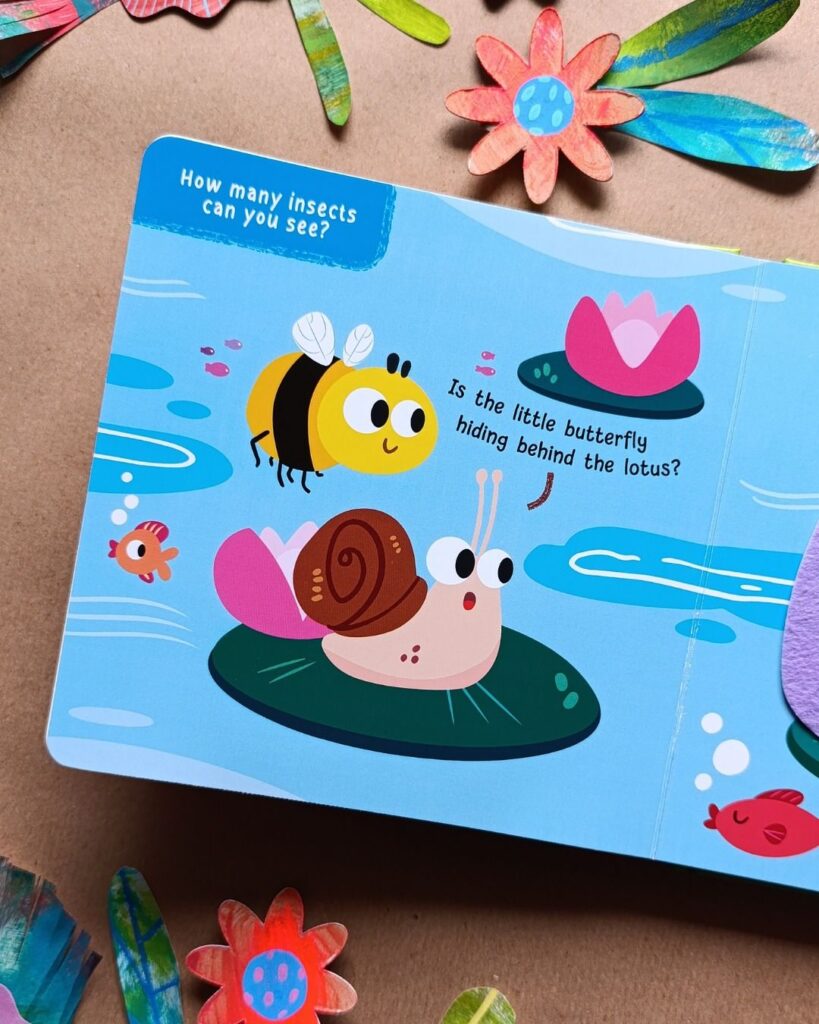
Books can become more meaningful when babies see people, objects, environments, or experiences that resemble their own lives.
You might choose stories featuring families, babies, animals, homes, food, outdoor spaces, or everyday routines.
Representation can also help children see different kinds of people and families in the books they encounter.
You do not need to find a book that perfectly matches your household. A variety of characters and experiences can broaden what your child sees and hears.
You can also use books to introduce experiences before your baby encounters them.
A book about going outside, for example, can become a conversation before a family walk.
Later, you can combine reading with nature walk ideas for babies and point out things your baby has already seen in books.
Books You Enjoy Reading Aloud
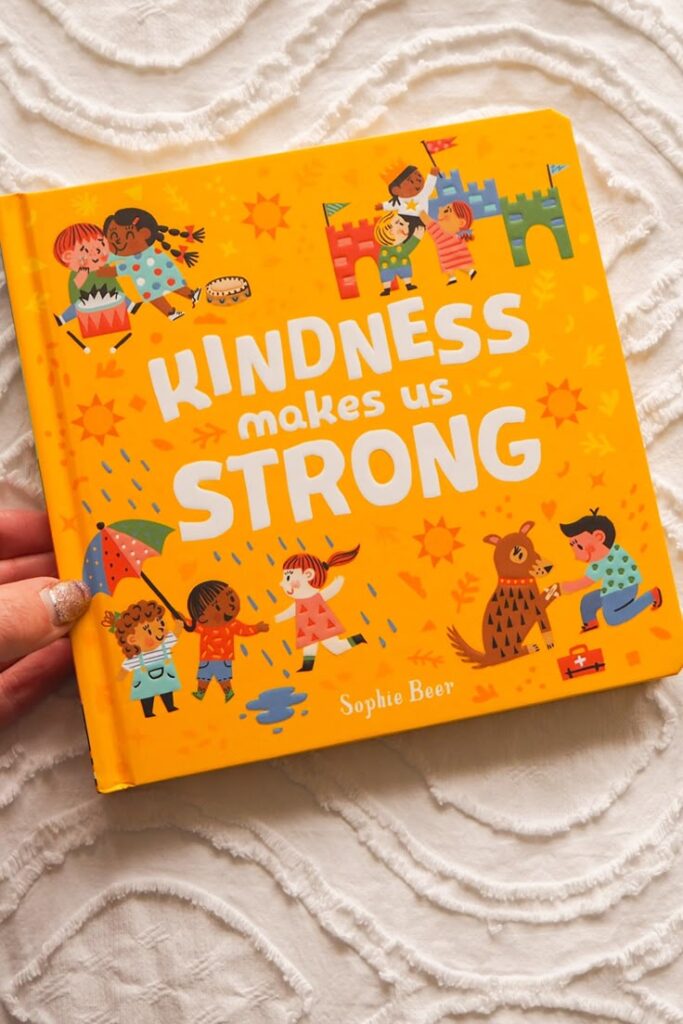
Parents sometimes focus so much on what babies like that they forget to consider their own preferences.
Choose books you enjoy reading because your enthusiasm can make the experience more natural.
If you enjoy funny stories, choose one that makes you smile. If you enjoy songs and rhythm, look for books that encourage singing.
If you love animals, build part of your collection around animal stories. Your baby benefits from hearing an engaged and responsive voice.
You can also involve other family members. A grandparent may have a favourite childhood story, while an older sibling may enjoy choosing a book for the baby.
These moments can help reading become part of family life rather than an activity reserved for one parent.
Building a Small Baby Library
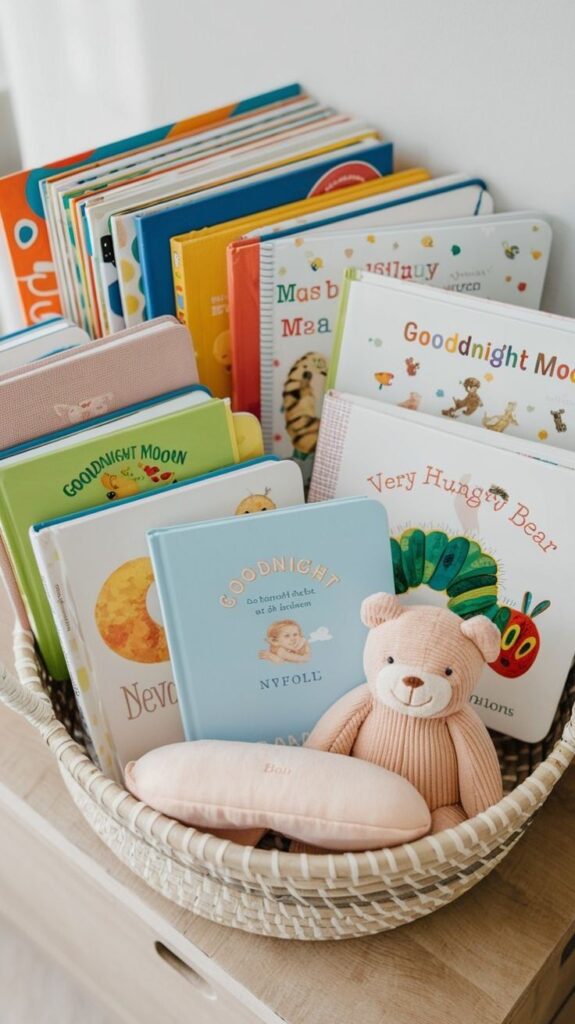
You do not need dozens of books before your baby arrives.
Start with a few different types. You might have a board book, a cloth book, a high-contrast book, a rhyming story, and a simple picture book.
Then observe what your baby enjoys.
If your baby consistently responds to faces, add more books featuring faces. If they enjoy touching pages, look for texture books.
If they become excited by sounds, consider books with rhythm and repetition.
This approach can save money because you are buying based on your baby’s developing interests rather than purchasing an enormous collection immediately.
It also fits with the broader principle behind ways to save money on baby essentials. Buy useful items gradually instead of assuming you need everything before your baby arrives.
Making Books Accessible at Home
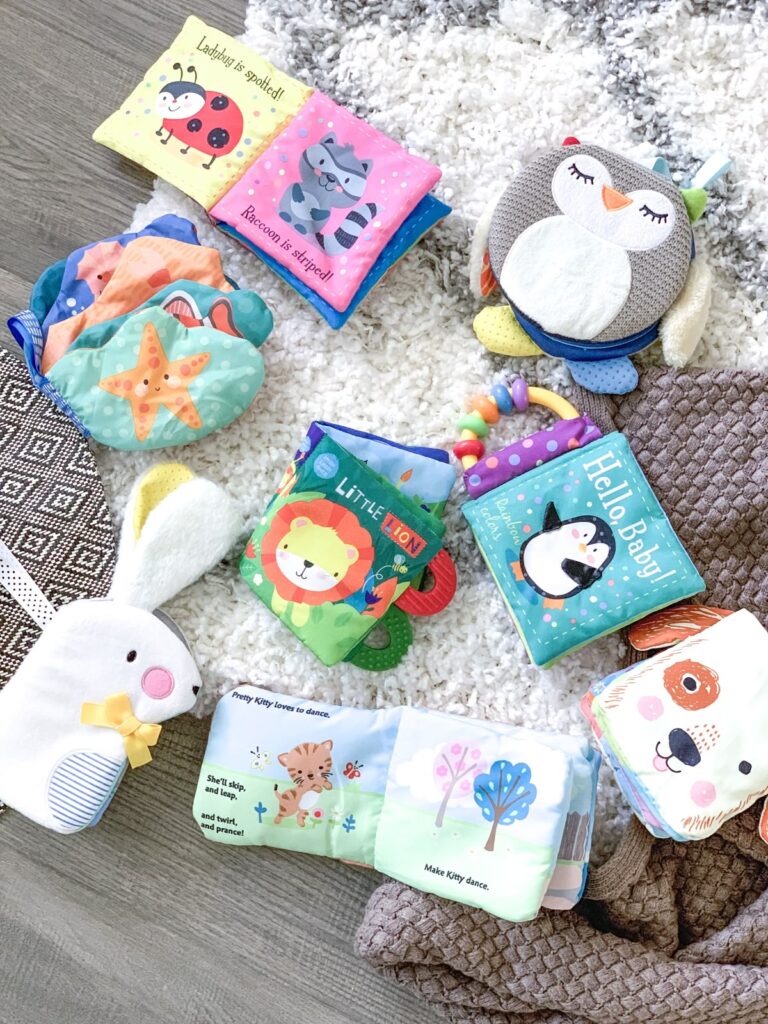
Once you have chosen your baby’s first books, make them easy to reach.
You might keep several near the place where you usually feed your baby and another small selection in the nursery.
A low shelf can eventually allow an older baby to see and choose books independently, provided the setup is safe and appropriate for the child’s developmental stage.
You can also rotate books instead of displaying your entire collection at once.
Put a few favourites within easy reach and change them occasionally.
This keeps the selection manageable while giving your baby opportunities to encounter different pictures and stories.
A simple reading corner can also become part of nursery organization ideas that keep baby essentials within reach, especially when you want everyday activities to require less preparation.
Reading Beyond the Words on the Page
You do not have to read every word exactly as it appears.
Sometimes the most valuable part of a book is the conversation that happens around it.
You can point at a picture and name the object. You can ask your baby where something is, even before they can answer.
You can imitate a sound, make a facial expression, or connect the picture to something happening around you.
This turns reading into a flexible activity that can change according to your baby’s attention.
A picture of a ball can lead to a conversation about the ball your baby plays with. A picture of a bird can lead to a sound. A picture of a sleeping baby can lead naturally into a bedtime routine.
You can even combine reading with how to play with your newborn baby by using simple movements, sounds, and facial expressions inspired by the story.
The book becomes the starting point rather than the entire activity.
Helping Your Baby Build a Love for Books
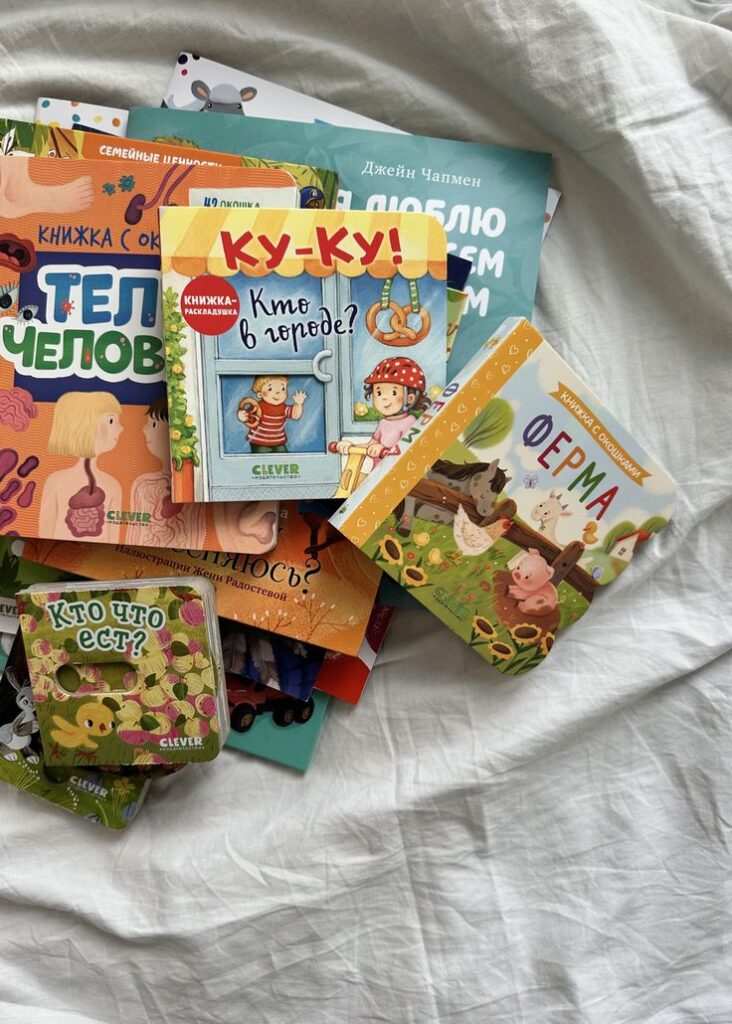
The best first books for babies are not necessarily the ones with the most expensive covers, the longest stories, or the most impressive features.
The best choices are books that give you opportunities to interact with your baby in ways that match their developmental stage.
A newborn may simply watch your face while you read. An older baby may reach toward a picture or grab the page.
Eventually, your child may begin choosing books, turning pages, pointing at familiar objects, and participating in repeated phrases.
Every stage has value. You can keep reading relaxed by choosing books that suit your baby’s current abilities and your family’s routine.
There is no need to finish every story or read for a fixed amount of time. If your baby loses interest, you can pause and return later.
Reading also works beautifully alongside other forms of interaction. You can combine stories with singing, gentle play, supervised tummy time, outdoor experiences, and simple conversations throughout the day.
As your baby’s interests grow, your bookshelf can grow with them.
What matters most is not how many books you own. It is the experience your baby associates with them: your voice, your attention, your closeness, and the chance to discover something new together.
A small book shared regularly can become one of the simplest and most meaningful routines you create during your baby’s first year.



6 Comments