How to Plan a Newborn Welcome Party
Disclosure: Some of the links in this post are affiliate links. This means if you click on the link and purchase an item, I will receive an affiliate commission at no extra cost to you.
A newborn welcome party gives family and close friends an opportunity to celebrate the arrival of a baby without turning the event into another large pregnancy celebration.
It can be a simple gathering at home, a small lunch with relatives, or a carefully planned event with decorations, food, photographs, and a few meaningful activities.
The biggest difference between a newborn welcome party and a traditional baby shower is that your baby has already arrived.
Your planning needs to account for the baby’s actual needs, your recovery, feeding schedules, sleep, and how much energy you have as new parents. A beautiful party is not worth creating unnecessary stress during those first weeks at home.
The timing also deserves careful thought. Some families prefer to wait until the baby is a few weeks old before inviting people over. Others choose to host the celebration later, once they have settled into a routine.
There is no single timeline that works for every family. Your baby’s health, your family’s comfort, and your doctor’s advice should guide the decision.
Your guest list can be just as important as your decorations. A newborn does not need to be passed around a crowded room for the entire afternoon.
Keeping the gathering relatively small can make it easier for you to care for the baby while still spending time with your guests.
The celebration can also be deeply personal. You could display photographs from the pregnancy,
share your baby’s birth story, invite guests to write messages for the baby, or serve foods that have special meaning to your family. Simple details can make the event feel much more memorable than expensive decorations.
You also need to think about health and hygiene. Guests should wash their hands before touching the baby, and anyone who is unwell should postpone their visit.
You can make these expectations clear before the event so you do not have to manage uncomfortable conversations while hosting.
Most importantly, plan a party that works for your family rather than trying to recreate something you saw online. Your baby is the reason everyone is gathering, so the celebration should leave you with happy memories rather than exhaustion.
How to Plan a Newborn Welcome Party Without Overwhelming Yourself
Planning a celebration after giving birth requires a different approach from planning a party during pregnancy.
Your time, energy, and attention may be unpredictable, so the event should have enough flexibility to accommodate your baby’s needs.
Start by deciding how you want the gathering to feel. You might prefer a quiet afternoon with close family, a casual backyard lunch, a small tea party, or a more structured celebration with several activities.
You do not have to invite everyone you know. A smaller group can make the event more comfortable and gives you more control over who interacts closely with your newborn.
Think about your baby’s routine when choosing the time. If your baby tends to sleep in the morning, an early afternoon party may not be ideal.
If feeding times are unpredictable, leave plenty of flexibility rather than creating a strict schedule that you will feel pressured to follow.
Your venue matters too. Hosting at home means you have immediate access to everything you and your baby need.
A restaurant, garden, or event space can reduce the amount of cleaning and preparation required, but travelling with a newborn may create additional stress.
You should also decide what you actually need help with. If possible, ask someone you trust to handle food, greet guests, take photographs, or manage the decoration setup. You should not have to host every part of the celebration yourself.
Finally, keep the main purpose in mind. The goal is to welcome your baby and celebrate this new chapter with people who matter to your family. Everything else should support that purpose.
10 Steps for Planning a Newborn Welcome Party
1. Choose the Right Time for Your Family

The first decision is when to hold the celebration. You do not need to organise the party immediately after bringing your baby home.
The first few weeks can involve feeding around the clock, interrupted sleep, medical appointments, visitors, and the general adjustment that comes with caring for a newborn.
Giving yourself time to settle can make the celebration much easier to enjoy.
Consider your recovery, your baby’s health, feeding routine, and the availability of the people you most want there.
Some parents may feel comfortable hosting after a few weeks, while others may prefer to wait longer.
There is also nothing wrong with keeping the event short. A two hour gathering can give everyone enough time to meet the baby without turning the day into an exhausting event.
If you already have a newborn development guide for the first month in your planning resources, use it as a reminder that your baby’s needs can change quickly during this period.
2. Keep the Guest List Small and Meaningful
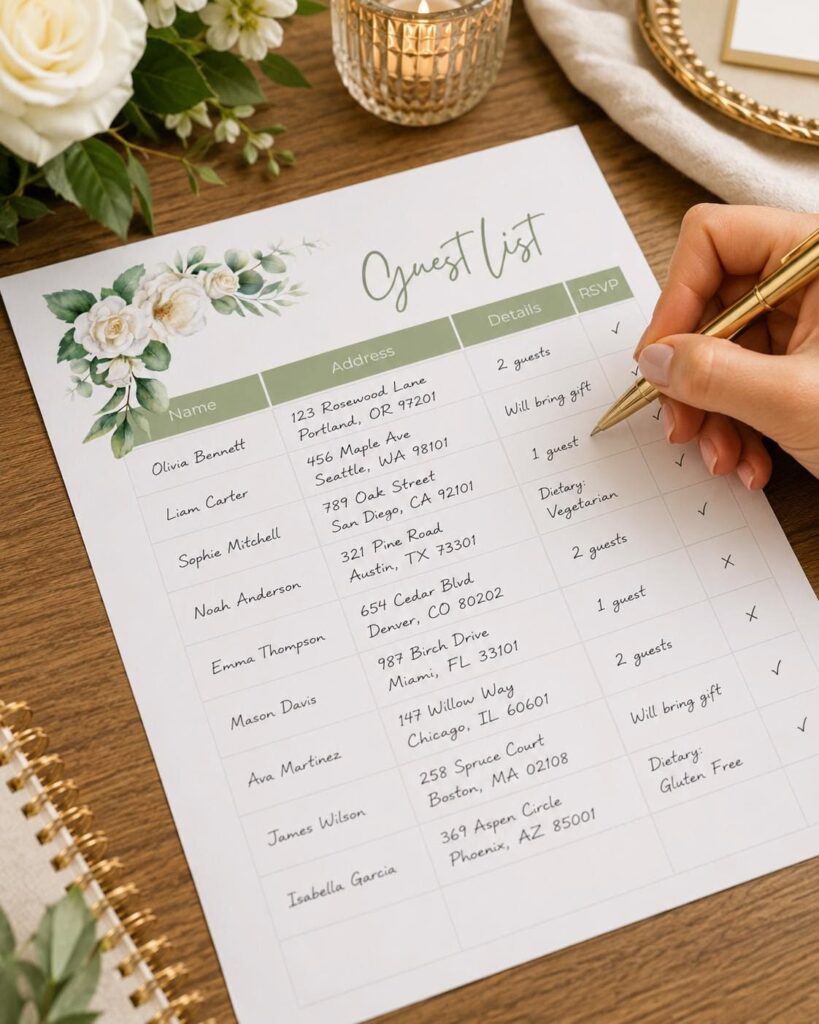
A newborn welcome party does not need a large guest list. Inviting close relatives and friends can make the celebration more intimate and easier to manage.
Think about who has played an important role in your life and who genuinely wants to welcome your baby.
Grandparents, siblings, close friends, and supportive relatives may be more appropriate than a large group of casual acquaintances.
A smaller guest list also makes it easier to maintain a calm environment.
You can give your baby breaks from being held and have enough space for feeding or changing without feeling like you are leaving your guests unattended.
You can also divide visitors into smaller groups if your family is large. Instead of hosting everyone at once, you could have one gathering for close relatives and another for friends.
The celebration should feel manageable rather than like another major event that you have to survive.
3. Choose a Comfortable Venue
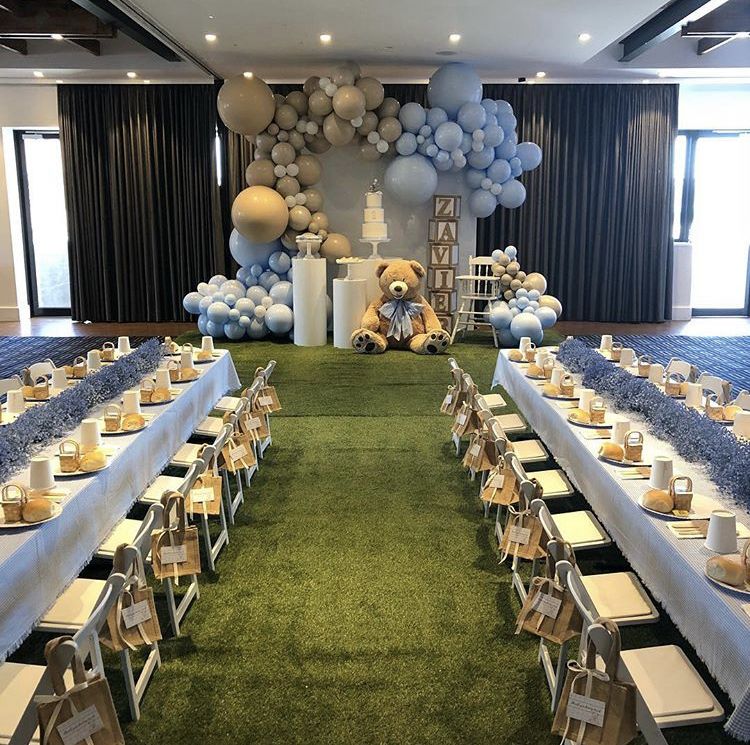
Your home is often the easiest venue for a newborn welcome party because everything your baby needs is already there.
You have access to feeding supplies, changing items, extra clothes, blankets, and a quiet room if the baby needs to sleep.
If you prefer not to host at home, choose a location that is easy to reach and has a quiet area where you can care for your baby.
A private room at a restaurant, a family member’s home, or a small garden can work well.
Avoid choosing a venue simply because it looks impressive. Consider parking, bathrooms, seating, noise levels, temperature, and how easily you can leave if your baby becomes unsettled.
The best venue is one that allows you to care for your baby without disrupting the celebration.
4. Send Invitations With Clear Expectations
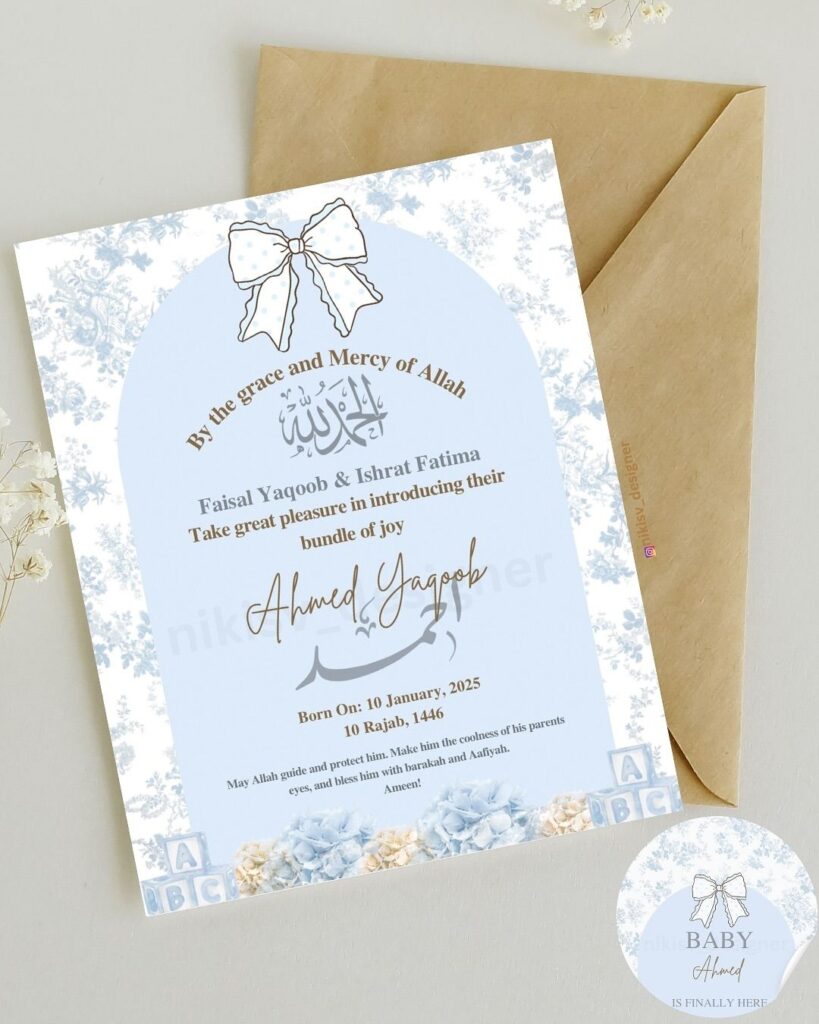
Your invitation should give guests the essential information without making the event sound complicated.
Include the date, time, location, and any special instructions. You can also mention that the celebration will be a small gathering to welcome the baby.
If you have specific health expectations, communicate them before guests arrive. For example, you can politely ask anyone who is feeling unwell to wait until another time to visit.
You may also want to explain that guests should wash their hands before holding the baby.
Setting these expectations in advance makes them feel like normal party information rather than personal restrictions.
Digital invitations can make it easier to communicate updates if your plans change because of the baby’s needs.
5. Choose a Simple Theme and Colour Palette
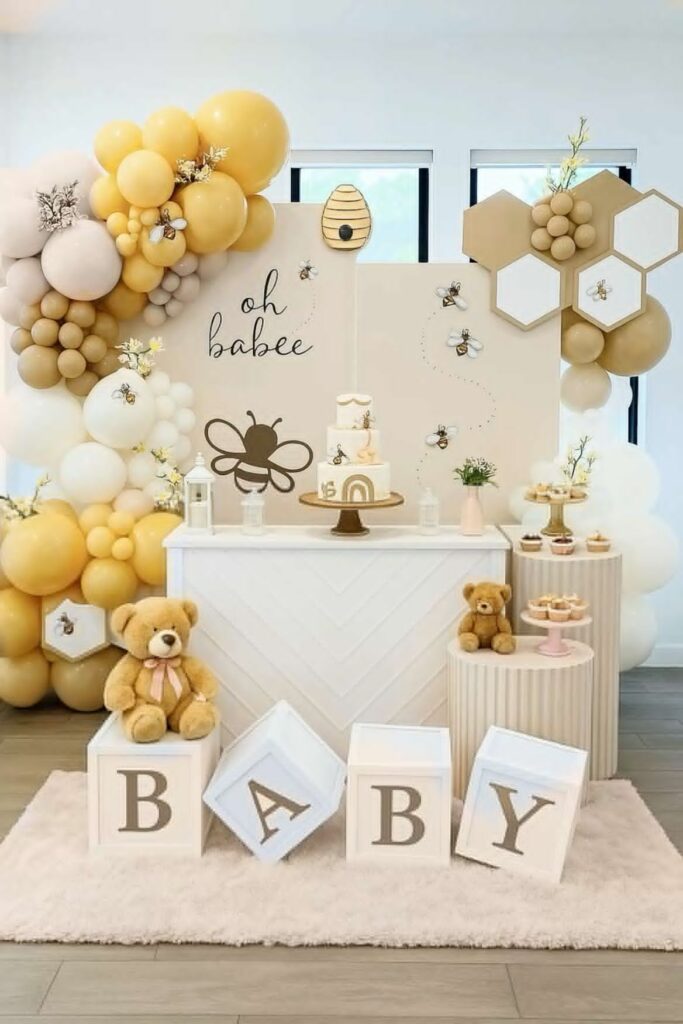
A newborn welcome party does not need an elaborate theme. Choose something that complements your home and makes decorating simple.
You could use clouds, stars, flowers, woodland animals, teddy bears, baby blocks, or a neutral colour palette. You could also choose colours that match your baby’s nursery.
A simple theme makes it easier to coordinate the invitations, table settings, backdrop, cake, and photographs.
If you are planning gender neutral nursery ideas for your baby’s room, for example, you can carry some of those colours and design elements into the welcome party.
This can make the celebration feel connected to the space where your baby will grow.
Avoid choosing decorations that require hours of installation. Your time is better spent resting and enjoying your guests.
6. Plan Food That Requires Minimal Work
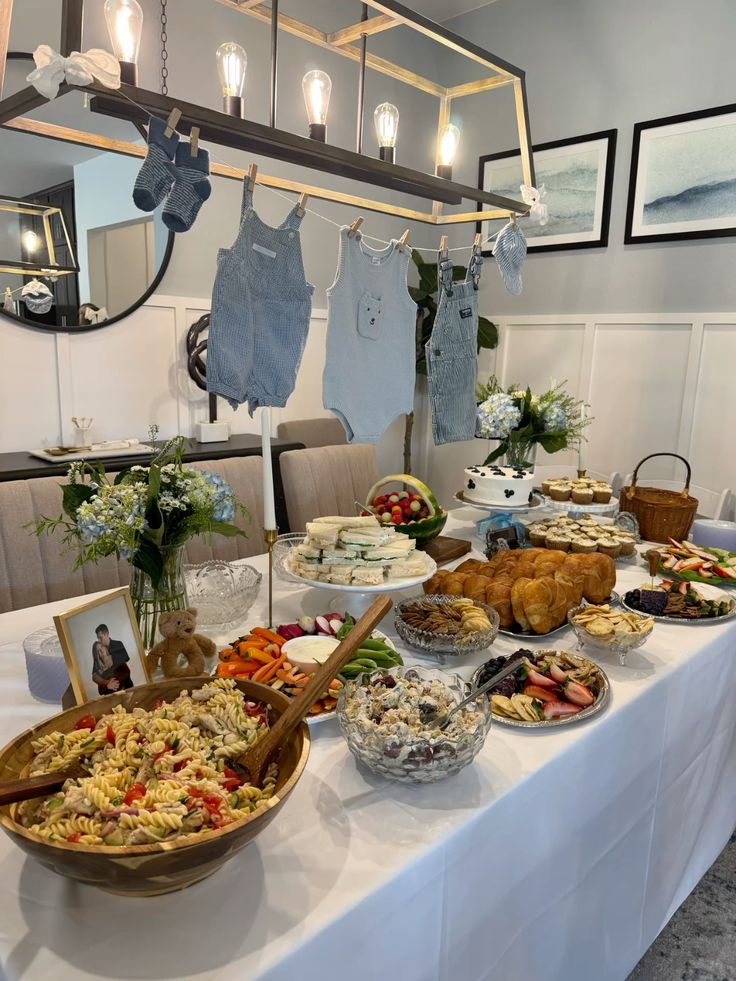
Food should be easy to serve and easy for guests to eat. You do not need a complicated menu with several courses.
Sandwiches, pastries, fruit, salads, small snacks, rice dishes, grilled foods, cakes, and drinks can all work depending on the type of gathering you are hosting.
If you are hosting at home, consider ordering some of the food rather than preparing everything yourself.
You can also ask a family member to handle the food while you focus on the baby.
Set up food in one area so guests can serve themselves. This means you will not have to keep getting up to refill plates or carry food around the room.
If you are breastfeeding, make sure you have eaten and have easy access to water. Hosting should never interfere with your basic needs.
7. Create a Comfortable Baby Area
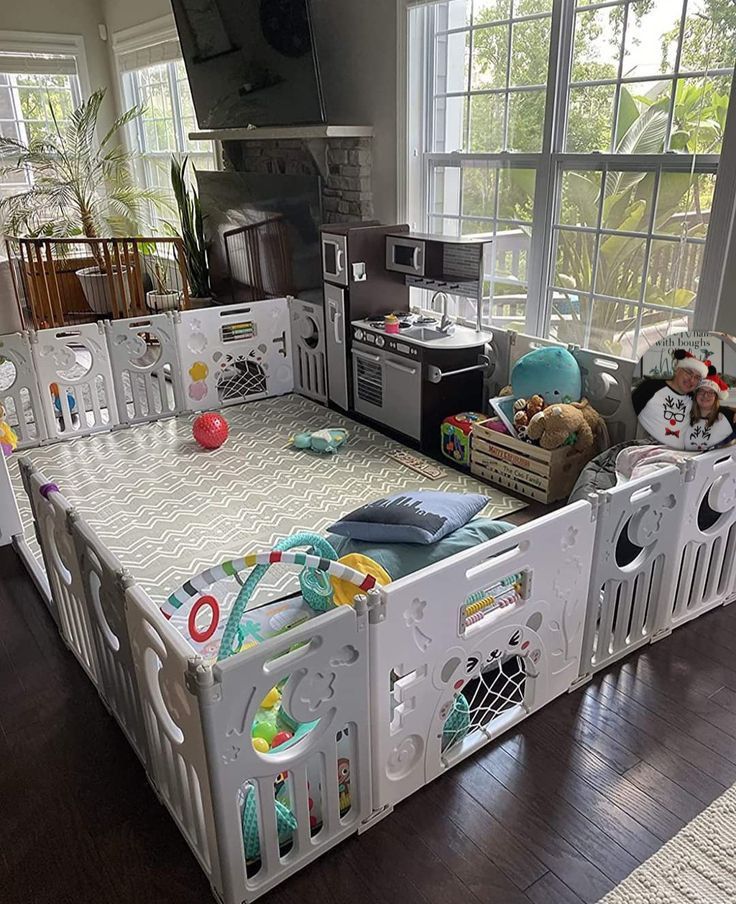
Give your baby a dedicated space where you can put them down safely when they are not being held.
A bassinet, crib, or other safe sleep space can be placed in a quiet area away from food, decorations, and heavy foot traffic.
You can also create a nearby changing and feeding station with the supplies you may need throughout the party.
Do not feel pressured to keep the baby in the centre of the celebration for the entire event. Your newborn may need to sleep, feed, or simply have some quiet time away from the crowd.
If you have already learned about safe co-sleeping guidelines for new parents, remember that the welcome party is not the time to compromise your baby’s normal safe sleep practices.
8. Plan One or Two Meaningful Activities
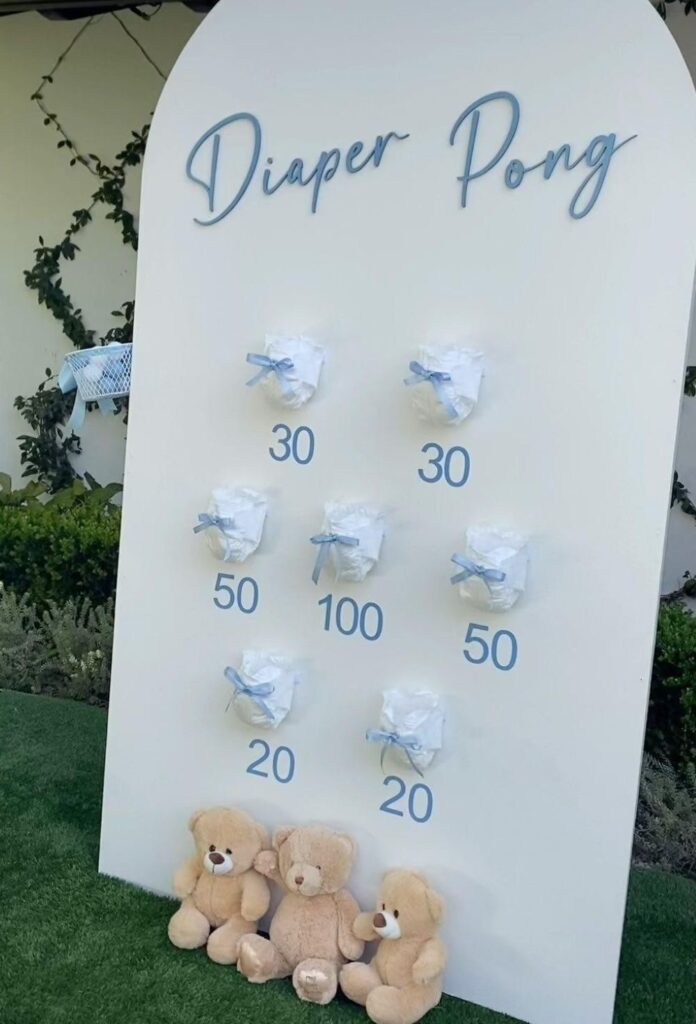
Your guests do not need a packed schedule. A newborn welcome party can be enjoyable without games running throughout the afternoon.
Instead, choose one or two activities that create a keepsake or give everyone an opportunity to participate.
You could ask guests to write letters to the baby, create a prediction card for the baby’s future interests, share advice for the parents, or write down their favourite childhood memories.
A photograph station can also work well. Guests can take pictures with the parents and leave messages in a guest book.
If older siblings are attending, give them a special role such as helping with the guest book or welcoming relatives. This can help them feel included in the celebration.
9. Make Time for Photographs
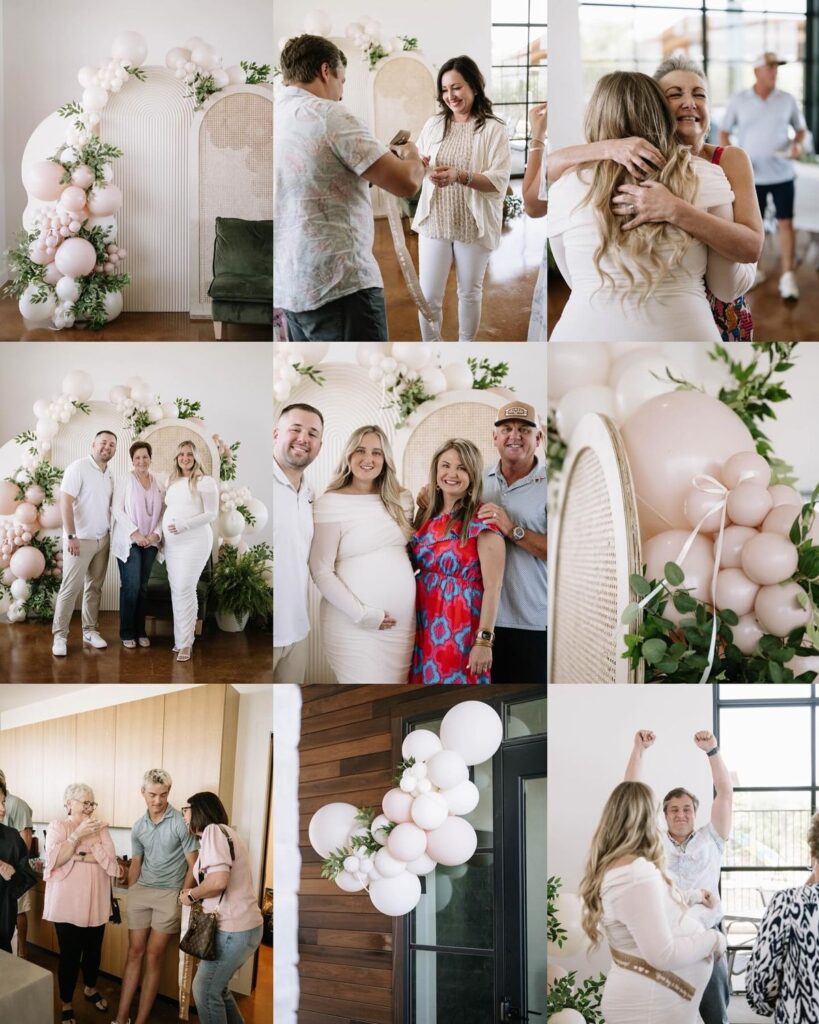
Photographs will help you remember the celebration long after the decorations have been packed away.
You do not need to hire a professional photographer if that is outside your budget. Ask a trusted friend or relative to take photographs throughout the event.
Take pictures of the decorations before guests arrive.
Photograph the parents with the baby, grandparents meeting the newborn, siblings interacting with the baby, and guests signing the guest book.
Try to capture natural moments instead of making every photograph posed.
If you have been collecting newborn outfits for your baby, choose one special outfit for the main family photographs. You can then save the clothing as part of your baby’s early memories.
10. Prepare a Flexible End Time
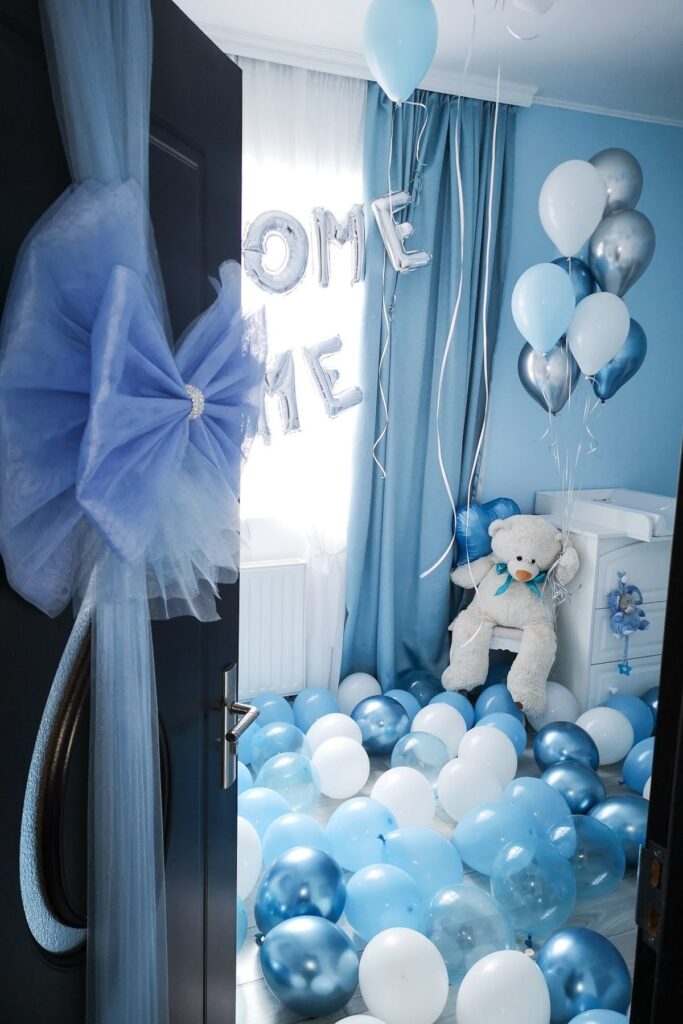
Do not feel obligated to keep the party going simply because you put effort into planning it.
Choose an approximate end time when sending invitations, but allow yourself to finish earlier if you or the baby becomes tired.
You can also ask a trusted person to help signal the end of the gathering. This may sound unnecessary, but having someone else manage small practical details can make the day much easier.
Your guests should understand that a newborn’s needs come first.
A flexible end time also means you can enjoy the celebration without constantly watching the clock.
Newborn Welcome Party Decoration Ideas
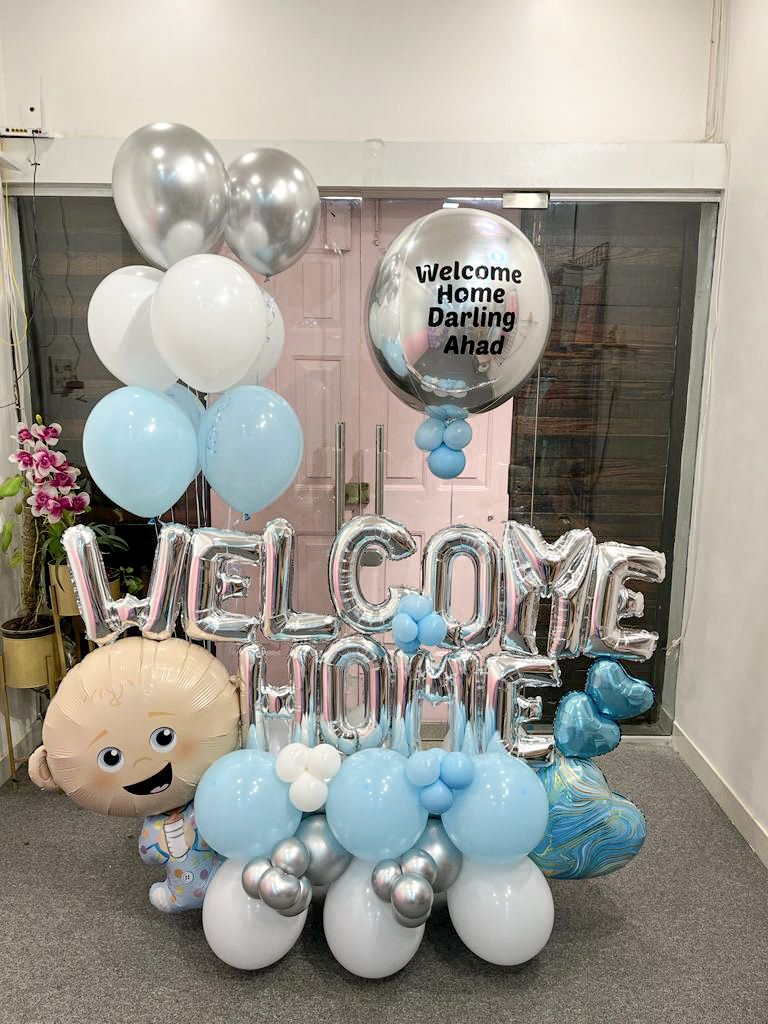
Create a Simple Welcome Sign
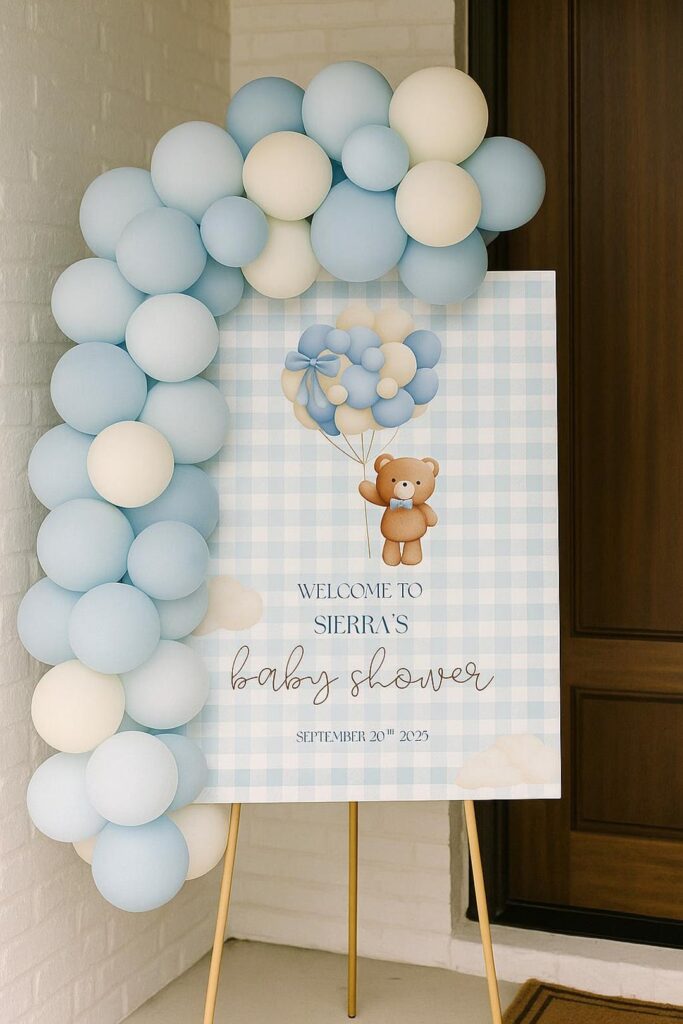
A welcome sign can introduce the celebration without requiring a large decorating budget. Use your baby’s name, initials, birth month, or a simple message such as “Welcome to the World, Little One.”
Place the sign near the entrance or beside the main table.
A wooden sign can create a rustic look, while an acrylic or framed sign can feel more modern.
Set Up a Small Photo Backdrop
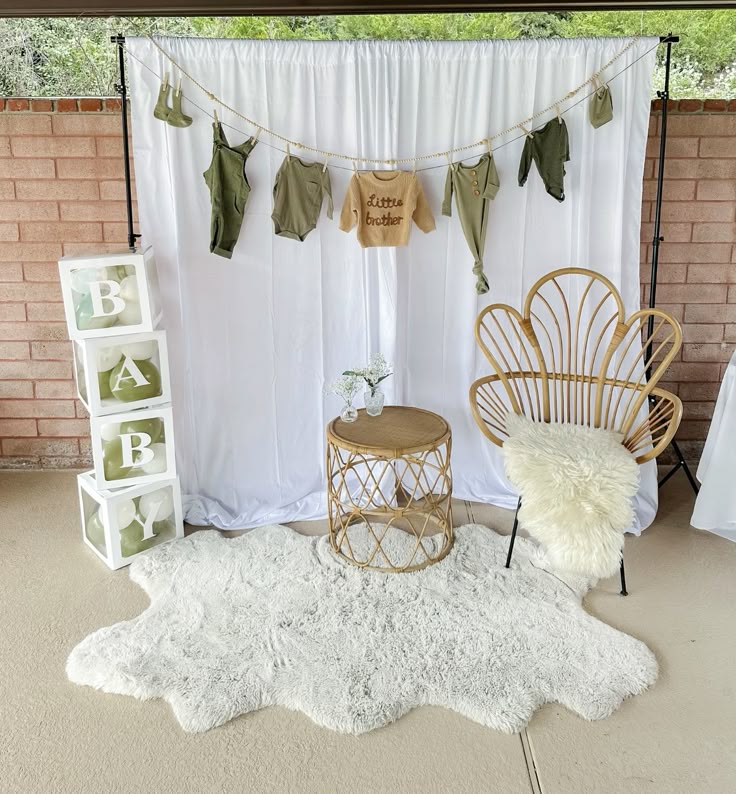
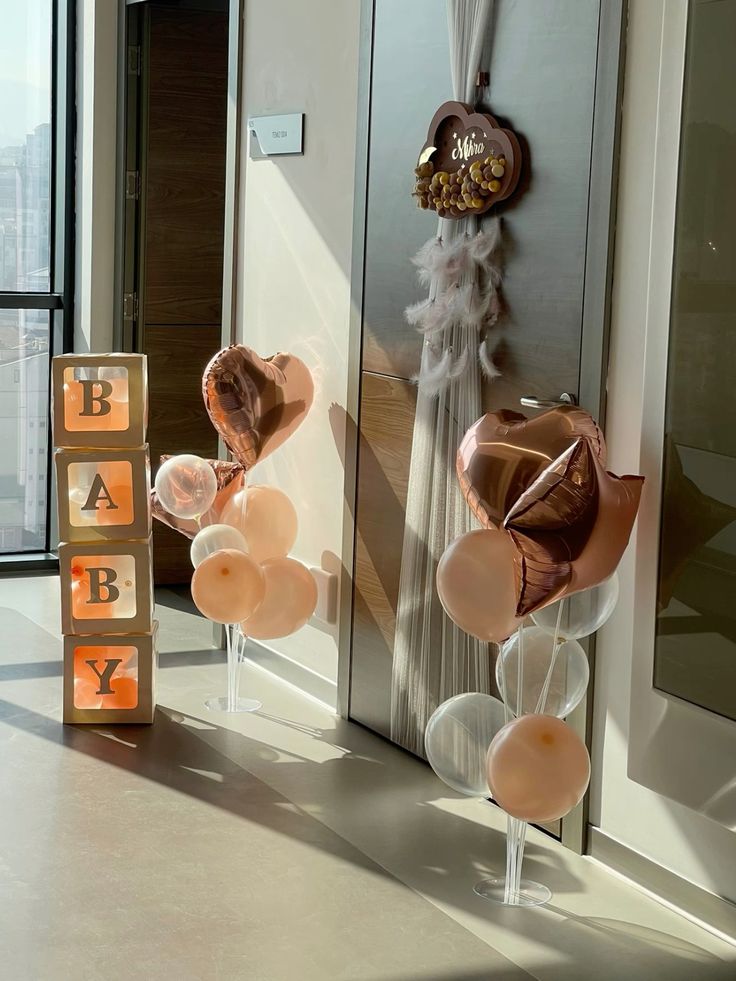
A simple backdrop gives you one dedicated place for photographs. Use fabric, balloons, flowers, greenery, paper decorations, or a personalised sign.
You do not need to cover an entire wall. A small decorated section can be enough.
Keep the area uncluttered so the baby and family remain the focus of the photographs.
Use the Baby’s Name as Decoration
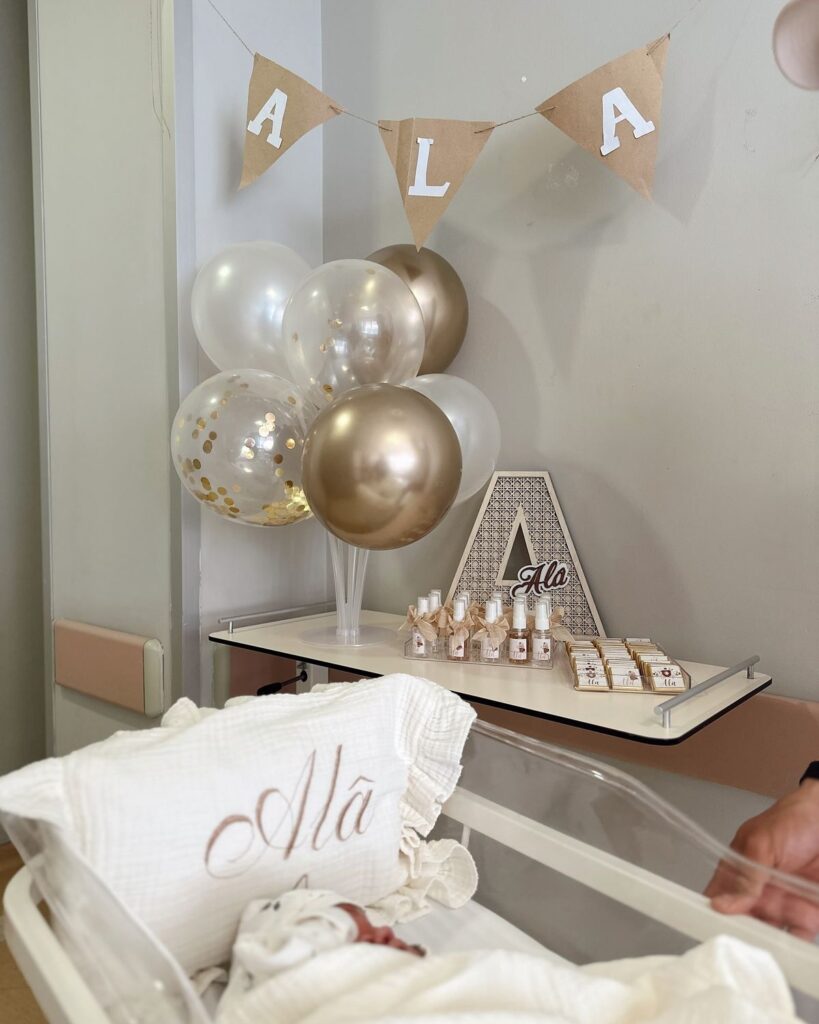
If you have chosen your baby’s name, use it as part of the décor. Large letters, a framed print, wooden blocks, or a personalised banner can make the space feel special.
If you are not ready to share the baby’s name publicly, use the baby’s initials instead.
This can become a keepsake that you later move into the nursery.
Create a Memory Display
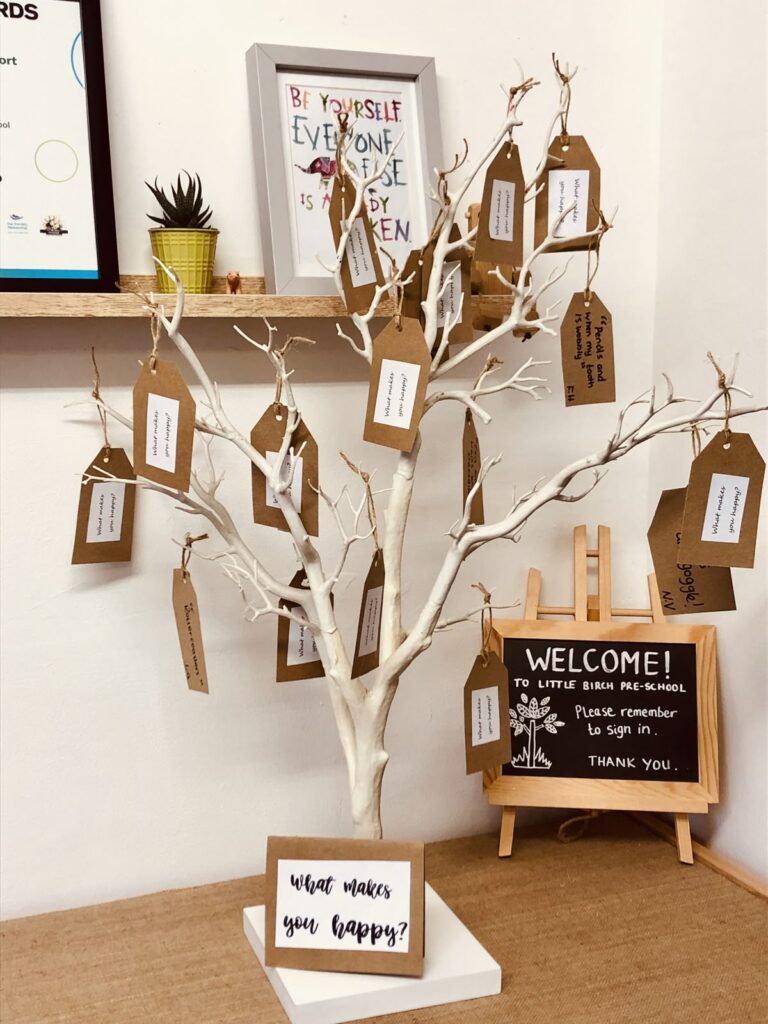
Set up a small table with photographs from pregnancy, the baby’s first photograph, hospital memorabilia, a birth announcement, or other meaningful items.
You can add a small sign explaining the display.
This gives guests something to look at and helps tell the story of your baby’s arrival.
What to Serve at a Newborn Welcome Party
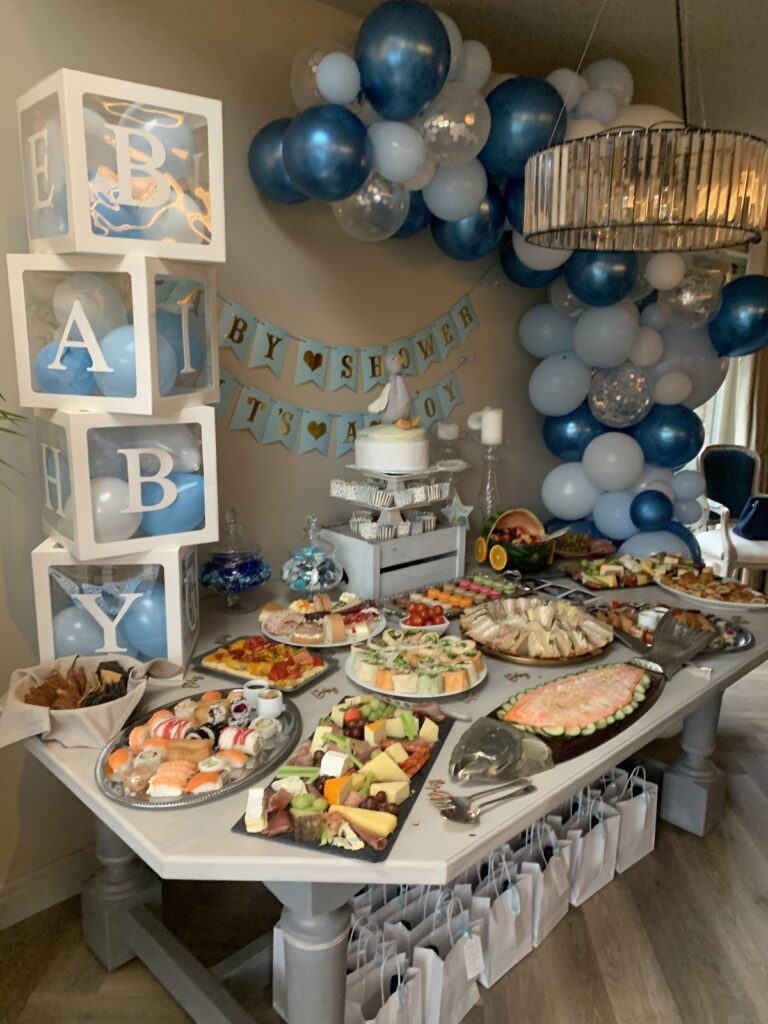
The menu should match the style of the gathering and your available energy.
For a casual afternoon, sandwiches, pastries, fruit, small snacks, and drinks may be enough. A family lunch could include rice, chicken, vegetables, salads, and a dessert.
A tea party could feature cakes, biscuits, sandwiches, tea, coffee, and fruit.
You can also serve foods that have cultural or family significance. A dish prepared by a grandparent, for example, can become part of the story of the celebration.
Keep drinks easily accessible and make sure there is plenty of water available.
If you are hosting outdoors, consider how you will keep food at a safe temperature and protect it from insects.
The simplest menu is often the easiest to enjoy because you are not spending the entire event preparing or serving food.
Newborn Welcome Party Etiquette for Guests
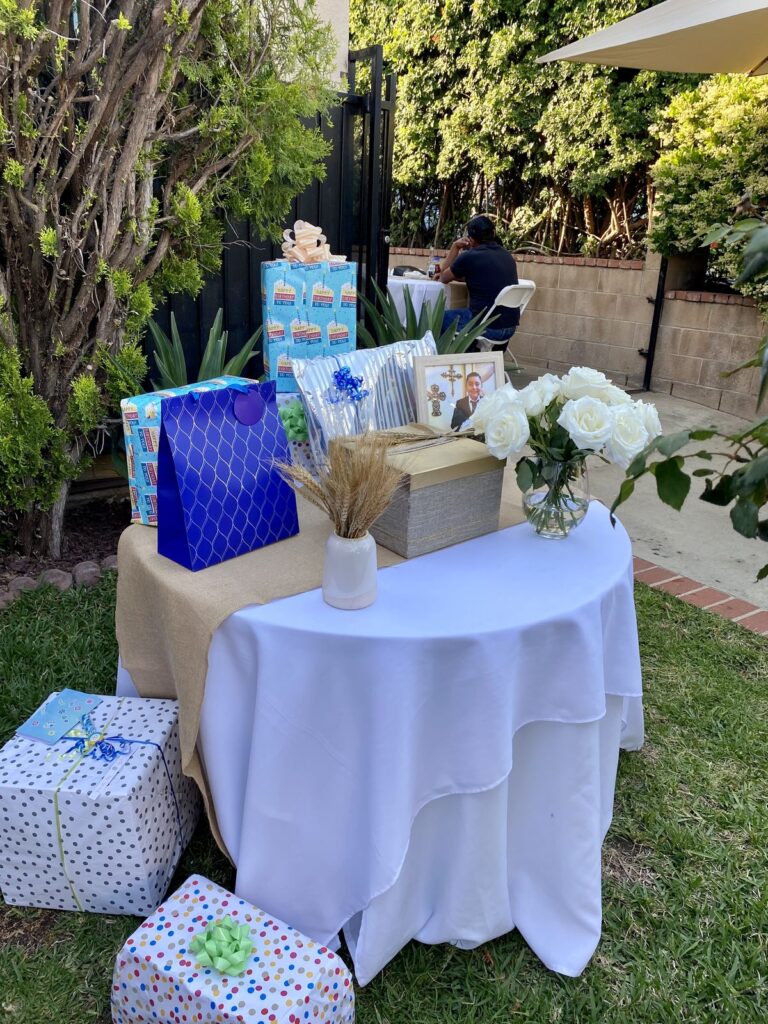
A newborn celebration needs a few extra boundaries because babies are still developing their immune systems and can become overwhelmed easily.
Ask guests to wash their hands before touching the baby. Guests who are sick should postpone their visit until they feel well.
You can also ask guests not to kiss the baby, particularly on the face or hands. If your baby has specific health needs, follow your healthcare provider’s advice about visitors.
Do not feel pressured to allow everyone to hold the baby. You can keep your newborn with you, place the baby in a safe sleep space, or decide that only a few people will hold them.
Guests should also understand that feeding, changing, crying, and sleeping can interrupt the party at any time.
These boundaries are not meant to make the celebration uncomfortable. They simply protect your baby’s needs while allowing everyone to celebrate together.
Meaningful Newborn Welcome Party Keepsakes
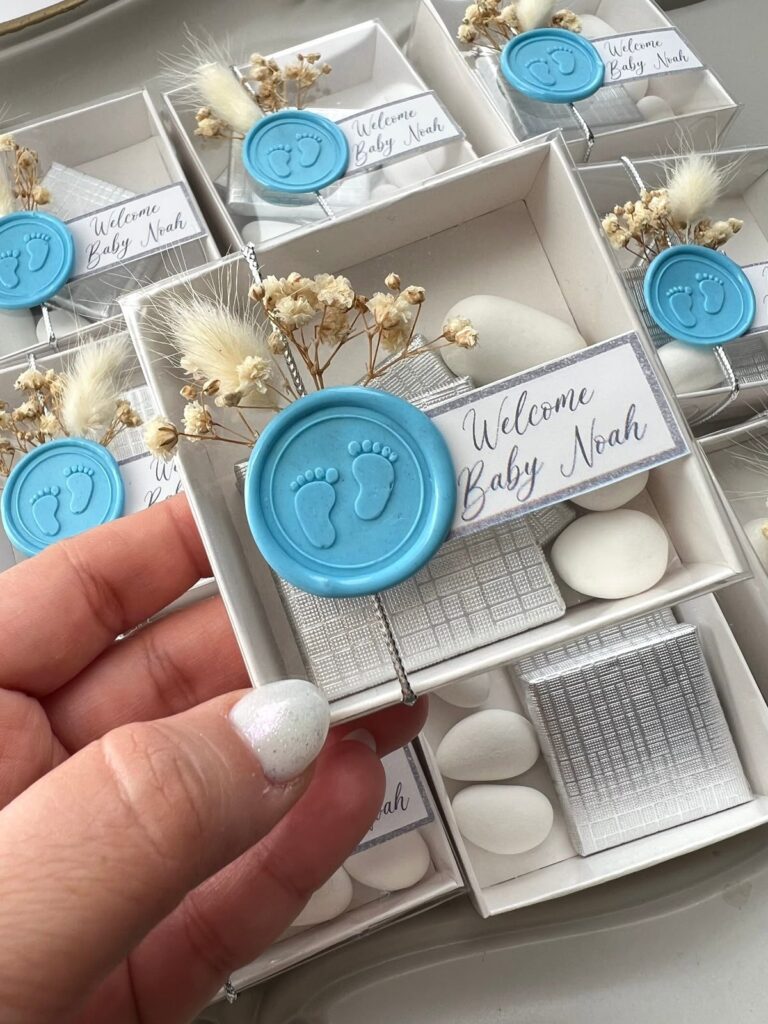
A welcome party can become more meaningful when you create something your family can keep.
Ask guests to write messages to your baby. They could share a blessing, a piece of advice, a favourite memory, or a hope for the child’s future.
You could also create a guest book containing photographs from the party and handwritten messages.
Another idea is to have guests write letters that your child can open at a future birthday. Store the letters in a box with photographs from the celebration.
A small decoration from the party can also become a keepsake. A personalised sign, invitation, name card, or banner can later be stored with your baby’s first-year memories.
If you are already preparing a budget for your baby’s first year, remember to leave room for small sentimental expenses rather than spending heavily on a single celebration.
How to Make the Celebration Comfortable for New Parents
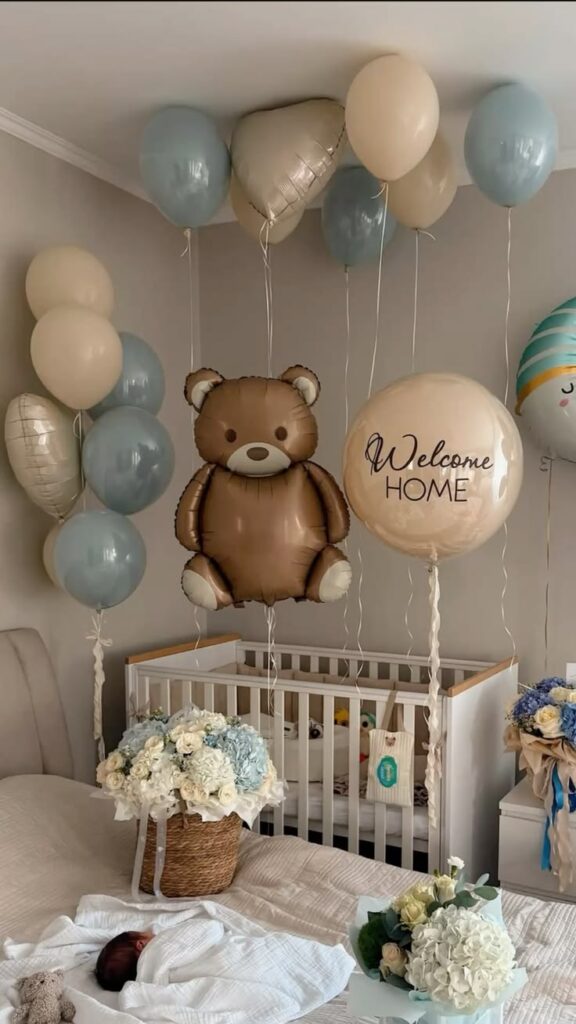
The parents should be able to enjoy the party too.
Arrange seating in a place where you can easily feed or comfort the baby. Keep water and food nearby. Have someone else manage the door, food, photographs, and other small responsibilities whenever possible.
You should also have a private room available if you need to feed the baby, change clothes, rest, or simply step away from the crowd.
Do not apologise for taking breaks. Your guests are there to celebrate your family, and most will understand that caring for a newborn comes first.
If you become tired, end the celebration. You do not need to wait until the scheduled closing time.
A successful newborn welcome party is one where you remember the joy of the day rather than how exhausted you were afterwards.
Celebrate Your Baby Without Making the Day Complicated
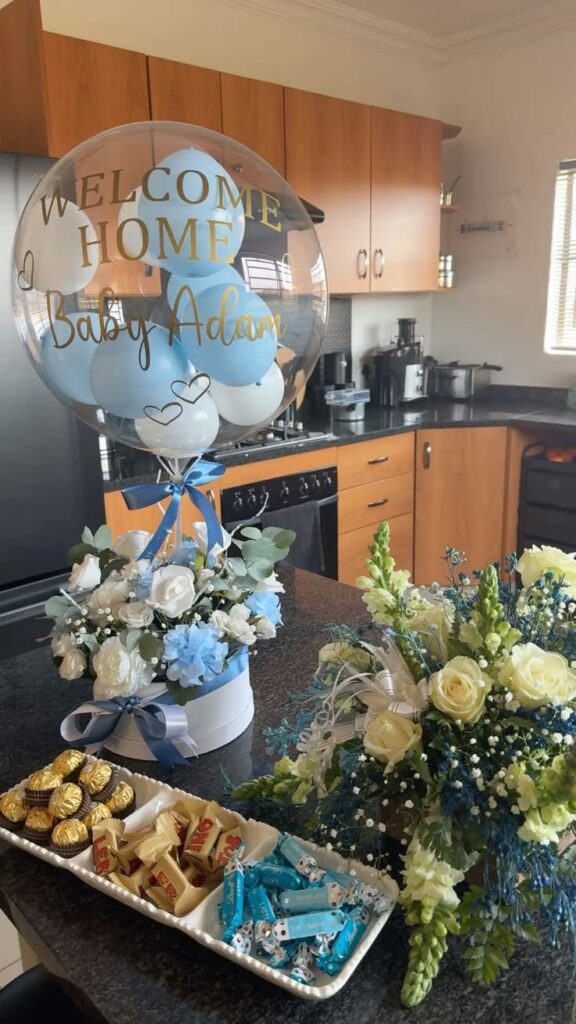
A newborn welcome party does not need to be elaborate to feel special.
The most important parts are the people who come to celebrate your baby, the memories you create, and the opportunity to mark the beginning of this new stage of family life.
Choose a manageable guest list, keep the food simple, use decorations that do not require excessive preparation, and give yourself plenty of flexibility.
Your baby’s feeding, sleep, and comfort should always take priority over the party schedule.
You can also use the celebration as a chance to create memories that your child will have later. Save photographs, messages from guests, a small decoration, or a handwritten letter from the people who came to welcome them.
If you are also preparing for other early milestones, resources on newborn milestones during the first month can help you think about what your baby may be experiencing during this period.
The best welcome party is not necessarily the biggest or most beautifully decorated one. It is the celebration that allows your family to welcome your baby surrounded by people who genuinely care about you.
Explore more helpful ideas in the articles below
How to Play With Your Newborn Baby
25 Simple Bonding Activities for Newborns




One Comment