Ways to Save Money on Baby Essentials
Disclosure: Some of the links in this post are affiliate links. This means if you click on the link and purchase an item, I will receive an affiliate commission at no extra cost to you.
Preparing for a new baby is exciting, but it can also feel expensive.
Between nursery furniture, baby clothes, diapers, feeding supplies, and healthcare costs, it’s easy to wonder how families manage everything without overspending.
The good news is that welcoming a baby doesn’t have to drain your savings or leave you struggling financially.
Many first-time parents assume they need every product recommended online or displayed in baby stores.
In reality, babies need far fewer items than clever marketing often suggests.
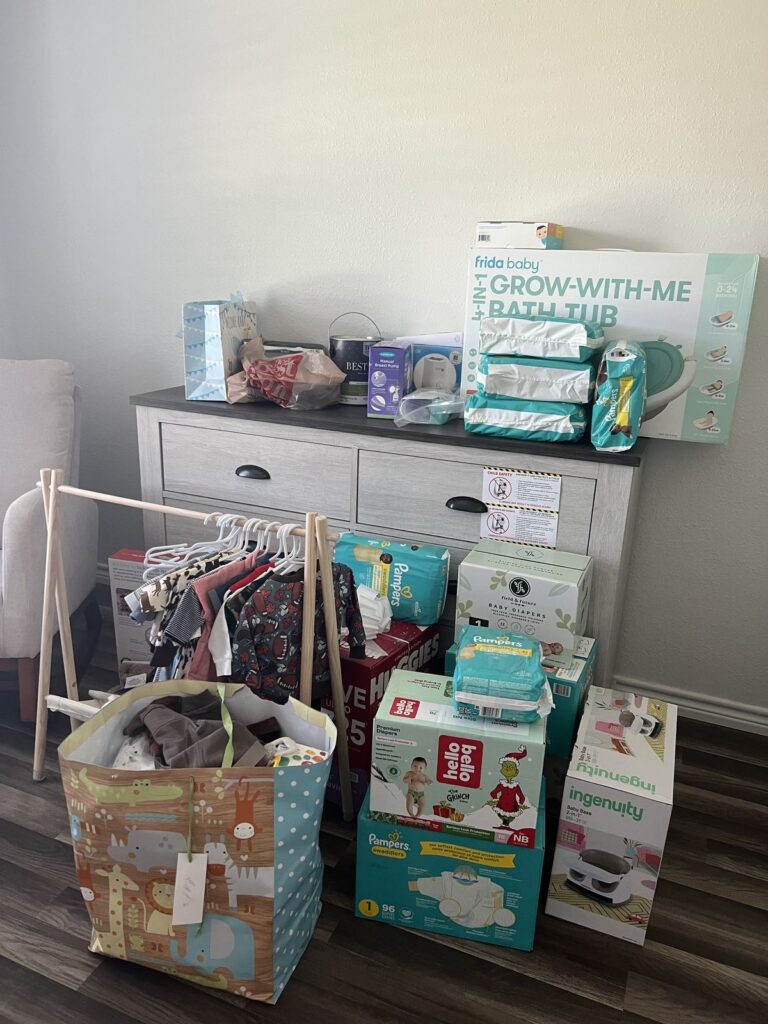
Focusing on practical essentials instead of impulse purchases can save hundreds, and sometimes thousands, over your baby’s first year.
Saving money isn’t about buying the cheapest products available.
The focus is on about making informed decisions, comparing options, purchasing only what you’ll actually use, and planning your spending before your baby arrives.
Small decisions made consistently often have a much bigger impact than one large cut to your budget.
Reading this guide will help you discover practical ways to reduce baby-related expenses, identify where it’s worth spending more, and learn where you can comfortably save without affecting your baby’s comfort or safety.
With thoughtful planning, you can prepare for your little one while keeping your family’s finances healthy.
Start With a Realistic Shopping List
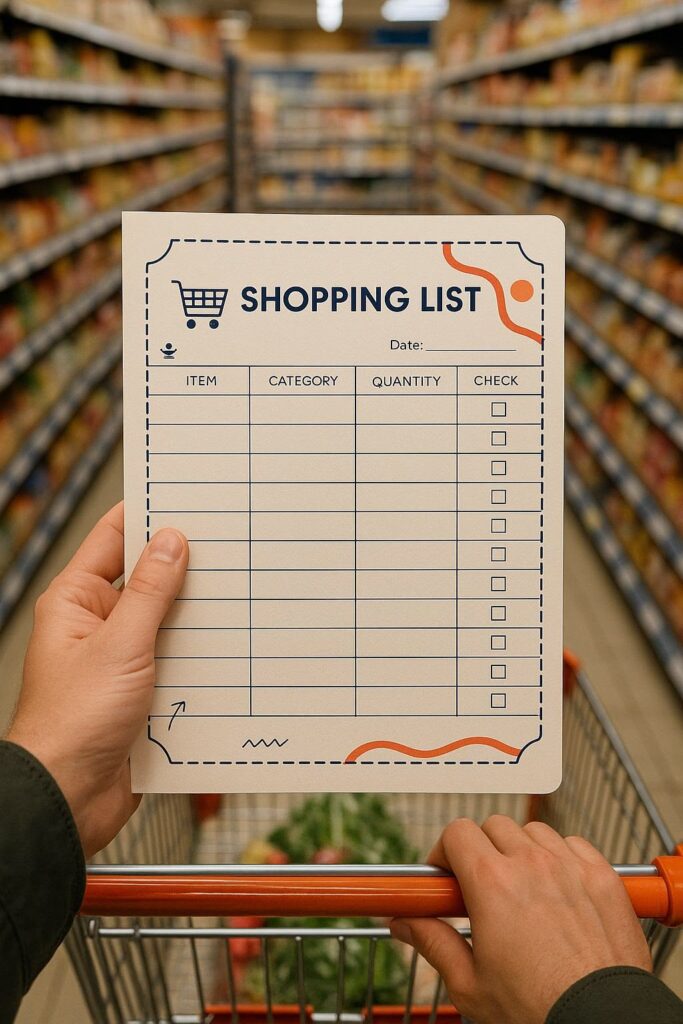
One of the easiest ways to save money is to know exactly what you need before you start shopping.
Walking into a baby store or browsing online without a plan often leads to impulse purchases that quickly stretch your budget.
Begin by separating true essentials from items that can wait until after your baby arrives.
This simple step helps you focus your spending on products you’ll use immediately instead of filling your cart with things that may never leave the box.
A written list also makes it easier to compare prices across different stores and avoid buying duplicate items.
Before you begin shopping, creating a baby budget that matches your family’s income and priorities will help you decide how much you can comfortably spend on each category.
Create a Spending Limit for Every Shopping Trip
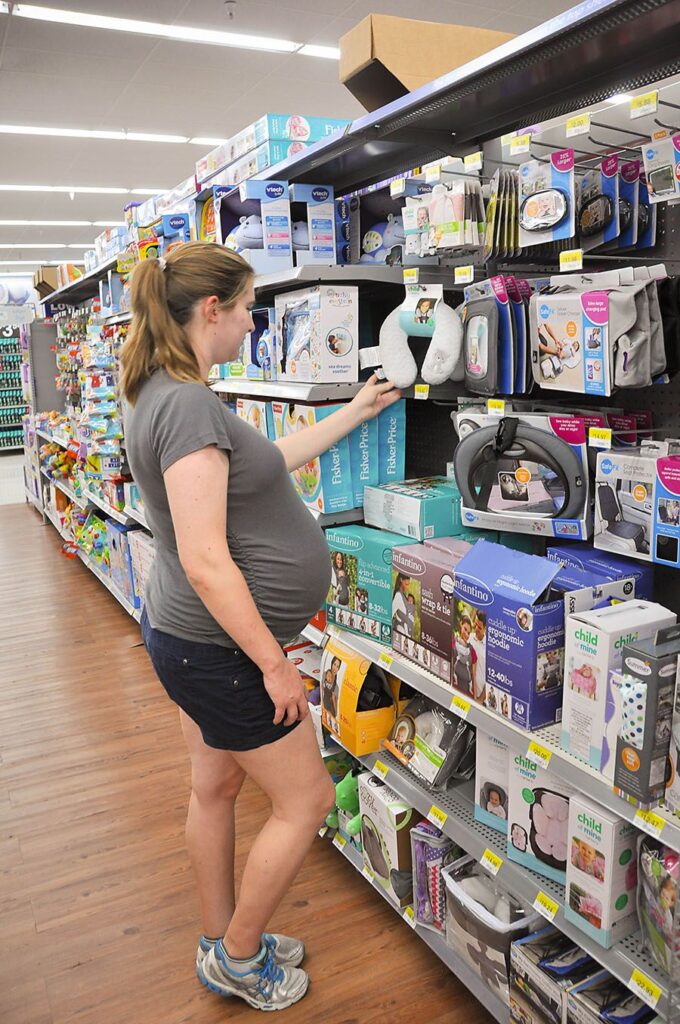
Walking into a baby store without a spending limit can make it difficult to stay within your budget.
Before you shop, decide how much you’re comfortable spending and stick to that amount.
Having a clear limit encourages you to compare products carefully instead of making quick decisions based on attractive displays or limited-time offers.
It can also help to divide your shopping list into categories and assign a budget to each one.
For example, you might set one amount for clothing, another for feeding supplies, and another for nursery essentials.
If you spend less than expected in one category, you can move those savings to another area where costs are higher.
Shopping with a budget doesn’t mean you can’t buy quality products.
It simply helps you make intentional decisions and avoid spending more than you originally planned.
Even small savings from each shopping trip can add up over the course of your pregnancy.
Buy the Essentials Before the Extras
Not every purchase has to be made before your baby arrives.
Many products are marketed as must-haves, but families often discover they rarely use them during the first few months.
Taking time to separate genuine necessities from nice-to-have items helps you avoid overspending and keeps your budget focused on what will make the biggest difference.
One helpful approach is to think about your baby’s immediate needs after birth.
Your newborn will need a safe place to sleep, appropriate clothing, feeding supplies, diapers, and transportation home from the hospital.
Everything else can be added gradually as your baby grows and your daily routine becomes more established.
Buying only the essentials first also gives you the flexibility to take advantage of future sales or accept gifts from family and friends.
You may receive items you planned to purchase yourself, allowing you to redirect that money toward other important expenses or your emergency savings.
Remember that every family’s situation is different.
Some parents prefer to spread purchases throughout pregnancy, while others wait until closer to their due date.
The most important thing is to prioritize practical needs over impulse purchases and choose products that fit both your lifestyle and your budget.
Essentials Worth Buying Early
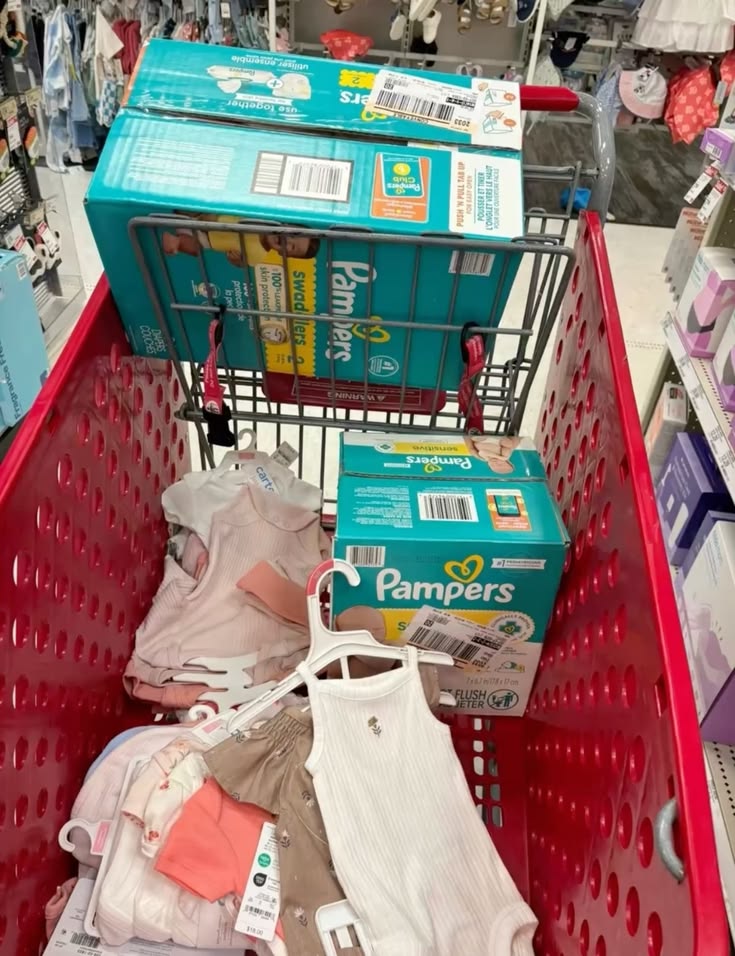
Consider budgeting for:
- A safe place for your baby to sleep.
- Diapers and wipes.
- Feeding supplies.
- Baby clothing.
- A properly fitted infant car seat.
- Basic toiletries.
- A thermometer and simple healthcare items.
These are the products most families use from the very beginning.
Items That Can Wait
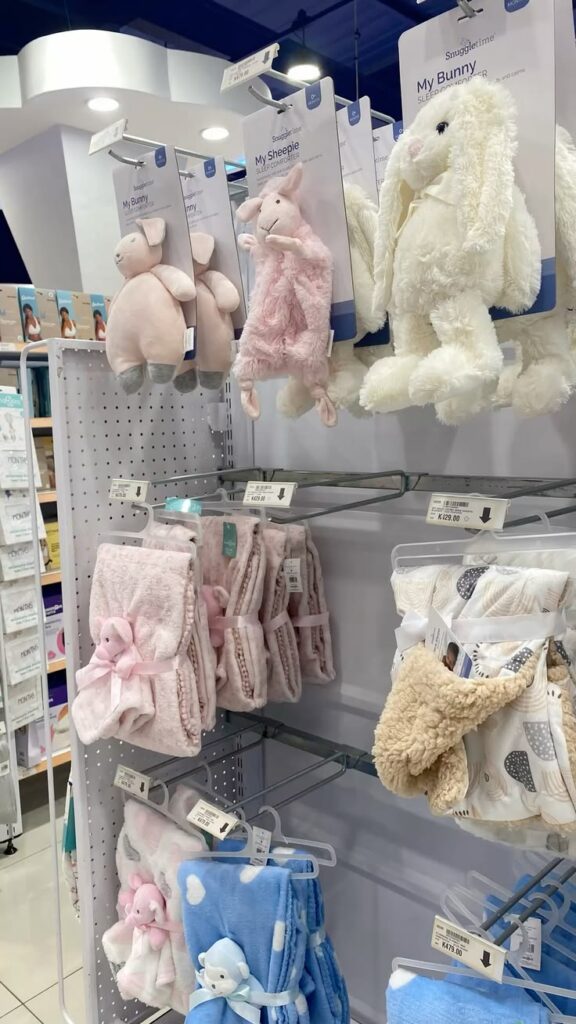
Many purchases can be delayed until you know your baby’s routine and preferences.
Examples include:
- Fancy nursery decorations.
- Large collections of toys.
- Activity centers.
- Multiple baby blankets.
- Designer outfits.
- Extra feeding accessories you may never use.
If you’re unsure where to start, learning which baby expenses are worth saving for during pregnancy can help you prioritize your spending before your due date.
Compare Prices Before You Buy
The first price you see isn’t always the best one.
Spending a little extra time comparing retailers can lead to significant savings, especially on larger purchases.
Check local baby stores, online retailers, supermarket promotions, and seasonal sales before making a final decision.
Some stores also offer price matching or discounts for first-time parents.
When comparing products, don’t focus only on the purchase price.
Consider durability, warranty, replacement costs, and customer reviews.
Sometimes spending a little more on a higher-quality item can save money in the long run because it lasts longer or can be used for future children.
For larger purchases, taking time to compare different infant car seat options before buying can help you choose one that offers the right balance of safety, quality, and value.
Shop Online and In Store Before Making a Final Decision
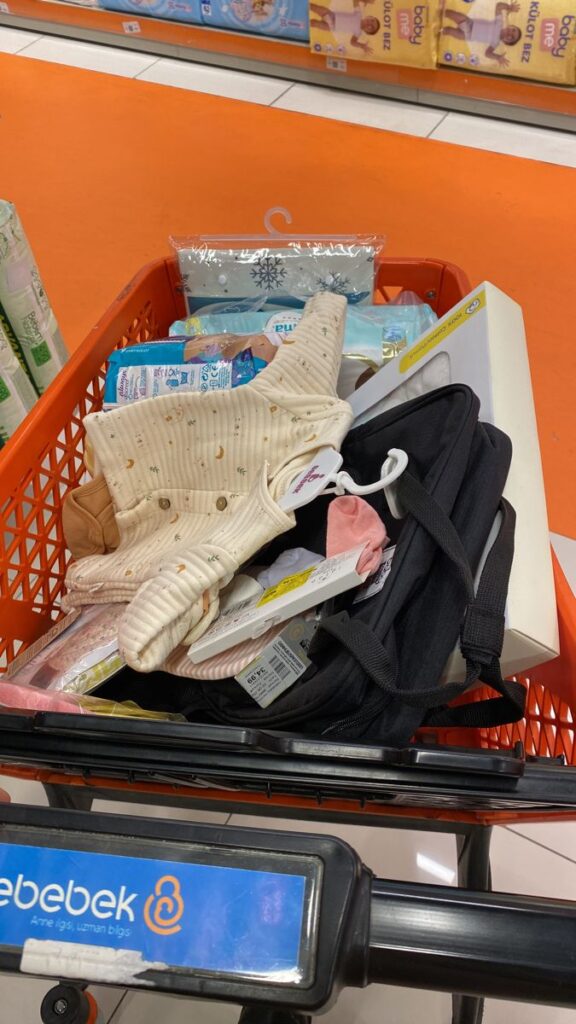
Comparing prices shouldn’t stop with one retailer.
Many parents find that the same product is sold at different prices depending on where they shop.
Looking at both online and physical stores gives you a better chance of finding discounts, bundle offers, or free delivery that can reduce your overall costs.
Pay attention to more than just the listed price.
Delivery fees, return policies, warranties, and customer service can all affect the true value of your purchase.
A slightly higher price may be worthwhile if it includes better support or a longer warranty.
If you’re shopping online, consider adding items to your cart and waiting a day or two before completing your purchase.
Some retailers send discount codes to customers who leave items in their shopping cart, helping you save a little more without any extra effort.
Take Advantage of Sales and Seasonal Discounts
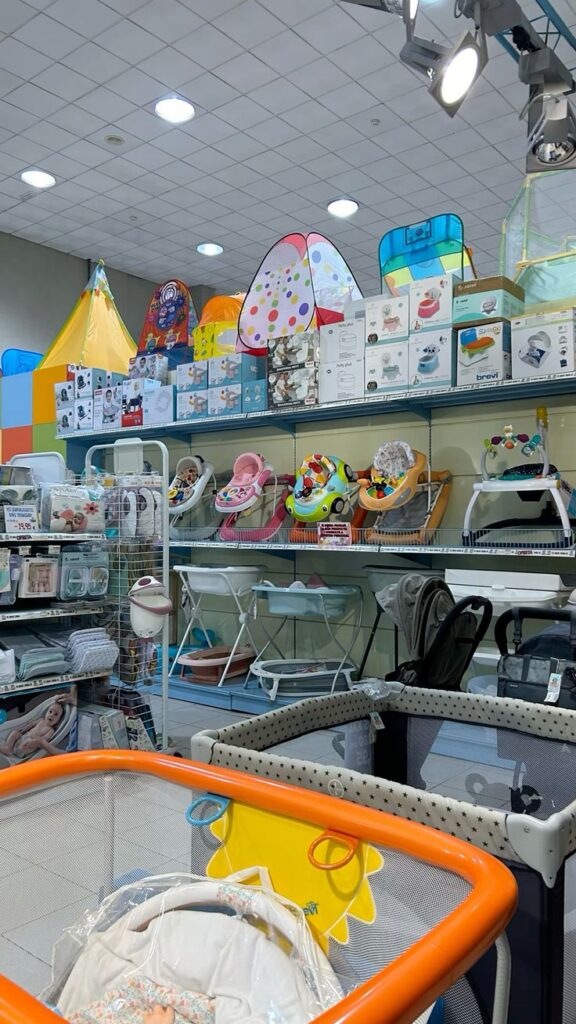
Planning your purchases around sales is one of the simplest ways to reduce the cost of baby essentials.
Instead of buying everything as soon as you think of it, keep a list of the items you need and watch for discounts throughout your pregnancy.
Many retailers offer promotions during holiday sales, clearance events, and end-of-season discounts.
If your due date gives you enough time, waiting a few weeks for a sale can make a noticeable difference to your budget.
You can also sign up for newsletters from baby stores to receive notifications about special offers, discount codes, and exclusive promotions.
Just remember to buy because you need the item, not simply because it’s on sale.
Buy Everyday Supplies in Reasonable Quantities
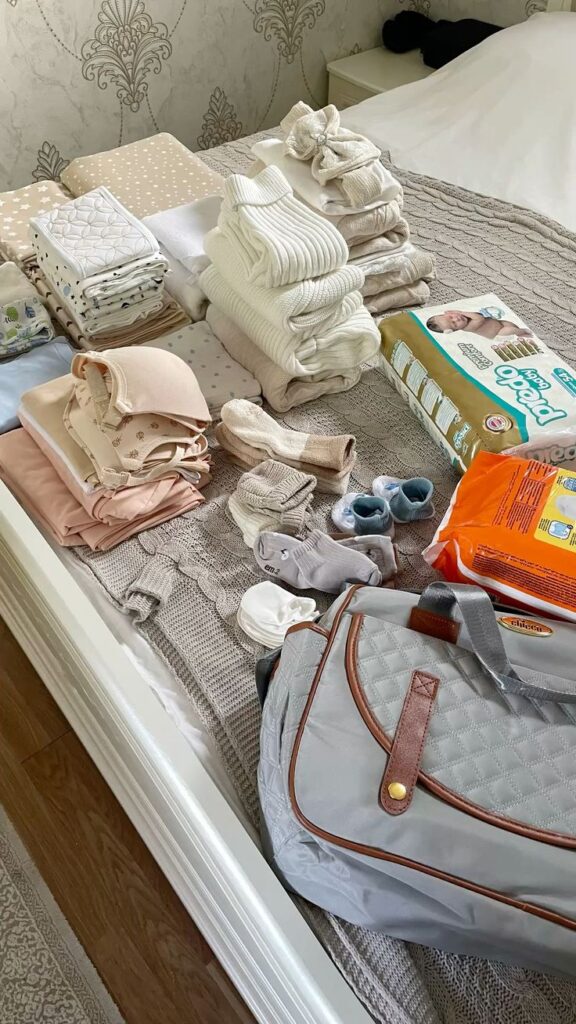
Sales are a great opportunity to save money, but it’s important to buy thoughtfully.
Stocking up on products your baby will definitely use, such as diapers, wipes, and toiletries, can help you spend less over time.
However, avoid buying excessive amounts of products your baby may outgrow quickly or brands you’ve never tried before.
Storage space is another factor to consider.
Buying in bulk only makes sense if you have somewhere clean and dry to keep everything until it’s needed.
If storage is limited, purchasing smaller quantities during multiple sales may be a better option.
A balanced approach allows you to enjoy discounts without filling your home with products that may go unused.
Accept Hand-Me-Downs When They’re Still in Good Condition
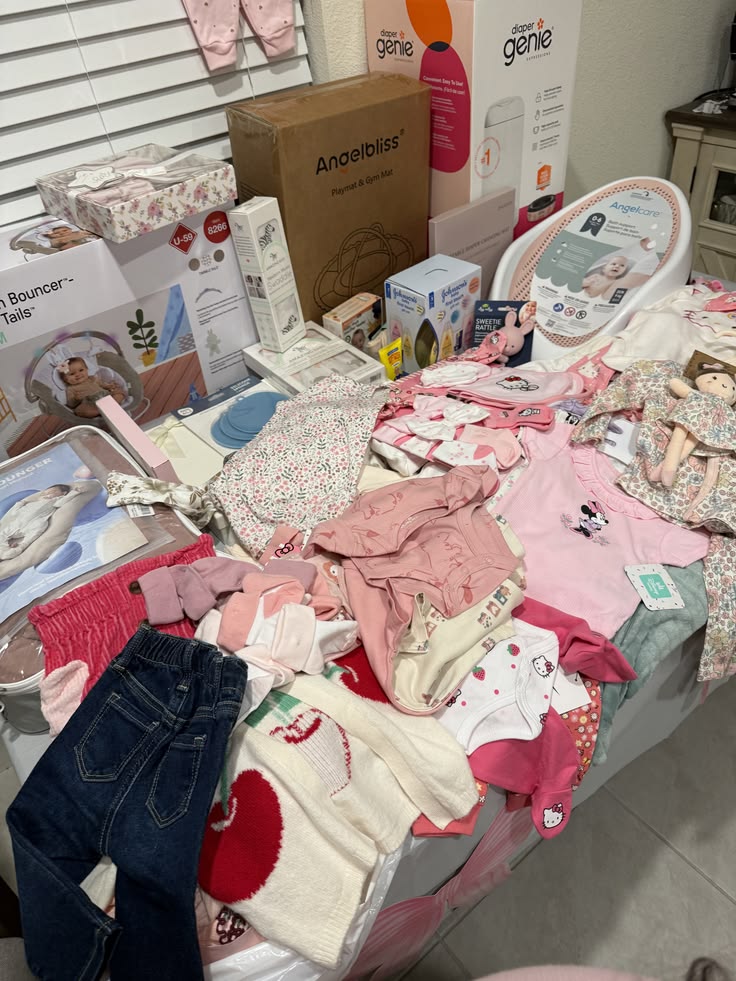
Many baby items are only used for a short time, which means second-hand products are often in excellent condition.
Accepting hand-me-downs from trusted family members or friends can help you save a considerable amount of money without compromising quality.
Items that are commonly passed down include:
- Baby clothes.
- Swaddles.
- Receiving blankets.
- Baby books.
- Nursery furniture.
- Toys for older infants.
Before accepting any item, check that it’s clean, complete, and safe to use.
If it shows signs of damage or no longer meets current safety recommendations, it’s better to replace it.
When it comes to larger nursery items, choosing nursery furniture that will grow with your child can also help you avoid replacing everything as your baby gets older.
Buy Baby Clothes in the Right Quantities
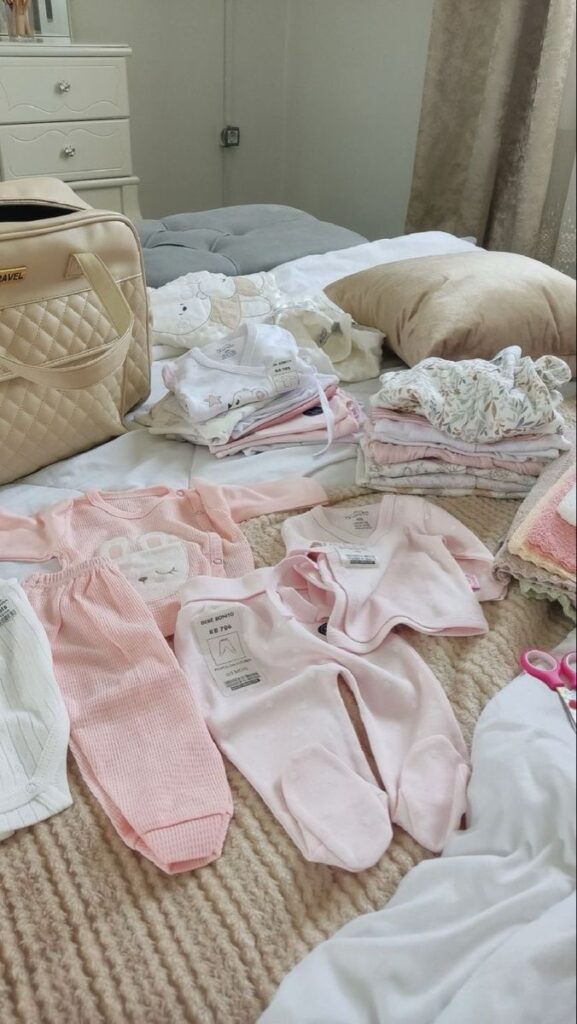
One of the easiest ways to overspend is by buying too many newborn outfits before your baby is born.
Baby clothes are adorable, and it’s tempting to fill an entire wardrobe before you’ve even met your little one.
The reality is that babies grow quickly.
Some wear newborn sizes for only a few weeks, while others move into larger sizes almost immediately.
A smarter approach is to buy enough clothing for the first few weeks and then purchase more as your baby grows.
Focus on practical items such as:
- Bodysuits.
- Sleepsuits.
- Socks.
- Hats.
- Light sweaters for cooler weather.
Instead of filling drawers with outfits your baby may never wear, knowing how many newborn clothes you’ll realistically need can help you spend wisely while still being fully prepared.
Create a Baby Registry
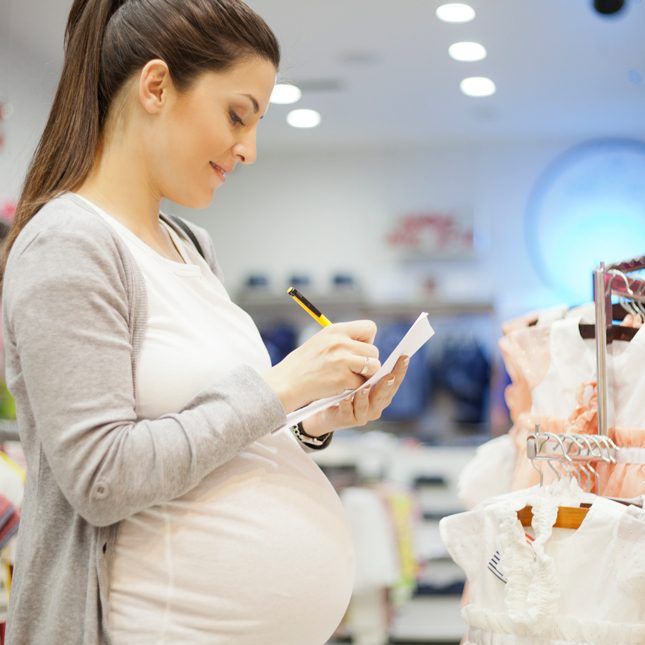
Even if you don’t plan to host a baby shower, creating a baby registry can still save you money.
It helps friends and family know exactly what you need, reducing the chances of receiving duplicate gifts or items you’ll never use.
A well-planned registry should focus on practical products rather than luxury items.
Prioritize essentials that will have the biggest impact on your daily routine after your baby arrives.
Include items from different price ranges so everyone has options if they choose to buy a gift.
If you’re planning a celebration before your baby’s arrival, putting together a complete baby shower planning checklist can help you organize the event while making the most of your registry.
Choose Multi-Purpose Baby Products
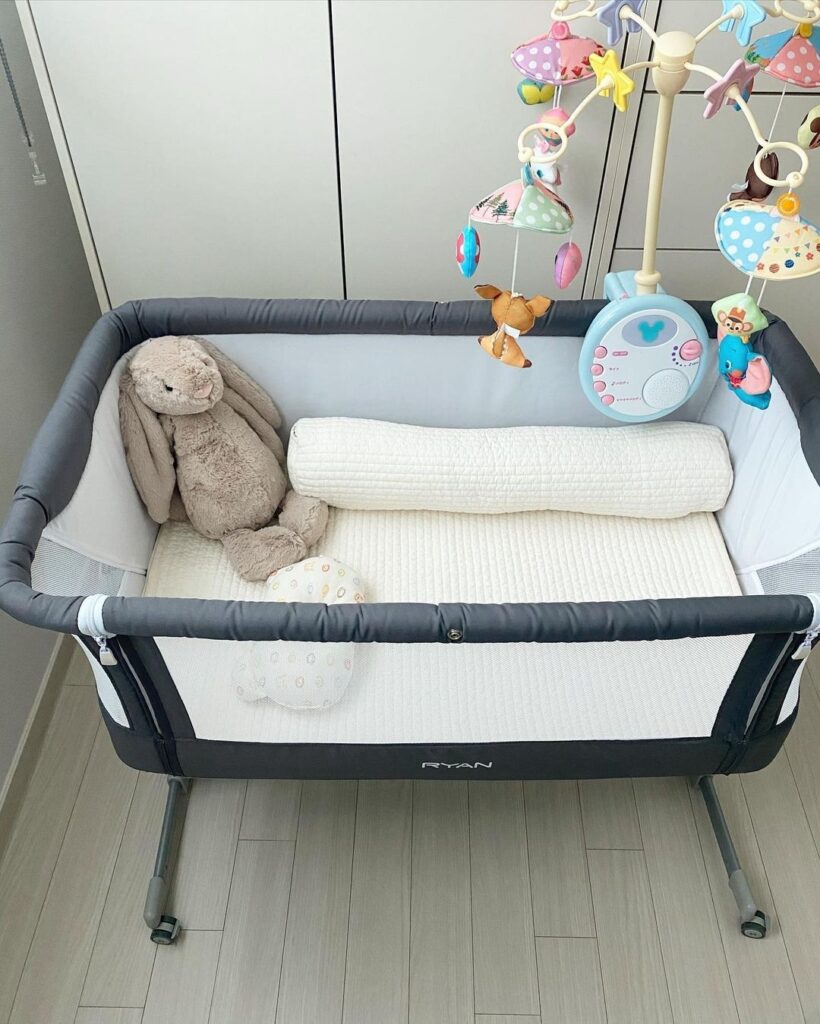
Some baby products are designed to serve only one purpose, while others can be used in several different ways or for a much longer period.
Choosing versatile products can help you save money because you’ll buy fewer replacements as your baby grows.
For example, you might consider:
- A convertible crib that changes into a toddler bed.
- A stroller with adjustable seating positions.
- Storage baskets that can later be used for toys or books.
- Clothing in slightly larger sizes that your baby can grow into over the next few months.
Although some multi-purpose products cost a little more upfront, they often provide better value over time because they remain useful for longer.
If you’re comparing sleeping arrangements, understanding the differences between a bassinet and a crib before making your purchase can help you choose the option that best suits your family’s needs and budget.
Don’t Buy Everything Before Your Baby Arrives
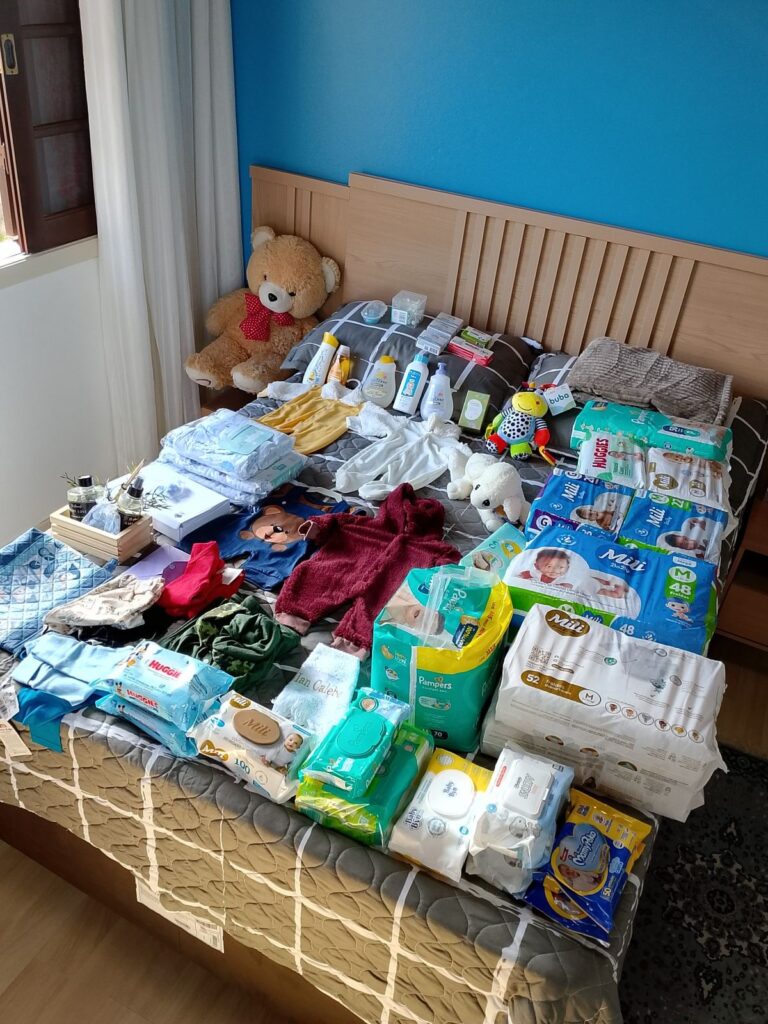
It’s natural to want every detail ready before your due date, but buying everything at once can quickly exhaust your budget.
In reality, many products can wait until you’ve settled into life with your newborn and understand what your family actually needs.
Your baby’s preferences, feeding routine, and sleeping habits may influence which products become useful and which ones remain untouched.
Instead of rushing to buy every recommended item, focus on the essentials first and leave room in your budget for future purchases.
This approach also gives you the opportunity to take advantage of sales that happen after your baby is born instead of paying full price beforehand.
Use Cashback Programs and Reward Points
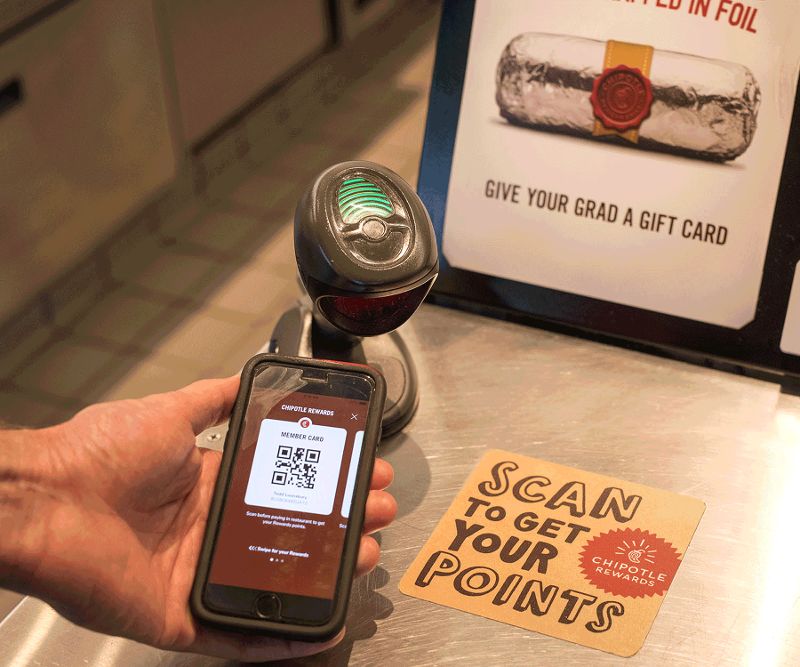
If you regularly shop at supermarkets, pharmacies, or baby stores, joining their loyalty programs can help reduce your overall spending.
Many retailers offer reward points, cashback, or member-only discounts that gradually add up over time.
You don’t need to chase every promotion.
Instead, focus on stores where you already shop and take advantage of the benefits they provide.
Some useful strategies include:
- Redeeming reward points for diapers or wipes.
- Using cashback offers on everyday baby products.
- Combining store promotions with manufacturer coupons.
- Purchasing frequently used items during double-points events.
These savings may seem small individually, but over several months they can help cover the cost of other baby essentials.
Share or Borrow Items You’ll Use Temporarily
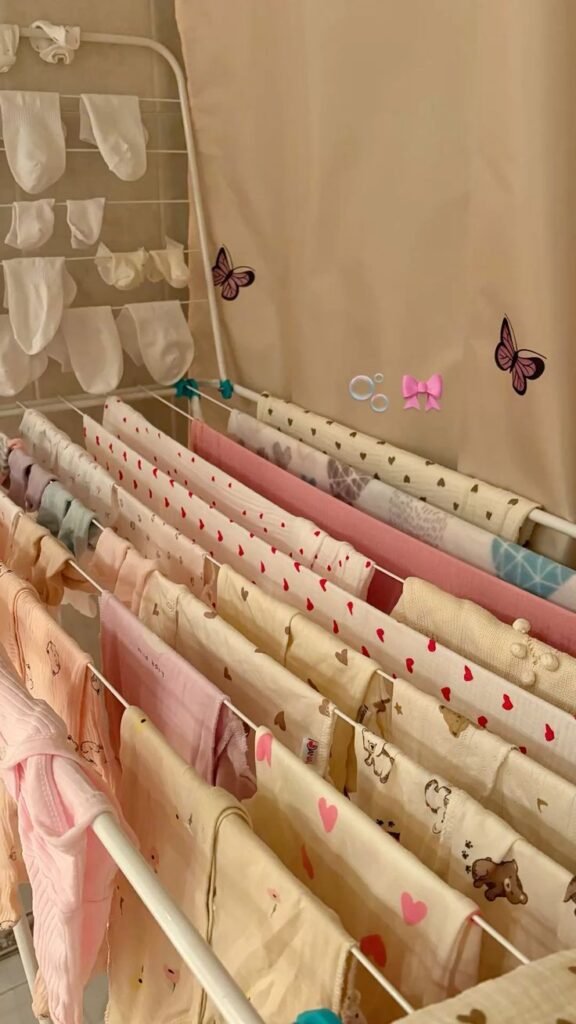
Not every baby product needs to be purchased brand new.
Some items are only used for a short period, making them ideal for borrowing from trusted family members or close friends.
Examples include:
- Baby baths.
- Infant swings.
- Baby bouncers.
- Travel cots for occasional trips.
- Nursing pillows.
Before borrowing anything, check that it’s clean, complete, and still meets current safety recommendations.
Borrowing suitable items allows you to focus your budget on products your baby will use every day while avoiding unnecessary spending on short-term equipment.
Avoid Impulse Buying
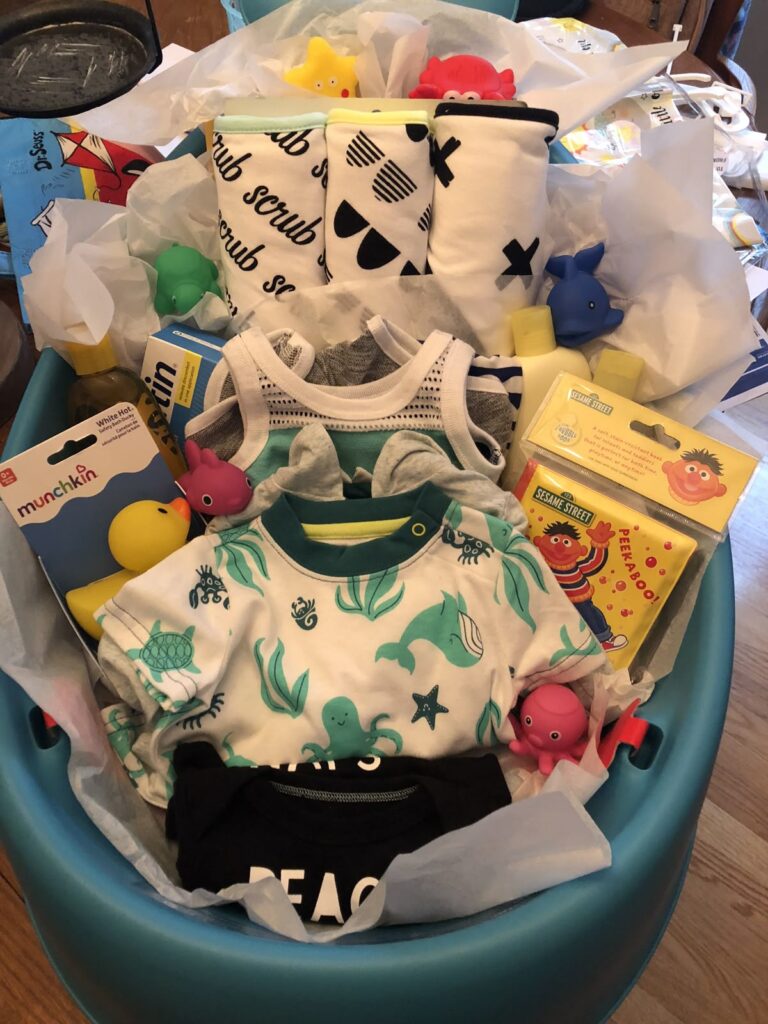
Baby products are designed to catch your attention.
From adorable outfits to the latest parenting gadgets, it’s easy to add extra items to your cart simply because they look useful or are on sale.
However, impulse buying is one of the quickest ways to exceed your baby budget.
Before making any purchase, pause for a moment and ask yourself:
- Will my baby need this during the first few months?
- Is there something I already own that serves the same purpose?
- Have I compared prices elsewhere?
- Can this purchase wait until after my baby is born?
Giving yourself a day or two before buying non-essential items often helps you decide whether you truly need them.
A practical way to stay focused is to shop with a list and stick to it.
If an item isn’t on your list, take time to think about it before adding it to your cart.
Remember That Expensive Doesn’t Always Mean Better
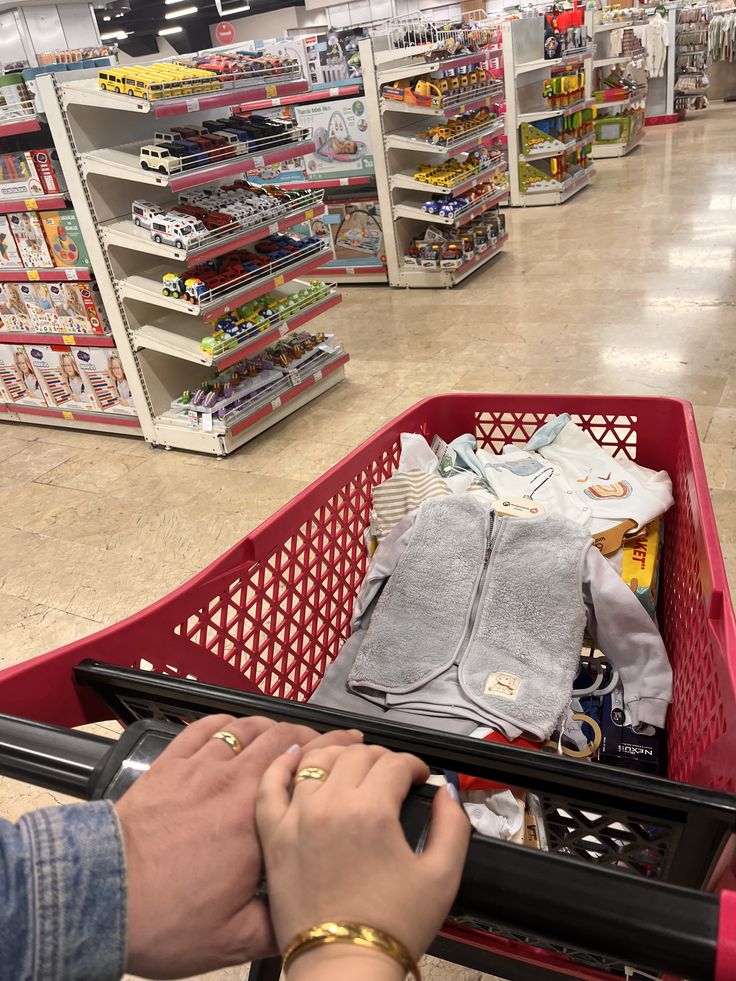
Many parents assume that higher prices automatically mean better quality. While some premium products are worth the investment, there are also many affordable alternatives that perform just as well.
Instead of choosing an item because of its brand name, compare:
- Safety features.
- Product reviews.
- Durability.
- Ease of cleaning.
- Warranty information.
- Recommendations from parents who have used the product.
Reading independent reviews and speaking with other parents can help you make informed decisions without paying extra for features you may never use.
Your goal is to find products that offer good value, not simply the highest price tag.
Saving Money Is About Making Smart Choices
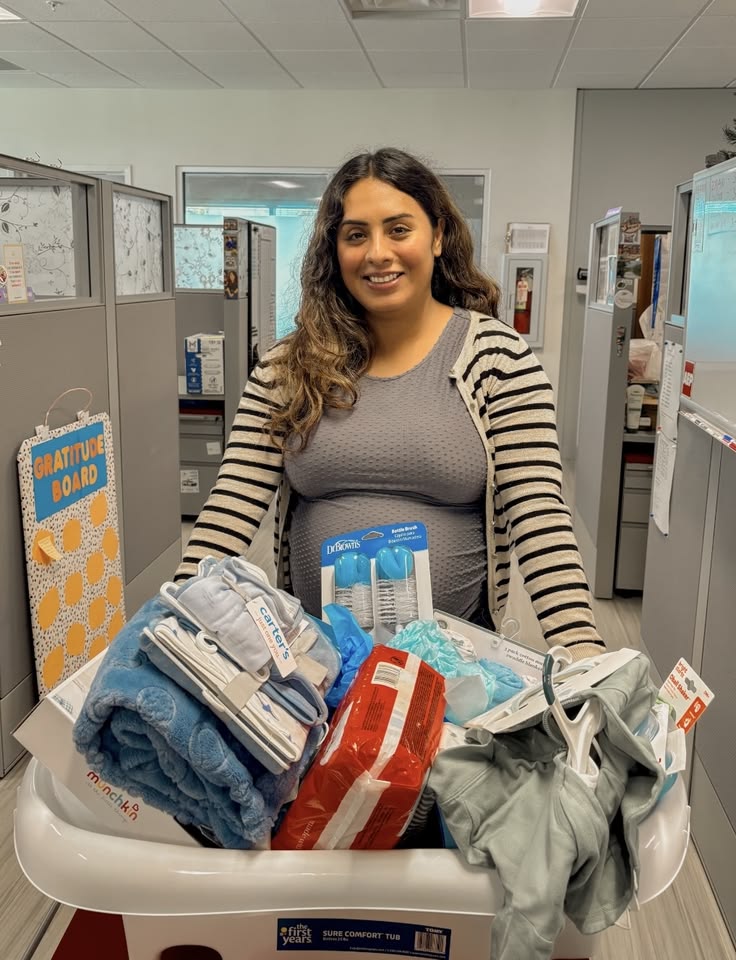
Reducing the cost of baby essentials doesn’t mean sacrificing your baby’s comfort or safety.
It means spending intentionally, planning purchases ahead of time, and focusing on what truly matters during your baby’s first months.
By creating a shopping list, buying essentials before extras, comparing prices, taking advantage of sales, accepting quality hand-me-downs, and avoiding impulse purchases, you can prepare for your baby’s arrival without placing unnecessary pressure on your finances.
Every family has a different budget, and that’s perfectly okay.
The important thing is to make decisions that fit your income and your priorities rather than trying to keep up with what others are buying.
Small savings made consistently throughout your pregnancy can make a meaningful difference by the time your little one arrives.




13 Comments